Black Cohosh

BLACK COHOSH
Actaea racemosa, the black cohosh, black bugbane, black snakeroot, or fairy candle (syn. Cimicifuga racemosa ), is a species of flowering plant of the family Ranunculaceae.

Some herbal medicinal products containing black cohosh (cimicifuga racemosa) extract hold a marketing authorisation in several states of the European Union and are well-studied and recommended for safe and effective use for the relief of menopausal symptoms (i.e. in the years around menopause) such as hot flushes and profuse sweating attacks.

In the 19th century, the root was used to treat snakebite, inflamed lungs, and pain from childbirth.

? Effect
Polycystic ovarian syndrome (PCOS). Supplementing with black cohosh may increase a woman with PCOS’s chances of getting pregnant on Clomid.

?Supplementing with black cohosh may also help regulate your cycles. Another study noted that a combination of black cohosh and other compounds — including chasteberry, zinc, ginger, and hyaluronic acid — helped improve hot flashes that were associated with insomnia and anxiety.

Side effects of Black Cohosh
Black cohosh has some potential side effects, but they’re typically mild. They include digestive upset, nausea, skin rashes, infection, muscle pain, breast pain or enlargement, and spotting or bleeding outside of your menstrual cycle.

However, black cohosh has also been linked to some severe cases of liver damage. For this reason, you shouldn’t take black cohosh if you have liver disease or are taking any other supplements or medications that may harm your liver.

Examples of supplements that contains black cohosh: Menorite & Remifemin


Written by: Samuel Sobiye

Almonds

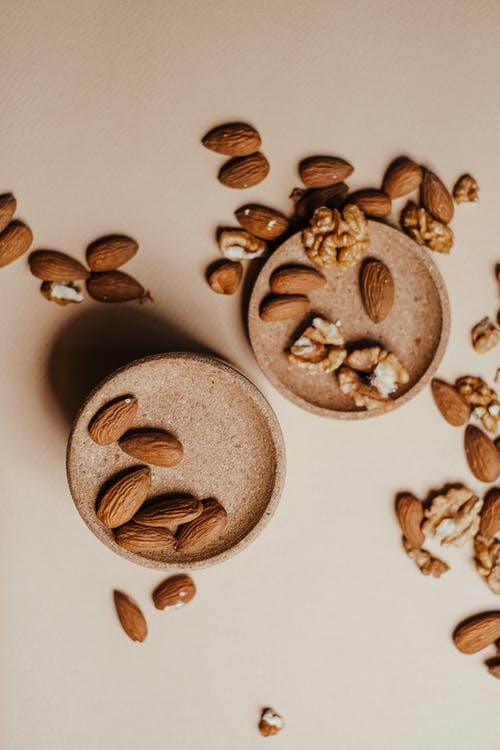
Almonds contain vitamins, minerals, protein, and fiber, and so they may offer a number of health benefits. Just a handful of almonds (approximately 1 ounce) contains one-eighth of a person’s daily protein needs.
Almonds can be taken raw or toasted as a snack or add them to sweet or savory dishes. They are also available sliced, flaked, slivered, as flour, oil, butter, or almond milk.

BENEFITS OF ALMONDS

1) Almond and Cholesterol: Almonds are high in fat, but it is unsaturated fat. This type of fat does not increase the risk of low-density lipoprotein (LDL) or “bad” cholesterol. In moderation, the American Heart AssociationTrusted (AHA) note that unsaturated fats may improve a person’s blood cholesterol status. In addition, almonds contain no cholesterol. Consuming almonds may increase vitamin E levels in the plasma and red blood cells which lower overall cholesterol levels. Vitamin E is an antioxidant that can help stop the oxidization process that causes cholesterol to clog the arteries. Nutrients in almonds may help boost or maintain levels of high-density lipoprotein (HDL) or “good” cholesterol. It is advised that 45 grams (g) of almonds should be consumed per day to protect heart health.

2) Almonds and cancer risk:
It is a protective factor for the development of breast cancer.

3) Almonds and heart disease:
It helps to improve lipid, or fat, levels in the blood. This can benefit heart health. Almonds significantly increased the levels of antioxidants in the bloodstream, reduced blood pressure, and improved blood flow.

4) Almond and vitamin E:
Vitamin E and other antioxidants help prevent oxidative damage in the body. This damage can occur when too many free radicals accumulate. Free radicals result from natural bodily processes and environmental stresses. The body can eliminate many of them, but dietary antioxidants help remove them, too. High levels of free radicals can cause oxidative stress, resulting in damage to cells. This can lead to various diseases and health problems. Almonds are high in antioxidants that can protect your cells from oxidative damage, a major contributor to aging and disease.

5) Almond and blood sugar:
Almonds are extremely high in magnesium, a mineral that many people don’t get enough of. High magnesium intake may offer major improvements for metabolic syndrome and type 2 diabetes.

6) Almonds help manage weight: It is low in carbohydrates but high in protein, healthful fats, and fiber. Feeling full can help people lose weight, as they will be less tempted to seek more snacks.

7) Almonds boost bone health: Almonds contain calcium, magnesium, manganese, copper, vitamin K, protein, and zinc, all of which contribute to bone health.

In other words, a handful of almonds a day can keep the doctor away! ?


Written by: Samuel Sobiye

Cinnamon & Its Benefits!

What is Cinnamon?
Cinnamon is the inner back of several trees bearing aromatic spices scientifically know as Cinnamonum genus.
Types of Cinnamon:
There are basically four main types of  Cinnamon namely;
– Ceylon Cinnamon also known as Verum or True Cinnamon.
– Cassia Cinnamon or Saigon Cinnamon.
– Korintage Cinnamon which is also know as Burmanni Cinnamon.
– Loureiroi Cinnamon also referred to as Royal Cinnamon.
It originated from Sri Lanka, and mostly cultivated or found in North America, Southern Asia and parts of Europe and Africa Egypt precisely.
It has a thick hard layer which is either dark or light brownish in color.
Cinnamon can be reproduced or converted into the following forms:
– Sticks
– Essential Oil
– Extracts
– Supplements
– Powder (which is mostly used in cooking and spicing ).
Health benefits of Cinnamon:
Cinnamon is one of the healthiest spices as health and nutritional effects have been found to manange the following:
– Helps in the reduction of weight as well as heart related diseases as it contains little or no fat ( reduction of total cholesterol);
Bad ‘LDL’ cholesterol and triglycerides, while good ‘HDL’ cholesterol remains stable.
– It is also beneficial in effects of Neuro degenerative diseases like Alzheimer’s and Parkinson’s disease. A compound found in cinnamon helps build up protein called TAU in the brain cells which is good for reducing Alzheimer’s.
– Also helps to protect against Cancer and other oxidative damages due to its powerful Antioxidants effects like (Polyphenol) as well as for fighting Bacteria and Fungi infections like tooth decay and bad breath due to Antibacterial and Antimicrobial effects.
– It’s Anti-inflammatory effect helps to relive soreness and pain.
Also traces of Vitamin B and k and the antioxidants choline, beta-carotene, alpha- carotene, lycopene, lutein and zeaxanthin which is good for the eyes, skin.
– Its essential oil which is gotten from the leaf of Cinnamon can be used for flavour, fragrance and sometimes used as antiseptic due to its high Eugenol concentrate as well as its root bark that contains camphor.
– More-so, cinnamon is converted into Powdery form mixed with milk as well as Supplements like pills and capsules  helps to boost sexual libido and sperm count as well as fight erectile dysfunction.
Toxicity:
Excessive intake of Cinnamon cassia could be harmful especially with persons with liver related problem; as it contains Coumarin which is a known cause of liver infection or damages.
Note – it is advisable to take it proportionately.
Summarily, Cinnamon has been credited with the Antibacterial, Anti-microbial, Antioxidants and Anti-inflammatory properties for fighting managing and ailments and diseases.
Conclusively, helps in promotion of health and wellbeing!
References: Webmd, Cleveland clinic
Written by: Amanda Onyemmah

Diarrhoea and Foods to Avoid When Purging

Diarrhoea is one of the most common health complaint (infection) amongst people of every social class.
It is an abnormal or unusual discharge of loose or watery stool by infection in the gastro-intestinal tract line as a result of contamination of food or drink taken; or other health challenges.

There are three main forms that diarrhoea presents and it includes:
Watery, fatty form as a result of malabsorption and inflammatory form (blood and pus) in stool.

CAUSES OF DIARRHOEA:
Diarrhea is caused due to the following reasons;
– Infestation of food or drinks by bacteria and viral parasites.
– Malabsorption (intolerance and/or allergy to what one consumes)
– Laxative abuse
– IBS (Irritable bowel syndrome)
– IBD (Inflammatory bowel disease) like colon, gall bladder cancer etc as well as autoimmune medicated inflammatory disease that can affect any part of the gastro intestinal tract that is from mouth to anus.
– Reaction to certain medications example (Radiotherapy/ chemotherapy).

SYMPTOMS OF DIARRHEA:
– Frequent urge for bowel movement
– Abdominal pain and cramp
– Tiredness and fatigue

FOODS TO AVOID WHEN PURGING:
It is very important to avoid these foods when purging;
– Dietary products like milk as well as fatty and greasy food.
– Carbonated drinks like soda, seltzer.
– Legumes and vegetables
– Beans
– Spicy dishes as well as some fruits like cherries, pineapple and grapes.

While it is also good that we take food rich in fiber like Whole wheat bread, flaxseed, Natural coconut water, cooked cereals like wheats and oats etc.
Summarily, it is important we note that diarrhea can be mild, temporal or life threatening as the case were; and as such, it is always important to seek medical care when we observe any changes in our system.


Written by: Amanda Onyemmah

Bacterial Vaginosis (BV)

What Is Bacterial Vaginosis?

Bacterial vaginosis (BV) is an infection of the vagina. It results from a change in the normal balance of vaginal bacteria. BV usually doesn’t cause any other health problems. But it can lead to issues, especially when you’re pregnant or trying to get pregnant.

Bacterial Vaginosis Symptoms

About half of the time, women with BV have no symptoms. But they can include:

  • Burning feeling when you pee
  • Fishy smell that gets stronger after sex
  • Itching
  • Thin white, gray, or green discharge

It isn’t the same as a yeast infection. Those often have a thick white discharge that doesn’t smell.

When to See a Doctor About BV

Because BV symptoms can look like those from other infections, it’s important to find out the cause. See your doctor if you:

  • Have a new vaginal discharge along with a smell or a fever
  • Have more than one intimate partner or a new partner (You might need to be checked for a sexually transmitted disease.)
  • Used an over-the-counter medicine for a yeast infection but still have symptoms

Bacterial Vaginosis Causes

A type of bacteria called lactobacillus keeps your vagina slightly acidic so bad bacteria don’t grow well. If your lactobacillus levels drop, more bad bacteria move in, and you get BV.

Bacterial Vaginosis Risk Factors

Any woman can get BV, but your risks are higher if you:

  • Smoke
  • Are sexually active
  • Douche

Douching upsets the natural balance of bacteria. So can scented soaps, bubble baths, and vaginal deodorants.

A new sex partner, or having more than one, makes it more likely that you’ll get BV. It isn’t clear why, but women who have female partners are most at risk. You can get BV from oral and anal sex.

The IUD birth control device, which fits inside your uterus, has been linked to BV, especially if you have irregular bleeding. But it isn’t clear whether it’s a direct cause.

You can’t get vaginal infections like BV from swimming pools or public toilet seats.

Bacterial Vaginosis Treatment

The doctor can prescribe antibiotics (metronidazole, clindamycin, tinidazole) to treat BV. This could be a tablet you take by mouth or a cream or gel you put into your vagina. You’ll need to take most treatments for 5 to 7 days. Finish all your medicine, even if the symptoms go away. If you stop early, the infection could come back.

Since BV can be spread through sex, don’t have sexual contact until you’re done taking your medicine and your symptoms are gone. Even after BV is treated and goes away, it often returns. If that happens, you’ll probably need to take antibiotics again for a longer time.

If you use an IUD and BV keeps coming back (recurrent BV), you may want to talk to your doctor about a different type of birth control.

Bacterial Vaginosis Complications

Bacterial vaginosis has been tied to a higher risk of other health problems, including:

  • A bacterial infection, if you have a hysterectomy or other surgery on your female organs while you have BV
  • A premature or low birth weight baby
  • A sexually transmitted disease like herpes, chlamydia, or gonorrhea, or passing HIV to your partner
  • Less success with fertility treatments like in vitro fertilization (IVF)
  • Pelvic inflammatory disease (PID), an infection of your uterus, fallopian tubes, and ovaries

Bacterial Vaginosis Prevention

To lower your chances of getting BV, take these steps:

  • Clean sex toys after every use.
  • Don’t douche.
  • Get tested for sexually transmitted diseases, and make sure your sex partners are tested.
  • Limit your number of sex partners.
  • If your partner is male, put a condom on their penis before it touches your vagina, mouth, or anus.
  • Use only water or mild soap to wash your genitals.
  • Wipe from front to back after you use the bathroom.


Reference: Webmd

Written by: Omojo Emeje

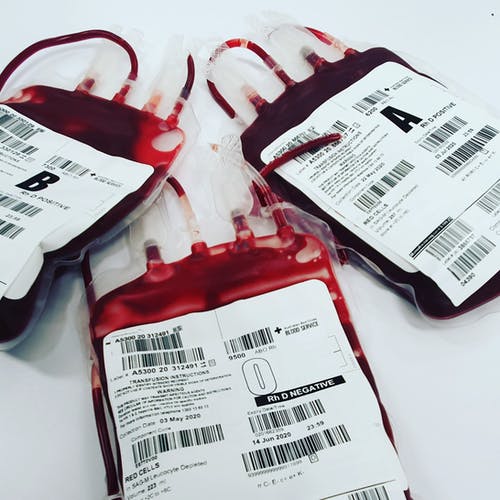
The Blood Type Diet

Could eating a diet based on your blood type — O, A, B, or AB — help you trim down and get healthier? That’s the idea behind the Blood Type Diet, created by naturopath Peter J. D’Adamo.

D’Adamo claims that the foods you eat react chemically with your blood type. If you follow a diet designed for your blood type, your body will digest food more efficiently. You’ll lose weight, have more energy, and help prevent disease.

What You Can Eat

That depends on your blood type. Here’s what D’Adamo recommends for each type:

Type O blood: A high-protein diet heavy on lean meat, poultry, fish, and vegetables, and light on grains, beans, and dairy. D’Adamo also recommends various supplements to help with tummy troubles and other issues he says people with type O tend to have.

Type A blood: A meat-free diet based on fruits and vegetables, beans and legumes, and whole grains — ideally, organic and fresh, because D’Adamo says people with type A blood have a sensitive immune system.

Type B blood: Avoid corn, wheat, buckwheat, lentils, tomatoes, peanuts, and sesame seeds. Chicken is also problematic, D’Adamo says. He encourages eating green vegetables, eggs, certain meats, and low-fat dairy.

Type AB blood: Foods to focus on include tofu, seafood, dairy, and green vegetables. He says people with type AB blood tend to have low stomach acid. Avoid caffeine, alcohol, and smoked or cured meats.

Level of Effort: High

If you don’t already know your blood type, you’ll need to find that out. The results will determine exactly what you need to do.

Limitations: Depending on your blood type, you may need to severely restrict the foods you eat.

Cooking and shopping: Your blood type will determine your shopping list and your choices when eating out.

Packaged foods or meals? None required.

In-person meetings? No.

Exercise: The Blood Type Diet recommends exercises based on your blood type. For instance, it suggests yoga or tai chi for type As, and vigorous aerobic exercises like jogging or biking for up to an hour a day for type Os.

Does It Allow for Dietary Restrictions or Preferences?

Because the diet dictates that you eat very specific types of food based on your blood type, it doesn’t allow much for personal tastes.

For example, if you’re a big fan of meat and potatoes, you won’t be very happy on the type A diet, which is mostly vegetarian.

There are even recommendations about the types of spices and condiments you can use.

If you’re looking for a diet that’s gluten-free, you should know that this diet doesn’t ban gluten. You may be able to make choices that are gluten-free, if you read food labels carefully.

Does It Work?

One study found that adults eating the type A diet showed improved health markers, but this occurred in everyone, not just those with type A blood type. In 2013, a major review concluded that no evidence exists to support benefits of blood type diets.

It’s likely that you would lose weight, though, because the diet can be very restrictive.

Is It Good for Certain Conditions?

The Blood Type Diet makes recommendations based solely on your blood type. So, if you have a chronic condition (say, diabetes), you may be told to eat high protein, while another person with diabetes may have to avoid dairy or chicken. This may conflict with your diabetes treatment plan.

The American Diabetes Association recommends a more practical approach to your day-to-day eating. It also cautions against focusing on specific foods. In most cases it doesn’t recommend cutting out any major food groups.

The Blood Type Diet also fails to address other conditions such as heart disease, high blood pressure, or cholesterol. Any needed weight loss is sure to have a positive impact on these conditions. But no matter your blood type, you should follow the same guidelines issued by The American Heart Association (AHA) for a low-fat and low-salt diet.

Also, everyone should aim for 150 minutes of aerobic exercise per week and at least 2 days of strength training per week.

Conclusion

On The Blood Type Diet, you’ll avoid processed food and simple carbs. That may be enough to help you lose some weight. But any weight loss on this diet has not been linked to your blood type.

There’s also no research proving that this diet can aid in digestion or give you more energy.

Although you’ll buy and prepare your own foods on this plan, your choices are limited depending on your blood type. So be prepared to spend some time in the kitchen.

If the Blood Type Diet intrigues you, consider this: The science is stacked behind traditional recommendations for healthy eating for weight loss — not restrictions based on the type of your blood.


Reference: Webmd

Written by: Omojo Emeje

Ways to Reduce Bloating

Most people experience bloating at some point. Exercises, supplements, and massages can all help to reduce bloating quickly, and simple lifestyle changes can prevent it from reoccurring.

Abdominal bloating is when the abdomen feels full and tight. It commonly occurs due to a buildup of gas somewhere in the gastrointestinal (GI) tract. Bloating causes the belly to look larger than usual, and it may also feel tender or painful. Fluid retention in the body can also lead to bloating.

Bloating usually happens when excess gas builds up in the stomach or intestines. When bloating occurs right after a meal, it usually resolves itself, but it is often possible to speed up this process.

The best way to tackle bloating is to determine its cause. Common triggers for bloating include:

  • Digestive issues. Constipation, food allergies, and intolerances can lead to bloating. When stool becomes backed up in the large bowel, it can cause bloating and a feeling of discomfort. Excess gas may also build up behind the stool, making the bloating worse.
  • Diet. Fizzy drinks, too much salt or sugar, and not enough fiber in the diet can all cause bloating.
  • Hormonal changes. Many people experience bloating before and during their periods due to hormonal changes and water retention.

Many home remedies can help to manage the pain and discomfort of bloating. The following quick tips may help people to get rid of a bloated belly quickly:

1. Go for a walk

Physical activity can get the bowels moving more regularly, which can help to release excess gas and stool. Getting the bowels to move is especially important if a person is feeling constipated. A walk around the block can provide fast relief from gas pressure.

2. Try yoga poses

Certain yoga poses can position the muscles in the abdomen in a way that encourages the release of excess gas from the GI tract. This can reduce bloating.

Child’s Pose, Happy Baby Pose, and squats can all help people to relieve a buildup of gas quickly.

3. Use peppermint capsules

Peppermint oil capsules may also be helpful for indigestion and related gas. Manufacturers usually market them as a treatment for the symptoms of irritable bowel syndrome (IBS), but people without IBS can also use them to relieve bloating.

Peppermint works by relaxing the intestinal muscles, which allows gas and stool to move along more effectively. People should always follow the instructions on the packet. Anyone who is prone to heartburn may need to avoid peppermint.

4. Try gas relief capsules

Simethicone pills and liquid are anti-gas medications that can help to move excess air out of the digestive tract. It is essential to always take medication according to the instructions on the label.

5. Try abdominal massage

Massaging the abdomen can help to get the bowels moving. A massage that follows the path of the large intestine is especially helpful. People can follow the steps below to do this:

  • Placing the hands just above the right hip bone.
  • Rubbing in a circular motion with light pressure up toward the right side of the ribcage.
  • Rubbing straight across the upper belly area toward the left rib cage.
  • Moving slowly down toward the left hip bone.
  • Repeating as necessary.

If the massage causes any pain, it is best to discontinue it immediately.

6. Use essential oils

A study from 2016 tested the effectiveness of supplements containing a combination of fennel and curcumin essential oil in 116 people with mild-to-moderate IBS. After 30 days, people reported an improvement in their IBS symptoms, including bloating and abdominal pain.

People should not consume essential oils without speaking to a doctor first. This is because some formulations may be toxic or can interfere with medication, and there is no regulation of dosages.

7. Take a warm bath, soaking, and relaxing

The heat of the bath can provide relief for a sore abdomen. Relaxation can reduce stress levels, which may allow the GI tract to function more effectively and help reduce bloating.

Long-term solutions for bloating

Quick fixes are not always effective for some causes of bloating. However, people who have frequent bloating may find that certain lifestyle changes can tackle the causes and reduce bloating over time.

People can use these simple steps to try to prevent bloating in the long-term:

8. Increase fiber gradually

Eating more fiber helps to prevent constipation and bloating.

However, it is important to bear in mind that eating too much fiber or increasing fiber intake too quickly can cause even more gas and bloating. People may notice adverse effects from eating more than 70 g of fiber a day.

When increasing fiber intake, it is best to start slowly and increase the intake over several weeks to allow the body to adjust to this change in the diet.

9. Replace sodas with water

Fizzy, carbonated drinks contain gas that can build up in the stomach. The carbon dioxide that makes soda and similar beverages fizzy can also cause bubbling and bloating in the stomach.

Sugars or artificial sweeteners in the diet can also cause gas and bloating. Drinking water eliminates these issues and helps to treat constipation as well.

10. Avoid chewing gum

The sugar alcohols in gum can cause bloating in some people. Swallowing air while chewing also may lead to bloating and gas pain. People can use ginger mints or peppermints to freshen their breath instead.

11. Get more active every day

Exercise helps your body move stool and gas out of the colon and may make bowel movements more regular. Exercise also releases extra sodium from the body through sweating, which can help to relieve water retention.

It is vital to drink plenty of water before and after exercising to stay hydrated, as dehydrationcan make constipation worse.

12. Eat at regular intervals

Many people experience bloating directly after a big meal. It is possible to avoid this by eating several smaller meals each day, which can help to keep the digestive system moving.

Swallowing food quickly can introduce air into the digestive tract. Drinking from a straw can also lead to people swallowing more air, which in turn leads to gas and bloating. People who have bloating should avoid using straws if possible and try eating slowly to avoid swallowing air during meals.

13. Try probiotics

Probiotics are good bacteria that live in the intestines. Taking a probiotic supplement may help to regulate the colon bacteria that can produce gas and cause bloating.

14. Cut down on salt

An excess of sodium causes the body to retain water. This can cause a swollen and bloated feeling in the belly and other areas of the body, such as the hands and feet.

15. Rule out medical conditions

In some cases, bloating may result from a medical condition. To get rid of this bloating, a person may need help from a doctor to diagnose and manage their condition.

Inflammatory bowel disease, including Crohn’s disease and ulcerative colitis, may cause people to experience bloating. Irritable bowel syndrome (IBS), can also cause this symptom.

Gynecological conditions, such as endometriosis and ovarian cysts, can also cause pain, swelling, and feelings of bloating in the abdominal area.

People with these symptoms should discuss them with a doctor, who will also want to know about any relevant family medical history and other medical conditions. The doctor may order diagnostic tests to look for any problems. These may include an X-ray, ultrasound, colonoscopy, or blood tests.

16. Keep a food diary

Food intolerances are responsible for many cases of bloating. They can lead to excessive gas in the digestive tract.

Bloating is common in people who have lactose intolerance and are unable to digest the lactose sugar in dairy products. Autoimmune intolerance to gluten, known as celiac disease, is another potential culprit.

For people whose bloating happens after meals, keeping track of food and drink intake for several weeks should help to determine whether specific foods are responsible.

The American Academy of Family Physicians offer tips for keeping a food diary and provide a template for people to get started.

17. Look at supplements and medications

Some supplements, such as iron, can cause constipation and other symptoms of indigestion. This can increase bloating. Potassium, on the other hand, may reduce bloating by helping to balance the body’s sodium levels.

Medications may also cause side effects that affect GI function or cause indigestion. If this happens, a doctor or pharmacist can suggest alternatives that are more gentle on the digestive tract.


Reference: Medical News Today

Written by: Omojo Emeje

10 Dopamine Supplements to Boost Your Mood

Dopamine is a chemical in your brain that plays a role in the regulation of cognition, memory, motivation, mood, attention and learning.

It also aids in decision making and sleep regulation.

Under normal circumstances, dopamine production is managed effectively by your body’s nervous system. However, there are various lifestyle factors and medical conditions that can cause dopamine levels to plummet.

Symptoms of low dopamine levels include loss of pleasure in things that you once found enjoyable, lack of motivation and apathy.

Here are 10 dopamine supplements to boost your mood.

1. Probiotics

Probiotics are live microorganisms that line your digestive tract. They help your body function properly.

Also known as the good gut bacteria, probiotics not only benefit gut health but may also prevent or treat various health problems, including mood disorders.

In fact, while harmful gut bacteria have been shown to decrease dopamine production, probiotics have the ability to increase it, which may boost mood.

Several rat studies have shown increased dopamine production and improved mood and anxiety with probiotic supplements.

Additionally, one study in people with irritable bowel syndrome (IBS) found that those who received probiotic supplements had a reduction in depressive symptoms, compared to those who received a placebo.

While probiotic research is rapidly evolving, further studies are needed to fully understand the effect of probiotics on mood and dopamine production.

You can add probiotics to your diet by consuming fermented food products, such as yogurt or kefir, or taking a dietary supplement.

Ginkgo biloba is a plant native to China that has been used for hundreds of years as a remedy for various health conditions.

Although research is inconsistent, ginkgo supplements may improve mental performance, brain function and mood in certain people.

Some studies have found that supplementing with Ginkgo biloba in the long term increased dopamine levels in rats, which helped improve cognitive function, memory and motivation.

One test-tube study showed that Ginkgo biloba extract appeared to increase dopamine secretion by reducing oxidative stress.

These preliminary animal and test-tube studies are promising. However, further research is needed before scientists can determine if Ginkgo biloba also increases dopamine levels in humans.

3. Curcumin

Curcumin is the active ingredient in turmeric. Curcumin comes in capsule, tea, extract and powdered forms.

It’s thought to have antidepressant effects, as it increases the release of dopamine.

One small, controlled study found that taking 1 gram of curcumin had similar effects as that of Prozac on improving mood in people with major depressive disorder (MDD).

There is also evidence that curcumin increases dopamine levels in mice.

However, more research is needed to understand curcumin’s role in increasing dopamine levels in humans and its use in the management of depression.

4. Oregano Oil

Oregano oil has various antioxidant and antibacterial properties that are likely due to its active ingredient, carvacrol.

One study showed that ingesting carvacrol promoted dopamine production and provided antidepressant effects in mice as a result.

Another study in mice found that oregano extract supplements inhibited the deterioration of dopamine and induced positive behavioral effects.

While these animal studies are encouraging, more human studies are warranted to determine whether oregano oil provides similar effects in people.

Magnesium plays a vital role in keeping your body and mind healthy.

Magnesium and its antidepressant qualities are still not fully understood, but there is evidence that magnesium deficiency may contribute to decreased dopamine levels and an increased risk of depression.

What’s more, one study showed that supplementing with magnesium boosted dopamine levels and produced antidepressant effects in mice.

Currently, research on the effects of magnesium supplements on dopamine levels is limited to animal studies.

However, if you’re unable to get enough magnesium from your diet alone, taking a supplement may be a good idea to ensure you’re meeting your requirements.

6. Green Tea

Green tea has long been touted for its antioxidant properties and nutrient content.

It also contains the amino acid L-theanine, which directly affects your brain.

L-theanine can increase certain neurotransmitters in your brain, including dopamine.

Multiple studies have shown that L-theanine increases dopamine production, thus causing an antidepressant effect and enhancing cognitive function.

Additionally, studies suggest that both green tea extract and frequent consumption of green tea as a beverage can increase dopamine production and are associated with lower rates of depressive symptoms.

7. Vitamin D

Vitamin D has many roles in your body, including the regulation of certain neurotransmitters like dopamine.

One study showed decreased dopamine levels in vitamin-D-deprived mice and improved levels when supplementing with vitamin D3.

Since research is limited, it’s difficult to say whether vitamin D supplements would have any effect on dopamine levels without an existing vitamin D deficiency.

Preliminary animal studies show promise, but human studies are needed to better understand the relationship between vitamin D and dopamine in people.

8. Fish Oil

Fish oil supplements primarily contain two types of omega-3 fatty acids: eicosapentaenoic acid (EPA) and docosahexaenoic acid (DHA).

Many studies have discovered that fish oil supplements have antidepressant effects and are linked to improved mental health when taken regularly.

These benefits may be attributed in part to fish oil’s influence on dopamine regulation.

For instance, one rat study observed that a fish-oil-enriched diet increased dopamine levels in the frontal cortex of the brain by 40% and enhanced dopamine binding capabilities.

However, more human-based research is needed to make a definitive recommendation.

9. Caffeine

Studies have found that caffeine can boost cognitive performance, including by enhancing the release of neurotransmitters, such as dopamine.

It’s thought that caffeine improves brain function by increasing dopamine receptor levels in your brain.

However, your body can develop a tolerance to caffeine, meaning it learns how to process increased amounts.

Therefore, you may need to consume more caffeine than you did before to experience the same effects.

10. Ginseng

Ginseng has been used in traditional Chinese medicine since ancient times.

Its root can be eaten raw or steamed, but it’s also available in other forms, such as tea, capsules or pills.

Studies have shown that ginseng may enhance brain skills, including mood, behaviour and memory.

Many animal and test-tube studies indicate that these benefits may be due to ginseng’s ability to increase dopamine levels.

It has also been suggested that certain components in ginseng, such as ginsenosides, are responsible for the increase of dopamine in the brain and for beneficial effects on mental health, including cognitive function and attention.

One study on the effects of Korean red ginseng on attention deficit hyperactivity disorder (ADHD) in children observed that lower levels of dopamine were associated with symptoms of ADHD.

The children involved in the study received 2,000 mg of Korean red ginseng daily for eight weeks. At the end of the study, the results showed that ginseng improved attention in children with ADHD.

However, further studies are needed to draw definite conclusions about the extent to which ginseng enhances dopamine production and brain function in humans.


Written by: Omojo Emeje

Zinc Deficiency

Overview

Zinc is a mineral that your body uses for fighting off infections and producing cells. It’s important for healing injuries and creating DNA, the genetic blueprint in all of your cells. If you’re not getting enough zinc in your diet, you may have side effects such as hair loss, lack of alertness, and a reduced sense of taste and smell.

Symptoms

Zinc is used by your body in cell production and immune functions. There is still a lot more to learn about zinc, but we do know that zinc is an essential part of growth, sexual development, and reproduction.

When you’re zinc deficient, your body can’t produce healthy, new cells. This leads to symptoms such as:

– unexplained weight loss

– wounds that won’t heal

– lack of alertness

– decreased sense of smell and taste diarrhoea

– loss of appetite

– open sores on the skin

Risk factors

If you’re pregnant and have zinc deficiency, your baby might not have what it needs to develop properly in your womb. And if you and your partner are trying to become pregnant, zinc deficiency could make it difficult. That’s because zinc deficiency may lead to impotence in men.

The people at the highest risk of zinc deficiency are infants who are breastfeeding and older adults. Pregnant women need more zinc than usual because the zinc in their body is needed to help the developing baby. People with alcoholism are also at risk of deficiency. Some research shows that alcohol makes it harder for your body to digest zinc.

Diagnosing zinc deficiency

Zinc is distributed in trace amounts among the cells in your body, making it difficult to detect zinc deficiency through a simple blood test.

If your doctor suspects a zinc deficiency, they will need to test your blood plasma for an accurate reading. Other tests for zinc deficiency include a urine test and an analysis of a strand of your hair to measure the zinc content.

Sometimes zinc deficiency is a symptom of another condition. For example, some conditions may cause zinc to be processed in your body but not absorbed well. Zinc deficiency can also lead to copper deficiency. Your doctor will be aware of these possibilities. They may do additional testing to get to the root of your deficiency.

Treating zinc deficiency

– Diet changes

Long-term treatment for zinc deficiency starts with changing your diet. To start, consider eating more:

1. red meat poultry seeds

2. wheat germ wild rice oysters

If you’re a vegetarian, it might be more difficult to get the amount of zinc you need from the foods you eat. Consider baked beans, cashews, peas, and almonds as alternative sources of zinc.

– Supplements

You can also treat your zinc deficiency right away with supplements. Zinc is found in many multivitamin supplements. It’s also found in some cold medicines, though you shouldn’t take cold medicine if you’re not sick. You can also buy supplements that contain only zinc.

If you’re using supplements to boost the amount of zinc in your body, be careful. Zinc can interact with some antibiotics, arthritis medications, and diuretics.

When to call your doctor

In most cases, a zinc deficiency is not an emergency. That said, if you are pregnant or breastfeeding and suspect a zinc deficiency, it’s extremely important that you address it right away. Zinc is essential to healthy development in the womb.

If you know that you are deficient and have diarrhea that lasts for several days, you should call a doctor. Zinc is the mineral that helps your intestines fight off infection, and without it, your infection might become more serious.

As with any condition, you should contact your healthcare provider if you: feel dizzy or nauseous
have a sudden headache that will not go away
experience unconsciousness

Zinc Deficiency

Zinc deficiency is characterized by growth retardation, loss of appetite, and impaired immune function. In more severe cases, zinc deficiency causes hair loss, diarrhea, delayed sexual maturation, impotence, hypogonadism in males, and eye and skin lesions , Weight loss, delayed healing of wounds, taste abnormalities, and mental lethargy can also occur. Many of these symptoms are non-specific and often associated with other health conditions; therefore, a medical examination is necessary to ascertain whether a zinc deficiency is present.

SUMMARY

Zinc is essential for growth and sexual development, a deficiency in this mineral can lead to a variety of physical ailments.

It’s important for pregnant women to maintain healthy zinc levels during and (if breastfeeding) after pregnancy to ensure the proper development of their baby.

A zinc deficiency can be diagnosed using a blood test, urine test, or hair analysis. As some conditions can lead to a zinc deficiency, your doctor may do additional testing to discover the root cause.

Changing your diet to include foods rich in zinc is the best way to treat a zinc deficiency. Zinc supplements are available but should be used with caution, as they can interfere with certain medications.


Written by: Ore Okebukunola

Essential Nutrients For Your Skin and Hair

BELOW ARE ESSENTIAL NUTRIENTS THAT IMPROVE YOUR SKIN AND HAIR.

1. VITAMIN A: All cells need vitamin A for growth. This includes hair, the fastest growing tissue in the human body. Vitamin A also helps skin glands make an oily substance called sebum. Sebum moisturizes the scalp and helps keep hair healthy Diets deficient in vitamin A may lead to several problems, including hair loss Your hair needs vitamin A to stay moisturized and grow. Good sources include sweet potatoes, carrots, spinach, kale, and some animal foods.

2. B VITAMINS:  One of the best known vitamins for hair growth is a B vitamin called biotin. Studies link biotin deficiency with hair loss in humans. Although biotin is used as an alternative hair loss treatment, those who are deficient have the best results. However, deficiency is very rare because it occurs naturally in a wide range of foods. Other B vitamins help create red blood cells, which carry oxygen and nutrients to the scalp and hair follicles. These processes are important for hair growth. You can get B vitamins from many foods, including:

• whole grains

• almonds

• meat

• fish

• seafood

• dark, leafy greens

Additionally, animal foods are the only good sources of vitamin B12. So if you’re following a vegetarian or vegan diet, consider taking a supplement.

3. VITAMIN C:  Free radical damage can block growth and cause your hair to age. Vitamin C is a powerful antioxidant that helps protect against the oxidative stress caused by free radicals In addition, your body needs vitamin C to create a protein known as collagen — an important part of hair structure. Vitamin C also helps your body absorb iron, a mineral necessary for hair growth.

Strawberries, peppers, guavas, and citrus fruits are all good sources of vitamin c Vitamin C is needed to make collagen and can help prevent hair from aging. Good sources include peppers, citrus fruits, and strawberries.

4. VITAMIN D:  Low levels of vitamin D are linked to alopecia, a technical term for hair loss Vitamin D is thought to play a role in hair production, but most research focuses on vitamin D receptors.

That said, most people don’t get enough vitamin D. It may still be a good idea to increase your intake. Your body produces vitamin D through direct contact with the sun’s rays. Good dietary sources of vitamin D include:

• fatty fish

• cod liver oil

• some mushrooms

• fortified foods

Vitamin D’s actual role in hair growth is not understood, but one form of hair loss is linked to deficiencies. You can increase vitamin D levels through sun exposure or by eating certain foods.

5. VITAMIN E: Similar to vitamin C, vitamin E is an antioxidant that can help prevent oxidative stress. In one study, people with hair loss experienced a 34.5% increase in hair growth after supplementing with vitamin E for 8 months The placebo group had only a 0.1% increase Sunflower seeds, almonds, spinach, and avocados are all good sources of vitamin E. Vitamin E helps prevent oxidative stress and boost hair growth.

Good dietary sources include sunflower seeds, almonds, spinach, and avocados

6.IRON: Iron helps red blood cells carry oxygen to your cells. This makes it an important mineral for many bodily functions, including hair growth. Iron deficiency, which causes anaemia, is a major cause of hair loss. It’s especially common in women.

Foods high in iron include clams, oysters, eggs, red meat, spinach, and lentils. Iron deficiency is a major cause of hair loss, especially in women. The best sources of iron include clams, oysters, eggs, red meat, spinach, and lentils

7.ZINC: Zinc plays an important role in hair tissue growth and repair. It also helps keep the oil glands around the follicles working properly. Hair loss is a common symptom of zinc deficiency.

Studies show resolving zinc deficiency with supplementation may reduce deficiency-related hair loss. However, there are some anecdotal reports that supplementing with too high of a dose can also contribute to hair loss.

For this reason, it may be better to get your zinc from whole foods. Foods high in zinc include oysters, beef, spinach, wheat germ, pumpkin seeds, and lentils. The mineral zinc can improve hair growth in people who are deficient in it. Good sources include oysters, beef, and pumpkin seeds.

8.PROTEIN: Hair is made almost entirely of protein. Consuming enough is important for hair growth. Animal studies show that protein deficiency may decrease hair growth and even lead to hair loss However, actual protein deficiency is extremely rare in Western countries.

Eating enough protein is important for hair growth, although a protein deficiency is rare in Western countries these days.

9.SELENIUM:  Selenium is a mineral that helps certain antioxidants protect your skin from UV rays. Selenium deficiency has been linked with a greater chance of skin cancer.

In general, fruits and vegetables are good choices because they have skin-friendly vitamins and other antioxidants. Some foods pack more than one nutrient for your skin, which often helps them work better:

• Fatty fish (salmon, sardines, tuna): protein, omega-3s, selenium

• Leafy dark greens (kale, spinach, collards): vitamins A, C, and E; omega-3s; protein — plus selenium in spinach

• Eggs: protein, vitamins A and E, selenium, zinc

• Flaxseeds: omega-3s, selenium

• Legumes (lentils, chickpeas): protein, zinc

• Avocados: healthy fats, vitamins C and E

• Extra virgin olive oil: healthy fats, vitamin E.


Written by: Mercy Otitoloju

Add to cart