Probiotics!

Probiotics are made of good, alive bacteria and/or yeasts that naturally live in your body. You constantly have both good and bad bacteria in your body. When you get an infection, there’s more bad bacteria, knocking your system out of balance. Good bacteria helps eliminate extra bad bacteria, returning the balance.

Probiotic supplements are a way to add good bacteria to your body.

Factors affecting the effects of Probiotics:

– Antibiotics

– A diet low in fibre

– Chronic disease disruption

– Less exercise

– Age

– Poor sleeping quality

– Alcohol consumption

Benefits of Probiotics:

– It balances the friendly bacteria in the digestive system.

– It helps to prevent and treat diarrhoea.

– It improves mental health.

– It helps to keep the heart healthy.

– It reduces the severity of certain allergies and eczema.

– It reduces the symptoms of certain digestive disorders.

– It helps to boost immunity.

– It helps to lose weight and belly fat.

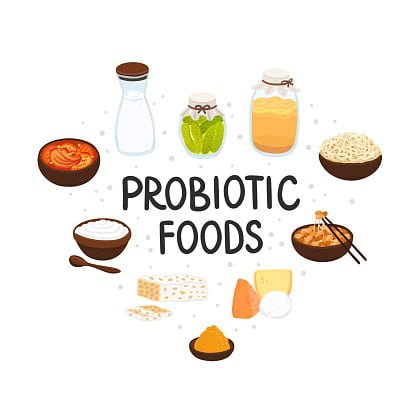
Various ways to benefit from Probiotics:

1.  Through supplement

2. Yoghurt

3. Kefir

4. Pickles

5. Kimchi

6. Kombucha

7. Traditional Buttermilk

8. Cheese

Natural Remedies To Help With Hypothyroidism!

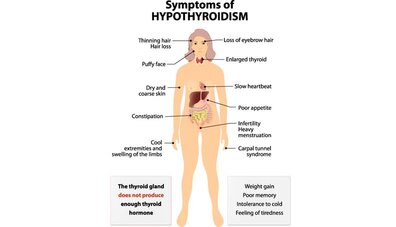
Hypothyroidism is a condition in which the thyroid gland doesn’t produce enough thyroid hormones to keep the body functioning normally.

The thyroid gland is a butterfly shaped endocrine that is located in the lower front of the neck. The thyroid function is to make thyroid hormones, which are secreted into the blood and carried to every tissue in the body. Thyroid hormones also help the body use energy, stay warm and keep the brain, heart, muscles and other organs working as it should.

Natural remedies for hypothyroidism include:

– Coconut Oil

Coconut oil has medium-chain fatty acids that help in better functioning of the thyroid gland. Coconut oil, specifically when taken in a non-heated form, helps with weight loss, increases metabolism and balances body temperature.

Unlike other types of oils, coconut oil has high content of saturated fat (healthy). With the right combination of exercise and the proper balanced diet, coconut oil could be good for thyroid glands.

– Apple Cider Vinegar

Apple cider vinegar helps in balanced production and expression of hormones. It improves metabolism and helps to alkalize the body environment.

Apple cider vinegar helps regulate body fats, wash away toxins from the body, and absorption of nutrients. Apple cider vinegar can be added to water along with honey and can be taken every morning.

– Ginger

This is one of the easiest home remedies for thyroid as it is easily available. Ginger is rich in essential minerals like potassium and magnesium and helps combat inflammation- one of the primary causes of thyroid issues. It is easiest to have ginger tea. It can also be used as an essential oil. If ginger is mixed with a carrier oil (coconut oil, for example) it can be applied to the body. Ginger oil can also be used via essential oil diffusers.

– Vitamin B

Vitamins help to fight the underlying causes for thyroid problems. Vitamins from the ‘B’ family are essential for proper thyroid function. Vitamin B12 is especially instrumental in helping people with hypothyroidism. Including eggs, meat, fish, legumes, milk, and nut in daily diet might help with a steady supply of Vitamin B.

Since the diet may not be able to meet the daily requirements, taking supplements will help.

– Vitamin D

Deficiency of vitamin D can lead to thyroid problems. Since the body can produce it only when exposed to the sun, ensure that you get a minimum of 15 minutes of sunlight daily. This will also lead to better calcium absorption and good immunity.

Some foods that are rich in Vitamin D are fatty fishes like salmon and mackerel, dairy products, orange juice, and egg yolks. If Vitamin D levels in the body are very low, supplements will be necessary. However, one must be cautious and consult with a doctor about dosage because too much vitamins in the body can be harmful.

– Almonds

Most nuts are beneficial to the body in some way or the other. Almonds are best suited for proper thyroid expression. They are a good source of protein, fiber, and minerals.

Almonds have selenium that is thyroid healthy nutrient. It is also very rich in magnesium that can keep the thyroid gland working very smoothly.

– Dairy Products

Milk, cheese, and yogurt are very beneficial for thyroid as these are high in iodine, the mineral that is essential for proper thyroid functioning. Consuming dairy products will also help with increasing vitamin levels which in turn will help with thyroid problems.

– Beans

Beans are a powerhouse of nutrition. They are rich in fiber, protein, essential minerals and vitamins. Beans are rich in antioxidants and complex carbohydrates. Since beans are also very high in fiber, it helps with constipation which is a common side effect of hypothyroidism. Eating beans regularly has been shown to improve thyroid function.

– Flaxseeds

Flaxseeds are rich in good fatty acids that are good for the heart and the thyroid. They help in the production of the thyroid hormones. Rich in magnesium and vitamin B12.

– Iodine Supplements

Another thing that works in improper thyroid functioning is taking iodine supplements. This becomes more important for those who are vegetarians. These supplements restore the balance of iodine in the body and help with thyroid health.

– Regular Exercise

This is one of the most important and most overlooked aspects of maintaining good thyroid functioning. Medicines and natural remedies are fine but it has to be teamed up with proper exercise. Regular exercise helps with proper hormonal balance and leads to better weight management that helps with dealing with thyroid problems.

Foods to eat:

1. Foods rich in iodine

• Cheese

• Milk

• Whole eggs

2. Foods rich in selenium

• Chicken

• Oatmeal

• Shrimps

3. Foods rich in Zinc

• Oysters

• Legumes

• Beef

• Yoghurt

Be Merry With Strawberry

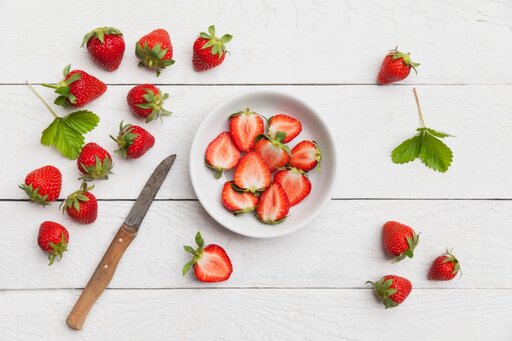
The strawberry (fragaria Ananassa) originated in europe in the 18th century, it is a hybrid of two wild strawberry species from North America and Chile. They are bright red, juicy and sweet. Also they are excellent source of vitamin C and Manganese and contain decent amount of Folate (Vitamin B9) and Potassium.

As an antioxidant,they are good to nuture the skin while other health benefits include heart health and blood sugar control.

They contains

Water 91%
Carbohydrate 7.7%
Fat 0.3%
Protein 0.7%

They are also good sources of Iron, Copper, Phosphorus and Vitamin B6.

Some of its Health benefits include:

Protect The Heart

The abundance of antioxidants and polyphenols in strawberries make them the ideal food to protect your heart from ailments. Strawberries contain anthocyanins (the antioxidants responsible for their red hue), which protect the lining of the circulatory system, thereby shielding the arteries from plaque build-up and regulating the blood pressure

Help Fight Cancer

Strawberries are exceptionally good sources of vitamin C and fiber, both of which have been found to protect from cancers of the esophagus and colon. The anticancer properties of strawberries, according to the American Institute for Cancer Research, can be attributed to the presence of ellagic acid – a phytochemical that can prevent cancers of the skin, lung, bladder, and breast

Boost Immunity

Strawberries are excellent sources of vitamin C. In fact, a single serving of strawberries has more vitamin C than an orange. Vitamin C has been found to trigger immune-boosting antibodies, which ultimately enhance your body’s ability to fight infections

Improve Brain Health

The credit goes to the antioxidants, again. Strawberries, with their high content of antioxidants, protect the brain cells from damage due to free radicals. They also change the way the neurons in the brain communicate with each other. This ultimately leads to improved brain health.

Fight Inflammation

Strawberries contain quercetin, and according to a study conducted by the University of Massachusetts, intake of quercetin, along with regular exercise, can reduce atherosclerosis plaque formation.
Strawberries are also rich in vitamin C, which plays a major role in preventing inflammation. This vitamin also plays a role in easing the symptoms of arthritis and gout.

Improve Vision Health

Strawberries are loaded with antioxidants that were found to prevent cataract, macular degeneration, and other eye diseases.

What You Should Know About TROOP-C!!

TROOP-C contains Vitamin C, which is a water-soluble vitamin needed for normal growth and development.

Water-soluble vitamins dissolve in water. Leftover amounts of the vitamin leave the body through the urine. Although the body keeps a small reserve of these vitamins, they have to be taken regularly to prevent a shortage in the body.

Functions of TROOP-C (Vitamin C)

TROOP-C (Vitamin C) is needed for the growth and repair of tissues in all parts of your body. It is used to:

– Form an important protein used to make skin, tendons, ligaments, and blood vessels

– Heal wounds and form scar tissue

– Repair and maintain cartilage, bones, and teeth

– Aid in the absorption of iron

– Reduce ageing of skin and wrinkles.

– Prevent and treat Ultraviolet damage.

Vitamin C is one of many antioxidants. Antioxidants are nutrients that block some of the damage caused by free radicals.

Free radicals are made when your body breaks down food or when you are exposed to tobacco smoke or radiation. The buildup of free radicals over time is largely responsible for the aging process. Free radicals may play a role in cancer, heart disease, and conditions like arthritis.

The body is not able to make vitamin C on its own. It does not store vitamin C. It is therefore important to include plenty of vitamin C-containing foods in your daily diet.

For many years, vitamin C has been a popular household remedy for the common cold. Research shows that for most people, vitamin C supplements or vitamin C-rich foods do not reduce the risk of getting the common cold.

However, people who take vitamin C supplements regularly might have slightly shorter colds or somewhat milder symptoms.

Food Sources of Vitamin C

All fruits and vegetables contain some amount of Vitamin C.

Fruits with the highest sources of Vitamin C include:

– Cantaloupe

– Citrus fruits and juices, such as orange and grapefruit

– Kiwi fruit

– Mango

– Papaya

– Pineapple

– Strawberries, raspberries, blueberries, and cranberries

– Watermelon

Vegetables with the highest sources of vitamin C include:

– Broccoli, Brussels sprouts, and cauliflower

– Green and red peppers

– Spinach, cabbage, turnip greens, and other leafy greens

– Sweet and white potatoes

– Tomatoes and tomato juice

Some cereals and other foods and beverages are fortified with vitamin C. Fortified means a vitamin or mineral has been added to the food. Check the product labels to see how much vitamin C is in the product.

Cooking vitamin C-rich foods or storing them for a long period of time can reduce the vitamin C content. Microwaving and steaming vitamin C-rich foods may reduce cooking losses. The best food sources of vitamin C are uncooked or raw fruits and vegetables. Exposure to light can also reduce vitamin C content. Choose orange juice that is sold in a carton instead of a clear bottle.

Side Effects

Serious side effects from too much TROOP-C (Vitamin C) are very rare, because the body cannot store the vitamin. However, amounts greater than 2,000 mg/day are not recommended. Doses this high can lead to stomach upset and diarrhea. Large doses of vitamin C supplementation are not recommended during pregnancy. They can lead to shortage of vitamin C in the baby after delivery.

Too little TROOP-C (Vitamin C) can lead to signs and symptoms of deficiency, including:

– Anemia

– Bleeding gums

– Decreased ability to fight infection

– Decreased wound-healing rate

– Dry and splitting hair

– Easy bruising

– Gingivitis (inflammation of the gums)

– Nosebleeds

– Possible weight gain because of slowed metabolism

– Rough, dry, scaly skin

– Swollen and painful joints

– Weakened tooth enamel

A severe form of vitamin C deficiency is known as scurvy. This mainly affects older, malnourished adults.

Smokers or those who are around secondhand smoke at any age should increase their daily amount of TROOP-C (Vitamin C).

Women who are pregnant or breastfeeding and those who smoke need higher amounts of TROOP-C (Vitamin C).

Comments

I’m So Stressed! Time For A Foot Soak!!

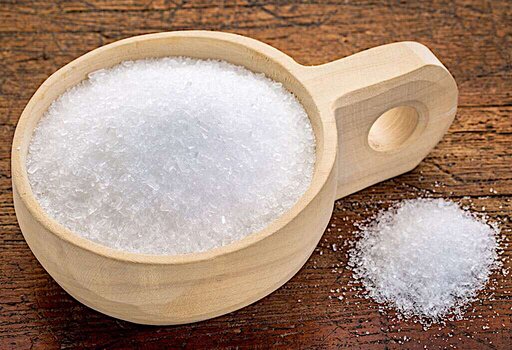
Epsom salt is a magnesium sulfate compound, unlike sodium table salt. Epsom salt has been used for hundreds of years as a healing agent and pain reliever. Today, it’s most often added to hot baths and foot soaks to reduce stress.

The magnesium in Epsom salt is only minimally absorbed through the skin and there’s no scientific evidence to date that shows that it actually increases magnesium levels in the body. But Epsom salt can ease pain related to inflammation, which can be beneficial for foot health.

Supporters claim that in addition to reducing pain symptoms and promoting healing, Epsom salt can be dissolved in warm water to ease pain from gout, eliminate odour and help treat infection. More research is needed to support these claims.

How to make a foot soak

To make an Epsom salt foot soak, follow these simple steps:

1. Fill your bathtub or a basin with warm water until it’s deep enough to cover your feet.

2. Add 1/2 cup of Epsom salt to the warm water.

3. Soak your feet for 30 to 60 minutes twice a week.

4. For an aromatherapy boost, consider adding a few drops of diluted lavender, peppermint, or eucalyptus essential oil to your foot bath.

5. Moisturize your feet thoroughly after soaking them.

This kind of soak can cause dry skin, specifically on your feet. Be sure to moisturise your skin after an Epsom salt foot soak to prevent cracked skin and irritation.

If you begin to experience pain, redness, or sores before or after using a foot bath, schedule a visit with your Health care provider to discuss alternative treatment.

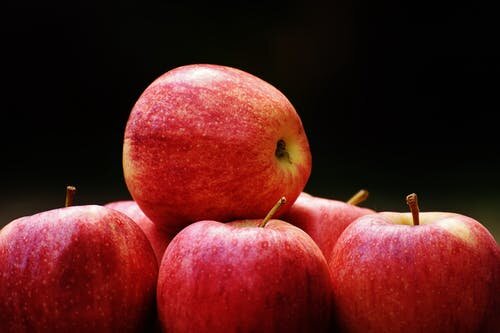
An Apple A Day Keeps Migraines At Bay!

From migraine remedies to wrinkle reduction, apples aren’t just for keeping the good doc away.

Researchers with the Smell and Taste Treatment and Research Foundation found the smell of green apples had some effect on reducing the severity of migraine symptoms. While more than half of the 50 chronic headache sufferers studied didn’t like the green apple smell, the 15 who found it pleasant reported a “significant reduction in the severity of their headache,” according to the foundation.


Source: Courierpostonline

Salmon For Menstrual Cramps!!

Salmon and other cold-water fish are rich in the type of fatty acids known as Omega-3s. These help to reduce inflammation, which makes them good for general pain relief — including the pain of menstrual cramps, according to Everyday Health.

But there’s more good news about salmon, too. Besides being a healthy source of protein, it’s also an amazing dietary source of vitamins D and B6. According to Everyday Health, Vitamin D makes it possible for you to absorb calcium — something else that makes period pain more manageable. And vitamin B6 can help with the breast tenderness and irritability you might be experiencing along with your extremely painful cramps.

Effect Of Reclining Twist Yoga Pose On Menstrual Pain

The reclining twist is supposed to stimulate, detox and sooth the body. For this pose, start by laying down on your back with your arms stretched outwards beside your body. Now pull one leg over and across your body. Slightly bend your knee to avoid any muscle tension. Then bend your body slightly towards the bent leg while keeping your arm stretched out in the same position as it was. Look towards your arm opposite to the leg.

This exercise stretches your spine. Holding this position for a few minutes can help you ease the nerves during the menstruation which can help you relieve the pain.

BPH-Benign Prostatic Hyperplasia…

Benign prostatic hyperplasia (BPH) — also called prostate gland enlargement is a common condition as men get older. An enlarged prostate gland can cause uncomfortable urinary symptoms, such as blocking the flow of urine out of the bladder. It can also cause bladder, urinary tract or kidney problems.

CAUSE
The actual cause of prostate enlargement is unknown. Factors linked to aging and changes in the cells of the testicles may have a role in the growth of the gland, as well as testosterone levels.
Men who have had their testicles removed at a young age (for example, as a result of testicular cancer) do not develop BPH.
Also, if the testicles are removed after a man develops BPH, the prostate begins to shrink in size. However, this is not a standard treatment for an enlarged prostate.

SYMPTOMS 
– Increased urination.
-Difficulty starting urine.
-Weak urine flow.
-Inability to control the bladder- stopping and starting urine flow.
-Problem with sexual performance.
-Blood in the urine.
-Kidney damage.
-Bladder damage.
-Bladder stone.
-Urinary tract infection.

RISK FACTORS
-Age.
-Diabetes.
-Heart disease.
– Genetics.
-Lifestyle -obesity increases the risk of BPH, while exercise  can lower your risk.

Supplements for BPH include:
-Saw palmetto: This herb has been used to treat enlarged prostate. The berry in saw palmetto contains ingredients that helps in balancing out hormones.

-Lycopene: Is a food nutrient that is beneficial for prostate health. Food sources includes tomatoes, watermelon, and pink grapefruit.

-Wellman prostate: these combines a potent blend of antioxidants, vitamins, minerals and amino acids such as Zinc, Folic acid, Vitamin B6 & B12, Magnesium, L-Carnitine and L-Arginine which have been specifically chosen for their role in supporting healthy male reproductive function, hormonal health and spermatogenesis.

Healthy foods for prostate health are:
-Salmon: Salmon is rich in healthy fats that contain omega-3 fatty acids, which help prevent and reduce inflammation within the body. Other cold-water fish, such as sardines and trout, are also rich in these types of fats.

-Tomatoes: Tomatoes are packed with lycopene, an antioxidant that may benefit prostate gland cells. Cooking tomatoes, such as in tomato sauce or soup, helps to release the lycopene and make it more readily available to the body.

-Berries: Strawberries, blueberry, raspberries, and blackberries are excellent sources of antioxidants, which help to remove free radicals from the body. Free radicals are the by-products of reactions that occur within the body and can cause damage and disease over time.

-Nuts: Nuts are rich in zinc, a trace mineral. Zinc is found in high concentrations in the prostate and is thought to help balance testosterone and Dihydrotestosterone. Besides nuts, shellfish and legumes are also high in zinc.

-Citrus: Oranges, lemons, limes, and grapefruits are all high in vitamin C, which may help to protect the prostate gland.

Sleep Disorder

sleep disorder is a condition that frequently impacts your ability to get enough quality sleep. Many of us occasionally experience difficulties sleeping. Usually it’s due to stress, travel, illness, or other temporary interruptions to your normal routine. However, if you regularly have problems getting to sleep at night, wake up feeling exhausted, or feel sleepy during the day, you may be suffering from a sleep disorder. They can take a serious toll on your mental and physical health, including your mood, energy, and ability to handle stress.

Frequently having trouble sleeping can be a frustrating and debilitating experience. There are many things you can do to identify the underlying causes of your sleep disorder and improve your sleep, health, and quality of life.

Types of common sleep disorders

1) Insomnia

Insomnia, the inability to get to sleep or sleep well at night, can be caused by stress, jet lag, a health condition, the medications you take, or even the amount of coffee you drink. Insomnia can also be caused by other sleep disorders or mood disorders such as anxiety and depression.

2) Sleep apnea

Sleep apnea is a common (and treatable) sleep disorder in which your breathing temporarily stops during sleep, awakening you frequently.

3) Restless legs syndrome (RLS)

Restless legs syndrome (RLS) is a sleep disorder that causes an almost irresistible urge to move your legs (or arms) at night. The urge to move occurs when you’re resting or lying down and is usually due to uncomfortable, tingly, aching, or creeping sensations.

4)Narcolepsy

Narcolepsy is a sleep disorder that involves excessive, uncontrollable daytime sleepiness. It is caused by a dysfunction of the brain mechanism that controls sleeping and waking.

5) Circadian rhythm sleep disorders

We all have an internal biological clock that regulates our 24-hour sleep-wake cycle, also known as our circadian rhythms. Light is the primary cue that influences circadian rhythms. At night, when there is less light, your brain triggers the release of melatonin, a hormone that makes you sleepy. When the sun comes up in the morning, the brain tells the body that it’s time to wake up.

When your circadian rhythms are disrupted or thrown off, you may feel groggy, disoriented, and sleepy at inconvenient times.

6) Shift work sleep disorder

Shift work sleep disorder occurs when your work schedule and your biological clock are out of sync.

7) Delayed sleep phase disorder

Delayed sleep phase disorder is a condition where your biological clock is significantly delayed. As a result, you go to sleep and wake up much later than other people.

8) Jet lag

Jet lag is a temporary disruption in circadian rhythms that occurs when you travel across time zones.

Self-help for sleep disorders

While some sleep disorders may require a visit to the doctor, you can improve many sleeping problems on your own.

Improve your daytime habits. Regardless of your sleep problems, sticking to a consistent sleep schedule, getting regular exercise, limiting your intake of caffeine, alcohol, and nicotine, and managing stress will translate into better sleep over the long term.

Develop a relaxing bedtime routine to prepare your mind and body for sleep. Make sure your bedroom is quiet, dark, and cool, avoid heavy meals and too many fluids late at night, take a warm bath, read, or listen to soothing music to unwind, and turn off screens at least one hour before bedtime.

Get back to sleep when you wake up at night. Whether you have a sleep disorder or not, it’s normal to wake briefly during the night. If you’re having trouble getting back to sleep, try focusing on your breathing, meditating, or practicing another relaxation technique. Make a note of anything that’s worrying you and resolve to postpone worrying about it until the next day when it will be easier to resolve.

Add to cart