Vertigo

Does it feel like you are spinning or the room is moving around you? That’s a classic sign of a particular type of dizziness called vertigo. It’s more than feeling off-kilter and usually gets worse when you move your head. This is a symptom that there is an issue in the inner ear or part of the brainstem governing balance. The most common kind is Benign Paroxysmal Positional Vertigo. Benign Paroxysmal Positional Vertigo (BPPV) is triggered by certain changes in head position, such as tripping the head up or down. It is rarely serious unless it increases with the risk of falling.

Symptoms

The signs and symptoms of benign paroxysmal positional vertigo (BPPV) may include:

  • Dizziness
  • A sense that you or your surroundings are spinning or moving (vertigo)
  • A loss of balance or unsteadiness
  • Nausea
  • Vomiting

The signs and symptoms of BPPV can come and go and commonly last less than one minute. Episodes of BPPV can disappear for some time and then recur.

Activities that bring about the signs and symptoms of BPPV can vary from person to person, but are almost always brought on by a change in head position. Some people also feel out of balance when standing or walking. Abnormal rhythmic eye movements usually accompany the symptoms of benign paroxysmal positional vertigo.

Risk factors

Benign paroxysmal positional vertigo occurs most often in people age 50 and older, but can occur at any age. BPPV is also more common in women than in men. A head injury or any other disorder of the balance organs of your ear may make you more susceptible to BPPV.

Complications

Although BPPV is uncomfortable, it rarely causes complications. The dizziness of BPPV can make you unsteady, which may put you at greater risk of falling.

Fluids For Flu

Drinking plenty of fluids is one of the most important things you can do when you have a cold or flu. Because cold and flu symptoms like runny nose and sweating, which often accompanies fever, increase the amount of water your body loses, dehydration might occur if your fluid intake is not increased to compensate.

Drinking plenty of fluid is important for ensuring a speedy recovery from cold and flu. It also helps to loosen mucus in your nose and relieve congestion. Staying hydrated ensures that the body can function properly and can defend itself more effectively against the cold or flu.

When you have a cold or flu, drink a minimum of eight 250 mL cups of fluid each day. Drink water or another healthy fluid whenever you are thirsty. But there’s no need to overdo it – too much can lead to hyponatremia (a condition characterized by low levels of salt in the blood). If you are otherwise healthy, use your thirst as a guide to when and how much you should drink. If you are caring for a child who is over one year ensure they drink a minimum of 90–120 mL of fluid per hour. Babies under one year require at least 30–60 mL fluid per hour. Pregnant women should increase their fluid intake to up to ten 250 mL cups per day.

Water is the best fluid to drink when you have a cold or flu as it helps lubricate the mucous membranes of the throat. Hot drinks are also a good choice as the hot steam they produce can relieve congestion. Other fluids which are good options during cold and flu infection include: Ginger ale, Herbal tea, Honey and lemon tea (mix lemon and honey with a cup of hot water), Broth, Ginger tea, Milk and dairy.

Many people believe that milk and dairy products increase congestion and should be avoided when you have a cold or flu; however, this is not the case. There is no need to stop eating or drinking dairy.

What not to drink during cold and flu infection

⦁ Caffeinated drinks should be avoided as they are dehydrating. They include coffee, cola drinks, energy drinks and tea.

⦁ Alcohol is also dehydrating and should be avoided. In addition, it affects the functioning of the immune system and drinking too much alcohol makes you more likely to get an infection.

How Turmeric Saved My Face!!

It was one summer holiday and I decided to travel to a different continent! Full of excitement for what lay ahead, I made preparations for my trip and packed my bags. Little did I know that part of what was in store for me wouldn’t be so pleasant.

I landed into this very hot African country and took about 3 weeks to settle down. By the third week, I began to have very bad reaction on the two sides of my cheek. I wondered what the cause was. Could it be the water I showered with? Could it be the food? Could it be change in climate?

After questioning myself with no result, I decided to try different products. I spent a lot of money on different products because I couldn’t stand what was happening to my face. I don’t use makeup which I’m even thankful for because I felt it would have made It worse. The sides of my cheek were full of rough bumps which made even washing my face not pleasant for me.

It really began to affect my mind and mood sometimes. I was however encouraged and told that I wasn’t defined by my skin. It took a while but I decided to no longer pay so much attention to my skin.

While doing that, I also decided to drop all the chemicals I was using and go the natural route. Through series of research done, I came across Turmeric as a powerful anti-inflammatory for skin. I found a recipe that someone else used and I decided to try it out.

It looks months before I really started seeing the effects but it did wonders!!

I also had to look at my diet and certain triggers like even groundnut and excess oily foods that made me have breakouts. I started doing more exercise and also some mental work.

One thing I learnt through this experience is that what you pay attention to grows. The more I saw the problem with my skin, the bigger the problem got. As I gradually became detached while doing my skin routine, it began to fade away!!

Here is my recipe. It might not work for or it might! But be at rest! Never allow what goes on around you begin to make you feel less of yourself!

  1. Turmeric
  2. Tea tree oil
  3. Raw Honey
  4. Lemon
  5. Apple cider vinegar.

You can apply it two – three times in a week and be marvelled!

Olive Oil As An SPF!

Olive oil protects your skin from free radicals. Free radicals are very reactive and when they choose to react with our own body’s cells and proteins, things get less than pretty. Free radicals cause the so-called oxidative stress. This is one of the main factors of skin ageing, especially premature ageing. UV radiation from the sun is what makes your skin tanner. However, it also produces free radicals that are damaging to the skin. And this is where olive oil comes in!

The polyunsaturated fats in olive oil are great at picking up free radicals. They neutralize these harmful elements and protect your skin. It is no wonder that olive oil has been used for beauty purposes for as long as history can record!

The major use of olive oil for tanning is not instead of sunscreen. Olive oil can help better prepare your skin for tanning and it can also make your skin hold onto the tan longer. One of the ways to use olive oil is in sugar scrubs. Before you go tanning, do a quick scrub in the shower. The simplest way to prepare it is by mixing plain white sugar (or brown sugar if you want to get a little fancier and harness its’ additional exfoliation properties) and extra virgin olive oil. Massage it in your skin with circular motions after showering and then rinse it off. The olive oil and sugar combo helps you get rid of the uppermost layer of dead skin and makes it easier for you to tan.

You can also do oil rubs with warm olive oil. This moisturizes your skin, reduces flake, and helps me hold onto an even and beautiful skin colour for longer. To really take this to a next level, try mixing some essential oils into your olive oil!

Understanding Ulcer!

Peptic Ulcer is a sore on the lining of your Stomach or in the first part of your Small Intestine (duodenum). If this sore occurs in your stomach, it is referred to as a Gastric ulcer and if it occurs in your Duodenum, it is called a Duodenal Ulcer. Gastric and duodenal ulcers are types of Peptic ulcers and a peptic ulcer can also occur in the Oesophagus. When a person develops Chronic Peptic Ulcers, the condition is referred to as Peptic Ulcer Disease. Care must be taken to differentiate Peptic Ulcer Disease from Gastro-Esophageal Reflux Disease (GERD) that occurs when stomach acid flows into the food pipe and irritates the lining of the GIT. GERD is acid reflux and heartburn occurring more than twice a week, usually self-diagnosed, treatable by a medical Professional and rarely requires lab tests or imaging. Symptoms include a burning pain in the chest which usually occurs after eating, and worsens when lying down.

A healthy Gastro Intestinal Tract (GIT) usually has a layer of mucus coating that protects against acid deterioration, and if mucus decreases, or acid increases, then an ulcer could result. More often than not, ulcers are associated with infection by the Gram negative bacterium –  Helicobacterpylori. This organism is transmissible through food, water and close human contact. Other predisposing factors include Hyper secretory conditions like existing tumours; Genetic factors (when a first degree relative has had ulcer); Emigrant from a developing nation; Lifestyle factors such as smoking, alcohol and stressing; and chronic use of Non-Steroidal Anti-Inflammatory Drugs (NSAIDS) such as Aspirin.

SYMPTOMS

This includes a burning pain sensation in your gut, about halfway between the navel and the breastbone, pain or discomfort 2-3 hours after eating (duodenal ulcer), pain or discomfort 30 minutes after eating (gastric ulcer), pain that wakes you up at night and is eased by eating, drinking or taking antacids, blood in stool or vomit, nausea, retching and vomiting.

DIAGNOSIS

If your doctor suspects you have ulcer he will most likely order a blood test to identify Helicobacter pylori, stool antigen test, urine based ELISA and rapid urine test. He may request an endoscopy, do a barium study and, or a urease breath test or a biopsy.


NATURAL REMEDIES

  • Eat smaller meals at regular meal times, eat slowly and chew food properly, Eat dinner 3-4 hours before bed.
  • Eat or take ulcer healing foods such as: Cabbage juice, Cold cucumber smoothie, Honey, Turmeric, Garlic, Liquorice, Chilli peppers, Aloe Vera juice, water melon seed extract, bananas, sugar cane and Probiotics.
  • Finally, avoid prolonged hunger states and snack between meals on bananas, cold cucumber and sugar cane to mention a few.


SOURCE

  • everydayhealth.comwww.uofmhealth.org>health-library
  • Google search
  • hopkinsmedicine.org
  • medscape.com
  • ncbi.nlm.nih.gov/book
  • ridgedalesurgerycentre.com
  • www.mayoclinic.org

11 Natural Remedies For Polycystic Ovary Syndrome

Polycystic ovary Syndrome (PCOS) is a hormonal disorder causing enlarged ovaries with small cysts on the outer edges. The cause of polycystic ovary syndrome isn’t well understood, but may involve a combination of genetic and environmental factors. Symptoms include menstrual irregularity, excess hair growth, acne and obesity.

Treatments include birth control pills to regularise periods, medication called metformin to prevent diabetes, statins to control high cholesterol, hormones to increase fertility and procedures to remove excess hair. However, there are other natural remedies which act as supplements to the major treatments. Such natural remedies are:

1. Inositol. Inositol is a B vitamin that can help improve insulin resistance. It’s also been found to help with fertility in some cases of PCOS.

2. Chromium. Chromium supplements may improve your body mass index, which can help with PCOS. They may also stabilize insulin resistance by helping your body metabolize sugar.

3. Cinnamon. Cinnamon comes from the bark of cinnamon trees. Cinnamon extract has been shown to have a positive effect on insulin resistance. It also may regulate menstruation for women with PCOS.

4. Turmeric. The active ingredient in turmeric is called curcumin. Turmeric may be promising for decreasing insulin resistance and as an anti-inflammatory agent.

5. Zinc. Zinc is a trace element that can boost fertility and your immune system. Excessive or unwanted hair growth and alopecia may be improved with zinc supplements. You can also eat red meat, beans, tree nuts, and seafood to get more zinc in your diet.

6. Evening primrose oil. Evening primrose oil has been used to help with period pain and irregular menstruation. It may also improve cholesterol levels and oxidative stress, both of which are linked to PCOS.

7. Combined vitamin D and calcium. Vitamin D is a hormone that’s vital to your endocrine system. Vitamin D deficiency is common in women with PCOS. Vitamin D and calcium may improve irregular periods and help you ovulate.

8. Cod liver oil. Cod liver oil contains vitamins D and A, as well as high amounts of omega-3 fatty acids. These acids can help improve menstrual regularity and help get rid of fat around your waist.

9. Berberine is an herb used in Chinese medicine to help with insulin resistance. If you have PCOS, berberine may ramp up your metabolism and balance your body’s endocrine responses.

10. Maca root. The root of the Maca plant is a traditional herb used to boost fertility and libido. Maca root may balance hormones and lower cortisol levels. It may also help treat depression, which can be a symptom of PCOS.

11. Probiotics. Probiotics don’t just help with your digestion and gut health. They can play an important role in treating PCOS. They can also reduce inflammation and regulate sex hormones like androgen and estrogen.

Apple Cider Vinegar And Vaginal Itch!

The moment signs of a vaginal yeast infection make themselves known—the itch you discreetly get at by squirming in your seat, the gates of hell suddenly relocating to between your legs, and the clumpy discharge—nothing else matters…other than getting it gone!

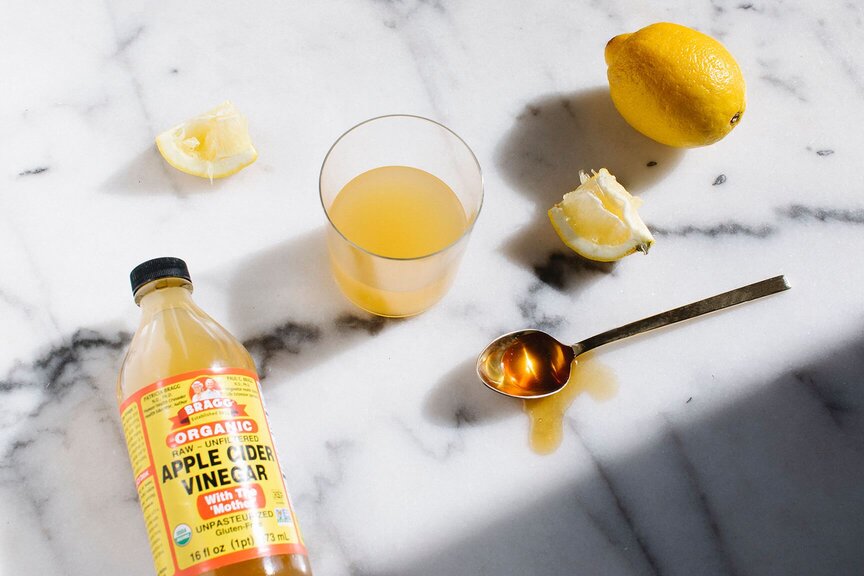
Apple cider vinegar has been found to stop the growth of the fungi that causes yeast infections. Add half a cup of apple cider vinegar in your bath water and soak yourself in it for at least 20 minutes. However, always make sure to dilute the apple cider vinegar and never use it at full strength. This is because it can also kill the healthy bacteria in your body.

Just like baking soda, taking a bath with Apple Cider Vinger (ACV) may also help to soothe an infection because it has antifungal and antibacterial properties, which prevents the growth of bacteria.

Unfortunately, there’s little evidence to support this claim. Nevertheless, it’s a cheap remedy to try, and one that has no known side effects!

Apple Cider Vinegar And Diabetes

According to scientists, apple cider vinegar has the potential to impact different types of diabetes in a variety of ways.

Some research draws a connection between apple cider vinegar and reduced blood glucose. This leads some people to believe that apple cider vinegar could provide benefits for people with diabetes who need to manage their blood glucose levels.

However, while apple cider vinegar is a low-risk addition to a diabetes diet, many studies on the vinegar are small and have reached mixed conclusions concerning its effects on blood sugar levels.

Most studies on apple cider vinegar have examined its potential to reduce blood sugar. A 2018 review examined both its long- and short-term effects and found that many results favoured the groups using vinegar, although often not by a significant margin. Groups had both main types of diabetes.

The review reports that apple cider vinegar caused a small, significant reduction in HbA1c results after 8–12 weeks. HbA1c levels reflect a person’s blood glucose levels over many weeks or months.

On a short-term basis, groups taking apple cider vinegar saw significant improvement in blood glucose levels 30 minutes after consuming the vinegar. However, the differences between the vinegar and control groups reduced after this time frame.

Other studies looked to identify the mechanisms behind this reduction in blood sugar level. One crossover, randomised study from 2015 suggested that apple cider vinegar may improve the way that the body absorbs blood sugar and increase insulin sensitivity in the skeletal muscle.

The mixed nature of research and the lack of recent studies into apple cider vinegar and type 1 diabetes make it difficult for doctors to recommend it as a complementary intervention for people with this type of diabetes.

However, taking apple cider vinegar is unlikely to cause serious harm. Always monitor levels to measure whether it works and make dietary adjustments accordingly.

People who wish to consume apple cider vinegar should dilute 1–2 tbs of apple cider vinegar in a large glass of water.

Drink it before meals or just before bedtime, when it has the greatest reducing impact on blood sugar.

As with most kinds of vinegar, a person should not consume undiluted apple cider vinegar. On its own, the vinegar can cause stomach irritation or damage tooth enamel.

Apple cider vinegar is also a versatile cooking ingredient. People can use it in salad dressings, marinades, sauces, and soups, and it works well with many types of meat and fish.

Cinnamon And Diabetes

Cinnamon is a sweet but pungent spice that is derived from the inner bark of the branches of wild

cinnamon trees, which grow in tropical areas across Southeast Asia, South America and the Caribbean.

Cinnamon is a blend of nutrients commonly used a spice. It can help regulate glucose metabolism in

diabetic people, but may also possess some toxic components.


Cinnamon is frequently treated as an anti-diabetic compound, since it reduces the rate at which glucose

enters the body. Not only does it help diabetics avoid blood sugar spikes, but it also improves glucose

use in the cell itself.

People with diabetes often face dietary restrictions to control their blood sugar and prevent

complications,

Over time, cinnamon can reduce fasting blood glucose, and potentially cholesterol levels as well.

Cinnamon does not need to be purchased specifically as a supplement, and can be found in grocery

stores. It does contain a liver toxin called coumarin, which can be harmful in high doses. Making

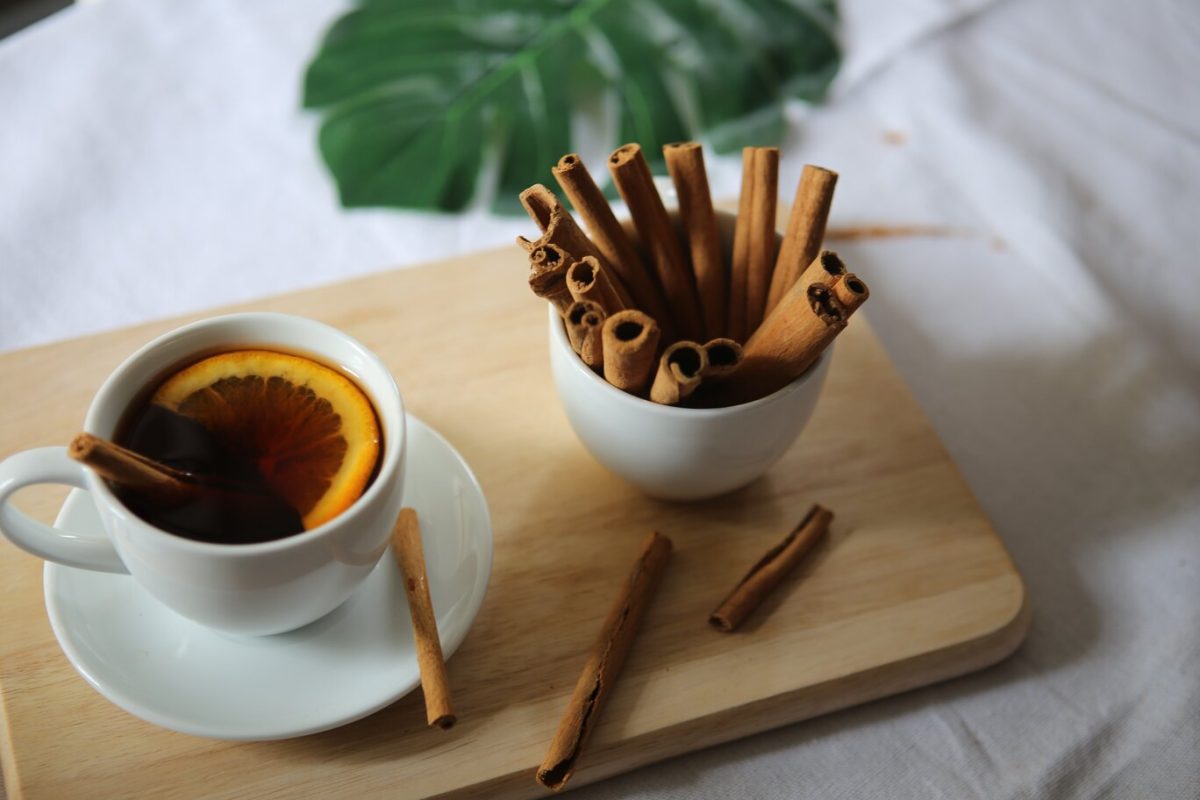
cinnamon tea can reduce the risk of coumarin poisoning, since the toxin is left behind in the leftover

sediment. Ceylon cinnamon, which is derived from a different plant species, has lower levels of

coumarin, which makes it a better supplement option.

The standard dose for anti-diabetic purposes is 2-4grams of cinnamon daily, taken with carbohydrate

containing meals.

Bone Care

Building healthy bones is extremely important. Minerals are incorporated into your bone during childhood, adolescence and early adulthood. Once you reach 30 years of age, you have achieved peak bone mass and if not enough bone mass is created during this time of life or bone loss occurs late in life, you have an increased risk of developing fragile bones.

Factors that affects bone health;

– The amount of calcium in your diet: A diet low in calcium contributes to diminished bone density, early bone loss and an increased risk of fractures.

– Physical activity: people who are physically inactive have a higher risk of osteoporosis than those that do more-active counterparts.

– Tobacco and alcohol use also contributes to weak bones.

– Hormone levels : Too much thyroid hormone can cause bone loss. In women, bone loss increases dramatically at menopause due to dropping of estrogen level. In men, low testosterone level can cause a loss of bone mass.

– Eating disorders and other conditions: People who have anorexia or bulimia are at risk of bone loss. In addition, stomach surgery (gastrectomy), weight loss surgery and conditions such as Cushing’s disease can also affect your body’s ability to absorb calcium.

– Certain medications : Long term use of corticosteroid medications such as Prednisolone, cortisone, prednisolone and dexamethasone is damaging to the bone.

Risk factors that can’t be controlled are;

– Gender : You’re at greater risk of osteoporosis if you’re a woman because women have less bone tissue than men.

– Age : Your bone become thinner and weaker as you age.

Fortunately, many nutrition and lifestyle habits can help you build strong bones and maintain them as you age. Such habits include:

• Consume enough protein: Getting enough protein is important for healthy bones. About 50% of bones is made of protein. Research also reported that low protein intake decreases calcium absorption and may also affect rates of bone formation and breakdown.

• Consume foods high in Omega 3 fatty acids : Omega 3 fatty acids are well known for their anti-inflammatory effects. They’ve also been shown to help protect against bone loss during the aging process. It’s also important to make sure your balance of Omega 6-3 fat isn’t to high.

• Get plenty of vitamin D & K: Vitamin D & K are extremely important for building strong bones.

Vitamin D plays serveral roles in bones health, including helping your body absorb calcium. Achieving a blood Level of at least 30ng/ml is recommended for protecting against osteoporosis, osteopenia and other bone diseases .

Vitamin K supports bone health by modifying osteocalcin, a protein involved in bone formation.

• Eat high-calcium foods: calcium is the most important mineral for bone health, and it’s the main mineral found in your food. Because old bone cells are constantly broken-down and replaced by new ones, it’s important to consume calcium daily to protect bone structure and strength.

• Eat lots of vegetables: Vegetables are great for your bones. It increases bone mineral density, also know as bone density. Bone density is measurement of the amount of calcium and minerals found in your bone.

Vegetables are the best source of vitamin C, which helps stimulates the production of bone formating cells.

Foods that increases bone density are

– Milks, cheese and other dietary foods .

– Green leafy vegetables such as broccoli, cabbage etc.

– Soya beans

– Soya drinks with added calcium.

– Nuts

– Sea fish.

NOTE: Osteoporosis is known as brittle bones; Osteopenia is known as low bone mass.

Add to cart