Benefits Of Spiriluna
Spirulina is among the world’s most popular supplements.
It is loaded with various nutrients and antioxidants that may benefit your body and brain.
1. Spirulina Is Extremely High in Many Nutrients
Spirulina is an organism that grows in both fresh and salt water. It is a type of cyanobacteria, which is a family of single-celled microbes that are often referred to as blue-green algae. Just like plants, cyanobacteria can produce energy from sunlight via a process called photosynthesis.
Spirulina was consumed by the ancient Aztecs but became popular again when NASA proposed that it could be grown in space for use by astronauts.
A standard daily dose of spirulina is 1–3 grams, but doses of up to 10 grams per day have been used effectively.
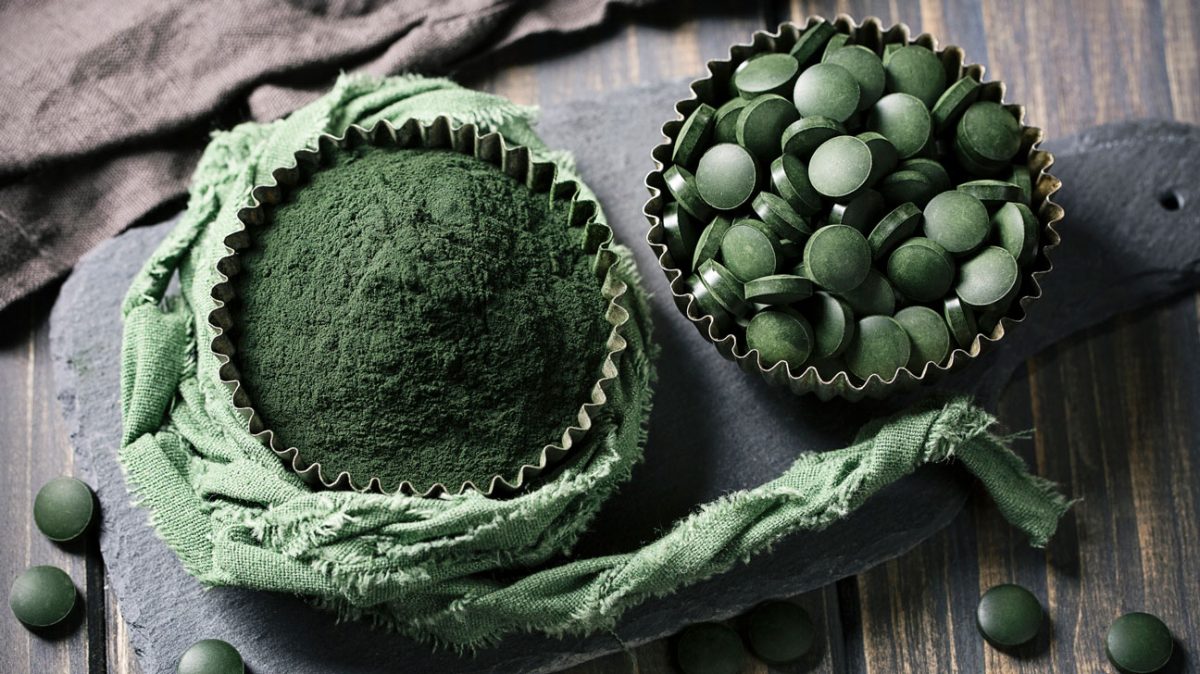
This tiny alga is packed with nutrients. A single tablespoon (7 grams) of dried spirulina powder contains:
Protein: 4 grams
Vitamin B1 (thiamine): 11% of the RDA
Vitamin B2 (riboflavin): 15% of the RDA
Vitamin B3 (niacin): 4% of the RDA
Copper: 21% of the RDA
Iron: 11% of the RDA
It also contains decent amounts of magnesium, potassium and manganese and small amounts of almost every other nutrient that you need.
In addition, the same amount holds only 20 calories and 1.7 grams of digestible carbs.
Gram for gram, spirulina may be the single most nutritious food on the planet.
A tablespoon (7 grams) of spirulina provides a small amount of fat — around 1 gram — including both omega-6 and omega-3 fatty acids in an approximately 1.5–1.0 ratio.
The quality of the protein in spirulina is considered excellent — comparable to eggs. It gives all the essential amino acids that you need.
2. Powerful Antioxidant and Anti-Inflammatory Properties
Oxidative damage can harm your DNA and cells.
This damage can drive chronic inflammation, which contributes to cancer and other diseases.
Spirulina is a fantastic source of antioxidants, which can protect against oxidative damage.
Its main active component is called phycocyanin. This antioxidant substance also gives spirulina its unique blue-green color.
Phycocyanin can fight free radicals and inhibit production of inflammatory signaling molecules, providing impressive antioxidant and anti-inflammatory effects.
3. Can Lower “Bad” LDL and Triglyceride Levels
Heart disease is the world’s leading cause of death. Many risk factors are linked to an increased risk of heart disease.
As it turns out, spirulina positively impacts many of these factors. For example, it can lower total cholesterol, “bad” LDL cholesterol and triglycerides, while raising “good” HDL cholesterol.
4. Protects “Bad” LDL Cholesterol From Oxidation
Fatty structures in your body are susceptible to oxidative damage.
This is known as lipid peroxidation, a key driver of many serious diseases. For example, one of the key steps in the development of heart disease is the oxidation of “bad” LDL cholesterol .
Interestingly, the antioxidants in spirulina appear to be particularly effective at reducing lipid peroxidation in both humans and animals.
In a study in 37 people with type 2 diabetes, 8 grams of spirulina per day significantly reduced markers of oxidative damage. It also increased levels of antioxidant enzymes in the blood.
5. Improves Symptoms of Allergic Rhinitis
Allergic rhinitis is characterized by inflammation in your nasal passageways. It is triggered by environmental allergens, such as pollen, animal hair or even wheat dust.
Spirulina is a popular alternative treatment for symptoms of allergic rhinitis, and there is evidence that it can be effective.
In one study in 127 people with allergic rhinitis, 2 grams per day dramatically reduced symptoms like nasal discharge, sneezing, nasal congestion and itching.
6. May Be Effective Against Anemia
There are many different forms of anemia.
The most common one is characterized by a reduction in hemoglobin or red blood cells in your blood.
Anemia is fairly common in older adults, leading to prolonged feelings of weakness and fatigue.
7. May Improve Muscle Strength and Endurance
Exercise-induced oxidative damage is a major contributor to muscle fatigue.
Certain plant foods have antioxidant properties that can help athletes and physically active individuals minimize this damage.
Spirulina appears beneficial, as some studies pointed to improved muscle strength and endurance.
In two studies, spirulina enhanced endurance, significantly increasing the time it took for people to become fatigued.
Spirulina is a type of cyanobacteria — often referred to as blue-green algae — that is incredibly healthy. It may improve your levels of blood lipids, suppress oxidation, reduce blood pressure and lower blood sugar levels.
Source: healthline