Garlic

Garlic (Allium sativum) is a species of bulbous flowering plant in the genus Allium. Garlic is widely used around the world for its pungent flavor as a seasoning or condiment.

BENEFITS OF GARLIC

1. Garlic is good for cardiac health

Allicin, a compound found in garlic stops the oxidizing of LDL (bad cholesterol). This reduces cholesterol levels and improves heart health.

2. Improves digestion

Digestive problems improve with the inclusion of raw garlic in the diet. It benefits the intestines and reduces inflammation. Eating raw garlic helps to clear out intestinal worms.

3. Good for weight loss

Garlic reduces the expression of genes responsible for the formation of adipose cells which store fat. It also increases thermogenesis in the body and leads to the burning of more fat and the lowering of LDL (bad cholesterol).

4. Prevents cancer and peptic ulcer

Because of its high amount of antioxidants, garlic protects the body against lung, prostate, bladder, stomach, liver and colon cancer.

OTHER BENEFITS INCLUDES

✔️Reduces blood pressure

✔️Lowering cancer risk

✔️Detoxify heavy metals in the body.

✔️ Reduces infections on wounds

✔️Promotes hair growth, bone health and liver health.

Ginger

Ginger is a flowering tropical plant that grows in China, India, Africa, the Caribbean, and other warm climates. Ginger is a well-known natural treatment for diarrhea. It can help treat some of the causes of diarrhea and relieve gastrointestinal symptoms.

BENEFITS OF GINGER

1. Ginger may ease pain through anti-inflammatory and analgesic effects of its gingerol compounds.

2. Ginger seems to help with nausea caused by vertigo. It helps with nausea caused by motion sickness, surgery, or chemotherapy.

3. Ginger helps with painful periods.

4. Ginger aids digestion and saliva flow. Ginger can ease nausea and vomiting in some pregnant women.

5. Ginger consumption may protect against coronary heart disease, high blood pressure, diabetes, hyperlipidemia, cerebrovascular disease, and fatty liver disease, among other chronic conditions.

6. Many people use ginger to help recover from a cold or the flu.


Written by Osuegbu Lilian Nkechi

Zinc

Zinc is a nutrient found throughout the body, it helps the immune system and metabolism function. Zinc is also important to wound healing and sense of taste and smell.

FOOD SOURCES OF ZINC.

– Beans

– Meats

– Nuts

– Fish

– Seafood

– Whole grain cereals

BENEFITS OF ZINC

1. Immune function

The body needs zinc for the immune system to work properly. Low levels of zinc can increase the risk of infections, such as pneumonia.

2. Treating diarrhea

Zinc helps to shorten bouts of diarrhea, especially in those who do not have a nutritious diet.

3. Wound healing

Zinc plays a role in maintaining healthy skin. People with long-term wounds or ulcers often have low zinc levels. Healthcare professionals may recommend zinc supplements for people with persistent wounds. zinc plays a key role in every stage of wound healing, from skin repair to preventing infections.

4. Chronic diseases

Zinc has antioxidant properties, as such it can help reduce oxidative stress which can lead to chronic diseases, such as high blood pressure, diabetes, and other aspects of metabolic syndrome.

5. Sexual health

Low zinc level may lead to delayed sexual development, fertility problems, and other sexual health issues. zinc is essential to male sexual health as it serves as antioxidant and hormone balancer.

6. Osteoporosis

Zinc plays an essential role in bone formation and health. It may help prevent osteoporosis.

Written by Osuegbu Lilian Nkechi.

Red Yeast Rice Extract

Red Yeast Rice

This is commonly used as a natural remedy to help lower cholesterol levels and promote heart health, and can sometimes have fewer adverse side effects than prescription drugs used to treat high cholesterol.

Red Yeast Rice Extract (RYRE)

This is a substance that’s extracted from rice that’s been fermented with a type of yeast called Monascus purpureus. It’s been used in China and other Asian countries for centuries as a traditional medicine. It’s also used as a food coloring, additive, and preservative.

RYRE naturally contains several ingredients that may help control cholesterol levels. These include a number of monacolins, most importantly monacolin K. It also contains sterols, isoflavones, and monounsaturated fatty acids, or “healthy fats.”

Health Benefits of Red Yeast Rice Extract

Red yeast rice offers various health benefits for people who take it. Among them include:

  • Lowers Cholesterol:

One of the primary uses for red yeast rice is to lower cholesterol. The chemicals found in red yeast rice lower the amounts of “bad” cholesterol (also known as low-density lipoprotein cholesterol, or LDL) in the body by lowering its production in the liver.

  • Lowers Blood Sugar:

Studies have shown that taking red yeast rice supplements, along with having a healthy diet, may help lower blood sugar in people who have type 2 diabetes. The red yeast rice contributes to lower lipid (fat) levels in the blood, which helps to lower blood sugar levels.

  • Lowers Stroke Risk:

Since red yeast rice helps to lower cholesterol, it can also decrease your chances of having a stroke. Low cholesterol reduces the risk of developing dangerous blood clots, which can break and cause strokes and heart attacks. Red yeast rice can also reduce your risk of other diseases caused by high blood pressure, like chest pain (angina) and heart failure.

  • Improves Blood Circulation:

Plaques in blood vessels also clog arteries and reduce circulation. Red yeast rice has been shown to help improve circulation, allowing wounds to heal more quickly and letting your body function at its best.

Side Effects of Red Yeast Rice Extract;

  1. Headache
  2. Stomach ache or bloating
  3. Gas
  4. Dizziness
  5. Heartburn
  6. Muscle aches and weakness.


Written by Lucy Ebube

Tomato Extract

TOMATO EXTRACT

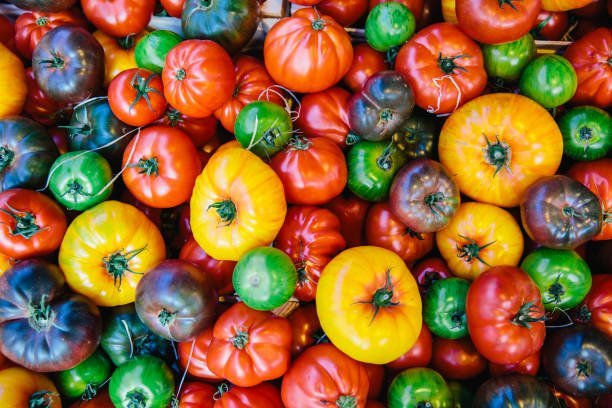
Tomato (Solanum lycopersicum) is a commonly eaten fruit that grows on a vine. It contains many nutrients, including an antioxidant called lycopene.

The lycopene in tomato is thought to play a role in preventing cancer. It’s easier for the body to use lycopene that comes from tomato products, such as tomato paste or tomato juice, than from fresh tomatoes.

People use tomato for cancer prevention, diabetes, high blood pressure, heart disease, osteoarthritis, and many other conditions, but there is no good scientific evidence to support these uses.

BENEFITS OF TOMATO EXTRACT

  • Protects against vision loss;

Tomatoes are rich in lycopene and anthocyanins. These help protect against vision loss, heart diseases, neurodegenerative diseases and cancer (especially prostate).

  • Strengthen immune system;

They contain antioxidants and vitamin C, which may help strengthen your immune system. They’re also a dietary source of potassium, vitamin A, vitamin B, magnesium.

  • May reduce risk of sunburns;

Tomatoes aren’t a substitute for sunscreen, but the lycopene in the fruit may have a photo-protective effect. Eating tomatoes may offer Trusted Source some protection from UV light-induced erythema or sunburn.

  • May help protect against skin cancer;

Sun exposure is a risk factor for nonmelanoma skin cancers, which include basal cell carcinoma and squamous cell carcinoma.

  • Antioxidant properties;

Tomato has long been associated with promoting skin health; besides this, its regular consumption is good for healthy bones, heart health and for supplying antioxidants to the body.


Written by Oreoluwa Hassan

Soybean Seed Extract

Glycine Soja (Soybean) Seed Extract:

Glycine Soja extract is obtained from the beans of the wild soybean plant, native to East Asia.  It is a powerful antioxidant  and anti-inflammatory agent for the skin.

Soya beans contain many functional components including phenolic acids, flavonoids, isoflavonoids (quercetin, genistein, and daidzein), small proteins (Bowman-Birk inhibitor, soybean trypsin inhibitor) tannins, and proanthocyanidins.

Soybean seeds extract and fresh soymilk fractions have been reported to possess the cosmeceutical and dermatological benefits such as anti-inflammatory, collagen stimulating effect, potent anti-oxidant scavenging peroxyl radicals, skin lightening effect and protection against UV radiation.

BENEFITS OF SOYBEAN SEED

  • Anti oxidant and anti-inflammatory properties:

Most famous and bioactive flavonoids in soybeans are the isoflavones called genistein and diadzein that have potent antioxidant and anti-inflammatory properties. Genistein is also proven to inhibit UV induced redness in human skin.

  • Reduces Collagen loss:

These isoflavones are also the ones that make soy a phytoestrogen, meaning they have a (weak) estrogenic effect. Topical estrogen is known to decrease skin thinning and collagen loss and soy might be able to do the same, especially during and after menopause when natural estrogen levels run low.

  • . Protects against free radicals:

Glycine soja (soybean) seed extract has vitamin E, allowing it to protect the skin from free radial damage and reduce the effects associated with the aging process such as wrinkles and fine lines.

  • Anti-aging properties:

soja (soybean) seed extract is rich with many natural chemical components which is used as ingredient for skin care products and, one of which is known as Genistein. Genistein promotes a more youthful appearance. Anti-ageing products by men and women are in demand and ingredient extracted from soybean is very much popular for anti-ageing product manufacturing from last decade.


Written by Ebere chienjine


Chasteberry Extract

CHASTEBERRY

Chasteberry is also known as Vitex (Vitex agnus-castus) is a plant used in herbal medicine. It’s often used to remedy women’s health problems. Vitex supplements typically contain extracts of the fruit and/or seed of the plant.

In the past, chasteberry extracts were used to treat a variety of gynecological disorders and skin conditions.

Today, chasteberry is promoted as a dietary supplement for symptoms of premenstrual syndrome, breast pain associated with the menstrual cycle, infertility, and other conditions.

HEALTH BENEFITS OF CHASTEBERRY

The relief of menstrual symptoms is the primary use of chasteberry as a nutritional supplement. Additional uses of this herb include support for reproductive and breast health.

  • Breast health

Chasteberry may also help relieve periodic breast discomfort, especially those caused by the menstrual cycle. This type of chasteberry extract is typically combined with other herbs.

  • Menstrual support

Chasteberry is often used to relieve menstrual symptoms, especially cramps, food cravings and swelling. It may also help support bouts of anxiety, stress and irritability.

  • Reproductive health support

Women who are trying to get pregnant may also take oral supplements of chasteberry extract. This regimen is typically followed for at least three months.

FORMS OF CHASTEBERRY

Chasteberry is available in liquid, capsules, and tablets.


Source: Healthline

written by Sarah Amah

GINKO BILOBA

Ginkgo Biloba is a popular supplement and one of the top-selling herbal medicines. The ginkgo tree, also known as the maidenhair tree, is one of the oldest species of trees in the world. Ginkgo Biloba extract is collected from the dried green leaves of the plant and is available as liquid extracts, capsules, and tablets.

Gingko contains high levels of flavonoids and terpenoids, antioxidants that provide protection against oxidative cell damage from harmful free radicals. In this way, antioxidants are believed to help reduce the risk of cancer.

Benefits

The therapeutic properties of the ginkgo plant are said to include;

  • Treatment for blood disorders
  • Improving eye health.
  • It may help with cognitive function.
  • Anxiety.
  • Memory enhancement, dementia, and Alzheimer’s.
  • Improved thinking and memory.
  • Better social behavior.
  • Better ability to perform everyday tasks.
  • Glaucoma.

Side Effects

Possible side effects of Ginkgo Biloba include;

  • Nausea
  • Diarrhea
  • Dizziness
  • Headaches
  • Stomach ache
  • Restlessness
  • Vomiting.

Form and Dosage

Ginkgo is available in capsule form, as tablets, liquid extracts, and dried leaves for teas.

In studies, adults used between 120 and 240 milligrams a day in divided doses. It appears to take 4 to 6 weeks before improvements are noticed.


written by: Oreoluwa Hassan

Conjuctivitis Treatment and Natural Remedies

It’s an Inflammation or infection of the outer membrane of the eyeball and the inner eyelid.

Conjunctivitis, or pink eye, is an irritation or inflammation of the conjunctiva, which covers the white part of the eyeball.

It can be caused by allergies or a bacterial or viral infection.

Conjunctivitis can be extremely contagious and is spread by contact with eye secretions from someone who is infected.

CAUSES

Causes of pink eye include:

?️Viruses

?️Bacteria

?️Allergies

?️A chemical splash in the eye

?️A foreign object in the eye

?️In newborns, a blocked tear duct

SYMPTOMS

The most common pink eye symptoms include:

? Redness in one or both eyes

? Itchiness in one or both eyes

? A gritty feeling in one or both eyes

? A discharge in one or both eyes that forms a crust during the night that may prevent your eye or eyes from opening in the morning

? Tearing

RISK FACTORS

Risk factors for pink eye include:

– Exposure to something for which you have an allergy (allergic conjunctivitis).

– Exposure to someone infected with the viral or bacterial form of conjunctivitis.

– Using contact lenses, especially extended-wear lenses.

TREATMENT

Treatment consists of self care.

It’s important to stop wearing contact lenses whilst affected by conjunctivitis.

It often resolves on its own, but treatment can speed the recovery process.

Allergic conjunctivitis can be treated with antihistamines.

Bacterial conjunctivitis can be treated with antibiotic eye drops.

NATURAL REMEDIES

Lifestyle and home remedies

To help you cope with the signs and symptoms of pink eye until it goes away, try to:

* Apply a compress to your eyes. To make a compress, soak a clean, lint-free cloth in water and wring it out before applying it gently to your closed eyelids.

Generally, a cool water compress will feel the most soothing, but you can also use a warm compress if that feels better to you.

* If pink eye affects only one eye, don’t touch both eyes with the same cloth.
This reduces the risk of spreading pink eye from one eye to the other.

* Try eyedrops. Over-the-counter eyedrops called artificial tears may relieve symptoms.

Some eyedrops contain antihistamines or other medications that can be helpful for people with allergic conjunctivitis.

Stop wearing contact lenses. If you wear contact lenses, you may need to stop wearing them until your eyes feel better. How long you’ll need to go without contact lenses depends on what’s causing your conjunctivitis.


Written by: Ruth Olusegun

Benefits of Lycopene

Lycopene is a type of organic pigment called a carotenoid. It is related to beta-carotene and gives some vegetables and fruits (e.g., tomatoes) a red color.

Lycopene is a powerful antioxidant that might help protect cells from damage. It’s found in tomato, watermelon, red orange, pink Lycopene is a plant nutrient with antioxidant properties. It’s the pigment that gives red and pink fruits, such as tomatoes, watermelons and pink grapefruit, their characteristic color.

some fruits containing lycopene include; grapefruit, sun-dried tomatoes, tomato purée, cooked sweet red peppers, papaya, watermelon, fresh tomatoes, apricot, rose hip, and guava.

HEALTH BENEFITS

STRONG ANTIOXIDANT PROPERTIES

Lycopene is an antioxidant in the carotenoid family. When free radical levels outnumber antioxidant levels, they can create oxidative stress in the body. Lycopene’s protective effects appear particularly beneficial to those with low blood antioxidant levels or high levels of oxidative stress.

PROTECT AGAINST CERTAIN TYPES OF CANCER

Lycopene’s strong antioxidant action prevent or slow down the progression of some types of cancer. This includes older adults and people who smoke or have diabetes or heart disease.

PROMOTE HEART HEALTH

Lycopene also help lower the risk of developing or prematurely dying from heart disease.
It reduces free-radical damage, total and “bad” LDL cholesterol levels and increase “good” HDL cholesterol.

PROSTATE CANCER

Taking lycopene by mouth might slightly reduce the risk of developing prostate cancer. It might also slightly reduce the risk of prostate cancer returning.

Other health benefits include;
-Protection against sunburn
-Promotes good eyesight
-Reduces pain
-Contributes to stronger bones
-Protects the brain

DOSAGE

There is currently no recommended daily intake for lycopene. However, from the current studies, intakes between 8–21 mg per day appear to be most beneficial.

Lycopene supplements are also available.


Written by: Oreoluwa Hassan

Add to cart