Bacopa

Bacopa (bacopa monnieri, brahmi) is a plant that has been used for centuries in traditional ayurvedic medicine. It increases certain brain chemicals involved in thinking, learning and memory. It might also protect the Brain cells from chemicals involved in Alzheimer’s disease.

Brahmi is a powerful herb great for liver health, which is the main organ responsible for detoxification in the body.

The herb is also rich in antioxidants and helps the body stay focused, owing to it’s nootropic properties.
Bacopa is also considered to be a very powerful cardiotonic, nervine and diuretic.

HEALTH BENEFITS

1. May help lower blood pressure levels

High blood pressure is a serious health concern, as it places strain on your heart and blood vessels.

2. Contains powerful antioxidants

Antioxidants are substances that help protect against cell damage caused by potentially harmful molecules called free radicals. Bacopa monnieri contains powerful compounds that may have antioxidant effects.

3. May have anticancer properties

Bacopa monnieri has been shown to block the growth and spread of cancer cells in test-tube and animal studies, but human research is needed to confirm these effects.

4. May boost brain function

Research suggests that Bacopa monnieri may help enhance brain function.

5. May reduce inflammation

Inflammation is your body’s natural response to help heal and fight disease.
However, chronic, low-level inflammation has been linked to many chronic conditions, including cancer, diabetes, and heart and kidney disease

SIDE EFFECTS

Bacopa extract is POSSIBLY SAFE for adults when taken by mouth appropriately and short-term, up to 12 weeks.

Common side effects include increased bowel movements, stomach cramps, nausea, dry mouth, and fatigue.

Other rare side effects include;
-Thyroid disorders
-Lung conditions
-Ulcers
-Gastrointestinal tract blockage
-Slow heart rate (bradycardia)

DOSAGE

Bacopa is available in powder, capsule and tincture form. The typical dosage ranges from 1tbsp per day in powdered form.


Written by: Oreoluwa Hassan

Cholera

This is a bacterial disease causing severe diarrhoea and dehydration, usually spread in water.

Cholera is an infectious disease that causes severe watery diarrhea, which can lead to dehydration and even death if untreated. It is caused by eating food or drinking water contaminated with a bacterium called Vibrio cholerae.

Cholera is fatal if not treated right away.

Cholera has been nicknamed the “blue death” because a person’s skin may turn bluish-gray from extreme loss of fluids.

According to World Health Organization (WHO), there are 1.3 million to 4 million cases of Cholera each year.

CAUSES

Vibrio cholerae, the bacterium that causes cholera, is usually found in food or water contaminated by feces from a person with the infection.

Common sources include:

•Municipal water supplies

•Ice made from municipal water

•Foods and drinks sold by street vendors

•Vegetables grown with water containing human wastes

•Raw or undercooked fish and seafood caught in waters polluted with sewage.

SYMPTOMS

Symptoms of cholera is between a few hours to five days after infection. About one in 20 people infected have severe watery diarrhea accompanied by vomiting, which can quickly lead to dehydration.

PREVENTION
HOME REMEDIES:

You can protect yourself and your family by using only water that has been boiled, water that has been chemically disinfected, or bottle water.

You should also avoid raw foods, including the following:

•Unpeeled fruits and vegetables

•Unpasteurized milk and milk products

•Raw or under-cooked meat or shellfish

•Fish caught in tropical reefs, which may be contaminated.

TREATMENT

Treatment consists of fluids and antibiotics such as oral rehydration therapy and IV fluids.


Written by: Sarah Amah

Natural Remedies For Headache

Headache is a very common condition that most people will experience many times during their lives. The main symptom of a headache is a pain in your head or face which can be throbbing, constant, sharp or dull.

Causes

There are two main categories of headaches

– Primary headaches: this category of headache isn’t due to another medical condition. The category includes: cluster headaches, migraine, new daily persistent headaches (NDPH), and tension headaches.

– Secondary headaches: are headache disorders characterized by recurrent headache. Secondary headaches are related to other medical conditions, such as: head injury, high blood pressure (hypertension), infection, medication overuse, sinus congestion, trauma, and tumor.

Types

The following are the various types of headaches:

– Migraine: This is a primary headache disorder. It is more common in women, usually by a factor of about 2:1, because of hormonal influences. Migraine is recurrent, often life-long, and characterized by recurring attacks. Attacks typically include headache and nausea. The attack frequency is anywhere between once a year and once a week.

– Tension-type headache (TTH): Is described as pressure or tightness, often like a band around the head, sometimes spreading into or from the neck. TTH attacks usually last a few hours, but can persist for several days.

– Cluster Headache (CH): This is a relatively uncommon type of headache characterized by frequently recurring (up to several times a day), brief but extremely severe headache, usually focused in or around one eye, with tearing and redness of the eye, the nose runs or is blocked on the affected side and the eyelid may droop.

Natural remedies for headache
1. Sip Some Ginger Tea
2. Relax with Yoga
3. Get Some Exercise
4. Try Acupuncture
5. Soothe Pain with a Cold Compress
6. Use Essential Oils
7. Avoid Strong Smells
8. Try a B-Complex Vitamin
9. Consider Taking Coenzyme Q10
10. Avoid excessive intake of caffeine


Written by: Ebere Chienjine

Natural Ways to Prevent Alzheimer’s Disease

Alzheimer’s disease is a progressive neurologic disorder that causes the brain to shrink (atrophy) and brain cells to die.

Alzheimer’s disease is the most common cause of dementia a continuous decline in thinking, behavioral and social skills that affects a person’s ability to function independently.

There is no treatment that cures Alzheimer’s disease or alters the disease process in the brain.

The exact causes of Alzheimer’s disease aren’t fully understood.

Alzheimer’s disease is thought to be caused by the abnormal build-up of proteins in and around brain cells.

Although it’s still unknown what triggers Alzheimer’s disease, several factors are known to increase your risk of developing the condition such as; Age, family history, head injuries, cardiovascular diseases, untreated depression, and a sedentary lifestyle.

Symptoms

The early signs of the disease include forgetting recent events or conversations.

As the disease progresses, a person with Alzheimer’s disease will develop severe memory impairment and lose the ability to carry out everyday tasks.

Other symptoms include;

Difficulty remembering new information
Trouble organizing and planning
Confusion
Forgetfulness
Decreased thinking skills
Problems with simple arithmetic
Poor judgment
Personality changes
Mood swings
Severe memory loss

5 NATURAL TREATMENTS FOR ALZHEIMERS DISEASE
1. Lowering stress – Lowering your daily levels of stress can improve your mental health, reduce inflammation, and decrease your risk of Alzheimers disease.

2. Healthy sleep – Sleep is your body’s way of resetting. Proper restful sleep allows your body and brain the time needed to restore balance to your system. This helps reduce the risk of dementia and Alzheimers.

3. Improving heart health – High blood pressure, heart disease, and high cholesterol during middle age significantly increase the risk of developing dementia later in life. A diet high in healthy fats, whole grains, fish, lean proteins, nuts, fruits, and vegetables has been shown to combat obesity, diabetes, and improve cognitive function.

4. Exercise – 150 minutes of aerobic exercise each week for those over 65 is shown to protect cognitive performance. Walking 30 minutes each day increases the flow of blood and oxygen to the brain.

5. Social interaction and an active mind – Keeping your mind active reduces the risk for cognitive decline. Learning a new activity, such as dancing, creates new pathways of communication in the brain. Acquiring new skills and reminiscing on cherished life events are excellent ways to help prevent loss of cognitive function.


Written by: Oreoluwa Hassan

Garcinia

Garcinia gummi-gutta is a tropical species of Garcinia native to South Asia and Southeast Asia.Common names include Garcinia cambogia (a former scientific name), as well as brindle berry, and Malabar tamarind. The fruit looks like a small pumpkin and is green to pale yellow in color.
The fruit rind contains a chemical called hydroxycitric acid (HCA).
HCA used in dietary supplements usually comes from garcinia. It might prevent fat storage, control appetite, and increase exercise endurance.

Among the conditions people use it for are diabetes, cancer, ulcers, diarrhea, and constipation.

BENEFITS

– Can Cause Modest Weight Loss

Many high-quality human studies have tested the weight loss effects of garcinia cambogia.
What’s more, most of them indicate that the supplement can cause a small amount of weight loss. Garcinia cambogia can increase the levels of the neurotransmitter serotonin, a feel-good messenger in your body. This may enhance your mood and reduce stress-related eating

– May Block Fat Production and Reduce Belly Fat

The main reason for these effects may be that garcinia cambogia inhibits an enzyme called citrate lyase, which plays an important role in the production of fat.
By inhibiting citrate lyase, garcinia cambogia is thought to slow or block fat production in the body. This may reduce blood fats and lower the risk of weight gain — two major disease risk factors.

Additionally, garcinia cambogia could boost your digestive system. Animal studies suggest that it helps protect against stomach ulcers and reduce damage to the inner lining of your digestive tract.

Side effects of Garcinia

People have also reported some side effects of using garcinia cambogia. The most common ones are;
– Digestive symptoms
– Headaches
– Skin rashes

Dosage

Garcinia cambogia is available in capsules, tablets, powders, and liquids. Capsules should be taken on an empty stomach, 30 minutes to an hour before a meal.


Written by: Oreoluwa Hassan

Gymnemma Leaf

Gymnema (Gymnema sylvestre) is a woody climbing shrub that’s native to the tropical forests of India, Africa and Australia. Its leaves have been used in the ancient Indian medicinal practice Ayurveda for thousands of years. It has been a traditional remedy for various ailments, including diabetes, malaria and snakebites.

Today, gymnema is used for diabetes, metabolic syndrome, weight loss, and cough. It is also used for malaria and as a snake bite antidote, digestive stimulant, laxative, appetite suppressant, and diuretic.

BENEFITS
– Diabetes

Gymnema is perhaps most well known for its ability to help diabetes – including; controlling sugar cravings, pancreas regeneration, blood sugar homeostasis and weight reduction.
This powerful herb contains the phytochemical “gurmarin”, a substance that modifies the ability of the tongue’s perception of sweet and bitter flavours. A study conducted in India revealed that the atomic arrangement of the herb blocks the sugar receptors of taste buds. As a result, sugar taste buds are not stimulated even with sugar intake.

One of the primary active ingredients in Gymnema sylvestre is gymnemic acid – a compound that is structurally similar to glucose but that acts completely differently in the body.
Gymnemic acid can block sugar absorption in the intestine and often results in lower blood sugar levels after a meal.
Gymnema sylvestre may stimulate insulin production in your pancreas, promoting the regeneration of insulin-producing islet cells. This can help lower your blood sugar levels.

As a supplement, it has been used in combination with other diabetes medications to lower blood sugar.
Scientific proof of Gymnema’s ability to lower blood sugar is insufficient to recommend it as a stand-alone diabetes medication. However, research shows strong potential.

– Improves Cholesterol and Triglyceride Levels, Reducing Heart Disease Risk

Gymnema sylvestre may help lower “bad” LDL cholesterol levels and triglycerides. While Gymnema gets its fame from lowering blood sugar levels and reducing sugar cravings, research shows that it may also influence fat absorption and lipid levels.

High levels of “bad” LDL cholesterol and triglycerides are risk factors for heart disease. Therefore, the positive effects of Gymnema sylvestre on LDL and triglycerides levels may contribute to a lower risk of heart conditions.

– Helps Reduce Inflammation Due to Its Tannin and Saponin Content

Inflammation plays an important role in the body’s healing process.
Some inflammation is good, such as when it helps protect the body from harmful organisms in cases of injury or infection.
Other times, inflammation may be caused by the environment or the foods you eat. However, chronic low-grade inflammation can contribute to various health issues.

Possible Side Effects

While its effects on blood sugar are rather positive, combining Gymnema sylvestre with other blood-sugar-lowering medications can cause an unsafe drop in the blood sugar levels.
This can cause side effects, such as headache, nausea, lightheadedness, shakiness and dizziness.

Gymnema sylvestre supplements should not be taken at the same time as blood-sugar-lowering medications, including insulin injections.

Additionally, the supplement should not be taken with aspirin or the herb St. John’s Wort, as this may increase Gymnema’s blood-sugar-lowering effects.


Written by: Oreoluwa Hassan 

Thyme and Its Benefits

While thyme is commonly used to flavor food, this herb has been used since ancient times for different health and medicinal benefits and as a preservative. Today, it’s used in a wide variety of products ranging from mouthwashes to teas and even nasal sprays.

Thyme, which is from the mint family, has tiny, sage-green leaves and thin stalks. It can be used fresh, dried, or made into an essential oil. While there are many claims about thyme’s health benefits, most of them have yet to be confirmed by scientific research.

That said, thyme does contain the compound thymol, which can help control or neutralize some bacterial, parasitic, fungal, or viral infections. Research also suggests that it may have analgesic, antibacterial, antiviral, and anti-inflammatory properties that can help with skin conditions, pain from bug bites, rheumatoid arthritis, and more.

Health Benefits

Thyme can be added to your foods, used as a tea, applied to your skin as an essential oil, gargled as thyme oil, or even inhaled. While there are various claims about the health benefits of thyme, scientific research is lacking in many areas or only based on animal research.

However, thyme has been shown to have some health benefits. Thyme oil is frequently used in mouthwashes to help with bad breath, prevent gingivitis, and help treat oral pathogens.

Fresh or dried thyme can be used as a substitute for salt when cooking to help decrease your salt intake or manage high blood pressure.

Thyme also can provide other health benefits like:

Potential Pain-relieving Properties

Thyme’s anti-inflammatory properties may help provide pain relief. Studies have found that thyme supplements offered pain relief from menstrual cramps similar to that provided by ibuprofen.

Some individuals with rheumatoid arthritis use thyme, either as a tea or topically, to alleviate symptoms. There is some evidence that thyme’s anti-inflammatory properties may help, but more research is needed before this can be confirmed.

Natural Cough-suppressant 

Thyme has been used as a home remedy for coughs, respiratory conditions, and bronchitis for years. Alternative medicine has used it as a tea and in aromatherapy. Research has shown some support for its use, though more studies are needed before its efficacy can be proven.

A small study in 2013 found the use of a thymol nasal spray helped reduce the severity and number of coughs and the urge to cough among participants.

Antimicrobial Properties

Thyme can be useful as a disinfectant thanks to its antifungal properties. Studies indicate that thyme may be useful as a disinfectant in homes with a low concentration of mold when used as an essential oil.

Help with Skin Conditions like Eczema and Acne

Thyme’s anti-inflammatory and antimicrobial properties may also help with skin conditions. It may help get rid of bacterial infections while also helping to reduce inflammation. As a result, it can help with the irritation and inflammation in conditions like eczema and acne.

Natural Insect Repellent

Thyme oil may help repel insects like mosquitoes. The oil in thyme, thymol, is often used as an active ingredient in bug repellents. You can make your own natural repellent by combining thyme oil with olive oil or water.

Nutrition

Thyme contains thymol and small amounts of other nutrients such as potassium, vitamin A, vitamin C, and magnesium.

Nutrients per Serving

A one-teaspoon serving of fresh thyme contains:

  • Calories: 0.8
  • Protein: 0 grams
  • Fat: 0 grams
  • Carbohydrates: 0.2 grams
  • Fiber: 0.1 grams

Portion Sizes and Safety

A serving of thyme is typically two tablespoons when fresh or one teaspoon when dried. Thyme is safe when used in normal amounts for cooking. However, if you plan to ingest it as an essential oil, you should bear in mind that it’s at a higher concentration in that form and may cause side effects. While fresh or dried thyme is safe to use as a flavoring in food when pregnant, it’s important to consult your doctor before ingesting it as an essential oil.

Thyme is generally safe. However, using too much, especially if ingesting it as an essential oil, can lead to a drop in your blood pressure or hypotension. If you are on high blood pressure medications or anticoagulants, consult your doctor before using thyme essential oil or supplements.

If you are allergic to plants in the mint family, consult your doctor before using thyme. Individuals who are allergic or sensitive to thyme have experienced nausea, diarrhea, or vomiting due to eating thyme. People with a sensitivity or allergy to thyme may experience a skin rash if it’s applied to their skin.

How to Prepare Thyme

You can grow thyme or purchase it fresh or dried from most grocery stores. Dried thyme can be stored at room temperature, and fresh thyme should be refrigerated or frozen. If you’re purchasing thyme as an essential oil, you can store it in the refrigerator or keep it in a dry, cool space away from direct sunlight.

Thyme is frequently used to add flavor to meats, seafood, stews, and soups. Here are some ways to use thyme in recipes:

  • Add fresh or dried thyme to vegetable, beef, or chicken stock
  • Use it in stews or soups for added flavor
  • Replace or cut back on salt in recipes by adding thyme
  • Infuse your favorite tea with thyme
  • Add thyme to your favorite chicken or pork recipes
  • Add fresh thyme as a topping to baked potatoes
Reference: Webmd
Written by: Omojo Emeje

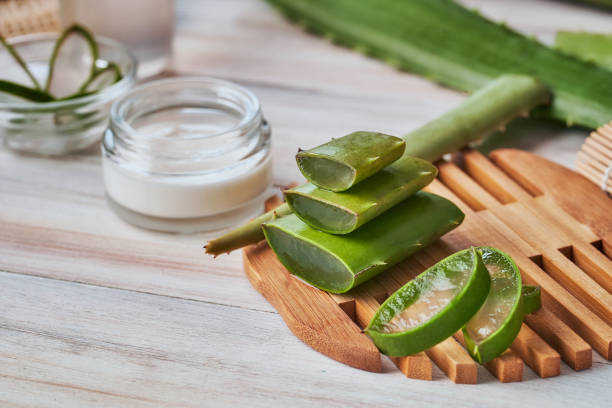
Everything You Need to Know About Aloe

Wounds

Aloe vera is a time-honored treatment. Alexander the Great used the clear gel-like sap in the middle of its leaves to heal their wounded soldiers’ wounds. And while there’s some evidence it can help some types of wounds, it may delay healing in others. Talk to your doctor about whether aloe products are right for your injury.

Burns

Here’s an area where aloe really seems to shine. A number of studies show that aloe ointments and creams can help burns, including sunburns, heal more quickly. Some substances in the aloe ease swelling and speed up healing, and others help your body repair the skin. But you need to see a doctor for:

  • A serious burn
  • A widespread burn
  • A burn on the hands, feet, face, groin, or buttocks
  • Any burn that looks infected
  • A burn that affects the airways
  • A burn that takes a long time to heal
  • A burn caused by chemicals or electricity

Psoriasis

Aloe extract cream seems to help some people with the dry, scaly, itchy, or painful skin it that comes with psoriasis. But aloe vera gel doesn’t seem to have the same effect, so ask your doctor if aloe cream could help you manage your psoriasis.

Cold Sores

The research is still early on this, but some of it shows aloe might help slow the growth of the virus that cause cold sores. Aloe extract cream may also help cold sores heal faster.

Genital Herpes

The same family of viruses (herpes simplex) that causes cold sores around your mouth can cause blistering sores on your private parts. In two research studies, men who used aloe cream on these sores healed faster than those who used aloe gel or a placebo cream. Part of the reason for this may be that aloe appears to slow the reproduction of the virus.

Acne

Research suggests that aloe gel may help clear up acne if you use it twice daily along with the prescription acne cream tretinoin (sold as Atralin, Retin-A, and others). In a separate study, doctors applied a standard 2-day wound-healing cream to a group of people after full-face dermabrasion, an acne treatment that sands the skin. When they added aloe to the cream on one side of the face, it healed much more quickly.

Dermatitis

This reaction causes swollen, red, itchy skin when you come in contact with something like detergents, soaps, poison oak, poison ivy, copper, grass, or nickel (in some jewelry). Aloe may help ease these symptoms along with those of seborrheic dermatitis, which often affects oily areas like your face, back, and chest.

Constipation

Aloe works as a laxative if you swallow it. That is, it may make you poop if you haven’t been able to go. But it can cause serious stomach cramps, diarrhea, and other unpleasant symptoms, and the FDA says there isn’t enough research to be sure it’s safe. So it’s best to stick with more tried and true options at your drugstore. Talk to your doctor or pharmacist if you aren’t sure which laxative is right for you.

Oral Lichen Planus

Aloe gel seems to safely help get rid of these white, spidery, patches on the tongue or inside of your mouth that may become blistered or painful. Studies suggest it works as well as standard treatments like topical steroids.

Diabetes

There’s evidence that aloe taken by mouth might help lower both blood sugar and cholesterol in some people with the condition. But it might interfere with medications like insulin, and it could make your blood sugar too low. Other studies, using different forms and doses of aloe, had different results. The bottom line: It isn’t clear if oral aloe is safe to use for diabetes. Scientists need more studies to sort these things out.

Aloe Effects to Avoid

Taken orally, just a gram a day could shut down your kidneys. You might have a bad reaction to aloe if you’re allergic to garlic, onions, tulips, or other members of the Liliaceae family. As a laxative, aloe could cause you to lose electrolyte minerals like potassium, which is a problem if you have kidney or heart disease. It may also harm your unborn baby if you’re pregnant.

Drug Interactions

The creams and gels are mostly OK, but the oral form can change how some of your medication works, especially diuretics, digoxin (Lanoxin) for heart issues, blood thinners like warfarin (Coumadin), and diabetes meds. And remember that aloe vera is a dietary supplement, not a regulated drug. That means it’s hard to know exactly what’s in any aloe product. Tell your doctor about all supplements and medications you take, including aloe.


Reference: Webmd

Written by: Omojo Emeje

Health Benefits of Cayenne Pepper

If you like spice, you’re probably familiar with the cayenne pepper. The long, thin, bright red Capsicum annuum is a member of the Solanaceae family. It’s related to other capsicums, including sweet bell peppers, jalapeños, poblanos, serranos, and the notoriously spicy ghost peppers. While not nearly as hot as the ghost pepper, the cayenne pepper still packs quite a punch.

The cayenne pepper is said to originate from Cayenne, French Guiana. It’s commonly dried and ground into a fine powder. It’s also used fresh in many recipes. It grows around the world in places such as India, East Africa, Mexico, and certain areas of the United States. In addition to being delicious, it adds a touch of heat to your food and provides some remarkable health benefits.

Health Benefits

Cayenne peppers can provide a variety of health benefits. These include:

Pain Relief

Cayenne peppers, like other spicy peppers, have capsaicin, the compound that gives them their “heat”. Applied topically, capsaicin can help to alleviate pain by reducing the amount of a neuropeptide known as substance P that travels to the brain to signal pain. With less substance P, feelings of pain decrease.

Psoriasis Treatment

Psoriasis is an autoimmune condition that causes itchy, scaly, red patches on the skin. While there is currently no cure, topical capsaicin creams can help to reduce itching and improve the skin’s appearance.

Metabolism Boost

Capsaicin increases the amount of heat that your body produces, boosting your metabolism and causing you to burn more calories. It’s also somewhat effective in reducing hunger, causing you to eat less throughout the day.

Digestive Health

Capsaicin stimulates the nerves in your stomach that send signals for protection against injury. The pepper may help to increase the production of digestive fluid, send enzymes to the stomach to aid in digestion, and provide extra protection to the stomach against infections.

Reducing High Blood Pressure

Based on animal studies, capsaicin may help to reduce high blood pressure, which also reduces the risk of developing heart disease.

Reducing Cancer Risk

Some studies show that capsaicin can slow cancer cell growth. It may even be able to kill cancer cells for certain types of cancer, including prostate, skin, and pancreatic.

Nutrition

Cayenne pepper, like other spicy peppers, has a compound known as capsaicin. It has many antioxidants, including:

  • Vitamin A
  • Vitamin C
  • Vitamin E
  • Beta carotene
  • Cryptoxanthin
  • Choline
  • Lutein
  • Zeaxanthin

In addition to these nutrients, cayenne peppers also have:

  • Vitamin B1
  • Vitamin B2
  • Vitamin B6
  • Vitamin K
  • Folate
  • Manganese
  • Potassium
  • Copper
  • Iron
  • Magnesium
  • Selenium
  • Phosphorous
  • Zinc

Nutrients Per Serving

A single tablespoon (5.3 grams) of cayenne pepper has:

  • Calories: 17
  • Protein: 0.6 grams
  • Fat: 0.9 grams
  • Carbohydrates: 3 grams
  • Fiber: 1.4 grams
  • Sugar: 0.5 grams

Things to Watch Out For

Cayenne peppers are safe to eat, and are a delicious, spicy addition to many dishes. Eating too many, however, can cause some unwanted side effects, such as an upset stomach or heartburn. If you’re sensitive to spice, you may also feel an uncomfortable burning sensation in your mouth.

Cayenne pepper may also interact with certain medications, such as:

  • Blood thinners
  • Aspirin
  • Antacids
  • ACE Inhibitors

How to Use Cayenne Pepper

You’re more likely to find cayenne pepper as a ground spice, located with the rest of the spices in your local grocery store. Some stores carry fresh peppers in the produce section. When buying fresh, look for peppers that are bright, shiny, and firm. Avoid those that are wrinkly, soft, or have dark spots on them.

To store fresh cayennes, place them in a paper bag or wrap them in paper towels and place them in your refrigerator’s vegetable drawer. Avoid plastic bags, as they can collect moisture and cause your peppers to go bad faster. Only wash them when you’re ready to use them.

Fresh and ground cayenne pepper can be used in a variety of ways:

  • Add a dash of cayenne pepper to a soup or stew
  • Sprinkle it over egg dishes such as scrambled eggs, quiches, or egg salad
  • Mix it into hummus
  • Add a pinch of ground cayenne pepper to your hot chocolate
  • Stir into homemade lemonade for a delicious kick
  • Add fresh cayenne (or ground cayenne) to sautéed vegetables
  • Mix fresh peppers into your favorite cornbread recipe
  • Combine fresh peppers and lemon juice with cooked bitter greens such as collards or kale


Reference: Webmd

Written by: Omojo Emeje

Ginger

Fights Germs

Certain chemical compounds in fresh ginger help your body ward off germs. They’re especially good at halting growth of bacteria like E.coli and shigellaand they may also keep viruses like RSV at bay.

Keeps Your Mouth Healthy

Ginger’s antibacterial power may also brighten your smile. Active compounds in ginger called gingerols keep oral bacteria from growing. These bacteria are the same ones that can cause periodontal disease, a serious gum infection.

Calms Nausea

The old wives’ tale may be true: Ginger helps if you’re trying to ease a queasy stomach, especially during pregnancy. It may work by breaking up and getting rid of built-up gas in your intestines. It might also help settle seasickness or nausea caused by chemotherapy.

Soothes Sore Muscles

Ginger won’t whisk away muscle pain on the spot, but it may tame soreness over time. In some studies, people with muscle aches from exercise who took ginger had less pain the next day than those who didn’t.

Eases Arthritis Symptoms

Ginger is an anti-inflammatory, which means it reduces swelling. That may be especially helpful for treating symptoms of both rheumatoid arthritis and osteoarthritis. You might get relief from pain and swelling either by taking ginger by mouth or by using a ginger compress or patch on your skin.

Curbs Cancer Growth

Some studies show that bioactive molecules in ginger may slow down the growth of some cancers like colorectal, gastric, ovarian, liver, skin, breast, and prostate cancer. But much more research is needed to see if this is true.

Lowers Blood Sugar

One recent small study suggested that ginger may help your body use insulin better. Larger studies are needed to see if ginger could help improve blood sugar levels.

Eases Period Pains

Got menstrual cramps? Ginger powder may help. In studies, women who took 1,500 milligrams of ginger powder once a day for 3 days during their cycle felt less pain than women who didn’t.

Lowers Cholesterol

A daily dose of ginger may help you battle your “bad” or LDL cholesterol levels. In a recent study, taking 5 grams of ginger a day for 3 months lowered people’s LDL cholesterol an average of 30 points.

Protects Against Disease

Ginger is loaded with antioxidants, compounds that prevent stress and damage to your body’s DNA. They may help your body fight off chronic diseases like high blood pressure, heart disease, and diseases of the lungs, plus promote healthy aging.

Relieves Indigestion

If you live with chronic indigestion, also called dyspepsia, ginger could bring some relief. Ginger before meals may make your system empty faster, leaving less time for food to sit and cause problems.


Reference: Webmd

Written by: Omojo Emeje

Add to cart