Why Garlic is Good for You!

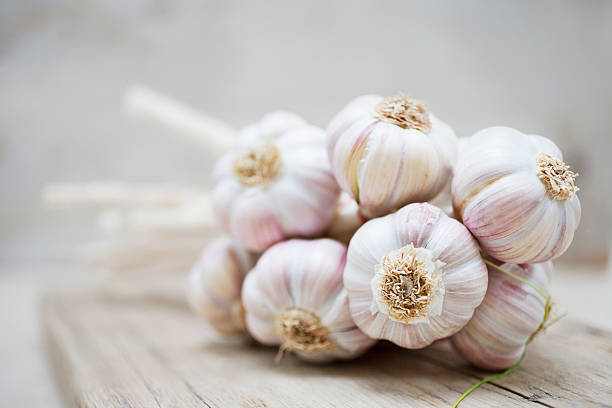
A new study shows red blood cells process compounds from digested garlic and turn them into the cell messenger hydrogen sulfide (H2S), which relaxes blood vessels and increases blood flow. Therefore, eating garlic may increase our natural supply of this vital chemical and play a role in reducing the risk of heart disease.

Previous studies on garlic’s health effects have produced mixed results. For example, some studies of garlic have found few benefits, but others have been shown to lower the risk of heart disease.

But researchers say if further studies confirm these findings, testing the ability to produce hydrogen sulfide may be used to standardize garlic supplements to produce greater health benefits.

Finding Garlic’s Effect

In the study, researcher Gloria Benavides, of the University of Alabama at Birmingham, and colleagues analyzed the effects of juice extracted from supermarket garlic on human red blood cells in the lab.

They found the red blood cells immediately began producing hydrogen sulfide after getting a tiny dose of garlic. The amount of garlic tested in the lab was roughly equal to two garlic cloves for a typical adult.

Further tests showed the key chemical reaction occurred at the membranes of the red blood cells, but a small amount of hydrogen sulfide was also produced inside the cells.

Few plants other than garlic contain the building blocks of hydrogen sulfide to provide these health benefits, and researchers say garlic is the only one commonly used in the human diet.


Reference: Webmd

Written by: Omojo Emeje

Chamomile

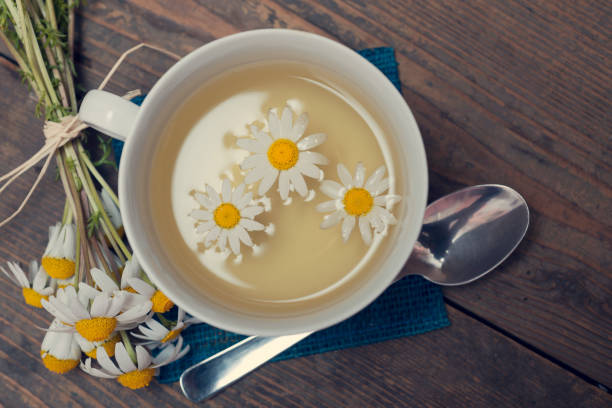
Chamomile has been used as a traditional medicine for thousands of years to calm anxiety and settle stomachs. In the U.S., chamomile is best known as an ingredient in herbal tea.

Why do people take chamomile?

Chamomile is considered a safe plant and has been used in many cultures for stomach ailments and as a mild sedative. Some studies, primarily using combinations of chamomile with other plants, show it may have health benefits. However, as with any combination product, it is hard to say that a benefit comes from any one plant.

One product with chamomile and other herbal medicines has been shown to ease upset stomach, heartburn, nausea, and vomiting. Another mixture with chamomile seems to help colicky babies.

A mouth rinse with chamomile might relieve mouth sores caused by cancer treatments. Some research suggests that chamomile could help with other conditions, like diarrhea in children, hemorrhoids, anxiety, and insomnia. When used on the skin, chamomile might help with skin irritation and wound healing. Some research has documented that it may be as effective as hydrocortisone cream for eczema.

How much chamomile should you take?

There is no standard dose of chamomile. Studies have used between 900 milligrams to 1200. milligrams daily in capsule form. The most common form is a tea, and some people drink one to four cups daily. To make chamomile tea, steep a chamomile tea bag or chamomile flowers in hot water for 5 to 10 minutes in a mug covered with a saucer. Then, drink the infusion when it has cooled to the point it is safe to drink. Ask your doctor for other advice.

Can you get chamomile naturally from foods?

Chamomile flowers are a common ingredient in teas. They’re also used as a flavoring in other foods and drinks.

What are the risks of taking chamomile?

  • Side effects. Most experts say chamomile is safe. It can cause drowsiness and, in large doses, vomiting. It also has the potential to trigger allergic reactions in people who are allergic to related plants in the daisy family, although such reactions are very rare. Avoid it if you are allergic to these plants: chamomile, ragweed, daisies, marigolds, or chrysanthemums. Skin creams with chamomile can cause allergic eczema and irritate the eyes. The effects of long-term chamomile use aren’t known.
  • Risks. Check with your doctor before using chamomile if you have any health problems. Chamomile contains a small amount of coumarin, which may have very mild blood thinning effects, but usually just in high doses for long periods of time. Stop using chamomile two weeks before surgery due to concerns about its possible interactions with anesthetic drugs.
  • Interactions. If you take any drugs regularly, talk to your doctor before you start using chamomile supplements. They could interact with sedatives, blood thinners, antiplatelet drugs, aspirin, NSAID painkillers like ibuprofen and naproxen, and other drugs. Chamomile could also interact with supplements like ginkgo biloba, garlic, saw palmetto, St. John’s wort, and valerian.

Given the lack of evidence about its long-term safety, chamomile is not recommended for women who are pregnant or breastfeeding. Talk to a pediatrician before giving chamomile to infants and children.


Reference: Webmd

Written by: Omojo Emeje

Lavender

Lavender (Lavandula angustifolia) is an evergreen plant native to the Mediterranean. Its flower and oil have a popular scent and are also used as medicine.

Lavender contains an oil that seems to have calming effects and might relax certain muscles. It also seems to have antibacterial and antifungal effects.

People commonly use lavender for anxiety, stress, insomnia, depression, dementia, pain, and many other conditions, but there is no good scientific evidence to support many of these uses.

Possibly Effective for

  • Anxiety. Taking a specific lavender oil supplement by mouth seems to help relieve anxiety. Using lavender oil aromatherapy or aromatherapy massage also seems to help.
  • Depression. Taking lavender products by mouth, including teas and a specific oil supplement, seems to reduce symptoms of depression.
  • Menstrual cramps (dysmenorrhea). Lavender oil aromatherapy seems to help reduce menstrual pain.
  • Pain after surgery. Using lavender oil aromatherapy along with standard pain medications seems to help reduce pain after surgery in some people.

Possibly Ineffective for

  • Pain in people with cancer. Using lavender oil aromatherapy with massage doesn’t seem to reduce cancer-related pain more than a massage without aromatherapy.

There is interest in using lavender for a number of other purposes, but there isn’t enough reliable information to say whether it might be helpful.

Side Effects

When taken by mouth: Lavender is commonly consumed in foods. It’s possibly safe when taken as medicine. Side effects might include constipation, diarrhea, and headache.

When applied to the skin: Lavender is possibly safe. It’s usually well-tolerated, but can sometimes cause skin irritation.

When inhaled: Lavender essential oil is possibly safe. It’s been used safely as aromatherapy for up to 12 weeks.

Special Precautions and Warnings

Pregnancy and breast-feeding: There isn’t enough reliable information to know if lavender is safe to use when pregnant or breast-feeding. Stay on the safe side and avoid use.

Children: Applying products to the skin that contain lavender oil is possibly unsafe for young males who haven’t reached puberty. Lavender oil seems to have hormone-like effects that could disrupt normal hormones. In some cases, this has resulted in breast growth. There isn’t enough reliable information to know if lavender is safe for children to take by mouth.

Surgery: Lavender might slow down the central nervous system. If used with anesthesia and other medications given during and after surgery, it might slow down the central nervous system too much. Stop using lavender at least 2 weeks before a scheduled surgery.

Interactions

Moderate Interaction

Be cautious with this combination

  • Sedative medications (CNS depressants) interacts with LAVENDER

    Lavender might cause sleepiness and slowed breathing. Some medications, called sedatives, can also cause sleepiness and slowed breathing. Taking lavender with sedative medications might cause breathing problems and/or too much sleepiness.


Written by: Omojo Emeje

Home Remedies for Toothache

If you have a toothache, it’s important to figure out what’s at the root of your discomfort. From there, you can determine how to best relieve any pain, swelling, or other symptoms.

A regular salt water rinse and cold compress application can typically remedy minor irritation, but more serious toothaches may require a dentist’s intervention.

If your symptoms persist for more than a day or two, see your dentist. They can provide guidance on how to relieve your symptoms and prevent future pain.

Some home remedies include:

1. Salt water rinse

For many people, a salt water rinse is an effective first-line treatment. Salt water is a natural disinfectant, and it can help loosen food particles and debris that may be stuck in between your teeth.

Treating a toothache with salt water can also help reduce inflammation and heal any oral wounds.

To use this approach, mix 1/2 teaspoon (tsp) of salt into a glass of warm water and use it as a mouthwash.

2. Hydrogen peroxide rinse

A hydrogen peroxide rinse may also help to relieve pain and inflammation. In addition to killing bacteria, hydrogen peroxide can reduce plaque and heal bleeding gums.

Make sure you properly dilute the hydrogen peroxide. To do this, mix 3-percent hydrogen peroxide with equal parts water, and use it as a mouthwash. Don’t swallow it.

3. Cold compress

You can use a cold compress to relieve any pain you’re experiencing, especially if any type of trauma has caused your toothache.

When you apply a cold compress, it causes the blood vessels in the area to constrict. This makes pain less severe. The cold can also reduce any swelling and inflammation.

To use this approach, hold a towel-wrapped bag of ice to the affected area for 20 minutes at a time. You can repeat this every few hours.

4. Peppermint tea bags

Peppermint tea bags can be used to numb pain and soothe sensitive gums.

Allow a used tea bag to cool down a little before applying it to the affected area. It should still be slightly warm.

You can also use this method to cool, rather than warm, the area. To do this, put a used tea bag in the freezer for a couple of minutes to chill it and then apply the bag to your tooth.

5. Garlic

For thousands of years, garlic has been recognized and used for its medicinal properties. It also has antibacterial properties. Not only can it kill harmful bacteria that cause dental plaque, but it can also act as a pain reliever.

To use garlic on a toothache, crush a garlic clove to create a paste and apply it to the affected area. You may wish to add a tiny bit of salt. Alternatively, you can slowly chew a clove of fresh garlic.

6. Vanilla extract

Vanilla extract contains alcohol, which can help to numb pain. Its proven antioxidant properties also make it an effective healer. Just be sure to use real vanilla rather than imitation vanilla.

To use this remedy, dab a small amount of vanilla extract onto your finger or a cotton ball. Apply it directly to the affected area a few times per day.

Other natural remedies

You can do the following remedies at home, but you may need to source the ingredients from your local health food store or online.

Your mouth, teeth, and gums are likely sensitive at this time, so it’s especially important to purchase these ingredients from a reputable manufacturer. This can reduce your risk of potential irritation.

7. Clove

Clove has been used to treat toothaches throughout history. The oil can effectively numb pain and reduce inflammation. It contains eugenol, which is a natural antiseptic.

To use this approach, dilute clove oil with a carrier oil, like sunflower or jojoba oil. Use a ratio of about 15 drops of clove oil to one ounce of carrier oil, according to the National Association of Holistic Aromatherapy.

Then, dab a small amount of the diluted oil onto a cotton ball and apply it to the affected area a few times a day.

You can also add a drop of clove oil to a small glass of water and make a mouthwash.

8. Guava leaves

Guava leaves have anti-inflammatory properties that can help heal wounds. They also have antimicrobial activity that can aid in oral care.

To use this remedy, chew on fresh guava leaves or add crushed guava leaves to boiling water to make a mouthwash.

9. Wheatgrass

Wheatgrass has countless healing properties, like anti-inflammatory and immune-boosting properties. It contains many nutrients, including a high chlorophyll content, that help to fight bacteria.

You can drink wheatgrass or use it as a mouthwash..

10. Thyme

Thyme also has powerful antibacterial and antioxidant properties that can help to treat toothaches. It can even help fight bacteria that contributes to tooth decay.

To use this, dilute thyme essential oil with a carrier oil, and then apply it to the affected area.

You can also add a drop of the oil to a small glass of water and make a mouthwash.


Reference: Healthline

Written by: Omojo Emeje

Depression

Depression (major depressive disorder) is a common and serious medical illness that negatively affects how you feel, the way you think and how you act. Fortunately, it is also treatable. Depression causes feelings of sadness and/or a loss of interest in activities you once enjoyed. It can lead to a variety of emotional and physical problems and can decrease your ability to function at work and at home.

Depression Is Different From Sadness or Grief/Bereavement

The death of a loved one, loss of a job or the ending of a relationship are difficult experiences for a person to endure. It is normal for feelings of sadness or grief to develop in response to such situations. Those experiencing loss often might describe themselves as being “depressed.”

But being sad is not the same as having depression. The grieving process is natural and unique to each individual and shares some of the same features of depression. Both grief and depression may involve intense sadness and withdrawal from usual activities. They are also different in important ways:

  • In grief, painful feelings come in waves, often intermixed with positive memories of the deceased. In major depression, mood and/or interest (pleasure) are decreased for most of two weeks.
  • In grief, self-esteem is usually maintained. In major depression, feelings of worthlessness and self-loathing are common.
  • In grief, thoughts of death may surface when thinking of or fantasizing about “joining” the deceased loved one. In major depression, thoughts are focused on ending one’s life due to feeling worthless or undeserving of living or being unable to cope with the pain of depression.

Grief and depression can co-exist For some people, the death of a loved one, losing a job or being a victim of a physical assault or a major disaster can lead to depression. When grief and depression co-occur, the grief is more severe and lasts longer than grief without depression.

Distinguishing between grief and depression is important and can assist people in getting the help, support or treatment they need.

Risk Factors for Depression

Depression can affect anyone—even a person who appears to live in relatively ideal circumstances.

Several factors can play a role in depression:

  • Biochemistry: Differences in certain chemicals in the brain may contribute to symptoms of depression.
  • Genetics: Depression can run in families. For example, if one identical twin has depression, the other has a 70 percent chance of having the illness sometime in life.
  • Personality: People with low self-esteem, who are easily overwhelmed by stress, or who are generally pessimistic appear to be more likely to experience depression.
  • Environmental factors: Continuous exposure to violence, neglect, abuse or poverty may make some people more vulnerable to depression.

SIGNS AND SYMPTOMS OF DEPRESSION

The symptoms of depression can include:

?A depressed mood: reduced interest or pleasure in activities once enjoyed

?A loss of sexual desire

?Changes in appetite

?Unintentional weight loss or gain

?Sleeping too much or too little

?Agitation, restlessness, and pacing up and down

?Slowed movement and speech

?Fatigue or loss of energy

?Feelings of worthlessness or guilt, difficulty in thinking, concentrating, or making decisions

?Recurrent thoughts of death or suicide, or an attempt at suicide

How Is Depression Treated?

Depression is among the most treatable of mental disorders. Between 80% and 90% percent of people with depression eventually respond well to treatment. Almost all patients gain some relief from their symptoms.

Before a diagnosis or treatment, a health professional should conduct a thorough diagnostic evaluation, including an interview and a physical examination. In some cases, a blood test might be done to make sure the depression is not due to a medical condition like a thyroid problem or a vitamin deficiency (reversing the medical cause would alleviate the depression-like symptoms). The evaluation will identify specific symptoms and explore medical and family histories as well as cultural and environmental factors with the goal of arriving at a diagnosis and planning a course of action.

Depression is treatable, and managing symptoms usually involves three components:

?Support: This can range from discussing practical solutions and possible causes to educating family members.

?Psychotherapy: Also known as talking therapy, some options include one-to-one counseling and cognitive behavioral therapy (CBT).

?Drug treatment: A doctor may prescribe antidepressants.

MEDICATION
Antidepressants can help treat moderate-to-severe depression.

Several classes of antidepressants are available:
?selective serotonin reuptake inhibitors (SSRIs)
?monoamine oxidase inhibitors (MAOIs)
?tricyclic antidepressants
?atypical antidepressants
?selective serotonin and norepinephrine reuptake inhibitors (SNRIs)

NATURAL WAYS TO TREAT DEPRESSION

?Eat healthy
?Take on responsibilities
?Exercise
?Challenge negative thoughts
?Try something new
?Avoid alcohol and drugs


Written by: Josephine Wuraola

Scabies

Scabies is a contagious, intensely itchy skin condition caused by an infestation of the itch mite called Sarcoptes scabiei, that spreads quickly through close physical contact in a family, school or nursing home.

Scabies infestation occurs worldwide and is very common. Scabies can affect anyone of any age (including a baby or child) or race. It has been estimated that about 300 million cases occur each year throughout the world. Human scabies has been reported for over 2,500 years. Scabies has been reported to occur in epidemics in nursing homes, hospitals, long-term care facilities, and other institutions.

SYMPTOMS
After the initial exposure to scabies, it can take 2 to 5 weeks for symptoms to appear. The symptoms usually develop more quickly in people who’ve had scabies before, often as soon as 1 to 4 days after exposure.

The hallmark symptoms of scabies include a rash and intense itching that gets worse at night.

Common sites for scabies in older children and adults include the:

-wrist

-elbow

-armpit

-nipple

-penis

-waist

-buttocks

-area between the fingers

Scabies in babies and toddlers, and sometimes the very elderly or immuno-compromised, can show up on the:

-head

-face

-neck

-hands

-soles of the feet

HOME REMEDIES
1. Tea Tree Oil:
Tea tree oil is an effective topical treatment for scabies since it relieves itching and heals the rash on the skin, but it doesn’t work as well on the eggs deeper in the skin. You can also add a few drops of tea tree oil to a squirt bottle, and spray it on your bedding.

Tea tree oil is:

-antibacterial

-anti-inflammatory

-acaricidal (able to kill mites)

-antipruritic (relieves itching)

2. Neem

Neem oil, soaps, and creams can be a useful alternative treatment for scabies. It has anti-inflammatory, antibacterial, and analgesic properties.

3. Aloe vera:

Aloe vera gel has a soothing, healing effect on sunburned skin. It can also alleviate itching and kill scabies. A 2009 study found that aloe vera gel was as successful as benzyl benzoate (a common prescription treatment) in treating scabies. No side effects were noted.

5. Clove oil

Clove oil has antimicrobial, anesthetic, and antioxidant properties that contribute to its healing powers. It’s also an effective insecticidal. One study published in 2010 showed that clove oil was effective in killing scabies.

Research also shows that the following essential oils are recommended to treat scabies:

-lavender

-thyme

-peppermint

-anise seed

-clove

-lemongrass

-orange

-nutmeg

PERSONAL HYGIENE

The scabies mite can survive for up to four days when not on a human host, so it’s important to treat your home to prevent a re-infestation. Wash all bedding, clothes, and towels in hot water (122°F or 50°C), and dry them in a hot dryer.

Medications for scabies itch:
-antihistamines, such as diphenhydramine (Benadryl) or pramoxine lotion to help control the itching

-antibiotics to kill any infections that develop as a result of constantly scratching your skin

-steroid creams to relieve swelling and itching, etc.

– creams such as Permethrin

Source: Healthline

Written by: Sarah Amah

Indigestion

What is indigestion?

Indigestion, also known as dyspepsia, can be defined as a recurrent pain or discomfort in the upper abdomen.
It occurs when your body is having trouble digesting food in your gastrointestinal (GI) tract, a group of organs that plays a major role in digestion.

What causes Indigestion?

A lot of factors can cause indigestion.

They include:
– Eating certain foods (spicy and fatty foods, foods with lots of acids or fiber etc)
– Eating too late in the day
– Drinking alcohol or too much caffeine
– Taking certain medicines
– Gastrointestinal tract problems or other health issues such as acid reflux, irritable bowel syndrome, ulcer, gastroparesis etc., can also cause indigestion.

SYMPTOMS OF INDIGESTION

Indigestion can feel like a stomachache. You can have a range of symptoms including:

– Pain, discomfort, or a burning feeling in your chest or stomach
– Bloating
– Gurgling stomach and/or gas
– Acid reflux
– Nausea and/or vomiting

Other extreme symptoms include: Trouble swallowing, ongoing vomiting, throwing up blood, thick, black, or bloody stool etc.

Seek medical aid immediately If symptoms are severe.

How can I prevent or avoid Indigestion?

To start, one needs to know his/her body and how it reacts to different food and drinks.

– Spicy and acidic foods and carbonated drinks can trigger indigestion.
– Eat smaller meals throughout the day, and don’t eat too late at night.
– Don’t lie down too soon after eating.
– Limit the use of alcohol and if you use tobacco, try to quit.
– Stress and lack of sleep also can worsen symptom.

TREATMENT

Your treatment will depend on what is causing your indigestion. Your doctor can help you decide which treatment is best for you.

However, some over-the-counter medicines may help your symptoms, they include:

– Antacids that work against the acid in your system.
– Proton pump inhibitors which help block the site of acid production in your stomach.
– Histamine blockers which help reduce pain and symptoms (should not be used long-term).

Check with your doctor before starting something new.


Written by: Ebere Chienjine

Pneumonia

What is Pneumonia?

Pneumonia is an infection that inflames the air sacs in one or both lungs. The air sacs may fill with fluid (purulent material), causing a cough with phlegm (a slimy substance from deep in your lungs) or pus, fever, chills, and difficulty breathing.

What causes Pneumonia?

Bacterial, viral, and fungal infections can cause pneumonia.

Bacteria are the most common causes. Bacterial pneumonia can occur on its own and can also develop after you’ve had certain viral infections, such as a cold or the flu.

Viruses that infect the respiratory tract may cause pneumonia.
Viral pneumonia is often mild and goes away on its own within a few weeks. Sometimes it is serious enough that you need to get treatment in a hospital. If you have viral pneumonia, you are at risk of also getting bacterial pneumonia.

Fungal pneumonia is more common in people who have chronic health problems or weakened immune systems.

Symptoms of Pneumonia

The symptoms can vary for different groups. These include:
Fever
Chills
Cough, usually with phlegm
Shortness of breath
Chest pain when you breathe or cough
Nausea and/or vomiting
Diarrhea

Pneumonia complications

Sometimes pneumonia can cause serious complications, such as:
Bacteremia: Bacteria move into the bloodstream, it can lead to septic shock.

Lung abscesses: Collections of pus in the cavities of the lungs.

Pleural disorders: These are conditions that affect the pleura, the tissue that covers the outside of the lungs and lines the inside of your chest cavity.

Kidney failure

Respiratory failure

Who is at risk of Pneumonia?

Anyone can get pneumonia, but certain factors can increase your risk:

– Children aged 2 and under, as well as adults aged 65 and up
– Exposure to certain chemicals, pollutants, or toxic fumes.
– Smoking, heavy alcohol use, and malnourishment,
– Having a lung disease
– A weakened immune system
– Coughing or swallowing difficulties as a result of a stroke or another condition.

Treatments for Pneumonia

Treatment for pneumonia depends on the type of pneumonia, which germ is causing it, and how severe it is:
– Antibiotics treat bacterial pneumonia and some types of fungal pneumonia.

– Antiviral medicines for viral pneumonia

– Antifungal medicines treat other types of fungal pneumonia

– Quit Smoking

Smoking irritates your lungs and interferes with the normal defenses that protect you against infection. If you quit smoking, your lungs will gradually heal themselves. Your doctor can recommend programs or nicotine replacement systems that can help you successfully quit.

– Vitamins and Minerals

Vitamin C should be part of your daily diet. It is found in fruit (strawberries, papaya, and kiwi) and vegetables (peppers, broccoli, and peas). Women should get 75 mg of vitamin C per day, and men should get 90 mg. If you do not consume enough vitamin C in your diet, you may want to talk to your doctor about taking a supplement. Research studies suggest that vitamin C may prevent and treat pneumonia.

Zinc is an essential mineral that is found in almost every cell of the body. It is necessary for proper growth and immune function. If someone is deficient in this mineral, taking a daily zinc supplement may help to reduce the risk of developing pneumonia. Researchers have found that this is especially true for children who live in developing countries. If you want to take zinc or give it to your child, talk to the doctor first to find out if this is a good choice.

Use Precautions to Avoid Infections

Here are some basic steps to help you avoid infection and keep your lungs healthy:

  • Wash your hands frequently.
  • Avoid being near people who are ill.
  • Avoid exposure to toxic or damaging fumes. Exposure to gases, chemicals, air pollution, and secondhand smoke can irritate your lungs and make them more vulnerable to infection.
  • Eat a healthful diet. Maintaining good nutrition helps keep your immune system strong.
  • Exercise regularly. Exercise can help keep your immune system functioning optimally.
  • Do not use (IV) drugs. Using illegal drugs can increase your risk of getting pneumonia, as well as other infectious diseases.

Get Vaccinated

Vaccines can be particularly helpful at protecting you against developing pneumonia:

  • Influenza vaccine
  • Pneumococcal vaccine
  • Haemophilus influenzae vaccine

Influenza vaccine protects you against the types of influenza that are predicted to be in your community during cold season. You should get the flu shot yearly because having influenza puts you at a high risk of developing pneumonia.

Children should receive a series of pneumonia vaccines to prevent specific bacterial infections that cause pneumonia. A different pneumococcal vaccine should be given to adults 65 years and older and to people at risk of pneumonia.

Haemophilus vaccine is given to protect against a specific bacteria that can cause pneumonia or meningitis. This vaccine is given to children who are younger than 5 years old. It is often given to infants starting at 2 months of age.


Written by: Oreoluwa Hassan

Typhoid Fever

Typhoid fever is a life-threatening infection caused by the bacterium Salmonella Typhi. It is usually spread through contaminated food water. Once Salmonella Typhi bacteria are eaten or drunk, they multiply and spread into the bloodstream.

SYMPTOMS include:

? Prolonged high fever,

? Fatigue

? Headache,

? Nausea

? Abdominal pain

? Constipation or Diarrhoea.

Typhoid is diagnosed by detecting the presence of S. typhi via blood, stool, urine, or bone marrow sample.

RISK FACTORS

Typhoid risk is higher in populations that lack access to safe water and adequate sanitation.
Poor communities and vulnerable groups including children are at highest risk.

TREATMENT

The only effective treatment for typhoid is antibiotics. The most commonly used are ciprofloxacin (for non-pregnant adults) and ceftriaxone.

As resistance to antibiotics has emerged including to fluoroquinolones, newer antibiotics such as cephalosporins and azithromycin are used in the affected regions.

Other than antibiotics, it is important to rehydrate by drinking
adequate water.

PREVENTION

– Vaccination

Two vaccines have been used for many years to protect people from typhoid fever:

This can be achieved by oral medication or a one-off injection

The following are some general rules to follow to help minimize the chance of typhoid infection:

?Drink bottled water, preferably carbonated.

?If bottled water cannot be sourced ensure water is heated for at least one minute before consuming.

?Be wary of eating anything that has been handled by someone else.

?Avoid eating at street food stands, and only eat food that is still hot.

?Do not have ice in drinks.

?Avoid raw fruit and vegetables, peel fruit yourself, and do not eat the peel.

?Avoid raw milk and products made from raw milk. Drink only pasteurized or boiled milk.

Foods to eat

On the typhoid diet, you should opt for foods lower in fiber, such as cooked vegetables, ripe fruits, and refined grains.

It’s also important to stay hydrated and drink plenty of water.

Here are some foods to enjoy on the typhoid diet:

  • Cooked vegetables: potatoes, carrots, green beans, beets, squash
  • Fruits: ripe bananas, melons, applesauce, canned fruit
  • Grains: white rice, pasta, white bread, crackers
  • Proteins: eggs, chicken, turkey, fish, tofu, ground meat
  • Dairy products: low fat or fat-free pasteurized milk, yogurt, cheese, and ice cream (as tolerated)
  • Beverages: bottled water, herbal tea, coconut water, juice, broth

Foods to avoid

Foods that are high in fiber should be limited on the typhoid diet to help ease digestion.

This includes raw fruits and vegetables, whole grains, nuts, seeds, and legumes.

Spicy foods and foods that are high in fat may also be difficult to digest and should be limited on the typhoid diet.

Here are some foods that you should limit or avoid:

  • Raw vegetables: broccoli, kale, cauliflower, cabbage, onions
  • Fruits: dried fruit and raw berries, pineapple, and kiwi
  • Whole grains: quinoa, couscous, barley, buckwheat, brown rice
  • Nuts: almonds, pistachios, macadamia nuts, walnuts
  • Seeds: pumpkin seeds, flax seeds, chia seeds
  • Legumes: black beans, kidney beans, lentils, chickpeas
  • Spicy foods: hot peppers, jalapeños, paprika, cayenne pepper
  • Fatty foods: donuts, mozzarella sticks, fried chicken, potato chips, onion rings

In conclusion, even when the symptoms go away, people may still be carrying typhoid bacteria, meaning they can spread it to others through their faeces.

It is important for people being treated for typhoid fever to do the following:

?Take prescribed antibiotics for as long as the doctor has prescribed.

?Wash their hands with soap and water after using the bathroom, and do not prepare or serve food
people. This will lower the chance of passing the infection on to someone else.

?Have their doctor test to ensure that no Salmonella Typhi bacteria remain in their body.


Written by: Chinonye Machie

Tuberculosis

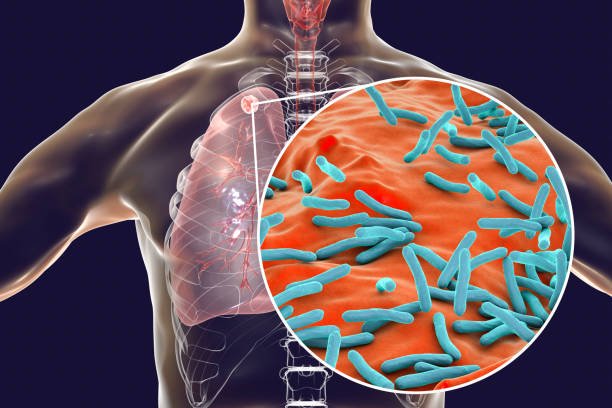
Tuberculosis is a potentially serious infectious bacterial disease that mainly affect the lungs.
The bacteria that cause TB are spread when an infected person coughs or sneezes.

CAUSES

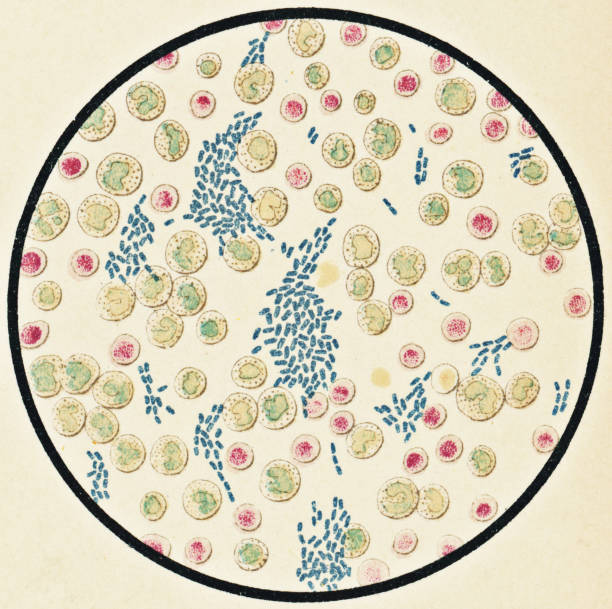
Tuberculosis (TB) is caused by a bacterium called Mycobacterium tuberculosis.

The bacteria usually attack the lungs, but TB bacteria can attack any part of the body such as the kidney, spine, and brain. not everyone infected with TB bacteria becomes sick.

SYMPTOMS

Most people infected with the bacteria that cause tuberculosis don’t have symptoms.

When symptoms do occur, they usually include a cough (sometimes blood-tinged), weight loss, night sweats and fever.

People may experience:

?️Pain areas: in the Chest

?️Pain circumstances: can occur while breathing

?️Cough: can be chronic or with blood

?️Whole body: chills, fatigue, fever, loss of appetite, malaise, or night sweats

?️Also common: wasting, muscle atrophy, phlegm, shortness of breath, or swollen lymph nodes

HOW IT SPREADS

By airborne respiratory droplets (coughs or sneezes).

TB is spread from person to person through the air.

Tuberculosis is curable and preventable

TREATMENT

If you have latent TB, your doctor might recommend treatment with medication if you’re at high risk of developing active TB.

For active tuberculosis, you must take antibiotics for at least six to nine months.

The exact drugs and length of treatment depend on your age, overall health, possible drug resistance and where the infection is in your body.

Most common TB drugs
If you have latent tuberculosis, you might need to take only one or two types of TB drugs.

Active tuberculosis, particularly if it’s a drug-resistant strain, will require several drugs at once.
The most common medications used to treat tuberculosis include:

* Isoniazid

* Rifampin (Rifadin, Rimactane)

* Ethambutol (Myambutol)

* Pyrazinamide

If you have drug-resistant TB, a combination of antibiotics called fluoroquinolones and injectable medications, such as amikacin or capreomycin (Capastat), are generally used for 20 to 30 months.

Some types of TB are developing resistance to these medications as well.

Some drugs might be added to therapy to counter drug resistance, including:

* Bedaquiline (Sirturo)

* Linezolid (Zyvox)


Written by: Ruth Olusegun

Add to cart