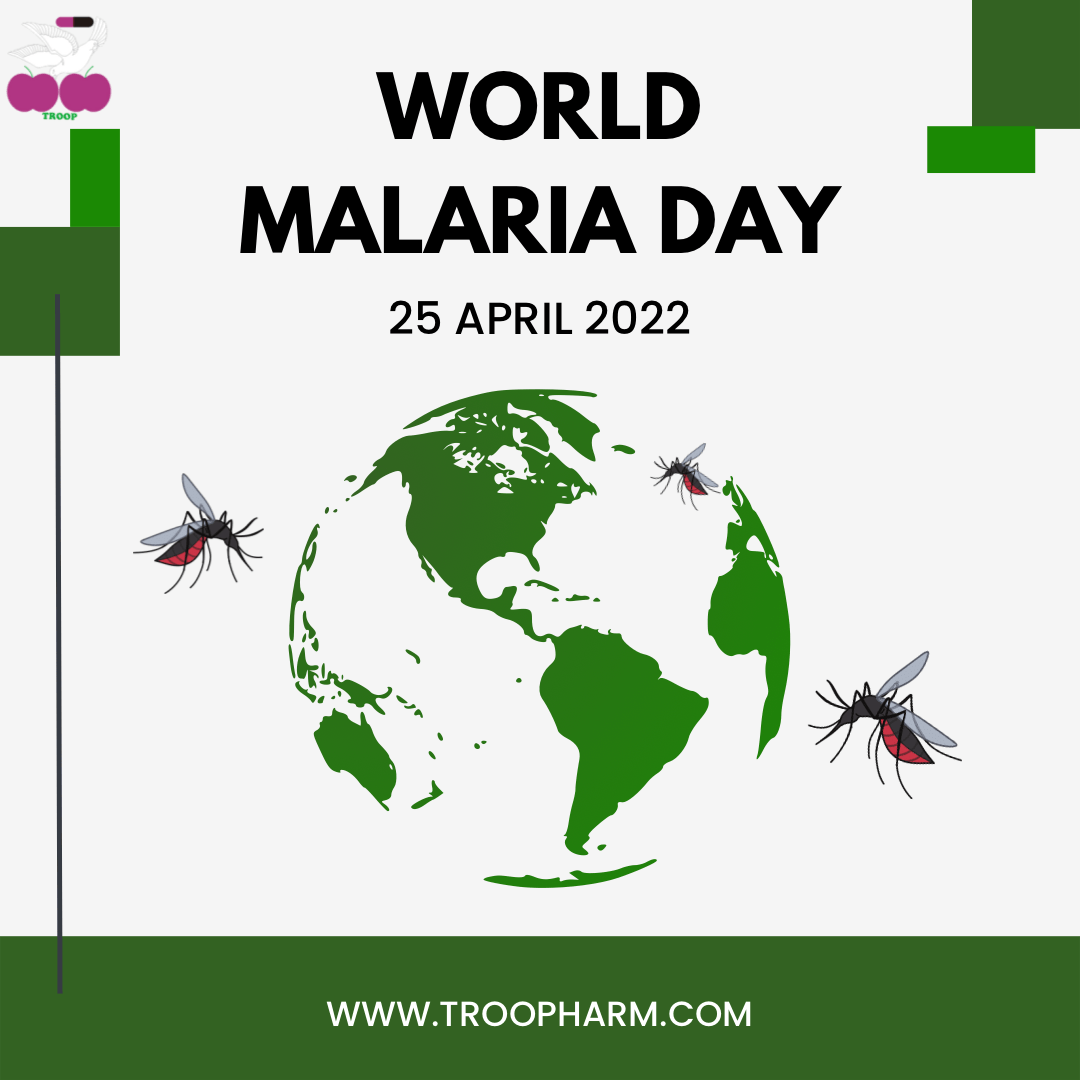
Happy World Malaria Day 2022

Malaria is a life-threatening disease. It’s typically transmitted through the bite of an infected Female Anopheles mosquito.
Infected mosquitoes carry the Plasmodium parasite, When this mosquito bites you, the parasite is released into your bloodstream.
Once the parasites are inside your body, they travel to the liver, where they mature. After several days, the mature parasites enter the bloodstream and begin to infect red blood cells.
Within 48 to 72 hours, the parasites inside the red blood cells multiply, causing the infected cells to burst open.
CAUSES OF MALARIA 
Malaria can occur if a mosquito infected with the Plasmodium parasite bites you.
There are four kinds of malaria parasites that can infect humans:
?Plasmodium vivax
?P. ovale
?P. malariae
?P. falciparum: causes a more severe form of the disease and those who contract this form of malaria have a higher risk of death. An infected mother can also pass the disease to her baby at birth. This is known as congenital malaria.
Malaria is transmitted by blood, so it can also be transmitted through:
?an organ transplant
?a transfusion
?use of shared needles or syringes
The parasites continue to infect red blood cells, resulting in symptoms that occur in cycles that last two to three days at a time.
SYMPTOMS OF MALARIA 
?shaking chills that can range from moderate to severe
?high fever
?profuse sweating
?headache
?nausea
?vomiting
?abdominal pain
?diarrhea
?anemia
?muscle pain
?convulsions
?coma
?bloody stools
TREATMENT 
Antimalarial drugs work by killing the parasite present in the affected red blood cells.
There are several antimalarial drugs that differ in their structure with each working uniquely to kill the parasite.
?Artemether/lumefantrine: (Coartem) Inhibits nucleic acid and protein synthesis and the parasite through endoperoxide or possibly by inhibiting beta-hematin formation.
?Artesunate: Contains endoperoxide bridge activated by heme iron and leads to oxidative stress; it inhibits protein and nucleic acid synthesis and ultrastructural changes and reduces parasite growth and survival.
?Atovaquone: Inhibits the electron transport chain at cytochrome bc1 complex and collapses parasite mitochondrial membrane in Plasmodium.
?Atovaquone/proguanil: Disrupts electron transport and collapses the mitochondria, whereas proguanil inhibits enzyme dihydrofolate reductase essential for reproduction of the parasite.
?Chloroquine: Acts against erythrocytic forms of Plasmodium; however, the exact mechanism of action is unknown.
?Hydroxychloroquine sulfate: Exact action against Plasmodium is unknown. As it is a weak base, it may affect acid vesicles of the parasite and inhibit polymerization of heme. It may also inhibit other essential enzymes.
?Mefloquine: Structural analog of quinine; although its exact mechanism is unknown, it kills schizonts in the blood. This may increase intravesicular pH in parasites.
?Pyrimethamine: Folic acid antagonist, selectively inhibiting plasmodial form of dihydrofolate reductase enzyme and reducing the production of folic acid required for nucleic acid synthesis in the parasite.
?Quinidine: Builds up in the food vacuole of the parasite and forms a complex with heme and starves the Plasmodium to death.
?Quinine: Although the mechanism of action of this drug is unknown; quinine may disrupt Plasmodium DNA transcription/replication and interferes with the digestion of hemoglobin. This leads to starvation and death of the parasite.
PREVENTION OF MALARIA 
?being aware of the risk
?preventing mosquito bites, for example, by using mosquito net, insect repellant and covering the arms and legs
?taking antimalarial tablets when traveling to an area where malaria occurs
?getting a prompt diagnosis and treatment if someone thinks they may have the disease
?administering the vaccine to children who live in places where malaria is endemic
?using a LONG LASTING INSECTICIDE TREATED NET
We at Troop Pharmaceuticals Ltd, have our Long Lasting Insecticide Treated Nets available in various sizes from the smallest bed to the king sized bed.

If mosquitoes trouble you at night, you should seriously think about using our mosquito net. It is effective in keeping mosquitoes away and it’s safe!

Here are some main advantages of using our mosquito net.

1. It’s Long Lasting

Our Insecticide Treated Nets are Long Lasting which means they can last for 3-5 years or survive 20 washes before they lose their effectiveness! The texture is also cotton which prevents heat when being used and doesn’t tear easily!!

2. Improves Your Sleep Quality

If mosquitoes and bugs are present in your room, you can have a tough time falling and staying asleep at night. Lack of sleep on a consistent basis, in turn, can be a big health hazard. It is linked to several health conditions, including, but not limited to, high blood pressure and depression.

While many people think a mosquito net is uncomfortable, if anything, the opposite is true. Our mosquito net will ensure that these pesky, little creatures that feed on your blood don’t bother you at night, allowing you to sleep peacefully every night.

3. It is pure cotton

This cotton texture makes it heat resistant and durable without any tear for as long as it is used. se

Click here to shop for your Long Lasting Insecticide Treated Net http://backup.troopharm.com/product-category/insecticide-treated-net/


Written by: Josphine Wuraola

Diarrhea

DIARRHEA

Diarrhea is one of the most common health complaints. It can range from a mild, temporary condition to a potentially life threatening one.

Diarrhea is characterized by abnormally loose or watery stools. Most causes of diarrhea are due to bacteria, viruses, or parasites. Digestive system disorders can also cause chronic diarrhea.

If a person frequently passes stools but they are of a normal consistency, this is not diarrhea. Similarly, breastfed babies often pass loose, sticky stools. This is normal.

CAUSES OF DIARRHEA

Many cases of diarrhea are due to an infection in the gastrointestinal tract.

?bacteria

?viruses

?parasitic organisms

Some cases of chronic diarrhea are called “functional” because although all the digestive organs appear normal, they are not functioning as they ideally should. Irritable bowel syndrome (IBS) is the most common cause of functional diarrhea.

SYMPTOMS OF DIARRHEA

Diarrhea refers to watery stools, but it may be accompanied by other symptoms. These include:

?stomach pain

?abdominal cramps

?bloating

?weight loss

?fever

?body aches

?chills

Diarrhea is also a symptom of other conditions, some of which can be serious. Other possible

symptoms are:

?blood or pus in the stool

?persistent vomiting
dehydration

If any of these accompany diarrhea, or if the diarrhea is chronic, it may indicate a more serious illness.

TREATMENT OF DIARRHEA

?Rehydration

Children and older people are particularly vulnerable to dehydration. For all cases of diarrhea, rehydration is vital.

People can replace fluids by simply drinking more of them. In severe cases, however, a person may need intravenous fluids.

Oral rehydration solution or salts (ORS) refers to water that contains salt and glucose. The small intestine absorbs the solution to replace the water and electrolytes lost in the stool.

?Antidiarrheal medication

?Antibiotics

?Diet

?Probiotics

There is mixed evidence for the role of probiotics in diarrhea. They may help prevent traveler’s diarrhea, and in there is evidence to suggest that they might reduce diarrheal illness.

? Others include:

?sipping on clear liquids, such as electrolyte drinks, water, or fruit juice without added sugar

?after each loose stool, replacing lost fluids with at least 1 cup of liquid

?doing most of the drinking between, not during, meals

?consuming high potassium foods and liquids, such as diluted fruit juices, potatoes without the skin, and bananas

THINGS THAT MIGHT MAKE DIARRHEA WORSE

?sugar-free gum, mints, sweet cherries, and prunes

?caffeinated drinks and medications

?fructose in high amounts, from fruit juices, grapes, honey, dates, nuts, soft drinks, and prunes

?anything that contains artificial sweeteners

HOW TO PREVENT DIARRHEA

?drinking clean and safe water only
?having good sanitation systems, such as wastewater and sewage
?having good hygiene practices, such as regularly washing the hands with soap, especially before preparing food and eating and after using the bathroom
?educating oneself on the spread of infection.


Written by: Josephine Wuraola

Meningitis

Meningitis is an inflammation (swelling) of the protective membranes covering the brain and spinal cord.
According to WHO, Meningitis is a serious infection of the meninges, the membranes covering the brain and spinal cord. It is a devastating disease and remains a major public health challenge. The disease can be caused by many different pathogens including bacteria, fungi or viruses, but the highest global burden is seen with bacterial meningitis.

TRANSMISSION
The bacteria that cause meningitis are transmitted from person-to-person through droplets of respiratory or throat secretions from carriers. Close and prolonged contact – such as kissing, sneezing or coughing on someone, or living in close quarters with an infected person, facilitates the spread of the disease. The average incubation period is 4 days but can range between 2 and 10 days.

There are many types of meningitis, but our focus is on bacterial meningitis.

BACTERIAL MENINGITIS SYMPTOMS

Bacterial meningitis symptoms develop suddenly. They may include:

-altered mental status

-nausea

-vomiting

-sensitivity to light

-irritability

-headache

-fever

-chills

-stiff neck

-sleepiness

-lethargy

MENINGITIS IN INFANTS

Babies who develop meningitis may show different signs and symptoms of an infection than adults. These symptoms can include:

-fever

-body or neck stiffness

-high-pitched crying

-inconsolable behaviors

-sleepy and difficulty waking

-irritable and grumpy

-doesn’t feel well and has a weak suck during breastfeeding.

MENINGITIS IN CHILDREN

Meningitis becomes more common in children as they grow older and reach high school and college ages. Symptoms of viral and bacterial meningitis in children are similar to symptoms in adults. These include:

-sudden fever

-body and neck aches

-confusion or disorientation

-nausea

-vomiting

-tiredness or fatigue

MENINGITIS IN ADULTS

The risk for several forms of meningitis decreases after young adulthood.
However, older individuals who are living with underlying diseases or health conditions that weaken the immune systems can be at a greater risk — especially older adults who reside in assisted living facilities, where infections can spread quickly.

HOW IS MENINGITIS TREATED?

Treatment is determined by the cause of the meningitis.

-Bacterial meningitis requires immediate hospitalization. Early diagnosis and treatment will prevent brain damage and death. Bacterial meningitis is treated with intravenous antibiotics and steroids. There’s no specific antibiotic for bacterial meningitis. It depends on the bacteria involved.

PREVENTION OF MENINGITIS

Maintaining a healthy lifestyle, especially if you’re at increased risk, is important. This includes:

-getting an adequate amount of rest

-not smoking

-avoiding contact with sick people

-washing your hands often, especially if you work in a daycare or healthcare setting.

Take care of your health today and stay healthy.


Source: Healthline

Written by: Sarah Amah

Gonorrhea

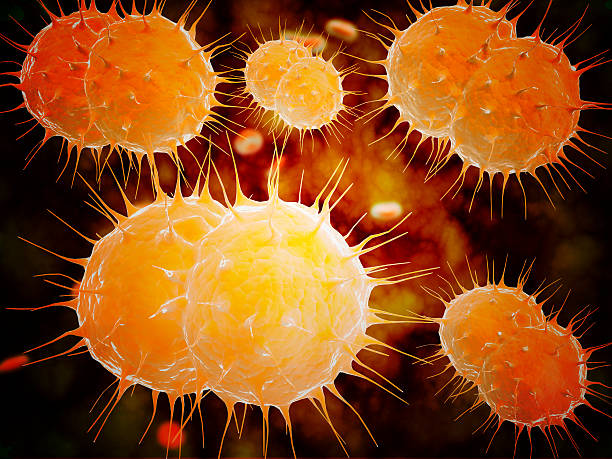
Gonorrhea is an infection caused by a sexually transmitted bacterium that infects both males and females. Gonorrhea most often affects the urethra, rectum or throat.

In females, gonorrhea can also infect the cervix.

Gonorrhea is most commonly spread during vaginal, oral or anal sex. But babies of infected mothers can be infected during childbirth.

In babies, gonorrhea most commonly affects the eyes.

CAUSES

Gonorrhea is caused by the bacterium Neisseria gonorrhoeae. They thrive in warm, moist environments, and the infection can develop in any of the body’s mucous membranes, including those in the genitals, mouth, throat, eyes, and rectum.

Gonorrhea can pass from person to person through sexual contact that involves the penis, vagina, anus, or mouth. It can pass on without a male ejaculating. Gonorrhea can also transmit to a newborn during delivery.

SYMPTOMS

Many people with gonorrhea have no symptoms.

Those who do often experience a burning sensation during urination.

A person with a penis might also notice:

?️white, green, or yellow discharge

?️pain or swelling in the testicles

?️inflammation or swelling of the foreskin

A person with a vagina might have:

?️increased vaginal discharge and bleeding between periods.

?️Rectal symptoms may also occur if a person has anal sex.

These may include:

– discharge

– itching around the anus

– soreness

– bleeding

– pain during bowel movements

If gonorrhea results from oral sex, the infection can be located in the throat, but it may cause no symptoms. Gonorrhea is a bacterial infection, and if semen or vaginal fluid that contains this bacteria enters the eye, the person may develop conjunctivitis, commonly called “pink eye.”

COMPLICATIONS

Untreated gonorrhea can lead to major complications, such as:

?️Infertility in women.

?️Infertility in men.

?️Infection that spreads to the joints and other areas of your body.

?️ Increased risk of HIV/AIDS.

?️ Complications in babies.

TREATMENT

Everyone with gonorrhea needs treatment to stop the infection from progressing. The treatment involves antibiotics.

The Centers for Disease Control and Prevention (CDC) recommends a single dose of 500 milligrams of intramuscular ceftriaxone (Rocephin).

* Addition of 3 days dose of azithromycin 500mg or 1g

* 5 days dose of ofloxacin 200mg or levofloxacine 500mg can also be used

* A immune defense supplement can also be added

PREVENTION

Abstaining from sex, using a condom if you have sex and being in a mutually monogamous relationship are the best ways to prevent sexually transmitted infections.


Written by: Ruth Olusegun

Benefits of Turmeric & Cinnamon

Cinnamon and turmeric have been used for thousands of years in cooking and traditional medicine — long before they lent their flavor to such popular coffee shop treats as golden milk. While evidence is limited on possible health benefits for these spices, they may have certain helpful properties.

All About Cinnamon

The National Center for Complementary and Integrative Health (NCCIH) notes that many types of cinnamon, which comes from cinnamon tree bark, are available — with the China-native cassia variety being the most commonly sold in the United States. Most people’s familiarity with cinnamon, though, is with the sticks or ground versions that find a home on kitchen spice racks and have a mild, aromatic taste that lends itself well to baked goods, curries and tea.

Cinnamon also has a long history of use as a natural treatment for a variety of health conditions as well, especially bronchitis, according to the NCCIH. Today, cinnamon is sometimes taken as a dietary supplement in capsules, teas and extracts for issues ranging from gastrointestinal conditions to appetite, diabetes and more.
And, though it might be nice know about a spice that could reduce your risk for chronic disease, the NCCIH reports that to date, despite a good number of studies conducted on cinnamon’s benefits, those that involved humans do not support cinnamon as a remedy for any health condition.

Cleveland Clinic acknowledges the varied reports on the spice’s medicinal properties, noting, for example, 10-plus years of recent research on cinnamon versus diabetes, with some efforts concluding no benefit and other small studies showing cinnamon’s ability to lower glucose levels, cholesterol and triglycerides.

A meta-analysis of 10 studies, published in September 2013 in ​Annals of Family Medicine​, for example, reports that the spice caused a significant decrease in glucose, triglycerides, LDL and total cholesterol and an increase in HDL. However, the Cleveland Clinic echoes Dr. Webster’s point that the study results are complicated because of variations in amounts administered and for how long.

As Mayo Clinic also reports, while some studies have shown a benefit of cinnamon against diabetes, others have not, adding that, ultimately, it’s important to keep in mind that no single nutrient is a cure-all.

However, if you still want to give a cinnamon supplement a try, the NCCIH says that it does appear to be safe in small amounts for short-term use by most people, unless you are allergic to the spice, but it shouldn’t be used in place of standard medical care. Moreover, the center cautions that cassia cinnamon, specifically, contains coumarin, a chemical that could cause or compound liver disease.

As with all supplements, it’s important to remember that they are not regulated by the Food and Drug Administration in the same way that medications are and that they may interact with medications. Before starting to take a cinnamon supplement, talk with your doctor about whether it would be safe for you to take, and if so, at what dosage, especially if you have underlying health conditions

All About Turmeric

Like cinnamon, turmeric — which comes from the ​Curcuma longa​ plant belonging to the same family as ginger — is known for both its cooking and medicinal benefits. According to the NCCIH, turmeric has been a staple in both Indian cooking and Ayurvedic medicine for thousands of years.

The NCCIH says that turmeric has been widely studied for the anti-inflammatory effects of its main active ingredient: curcuminoids, from which it derives its famed yellow hue used to color both cosmetics and foods. However, the center cautions that the ability of curcuminoids to reduce inflammation has not been proven by strong studies.

Randomized trials on turmeric or its curcuminoids have typically been short, used different doses and studied different types of people, so it’s impossible to make a sweeping recommendation for its healthfulness.

Though considered safe when taken orally or used topically, the NCCIH says that higher or longer-term doses could cause gastrointestinal distress. There hasn’t been enough research to determine exactly how much turmeric is safe to eat at one time, but we do know that consuming a lot of it can lead to nausea and an upset stomach in some people.

Because turmeric has promise for health benefits, you might wonder whether your kids can safely sip on golden milk, too. For as little as we know about the health effects of cinnamon and turmeric in adults, we know even less about how they affect the health of children. That said, these spices are safe to consume in amounts typically used in cooking or in beverages like golden milk.


Whooping Cough

What Is Whooping Cough?
Whooping cough (also known as pertussis) is a highly contagious respiratory tract infection.
Whooping Cough Symptoms
At first, whooping cough has the same symptoms as the average cold:
• Mild coughing
• Sneezing
• Runny nose
• Low fever (below 102 F)
You may also have diarrhea early on.
After about 7-10 days, the cough turns into “coughing spells” that end with a whooping sound as the person tries to breathe in air.
Because the cough is dry and doesn’t produce mucus, these spells can last up to 1 minute. Sometimes it can cause your face to briefly turn red or purple.
Most people with whooping cough have coughing spells, but not everyone does.
Infants may not make the whooping sound or even cough, but they might gasp for air or try to catch their breath during these spells. Some may vomit.
Sometimes adults with the condition just have a cough that won’t go away.
Causes
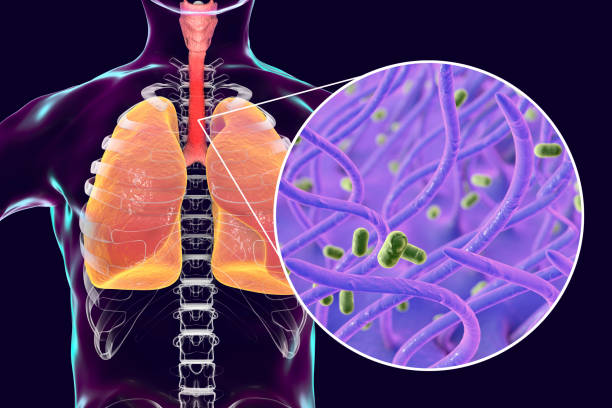
Whooping cough is caused by a type of bacteria called Bordetella pertussis. When an infected person coughs or sneezes, tiny germ-laden droplets are sprayed into the air and breathed into the lungs of anyone who happens to be nearby.
When the bacteria get into your airways, they attach to the tiny hairs in the linings of the lungs. The bacteria cause swelling and inflammation, which lead to a dry, long-lasting cough and other cold-like symptoms.
Whooping Cough complications
Whooping cough is dangerous in babies, especially ones younger than 6 months old, because it can keep them from getting the oxygen they need. This can cause:
• Brain damage or bleeding on the brain
• Pneumonia
• Seizures
• Apnea
• Convulsions
In teens and adults, whooping cough can lead to pneumonia. The severe coughing can also cause:
• Abdominal hernias
• Broken blood vessels
• Bruised ribs
• Trouble controlling when you pee
• Trouble sleeping.
Whooping Cough Diagnosis
Because symptoms of whooping cough are a lot like those caused by a cold, the flu, or bronchitis, it can be hard to diagnose it early on. Your doctor may be able to tell that you have it by the sound of your cough, but tests can confirm it.
?Nose or throat culture. A simple swab of the area where your nose and throat meet can be tested for the bacteria that causes whooping cough.
?Blood test. A high white blood cell count is a sign that your body is fighting off an infection, but it doesn’t necessarily mean it’s whooping cough.
?Chest X-ray. This can show if you have inflammation.
Treatment and Home Remedies
If you find out you have whooping cough early on, antibiotics can help cut down coughing and other symptoms.
They can also help prevent the infection from spreading to others. But most people are diagnosed too late for antibiotics to work well.
Don’t use over-the-counter cough medicines, cough suppressants, or expectorants (medicines that make you cough up mucus) to treat whooping cough. They don’t work.
You can do a few things to feel better and recover faster:
?Get lots of rest. This can give your body more strength to fight the illness.
?Eat small meals as often as you feel up to it.
?Clean air. Keeping the air around you free of dust, smoke, and other irritants can help soothe coughing.
?Drink fluids. Stay hydrated by drinking lots of water or juice.
Whooping Cough Prevention
The DTP vaccine can help protect children from whooping cough. Infants should get a dose every other month for the first 6 months, another between 15 and 18 months, then one last time between ages 4 and 6.
Older children and adults need the DTP vaccine and a booster every 10 years because the vaccine can weaken over time. The best age for kids to get it is between 11 and 12. Adults who’ve never had the vaccine can get it any time.
Pregnant women should get a booster to help protect their newborn.
Another important key to prevention is to protect the people around you. If someone in your household has whooping cough, make sure they cover their mouth or cough into their elbow to keep from spreading the bacteria. Wash hands often, and consider having them wear a mask when they’re near others
In conclusion, whooping cough spreads easily, but vaccines like DTP (diphtheria, tetanus, and pertussis)  can help prevent it in children and adults.
Help protect your child by making sure they and any adult who’s around them often get vaccinated.
With treatment, you should slowly start to feel better after about 4 weeks.
Written by: Chinonye Machie

Sore Throat

A sore throat is a painful, dry, or scratchy feeling in the throat.
Most sore throats are caused by infections, or by environmental factors like dry air. Although a sore throat can be uncomfortable, it’ll usually go away on its own.
TYPES OF SORE THROAT 
Sore throats are divided into types, based on the part of the throat they affect:
– Pharyngitis affects the area right behind the mouth.
– Tonsillitis is swelling and redness of the tonsils, the soft tissue in the back of the mouth.
– Laryngitis is swelling and redness of the voice box, or larynx.
CAUSES OF SORE THROAT 
– Viral infection
– Colds
– Influenza (flu)
– Mumps
– Chickenpox
?Gastroesophageal reflux disease (GERD)
Acid reflux happens when stomach acid travels up into the esophagus, irritating its lining.
This irritation can lead to a sore throat, a dry cough, and wheezing. It can also cause heartburn, a bitter taste in the mouth, regurgitation, indigestion, and difficulty swallowing.
?Smoke, chemicals, and other irritants
Outdoor air pollution and indoor pollution such as tobacco smoke or chemicals can cause a chronic sore throat. Chewing tobacco, drinking alcohol and eating spicy foods also can irritate your throat.
?Dry air
Dry indoor air can make your throat feel rough and scratchy. Breathing through your mouth often because of chronic nasal congestion also can cause a dry, sore throat.
?Allergies
Allergies to pet dander, molds, dust and pollen can cause a sore throat. The problem may be complicated by postnasal drip, which can irritate and inflame the throat.
?Bacterial infections (Streptococcus bacteria)
SYMPTOMS OF SORE THROAT 
The symptoms of a sore throat can vary depending on what caused it. A sore throat can feel:
?scratchy
?burning
?raw
?dry
?tender
?irritated
HOME REMEDIES FOR SORE THROAT 
?Gargle with salt water
Gargling with warm salt water can help soothe a scratchy throat. The salt pulls the mucus out of your swollen, inflamed tissue and helps relieve the discomfort.
? Try OTC pain relief
Viruses cause most sore throats. Viruses can’t be treated with antibiotics, which only kill bacteria. Instead, the virus has to run its course in your body.
OTC nonsteroidal anti-inflammatory medicines (NSAIDs) such as ibuprofen or naproxen can reduce inflammation and swelling in your throat. They can also relieve soreness or scratchiness.
?Enjoy a drop of honey
Warm tea (green tea)
that is sweetened with honey can help soothe your irritated throat. Tea also keeps you hydrated, which is another important step in treating a sore throat. Brew up a cup next time a sore throat starts to tickle.
?Stay hydrated
Staying hydrated is an important part of treating a sore throat. When you’re dehydrated, your body can’t produce enough saliva and mucus to keep your throat naturally lubricated. This will make the swelling and inflammation worse.
WHAT TO AVOID WITH A SORE THROAT
While all of these remedies have been shown to ease sore throat pain, there are some items you may want to avoid.
If you have a sore throat, try avoiding any foods that may be difficult to swallow. We suggest sticking to soups and soft foods until the sore throat pain has resolved.
Written by: Josephine Wuraola 

World Health Day: Our Planet, Our Health

OUR PLANET OUR HEALTH!
Human life is well-adapted to our planet. A healthy environment is essential to optimal health and well-being. Conversely, disease and early death are often due to environmental agents called pathogens, both biological and physicochemical.
Climate change, heatwaves, floods, land degradation, and the loss of biodiversity also threaten human health in a variety of ways, both directly and indirectly.
Pollution causes or worsens respiratory illness, cancer, accidents, and deaths. Lots of early deaths occur because of air pollution, outdoor and indoor. Polluted drinking water causes lots of deaths.
Shortages of safe water, as well as flooding, have led to the displacement of people.
The rising temperatures predispose to heat-related morbidity like heat cramps, heat exhaustion, and strokes. Productivity goes down, food poisoning increases; kidney disease risk increases, as do crime rates and sleeplessness. Cardiovascular disease worsens as does the number of workplace accidents.
Changes in agricultural practices and clearing land for farming are often associated with outbreaks of debilitating disease. These include malaria, which infect millions of people every year, respectively. Other illnesses are transmitted via a contaminated water system.
Millions of children and babies die of diarrheal diseases from contamination of their food or water. It is estimated that over a million die of malaria every year, worldwide, among over 260 million cases. Most of these are children less than five years old.
ENVIRONMENTAL VS POPULATION HEALTH 
It is widely accepted that a huge explosion occurred in population growth around the world, whereby the population increased over five-fold.
This has put enormous demands on the supply chain for food, water, clothing, education, jobs, and medical/social care. The resulting shortfalls, caused largely by human greed rather than actual shortages of resources, have reduced living conditions to critical levels in satellite towns and cities. Poor sanitation and hygiene facilities, lack of drinking water, and noise pollution are just some of the vicious cycles taking place as a result.
Environmental Degradation
Global environmental issues that directly impact health include acid rain; ozone depletion; greenhouse gas emission; hazardous waste disposal; ocean degradation; and endangerment of biodiversity.
Industrial Pollution
Industrialization is associated with the contamination of air, water, and land by multiple pollutants that have toxic effects on the lungs, brain, bone marrow, nerves, kidneys, and skin. Industrial accidents lead to the release of dramatically large amounts of pollutants into the environment, killing plant and animal life on a large scale.
Acid Rain
Fossil fuel combustion products released high into the atmosphere via tall chimneys change into acids formed from sulfur and nitrogen oxides, to fall as acid rain or snow, destroying forests and acidifying lakes and soils. The acids may leach metals from pipes, soils, and solder, all of which could end up in human drinking water and food.
Ozone Depletion
The ozone layer in the stratosphere is undergoing damage from various chemicals such as chlorofluorocarbons (CFCs) in aerosols, refrigerants, halons, and organic solvents of various types. This could allow ultraviolet radiation to reach the earth’s surface at higher levels, predisposing to skin cancer, cataracts of the eye lens, and general aging.
Air Pollution
Fossil fuels represent the greatest source of air pollution, almost three-quarters of its use being in developed countries, who use it for power, industrial processes, transport, and heating homes. Coal plus biomass combustion contribute a major chunk of human disease due to energy production. This is because the latter is used to heat and cook by half of the world’s population. Household air pollution is severe in most low-income homes.
Hazardous Waste
The dumping of hazardous wastes from highly industrialized countries in developing countries is another issue that could endanger the health of those living near the site of disposal, especially as this is unlikely to be properly regulated in such regions. Run-off from such heavily polluted dumps that can pollute rivers, lakes, and oceans.
Ocean Pollution
Ocean pollution occurs most heavily near the coast, especially with large bays and seas. Both biological and chemical pollution can occur, contaminating and eventually killing off fish and beach species. This can cause seafood poisoning and epidemics of food-borne diseases.
Sound Policy is Fundamental
A failure to use sustainable development policies, in growing enough food, manufacturing goods, disposing of waste, obtaining raw materials, or transporting people and goods, leads to the breakdown of natural systems. This endangers both current health and survival, as well as leaving behind an increasingly fragile and toxic world to future generations.
“There is a powerful synergy between health, environmental protection, and sustainable resource use. Individuals and societies who share the responsibility for achieving a healthy environment and managing their resources sustainably become partners in ensuring that global cycles and systems remain unimpaired.”
Happy World Health Day from us at Troop Pharmaceuticals Ltd!!
You take care of your planet and you take care of your health!! ?
Written by: Josephine Wuraola

Menopause

Menopause is the time that marks the end of your menstrual cycles. It’s diagnosed after you’ve gone 12 months without a menstrual period. Menopause can happen in your 40s or 50s.

Menopause is a natural biological process. But the physical symptoms, such as hot flashes, and emotional symptoms of menopause may disrupt your sleep, lower your energy or affect emotional health. There are many effective treatments available, from lifestyle adjustments to hormone therapy.

Symptoms

In the months or years leading up to menopause (perimenopause), you might experience these signs and symptoms:

  • Irregular periods
  • Vaginal dryness
  • Hot flashes
  • Chills
  • Night sweats
  • Sleep problems
  • Mood changes
  • Weight gain and slowed metabolism
  • Thinning hair and dry skin
  • Loss of breast fullness

Signs and symptoms, including changes in menstruation can vary among women. Most likely, you’ll experience some irregularity in your periods before they end.

Skipping periods during perimenopause is common and expected. Often, menstrual periods will skip a month and return, or skip several months and then start monthly cycles again for a few months. Periods also tend to happen on shorter cycles, so they are closer together. Despite irregular periods, pregnancy is possible. If you’ve skipped a period but aren’t sure you’ve started the menopausal transition, consider a pregnancy test.

When to see a doctor

Keep up with regular visits with your doctor for preventive health care and any medical concerns. Continue getting these appointments during and after menopause.

Preventive health care as you age may include recommended health screening tests, such as colonoscopy, mammography and triglyceride screening. Your doctor might recommend other tests and exams, too, including thyroid testing if suggested by your history, and breast and pelvic exams.

Always seek medical advice if you have bleeding from your vagina after menopause.

Causes

Menopause can result from:

  • Naturally declining reproductive hormones. As you approach your late 30s, your ovaries start making less estrogen and progesterone — the hormones that regulate menstruation — and your fertility declines.

    In your 40s, your menstrual periods may become longer or shorter, heavier or lighter, and more or less frequent, until eventually — on average, by age 51 — your ovaries stop releasing eggs, and you have no more periods.

  • Surgery that removes the ovaries (oophorectomy). Your ovaries produce hormones, including estrogen and progesterone, that regulate the menstrual cycle. Surgery to remove your ovaries causes immediate menopause. Your periods stop, and you’re likely to have hot flashes and experience other menopausal signs and symptoms. Signs and symptoms can be severe, as hormonal changes occur abruptly rather than gradually over several years.

    Surgery that removes your uterus but not your ovaries (hysterectomy) usually doesn’t cause immediate menopause. Although you no longer have periods, your ovaries still release eggs and produce estrogen and progesterone.

  • Chemotherapy and radiation therapy. These cancer therapies can induce menopause, causing symptoms such as hot flashes during or shortly after the course of treatment. The halt to menstruation (and fertility) is not always permanent following chemotherapy, so birth control measures may still be desired. Radiation therapy only affects ovarian function if radiation is directed at the ovaries. Radiation therapy to other parts of the body, such as breast tissue or the head and neck, won’t affect menopause.
  • Primary ovarian insufficiency. About 1% of women experience menopause before age 40 (premature menopause). Premature menopause may result from the failure of your ovaries to produce normal levels of reproductive hormones (primary ovarian insufficiency), which can stem from genetic factors or autoimmune disease. But often no cause of premature menopause can be found. For these women, hormone therapy is typically recommended at least until the natural age of menopause in order to protect the brain, heart and bones.

Complications

After menopause, your risk of certain medical conditions increases. Examples include:

  • Heart and blood vessel (cardiovascular) disease. When your estrogen levels decline, your risk of cardiovascular disease increases. Heart disease is the leading cause of death in women as well as in men. So it’s important to get regular exercise, eat a healthy diet and maintain a normal weight. Ask your doctor for advice on how to protect your heart, such as how to reduce your cholesterol or blood pressure if it’s too high.
  • Osteoporosis. This condition causes bones to become brittle and weak, leading to an increased risk of fractures. During the first few years after menopause, you may lose bone density at a rapid rate, increasing your risk of osteoporosis. Postmenopausal women with osteoporosis are especially susceptible to fractures of their spine, hips and wrists.
  • Urinary incontinence. As the tissues of your vagina and urethra lose elasticity, you may experience frequent, sudden, strong urges to urinate, followed by an involuntary loss of urine (urge incontinence), or the loss of urine with coughing, laughing or lifting (stress incontinence). You may have urinary tract infections more often.

    Strengthening pelvic floor muscles with Kegel exercises and using a topical vaginal estrogen may help relieve symptoms of incontinence. Hormone therapy may also be an effective treatment option for menopausal urinary tract and vaginal changes that can result in urinary incontinence.

  • Sexual function. Vaginal dryness from decreased moisture production and loss of elasticity can cause discomfort and slight bleeding during sexual intercourse. Also, decreased sensation may reduce your desire for sexual activity (libido).

    Water-based vaginal moisturizers and lubricants may help. If a vaginal lubricant isn’t enough, many women benefit from the use of local vaginal estrogen treatment, available as a vaginal cream, tablet or ring.

  • Weight gain. Many women gain weight during the menopausal transition and after menopause because metabolism slows. You may need to eat less and exercise more, just to maintain your current weight.

Treatment

Menopause requires no medical treatment. Instead, treatments focus on relieving your signs and symptoms and preventing or managing chronic conditions that may occur with aging. Treatments may include:

  • Hormone therapy. Estrogen therapy is the most effective treatment option for relieving menopausal hot flashes. Depending on your personal and family medical history, your doctor may recommend estrogen in the lowest dose and the shortest time frame needed to provide symptom relief for you. If you still have your uterus, you’ll need progestin in addition to estrogen. Estrogen also helps prevent bone loss. Long-term use of hormone therapy may have some cardiovascular and breast cancer risks, but starting hormones around the time of menopause has shown benefits for some women. Talk to your doctor about the benefits and risks of hormone therapy and whether it’s a safe choice for you.
  • Vaginal estrogen. To relieve vaginal dryness, estrogen can be administered directly to the vagina using a vaginal cream, tablet or ring. This treatment releases just a small amount of estrogen, which is absorbed by the vaginal tissues. It can help relieve vaginal dryness, discomfort with intercourse and some urinary symptoms.
  • Low-dose antidepressants. Certain antidepressants related to the class of drugs called selective serotonin reuptake inhibitors (SSRIs) may decrease menopausal hot flashes. A low-dose antidepressant for management of hot flashes may be useful for women who can’t take estrogen for health reasons or for women who need an antidepressant for a mood disorder.
  • Gabapentin (Gralise, Horizant, Neurontin). Gabapentin is approved to treat seizures, but it has also been shown to help reduce hot flashes. This drug is useful in women who can’t use estrogen therapy and in those who also have nighttime hot flashes.
  • Clonidine (Catapres, Kapvay). Clonidine, a pill or patch typically used to treat high blood pressure, might provide some relief from hot flashes.
  • Medications to prevent or treat osteoporosis. Depending on individual needs, doctors may recommend medication to prevent or treat osteoporosis. Several medications are available that help reduce bone loss and risk of fractures. Your doctor might prescribe vitamin D supplements to help strengthen bones.

Insomnia

What Is Insomnia?

Insomnia is a sleep disorder in which you have trouble falling and/or staying asleep.

The condition can be short-term (acute) or can last a long time (chronic). It may also come and go.

Acute insomnia lasts from 1 night to a few weeks. Insomnia is chronic when it happens at least 3 nights a week for 3 months or more.

Types of Insomnia

There are two types of insomnia: primary and secondary.

  • Primary insomnia: This means your sleep problems aren’t linked to any other health condition or problem.
  • Secondary insomnia: This means you have trouble sleeping because of a health condition (like asthma, depression, arthritis, cancer, or heartburn); pain; medication; or substance use (like alcohol).

You might also hear about:

  • Sleep-onset insomnia: This means you have trouble getting to sleep.
  • Sleep-maintenance insomnia: This happens when you have trouble staying asleep through the night or wake up too early.
  • Mixed insomnia: With this type of insomnia, you have trouble both falling asleep and staying asleep through the night.
  • Paradoxical insomnia: When you have paradoxical insomnia, you underestimate the time you’re asleep. It feels like you sleep a lot less than you really do.

Insomnia Causes

Primary causes of insomnia include:

  • Stress related to big life events, like a job loss or change, the death of a loved one, divorce, or moving
  • Things around you like noise, light, or temperature
  • Changes to your sleep schedule like jet lag, a new shift at work, or bad habits you picked up when you had other sleep problems
  • Your genes. Research has found that a tendency for insomnia may run in families.

Secondary causes of insomnia include:

  • Mental health issues like depression and anxiety
  • Medications for colds, allergies, depression, high blood pressure, and asthma.
  • Pain or discomfort at night
  • Caffeine, tobacco, or alcohol use, as well as use of illicit drugs.
  • Hyperthyroidism and other endocrine problems
  • Other sleep disorders, like sleep apnea or restless legs syndrome
  • Pregnancy
  • Alzheimer’s disease and other types of dementia
  • ADHD
  • PMS and menopause

Insomnia Risk Factors

Insomnia affects women more than men and older people more than younger ones. Young and middle-age African Americans also have a higher risk.

Other risk factors include:

  • Long-term illness
  • Mental health issues
  • Working night shifts or shifts that rotate

Insomnia Symptoms

Symptoms of insomnia include:

  • Sleepiness during the day
  • Fatigue
  • Grumpiness
  • Problems with concentration or memory

TREATMENT

Treatment consists of:

– self care

– improving sleep habits     

– behaviour therapy and identifying and treating underlying causes.

Sleeping pills may also be used, but should be monitored for side effects.

Lifestyle and home remedies

– Stick to a sleep schedule.

– Stay active. 

– Check your medications. 

– Avoid or limit naps

– Avoid or limit caffeine and alcohol and don’t use nicotine.

– Don’t put up with pain. 

– Avoid large meals and beverages before bed.

Written by: Sarah Amah

Add to cart