Measles and Its Treatment

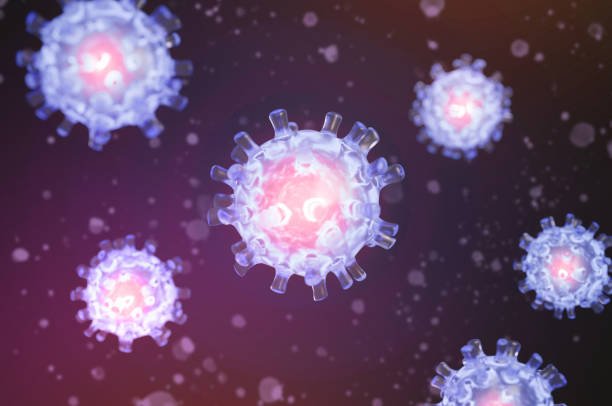
Measles is a viral infection that is serious for small children but is easily preventable by a vaccine. The disease spreads through the air by respiratory droplets produced from coughing or sneezing.

Causes

Measles is a highly contagious illness caused by a virus that replicates in the nose and throat of an infected child or adult. Through coughs, sneezes or talks, infected droplets spray into the air, where other people can inhale them.

The infected droplets may also land on a surface, where they remain active and contagious for several hours. You can contract the virus by putting your fingers in your mouth or nose or rubbing your eyes after touching the infected surface.

About 90% of susceptible people who are exposed to someone with the virus will be infected.

Risk factors

* Being vaccinated.

* Traveling internationally.

* Having a vitamin A deficiency.

How it spreads

– By airborne respiratory droplets (coughs or sneezes).

– By saliva (kissing or shared drinks).

– By touching a contaminated surface.

– By skin-to-skin contact (handshakes or hugs).

– By mother to baby by pregnancy, labor, or nursing.

Symptoms

Measles signs and symptoms appear around 10 to 14 days after exposure to the virus.

Signs and symptoms include:

– Fever

– Dry cough

– Runny nose

– Sore throat

– Inflamed eyes (conjunctivitis)

– A skin rash that often flow into one another

Management

* Taking acetaminophen or ibuprofen for aches, pains or fever.

* Getting plenty of rest.

* Drinking enough fluids.

* Gargling with salt water.

* Avoiding harsh light if your eyes hurt.

Complications

These include:

* Diarrhea.

* Ear infections.

* Pneumonia.

* Encephalitis. This condition can cause inflammation of the brain, leading to seizures, hearing loss or learning disabilities.

Prevention and Treatment

– Preventable by vaccine

– Treatable by a medical professional

– Requires a medical diagnosis

– Lab tests or imaging often required

Medication

– Fever reducers.
– Antibiotics.
– Vitamin A

Source: Clevelandclinic

Written by: Sarah Amah

Prostate Cancer and Its Treatment

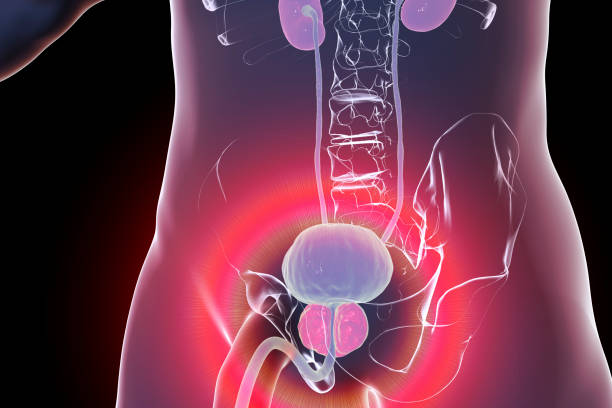
The prostate has various functions

These include:

– Producing the fluid that nourishes and transports sperm

– Secreting prostate-specific antigen (PSA), a protein that helps semen retain its liquid state, and helping aid urine control.

SYMPTOMS

There are often no symptoms during the early stages of prostate cancer, but screening can detect changes that may indicate cancer. Screening involves a test that measures levels of PSA in the blood. High levels suggest that cancer may be present.

Males who do experience symptoms may have:

– Difficulty starting and maintaining urination

– A frequent urge to urinate, especially at night

– A weak urine stream

– Blood in the urine or semen

– Painful urination or ejaculation

– Pain in the back, hips, or pelvis

CAUSES
Researchers are unsure of the exact cause of prostate cancer. It develops when specific changes occur, usually in glandular cells. When prostate gland cells appear abnormal.

RISK FACTORS

* genetic factors
* age
* race or ethnicity
* family history
* diet
* obesity
* smoking
* alcohol consumption
* inflammation of prostate
* sexually transmitted infection

TREATMENT
Treatment depends on the stage.

Early stage prostate cancer
If the cancer is small and localized, a doctor may recommend:

– Watchful waiting or monitoring

– Surgery

– Radiation therapy

– External radiation therapy

– Internal radiation therapy

Advanced prostate cancer
As cancer grows, it can spread throughout the body. If it spreads, or if it comes back after remission, treatment options will change.

Options can include:

– Chemotherapy: This option uses drugs to help stop the growth of cancer cells. While it can kill cancer cells around the body, it may cause adverse effects.

– Hormonal Therapy

– Immunotherapy

– Targeted therapy


Source: OrologyHealth

Written by: Ruth Olusegun

Diarrhea and Its Remedies

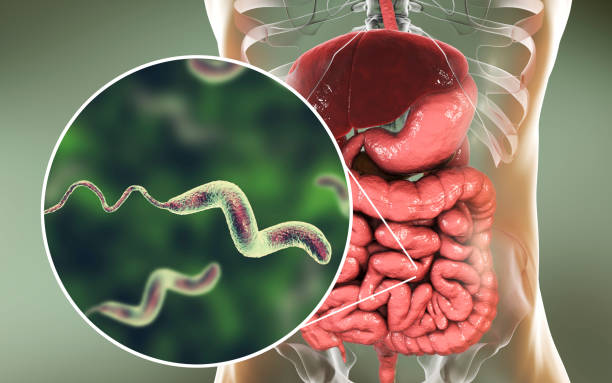
We’ve all experienced bouts of diarrhea at some point in our lives. Common symptoms of diarrhea include frequent, watery stools, abdominal cramping, and bloating.

Diarrhea is often your body’s way of dealing with disruptions in your gastrointestinal system. Acute diarrhea lasts less than 2 weeks and can come from many sources, such as:

  • a viral infection
  • a bacterial infection
  • food poisoning
  • recent antibiotic use
  • water contaminated with an infectious agent

SYMPTOMS OF DIARRHEA

?stomach pain
?abdominal cramps
?bloating
?weight loss
?fever
?body aches
?chills
?blood or pus in the stool

TREATMENT OF DIARRHEA
1. Hydration

Hydration is very important when you have diarrhea. Dehydration from diarrhea can be fatal in young children and older adults. Continue breastfeeding or formula feeding infants who are experiencing diarrhea. Over-the-counter oral pediatric hydration solutions, like Pedialyte, are the recommended fluids of choice for children with diarrhea. Small amounts of hydration solutions should be given frequently. These formulas also come in popsicle preparations.

Studies have shown that for adults with mild symptoms of diarrhea, sports drinks and over-the-counter rehydration solutions are equally effective.

Alcohol, milk, soda, and other carbonated or caffeinated drinks should not be used for hydration, as they may make your symptoms worse.

2. Probiotics

Probiotics are sources of “good” bacteria that work in your intestinal tract to create a healthy gut environment. They’re essentially live microorganisms that exist in certain foods, including:

  • aged soft cheese
  • cottage cheese
  • dark chocolate
  • green olives
  • kefir
  • kimchi
  • kombucha
  • sauerkraut
  • miso
  • natto
  • pickles
  • sourdough bread
  • yogurt

Probiotics also come in powder or pill form.

The good bacteria that live in your intestinal tract are necessary for the normal functioning of your gastrointestinal system. They play an important role in protecting your intestines against infection. When your system is changed by antibiotics or overwhelmed by unhealthy bacteria or viruses, you can get diarrhea. Probiotics can help with diarrhea by restoring the balance of bacteria in your gut.

Saccharomyces boulardii is a yeast probiotic. While it’s not a bacterium, it acts like one. S. boulardii may improve antibiotic-associated diarrhea. It also seems to provide relief for traveler’s diarrhea. Studies suggest it may help your intestines fight off unwanted pathogens and ensure they’re absorbing nutrients properly. Because it is yeast, it should be used with caution in people with inadequate immune systems.

It’s important to receive proper medical care in cases of acute diarrhea. Talk with your health care provider before taking probiotic supplements to treat your diarrhea.

3. Over-the-counter drugs

With your doctor’s supervision, several over-the-counter medications can help with acute diarrhea if your symptoms are not severe. Common over-the-counter medications include:

  • bismuth subsalicylate
  • loperamide (Imodium)

While these drugs can relieve the symptoms of diarrhea, they don’t treat the underlying cause.

If you have chronic diarrhea, you shouldn’t use these drugs without your doctor’s consent. Chronic diarrhea is diarrhea that lasts more than 14 days. It often has different causes.

You should be especially cautious if your child has diarrhea. Dehydration resulting from diarrhea can be dangerous and can occur quickly in young children. Severe dehydration can be life-threatening. Over-the-counter medications are not recommended for treatment in children, so it’s important to talk to your doctor. Infants under 3 months old who have diarrhea should be taken to the doctor right away.

If you have bloody diarrhea, a fever, more than seven days of symptoms, intense abdominal pain, or diarrhea that is getting worse, you should seek medical attention.

4. Foods to eat

While it might sound counter intuitive to eat if you have diarrhea, eating certain foods can help alleviate your diarrhea symptoms and ensure your health doesn’t worsen from not eating. Stick to low-fiber “BRAT” foods that will help firm up your stool. These include:

  • bananas
  • rice (white)
  • applesauce
  • toast

Other foods that are usually well-tolerated when experiencing diarrhea include:

  • oatmeal
  • boiled or baked potatoes (with skins peeled)
  • baked chicken with skin removed
  • chicken soup (which also aids in rehydration)
5. Foods to avoid

Fried and greasy foods are usually not well-tolerated in people who have diarrhea. You should also consider limiting high-fiber foods like bran as well as fruits and vegetables that can increase bloating. Foods to avoid include:

  • alcohol
  • artificial sweeteners (found in chewing gum, diet soft drinks and sugar substitutes)
  • beans
  • berries
  • broccoli
  • cabbage
  • cauliflower
  • chickpeas
  • coffee
  • corn
  • ice cream
  • green leafy vegetables
  • milk
  • peas
  • peppers
  • prunes
  • tea

Sore Throat

A sore throat is a painful, dry, or scratchy feeling in the throat. Pain in the throat is one of the most common symptoms. Most sore throats are caused by infections, or by environmental factors like dry air. Although a sore throat can be uncomfortable, it’ll usually go away on its own.
Sore throats are divided into types, based on the part of the throat they affect:
?️ Pharyngitis affects the area right behind the mouth.
?️ Tonsillitis is swelling and redness of the tonsils, the soft tissue in the back of the mouth.
?️ Laryngitis is swelling and redness of the voice box, or larynx.
Sore throat symptoms
The symptoms of a sore throat can vary depending on what caused it. A sore throat can feel:
?scratchy
?burning
?raw
?dry
?tender
?irritated
It may hurt more when you swallow or talk. Your throat or tonsils might also look red. Sometimes, white patches or areas of pus will form on the tonsils. These white patches are more common in strep throat than in a sore throat caused by a virus.
Most sore throats are caused by infections, or by environmental factors like dry air. Although a sore throat can be uncomfortable,
Sometimes, white patches or areas of pus will form on the tonsils.
Along with the sore throat, you can have symptoms like:
?nasal congestion
?runny nose
?sneezing
?cough
?fever
?chills
?swollen glands in the neck
?hoarse voice
?body aches
?headache
?trouble swallowing
?appetite loss
Causes of sore throats range from infections to injuries. Here are eight of the most common sore throat causes.
1. Colds, the flu, and other viral infections
Viruses cause about 90 percent of sore throats. Among the viruses that cause sore throats are: the common cold, influenza — the flu, mononucleosis – an infectious disease that’s transmitted through saliva, measles – an illness that causes a rash and fever, chickenpox – an infection that causes a fever and an itchy, bumpy rash, mumps – an infection that causes swelling of the salivary glands in the neck.
2. Strep throat and other bacterial infections
Bacterial infections can also cause sore throats. The most common one is strep throat, an infection of the throat and tonsils caused by group A Streptococcus bacteria.
Strep throat causes nearly 40 percent of sore throat cases in children. Tonsillitis, and sexually transmitted infections like gonorrhea and chlamydia can also cause a sore throat.
3. Allergies
When the immune system reacts to allergy triggers like pollen, grass, and pet dander, it releases chemicals that cause symptoms like nasal congestion, watery eyes, sneezing, and throat irritation. Excess mucus in the nose can drip down the back of the throat. This is called postnasal drip and can irritate the throat.
4. Dry air
Dry air can suck moisture from the mouth and throat, and leave them feeling dry and scratchy. The air is most likely dry in the winter months when the heater is running.
5. Smoke, chemicals, and other irritants
Many different chemicals and other substances in the environment irritate the throat, including: cigarette and other tobacco smoke, air pollution, cleaning products and other chemicals.
6. Injury
Any injury, such as a hit or cut to the neck, can cause pain in the throat. Getting a piece of food stuck in your throat can also irritate it.
Repeated use strains the vocal cords and muscles in the throat. You can get a sore throat after yelling, talking loudly, or singing for a long period of time. Sore throats are a common complaint among fitness instructors and teachers, who often have to yell.
7. Gastroesophageal reflux disease (GERD)
Gastroesophageal reflux disease (GERD) is a condition in which acid from the stomach backs up into the esophagus — the tube that carries food from the mouth to the stomach.
The acid burns the esophagus and throat, causing symptoms like heartburn and acid reflux — the regurgitation of acid into your throat.
8. Tumor
A tumor of the throat, voice box, or tongue is a less common cause of a sore throat. When a sore throat is a sign of cancer, it doesn’t go away after a few days.
Home remedies for a sore throat
You can treat most sore throats at home. Get plenty of rest to give your immune system a chance to fight the infection.
To relieve the pain of a sore throat:
– Gargle with a mixture of warm water and 1/2 to 1 teaspoon of salt.
– Drink warm liquids that feel soothing to the throat, such as hot tea with honey, soup broth, or warm water with lemon. Herbal teas are especially soothing to a sore throat.
– Cool your throat by eating a cold treat like a popsicle or ice cream.
– Suck on a piece of hard candy or a lozenge.
– Turn on a cool mist humidifier to add moisture to the air.
– Rest your voice until your throat feels better..
Medicines
You can take medicines to relieve the pain of a sore throat, or to treat the underlying cause.
A. Over-the-counter medications that relieve throat pain include:
– acetaminophen
– ibuprofen
– aspirin
Don’t give aspirin to children and teenagers, as it’s been linked to a rare but serious condition called Reye’s syndrome.
B. You can also use one or more of these treatments, which work directly on the pain of a sore throat:
– a sore throat spray that contains a numbing antiseptic like phenol, or a cooling ingredient like menthol or eucalyptus
– throat lozenges
– cough syrup
C. Medications that reduce stomach acid can help with a sore throat caused by GERD. These include:
1. Antacids such as Tums, Rolaids, Maalox, and Mylanta to neutralize stomach acid.
2. H2 blockers such as cimetidine, and famotidine to reduce stomach acid production.
3. Proton pump inhibitors (PPIs) such as lansoprazole and omeprazole to block acid production.
D. Low-dose corticosteroids can also help with the pain of a sore throat, without causing any serious side effects.
E. When you need antibiotics
Antibiotics treat infections caused by bacteria, like strep throat. They won’t treat viral infections.
You need to treat a strep throat with antibiotics to prevent more serious complications like pneumonia, bronchitis, and rheumatic fever. Antibiotics can reduce sore throat pain by about one day, and lower the risk of rheumatic fever by more than two-thirds


Written by: Ebere Chienjine

Osteoporosis

Osteoporosis develops when bone density decreases. The body reabsorbs more bone tissue and produces less to replace it.
Bone is living tissue that is constantly being broken down and replaced. Osteoporosis occurs when the creation of new bone doesn’t keep up with the loss of old bone.
SIGNS AND SYMPTOMS 
Osteoporosis develops slowly, and a person may not know they have it until they experience a fracture or break after a minor incident, such as a fall. Breaks will often occur in the hip, wrists, or the spinal vertebrae. People who have osteoporosis might have signs and symptoms that include:
• Back pain, caused by a fractured or collapsed vertebra
• Loss of height over time
• A stooped posture
• A bone that breaks much more easily than expected
 When to see a doctor
Severe discomfort in any of the common locations for osteoporotic bone damage could indicate an unexpected or unidentified fracture. People should seek medical evaluation as soon as they notice this type of pain.
CAUSES AND RISK FACTORS
Several risk factors for osteoporosis have been identified. Some are modifiable, but it is not possible to avoid others.
Unavoidable factors
According to the American College of rheumatology, nonmodifiable risk factors include:
• Age: Risk increases after the mid-30s and especially after menopause.
• Reduced sex hormones: Lower estrogen levels appear to make it harder for bone to regenerate.
• Ethnicity: White people and Asian people have a higher risk than other ethnic groups.
• Height and weight: Being over 5 feet 7 inches tall or weighing under 125 pounds increases the risk.
• Genetic factors: Having a close family member with a diagnosis of hip fracture or osteoporosis makes osteoporosis more likely.
• Fracture history: A person over 50 years of age with previous fractures after a low-level injury is more likely to receive a diagnosis of osteoporosis.
 Modifiable risk factors include 
• Sedentary lifestyle: People who spend a lot of time sitting have a higher risk of osteoporosis than do those who are more active.
• Immobility
• Excessive alcohol consumption
• Tobacco use.
Medical conditions that increase the risk include:
• Some autoimmune diseases, such as rheumatoid arthritis and ankylosing spondylitis.
• Pituitary gland disorders.
• Hyperthyroidism and hyperparathyroidism
• A shortage of estrogen or testosterone
Medications that raise the risk include:
• Glucocorticoids and corticosteroids, including prednisone and prednisolone
• Thyroid hormone
• Anticoagulants and blood-thinners, including heparin and warfarin
• Some antidepressant medications
• Some vitamin A (retinoid) medications
• Thiazide diuretics
Glucocorticoid-induced osteoporosis is the most common type osteoporosis that develops due to medication use.
TREATMENT 
People at risk of osteoporosis and fractures can use preventive lifestyle measures, supplements, and certain medications to achieve these goals.
Drug therapy
Drugs that can help prevent and treat osteoporosis include:
  • Bisphosphonates: These are antiresorptive drugs that slow bone loss and reduce a person’s fracture risk.
  • Estrogen agonists or antagonists: Also called Selective Estrogen-receptor Modulators, SERMS. Raloxifene (Evista) is one example. These can reduce the risk of spine fractures in women following menopause.
  • Calcitonin (Calcimar, Miacalcin): This helps prevent spinal fracture in postmenopausal women and can help manage pain after a fracture.
  • Parathyroid hormone, such as teriparatide (Forteo): The U.S. Food and Drug Administration (FDA) has approved this hormone for treating people with a high risk of fracture as it stimulates bone formation.
  • Monoclonal antibodies (denosumab, romosozumab): These are immune therapies that some people with osteoporosis take after menopause. Other types of estrogen and hormone therapy may help.
PREVENTION
Certain alterations to lifestyle can reduce the risk of osteoporosis.
Calcium and vitamin D intake
Calcium is essential for bones. People should make sure they consume enough calcium daily.
Adults aged 19 years and above should consume 1,000 milligrams (mg) of calcium a day. Women who are over 51 years of age and all adults from 71 years onward should have a daily intake of 1,200 mg.
Dietary sources include: Dairy foods such as milk, cheese, and yogurt, green leafy vegetables, such as kale and broccoli, fish with soft bones, such as tinned salmon and tuna, fortified breakfast cereals
If a person’s calcium intake is inadequate, supplements are an option.
Vitamin D also plays a key role in preventing osteoporosis as it helps the body absorb calcium. Dietary sources include fortified foods, saltwater fish, and liver.
However, most vitamin D does not come from food but from sun exposure, so doctors recommend moderate, regular exposure to sunlight.
Lifestyle factors
Other ways to minimize the risk are:
• Avoiding smoking, as this can reduce the growth of new bone and decrease estrogen levels in women
• Limiting alcohol intake to  encourage healthy bones and prevent falls
• Getting regular weight bearing exercise, such as walking, as this promotes healthy bones and strengthens their support from muscles
• Exercises to promote flexibility and balance, such as yoga, which can reduce the risk of falls and fractures
 Complications
Bone fractures, particularly in the spine or hip, are the most serious complications of osteoporosis. Hip fractures often are caused by a fall and can result in disability and even an increased risk of death within the first year after the injury.
In some cases, spinal fractures can occur even if you haven’t fallen. The bones that make up your spine (vertebrae) can weaken to the point of collapsing, which can result in back pain, lost height and a hunched forward posture.
CONCLUSION 
Good nutrition and regular exercise are essential for keeping your bones healthy throughout your life.
Treatment aims to: Slow or prevent the development of osteoporosis,  maintain healthy bone mineral density and bone mass, prevent fracture, reduce pain, maximize the person’s ability to continue with their daily life.
Anyone concerned that they may be at risk of osteoporosis should ask their doctor about screening.
Written by: Chinonye Machie

Migraine

A migraine is a strong headache that often comes with nausea, vomiting, and sensitivity to light. It can last hours or days.
Migraine Symptoms
Migraines are different in everyone. In many people, they happen in stages. These stages may include:
1) Prodrome
Hours or days before a headache, about 60% of people who have migraines notice symptoms like:
?Being sensitive to light, sound, or smell
?Fatigue
?Food cravings or lack of appetite
?Mood changes
?Severe thirst
?Bloating
?Constipation or diarrhea
2) Aura
These symptoms stem from your nervous system and often involve your vision. They usually start gradually, over a 5- to 20-minute period, and last less than an hour. You may:
See
?Black dots
?Wavy lines
?Flashes of light
?Things that aren’t there (hallucinations)
?Have tunnel vision
?Not be able to see at all
?Have tingling or numbness on one side of your body
?Not be able to speak clearly
?Have a heavy feeling in your arms and legs
?Have ringing in your ears
?Notice changes in smell, taste, or touch.
 3) Attack
A migraine headache often begins as a dull ache and grows into throbbing pain. It usually gets worse during physical activity. The pain can move from one side of your head to the other, can be in the front of your head, or can feel like it’s affecting your entire head. About 80% of people have nausea along with a headache, and about half vomit. You may also be pale and clammy or feel faint. Most migraine headaches last about 4 hours, but severe ones can go for more than 3 days. It’s common to get two to four headaches per month. Some people may get migraine headaches every few days, while others get them once or twice a year.
4) Postdrome
This stage can last up to a day after a headache. Symptoms include:
?Feeling tired, wiped out, or cranky
?Feeling unusually refreshed or happy.
?Muscle pain or weakness.
?Food cravings or lack of appetite.
 Migraine Risk Factors 
Somethings may make you more likely to get them:
? *Sex* . Women have migraines three times more often than men.
? *Age* . Most people start having migraine headaches between ages 10 and 40. But many women find that their migraines get better or go away after age 50.
? *Family history* . Four out of five people with migraines have other family members who get them. If one parent has a history of these types of headaches, their child has a 50% chance of getting them. If both parents have them, the risk jumps to 75%.
 ? *Other medical conditions* . Depression, anxiety, bipolar disorder, sleep disorders, and epilepsy can raise your odds.
 Migraine Triggers
Some common migraine triggers include:
 *Hormone changes* . Many women notice that they have headaches around their period, while they’re pregnant, or when they’re ovulating. Symptoms may also be tied to menopause, birth control that uses hormones, or hormone replacement therapy.
*Stress* . When you’re stressed, your brain releases chemicals that can cause blood vessel changes that might lead to a migraine.
*Foods* . Some foods and drinks, such as aged cheese, alcohol, and food additives like nitrates (in pepperoni, hot dogs, and lunchmeats) and monosodium glutamate (MSG), may be responsible in some people.
*Skipping meals*
*Caffeine* . Getting too much or not getting as much as you’re used to can cause headaches. Caffeine itself can be a treatment for acute migraine attacks.
Changes in weather. Storm fronts, changes in barometric pressure, strong winds, or changes in altitude can all trigger a migraine.
*Senses* . Loud noises, bright lights, and strong smells can set off a migraine.
*Medications* . Vasodilators, which widen your blood vessels, can trigger them.
*Physical activity* . This includes exercise and sex.
*Tobacco Changes to your sleep*. You might get headaches when you sleep too much or not enough.
 Migraine Types
There are several kinds of migraines. The most common are migraine with aura (also known as a classic migraine) and migraine without aura (or common migraine).
Other types include:
– Menstrual migraine: This is when the headache is linked to a woman’s period.
– Silent migraine. This kind is also known as an acephalgic migraine. You have aura symptoms without a headache.
– Vestibular migraine : You have balance problems, vertigo, nausea, and vomiting, with or without a headache. This kind usually happens in people who have a history of motion sickness.
– Abdominal migraine: Experts don’t know a lot about this type. It causes stomach pain, nausea, and vomiting. It often happens in children and may change into classic migraine headaches over time.
– Hemiplegic migraine. You have a short period of paralysis (hemiplegia) or weakness on one side of your body. You might also feel numbness, dizziness, or vision changes. These symptoms can also be signs of a stroke, so get medical help right away.
– Ophthalmic migraine. This is also known as an ocular or retinal migraine. It causes short-lived, partial, or total loss of vision in one eye, along with a dull ache behind the eye, which may spread to the rest of your head. Get medical help right away if you have any vision changes.
– Migraine with brainstem aura: Dizziness, confusion, or loss of balance can happen before the headache. The pain may affect the back of your head. These symptoms usually start suddenly and can come along with trouble speaking, ringing in your ears, and vomiting. This type of migraine is strongly linked to hormone changes and mainly affects young adult women. Again, get these symptoms checked out by a doctor right away.
– Status migrainosus: This severe type of migraine can last more than 72 hours. The pain and nausea are so intense that you may need to go to the hospital. Sometimes, medicines or medication withdrawal can cause them.
– Ophthalmoplegic migraine :This causes pain around your eye, including paralysis of the muscles around it.
Treatment or Management
– Painkillers
Many people who have migraines find that over-the-counter painkillers, such as paracetamol, aspirin and ibuprofen, can help to reduce their symptoms.
They tend to be most effective if taken at the first signs of a migraine attack, as this gives them time to absorb into your bloodstream and ease your symptoms.
It’s not advisable to wait until the headache worsens before taking painkillers, as it’s often too late for the medicine to work.
Tablets you dissolve in a glass of water (soluble painkillers) are a good alternative because they’re absorbed quickly by your body.
Natural ways of managing migraine
1. Avoid certain foods
Diet plays a vital role in preventing migraine attacks. Many foods and beverages may be migraine triggers, such as:
– foods with nitrates, including hot dogs, deli meats, bacon, and sausage
– chocolate
– cheese that contains the naturally occurring compound tyramine, such as blue, feta, cheddar, Parmesan, and Swiss
– alcohol, especially red wine
– foods that contain monosodium glutamate (MSG), a flavor enhancer
– foods that are very cold, such as ice cream or iced drinks
– processed foods
– pickled foods
– beans
– dried fruits
– cultured dairy products, such as buttermilk, sour cream, and yogurt
A small amount of caffeine may ease migraine pain in some people. Caffeine is also in some migraine medications. But too much caffeine may cause a migraine attack. It may also lead to a severe caffeine withdrawal headache.
To figure out which foods and beverages trigger migraine attacks for you, keep a daily food journal. Record everything you eat and note how you feel afterward.
2. Apply lavender oil
Inhaling lavender essential oil may ease migraine pain. Lavender oil may be inhaled directly or diluted with a carrier oil and applied in small amounts to your temples.
A 2016 randomized controlled study found evidence that 3 months of lavender therapy as a prophylactic therapy, meaning taken before a migraine attack begins, reduced frequency and severity of migraine attacks. However, research is still limited.
A 2020 review of studies published in the journal Phytotherapy Research examined the ability of various herbal treatments, including lavender therapy for migraine. The authors found mixed or limited evidence to support the use of butterbur and feverfew for treating migraine but didn’t note that current research supports the use of lavender.
According to the authors, many studies had a high risk for bias, and more high quality research is needed.
3. Try acupuncture
Acupuncture involves injecting very thin needles into certain parts of your skin to stimulate relief from a wide variety of health conditions.

A 2020 randomized controlled study found that 20 sessions of manual acupuncture along with usual care was more effective at preventing migraine in people with a history of episodic migraine without aura than sham acupuncture along with usual care. Sham acupuncture is a treatment where the needles are not inserted as deeply.
A 2016 review of 22 studies also found moderate evidence that acupuncture may reduce headache symptoms. In the results summary, the authors explain that if people had 6 days of migraine per month before treatment, it would be expected that they would have:
5 days with usual care
4 days with fake acupuncture or prophylactic medications
3 1/2 days with real acupuncture
4. Look for feverfew
Feverfew is a flowering herb that looks like a daisy. It’s a folk remedy for migraine. It still isn’t well-studied, but there is some evidence that it may be slightly more effective than a placebo for treating migraine.
In a 2015 review of studies, which is an update of a previous 2004 study, the authors concluded that larger studies are needed to support the use of feverfew for treating migraine.
The authors note that one larger study published since the 2004 review found 0.6 fewer migraine days per month in people who took feverfew versus a placebo. They describe previous studies as low quality or providing mixed evidence.
The 2020 review of studies published in Phytotherapy Research also summarizes the finding on feverfew as “mixed.”
5. Apply peppermint oil
The chemical menthol found in peppermint oil may help prevent migraine episodes, although there’s a very limited amount of research.
A 2019 randomized controlled study compared the effects of nasal 4 percent lidocaine with 1.5 percent peppermint essential oil and a placebo for managing migraine symptoms.
The researchers found that 40 percent of people in the lidocaine and peppermint oil groups experienced considerable improvements in their symptoms, compared with only 4.9 percent of people in the placebo group.
The National Center for Complementary and Integrative Health notes that very little research has examined peppermint leaf, but a limited amount of evidence suggests topical peppermint oil may benefit tension headaches.
6. Ginger
Ginger is known to ease nausea caused by many conditions, including migraine. It may have pain-relieving benefits for migraine attacks. According to a 2020 review of studies, one randomized controlled study found evidence that ginger may have beneficial activity.
14 Natural Ways to Reduce Migraine Symptoms
– Avoid food triggers
– Lavender oil
– Acupuncture
– Feverfew
– Peppermint oil
– Ginger
– Yoga
– Biofeedback
– Magnesium
– Massage
– Acupressure
– Stress management
– Hydration
– Sleep
Migraine attacks aren’t typical headaches. You may experience pounding pain, nausea, and sensitivity to light and sound. When a migraine attack or episode occurs, you’ll do almost anything to make it go away.
Natural remedies are drug-free methods of reducing migraine symptoms. These at-home treatments may help prevent the onset of migraine attacks or at least help reduce their severity and duration.
Written by: Samuel Sobiye

Vitamins & Its Benefits

Vitamins are a group of substances that are needed for normal cell function, growth, and development.
Vitamins are grouped into two categories:

Vitamin A

Chemical names: retinol, retinal, and “the four carotenoids,” including beta carotene.

  • It is fat-soluble.
  • Function: It is essential for eye health.
  • Deficiency: This may cause night blindness and keratomalacia, which causes the clear front layer of the eye to grow dry and cloudy.
  • Good sources: These include liver, cod liver oil, carrots, broccoli, sweet potatoes, butter, kale, spinach, pumpkins, collard greens, some cheeses, eggs, apricots, cantaloupe melon, and milk.

Vitamin B1

Chemical name: thiamine.

  • It is water-soluble.
  • Function: It is essential for producing various enzymes that help break down blood sugar.
  • Deficiency: This may cause beriberi and Wernicke-Korsakoff syndrome.
  • Good sources: These include yeast, pork, cereal grains, sunflower seeds, brown rice, whole grain rye, asparagus, kale, cauliflower, potatoes, oranges, liver, and eggs.

Vitamin B2

Chemical name: riboflavin.

  • It is water-soluble.
  • Function: It is essential for the growth and development of body cells and helps metabolize food.
  • Deficiency: Symptoms include inflammation of the lips and fissures in the mouth.
  • Good sources: These include asparagus, bananas, persimmons, okra, chard, cottage cheese, milk, yogurt, meat, eggs, fish, and green beans.

Vitamin B3

Chemical names: niacin, niacinamide.

  • It is water-soluble.
  • Function: The body needs niacin for the cells to grow and work correctly.
  • Deficiency: Low levels result in a health issue called pellagra, which causes diarrhea, skin changes, and intestinal upset.
  • Good sources: Examples include chicken, beef, tuna, salmon, milk, eggs, tomatoes, leafy vegetables, broccoli, carrots, nuts and seeds, tofu, and lentils.

Vitamin B5

Chemical name: pantothenic acid.

  • It is water-soluble.
  • Function: It is necessary for producing energy and hormones.
  • Deficiency: Symptoms include paresthesia, or “pins and needles.”
  • Good sources: These include meats, whole grains, broccoli, avocados, and yogurt.

Vitamin B6

Chemical names: pyridoxine, pyridoxamine, pyridoxal.

  • It is water-soluble.
  • Function: It is vital for the formation of red blood cells.
  • Deficiency: Low levels may lead to anemia and peripheral neuropathy.
  • Good sources: These include chickpeas, beef liver, bananas, squash, and nuts.

Vitamin B7

Chemical name: biotin.

  • It is water-soluble.
  • Function: It enables the body to metabolize proteins, fats, and carbohydrates. It also contributes to keratin, a structural protein in the skin, hair, and nails.
  • Deficiency: Low levels may cause dermatitis or inflammation of the intestines.
  • Good sources: These include egg yolk, liver, broccoli, spinach, and cheese.

Vitamin B9

Chemical names: folic acid, folinic acid.

  • It is water-soluble.
  • Functions: It is essential for making DNA and RNA.
  • Deficiency: During pregnancy, this can affect the fetus’s nervous system. Doctors recommend folic acid supplements before and during pregnancy.
  • Good sources: These include leafy vegetables, peas, legumes, liver, some fortified grain products, and sunflower seeds. Also, several fruits have moderate amounts.

Vitamin B12

Chemical names: cyanocobalamin, hydroxocobalamin, methylcobalamin.

  • It is water-soluble.
  • Function: It is essential for a healthy nervous system.
  • Deficiency: Low levels may lead to neurological problems and some types of anemia.
  • Good sources: Examples include fish, shellfish, meat, poultry, eggs, milk and other dairy products, fortified cereals, fortified soy products, and fortified nutritional yeast.

Doctors may recommend that people with vegan diets take B12 supplements.

Vitamin C

Chemical name: ascorbic acid.

  • It is water-soluble.
  • Function: It contributes to collagen production, wound healing, and bone formation. It also strengthens blood vessels, supports the immune system, helps the body absorb iron, and acts as an antioxidant.
  • Deficiency: This may result in scurvy, which causes bleeding gums, a loss of teeth, and poor tissue growth and wound healing.
  • Good sources: These include fruit and vegetables, but cooking destroys vitamin C.

Vitamin D

Chemical names: ergocalciferol, cholecalciferol.

  • It is fat-soluble.
  • Function: It is necessary for the healthy mineralization of bone.
  • Deficiency: This may cause rickets and osteomalacia, or softening of the bones.
  • Good sources: Exposure to UVB rays from the sun or other sources causes the body to produce vitamin D. Fatty fish, eggs, beef liver, and mushrooms also contain the vitamin.

Vitamin E

Chemical names: tocopherol, tocotrienol.

  • It is fat-soluble.
  • Function: Its antioxidant activity helps prevent oxidative stress, an issue that increases the risk of widespread inflammation and various diseases.
  • Deficiency: This is rare, but it may cause hemolytic anemia in newborns. This condition destroys blood cells.
  • Good sources: These include wheat germ, kiwis, almonds, eggs, nuts, leafy greens, and vegetable oils.

Vitamin K

Chemical names: phylloquinone, menaquinone.

  • It is fat-soluble.
  • Function: It is necessary for blood clotting.
  • Deficiency: Low levels may cause an unusual susceptibility to bleeding, or bleeding diathesis.
  • Good sources: These include natto, leafy greens, pumpkins, figs, and parsley.
Vitamin supplements

A balanced, varied diet that contains plenty of fruits and vegetables should be the primary source of vitamins. The Department of Health and Human Services provide up-to-date guidelines detailing the best ways to get enough nutrients from the diet.

Fortified foods and supplements may be appropriate in some cases, however, such as during pregnancy, for people with restricted diets, and for people with specific health issues.

Anyone taking supplements should be careful not to exceed the maximum dose, as research shows that taking too much of any vitamin can lead to health problems.

Also, some medications can interact with vitamin supplements. Overall, it is important to speak with a healthcare provider before trying any supplement.

Vitamins are essential nutrients that mainly come from foods. Each performs various roles in the body, and deficiencies of different vitamins can harm health in different ways.

Aim to get vitamins from a balanced, varied diet that contains plenty of fruits and vegetables. If a person is pregnant or has a health issue or a restricted diet, a doctor or nutritionist may recommend supplements.


Reference: MedicalNewsToday

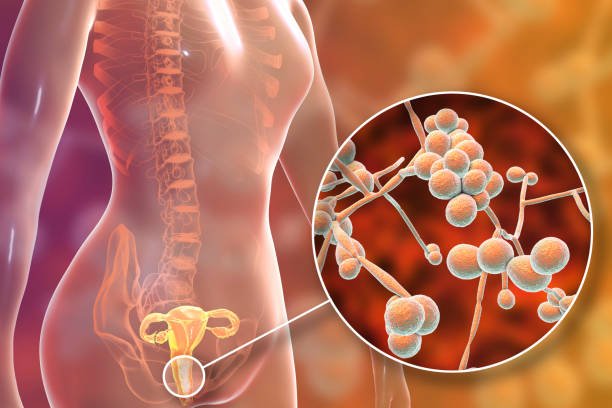
Candidiasis

Candidiasis is a fungal infection caused by a yeast (a type of fungus) called Candida. Some species of Candida can cause infection in people; the most common is Candida albicans. Candida normally lives on the skin and inside the body, in places such as the mouth, throat, gut, and vagina, without causing any problems. Candida can cause infections if it grows out of control or if it enters deep into the body (for example, the bloodstream or internal organs like the kidney, heart, or brain).

Types of candidiasis

1- INVASIVE CANDIDIASIS

2- VAGINAL CANDIDIASIS

3- CANDIDA OF THE MOUTH, THROAT AND ESOPHAGUS

At normal levels, the fungus is not problematic. However, when Candida begins to grow uncontrollably, it can cause an infection known as CANDIDIASIS

Few factors that can lead to candida overgrowth

* Taking antibiotics

* Eating a diet high in sugar and refined carbs

* High alcohol intake

* A weakened immune system

* Taking oral contraceptives

* Diabetes

* High stress levels

SYMPTOMS

* Oral Thrush

* Tiredness and Fatigue

* Recurring Genital or Urinary Tract Infections

* Digestive Issues

* Joint Pain

* Skin and Nail Fungal Infections

MEDICATIONS

1- Taking an antifungal medications like clotimazole, fluconazole etc

2- Taking antibiotics medications

3- Insertion of an antifungal and antibiotics pessery

4- Taking supplement to boost the immune system and probiotics medications

5- Maintaining a good hygiene

6- Using of antifungal and antibiotics cream if necessary

Written by: Ruth Olusegun

Angina Pectoris (Chest Pain)

Angina is a symptom of coronary artery disease.
It’s a type of chest pain caused by reduced blood flow to the heart.

Angina is a feeling of pain, squeezing, or pressure in the chest. It happens when a part of the heart does not receive enough blood and oxygen.
Though it is not life threatening, but it can resemble the symptoms of a heart attack, and it is a sign of heart disease.

TYPES
STABLE ANGINA:
This occurs when the heart is working harder than usual. E.g during exercise.

UNSTABLE ANGINA
This occurs during rest. It mostly results from atherosclerosis, which involves a blockage preventing blood from reaching the heart.

MICROVASCULAR ANGINA
This can occur with coronary microvascular disease (MVD). This affects the smallest coronary arteries, etc.

SYMPTOMS

Angina involves any of the following sensations in the chest:
– Squeezing

– Pressure

– Heaviness

– Tightening

– Burning or aching across the chest, usually starting behind the breastbone.

TREATMENTS
Lifestyle Changes
The following strategies can help:

– Stopping smoking

– Managing weight

– Regularly checking cholesterol levels

– Resting when necessary

– Getting regular exercise

– Learning how to handle or avoid stress

– Having a diet that is rich in fruits, vegetables, whole grains, low-fat or no-fat dairy products, and lean sources of protein.

Also, Medications to manage high blood pressure and beta-blockers may help manage angina. These aim to lower blood pressure and cholesterol levels, slow the heart rate, relax blood vessels, reduce strain on the heart, and prevent blood clots from forming.


Source: medicalnewstoday

Written by: Sarah Amah

Arthritis

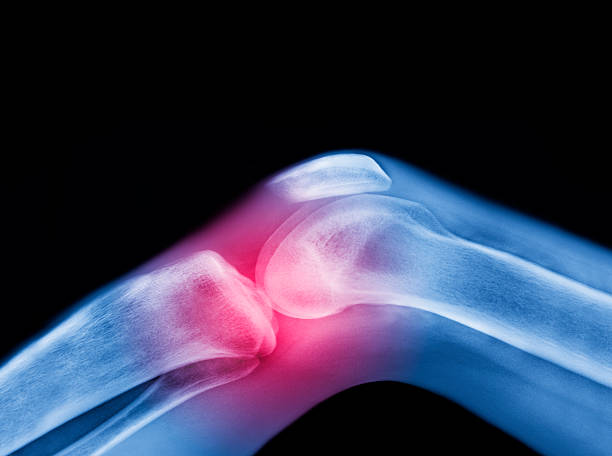
Arthritis is an acute or chronic inflammation of the joint but the term is used to describe around 200 conditions that affect joints, the tissues that surround the joint, and other connective tissue. It is a rheumatic condition. Arthritis is more common among adults aged 65 years or older, but it can affect people of all ages, including children.
TYPES 
The most common form of arthritis include:
Osteoarthritis
More people have this condition than any other form of arthritis. It’s the “wear and tear” that happens when your joints are overused. It usually happens with age, but it can also come from joint injuries or obesity, which puts extra stress on your joints.
Joints that bear weight like your knees, hips, feet, and spine are the most common places it affects. It often comes on gradually over months or years. It makes the affected joint hurt. But you don’t feel sick or have the fatigue that comes with some other types of arthritis.
What happens?
You lose your body’s shock absorber. Cartilage, the slippery material that covers the ends of bones, gradually breaks down.
The damaged cartilage makes movement painful.
Symptoms
Depends on which joint or joints are affected. You may have:
• Deep, aching pain
• Trouble dressing, combing your hair, gripping things, bending over, squatting, or climbing stairs, depending on which joints are involved
• Morning stiffness that typically lasts less than 30 minutes
• Pain when walking
• Stiffness after resting
Your joint may be:
• Warm to the touch
• Swollen and harder to move
• Unable to move through a full range of motion.
Rheumatoid Arthritis (RA)
RA is an autoimmune disease. That means the immune system attacks parts of the body, especially the joints. That leads to inflammation, which can cause severe joint damage if you don’t treat it. About 1 out of every 5 people who have rheumatoid arthritis get lumps on their skin called rheumatoid nodules. These often form over joint areas that receive pressure, such as over knuckles, elbows, or heels.
What happens?
Some experts believe the immune system becomes “confused” after an infection with a bacteria or virus and starts to attack your joints. This battle can spread to other areas of the body.
Symptoms
Can come on gradually or start suddenly. They’re often more severe than with osteoarthritis.
The most common include:
• Pain, stiffness, and swelling in your hands, wrists, elbows, shoulders, knees, ankles, feet, jaw, and neck.
• Rheumatoid arthritis usually affects multiple joints; more than one swollen joint. Usually, it’s small joints in your wrists, hands, or feet.
• Morning stiffness than can last for hours or even most of the day. You may also feel fatigued and notice that your appetite is down and you’ve lost weight.
Psoriatic Arthritis
What is it?
People with this condition have inflammation of the skin (psoriasis) and joints (arthritis).
Psoriasis causes patchy, raised, red and white areas of inflamed skin with scales. It usually affects the tips of the elbows and knees, the scalp, the navel, and skin around the genital areas or anus.
What happens?
This type of arthritis usually starts between ages 30 and 50, but it can start as early as childhood. It’s equally common among men and women. The skin disease (psoriasis) usually shows up first.
Symptoms:
• Swelling of the fingers and toes.
• People who have it often have fingernails that are pitted or discolored, too.
Sometimes it can affect the spine.
Gout
What is it?
A buildup of uric acid crystals in a joint. Most of the time, it’s your big toe or another part of your foot.
Gout results from one of three things:
• Your body is making more uric acid.
• Your kidneys can’t process the uric acid your body makes.
• You’re eating too many foods that raise uric acid levels.
Symptoms
• Intense joint pain, probably in the big toe, but could also be in your ankles, knees, elbows, wrists, or fingers.
• Discomfort: Even after the sharp pain goes away, your joint will still hurt.
• Inflammation and redness: The joint will be red, swollen, and tender.
TREATMENT 
A range of medications and lifestyle strategies can help treat arthritis and protect joints from further damage.
Medication
Non-inflammatory types of arthritis, such as osteoarthritis, are  often treated with pain-reducing medications, physical activity, weight loss if the person is overweight, and self-management education.
Medications will depend on the type of arthritis. Commonly used drugs include:
*Analgesics: These reduce pain, but have no effect on inflammation. Examples include acetaminophen (Tylenol), tramadol (Ultram) and narcotics containing oxycodone (Percocet, Oxycontin) or hydrocodone (Vicodin, Lortab).
*Non-steroidal anti-inflammatory drugs (NSAIDs): These reduce both reduce both pain and inflammation. NSAIDs include ibuprofen (Advil, Motrin IB) and naproxen sodium (Aleve). Some NSAIDs are available as creams, gels or patches which can be applied to specific joints.
*Counterirritants: Some creams and ointments contain menthol or capsaicin, the ingredient that makes hot peppers spicy. Rubbing these on the skin over a painful joint modulate pain signals from the joint and lessen pain.
CONCLUSION
Treatment for arthritis aims to control pain, minimize joint damage, and improve or maintain function and quality of life.
Treatment might involve: Medications, physical or occupational therapy, splints or joint assistive aids, patient education and support, weight loss, surgery, including joint replacement.
Physical examination, antibody blood  tests, full blood count are used to diagnose arthritis.
Written by: Chinonye Machie
Add to cart