Abdominal Fat

Abdominal fat is the excess weight that develops over time around the centre of the body.
There are two types of abdominal fat which are,

VISCERAL AND SUBCUTANEOUS FAT.

Subcutaneous fat is the fat found underneath the skin, this kind of fat is not as harmful as visceral fat. Visceral fat is the fat that surrounds a person’s organs.

WHY IS ABDOMINAL FAT DANGEROUS

Being overweight is one of the leading causes of major diseases. It can increase the risk of heart disease, high blood pressure, type 2 diabetes, asthma, breast and colon cancer.

CAUSES OF ABDOMINAL FAT

?lack of exercise ?: if a person consumes more calories than they burn off, they will put on unhealthy weight.
?excessive intake of alcohol: consuming excess alcohol can cause variety of health issues, which includes liver disease, inflammation, and obesity.
?poor diet: sugary food such as cakes and candy, drinks such as soda and fruit juice can cause weight gain, slow a person’s metabolism, cause low protein and also reduce a person ability to burn fat.
?Genetics: there are some evidence that a person’s genes can play a part in whether they become obese
?stress

HOW TO LOOSE ABDOMINAL FAT

?avoid foods that contains trans fats: trans fat are created by pumping hydrogen into unsaturated fat, such as soy beans oil, they are found in margarines and spreads and often added to packaged foods.
?getting more sunlight
?reduce stress level: stress can make you gain abdominal fat by triggering the adrenal glands that produce cortisol, which is also known as stress hormone, and high cortisol level increase appetite and drive abdominal fat.
?exercise
?Eat high protein diet: increase your intake of protein such as fish, egg, meat, dairy, and beans

SUPPLEMENTS AND TEA THAT CAN HELP WITH LOSING ABDOMINAL FAT

?omega 3
?probiotics
?green tea
?apple cider vinegar

There are no magic solutions to losing abdominal fat. It always requires some effort, commitment, and perseverance on your part.
Successfully adopting some or all of the strategies, lifestyles, and supplements discussed above will definitely help loose the extra pounds around your abdomen and also help living a healthy life.


Written by: Josephine Wuraola

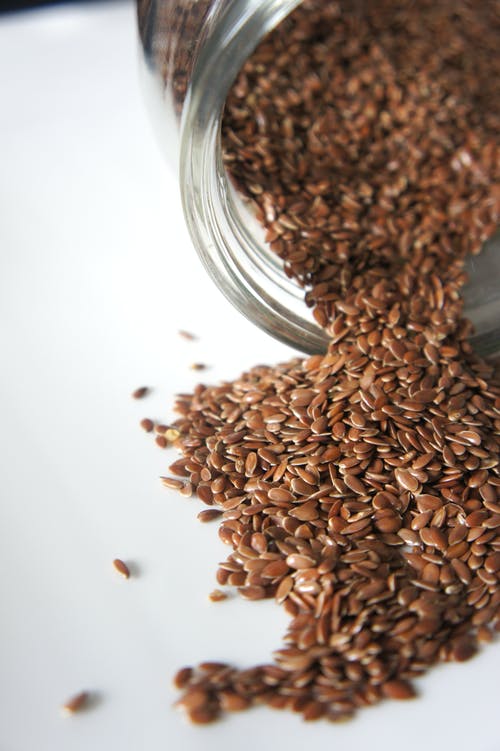
Flaxseed

Flaxseed is a plant- based food that provides healthy fat, antioxidants and fibre. Largely produced in India, China, America and Ethiopia. The Latin name of flaxseed is Linum Usitatissimum, which means “very useful”. The seed is rich in alpha-linolenic acid (ALA Omega-3 fatty acid), lignans and fibre. Flaxseed is of different species, brown and yellow or golden but they largely have the same nutritional value.

Flaxseed is an important function food. Function food are foods or food ingredients that may provide physiological benefits and helps in preventing or curing diseases.

Health benefits of flaxseed

Almost all parts of flaxseed plant are utilized for various purposes. The seed contains oil which after refining is used for edible purpose. The stem yields fibre possessing high strength and durability.

– Antioxidant and anti-diabetic functions

The antioxidant function of flaxseed reduces cholesterol. Scoisolariciresinol Diglucose (SDG), a ligan from flaxseed has been found to possess antioxidant properties and is effective in preventing or delaying the development of type-1 and type-2 diabetes.

– Lowers the risk of heart diseases

Flaxseed is the richest plant source of the Omega-3 fatty acid and very low in saturated fatty acids (6 % per gram). It also has moderate monosaturated fatty acids and rich in polyunsaturated fatty acid.
The fibre, phytosterols, and lignans in flaxseed help improve heart health.

– Reduces growth of tumour and cancer
Adding flaxseed to diet reduces risk of development of prostate cancer in men. Also breast cancer, uterine cancer and endometriosis in women.

– Boosts immune system

Flaxseed contains bioactive peptides, such as cyclolinopeptide A, which have strong immunosuppressive and antimalarial activities, inhibiting the human malarial parasite Plasmodium falciparum in culture.

– Relieves symptoms in menopausal women

Studies have shown that consuming 2 tablespoon of crushed flaxseed twice daily for six weeks, halved the number of daily hot flashes in menopausal women. It also helps their bone health.

– Infant allergy and respiratory diseases

Consumption of flaxseed during pregnancy and early childhood is beneficial as the long-chain polysaturated fatty acids (PUFAs) present in flaxseed have immune modulatory effects, protecting against allergies and respiratory diseases.

– Healthy Body, Healthy Skin

You are what you eat. Flaxseeds are chockful of nutrition. The anti-inflammatory properties of flax seeds help in reducing the issues caused by severe illnesses like diabetes, arthritis, asthma, and even heart problems. Only if the body is healthy internally, the skin will feel healthy and supple.

– Glowing Skin

Flax seeds have a high concentration of Omega 3 fatty acids. These acids are good for the heart and reduce the chances of heart diseases from occurring. Flax seeds are the highest plant-based source of omega 3 fatty acids. These acids help in preventing the skin from getting dry.

– Anti-Ageing Components

Flax seeds contain lignans and antioxidants that help in the prevention of fine lines and wrinkles on the face. Also, the fatty acids in flax seeds help in keeping the skin moisturised and smooth. The inherent quality of the flax seeds also helps in keeping the skin tight and lessen sagging with age.

– Reduces Allergies

Boils or rashes, whenever they occur, are always uncomfortable. Flaxseeds help in keeping the cell membranes in the body healthy. The membranes aid the essential nutrients to circulate in the body and prevent the passage of harmful elements that cause rashes. Consuming flaxseeds regularly benefits the skin.

– Acne-Deterrent

Flaxseeds can balance out the estrogen in the body, which helps in reducing the breakout of acne. Another cause of acne is the secretion of excess oils on the face. Sebum production is regulated by flaxseeds which prevent acne.

– Rejuvenating the Skin

Other than consuming flaxseeds, you can gain flaxseed benefits for your skin by incorporating it into face packs. A granular powder of flaxseed mixed into any liquid base can work as an excellent exfoliator and remove dead skin and blackheads from the face. Flax seeds help in tightening the pores in the face and prevents dirt from settling in.

– Repairs Hair Damage

Vitamin E is essential for hair health. Many hair products in the market are enhanced with added vitamin E for minimising hair damage. Flaxseed benefits for skin and hair include preventing damage caused by free radicals in the air and strengthening the roots which reduce hair fall.

– Prevents Dandruff

Flaxseed benefits for skin and hair do not stop at only preventing hair fall and damage. Many times, due to dry skin, the scalp falls victim to eczema and dandruff. The oils in flaxseeds help in keeping the moisture in the scalp and roots intact, preventing the formation of dandruff and hair dryness.

– Managing Weight

Flaxseeds have a high proportion of healthy fats and proteins that fill you up without giving cause for snacking between meals. Obesity has been linked to many skin problems caused by the existence of excess fatty tissues in the body.

Conclusion

Flaxseeds are beneficial to both men, women and children. Flaxseed is emerging as one the nutritive and functional ingredients in food products. Various clinical trials revealed that flaxseed constituents provide disease preventive and therapeutic benefits. These health benefits emphasise the need to add it to your diet.
Today, flaxseed is available in the form of seeds, oils, powder, tablets capsules and flour. People can also add ground flaxseed to breakfast cereals, smoothies, soups and stews, yoghurts.


Written by: Chinonye Machie

Asthma

This is a respiratory disease characterized by difficulty in breathing with wheezing. It is due to bronchiolar constriction caused by spastic contraction of the smooth muscle in bronchioles leading to obstruction of air passage. The obstruction is further exaggerated by edema of the mucous membrane and accumulation of mucus in the lumen of bronchioles.
Asthma is a paroxysmal (sudden) disorder because the attack commences and ends abruptly. During the attack the difficulty is felt both during inspiration and expiration. Bronchioles have inherent tendency to dilate during inspiration and construct during expiration. So more difficulty is experienced during expiration.

So air in the lungs are pushed through the constricted bronchioles producing a whistling sound. Because of difficulty during expiration, the lungs are not deflated completely so that the residual volume and functional residual capacity are increased .

Symptoms

– Wheezing
– Cough

Causes

?Inflammation of air passage : the leukotriens releases from eosinophils and mast call during inflammation caused bronchospasm.

?Hypersensitivity of efferent glossopharyngeal and vagal ending in larynx and afferent trigeminal endings in nose: hypersensitivity of these nerves endings is produced by some allergic substances like foreign proteins.

?Pulmonary edema and congestion of the lungs caused by left ventricular failure: the asthma developed due to this condition called cardiac asthma.

Ways to help relieve asthma

1. Dietary changes
Although there’s no specific diet for people with severe asthma, there are a few steps you can take that may help with your symptoms.Being overweight can often worsen severe asthma. It’s important to maintain a healthy and balanced diet, which includes plenty of fruits and vegetables. These are good sources of antioxidants like beta-carotene and vitamins C and E, and they may help to reduce inflammation around your airways.

If you experience a flare-up in asthma symptoms after eating certain foods, try to avoid eating them. It’s possible that you have a food allergy that’s causing your symptoms to worsen. Talk to your doctor to confirm this.

2. Papworth method
The Papworth method is a breathing and relaxation technique that has been used since the 1960s to help people with asthma. It involves using your nose and diaphragm to develop breathing patterns. You can then apply these breathing patterns to various activities that may cause your asthma to flare-up.

A training course is usually recommended before adopting the exercises as part of your daily routine.

3. Garlic
Garlic has several health benefits, including anti-inflammatory properties. Asthma being an inflammatory disease, garlic may be able to help relieve your symptoms.

4. Ginger
Ginger is another herb that contains anti-inflammatory properties and may help with severe asthma. A 2013 study showed that oral ginger supplements were linked to an improvement in asthma symptoms.

5. Honey
Honey is frequently used in cold remedies to help soothe the throat and reduce coughing. You can mix honey with a hot beverage like herbal tea to provide relief for your symptoms.

6. Omega-3 oils
Omega-3 oils, which can be found in fish and flax seeds, have been shown to have many health benefits. They may also work to decrease airway inflammation and improve lung function in people with severe asthma.High doses of oral steroids, though, can block the beneficial effects of omega-3 oils. It’s a good idea to check with your doctor before upping your intake of omega-3.

7. Caffeine
Caffeine is a bronchodilator and can reduce respiratory muscle fatigue. It may be able to improve the function of airways for up to four hours after consumption.

8. Yoga
Yoga incorporates stretching and breathing exercises to help boost flexibility and increase your overall fitness. For many people, practicing yoga can decrease stress, which may trigger your asthma.
The breathing techniques utilized in yoga may also help to reduce the frequency of asthma attacks.

9) Bronchodilators

In conclusion, some of these natural remedies may be able to help reduce asthma symptoms. But you should still adhere to the medications your doctor prescribes.

Written by: Samuel Sobiye

Arthritis

Arthritis means joint inflammation, but the term is used to describe around conditions that affect joints, the tissues that surround the joint, and other connective tissue. It is a rheumatic condition.

TYPES OF ARTHRITIS
The most common form of arthritis is osteoarthritis. Other common rheumatic conditions related to arthritis, are fibromyalgia, and rheumatoid arthritis (RA).

Rheumatic conditions tend to involve pain, aching, stiffness, and swelling in and around one or more joints. Arthritis is more common among adults aged 65 years or older, but it can affect people of all ages, including children.

According to the Centers for Disease Control and Prevention (CDC), adults in the United States have received a diagnosis of some form of arthritis.

Factors that trigger the development of arthritis include injury, abnormal metabolism, genetic makeup, infections, and immune system dysfunction.

Treatment for arthritis aims to control pain, minimise joint damage, and improve or maintain function and quality of life. A range of medications and lifestyle strategies can help achieve this and protect joints from further damage.
Drugs like: Analgesics, anti-inflammatory, Counterirritants, Corticosteroids etc

NATURAL REMEDIES
Balanced diet with appropriate exercise, avoiding smoking, and not drinking excess alcohol can help people with arthritis maintain their overall health.

Diet
There is no specific diet that treats arthritis, but some types of food may help reduce inflammation. The following foods, found in a, can provide many nutrients that are good for joint health:

– fish

– nuts and seeds

– fruits and vegetables

– beans

– olive oil

– whole grains

Foods to avoid

There are some foods that people with arthritis may want to avoid.

– Nightshade vegetables, such as tomatoes, contain a chemical called solanine that some studies have linked with arthritis pain.

Self-management
Self-management of arthritis symptoms is also important.
Key strategies include:

– staying physically active

– achieving and maintaining a healthy weight

– getting regular check-ups with the doctor

– protecting joints from unnecessary stress.


Source: medicalnewstoday

Written by Sarah Amah.

11 Powerful Benefits of Apple Juice!

They say, “An Apple a day keeps the doctor away”. Eating Apples and drinking its juice not only enhances healthy body and mind but also helps strengthens muscles. Apple juice is one of the tastiest and most favorite among kids also. Packed with benefits of vitamins, calcium, potassium and magnesium, the fruit and its juice give out adequate health punch. Full of pectin and fiber, Apple juice helps boost energy. Being the richest source of phenolic compounds, the juice of Apples when consumed regularly helps fight against common infections.

Apples are grown across the world and the fruit works towards making the body healthy and fit. There are over seven thousand varieties of the delectable fruit and comes in ravishing red, green and yellow colors. Delicious in taste and tart in color, Apple is enriched in vitamins and other essential nutrients that go a long way in adding vigor and vitality to the body.

Apple juice is a fruit juice made by the maceration and pressing of an apple. The resulting expelled juice may be further treated by enzymatic and centrifugal clarification to remove the starch and pectin, which holds fine particulate in suspension, and then pasteurized for packaging in glass, metal, or aseptic processing system containers, or further treated by dehydration processes to a concentrate.

Nutritional facts about Apple:

  • A small Apple has only about 77Kcal
  • It is rich in vitamins like A, B-12, C & D
  • It has high amount of dietary fibre
  • Besides this, it is also a good source of iron, calcium, potassium & magnesium among others
  • Apples are also packed with good amount of antioxidant properties

Benefits of Apple Juice :

Here are some of the health benefits of Apple juice that you need to know about if you wish to lead a healthy and fit life.

1. Enhances skin

In today’s world due to pollution and stress the skin takes a beating. Scars, blemishes, breakouts, premature ageing and freckles are some of the common problems we face today. Even though there are many creams and medicines to take care of them but there is nothing like going natural. Eating Apples and drinking juice not only does wonders to the skin but also brings back the lost glow.

Apple juice is highly beneficial for the skin and can also be used in many home remedies to helps treat problems like itching, wrinkles and acne. Raw Apple juice is loaded with vitamin C and hence it keeps the outer layer of skin glowing and fresh. It also helps relieving pigmentation problem. Apple juice when applied on the skin also helps in lightening dark spots. Also, the antioxidant property of orange juice helps stimulating growths of healthy cells that prevents tissue damage and enhance collagen and skin elasticity.

2. Aids weight control

Apple juice is in low in calories and hence it helps in maintaining weight management. It not only hydrates but as it is low in sodium it helps to release excess water retained in the body. It also prevents water retention and swelling. it gives a feeling of fullness in stomach and hence prevents one from overeating. It is said to be a best snack post workout. It is also beneficial in detoxification by flushing out excess toxins, which further helps in weight control. Medical researchers have proved that during detoxification with Apple juice, even the internal cells are healed and rejuvenated. It also aids bone strength while doing excess workout.

3. Aids a healthy heart

As mentioned earlier, Apple juice is loaded with antioxidants, which are magic for the heart. It also has many biochemical compounds like flavonoids and polyphenols which are known to promote heart health to a great extent. Potassium is also found in abundance in Apple juice and is said to be in charge of heart’s electrical activity, supervising the acid base ratio.

Those who drink Apple juice regularly are said to be fit & healthy. The juice’s regular consumption also helps prevent hardening of arteries which ensures smooth blood flow to the heart. Apple juice is also said to be useful in managing cholesterol levels. A moderate intake of Apple juice as the power to mostly help get one rid of most heart ailments. Phytonutrients in Apple juice act as antioxidants against low density lipoproteins which cuts through most of the cholesterols and ensures heart functions properly. Eating Apples are also said to reduce risk of coronary artery disease to a considerable amount.

4. Keeps liver healthy

A fatty liver can cause a lot of problems. Thus, it is very important to ensure that liver functions smoothly, as it can misbalance other parameters of the body as well. It also maintains the pH level of the body which makes sure that the liver is functioning properly. Hence, it is very important to regularly drink Apple juice if you want a healthy liver. Apples contain pectin which ensures a good digestion and cleanses the liver also regularly. Also, the malic acid in Apple juice is said to soften the gallstones that cause pain in the liver. These stones are thereafter flushed out easily from the liver.

5. Cures constipation

Due to unhealthy lifestyle, consumption of greasy and fast food and increased stress levels, many individuals face the problem of constipation. This also leads to many other stomach and digestion related ailments which if not treated in time can be quiet fatal. Hence it is very important to take constipation seriously and work towards eliminating it. It is very important to take a healthy diet daily, which is filled with fruits and vegetables.

Fruits like Apples are full of fiber, which helps relieving constipation permanently. Apple juice helps in extracting water from large intestine into colon that helps in easy passing of stools. Apples are also known to be natural laxatives and hence their regular consumption can help one get relieved of constipation. Apple juice when consumed daily helps in flushing out toxins and ensures smooth stools.

6. Good for diabetes

One of the fastest growing diseases today is type II diabetes which can be prevented to a great extent by consuming Apple juice regularly. Phytochemicals present in Apples regulates the blood sugar levels keeping them in check. More insulin is secreted in pancreas and beta cells are stimulated helping in absorption of glucose, keeping the system intact. Green Apples are said to be beneficial for diabetics and its juice can keep the problem in check. Green Apples are full of fibre content which is very important for a diabetes patient.

7. Hydrates the body

According to health experts, a human body on an average need at least eight to ten glasses of water every day to maintain balance. But for those living in warmer areas this amount may even be less and hence one needs other nutritional fluids as well to keep up the parameters. Apple juice is the best addition to one’s fluid requirement as it not just fills the body but also gives instant energy boost.

8. Keeps Brain Healthy

Cases of neurological disorders are raising fast and so scientists and medical practitioners have observed that antioxidants in Apples are good for boosting brain power. According to studies, consumption of Apple juice benefits in increasing the production of neurotransmitter acetylcholine which boosts memory. These chemicals are released from nerve cells and they transmit message to other cells, forming a communication network that projects the brain is in good health. Thus, it is very important that children should consume Apple juice regularly in order to keep the brain healthy and vigorous.

9. Prevents anemia

It is a well-known fact that Apples are a rich source of iron. Deficiency of iron in human body causes anemia which is prevalent in children and women. Thus, it is very important to consume Apples and its juice in order to get rid of the deficiency as it leads to many other problems. Anemia basically is the shortage of hemoglobin in blood which can easily be fixed by regulating the intake of iron in daily diet. Hemoglobin regulates the formation of red blood cells which indicate the overall health of the body. And an anemic person is also weak and pale and can also suffer from breathing problems. Apple juice helps you to stay fit and healthy.

10. Takes care of teeth and gums

Eating Apples and drinking its juice works wonders for teeth and gums. It also reduces cavities, plaque and tar formation in teeth. The fiber present in Apples helps cleaning the teeth and anti-bacterial and antioxidant properties help in keeping the bacteria and other infections at bay. Apple juice stimulates saliva which is healing in nature by helping cure mouth ulcers. The bacterial growth is fastest in our mouth, and drinking Apple juice can make sure that it doesn’t multiply.

11. Improves vision
Apple juice is very good for our health, but it is very important to use it the right way. Apple juice can either be consumed as it is or mixed with various other vegetables and fruits to give a new taste. It is very easy to take out fresh Apple juice, even when one does not own a juicer at home. Here are a few steps you can follow in order to prepare your glass of health shot.
With all these amazing benefits, truly, An Apple a Day, Keeps the Doctor Away!!
Reference: Real Fruit Power
Written by: Ruth Olusegun & Omojo Emeje

Alkaline Diet

The alkaline diet is based on the idea that replacing acid-forming foods with alkaline foods can improve your health.
Alkaline diet describes a group of loosely related diets based on the misconception that different types of food can have an effect on the pH balance of the body. It originated from the acid ash hypothesis, which primarily related to osteoporosis research.

Proponents of this diet even claim that it can help fight serious diseases like cancer.
The alkaline diet is also known as the acid-alkaline diet or alkaline ash diet.

Its premise is that your diet can alter the pH value — the measurement of acidity or alkalinity — of your body.

Your metabolism — the conversion of food into energy — is sometimes compared to fire. Both involve a chemical reaction that breaks down a solid mass.
However, the chemical reactions in your body happen in a slow and controlled manner. When things burn, an ash residue is left behind. Similarly, the foods you eat leave an “ash” residue known as metabolic waste.

This metabolic waste can be alkaline, neutral, or acidic. Proponents of this diet claim that metabolic waste can directly affect your body’s acidity. In other words, if you eat foods that leave acidic ash, it makes your blood more acidic. If you eat foods that leave alkaline ash, it makes your blood more alkaline.

According to the acid-ash hypothesis, acidic ash is thought to make you vulnerable to illness and disease, whereas alkaline ash is considered protective.
By choosing more alkaline foods, you should be able to “alkalize” your body and improve your health.

Alkaline foods help in countering the risks of acidity and acid refluxes, bringing some sort of relief. Alkaline diet is based on the idea of cutting down on acid forming foods.

Some alkaline foods include:

Green Leafy Vegetables: Most green leafy vegetables are said to have an alkaline effect in our system.

Citrus fruits: they are the best source of alkaline foods. Lemon, lime and oranges are loaded with Vitamin C and are known to help in detoxifying

Root Vegetables: Root vegetables like sweet potato, taro root, lotus root, beets and carrots are great sources of alkali.

Onion, Garlic and Ginger are great flavour enhancers too.

Food components that leave an acidic ash include protein, phosphate, and sulfur, while alkaline components include calcium, magnesium, and potassium.

Certain food groups are considered acidic, alkaline, or neutral:

  • Acidic: meat, poultry, fish, dairy, eggs, grains, alcohol
  • Neutral: natural fats, starches, and sugars
  • Alkaline: fruits, nuts, legumes, and vegetables

Regular pH levels in your body

When discussing the alkaline diet, it’s important to understand pH.

Put simply, pH is a measurement of how acidic or alkaline something is.

The pH value ranges from 0–14:

  • Acidic: 0.0–6.9
  • Neutral: 7.0
  • Alkaline (or basic): 7.1–14.0

Many proponents of this diet suggest that people monitor the pH of their urine to ensure that it is alkaline (over 7) and not acidic (below 7).

However, it’s important to note that pH varies greatly within your body. While some parts are acidic, others are alkaline — there is no set level.

Your stomach is loaded with hydrochloric acid, giving it a pH of 2–3.5, which is highly acidic. This acidity is necessary to break down food.

On the other hand, human blood is always slightly alkaline, with a pH of 7.36–7.44. When your blood pH falls out of the normal range, it can be fatal if left untreated.

However, this only happens during certain disease states, such as ketoacidosis caused by diabetes, starvation, or alcohol intake.

Food affects the pH of your urine, but not your blood

It’s critical for your health that the pH of your blood remains constant. If it were to fall outside of the normal range, your cells would stop working and you would die very quickly if untreated.

For this reason, your body has many effective ways to closely regulate its pH balance. This is known as acid-base homeostasis.

In fact, it’s nearly impossible for food to change the pH value of blood in healthy people, although tiny fluctuations can occur within the normal range.

However, food can change the pH value of your urine — though the effect is somewhat variable. Excreting acids in your urine is one of the main ways your body regulates its blood pH.

If you eat a large steak, your urine will be more acidic several hours later as your body removes the metabolic waste from your system.

Therefore, urine pH is a poor indicator of overall body pH and general health. It can also be influenced by factors other than your diet.

Conclusion

The alkaline diet is quite healthy, encouraging a high intake of fruits, vegetables, and healthy plant foods while restricting processed junk foods.

However, the notion that the diet boosts health because of its alkalizing effects is suspect. These claims haven’t been proven by any reliable human studies.

Some studies suggest positive effects in a very small subset of the population. Specifically, a low-protein alkalising diet may benefit people with chronic kidney disease.

In general, the alkaline diet is healthy because it’s based on whole and unprocessed foods. No reliable evidence suggests it has anything to do with pH levels.


Source: Healthline

Written by Sarah Amah.

Black Cohosh

BLACK COHOSH
Actaea racemosa, the black cohosh, black bugbane, black snakeroot, or fairy candle (syn. Cimicifuga racemosa ), is a species of flowering plant of the family Ranunculaceae.

Some herbal medicinal products containing black cohosh (cimicifuga racemosa) extract hold a marketing authorisation in several states of the European Union and are well-studied and recommended for safe and effective use for the relief of menopausal symptoms (i.e. in the years around menopause) such as hot flushes and profuse sweating attacks.

In the 19th century, the root was used to treat snakebite, inflamed lungs, and pain from childbirth.

? Effect
Polycystic ovarian syndrome (PCOS). Supplementing with black cohosh may increase a woman with PCOS’s chances of getting pregnant on Clomid.

?Supplementing with black cohosh may also help regulate your cycles. Another study noted that a combination of black cohosh and other compounds — including chasteberry, zinc, ginger, and hyaluronic acid — helped improve hot flashes that were associated with insomnia and anxiety.

Side effects of Black Cohosh
Black cohosh has some potential side effects, but they’re typically mild. They include digestive upset, nausea, skin rashes, infection, muscle pain, breast pain or enlargement, and spotting or bleeding outside of your menstrual cycle.

However, black cohosh has also been linked to some severe cases of liver damage. For this reason, you shouldn’t take black cohosh if you have liver disease or are taking any other supplements or medications that may harm your liver.

Examples of supplements that contains black cohosh: Menorite & Remifemin


Written by: Samuel Sobiye

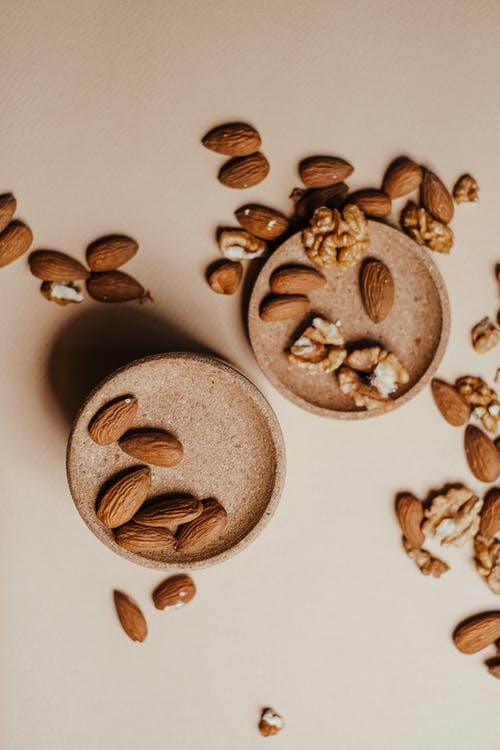
Almonds

Almonds contain vitamins, minerals, protein, and fiber, and so they may offer a number of health benefits. Just a handful of almonds (approximately 1 ounce) contains one-eighth of a person’s daily protein needs.
Almonds can be taken raw or toasted as a snack or add them to sweet or savory dishes. They are also available sliced, flaked, slivered, as flour, oil, butter, or almond milk.

BENEFITS OF ALMONDS

1) Almond and Cholesterol: Almonds are high in fat, but it is unsaturated fat. This type of fat does not increase the risk of low-density lipoprotein (LDL) or “bad” cholesterol. In moderation, the American Heart AssociationTrusted (AHA) note that unsaturated fats may improve a person’s blood cholesterol status. In addition, almonds contain no cholesterol. Consuming almonds may increase vitamin E levels in the plasma and red blood cells which lower overall cholesterol levels. Vitamin E is an antioxidant that can help stop the oxidization process that causes cholesterol to clog the arteries. Nutrients in almonds may help boost or maintain levels of high-density lipoprotein (HDL) or “good” cholesterol. It is advised that 45 grams (g) of almonds should be consumed per day to protect heart health.

2) Almonds and cancer risk:
It is a protective factor for the development of breast cancer.

3) Almonds and heart disease:
It helps to improve lipid, or fat, levels in the blood. This can benefit heart health. Almonds significantly increased the levels of antioxidants in the bloodstream, reduced blood pressure, and improved blood flow.

4) Almond and vitamin E:
Vitamin E and other antioxidants help prevent oxidative damage in the body. This damage can occur when too many free radicals accumulate. Free radicals result from natural bodily processes and environmental stresses. The body can eliminate many of them, but dietary antioxidants help remove them, too. High levels of free radicals can cause oxidative stress, resulting in damage to cells. This can lead to various diseases and health problems. Almonds are high in antioxidants that can protect your cells from oxidative damage, a major contributor to aging and disease.

5) Almond and blood sugar:
Almonds are extremely high in magnesium, a mineral that many people don’t get enough of. High magnesium intake may offer major improvements for metabolic syndrome and type 2 diabetes.

6) Almonds help manage weight: It is low in carbohydrates but high in protein, healthful fats, and fiber. Feeling full can help people lose weight, as they will be less tempted to seek more snacks.

7) Almonds boost bone health: Almonds contain calcium, magnesium, manganese, copper, vitamin K, protein, and zinc, all of which contribute to bone health.

In other words, a handful of almonds a day can keep the doctor away! ?


Written by: Samuel Sobiye

Cinnamon & Its Benefits!

What is Cinnamon?
Cinnamon is the inner back of several trees bearing aromatic spices scientifically know as Cinnamonum genus.
Types of Cinnamon:
There are basically four main types of  Cinnamon namely;
– Ceylon Cinnamon also known as Verum or True Cinnamon.
– Cassia Cinnamon or Saigon Cinnamon.
– Korintage Cinnamon which is also know as Burmanni Cinnamon.
– Loureiroi Cinnamon also referred to as Royal Cinnamon.
It originated from Sri Lanka, and mostly cultivated or found in North America, Southern Asia and parts of Europe and Africa Egypt precisely.
It has a thick hard layer which is either dark or light brownish in color.
Cinnamon can be reproduced or converted into the following forms:
– Sticks
– Essential Oil
– Extracts
– Supplements
– Powder (which is mostly used in cooking and spicing ).
Health benefits of Cinnamon:
Cinnamon is one of the healthiest spices as health and nutritional effects have been found to manange the following:
– Helps in the reduction of weight as well as heart related diseases as it contains little or no fat ( reduction of total cholesterol);
Bad ‘LDL’ cholesterol and triglycerides, while good ‘HDL’ cholesterol remains stable.
– It is also beneficial in effects of Neuro degenerative diseases like Alzheimer’s and Parkinson’s disease. A compound found in cinnamon helps build up protein called TAU in the brain cells which is good for reducing Alzheimer’s.
– Also helps to protect against Cancer and other oxidative damages due to its powerful Antioxidants effects like (Polyphenol) as well as for fighting Bacteria and Fungi infections like tooth decay and bad breath due to Antibacterial and Antimicrobial effects.
– It’s Anti-inflammatory effect helps to relive soreness and pain.
Also traces of Vitamin B and k and the antioxidants choline, beta-carotene, alpha- carotene, lycopene, lutein and zeaxanthin which is good for the eyes, skin.
– Its essential oil which is gotten from the leaf of Cinnamon can be used for flavour, fragrance and sometimes used as antiseptic due to its high Eugenol concentrate as well as its root bark that contains camphor.
– More-so, cinnamon is converted into Powdery form mixed with milk as well as Supplements like pills and capsules  helps to boost sexual libido and sperm count as well as fight erectile dysfunction.
Toxicity:
Excessive intake of Cinnamon cassia could be harmful especially with persons with liver related problem; as it contains Coumarin which is a known cause of liver infection or damages.
Note – it is advisable to take it proportionately.
Summarily, Cinnamon has been credited with the Antibacterial, Anti-microbial, Antioxidants and Anti-inflammatory properties for fighting managing and ailments and diseases.
Conclusively, helps in promotion of health and wellbeing!
References: Webmd, Cleveland clinic
Written by: Amanda Onyemmah

Diarrhoea and Foods to Avoid When Purging

Diarrhoea is one of the most common health complaint (infection) amongst people of every social class.
It is an abnormal or unusual discharge of loose or watery stool by infection in the gastro-intestinal tract line as a result of contamination of food or drink taken; or other health challenges.

There are three main forms that diarrhoea presents and it includes:
Watery, fatty form as a result of malabsorption and inflammatory form (blood and pus) in stool.

CAUSES OF DIARRHOEA:
Diarrhea is caused due to the following reasons;
– Infestation of food or drinks by bacteria and viral parasites.
– Malabsorption (intolerance and/or allergy to what one consumes)
– Laxative abuse
– IBS (Irritable bowel syndrome)
– IBD (Inflammatory bowel disease) like colon, gall bladder cancer etc as well as autoimmune medicated inflammatory disease that can affect any part of the gastro intestinal tract that is from mouth to anus.
– Reaction to certain medications example (Radiotherapy/ chemotherapy).

SYMPTOMS OF DIARRHEA:
– Frequent urge for bowel movement
– Abdominal pain and cramp
– Tiredness and fatigue

FOODS TO AVOID WHEN PURGING:
It is very important to avoid these foods when purging;
– Dietary products like milk as well as fatty and greasy food.
– Carbonated drinks like soda, seltzer.
– Legumes and vegetables
– Beans
– Spicy dishes as well as some fruits like cherries, pineapple and grapes.

While it is also good that we take food rich in fiber like Whole wheat bread, flaxseed, Natural coconut water, cooked cereals like wheats and oats etc.
Summarily, it is important we note that diarrhea can be mild, temporal or life threatening as the case were; and as such, it is always important to seek medical care when we observe any changes in our system.


Written by: Amanda Onyemmah

Add to cart