Lansoprazole vs Omeprazole

Omeprazole and Lansoprazole belong to a family of drugs called proton pump inhibitors. Either one might be prescribed as an acid reflux treatment.

What causes inflammation of the stomach?

The stomach naturally produces acid in order to aid food digestion and to kill bacteria.

However as this acid is an irritant, a mucus layer is needed to line the stomach in order to provide protection from damage caused by the acid.

When this layer is broken down, inflammation and ulceration of the stomach may occur and could develop further to more serious conditions if not treated. Patients taking Non-Steroidal Anti Inflammatory Drugs (NSAIDs) such as Ibuprofen or Naproxen may also experience these symptoms.

Other conditions include Gastro-Oesophageal Reflux Disease (acid reflux) whereby acid can escape into the oesophagus leading to heartburn and/or oesophagitis.

What are PPIs?

Proton pump inhibitor (PPI) drugs such as Lansoprazole and Omeprazole are designed to prevent too much acid from being produced by the cells lining the stomach. This will counteract the formation of ulcers, reduce acid reflux and aid the healing procedure.

Lansoprazole vs Omeprazole: What’s the difference?

There have been many debates into the differences between Lansoprazole and Omeprazole. Both can be used as an effective acid reflux treatment; they are from the same family of drugs. However, although from the same family, there are slight differences that may need to be considered when taking these drugs.

Lansoprazole

Lansoprazole has been known to be the more effective acid reflux treatment and in some cases, considered faster acting. However, antacids such as Gaviscon can reduce the absorption of this medicine from the gastrointestinal tract and may decrease its efficiency. Therefore, Lansoprazole should not be taken within an hour of taking antacids.

You should also consult your doctor if you are anaemic or iron- deficient when taking Lansoprazole. This is because when there is a reduction in acid in the stomach, the absorption of iron and ferrous sulphate is affected; thus reducing the efficacy of these drugs.

Recommended Lansoprazole dosage

Lansoprazole is typically prescribed for once a day usage at 15mg – to be ingested at the same time each morning. Aim to take lansoprazole at least 30 minutes before eating food for best results as taking with food can slow down the digestion of the medication.

Omeprazole

Just like Lansoprazole medication, Omeprazole medication aims to reduce the amount of acid made in your stomach. It’s another popular treatment for acid reflux. Omeprazole is most commonly consumed in tablet form, however, it can also come as a liquid.

Omeprazole may enhance the anti-clotting effects of the anticoagulant warfarin. You should check your INR levels (blood clotting time) before taking this medication and upon stopping it.

Recommended Omeprazole dosage

It is usually recommended that omeprazole is taken before a meal in a single 20mg dose.

The similarities between Lansoprazole and Omeprazole

With both medications, it has been suggested by recent studies that the risk of bone fractures is increased when taken on a long term basis. This can be managed by taking enough calcium and vitamin D to reduce this risk.

Lansoprazole & Omeprazole Side Effects

The majority of people do not experience noticeable side effects of omeprazole or lansoprazole. However, according to NHS guidelines, there are a number of mild side effects that may be experienced by some users taking either omeprazole or lansoprazole. As both PPI medications work in a similar fashion, their side effects are often the same.

More than 1 in 100 people are known to experience:

  • Headaches
  • Sick feeling
  • Diarrhoea
  • Vomiting
  • Constipation
  • Stomach pain

In addition to this, dizziness and fatigue are also known to be among the side effects of taking omeprazole.

While serious side effects are rare (typically affecting less than one in a thousand people), there are a number of issues associated with taking these medications. They include:

  • Joint pain accompanied by a red rash to the skin
  • Dark urine, tiredness and yellow skin – associated with liver problems brought on by omeprazole

In the event that someone taking Lansoprazole or Omeprazole experiences these symptoms, it is always advisable to consult a GP. If you have experienced an allergic reaction to either of these medications in the past or have a history of liver problems, it is important to mention this to your doctor before beginning a course of treatment.

How long does lansoprazole & omeprazole take to work?

Both lansoprazole and omeprazole typically take 2 to 3 days to have a noticeable effect on the body and in many cases, the medication will only need to be taken for a matter of weeks until the symptoms have subsided entirely.

Summary

Lansoprazole and Omeprazole are both very similar drugs that aim to tackle issues like acid reflux, heartburn, indigestion, gastroesophageal-reflux-disease (GERD) and stomach ulcers.

Both treatments will control the amount of acid being produced in your stomach, leading to a more comfortable lifestyle.

The main differences between the two treatments relate to recommended dosages – Lansoprazole typically requires a lower dosage to treat a problem effectively.


Written by: Ore Okebukunola
Anemia

What Is Anemia?

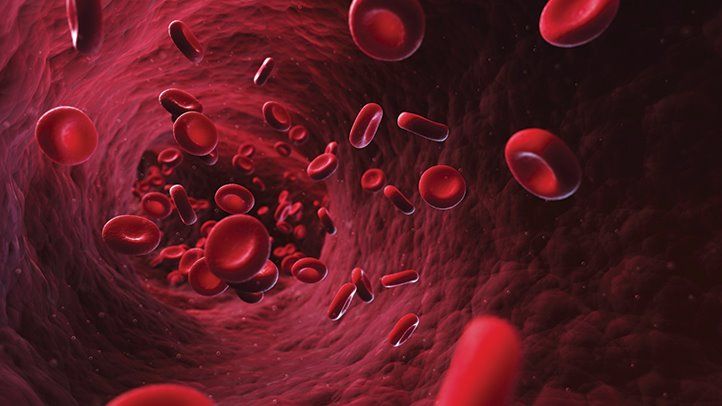
Anemia (or anaemia) is a condition in which the RBC count or hemoglobin levels drop below normal levels.

Anemia happens when your body doesn’t have enough healthy red blood cells. The condition is mainly caused by blood loss, the destruction of red blood cells, or your body’s inability to create enough red blood cells.

RBCs help transport oxygen to all parts of your body. Hemoglobin, an iron-rich protein present in RBCs, imparts the red color to the blood cells. It also helps bind oxygen, fight infections, and prevent blood loss by inducing blood clotting. Anemia results in less oxygen reaching various parts of your body. As a result, you develop the following symptoms;

  • Fatigue
  • Weakness
  • Paleskin
  • Shortness of breath
  • Cold hands and feet
  • Headache
  • Dizziness
  • Brain fog
  • Chest pain
  • Hairloss
  • Irregular heartbeat
  • Low stamina
  • Difficulty concentrating

Causes Of Anemia

A drop in RBC count or haemoglobin can occur due to three main reasons:

  • Your body is not producing enough RBCs.
  • RBCs are getting destroyed by your body.
  • Blood loss due to menstruation, injury, or other causes of bleeding.

Types Of Anemia

• Iron Deficiency Anemia

Iron deficiency anemia is the most common type of anemia. Iron is essential for human beings to produce hemoglobin. Blood loss,

poor diet, and your body’s inability to absorb iron from food can lead to iron deficiency. As a result, your body fails to produce enough hemoglobin, which leads to anemia.

• Aplastic Anemia

This type of anemia is caused when your body doesn’t produce enough red blood cells (RBCs). RBCs are produced in the bone marrow every 120 days. When your bone marrow fails to produce RBCs, the blood count falls and leads to anemia.

• Sickle Cell Anemia

Sickle cell disease, a serious blood disorder, causes sickle cell anemia. The red blood cells are flat disc-shaped or sickle-shaped in this type of anemia. The RBCs contain abnormal hemoglobin, known as the sickle cell hemoglobin, which imparts the abnormal shape to them. Sickle cells are sticky and can block blood flow.

• Haemolytic Anemia

This type of anemia is caused when the red blood cells are destroyed before their normal lifespan is over. The bone marrow is unable to produce new RBCs fast enough to meet the body’s demand.

• Vitamin B12 Deficiency Anemia

Like iron, vitamin B12 is also needed for the proper and adequate production of hemoglobin. Most animal products are rich in vitamin B12. But if you are vegetarian or vegan, you may have vitamin B12 deficiency. This can inhibit hemoglobin production

in your body, resulting in anemia. This type of anemia is also known as pernicious anemia.

• Thalassemia

Thalassemia is an inherited genetic disorder in which the body doesn’t create enough red blood cells. As a result, people with thalassemia can have mild to severe anemia.

• Fanconi Anemia

Fanconi anemia is a rare genetic blood disorder that leads to bone marrow dysfunction. Fanconi anemia prevents the bone marrow from producing enough RBCs. It can also cause the bone marrow to produce abnormal RBCs. This can result in cancer and affect the organs and tissues of your body. Children who inherit Fanconi anemia have birth defects.

• Blood Loss Anemia

Excessive bleeding during menstruation or bleeding caused by injury, surgery, cancer, or urinary tract or digestive tract dysfunction can lead to blood loss anemia.

Risk Factors Of Anemia

  • Women and children are more prone to developing anemia than men.
  • Anemia in pregnancy is common but should not be left untreated.
  • Candida infection can prevent your body from absorbing B vitamins, and vitamin B12 deficiency can lead to anemia.
  • Digestive issues like Crohn’s disease, ulcers, and IBS can cause anemia.
  • Taking pain medications frequently can also be a risk factor for anemia.
  • People over 65 years of age can develop anemia.

Diagnosis

Looking at the signs, symptoms, and risk factors of anemia, you may jump to the conclusion that you have anemia. That may not be true. Here’s how you can find out if you have anemia.

Here are the steps that your doctor will take to confirm if you have anemia.

  • Family History

Since a few types of anemia are genetic, your doctor may want to know if anyone in your family has anemia.

  • Physical Exam

Listen to your heart beat to know if there is any irregularity.

Listen to your lungs to check if your breathing is uneven.

Feel your abdomen to check the size of your spleen or liver.

  • Complete Blood Count

Complete blood count test checks your hemoglobin and hematocrit levels. It also checks RBCs, WBCs, platelet count, and Mean Corpuscular Volume (MCV).

  • Other Tests

Your doctor may ask you to get a reticulocyte test (number of young RBCs)

Natural / Home Remedies To Treat Anaemia

A diet rich in iron, B vitamins, and vitamin C is recommended for anemia. Be sure to talk to your healthcare provider about supplements as well.

The best diet plan for anemia includes foods rich in iron and other vitamins essential to hemoglobin and red blood cell production. It should also include foods that help your body absorb iron better.

There are two types of iron in foods: heme iron and nonheme iron.

Heme iron is found in meat, poultry, and seafood. Nonheme iron is found in plant foods and foods fortified with iron. Your body can absorb both types, but it absorbs heme iron more easily.

The Recommended Daily Allowance (RDA) for iron is 10 milligrams (mg) for men and 12 mg for women.

Although anemia treatment plans are individualized, most require 150 to 200 mg of elemental iron daily. You’ll likely need to take prescription iron or an over-the-counter iron supplement until your levels are replenished.

Add these foods to your diet to get more iron and help fight iron deficiency anemia:

1. Leafy greens

Leafy greens, especially dark ones, are among the best sources of nonheme iron. They include:

  • spinach
  • kale
  • collard greens
  • dandelion greens
  • Swiss chard

Some leafy greens such as Swiss chard and collard greens also contain folate. A diet low in folate may cause folate deficiency anemia. Citrus fruits, beans, and whole grains are good sources of folate.

When eating dark, leafy greens for iron, there’s a catch. Some greens high in iron, such as spinach and kale, are also high in oxalates. Oxalates can bind with iron, preventing the absorption of nonheme iron.

So while it’s beneficial to eat your greens as part of an overall anemia diet, don’t depend on them solely to treat the condition.

Vitamin C helps your stomach absorb iron. Eating leafy greens with foods that contain vitamin C such as oranges, red peppers, and strawberries may increase iron absorption. Some greens are good sources of both iron and vitamin C, such as collard greens and Swiss chard.

2. Meat and poultry

All meat and poultry contain heme iron. Red meat, lamb, and venison are the best sources. Poultry and chicken have lower amounts.

Eating meat or poultry with nonheme iron foods, such as leafy greens, along with a vitamin C-rich fruit can increase iron absorption.

3. Liver

Many people shy away from organ meats, but they’re a great source of iron.

Liver is arguably the most popular organ meat. It’s rich in iron and folate. Some other iron-rich organ meats are heart, kidney, and beef tongue.

4. Seafood

Some seafood provides heme iron. Shellfish such as oysters, clams, scallops, crabs, and shrimp are good sources. Most fish contain iron.

Fish with the best levels of iron include:

  • canned or fresh tuna
  • mackerel
  • mahi mahi
  • pompano
  • fresh perch
  • fresh or canned salmon. Although canned sardines are good sources of iron, they’re also high in calcium. Calcium may bind with iron and reduces its absorption. Foods high in calcium shouldn’t be eaten at the same time as iron-rich foods. Other examples of calcium-rich foods include:
  • dairy milk
  • fortified plant milks
  • yogurt
  • kefir
  • cheese
  • tofu

5. Fortified foods

Many foods are fortified with iron. Add these foods to your diet if you’re a vegetarian or struggle to eat other sources of iron:

  • fortified orange juice
  • fortified ready-to-eat cereals
  • foods made from fortified refined flour such as white bread
  • fortified pasta
  • foods made from fortified cornmeal
  • fortified white rice

6. Beans

Beans are good sources of iron for vegetarians and meat eaters alike. They’re also inexpensive and versatile.

Some iron-rich options are:

  • kidney beans
  • chickpeas
  • soybeans
  • black-eyed peas
  • pinto beans
  • black beans
  • peas
  • lima beans

7. Nuts and seeds

Many types of nuts and seeds are good sources of iron. They taste great on their own or sprinkled on salads or yogurt. Some nuts and seeds that contain iron are:

  • pumpkin seeds
  • cashews
  • pistachios
  • hemp seeds
  • pine nuts
  • sunflower seeds

Both raw and roasted nuts have similar amounts of iron.

Almonds are also a good source of iron. They’re great as part of a healthy eating plan, but since they’re also high in calcium, they may not increase your iron levels that much.

Takeaway

No single food will cure anemia. But eating an overall healthy diet rich in dark, leafy greens, nuts and seeds, seafood, meat, beans, and vitamin C-rich fruits and vegetables can help you get the iron you need to manage anemia.

Be sure to discuss supplements with your healthcare provider because it’s difficult to get enough iron from diet alone.

When following a diet plan for anemia, remember these guidelines:

  • Don’t eat iron-rich foods with foods or beverages that block iron absorption. These include coffee or tea, eggs, foods high in oxalates, and foods high in calcium.
  • Eat iron-rich foods with vitamin C-rich foods, such as oranges, tomatoes, or strawberries, to improve absorption.
  • Eat iron-rich foods with foods that contain beta carotene, such as apricots, red peppers, and beets, to improve absorption.
  • Eat a variety of heme and nonheme iron foods throughout the day to up your iron intake.
  • Eat heme and nonheme iron foods togetherwhenever possible to increase iron absorption.
  • Add foods rich in folate and vitamin B-12 to support red blood cell production.


Written by: Ore Okebukunola


Brain Health

Brain health is a critical piece of your overall health. It underlies your ability to communicate, make decisions, problem-solve and live a productive and useful life. Because the brain controls so much of daily function, it is arguably the single most valuable organ in the human body.

The brain is a complex and fascinating organ that should be taken care of from the time in utero to the life you live today and beyond. Unfortunately, there are a lot of conditions that can impact brain health:

  1. Vascular diseases
  2. Degenerative diseases
  3. Brain tissue injuries
  4. Inflammation
  5. Malnutrition and vitamin deficiencies
  6. Immune-mediated diseases
  7. Mental health

NATURAL WAYS TO IMPROVE BRAIN HEALTH:

  • Exercise
    Regular exercise has been shown to slow age-related brain deterioration and maintain cognitive abilities that typically decrease with age. Exercise also helps lower blood pressure, avoid vascular disease leading to stroke and helps maintain a healthy supply of blood pumping to the brain. Exercising is as easy as going for a walk, playing a sport or attending an exercise class, among many others.
    Mental exercise is just as important as physical exercise. Examples of mental exercises include logic-strengthening education and puzzles. Games such as chess and sudoku use strategic thinking.
  • Sleep
    Sleep plays an important role in brain health. Humans spend about one-third of each day sleeping, and sleep is key to brain health. Sleep plays an important role in the function of the brain, the immune system and many other systems in the body. Sleep keeps you sharp, focused and able to make thoughtful decisions. While different age groups require different amounts of sleep, the general recommendation is around six to seven hours a night. This consistent, restful sleep gives your brain time to dispose of metabolic waste and optimise memory.
  • Diet
    In the same way that diet is important for the entire body, it’s important for the brain. A balanced diet that includes a variety of fruit, vegetables, protein and whole grains nourishes the body and brain. A diet rich in processed foods, salt and refined sugars, however, can promote inflammation and vascular disease, resulting in tissue damage.
  • Environment
    Your environment can also influence brain health. Environmental toxins include contaminants in water, food and the air. These toxins can all lead to neurological issues such as stroke, neurodevelopmental and neurodegenerative disorders.
  • Access to Care
    The availability and accessibility of care and exposure to preventative programs are important for brain health. Access to care makes it possible to catch issues early, ensure proper treatment and prevent further health issues. When healthcare is not accessible, brain health is impacted.
  • Avoid tobacco
    Avoid tobacco in all its forms.
  • Care for your emotions
    People who are anxious, depressed, sleep-deprived, or exhausted tend to score poorly on cognitive function tests. But good mental health and restful sleep are certainly important goals.
  • Build social networks
    Strong social ties have been associated with a lower risk of dementia, as well as lower blood pressure and longer life expectancy.

When you care for your brain, you are as well caring for your mental health!

Source: Health.harvard.edu
Written by Sarah Amah.

Dementia and ways to prevent it!

Dementia is a progressive neurodegenerative disease that involve loss of memory, difficulty in thinking and performing familiar tasks. It is an incurable disease but can be managed with treatments.
It has been concluded in studies that it is strongly linked with age; as it is common among people over the age of 65 but it can also affect people of younger ages. It is mostly diagnosed at age 45.
Symptoms include forgetfulness, losing track of time, becoming lost in familiar places or even in ones home, difficulty in communication, difficulty in walking, behavioral changes like repeated questioning.
Studies have shown that risk of dementia can be reduced by
Self care:
1. Abstaining from smoking and heavy drinking.
2. Controlling weight and eating healthy diets (consume green leafy vegetables).
3. Maintaining healthy blood pressure, cholesterol and blood sugar level.
4. Being physically active, engage in walking, running or any other recreational activity.
5. Staying mentally alert and cognitive training by learning new hobbies, reading, solving puzzles and playing challenging games.
Intake of supplements and vitamins that helps boost memory:
1. Co enzyme Q10 (CoQ10).
2. Alpha lipoic acid.
3. Omega 3’s.
4. Acetyl-L-carnitine.
5. Ginkgo biloba.
6. Vitamin C taken with Vitamin E.
7. Vitamin B12 with folic acid.

Both self care and use of vitamins and supplements should not be taken lightly in prevention of dementia as they work hand in hand.

Written by: Ololade Oduyomi

Creamy Mango Lassi Recipe

Creamy and tangy Mango Lassi is a classic summer treat, that’s easy to make too!

Ingredients:

  • 400 g fresh mango about 3 – 4 mangoes, depending on the size. Preferably chilled. Frozen is fine too.
  • 200 – 250 g full fat yogurt chilled (greek yogurt is fine too).
  • ¼ tsp ground cardamom adjust to your taste
  • ¼ tsp sea salt I use ½ tsp because I like this drink to be a touch salty
  • Sugar to taste
  • Water or milk to dilute I prefer water

Instructions:

  • Peel and cut the mangoes into chunks.
  • Place the mango chunks and yogurt in a blender, and blend until smooth. Depending on your blender, you may need to blend the mango chunks first before adding the yogurt.
  • Add the cardamom and salt, and about 2 tbsp sugar, and blend again.
  • Taste and add more sugar to taste.
  • Add enough water to dilute the mixture into a pourable but thick consistency (thinner than a smoothie).
  • Refrigerate the mango lassi until chilled.
  • Serve as is, or with a sprinkle of cardamom on top.

Nutrition Information:

Serving: 1glass
Calories: 99kcal (5%)
Carbohydrates: 18g (6%)
Protein: 3g (6%)
Fat: 2g (3%); Saturated Fat: 1g (6%); Cholesterol: 8mg (3%)
Sodium: 175mg (8%)
Potassium: 266mg (8%)
Fiber: 2g (8%)
Sugar: 17g (19%)
Vitamin A: 1144IU (23%)
Vitamin C: 37mg (45%)
Calcium: 87mg (9%)
Iron: 1mg (6%)
Reference: Theflavorbender
Written by: Omojo Emeje

Overnight Yeasted Waffles!

These super easy to make Overnight Yeasted Waffles are guaranteed to be your favorite waffles ever! Crisp on the outside, and fluffy and moist on the inside. Plus, these Brussels waffles have great flavor, and can be made ahead of time.

Ingredients:

  • 600 mL milk 2 ½ cups, lukewarm
  • 1 tbsp honey
  • 7 g active dry yeast 2 ½ tsp
  • 250 g flour about 2 cups, measured by spoon and level method
  • 90 g cornstarch about cup, measured by spoon and level method
  • 115 g unsalted butter melted, 1 stick / ½ cup butter
  • 1 ¼ tsp sea salt
  • 2 large eggs
  • ½ tsp baking soda
  • 2 tsp water room temperature

To serve

  • Fruit toppings
  • Whipped cream
  • Maple syrup

Instructions:

Activate the yeast

  • Place the warm milk in a bowl (see recipe notes). Whisk the honey in the milk to dissolve.
    600 mL milk, 1 tbsp honey
  • Sprinkle the yeast over the lukewarm milk, and mix gently.
    7 g active dry yeast
  • Allow the yeast to activate for about 10 – 15 minutes.

Make the batter

  • Place the milk with the activated yeast in a very large bowl. Add the flour, cornstarch, butter, and salt. Whisk to combine well, and make sure there are no dry lumps. You can also use an electric mixer, but I usually use a manual balloon whisk.
    250 g flour, 90 g cornstarch, 115 g unsalted butter, 1 ¼ tsp sea salt
  • Cover and let it sit in the fridge overnight (for best results), or up to 24 hours.
  • The batter will at least double in size by the following morning. Do not deflate the batter at this point.

The next morning

  • In a bowl, mix the room temperature water and baking soda.
    ½ tsp baking soda, 2 tsp water
  • Add the 2 eggs, and whisk the eggs really well.
    2 large eggs
  • Add about ½ – ¾ cup of the waffle batter into the egg mixture, and mix really well.
  • Pour the egg mix into the rest of the batter mixture, and gently stir / fold it in until there are no egg streaks in the batter. Be careful not to deflate the batter too much.
  • The yeasted waffle batter is now ready to be used.

Making the waffles

  • Preheat the waffle iron well, and brush the plates with butter or oil.
  • Using a ladle or ice cream scoop, add the batter into the waffle iron. Make sure you are not overfilling it (adjust the amount after making one test waffle at the start).
  • Cook the waffle until dark golden brown in color and crisp.
  • Carefully remove the waffle from the waffle maker and let it cool on a wire rack.
  • If needed, place the cooked waffles in an oven, at the lowest heat setting, to keep them warm until they are served.
  • Serve with your favorite toppings.
    Fruit toppings, Whipped cream, Maple syrup


Reference: Theflavorbender

Written by: Omojo Emeje

Homemade Croissants for Breakfast!

Get ready folks, here’s ALL you need to know about how to make Homemade PERFECT, AUTHENTIC French Croissants! With step by step, detailed instructions to troubleshoot and to ensure you get the best, crisp, flaky croissants!

What You Need:

  • 1 large parchment paper, enough to cover a 5 x 6.5 inch block (1st parchment paper for the butter block)
  • 1 large parchment paper, about 14 x 10 inches, folded in half to form a 7 x 10 inch paper (2nd parchment paper for the dough)
  • Plastic wrap
  • Heavy rolling pin
  • 1 quarter sheet pan
  • 1 half sheet pan
  • A ruler with cm and inch markings. I like to use a heavy steel ruler with clean, precise edges.
  • A sharp paring knife
  • A sharp knife or pizza cutter
  • Pastry brush (preferably one large, one small)

Détrempe

  • 85 g milk ( cup) lukewarm
  • 60 g water (¼ cup) lukewarm
  • 6 g active dry yeast (about 2 tsp)
  • 5 g honey (1 tsp) malt syrup, OR use sugar if you have neither
  • 25 g butter (1 ½ tbsp) melted and cooled
  • 20 g white sugar (generous 1 ½tbsp)
  • 250 g AP flour (2 cups, spoon and leveled)
  • 5 g salt (about 1 tsp)

Tourrage

  • 140 g butter (10 tbsp)

Egg wash – whisk these ingredients until very smooth

  • 1 egg yolk
  • 2 tbsp milk and/or cream

Instructions:

Détrempe

  • Dissolve the honey in the milk in a mixing bowl, and then whisk in the yeast. Set aside for the yeast to activate for about 10 – 20 minutes.
  • Add the rest of the ingredients into the bowl in the order listed in the ingredients list. Stir with a spatula or spoon to mix it into a scraggly dough.
  • Using your hand, knead the dough for about 1 – 2 minutes until a scraggly dough is formed.
  • Take the dough out of the bowl and knead it on a work surface until smooth – about 4 minutes. You shouldn’t have to put too much effort into kneading here because it isn’t a very stiff dough. Place the dough back in the mixing bowl and cover with plastic wrap.
  • Keep the bowl in a warm place, and proof until at least doubled in size (this can take about 1 hour).
  • After the first proof, turn the dough out onto a lightly floured surface and flatten it to knock out the air. Transfer the dough onto the second parchment paper and shape it into a rectangle. Fold the other half of the parchment paper over the dough, forming a 7 x 10 inch case. Use a rolling pin to roll out the dough to fit the 7 x 10 inch square. (It doesn’t have to fill the 7 x 10 inch square perfectly, just as closely as possible).
  • Cover the parchment paper encased dough well in plastic wrap, and place it in a quarter sheet pan. Freeze for at least a few hours, or overnight.

Tourrage (butter block)

  • Slice the cold butter into thin slices.
  • Arrange them on the 1st parchment paper, within the 5 x 6.5 inch marked rectangle (see picture in the post). Fold the parchment paper over to enclose the butter.
  • Using a rolling pin, firmly hit the butter to make it more pliable. Then, using the rolling pin, roll out/spread the butter inside the parchment paper.
  • Make sure to roll the butter out into the corners, but also keep the butter evenly thick.
  • Transfer this butter block into the fridge until completely hardened (or overnight).

Enclosing the butter

  • IMPORTANT – when laminating the butter and dough, it’s REALLY crucial that they both have similar pliability and are cold. If my dough is frozen solid, I keep it at room temp. for about 30 minutes to let it soften slightly, before starting the lamination process.
  • The butter block is removed from the fridge just before lamination, but made pliable by knocking a rolling pin against it repeatedly. It should remain cold.
  • Remove the parchment paper from the dough and place it on an un-floured (or very lightly floured) work surface. If it’s not quite a 7 x 10 inch rectangle, roll it out to the correct size, making sure it’s still evenly thick.
  • Unwrap the parchment paper from the butter block, but keep the butter still attached to the parchment paper.
  • Place the butter block on one half of the dough. There should be a very small border around the butter block and it should still have the parchment paper on top. Once the butter is correctly in place, pat it onto the dough to let it “bind” to the dough. Carefully peel off the parchment paper.
  • Fold the dough over the butter, end to end, completely enclosing the butter. Press the edges to seal the butter inside the dough. Pat the dough again to help the butter “bind” to the dough.
  • The dough should still be very cold. If it isn’t, wrap it and put it back in the fridge for about 30 minutes.

First lamination – double fold

  • Generously flour your work surface and dough. Place the dough on the work surface and using the rolling pin, gently press, along the length of the dough, to make sure the butter is pliable.
  • While maintaining the 5 inch (12.7 cm) width (short end), roll out the dough to a length of approximately 16 inches (40 cm).
  • Use flour as needed to make sure the dough doesn’t stick to the counter, and use your hands to keep the width even and straight. (You can also gently lift the dough as you roll to make sure it isn’t sticking to the countertop).
  • Work quickly to keep the dough and butter cold. If the butter softens too much, return the dough to the fridge or freezer.
  • Brush off excess flour on the work surface using a large pastry brush. Trim just a little piece of dough along the edges, to make the width straight.
  • Fold in about 1/8th of the dough towards the middle (about 2 – 3 inches). Bring the other end to meet the folded end. Make sure the two ends are as close together as possible with no gaps. Using a paring knife, make small cuts at the four corners of the folds to release the tension (4 cuts; please see pictures in the post).
  • Brush off excess flour on the surface of the dough. Now, fold the dough in half. Firmly tap the dough to keep the shape. Again, make cuts at the corners of the fold (2 cuts).
  • Wrap the dough with plastic wrap and refrigerate for at least 30 minutes (60 minutes is even better).

Second lamination – single fold

  • Generously flour the work surface and place the dough on it. Gently press into the dough with a rolling pin along the length of it to make sure the butter inside is pliable.
  • Keeping the short end as the width (4 inches / 10 cm), roll out the dough to 15 inches (38 cm). As you roll out the dough, make sure the final width is kept to about 5 inches. Also make sure the dough isn’t sticking to the work surface, and the width is straight and even.
  • Brush off excess flour from the surface of the dough using a pastry brush.
  • Fold in ⅓ of the dough towards the center (about 5 inches / 12.7 cm). As before, cut the corners of the fold with a paring knife to release tension.
  • Brush off excess flour again, and fold the other edge of the dough OVER the first fold. Cut the folded corners with a paring knife to release tension.
  • Wrap the dough in plastic wrap and refrigerate for another 30 minutes (preferably 60 minutes).

Sheeting the dough

  • Place the dough on a well-floured surface – the edge where you can see all the folds should be facing you.
  • Gently press the dough with a rolling pin along the length of it to make the dough and butter pliable.
  • Roll out the dough to about a 1 cm thickness (with an 8 – 9 inch width at the edge facing you).
  • Wrap the dough and refrigerate for about 30 – 45 minutes to allow the gluten to rest.
  • Roll out the rested dough to about a 4 – 5 mm thickness. Use flour to make sure the dough doesn’t stick to the surface.
  • I like to keep a width of about 9.5 – 10 inches (23 – 24 cm) and roll it out to a 4 – 5 mm thickness. Again, make sure the dough isn’t sticking to the work surface BEFORE you starting cutting the dough in the next step.
  • If, at any point, the dough becomes too soft or starts to shrink, wrap it and return it to the fridge for at least 30 minutes.

Cutting the dough

  • Cut a very thin strip along the long edges of the dough to have a width of 9 inches / 23 cm. Make sure the edges are straight and even. Use a pizza cutter or a sharp knife. Avoid dragging the knife along the dough as you cut it, as this can distort the dough. Simply press the knife or pizza cutter straight down to cut.
  • Along one of the long edges, make 3.5 inch / 9 cm markings. Then make 9 cm markings on the opposite edge as well, BUT these markings will be halfway between the markings along the first edge.
  • Use the ruler and a small sharp knife to connect the markings on the two sides with straight lines.
  • Using the marked lines as a guide, cut the dough with a pizza cutter or a sharp, long knife. You should end up with about 6 triangles, and a leftover piece.

Rolling up the croissant + proofing

  • Brush off excess flour from both sides of the dough triangle and keep it on the work surface.
  • Make a 1 cm cut at the mid point along the base of the triangle. Roll up the base, while gently pulling at the two corners to make the base slightly wider. (The cut that was made along the middle of the base helps with this.)
  • Once you have rolled up the base once, then you can roll up the croissant the rest of the way more easily. Make sure the tip of the triangle is properly centered the whole way.
  • Also make sure not to roll out the croissant too tightly or too loosely.
  • Place the rolled up croissant dough on the lined half sheet baking pan (6 on a tray), while making sure the tip of the croissant triangle is placed under the croissant. Gently press on the croissant to seal the tip at the bottom into the dough (take care not to squash the croissant!).
  • Cover with plastic wrap, and another half sheet pan on top. Make sure there’s plenty of space within the baking pans so that proofed croissants don’t stick to the half sheet pan on top.
  • Proof the croissants (somewhere that is about 25°C / 77°F) until doubled in size. The time can vary depending on the weather. I proof mine inside an oven with just the light turned on, and it still takes me between 2 – 3 hours.
  • The croissants have proofed if they have doubled in size, look very pillowy, and will jiggle a little when you give the sheet pan a shake.
  • Preheat the oven to 375°F /190°C, at least 30 minutes before baking the croissants.

Baking the croissants

  • Brush with an egg wash (use a soft, small pastry brush, because the croissants are very delicate at this stage). Bake at 375°F / 190°C (conventional oven) for about 20 minutes until golden brown. Turn the tray once halfway through the baking time, if needed.
  • Remove from the oven and let them cool for a few minutes before transferring the croissants onto a cooling wire rack. Then let them cool down further to allow the insides to set (otherwise the croissants will be too soft).

Nutrition Information:

Serving: 1croissant 
Calories: 376kcal (19%)
Carbohydrates: 37g (12%)
Protein: 5g (10%)
Fat: 23g (35%); Saturated Fat: 14g (88%); Cholesterol: 61mg (20%)
Sodium: 527mg (23%)
Potassium: 73mg (2%)
Fiber: 1g (4%)Sugar: 5g (6%)
Vitamin A: 710IU (14%)
Calcium: 28mg (3%)
Iron: 2mg (11%)
Reference: Theflavorbender
Written by: Omojo Emeje

Diabetes and its Natural Remedies

Diabetes is a lifelong condition that affects the blood sugar and insulin levels in the body. Treatments include lifestyle strategies and sometimes medication, but some complementary therapies, such as herbs and supplements, may help.

In diabetes, the body either does not produce enough insulin, or it produces insulin that it does not use effectively.

Herbs and supplements cannot cure diabetes and or be a standalone treatment. But some, in combination with conventional treatment, may provide relief from diabetes symptoms and reduce the risk of complications.

In this article, learn about seven herbs and supplements that may benefit people with type 2 diabetes.

1. Aloe vera

Aloe vera is a common plant with various uses. Many people are aware of its benefits for the skin, but it may have others, including slowing the progress of type 2 diabetes.

One review, published in 2013, looked at the use of aloe vera to treat symptoms of diabetes in rats. The findings suggested that aloe vera might help protect and repair the beta cells in the pancreas that produce insulin. The researchers believed that this might be due to aloe’s antioxidant effects.

A 2016 study showed that aloe vera may help lower levels of both fasting blood glucose and hemoglobin A1C. The A1C test is one test that helps doctors diagnose and monitor diabetes.
The authors of a 2020 review found other evidence to support the earlier findings and also concluded that aloe vera may help:

  • increase insulin levels
  • boost the health and number of related cells in the pancreas

    called islets

  • protect against diabetic kidney disease, depression, and anxiety by reducing oxidative stress
  • boost eye health, as seen in one rodent study

These results appear promising. But ensuring that aloe vera is safe and effective for people with diabetes will
require further research.

People who use aloe vera may add juiced pulp to a drink such as a smoothie or take it as a supplement in capsules. People should not ingest aloe vera skin care products.

Anyone interested in using aloe vera products to help treat diabetes should speak with a healthcare professional, who may need to adjust current medications accordingly.

2. Cinnamon

Cinnamon is a fragrant spice that comes from the bark of a tree. It is a popular ingredient in sweets and baked goods, as well as some savory dishes.

This spice may add sweetness to a dish, limiting the need for sugar. It is popular among people with type 2 diabetes for this reason alone, but it may also have other benefits.

A 2010 study found evidence from studies in humans that cinnamon may improve levels of:

  • glucose insulin and insulin sensitivity
  • lipids,orfats,intheblood
  • antioxidants
  • bloodpressure
  • leanbodymass
  • digestion

In another study, published in 2013, researchers concluded that taking a cinnamon supplement might lead to:

  • lower fasting blood glucose levels
  • less total cholesterol and “bad” low-density lipoprotein cholesterol
  • higher levels of “good” high-density lipoprotein cholesterol
  • a reduction in triglycerides, or fat, in the blood
  • increased insulin sensitivity

It did not appear to have a significant impact on hemoglobin A1C. But while hemoglobin A1C is one marker that doctors look at when monitoring diabetes, the levels of lipids, cholesterol, and insulin sensitivity are also important.

In both investigations, the researchers noted that the results may depend on:

  • the type of cinnamon, as different types contain different amounts of the active ingredient
  • the dosage of the supplement
  • individual responses
  • any other current medications

In addition, a 2019 review of 16 studies found evidence that cinnamon could help reduce fasting blood glucose and insulin resistance in people with prediabetes and type 2 diabetes.

It is important to note that, overall, most of the relevant studies did not involve human participants. There is a lack of evidence

about how cinnamon supplements might affect people, and before scientists can confirm the effects of cinnamon as a treatment, they need to carry out more research.

People might use cinnamon:

  • in baked goods
  • in teas
  • as a supplement

Anyone who is thinking of using cinnamon supplements should speak with a healthcare professional first.

3. Bitter melon

Momordica charantia, or bitter melon, is a medicinal fruit. People cook it and enjoy it in many dishes. And practitioners of traditional Chinese and Indian medicines have used bitter melon for centuries. More recently, researchers have been looking into its properties.

There is some evidence that bitter melon may help manage diabetes. In a 2020 study, 90 participants received either bitter melon extract or a placebo. Those who took the extract had lower fasting blood glucose levels after 12 weeks.

In addition, an earlier review observed that people have used many parts of the plant to help treat diabetes.

Taking bitter melon in the following forms may lead to reduced blood sugar levels in some people:

  • seeds
  • blended vegetable pulp
  • juice
  • supplements

Bitter melon can be an acquired taste, and taking supplements may make it more palatable.

Please note that there is not enough evidence to support using bitter melon instead of insulin or other medications for diabetes. However, it may help people rely less on those medications.

4. Milk thistle

People have long used milk thistle to treat different ailments, and especially as a tonic for the liver.

Silymarin, the extract from milk thistle that has received the most attention from scientists, is a compound with antioxidant and anti- inflammatory properties. These are what may make milk thistle a useful herb for people with diabetes.

Many results of investigations into the effects of silymarin have been promising, but not promising enough for experts to recommend the herb or its extract alone for diabetes care, according to a study published in 2016.

The authors of a 2018 study found modest evidence that milk thistle may help lower glucose levels in people with diabetes. They also warn that, while people generally tolerate the herb well, milk thistle may lead to nausea, diarrhea, and bloating.

As with any supplement, it is best to speak to a doctor before trying it.

5. Fenugreek

Fenugreek is a seed that may help lower blood sugar levels. It contains fibers and chemicals that help slow down the digestion of carbohydrates and sugar.

There is also some evidence that the seed may help delay or prevent the onset of type 2 diabetes. Findings of a 3- yearinvestigationpublished in 2015 noted that people with prediabetes were less likely to receive a diagnosis of type 2 diabetes while taking powdered fenugreek seed.

The study involved 66 people with diabetes who took 5 grams of the seed preparation twice a day before meals and 74 healthy participants who did not take it.

The researchers concluded that taking the seed preparation led to a reduction in blood sugar resulting from increased insulin levels. They also found that the preparation led to reduced cholesterol levels.

A person can:

  • Use fenugreek as an herb in cooking.
  • Add it to warm water and drink it.
  • Grind the seeds into a powder and consume it.
  • Opt for a fenugreek supplement in capsule form.

6. Gymnema

Gymnema sylvestre is an herb that comes from India. Its name means “sugar destroyer.”
A 2013 review found that people with type 1 or type 2 diabetes who took gymnema showed signs of improvement.

In people with type 1 diabetes who took the leaf extract for 18 months, fasting blood sugar levels fell significantly, compared with a group who received only insulin.

Other tests found that people with type 2 diabetes responded well to both the leaf and its extract over various periods. Some people had lower blood sugar levels and higher insulin levels.

Using either the ground leaf or leaf extract may be beneficial. But speak with a healthcare professional beforehand.

7. Ginger

Ginger is another herb that people have used for thousands of years in traditional medicines. People often use ginger to help treat digestive and inflammatory issues.

In 2015, a review found that it may also help treat diabetes. The researchers concluded that ginger lowered blood sugar levels but not blood insulin levels. As a result, they suggest that ginger may reduce insulin resistance in people with type 2 diabetes.

However, the way that ginger accomplished this was unclear, and the team called for more research to confirm the findings.

People can take ginger:

  • by adding it powdered or fresh and thinly sliced to raw or cooked dishes
  • brewed into tea
  • as a supplement in capsule form
  • by drinking it in ginger ale


Written by: Ore Okebukunola

What Fasting does to the Body!

Fasting is a deliberate or intentional act of stopping food completely or almost completely for a certain stretch of time.
Fasting can last from 12-24 hrs or even days.

In some cases, water, tea or coffee is allowed.Fasting can be intermittent, which is a schedule of fasting for a number of hours and eating one meal a couple of days in a week or Prolonged fasting, which is fasting for over 24 hours.

However, the best way to fast is regular ingestion of water and salt. Intermittent fasting can be eating around 12pm till 6-7pm till the next day (diet must be monitored and drinking water in between fasting is advised).

Fasting has been researched to help the internal body systems, some of which would be mentioned in this article.

Benefits of Fasting
1. Weight loss: when the body detects unavailability of ingested glucose, the liver cells are forced to produce energy by making use of stored products (i.e. non-carbohydrates) like fats, amino acids, lactate. They are converted to glucose in a process; this in turn helps in burning stored fats causing weight loss and in balancing blood sugar level in type -2 diabetics and improvement in insulin sensitivity. Hereby advice diabetics to observe intermittent fasting and ingest water for sugar balance.

2. Detoxification: In studies with animals, fasting is detected, to cleanse the body of toxins and endorphins (feel-good hormones) are produced in the blood.

3. Regeneration: During fasting, basal metabolic rate is more efficient due to lower levels of energy produced, cell mitochondrial shifts and maintains functions longer than normal to promote healthy aging and longer lifespan by clearing out old immune cells and regenerate new ones.

4. Cell repair: Fasting will also heal your gut and intestinal cells and reduce general inflammation due to reduction in monocyte (a type of white blood cell) therefore, promoting maximum absorption of key nutrients that enhance muscle repair and growth. It helps in treatment of ulcer as it allows the stomach to rest and reduce the production of stomach acid and gives chance for ulcer to heal up. Patients who are not malnourished can be advised to observe intermittent fasting meanwhile increases fluid intake.

5. Heart: Studies have shown that intermittent fasting improves blood pressure, cholesterol levels and other cardiovascular risk factors like dyslipidemia, obesity.


Written by: Ololade Oduyomi

Natural Remedies for Nausea & Vomiting

Nausea is an uneasiness of the stomach that often accompanies the urge to vomit, but doesn’t always lead to vomiting. Vomiting is the forcible voluntary or involuntary emptying (“throwing up”) of stomach contents through the mouth.

CAUSES OF NAUSEA AND VOMITING
Nausea and vomiting are not diseases, but rather are symptoms of many different conditions, such as
– stress
– motion sickness
– concussion
– food poisoning
– migraine headache
– alcohol abuse
– morning sickness

NATURAL REMEDIES FOR NAUSEA AND VOMITING
– Eat Ginger
– Peppermint Aromatherapy
– Try Acupuncture or Acupressure
– Slice a Lemon
– Cloves
– Fennel
– Try Relaxing Your Muscles
– Take a Vitamin B6 Supplement

In conclusion, natural tips above can help reduce nausea without using medications.

But if your nausea persists, you should definitely seek additional advice from your healthcare practitioner.


Written by: Ruth Olusegun

Add to cart