Fresh Health Benefits of Fura da Nono

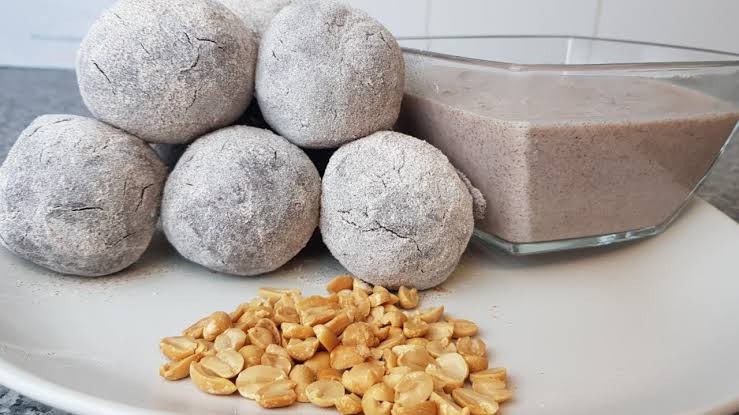
Fura da nono is one of the many popular local drinks we have in Nigeria. The drink comes from the northern part of the country, although today it is enjoyed in every corner of the country and even beyond. Fura da nono is a local type of gruel made from millet balls (fura) and cow milk (nono). The milk is usually one that has been fermented and is usually very thick. Fura da nono has a sweet taste and some people prefer it to the regular yoghurt they sell which would have gone through some form of processing. 

What makes fura da nono great, however, is not just the taste but how healthy the drink is. It involves no processing, meaning the nutrients in the millet and milk and richly present. Millet is a very healthy grain, containing a lot of minerals including calcium, manganese, fibre, phosphorus, and much more, and it is equally loaded with vitamins. Nono is gotten directly from grass-fed cows, thus the milk is rich in a lot of nutrients as well. Fresh cow milk is very rich in vitamin B2 (riboflavin), vitamin B12, vitamin D, calcium, phosphorus, protein and selenium. Also, fresh milk is packed with conjugated linoleic acid and omega-3 fatty acids.

1. Reduces Cholesterol Levels

Fura is rich in Vitamins B3 which helps to reduce bad cholesterol (LDL) levels in the body. Bad cholesterol has been linked as the cause of a lot of heart-related issues. Unfortunately, many of the things we consume only help in raising it. But the vitamin B3 present in Fura will help to lower the bad cholesterol levels while increasing good cholesterol (HDL) which is vital for the body.

2. Keeps The Bones Strong

Both the millet and the milk in fura da nono are rich in calcium, which is very vital for maintaining strong bones and teeth. It also contains phosphorus and vitamin D, which are needed for maintaining bone density and preventing Osteoporosis. 

3. Lowers The Risk Of Heart Attacks

Another health benefit of taking fura da nono is that it lowers the risk of heart attacks. This is because it contains magnesium, which has been observed to lower blood pressure, reducing the chances of a heart attack. The Vitamin B3 present also reduces bad cholesterol levels, further lowering the risks of a heart attack. That is why millet is regarded as a heart-healthy food. 

4. Aids Digestion and Prevents Constipation

Fura da nono is very rich in fibre, which aids digestion. It does this by easing bowel movement and allowing the food to digest properly. This also prevents constipation and irregular bowel movement (IBS). 

5. Helps With Fat Metabolism

The phosphorus in fura da nono helps with fat metabolism. The fat (lipids) are broken down into smaller compounds which would be used to provide energy to cells in the body. Fat is very complex to break down but the presence of phosphorus aids the process.  

6. Reduces The Risk Of Type 2 Diabetes

Taking fura da nono also reduces the chances of developing type 2 diabetes. This is because the millet is rich in magnesium, which is very essential in preventing and managing diabetes. Type 2 diabetes has also been observed to be caused by a lack of magnesium. So taking fura da nono would help in that regard. 

7. Boosts Brain Health

Milk is a vital food for the brain. This is one of the best health benefits of fura da nono. Fura da nono has an abundance of vitamin B, which helps in nourishing your nerves and maintaining a proper sleep cycle. Vitamin B12 is known to boost your memory power, cognitive abilities and sharpness. Drinking milk like fura da nono is particularly important in enhancing the overall brain development of a growing child.


Source: Healthguide.ng

Written by: Omojo Emeje

What are Dates?

Dates are the sweet, chewy fruit of the date palm tree (Phoenix dactylifera). Dates are fruits that come from the date palm tree.
Dates have been the staple food of the Middle East for thousands of years. Muslims consider date palms and dates sacred, and throughout the religious fasting period of Ramadan, these dried fruits are a common ingredient in the diet. Each date can be about 60 to 70 percent sugar and a high amount of fiber, depending on the variety, which makes it ideal as a healthy energy booster. It is also high in iron and may help in fighting anemia.

Dates may have some really powerful health benefits like boosting energy, increasing iron in the body, and aiding digestion. Rich in various nutrients, fiber, and antioxidants, dates are popular throughout the world. These dried fruits may prove to be beneficial in treating various conditions due to their anti-inflammatory, antioxidant, and anti-tumor properties. Dates are now popular all over the world and are used as a natural sweetener in smoothies, juices, nutrition bars, and baked products like cakes and muffins.

Dates Nutrition

According to USDA FoodData Central, dates are a good source of energy, fiber, sugar, and various vitamins and minerals. Essential minerals such as calcium, iron, phosphorus, sodium, potassium, magnesium, sulfur, and zinc can be found in them. Apart from the above-mentioned nutrients, they may also contain important vitamins such as thiamin, riboflavin, niacin, vitamin B6, folate, vitamin A, and vitamin K.

Health Benefits

– Can Be Good Source of Energy
Dates are high in natural sugars like glucose, fructose, and sucrose. The high energy present in them can be attribute to this high sugar content.

– May Boost Brain Health
A study led by Musthafa Mohamed Essa, Ph.D. suggest that dates may protect against oxidative stress and inflammation in the brain.

– May Offer Relief from Anaemia

Dates can be a good source of many nutrients, including iron. A deficiency of iron can contribute to anemia, a condition characterized by fatigue, dizziness, brittle nails, and shortness of breath. Fortunately, increasing your intake of iron-rich foods such as dates may help provide relief from anaemia symptoms.

– May Prevent Heart Diseases

A study by Waseem Rock in the Journal of Agricultural and Food Chemistry concluded that consuming dates was effective at reducing triglyceride levels and decreasing oxidative stress, both of which are risk factors for heart disease and atherogenesis, which is the build-up of fatty plaque in the arteries.

– Can Potentially Treat Sexual Dysfunction
There are many benefits of dates for men but this makes for one of the most important ones.
In 2006, an animal study revealed the effects of date palm pollen and its oil on sexual functioning, reporting that the high levels of estradiol and flavonoid components in dates are helping increase sperm count and motility. Another study conducted in India states that date palm pollen may have been used to treat male infertility in traditional medicine.

– Can Prevent Night Blindness
According to an article in the Heart Views journal, dates are rich in carotenoids, which may help prevent night blindness and preserve healthy vision.

– Might Help Treat Chronic Diarrhoea
According to an article published by the Columbia University Medical Center, foods rich in potassium such as dates may help replace and replete electrolytes lost due to chronic diarrhea because of their high fiber content.
– Can Aid Bone Health Improvement
A publication by Julie Garden-Robinson, Ph.D., L.R.D, and colleagues of North Dakota State University suggests that dates contain boron which is amongst the nutrients that promote healthy bones.

Take Dates today to improve your health!

Written by Sarah Amah
Source: Organic health.net

Natural Remedies for Erectile Dysfunction 

Natural Remedies for Erectile Dysfunction

Erectile dysfunction (ED) occurs when someone who has a penis can’t have or maintain an erection. ED happens when blood flow to the penis is limited. it is more common in people who:

  • are older
  • have health conditions like diabetes or high blood pressure
  • have had an injury to the spinal cord, penis, or pelvis
  • take medication like antidepressants or blood pressure medications
  • have anxiety or stress
  • are overweight
  • smoke

The treatment for ED depends on its cause. It may include certain prescription medications, a vacuum device, or even surgery. But lifestyle changes and other natural treatments can also help improve ED.

It is important to understand the possible risks associated with ED treatments, especially natural remedies, which the Food and Drug Administration (FDA) have not approved.

What are some natural remedies for treating erectile dysfunction?

There are many natural treatments for ED. They range from lifestyle changes like modifying your diet and exercise to getting mental health or relationship counseling.

It’s best to talk with your doctor before trying a new treatment on your own. They can help identify the cause of your ED and recommend effective ED treatment options, whether conventional, natural, or a combination.

1. Diet

Eating a balanced diet may help maintain sexual function and decrease your risk of ED.

A 2020 studyTrusted Source found that men who more strictly followed a Mediterranean diet or Alternative Healthy Eating Index 2010 diet had a lower chance of developing ED. In particular, they consumed less red or processed meat and primarily ate:

  • fruits
  • vegetables
  • legumes
  • nuts
  • fish

Research from 2017 similarly found that eating more fruits, vegetables, and flavonoids (compounds found in produce, coffee, and other foods) lowered the risk of ED in men ages 18 to 40.

These foods are important for your overall health, so helping maintain or improve your sexual function as well is a win-win.

2. Exercise

Research indicates that physical activity may help protect against and improve ED. It may be particularly effective if your ED is caused by obesity, inactivity, or cardiovascular disease, among other conditions.

A 2018 research reviewTrusted Source found that moderate-to-intense aerobic exercise for 40 minutes a day, four times per week for 6 months helped reduce ED. This includes exercises like:

  • running
  • brisk walking
  • bicycling
  • swimming
  • skiing

Physical activity helps improve blood vessel health, lower stress, and raise testosterone levels, which can all help with ED.

3. Sleep

It’s important for your overall health to get enough sleep each night. Sleeping regularly may also improve your ED.

A study from 2017 found that men working night shifts who reported worse sleep quality were at higher risk for ED.

A large 2015 studyTrusted Source also indicated that people with a sleep disorder had a greater risk of developing ED. Other researchTrusted Source has linked obstructive sleep apnea to an increased chance of ED.

Not getting enough sleep can lower your testosterone levels, which may contribute to ED. Sustained lack of sleep is also associated with conditions that are related to ED, like diabetes and high blood pressure.

4. Weight loss

Your weight may be another factor in ED.

According to a research review from 2020, ED was significantly more common in men who were overweight, or had obesity or a larger waist circumferences.

A small 2014 study indicated that gastric bypass surgery improved blood vessel health and ED among extremely obese men. A 2017 research review similarly found an improvement in ED after bariatric (weight loss) surgery.

If your weight is contributing to your ED, exercise and a balanced diet can help you lose weight and improve your ED.

5. Psychotherapy

In some cases, ED results from a combination of physical and psychological issues. These may include fear of failure, religious beliefs, and sexual trauma, among others.

In turn, ED can lead to additional mental health issues, including emotional distress and lower self-esteem, which then can further worsen ED. Therapy may help address these issues to improve ED.

According to a 2021 research review, psychological interventions like cognitive behavioral therapy were especially effective when paired with ED medications. Mental health interventions may also be effective on their own, but more research is needed.

A small 2018 study involving 4 weeks of mindfulness-focused group therapy indicated that this type of therapy may be helpful for improving ED and sexual satisfaction, too.

6. Sex therapy or couples counseling

Around 10 to 25 percentTrusted Source of men with ED have no known risk factors. This condition, known as non-organic ED, may be caused by mental health issues like depression or by experiencing anxiety when having sex.

A small 2020 study found that cognitive behavior sex therapy (CBST) and medication were each effective on their own at reducing non-organic ED. In addition, CBST was more effective at lowering anxiety among study participants.

It may also be helpful to attend counseling with your partner to help them understand your condition and discuss ways to support you.

Research from 2016Trusted Source labeled ED as a shared health issue for sexual partners and recommended that couples engage in education, counseling, and therapy together.

7. Stress reduction

Mental health issues like stress and anxiety are often linked to ED.

A 2019 studyTrusted Source found that stress was one of the main predictors of ED, with anxiety and depression also associated with the condition. The study suggested that chronic stress may affect testosterone or cause sleep deprivation, which may contribute to ED.

Still, other research indicates that the effect of stress on ED is still unclear. A 2020 study found no association between stress and ED.

Another small study from 2014Trusted Source found that an 8-week stress management program alongside ED medication was similarly effective for improving ED, compared with the medication alone.

Until more is understood about stress and ED, it’s still beneficial to reduce stress in your everyday life to improve your overall health.

8. Alcohol reduction

Studies have shown mixed results for the effects of alcohol on ED.

A research review from 2018Trusted Source found that drinking light-to-moderate amounts of alcohol (less than 21 drinks per week) was actually associated with a lowered risk of ED. On the other hand, regular and high consumption did not significantly affect ED.

Still, other research has linked alcohol use with ED. A 2018 studyTrusted Source found that sexual dysfunction, particularly ED, was common in people with alcohol dependence syndrome. A 2020 research review also identified alcohol as a risk factor for ED.

More research is needed on the role of alcohol in ED. In general, the Centers for Disease Control and PreventionTrusted Source recommend that men consume two or less alcoholic drinks per day.

9. Smoking cessation

Smoking is another behavior that likely contributes to ED. This may be caused in part by smoking damaging blood vessels, preventing enough blood from reaching the penis for an erection.

Smoking may also reduce the availability of nitric oxide in the body, which is needed to cause the involuntary muscle relaxation and increased blood flow that play a role in erections.

According to a research review from 2015Trusted Source, more-frequent smoking was associated with an increased risk of developing ED, as well as more-severe ED.

Some damage from smoking may not be reversible. Still, the review concluded that quitting smoking, especially for men under age 50, may help improve ED.

It’s challenging to quit smoking, but there are many resources available to help. Stopping smoking has the potential not only to help your ED, but to benefit many other areas of your health.

Are there drawbacks to using natural remedies?

Lifestyle changes may be an effective natural remedy for ED and improve your overall health. But many changes — like losing weight, quitting smoking, or eating a balanced diet — may be difficult to achieve.

It may also take time for natural treatments to have an effect. Some people, depending on the cause of their ED, may not show improvements without medications or other treatments. It’s helpful to work with your doctor to find a treatment that works for you.

Natural remedies

While many natural remedies are available to buy in stores and online, none have received the FDA’s approval to treat ED.

The FDATrusted Source do not recommend using OTC products for ED because no authorities regulate them for safety or effectiveness. These products often contain undisclosed ingredients, inappropriate doses of prescription drugs, or different doses of ingredients than the label suggests.

The Urology Care Foundation agree, saying that although supplements are popular and often cheaper than prescription drugs, they are not guaranteed to be safe or effective.

There are very few studies on the safety of natural remedies for ED. Some of the remedies have side effects varying from mild to severe.

The following list looks at some common natural remedies that people use for ED:

1. L-arginine

L-arginine is an amino acid, which is a building block of protein. It is a vasodilator, meaning that it can help open up the blood vessels. In theory, this could increase blood flow to the penis and help produce an erection.

A study from 2017Trusted Source reported that many people with ED had low L-arginine levels, which suggests that the two may be linked.

However, scientific studies have not proven that taking L-arginine supplements can treat ED. More research is necessary before researchers know the safety and effectiveness of this remedy.

People should avoid taking L-arginine alongside prescription ED drugs, such as Viagra, as this combination can cause the blood pressure to drop too low. It can also lead to headaches or flushing.

Side effects of L-arginine may include nausea, stomach cramps, low blood pressure, and increased blood sugar levels.

2. Propionyl-L-carnitine

According to some sources, taking propionyl-L-carnitine alongside Viagra could improve erectile function better than taking Viagra alone.

That said, more studies are needed before researchers know the actual safety and effectiveness of this treatment.

Side effects are usually mild and can include a skin rash, nausea, diarrhea, and heartburn. This remedy may not be safe for people with vascular disease, high blood pressure, diabetes, or liver cirrhosis, among other conditions.

3. DHEA

Dehydroepiandrosterone (DHEA) helps create sex hormones, including testosterone and estrogen. Natural DHEA levels decrease as a person gets older, which may cause a decrease in sexual function.

While some studiesTrusted Source suggest that DHEA supplements could help with ED, othersTrusted Source have found no evidence of their benefit.

DHEA generally causes few side effects when people take it orally in recommended doses, though the side effects can include fatigue, headaches, acne, and an irregular heartbeat.

4. Ginkgo

Ginkgo biloba may increase blood flow to the penis, which could improve sexual desire and counter ED.

However, the National Center for Complementary and Integrative Health (NCCIH)Trusted Source say that there is no solid evidence that ginkgo is beneficial for any health condition.

Side effects of this supplement include headaches, dizziness, stomach upset, palpitations, and constipation.

It can also increase the risk of bleeding, so it may be dangerous for people taking blood thinners, such as warfarin (Coumadin), or those with other bleeding disorders.

5. Ginseng

Ginseng, or Panax ginseng, is a popular home remedy. Certain chemicals in this plant may promote the relaxation of the body’s smooth muscles, helping produce an erection.

Preliminary studies suggest that ginseng could help treat ED, though more high quality research is necessary to confirm this.

The most commonTrusted Source side effect of ginseng is insomnia. Other side effects include increased heart rate, high or low blood pressure, and headaches.


ReferencesHealthline

Written by: Ore Okebukunola

Natural Remedies to Treat Gonorrhoea

Gonorrhea is a common sexually transmitted infection (STI) caused by Neisseriagonorrhoeae bacteria. It is transmitted from one person to another during sexual contact, including oral, anal or vaginal intercourse.

It tends to target warm, moist areas of the body, including the:

• urethra (the tube that drains urine from the bladder)
• eyes
• throat
• vagina
• anus
• female reproductive tract (the fallopian tubes, cervix, and uterus)

Symptoms of gonorrhea

Symptoms usually occur within 2 to 14 days after exposure. However, some people who acquire gonorrhea never develop noticeable symptoms.

It’s important to remember that a person with gonorrhea who doesn’t have symptoms, also called an asymptomatic carrier, can still spread the infection. A person is more likely to transmit gonorrhea to other partners when they don’t have noticeable symptoms.

Symptoms in men and those with a penis

A person with a penis may not develop noticeable symptoms for several weeks. Some men may never develop symptoms.

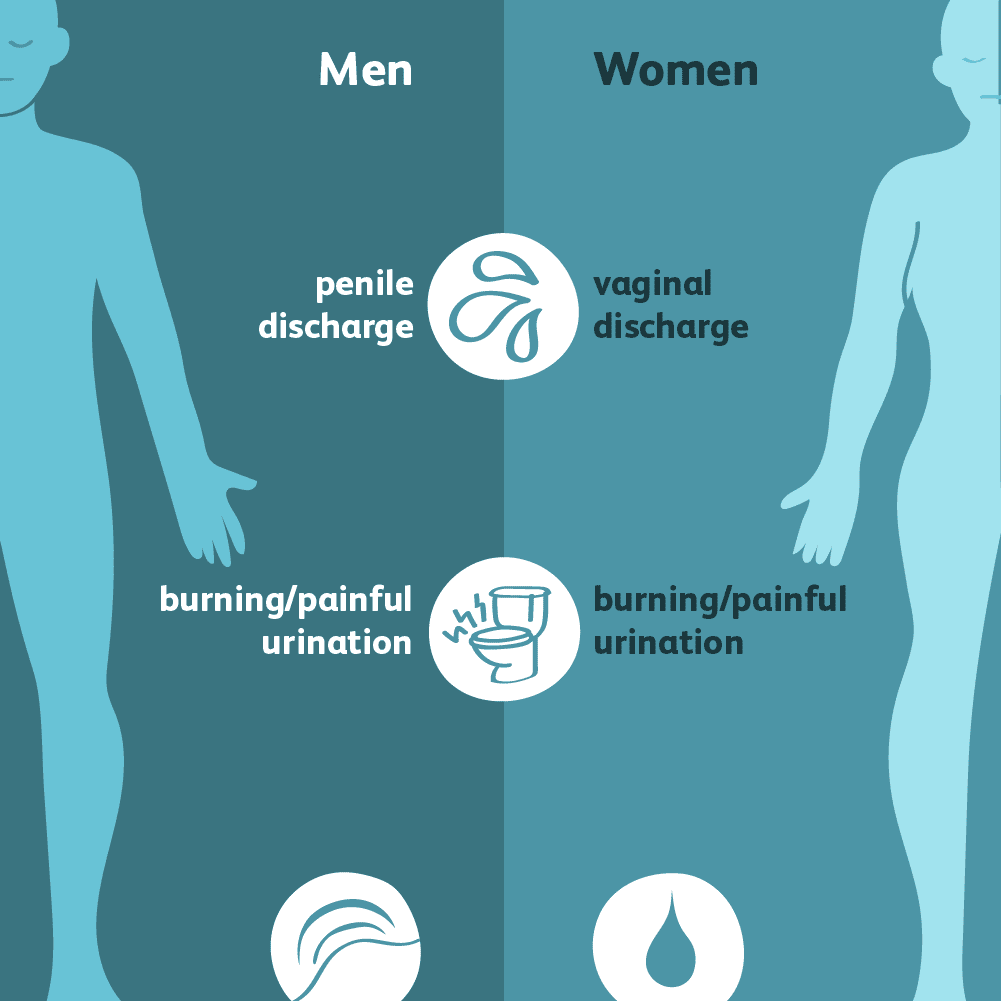
Typically, symptoms begin to show a week after transmission. The first noticeable symptom in men is often a burning or painful sensation during urination.

As it progresses, other symptoms may include:

• greater frequency or urgency of urination
• a pus-like discharge (or drip) from the penis (white, yellow, beige, or greenish)
• swelling or redness at the opening of the penis
• swelling or pain in the testicles
• a persistent sore throat

In rare instances, gonorrhea can continue to cause damage to the body, specifically the urethra and testicles. The condition will stay in the body for a few weeks after the symptoms have been treated.

Pain may also spread to the rectum.

Symptoms in women and those with a vagina

Many people with a vagina don’t develop any overt symptoms of gonorrhea. When they do develop symptoms, they tend to be mild or similar to other diagnoses, making them more difficult to identify.

Gonorrhea symptoms can appear much like common vaginal yeast or bacterial infections.

Symptoms include:

• discharge from the vagina (watery, creamy, or slightly green)
• pain or burning sensation while urinating
• urge to urinate more frequently
• heavier periods or spotting
• sore throat
• pain during sexual intercourse
• sharp pain in the lower abdomen
• fever

Tests for gonorrhoea

Healthcare professionals can diagnose gonorrhea in several ways. They can take a sample of fluid from the symptomatic area (penis, vagina, rectum, or throat) with a swab and place it on a glass slide.

If your doctor suspects a joint infection or infection of the blood, they’ll obtain the sample by drawing blood or inserting a needle into the symptomatic joint to withdraw fluid.

They’ll then add a stain to the sample and examine it under a microscope. If cells react to the stain, gonorrhea may be diagnosed. This method is relatively quick and easy, but it doesn’t provide absolute certainty. This test may also be completed by a lab technician.

A second method involves taking the same type of sample and placing it on a special dish. This will be incubated under ideal growth conditions for several days. A colony of gonorrhea bacteria will grow if gonorrhea is present.

A preliminary result may be ready within 24 hours. A final result will take up to 3 days.

Luckily, gonorrhea can be easily treated. Without treatment, gonorrhea can cause a number of long-term health problems for both women and men. 

In men, untreated gonorrhea can lead to epididymitis, an inflammation of the tube that carries sperm. Severe epididymitis can result in infertility. 

In women, it can cause pelvic inflammatory disease, which may lead to other complications, such as: infertility, ectopic pregnancy and pelvic abscesses. If you’re pregnant, gonorrhea can be transmitted to your newborn, who may then suffer joint infections, blindness, and blood-related infections. In both men and women, gonorrhea can also enter the bloodstream, and cause a condition called disseminated gonococcal infection (DGI), which in severe cases, can be life-threatening.

Treatment

1. Antibiotics

Gonorrhoea is usually treated with Ceftriaxone Injection given one time to the buttocks and a single dose of Oral Azithromycin. Once on antibiotics, you should feel relief within days.

2. Natural Remedies

Several natural remedies have been used for centuries to treat this STI. Here are some of the home remedies for gonorrhoea.

  • Garlic

Because of its antibacterial properties, garlic is used as a common home remedy for bacterial infections. A 2005 study, which examined the effects of garlic products and extracts on gonorrhea-causing bacteria, found that 47 percent of the products showed antimicrobial activity against the bacteria. However, this study was done in a laboratory setting, not on humans with gonorrhoea.

  • Apple cider vinegar

It is one of the most popular natural gonorrhoea remedies. Apple cider vinegar can be taken orally or applied topically as a solution. The antibacterial properties of apple cider vinegar may help you, but be careful it’s also highly acidic, which can irritate the delicate tissues of your genitals. Also, no study has supported or refuted these claims.

  • Goldenseal

Goldenseal plant, also known as berberine or Hydrastis canadensis L., is a known for its antimicrobial properties. This was used as a treatment for gonorrhea by European settlers in the 1800s. Some studies have examined goldenseal as an alternative to antibiotics to treat resistant staph bacteria, but there isn’t any significant research about goldenseal to treat gonorrhea.

You can get goldenseal in capsule form for ingestion and also as creams for topical use. Before taking the capsule, consult a doctor or trained herbalist for the right dosage.

  • Echinacea

The anti-inflammatory properties of echinacea or coneflower hand may help reduce inflammation in the sexual organs, including gonorrhoea. Available in the form of gels or creams, its topical application is known to help ease skin problems and soothe irritation. Taking echinacea extract has been shown to stimulate the immune system as well.

  • Aloe Vera

The cooling effect of aloe vera gel may benefit anyone with an STD. This powerful herb can hydrate your skin and speed up the wound healing process. It also has anti-inflammatory and antibacterial activity. You can use it as a gel and drink its juice to get the benefit.

Prevention

The best way to avoid contracting gonorrheaor any other STDs is to always use a condom during sex. If you know your partner has an STD, it is better to avoid sexual intercourse altogether until it is treated.


Written by: Ore Okubukunola

Hypertension and its Natural Remedies

Hypertension, also known as high or raised blood pressure, is a condition in which the blood vessels have persistently raised pressure.
Blood pressure is the force exerted by circulating blood against the walls of the body’s arteries, the major blood vessels in the body.
Usually hypertension is defined as blood pressure above 140/90, and is considered severe if the pressure is above 180/120.

CAUSES
The cause of hypertension is often not known. In many cases, it is as a result of an underlying health condition.
The primary causes of hypertension are:

1. Blood plasma volume
Hormone activity in people who manage blood volume and pressure using medication. environmental factors, such as stress and lack of exercise.

2. Secondary hypertension has specific causes and is a complication of another health problem such as:
– diabetes, due to kidney problems and nerve damage,

– kidney disease, pheochromocytoma, a rare cancer of an adrenal gland.

– congenital adrenal hyperplasia, a disorder of the cortisol-secreting adrenal glands

– hyperthyroidism, or an overactive thyroid gland

– hyperparathyroidism, which affects calcium and phosphorous levels

– pregnancy

– sleep apnea

– obesity

NATURAL REMEDIES

1. Diet
– People can prevent high blood pressure by following a heart-healthy diet.
– Reducing salt intake
Lowering salt intake can benefit people both with and without hypertension.
– Eating more fruit and vegetables and less fat: whole grain, high fibre foods, a variety of fruit and vegetables, beans, pulses, and nuts, fish rich in omega-3 twice a week, nontropical vegetable oils, for example, olive oil.
– Skinless poultry and fish
– Low fat dairy products

2. Managing body weight

Excess body weight can contribute to hypertension. A fall in blood pressure usually follows weight loss, as the heart does not have to work so hard to pump blood around the body.

A balanced diet with a calorie intake that matches the individual’s size, sex, and activity level will help.

Written by Sarah Amah
Source: Medical News Today

Apple Cider Vinegar

Apple Cider Vinegar has a lot of healthy properties.
It has antimicrobial antioxidant properties, it’s made from fermented apple and water. The particles flowing in it are formed by natural enzymes during fermentation.

A raw, unfiltered and unpasteurised apple cider vinegar has several impressive health benefits and is also used as kitchen staple.
It is used for aiding weight loss and reducing cholesterol.

It also has a ton of different beauty, household, and cooking uses. These include cleaning, washing hair, preserving food, and improving skin function.

You can also use apple cider vinegar in all sorts of recipes, including salad dressings, soups, sauces, hot drinks, and more.

DOSAGE
It is taken as 1-2 teaspoon (5- 10ml) or 1-2 tablespoon (15 – 30ml) per day, mixed with water spread in 2-3 doses
That is 10ml 3 times daily.

It should be taken before meal or on an empty stomach to be effective and to prevent indigestion.

GENERAL USES

1. Taken early morning on an empty stomach, it helps to reduce weight loss, hunger and remove toxins from the system.

2. To lower blood sugar: Apple cider vinegar is claimed to help people with diabetes & manage sugar levels.

3. To help you feel full: Apple cider vinegar is sometimes recommended as a weight loss aid, This is because it may help you feel full.

4. To preserve food: Just like other types of vinegar, apple cider vinegar is an effective preservative. In fact, people have used vinegar as a pickling agent to preserve foods for thousands of years.

5. As a deodoriser: Apple cider vinegar is known to have antibacterial properties. Because of this, it’s often claimed that apple cider vinegar can eliminate bad smells.

6. To soothe a sore throat: Gargling with apple cider vinegar is a popular home remedy for sore throats.

7. As a facial toner: Anecdotally, apple cider vinegar is claimed to help remedy skin conditions and provide graceful ageing treatment.

8. As a dandruff treatment: Massaging diluted apple cider vinegar into your scalp may help get rid of dandruff.

9. As a mouthwash: Apple cider vinegar is often said to be a useful alternative to commercial mouthwashes. Its antibacterial properties may help with bad breath, although there aren’t any studies examining how effective it is.

10.To treat acne: Dabbing small amounts of diluted apple cider vinegar onto pimples is anecdotally claimed to be a good way to get rid of them.

11. To get rid of warts: As with acne, apple cider vinegar is claimed to be a natural agent for getting rid of warts. It’s likely effective for removing warts from skin, due to its acidic nature.

Generally Apple cider vinegar has various health benefits as home remedy!

Reference – healthline

Written by: Ruth Olusegun

Eradication of H.Pylori….The Ulcer Bacteria!

Eradication of H pylori with both medication and natural remedies

Helicobacter pylori ( H. Pylori) are gram negative bacteria that infect the lining of the stomach. These bacteria cause peptic ulcer diseases and duodenal ulcers.
H.pylori caused gastric inflammation which can lead to superficial gastritis, ulcers, and even gastric cancer.

Treatment with Medications

Helicobacter pylori can be eradicated with the use of antibiotics; however, more than 1 agent has to be used in combination with either a proton pump inhibitor or bismuth to achieve eradication rates of 90% or greater.

According to several international guidelines:

  • The first-line therapy for treating H. pylori infection consists of a proton pump inhibitor (PPI) or ranitidine bismuth citrate, with any two antibiotics among amoxicillin, clarithromycin and metronidazole, given for 7-14 days. However, even with these recommended regimens, H. pylori eradication failure is still seen in more than 20% of patients. The failure rate for first-line therapy may be higher in actual clinical practice, owing to the indiscriminate use of antibiotics.
  • The recommended second-line therapy is a quadruple regimen composed of tetracycline, metronidazole, a bismuth salt and a PPI. The combination of PPI-amoxicillin-levofloxacin is a good option as second-line therapy. In the case of failure of second-line therapy, the patients should be evaluated using a case-by-case approach. European guidelines recommend culture before the selection of a third-line treatment based on the microbial antibiotic sensitivity. H. pylori isolates after two eradication failures are often resistant to both metronidazole and clarithromycin.
  • The alternative candidates for third-line therapy are quinolones, tetracycline, rifabutin and furazolidone; high-dose PPI/amoxicillin therapy might also be promising.

Antibiotics can cause side effect. Using natural treatment might be helpful in preventing these side effects, protecting the stomach, helping the body to better fight infection, and promoting overall good health.
As the natural treatment are unlikely to eradicate h.pylori entirely, people might choose to use them alongside conventional therapy.\

Natural treatments for H. pylori

Researchers have conducted a range of studies on natural approaches to treating H. pyloriinfections. Eight potential natural treatments include:

1. Honey

Honey is known for its antibacterial properties, and people have used it as a medicine since ancient times.

One study showed that Manuka honey suppressed the growth of H. pylori in gastric epithelial cells.

Other studies have demonstrated that honey has other anti-H. pylori properties, but more animal studies and clinical trials are needed to assess honey’s efficiency as a complementary or alternative treatment.

2. Aloe vera

Aloe vera is an herbal remedy used to treat a variety of illnesses, including:

  • constipation
  • detoxification
  • digestive health
  • wound-healing

In one study, the gel from inside the leaves of an aloe vera plant was effective in both inhibiting growth of and killing H. pylori strains, even those that were drug-resistant in a laboratory environment.

This suggests that aloe vera could be effective against H. pylori infection when used in combination with antibiotics.

3. Broccoli sprout

Sulforaphane, a compound found abundantly in broccoli sprout, has been shown to kill H. pylori.

Studies performed both in test tubes and on animal and human subjects have demonstrated the favorable effects of sulforaphane against H. pylori bacteria. Broccoli sprout also decreased gastric inflammation in H. pylori-infected mice.

4. Milk

Lactoferrin, a glycoprotein found in both human and cow’s milk, has shown inhibitory activity against H. pylori. One study used a combination of antibiotics and lactoferrin from cow’s milk, which resulted in a 100 percent eradication rate of H. pylori in 150 affected people.

Also, a compound called melanoidin appears to inhibit the growth of H. pylori bacteria. Melanoidin is a compound formed by a chemical reaction between the sugar lactose and a protein called casein in milk and dairy products. Research has shown that melanoidin suppresses H. pylori colonization in both mice and humans.

5. Lemongrass oil

People must not ingest essential oils. Instead, they can inhale them and use them as part of an aromatherapy approach. According to studies carried out on humans and animals, lemongrass essential oil inhibits the growth of H. pylori.

In a study on mice, the density of H. pylori colonization in the stomach was significantly reduced compared to mice not treated with lemongrass oil.

6. Green tea

Green tea is one of the healthiest and most widely consumed beverages in the world. It contains many antioxidants and nutrients.

In an animal study, green tea decreased both the number of bacteria and the inflammation score of H. pylori-infected mice. However, researchers found that mice that received green tea before infection achieved better results.

7. Probiotics

According to the Food and Agriculture Organization, probiotics are live microorganisms that offer health benefits to people. Interest in probiotics as a treatment for H. pylori is increasing.

There are numerous types of probiotics. Many people use Bifidobacterium, which is found in dairy and fermented products, to prevent gastrointestinal infection.

Research has shown that Bifidobacterium exerts its effect against H. pylori by competing with the bacteria to stick to the mucous lining of the stomach.

8. Phototherapy

Research suggests that H. pylori bacteria are sensitive to ultraviolet light. During phototherapy, an ultraviolet light source illuminates the whole stomach.

Phototherapy has been shown to reduce the number of bacteria in the stomach significantly. However, the bacteria will repopulate a few days after illumination.

While phototherapy is not a complete fix, it may have the potential to become an effective treatment against H. pylori, particularly for people who cannot take antibiotics.

Reference: Wemed, MedicalNewsToday

Written by: Ruth Olusegun

Pomegranate Benefits

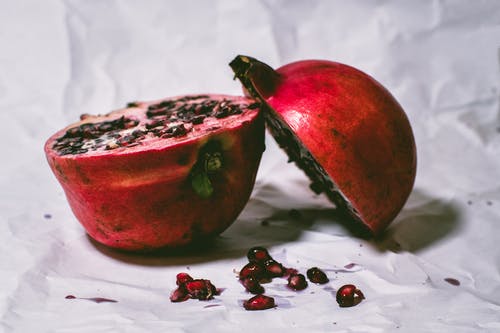
Pomegranate is a sweet, tart fruit with thick, red skin. While the skin is not edible, it holds hundreds of juicy seeds that you can eat plain or sprinkle on salads, oatmeal, hummus and other dishes.
It is a fruit-bearing deciduous shrub. Pomegranate is a tree, various parts of the this tree and fruit are used to make medicine.
Pomegranate arils are packed with nutrients and antioxidants, substances that can help prevent or delay damage within the cells. In fact, pomegranate juice has three times as many antioxidants as other antioxidant-rich beverages, such as green tea and red wine. People use pomegranate for high blood pressure, athletic performance, heart disease and many other conditions.

How does it work ?

Pomegranate contains a variety of chemicals that might have antioxidant effects. Some preliminary research suggests that chemicals in pomegranate juice might slow the progression of atherosclerosis (hardening of the arteries) and possibly fight cancer cells.

Health Benefits

Pomegranates can have up to three times more antioxidants than green tea or red wine. Antioxidants protect cells from damage, prevent diseases — such as cancer — and reduce inflammation and the effects of aging.

Additionally, other health benefits of pomegranates include the following:

Heart Health
Studies have suggested that pomegranates can protect the heart in many ways, including lowering blood pressure and reducing blood sugar levels.

Atherosclerosis — the build-up of cholesterol and fats in the arteries — is a common cause of heart disease. Pomegranate juice may help reduce low-density lipoprotein cholesterol — “bad” cholesterol” — that clogs arteries. It can also increase high-density lipoprotein cholesterol — “good” cholesterol” — which lowers the risk of strokes and heart attacks.

Diabetes Control
Initial studies have revealed that people with type 2 diabetes who began to drink pomegranate juice showed an improvement in insulin resistance. Pomegranates can also help people without diabetes maintain a healthy weight.
Lowering Risk of Cancer

Pomegranates are rich in antioxidants and flavonoids, both of which are known to prevent free radicals from damaging your cells. In some studies, pomegranates show potential to be effective in preventing prostate, breast, lung, and colon cancers.

Nutrition
Fresh pomegranate is also a source of fiber, which can promote weight loss, lower cholesterol, and ease constipation.
In addition, pomegranates provide:
– Folate
– Vitamin K
– Vitamin E
– Vitamin B6
– Potassium

Pomegranate comes in two forms:
1: Natural form as a fruit and
2: As a supplement.

Take pomegranate today and stay healthy!


Source: Webmd

Written by Sarah Amah

12 Ways to Boost Oxytocin

If you’ve heard of oxytocin, you might know a little about its somewhat impressive reputation. Even if the name oxytocin doesn’t ring a bell, you might know this hormone by one of its other names: the love hormone, cuddle hormone, or bonding hormone.

As these nicknames suggest, oxytocin plays an important part in human bonding. Released during childbirth and breastfeeding, it’s a key factor in the bond between parent and infant.

Hugging, kissing, cuddling, and sexual intimacy can all trigger oxytocin production, which can strengthen bonds between adults, too.

These effects have led oxytocin to be grouped with the other happy hormones — hormones known to have a positive impact on mood and emotions.

Your body produces oxytocin naturally, but if you want to feel the love, so to speak, try these 12 natural ways to increase it.

1. Try yoga

This wellness practice offers plenty of benefits, including:

  • less anxiety and stress
  • relief from depression and other mood symptoms
  • better sleep
  • improved quality of life

But research from 2013 suggests yoga may help increase oxytocin production, too.

This small study aimed to explore whether yoga could help increase oxytocin in people with schizophrenia, a mental health condition that often involves trouble recognizing facial emotions and other social difficulties.

According to the study results, the 15 participants who practiced yoga for 1 month saw improvements in their ability to recognize emotions and socio-occupational functioning. They also had higher levels of oxytocin. The researchers suggest that a link could exist between these findings, though their study didn’t find a correlation.

2. Listen to music — or make your own

While musical taste can vary widely from person to person, most people enjoy listening to some type of music.

You probably listen to music because you enjoy it, but you might have noticed it has other benefits, like improving your mood, focus, and motivation. It also seems to help improve the ability to create social bonds — an effect also associated with oxytocin.

Research is still limited, but a few small studies have found evidence to suggest music can help boost oxytocin levels in your body:

  • A 2015 study asked four jazz singers to perform two different songs: one improvised, one composed. When the singers improvised, their oxytocin levels increased. The study authors suggest this happened because an improvised performance calls for strong social behaviors such as cooperation, trust, and communication.
  • According to a 2009 study, 20 open-heart surgery patients who listened to music while on bed rest had higher levels of oxytocin and felt more relaxed than patients who didn’t listen to music.
  • In a 2003 study of 16 singers, oxytocin levels increased in all participants after a singing lesson. The study participants also reported feeling more energized and relaxed.

You probably didn’t need another reason to turn up your favourite tunes, but here’s another good one!

3. Get (or give) a massage

Love a good massage? You’re in luck.

A 2012 study looking at 95 adults found evidence to suggest 15 minutes of massage could not only help people relax, but it could also boost oxytocin levels.

Research from 2015 supports this finding and expands on it, noting that oxytocin levels also increase in the person giving the massage.

What does oxytocin do for you? Well, people often report less pain, stress, and anxiety post-massage. Many also notice an improved mood and greater feelings of well-being.

You don’t have to get a professional massage to see these benefits, either. Research suggests that massage from a partner or other loved one may work just as well.

4. Tell someone how much you care

Want to strengthen your emotional connection with others? Tell them how you feel.

Sharing your love and affection with the people who mean the most to you can help increase oxytocin in a few ways:

  • Sharing your feelings with a loved one often leads them to reply in kind.
  • Telling a friend or partner you love them can prompt a hug, hand squeeze, or kiss.
  • Letting someone know how much you appreciate them can increase prosocial feelings on both sides.

5. Spend time with friends

Strong friendships can make a big difference in your emotional well-being. Kicking it with your pals can make for a good time, but it can also help you feel socially supported and less alone in the world.

That’s oxytocin at work. The good feelings you experience around your friends can help you feel more positive about your interactions, making you want to spend more time together. The trust and affection you have for them also tends to increase when you share their company more often.

Whether you make specific plans or simply enjoy hanging out, the more time you spend together, the stronger your bond will likely become.

6. Meditate

A daily meditation practice can help reduce stress and anxiety, improve your mood, and help you feel more compassion toward yourself and others. These effects can go a long way toward increasing your sense of connection and bolstering your relationships with others.

But you also target oxytocin production by focusing your meditation on someone you care about. Loving-kindness meditation, also referred to as compassion meditation, involves directing thoughts of love, compassion, and goodwill toward someone in your life and sending thoughts of peace and wellness toward them.

7. Make your conversations count

Active (or empathic) listening is a basic principle of strong social interactions and relationships.

Bonding and increasing feelings of connection, trust, and empathy can sometimes be as easy as really, truly listening to what someone has to say. It’s easy to tell someone you care about the things that matter to them, but this shows you really mean it.

So, when your friend or partner wants to talk about something important, put down anything that might distract you, make eye contact, and give them your complete attention. This close interaction can trigger oxytocin release, helping you feel more connected to each other.

8. Cook (and eat) with someone you care about

Research on chimpanzees suggests sharing food can increase oxytocin.

It makes sense for humans, too — sharing food is a great way to bond. Think back to your middle school or elementary days. Splitting that cookie or packet of fruit snacks may have netted you a friend or two, right?

Preparing a meal with friends or a partner can provide enjoyment in addition to nourishment. You don’t just share the finished meal, you spend time with people you like and bond over its creation.

And don’t forget, the act of eating itself can produce pleasure — enough, in fact, to trigger oxytocin release.

9. Sex

Sexual intimacy — orgasm, in particular — is one key way to raise oxytocin levels and demonstrate affection for someone else.

Having sex with your partner can help you feel closer and more connected, but you can still see this increase in oxytocin without a relationship.

The best part? Both you and your partner get this oxytocin boost.

10. Cuddle or hug

You don’t have to get down to get your oxytocin up.

Other forms of physical intimacy, like cuddling or hugging, can also trigger oxytocin production in your body.

Hugs, hand-holding, and cuddling can all do the trick. So take a few moments for a good, long hug with your partner, kid, or even your pet.

11. Do something nice for someone

Altruistic or selfless behaviors can also promote oxytocin release.

Giving someone a gift or practicing a random act of kindness makes them happy, which can make you feel happy, too. The simple act of brightening someone’s day can lift your spirits and promote positive feelings in you, too.

So, if you can, live life generously. You might try:

  • offering to help a neighbor with a chore
  • giving a few extra dollars to charity
  • supporting your favorite cause
  • buying a gift card for a friend or family member

12. Pet dogs

If you’re a dog lover, have we got a tip for you!

If you can, stop what you’re doing and go pet your dog. Feel better? Your dog probably does, too. Research suggests that both dogs and humans see an increase in oxytocin from physical contact, including patting and stroking.

That’s why it can feel so comforting to cuddle your animal friend when you feel upset. The oxytocin produced by your interaction helps you feel a little better.

Though this research only looked at human-dog interactions, it’s pretty safe to say petting your cat or giving your bird some head scratches will probably have a similar effect.


Reference: Healthline

Written by: Omojo Emeje

What is the link between love and oxytocin?

It is sometimes referred to as the “love hormone,” because levels of oxytocin increase during hugging and orgasm. It may also have benefits as a treatment for a number of conditions, including depression, anxiety, and intestinal problems.

Oxytocin is produced in the hypothalamus, a part of the brain. Females usually have higher levels than males.

Fast facts on oxytocin

  • Oxytocin is produced in the hypothalamus and released during sex, childbirth, and lactation to aid reproductive functions.
  • It has physical and psychological effects, including influencing social behavior and emotion.
  • Oxytocin is prescribed as a drug for obstetric and gynecological reasons and can help in childbirth.
  • Research shows that it may benefit people with an autistic spectrum disorder (ASD), anxiety, and irritable bowel syndrome (IBS).

What is oxytocin?

Oxytocin is a neurotransmitter and a hormone that is produced in the hypothalamus. From there, it is transported to and secreted by the pituitary gland, at the base of the brain.

It plays a role in the female reproductive functions, from sexual activity to childbirth and breast feeding. Stimulation of the nipples triggers its release.

During labor, oxytocin increases uterine motility, causing contractions in the muscles of the uterus, or womb. As the cervix and vagina start to widen for labor, oxytocin is released. This widening increases as further contractions occur.

Oxytocin also has social functions. It impacts bonding behaviour, the creation of group memories, social recognition, and other social functions.

Oxytocin as a drug

Oxytocin is used as a prescription drug under the brand name Pitocin. Under medical supervision, an oxytocin injection is sometimes used to start birth contractions or strengthen them during labor, and it helps reduce bleeding after delivery. Side effects include a rapid heartbeat and unusual bleeding.

If too much oxytocin is delivered too rapidly, it can lead to a rupture of the uterus.

Oxytocin can also be given to make the uterus contract and control bleeding after a delivery or a termination.

It can be used medically to induce a termination or complete a miscarriage.

The love hormone?

In 2012, researchers reported that people in the first stages of romantic attachment had higher levels of oxytocin, compared with non-attached single people. These levels persisted for at least 6 months.

Sexual activity has been found to stimulate the release of oxytocin, and it appears to have a role in erection and orgasm. The reason for this is not fully understood, but, in women, it may be that the increased uterine motility may help sperm to reach their destination. Some have proposed a correlation between the concentration of oxytocin and the intensity of orgasm.

Oxytocin and emotion

When oxytocin enters the bloodstream, it affects the uterus and lactation, but when it is released into certain parts of the brain, it can impact emotional, cognitive, and social behaviors.

One review of research into oxytocin states that the hormone’s impact on “pro-social behaviors” and emotional responses contributes to relaxation, trust, and psychological stability.

Brain oxytocin also appears to reduce stress responses, including anxiety. These effects have been seen in a number of species.

The hormone has been described as “an important component of a complex neurochemical system that allows the body to adapt to highly emotive situations.”

Is it that simple?

In 2006, investigators reported finding higher levels of oxytocin and cortisol among women who had “gaps in their social relationships” and more negative relations with their primary partner. The participants were all receiving hormone therapy (HT) following menopause.

Animal studies have found high levels of both stress and oxytocin in voles that were separated from other voles. However, when the voles were given doses of oxytocin, their levels of anxiety, cardiac stress, and depression fell, suggesting that stress increases internal production of the hormone, while externally supplied doses can help reduce stress.

Clearly, the action of oxytocin is not straightforward.

A review published in 2013 cautions that oxytocin is likely to have general rather than specific effects, and that oxytocin alone is unlikely to affect “complex, high-order mental processes that are specific to social cognition.” The authors also point out that a willingness to collaborate is likely to be driven by anxiety in the first place.

Nevertheless, oxytocin does appear to be associated with social behaviour, including maternal care, bonding between couples, sexual behaviour, social memory, and trust.

Behavioural effects

Delivering oxytocin through a nasal spray has allowed researchers to observe its effects on behavior.

In 2011, research published in Psychopharmacology found that intranasal oxytocin improved self-perception in social situations and increased personality traits such as warmth, trust, altruism, and openness.

In 2013, a study published in PNAS suggested that oxytocin may help keep men faithful to their partners, by activating the reward centers in the brain.

In 2014, researchers published findings in the journal Emotion suggesting that people saw facial expression of emotions in others more intensely after receiving oxytocin through a nasal spray.

Psychiatric therapy

Oxytocin has been proposed as a possible treatment for social phobia, autism, and postpartum depression.

Scientists have proposed that it might help improve interpersonal and individual wellbeing, and that it could have applications for people with some neuropsychiatric disorders.

They believe it could help people who avoid social interaction, and those who experience persistent fear and an inability to trust others.

Children with autism could benefit from oxytocin, say some researchers. In 2013, a small study suggested that oxytocin levels in the brain affected how 17 children perceived a series of social and non-social images.

Oxytocin may also play a role in anger management. Research has indicated that certain polymorphisms of the oxytocin receptor (OXTR) gene are associated with an increased tendency to react angrily to situations.

In particular, differences in OXTR gene expression appear to affect the regulation of the relationship between alcohol and aggressive behaviour.

Oxytocin appears to increase the release of prostaglandin E2 (PGE2) in cells lining the intestine. This helps to encourage the repair of intestinal injury and to protect against such injury.

If this is confirmed, oxytocin could be a useful therapy for preventing chemo-radiotherapy-induced intestine injury, and it could be used to treat irritable bowel syndrome (IBS).

Risks

The role of oxytocin is complex and not easy to pin down.

While it appears to enhance bonding and the forming of communities, it may also encourage the formation of “in-groups” and “out-groups,” giving rise to envy, prejudice, and possibly aggression.

Participants in a 2014 study were more likely to lie for the benefit of others in the same group after receiving oxytocin. The findings, said researchers, could help with “providing insight into when and why collaboration turns into corruption.”

More investigation is needed to understand the complexity of oxytocin and what it does.


Reference: Medicalnewstoday

Written by: Omojo Emeje

Add to cart