Rheumatoid Arthritis Diet: Foods to Avoid and Nutrition Tips

Rheumatoid arthritis (RA) can strike anyone at any age. RA is different from osteoarthritis, which is the natural wearing down of joints over time. RA occurs when your own immune system attacks your joints. The underlying cause is unknown. But the result is painful swelling, stiffness, and inflammation.

Foods that fight inflammation throughout your body may reduce this pain and swelling. In a 2017 survey of 217 people with longstanding RA, 24 percent reported that foods had an impact on their RA symptoms, either positively or negatively.

A change in diet is one way people with RA are choosing to support their health. Eating certain foods may help you manage your RA symptoms along with medical treatments like over-the-counter painkillers, anti-inflammatory medications, and immune-suppressing therapies.

Here’s a quick guide of foods to eat, foods to avoid, and particular diets that may contribute to a healthy life with RA.

Foods to eat on an RA diet

Foods that may help with RA symptoms have anti-inflammatory properties. They reduce inflammation in the body. Specific components, nutrients, or elements give foods this effect.

Here’s a list of those elements and the foods you can eat to get more of them.

1. Antioxidants

Antioxidants may improve RA disease activity. These are compounds that can destroy damaging elements like the over-production of reactive oxygen species (ROS) in your body. They can also reduce inflammation.

You can get more by looking for foods with vitamins A, C, or E, or selenium. Eat fresh fruits, vegetables, and nuts, or drink green tea.

2. Fiber

Fiber can aid in weight loss and may help with gut bacteria that reduce inflammation. Get more fiber in your diet with more of the following:

  • fresh fruits and vegetables
  • whole grains
  • beans
  • nuts

3. Flavonoids

Flavonoids are compounds made by plants. They make their way into our diets when we eat fruits and vegetables. Flavonoids can reduce inflammation in your body and help reduce your RA pain and swelling. Foods that are high in flavonoids include:

  • berries
  • green tea
  • grapes
  • broccoli
  • soy
  • dark chocolate

4. Spices

Spices can reduce inflammation in your body. Turmeric contains a compound called curcumin that has anti-inflammatory properties. It’s related to ginger, which may have a similar effect.

But curcumin doesn’t work as well without adding piperine, which is a substance found in black pepper. Add a pinch of black pepper when adding turmeric to reduce inflammation. Capsaicin, a compound found in chili peppers, also helps reduce inflammation in the body.

Foods to avoid with RA

While eating foods that reduce inflammation, you should also try to avoid foods that cause inflammation. These are called pro-inflammatory foods, and include a number of common ingredients.

Here are some examples of foods that might trigger an inflammatory response:

  • processed carbohydrates like white flour and white sugar
  • saturated and trans fats, like those found in fried foods
  • red and processed meats
  • dairy
  • eggs

If you can’t avoid these foods completely, try eating less of them. Even a small change may help improve your RA symptoms. That’s especially true if you swap out some pro-inflammatory foods for anti-inflammatory foods, like choosing fish instead of red meat.

Types of diets that might be good for RA

1. The Mediterranean diet

Certain diets are naturally high in anti-inflammatory foods. The Mediterranean diet is an excellent example. According to the Arthritis Foundation, this regional diet can help reduce inflammation.

Specific foods include:

  • fresh fruits and vegetables
  • fish
  • nuts and seeds
  • beans
  • whole grains
  • olive oil

2. The Paleo diet

The Paleo diet advocates eating the same foods our ancestors did in the “old stone age.” It promotes the consumption of certain foods that reduce inflammation, like fruits and vegetables. But it also includes a lot of red meat, which may have the opposite effect. Talk with your doctor before trying this diet.

The diet advocates eating plenty of:

  • meat
  • vegetables
  • fruits

Like some other diets, this one is high in protein and low in carbohydrates. The Paleo diet also avoids:

  • cultivated grains
  • sugars
  • dairy
  • processed foods

But while the paleo diet has shown some health benefits, it does depend on the specific foods that you’re eating and choosing to avoid, and whether you’re meeting your specific nutritional requirements. Talk with your doctor about whether the paleo diet is right for you.

At the end of the day, eating a more balanced, natural diet that’s less restrictive of entire food groups of macronutrients, might be a better strategy for helping to reduce inflammation in your body.


Reference: Healthline

Written by: Omojo Emeje
All you should know about Acne

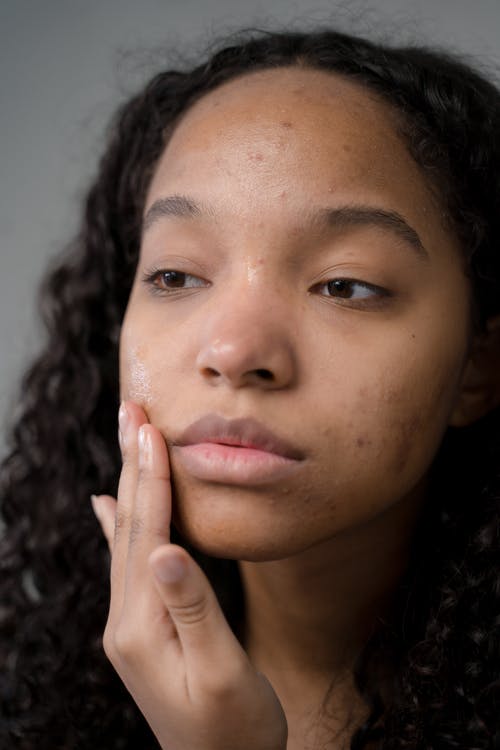
Acne is a very common skin condition that causes pimples mostly on the face, forehead, chest, shoulders and upper back. Acne is a common skin condition where the pores of your skin become blocked by hair, sebum (an oily substance), bacteria and dead skin cells. Those blockages produce blackheads, whiteheads, nodules and other types of pimples.

There are a variety of causes including genetics, fluctuating hormone levels, stress, high humidity and using oily or greasy personal care products. Acne commonly affects teenagers but can occur at any age.

Who does acne affect?

Though it mainly affects teenagers and young adults undergoing hormonal changes, many people continue struggling with acne into their 20s, 30s and beyond. Some even develop acne for the first time as adults.

Where does acne most commonly occur?

The most common spots where you might have acne are your face, forehead, chest, shoulders and upper back. Oil glands are all over your body, but those are the places where there are the most. The best way to treat acne depends on how severe it is. Acne can be mild (a few occasional pimples) moderate (inflammatory papules) or severe (nodules and cysts).

What are the different types of acne?

Acne can take several forms. They include:

Blackheads: Open bumps on the skin that fill with excess oil and dead skin. They look as if dirt has deposited in the bump, but the dark spots are actually caused by an irregular light reflection off the clogged follicle.

Whiteheads: Bumps that remain closed by oil and dead skin.

Papules: Small red or pink bumps that become inflamed.

Pustules: Pimples containing pus. They look like whiteheads surrounded by red rings. They can cause scarring if picked or scratched.

Fungal acne (pityrosporum folliculitis): This type occurs when an excess of yeast develops in the hair follicles. They can become itchy and inflamed.

Nodules: Solid pimples that are deep in your skin. They are large and painful.

Cysts: Pus-filled pimples. These can cause scars.

All of these forms of acne can affect your self-esteem. It’s best to seek help from your healthcare provider early so they can help determine the best treatment option(s) for you.

What causes acne?
Certain things can cause acne and/or make it worse:

1. Fluctuating hormone levels around the time of a woman’s period.

2. Picking at acne sores.
3. Clothing and headgear, like hats and sports helmets.
4. Air pollution and certain weather conditions, especially high humidity.
5. Using oily or greasy personal care products (like heavy lotions, creams or hair pomades and waxes) or working in an area where you routinely come in contact with grease (such as working at a restaurant where there are greasy food surfaces and frying oil).
6. Stress, which increases the hormone cortisol, can also cause acne to flare.
7. Some medications.
8. Genetics.

How is acne treated?
A. Medications applied topically:

1. Benzoyl peroxide is available as an over-the-counter product (such as Clearasil®, Stridex®, PanOxyl®) as a leave-on gel or wash. It targets surface bacteria, which often aggravates acne. Lower concentrations and wash formulations are less irritating to your skin. Irritation (dryness) is a common side effect.

2. Salicylic acid is available over-the-counter for acne, as a cleanser or lotion. It helps remove the top layer of damaged skin. Salicylic acid dissolves dead skin cells to prevent your hair follicles from clogging.

3. Azelaic acid is a natural acid found in various grains such as barley, wheat and rye. It kills microorganisms on the skin and reduces swelling.

4. Retinoids (vitamin A derivatives) such as Retin-A®, Tazorac®, and Differin® (which is now available without a prescription) break up blackheads and whiteheads and help to prevent clogged pores, the first signs of acne. Most patients are candidates for retinoid therapy. These medications are not spot treatments and must be used on the entire area of skin affected by acne to prevent the formation of new pimples. The most common side effect is irritation, which usually improves with moisturization and time on the medication.

5. Antibiotics (topical types include clindamycin and erythromycin) control surface bacteria that aggravate and often encourage the swelling of acne. Antibiotics are more effective when combined with benzoyl peroxide.

6. Dapzone (Aczone®) is a topical gel, which also has antibacterial properties, can be used for inflamed acne. It’s applied to the skin twice a day.

B. Medications taken orally (by mouth):

1. Antibiotics, especially tetracycline antibiotics such as minocycline and doxycycline, are commonly used to treat moderate to severe acne.

2. Oral contraceptives can help with breakouts associated with menstrual cycles. Three classes of medications have been approved by the FDA for acne patients. Some brand names include Estrostep®, Beyaz®, Ortho Tri-Cyclen® and Yaz ®.

3. Isotretinoin (Amnesteem®, Claravis®, Sotret®), an oral retinoid, is an especially effective drug used only for the most severe cases of acne. Isotretinoin shrinks the size of oil glands, which contributes to acne formation.

Can acne be prevented?

Preventing acne is difficult if not impossible during normal hormonal changes. But some things can help:

1. Wash your face daily with warm water and a mild facial cleanser.
2. Routinely use moisturiser.
3. You don’t have to stop using makeup, but try to use “non-comedogenic” products and remove makeup at the end of each day.
4. Keep your hands away from your face.

There are also Natural Remedies for Acne for those that want a safer route with less side effects.
Check them out! http://backup.troopharm.com/powerful-home-remedies-for-acne/

Written by Sarah Amah

Powerful Home Remedies for Acne

Acne is one of the most common skin conditions in the world, affecting an estimated 85% of young adults.

Conventional acne treatments like salicylic acid, niacinamide, or benzoyl peroxide are proven to be the most effective acne solutions, but they can be expensive and have undesirable side effects, such as dryness, redness, and irritation.

This has prompted many people to look into remedies to cure acne naturally at home. In fact, one study found that 77% of acne patients had tried alternative acne treatments.

Many home remedies lack scientific backing, and further research on their effectiveness is needed. If you’re looking for alternative treatments, though, there are still options you can try.

This article explores 13 popular home remedies for acne.

What causes acne?

Acne starts when the pores in your skin get clogged with oil and dead skin cells.

Each pore is connected to a sebaceous gland, which produces an oily substance called sebum. Extra sebum can plug pores, causing the growth of a bacteria known as Propionibacterium acnes, or P. acnes.

Your white blood cells attack P. acnes, leading to skin inflammation and acne. Some cases of acne are more severe than others, but common symptoms include whiteheads, blackheads, and pimples.

Many factors may contribute to the development of acne, including:

  • genetics
  • diet
  • stress
  • hormone changes
  • infections

Standard clinical treatments are the most effective for reducing acne. You can also try home treatments, though more research on their effectiveness is needed. Below are 13 home remedies for acne.

  1. Apply apple cider vinegar

Apple cider vinegar is made by fermenting apple cider, or the unfiltered juice from pressed apples. Like other vinegars, it’s known for its ability to fight many types of bacteria and fungi.

Apple cider vinegar contains organic acids, such as citric acid, that have been found to kill P. acnes. Research has shown that succinic acid, another organic acid, suppresses inflammation caused by P. acnes, which may prevent scarring.

Lactic acid, another acid in apple cider vinegar, may also improve the appearance of acne scars.

While certain components of apple cider vinegar may help with acne, there’s currently no evidence to support its use for this purpose. Some dermatologists advise against using apple cider vinegar at all, as it may irritate the skin.

How to use it

  1. Mix 1 part apple cider vinegar and 3 parts water (use more water for sensitive skin).
  2. After cleansing, gently apply the mixture to the skin using a cotton ball.
  3. Let sit for 5–20 seconds, rinse with water and pat dry.
  4. Repeat this process 1–2 times per day, as needed.

It’s important to note that applying apple cider vinegar to your skin can cause burns and irritation. If you choose to try it, use it in small amounts and dilute it with water.

2. Take a zinc supplement

Zinc is an essential nutrient that’s important for cell growth, hormone production, metabolism, and immune function.

It’s relatively well studied compared with other natural treatments for acne. Research indicates that people with acne tend to have lower levels of zinc in their blood than those with clear skin.

Several studies have also shown that taking zinc orally may help reduce acne.

For example, a 2014 review found that zinc is more effective at treating severe and inflammatory acne than treating moderate acne.

The optimal dosage of zinc for acne has not been established, but several older studies have observed a significant reduction in acne using 30–45 mg of elemental zinc per day. Elemental zinc refers to the amount of zinc that’s present in the compound. Zinc is available in many forms, and they contain varying amounts of elemental zinc.

Zinc oxide contains the highest amount of elemental zinc at 80%.

The recommended safe upper limit of zinc is 40 mg per day, so it’s probably best to not exceed that amount unless you’re under the supervision of a medical doctor.

Taking too much zinc may cause adverse effects, including stomach pain and gut irritation.

It’s also important to note that applying zinc to the skin has not been shown to be effective. This may be because zinc is not effectively absorbed through the skin.

3. Make a honey and cinnamon mask

Honey and cinnamon have the ability to fight bacteria and reduce inflammation, which are two factors that trigger acne.

A 2017 study found that the combination of honey and cinnamon bark extract exerted antibacterial effects against P. acnes. Other research has indicated that honey on its own can block the growth of or kill P. acnes.

Although, this finding doesn’t necessarily mean that honey effectively treats acne.

A study in 136 people with acne found that applying honey to the skin after using antibacterial soap was no more effective at treating acne than using the soap on its own.

While the anti-inflammatory and antibacterial properties of honey and cinnamon may reduce acne, more research is needed.

How to make a honey and cinnamon mask

  1. Mix 2 tablespoons of honey and 1 teaspoon of cinnamon to form a paste.
  2. After cleansing, apply the mask to your face and leave it on for 10–15 minutes.
  3. Rinse the mask off completely and pat your face dry.

4. Spot treat with tea tree oil

Tea tree oil is an essential oil that’s extracted from the leaves of Melaleuca alternifolia, a small tree native to Australia.

It’s well known for its ability to fight bacteria and reduce skin inflammation.

What’s more, several studies have found that applying tea tree oil to the skin may reduce acne.

Another small study found that, compared with benzoyl peroxide, participants using a tea tree oil ointment for acne experienced less dry skin and irritation. They also felt more satisfied with the treatment..

Given that topical and oral antibiotics can cause bacterial resistance if used long term for acne, tea tree oil may be an effective substitute.

Tea tree oil is very potent, so always dilute it before applying it to your skin.

How to use it

  1. Mix 1 part tea tree oil with 9 parts water.
  2. Dip a cotton swab into the mixture and apply it to the affected areas.
  3. Apply moisturizer if desired.
  4. Repeat this process 1–2 times per day, as needed.

5. Apply green tea to your skin

Green tea is very high in antioxidants, and drinking it can promote good health.

It may also help reduce acne. This is likely because the polyphenols in green tea help fight bacteria and reduce inflammation, which are two main causes of acne.

There isn’t much research exploring the benefits of drinking green tea when it comes to acne, and more studies are needed.

In one small study with 80 women, participants took 1,500 mg of green tea extract daily for 4 weeks. By the end of the study, women who took the extract had less acne on their noses, chins, and around their mouths.

Research has also found that drinking green tea may lower blood sugar and insulin levels, which are factors that can contribute to the development of acne.

Many studies also indicate that applying green tea directly to the skin may help with acne.

Research shows that the main antioxidant in green tea — epigallocatechin-3-gallate (EGCG) — reduces sebum production, fights inflammation, and inhibits the growth of P. acnes in individuals with acne-prone skin.

Multiple studies have found that applying green tea extract to the skin significantly reduces sebum production and pimples in those with acne.

You can buy creams and lotions that contain green tea, but it’s just as easy to make your own mixture at home.

How to use it

  1. Steep green tea in boiling water for 3–4 minutes.
  2. Allow the tea to cool.
  3. Using a cotton ball, apply the tea to your skin or pour it into a spray bottle to spritz it on.
  4. Allow it to dry, then rinse it off with water and pat your skin dry.

You can also add the remaining tea leaves to honey and make a mask.

6. Apply witch hazel

Witch hazel is extracted from the bark and leaves of the North American witch hazel shrub, Hamamelis virginiana. It contains tannins, which have strong antibacterial and anti-inflammatory properties.

That’s why it’s used to treat a broad range of skin conditions, including dandruff, eczema, varicose veins, burns, bruises, insect bites, and acne.

Currently, there appears to be very little research on witch hazel’s ability to treat acne specifically.

In one small study funded by a skin care company, 30 individuals with mild or moderate acne used a three-step facial treatment twice daily for 6 weeks.

Witch hazel was one of the ingredients in the second step of the treatment. Most participants experienced significant improvement in their acne by the end of the study.

Research also suggests that witch hazel may fight bacteria and reduce skin irritation and inflammation, which can contribute to acne.

How to use it

  1. Combine 1 tablespoon of witch hazel bark and 1 cup of water in a small saucepan.
  2. Soak the witch hazel for 30 minutes and then bring the mixture to a boil on the stove.
  3. Reduce to a simmer and cook, covered, for 10 minutes.
  4. Remove the mixture from the heat and let it sit for an additional 10 minutes.
  5. Strain and store the liquid in a sealed container.
  6. Apply to clean skin using a cotton ball 1–2 times per day, or as desired.

It’s important to note that commercially prepared versions may not contain tannins, as they are often lost in the distillation process.

7. Moisturize with aloe vera

Aloe vera is a tropical plant whose leaves produce a clear gel. The gel is often added to lotions, creams, ointments, and soaps.

It’s commonly used to treat abrasions, rashes, burns, and other skin conditions. When applied to the skin, aloe vera gel can help heal wounds, treat burns, and fight inflammation.

Aloe vera contains salicylic acid and sulfur, which are both used extensively in the treatment of acne. Research has found that applying salicylic acid to the skin reduces acne.

Several studies have also indicated that aloe vera gel, when combined with other substances like tretinoin cream or tea tree oil, may improve acne.

While research shows promise, the anti-acne benefits of aloe vera itself require further scientific research.

How to use it

  1. Scrape the gel from the aloe plant out with a spoon.
  2. Apply the gel directly to clean skin as a moisturizer.
  3. Repeat 1–2 times per day, or as desired.

You can also buy aloe vera gel from the store, but make sure that it’s pure aloe without any added ingredients.

8. Take a fish oil supplement

Omega-3 fatty acids are healthy fats that offer a multitude of health benefits.

You must get these fats from your diet, but research shows that most people who eat a standard Western diet don’t get enough of them.

Fish oils contain two main types of omega-3 fatty acids — eicosapentaenoic acid (EPA) and docosahexaenoic acid (DHA).

High levels of EPA and DHA have been shown to decrease inflammatory factors, which may reduce the risk of acne.

In one study, 45 individuals with acne were given omega-3 fatty acid supplements containing both EPA and DHA daily. After 10 weeks, their acne decreased significantly.

There’s no specific recommended daily intake of omega-3 fatty acids. The 2015–2020 Dietary Guidelines for Americans recommends that healthy adults consume around 250 mg of combined EPA and DHA each day.

You can also get omega-3 fatty acids by eating salmon, sardines, anchovies, walnuts, chia seeds, and ground flax seeds.

9. Exfoliate regularly

Exfoliation is the process of removing the top layer of dead skin cells. You can use chemicals to achieve this, or exfoliate mechanically by using a brush or scrub to physically remove the cells.

Exfoliation may improve acne by removing the skin cells that clog pores.

It may also make acne treatments for the skin more effective by allowing them to penetrate deeper, once the topmost layer of skin is removed.

Currently, the research on exfoliation and its ability to treat acne is limited.

Some studies suggest that microdermabrasion, a method of exfoliation, can improve the skin’s appearance, including some cases of acne scarring.

In one small study, 38 patients with acne received eight microdermabrasion treatments at weekly intervals. The participants with acne scars showed some improvements following the treatments.

Another small study found that six weekly microdermabrasion treatments helped stimulate skin repair.

While these results indicate that exfoliation may improve skin health and appearance, more research is needed on acne.

There are a wide variety of exfoliation products available, but you can also make a scrub at home using sugar or salt.

Note that mechanical exfoliation, such as with harsh scrubs or brushes, can be irritating and damage the skin. As such, some dermatologists recommend gentle chemical exfoliation with salicylic- or glycolic-acid-based products.

If you choose to try mechanical exfoliation, be sure to gently rub your skin to avoid damaging it.

How to make a scrub at home

  1. Mix equal parts sugar (or salt) and coconut oil.
  2. Gently rub your skin with the mixture and rinse well.
  3. Exfoliate as often as desired, up to once daily.

10. Follow a low glycemic load diet

The relationship between diet and acne has been debated for years.

Research suggests that dietary factors, such as insulin and glycemic index, may be associated with acne.

A food’s glycemic index (GI) is a measure of how quickly it raises your blood sugar.

Eating high GI foods causes a spike in insulin, which likely increases sebum production. As a result, high GI foods may directly affect the development and severity of acne.

Foods with a high glycemic index include processed foods, such as:

  • white bread
  • sugary soft drinks
  • cakes
  • doughnuts
  • pastries
  • candies
  • sugary breakfast cereals

Foods with a low glycemic index include:

  • fruits
  • vegetables
  • legumes
  • nuts
  • whole or minimally processed grains

In one study, 66 people followed either a normal or low glycemic diet. After 2 weeks, the individuals consuming a low glycemic diet had lower levels of insulin-like growth factor-1 (IGF-1), a hormone involved in acne development.

Another study in 64 people found that those with moderate or severe acne ate diets with more carbohydrates and a higher glycemic load than those without acne.

These small studies suggest that a low glycemic diet may help those with acne-prone skin. Additional larger, longer studies are needed.

11. Cut back on dairy

The relationship between dairy and acne is highly controversial.

Milk and dairy products contain hormones like IGF-1, which is associated with acne. Other hormones in milk may cause hormonal changes and lead to acne.

One study in people ages 10 to 24 found that drinking whole milk three or more days each week was linked to moderate or severe acne. In another study including 114 participants, those with acne were found to drink significantly more milk than people who didn’t have acne.

On the other hand, a study involving over 20,000 adults found no association between milk consumption and acne. Participants self-reported the data in these studies, so more research needs to be done to establish a true causal relationship.

Finally, several research reviews have suggested an association between dairy consumption and acne. The relationship between milk and acne needs further study.

12. Reduce stress

The link between stress and acne is not fully understood. The hormones released during periods of stress may increase sebum production and inflammation, making acne worse.

Stress may also affect gut bacteria and cause inflammation throughout the body, which could be linked to acne.

What’s more, stress can slow wound healing, which may slow the repair of acne lesions. Multiple studies have found an association between stress and acne. However, each of these studies was relatively small, so more research is needed.

One study in 80 participants found no association between stress intensity and acne. However, it noted that acne severity may be related to people’s ability to cope with stress.

Certain relaxation and stress reduction treatments may improve acne, but more research needs to be done.

Ways to reduce stress

  • get more sleep
  • engage in physical activity
  • practice yoga
  • meditate
  • take deep breaths

13. Exercise regularly

There’s little research on the effects of exercise on acne. Still, exercise affects bodily functions in ways that may help improve acne.

For example, exercise promotes healthy blood circulation. The increase in blood flow helps nourish the skin cells, which may help prevent and heal acne.

Exercise also plays a role in hormone levels and regulation.

Several studies have suggested that exercise can decrease stress and anxiety, both of which can contribute to the development of acne.

The U.S. Department of Health and Human Services recommends that adults get 150 minutes of aerobic exercise and engage in strength training activities two days per week.

This can include walking, hiking, running, and lifting weights.


Reference: Healthline

Written by: Omojo Emeje

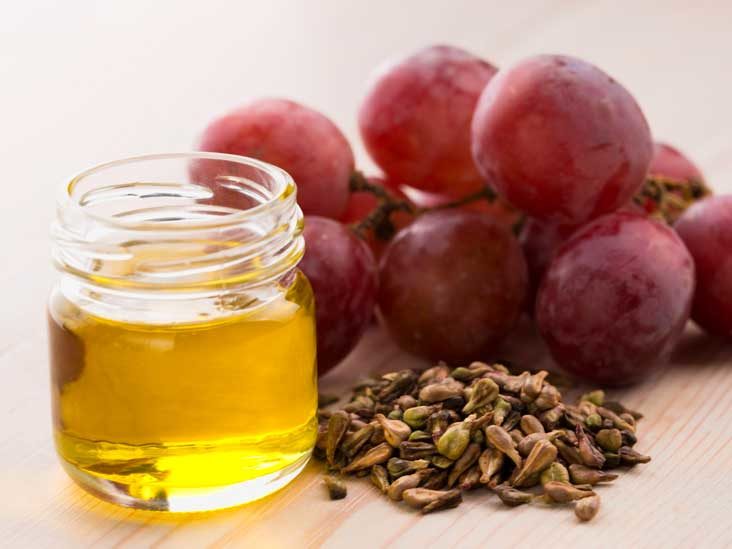
Grape Seed Extract (GSE)

Grape seed extract (GSE) is a dietary supplement made by removing, drying, and pulverising the bitter-tasting seeds of grapes.

Grape seeds are rich in antioxidants, including phenolic acids, anthocyanins, flavonoids, and oligomeric proanthocyanidin complexes (OPCs). Grape seed extract, which is made from the seeds of wine grapes, is promoted as a dietary supplement for various conditions, including venous insufficiency (when veins have problems sending blood from the legs back to the heart), promoting wound healing, reducing inflammation, protect against oxidative stress and tissue damage.

Grape seed extract also is indicated for reducing the risk of atherosclerosis as well as for reducing complications related to diabetes, lowering cholesterol and preventing cancer.

Grape seed extract also help with deep wrinkles. This extract has natural antioxidant properties and can help restore elasticity to your wrinkled skin. Massage the grape seed extract into your deep wrinkles daily to keep your skin looking young.

Side effects. Grape seed extract is generally considered safe. Side effects may include headache, itchy scalp, dizziness, and nausea.

Risks. People allergic to grapes should not use grape seed extract. If you have a bleeding disorder or high blood pressure, talk to your doctor before you start using grape seed extract.

Interactions. If you take any medicines regularly, talk to your doctor before you start using grape seed extract. It could interact with drugs like blood thinners, NSAID painkillers (like aspirin, Advil, and Aleve), certain heart medicines, cancer treatments, and others.


Written by: Chiamaka Nwoko

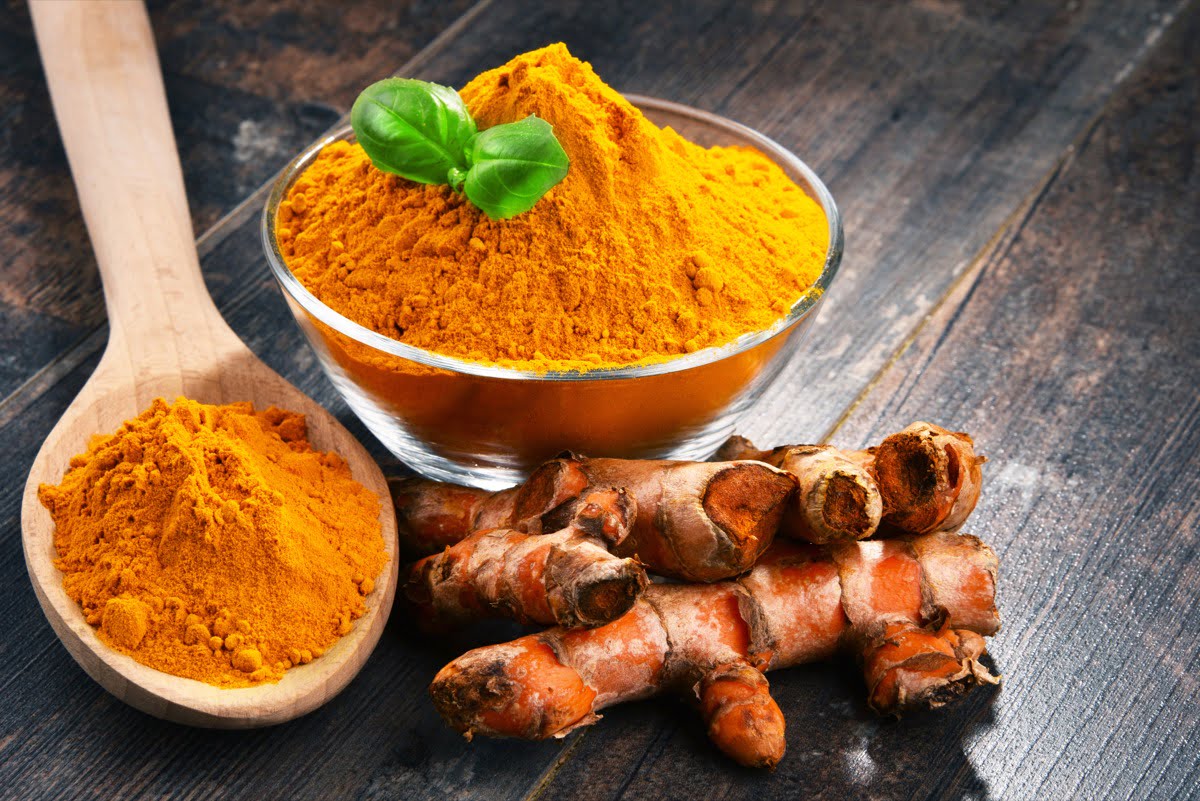
Amazing Benefits of Turmeric!

The turmeric on shelves and in spice cabinets is made of the ground roots of the plant. The bright yellow color of processed turmeric has inspired many cultures to use it as a dye. Ground turmeric is also a major ingredient in curry powder.

Capsules, teas, powders, and extracts are some of the turmeric products available commercially.

Curcumin is the active ingredient in turmeric, and it has powerful biological properties. Ayurvedic medicine, a traditional Indian system of treatment, recommends turmeric for a variety of health conditions. These include chronic pain and inflammation. Western medicine has begun to study turmeric as a pain reliever and healing agent.

While turmeric is a flavorsome spice that is nutritious to consume, it has also traditionally been used in Ayurvedic and Chinese medicine to treat inflammatory conditions, skin diseases, wounds, digestive ailments, and liver conditions.

✓ Anti-inflammatory properties
This anti-inflammatory ability might reduce the aggravation that people with arthritis feel in their joints.

The foundation suggests taking turmeric capsules of 400 to 600 milligrams (mg) up to three times per day for inflammation relief.

✓Pain relief
Turmeric is thought of as a pain reliever. The spice is reputed to relieve arthritis pain as well.

✓Improving liver function

The antioxidant effect of turmeric appears to be so powerful that it may stop your liver from being damaged by toxins.

✓ Possibly reducing the risk of cancer.

✓ Improves gut inflammation
Turmeric can help with gut inflammation and gut permeability, two measures of digestive efficiency.

✓ The spice is even being explored as a treatment for irritable bowel syndrome (IBS).

Turmeric adds flavor to food, which explains its presence in curry powder. However, turmeric can also play an important role in digesting that food.

The spice can contribute to healthy digestion as a result of its antioxidant and anti-inflammatory properties.


Written by: Chiamaka Nwoko

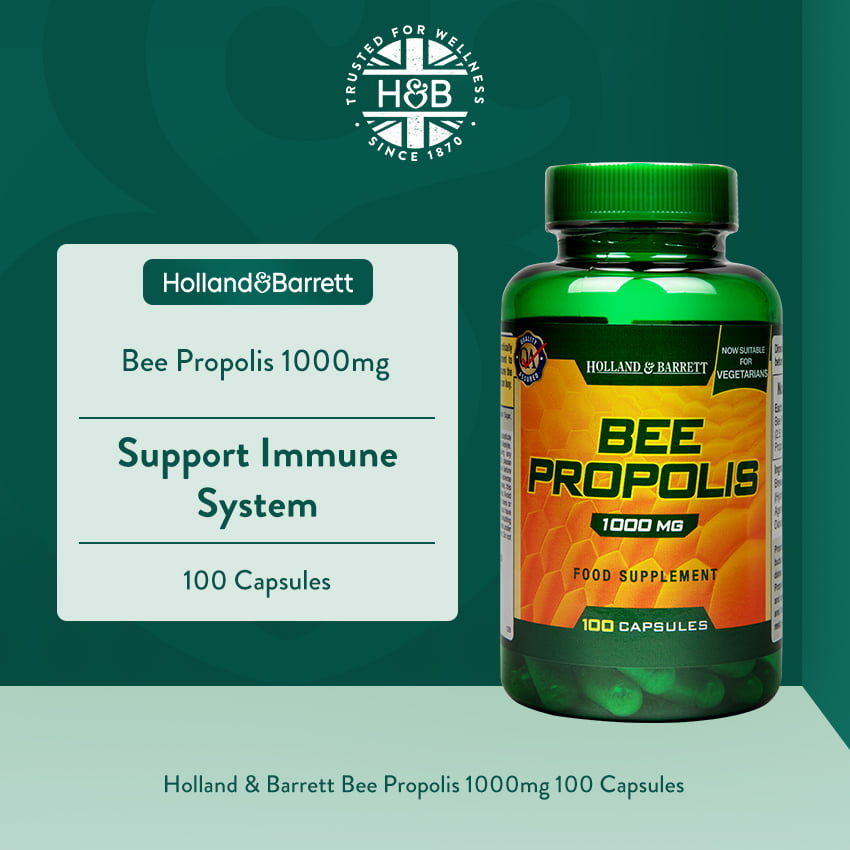
What you did not know about Bee Propolis!

What is Propolis?

Did you know that honey isn’t the only thing that bees make? Bees also produce a compound called propolis from the sap on needle-leaved trees or evergreens. When they combine the sap with their own discharges and beeswax, they create a sticky, greenish-brown product used as a coating to build their hives. This is propolis.

Healing compounds in propolis

Researchers have identified more than 300 compounds in propolis. The majority of these compounds are forms of polyphenols. Polyphenols are antioxidants that fight disease and damage in the body.

Specifically, propolis contains the polyphenols called flavonoids. Flavonoids are produced in plants as a form of protection. They’re commonly found in foods thought to have antioxidant properties, including:

  • fruits
  • green tea
  • vegetables
  • red wine

Medicinal properties

One 2019 review suggests that people have used propolis as a medicine since the year 300 BC. Ancient Egyptians used propolis for embalming, and some doctors used it during World War II to help with wound healing.

The same 2019 review suggests that it may have the following properties:

  • antibacterial
  • antifungal
  • antiviral
  • antiprotozoal, which means that it works against parasitic illnesses, such as giardiasis
  • anti-inflammatory
  • antioxidant

Some of the substances present in propolis may also have anticancer properties.

However, although laboratory and animal studies into the properties of propolis and its components are promising, few high quality studies have proven its effectiveness as a treatment for specific conditions in humans.

Potential uses

Modern research suggests that propolis may be useful for:

  • minor wounds
  • oral hygiene
  • inflammation
  • cold sores

The following sections will look at some of this research in more detail.

Wound healing

One 2015 review suggests that propolis may aid wound healing. An animal study in rats with diabetes showed that propolis helped the skin grow new cells in order to repair itself.

Because people with diabetes can experience slow wound healing, this suggests that propolis could be beneficial for helping the skin heal more quickly. As propolis also kills some types of bacteria, it may also help prevent infection.

Oral health

According to the same 2015 review, propolis also appears to prevent the formation of calcium phosphate, which is the main component of dental plaque.

Propolis and honey are also antibacterial, which may make them useful as ingredients in dental care products.

According to one small study in the review, propolis significantly decreased the amount of bacteria in the saliva of people with periodontitis.

Inflammation

The antioxidants in propolis may work to reduce inflammation, such as the inflammation that arthritis causes.

Animal studies have tested propolis as an anti-inflammatory agent in rats and mice with arthritis. In both studies, the propolis inhibited swelling and appeared to have an impact on how the inflammation developed.

Scientists believe that propolis may regulate inflammatory substances in the body, such as prostaglandins.

Herpes

A systematic review in the journal Complementary Therapies in Medicine suggests that propolis may work as an alternative treatment for genital or oral herpes.

Herpes is caused by the herpes simplex virus (HSV). HSV-1 typically causes oral herpes, which can result in cold sores. HSV-2 is sexually transmitted, and it causes an infection that can result in painful blisters on the genitals.

In the review, researchers analyzed several trials into honey and propolis, comparing their effects with those of acyclovir, which is a common HSV medication. In 4 out of 6 trials, propolis was more effective than acyclovir for treating HSV skin lesions — particularly cold sores.

However, the researchers did not include a large number of trials in this review.

Insufficient evidence

Although people have used propolis for many health conditions in the past, there is not strong scientific evidence to support all of them.

The following sections will look at some of these health conditions in more detail.

Diabetes

According to the 2015 review, one older study in rats found that propolis was associated with lower blood sugar levels. However, this is not enough evidence to show that propolis can help with managing diabetes in humans.

Cancer

Laboratory studies suggest that the compounds in propolis may inhibit cancer cell growth or induce cell death in cancer cells.

Some in vivo tests have shown that flavonoids from propolis can inhibit the development of oral cancer, lung cancer, skin cancer, breast cancer, and more.

However, much of the research in this field has involved isolated cells or animal models.

COVID-19

One 2020 study in the journal Phytotherapy Research argues that propolis’s antiviral properties may mean that it works against SARS-CoV-2. This is the coronavirus that causes COVID-19.

Previous laboratory studies have shown that propolis exhibits antiviral activity against other types of virus, including:

  • rhinoviruses
  • influenza (flu)
  • respiratory syncytial virus

Propolis also appears to help stimulate the immune system. For these reasons, the researchers suggest that propolis may help with preventing SARS-CoV-2 infection.

However, while clinical trials on propolis’s ability to prevent COVID-19 are underway, there is currently no evidence to suggest that it is effective for this purpose.

Allergies

One study in the journal Oxidative Medicine and Cellular Longevity notes that propolis contains compounds that may have an anti-allergy effect in the body.

Some people may feel a benefit from using propolis for this purpose. However, there is not much scientific evidence to prove that propolis can help reduce allergy symptoms.


Reference: Healthline, Medical News Today

Written by: Omojo Emeje

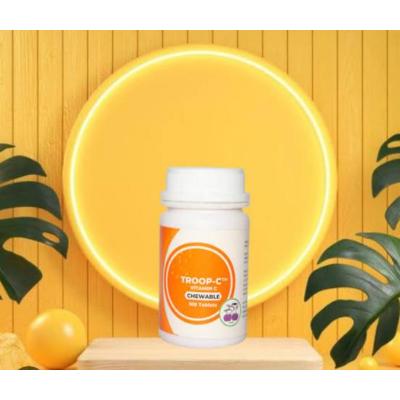
Benefits of TROOP-C® (Vitamin C)

Vitamin C is an essential vitamin, meaning your body can’t produce it. Yet, it has many roles and has been linked to impressive health benefits.

It’s water-soluble and found in many fruits and vegetables, including oranges, strawberries, kiwi fruit, bell peppers, broccoli, kale, and spinach.

While it’s commonly advised to get your vitamin C intake from foods, many people turn to supplements to meet their needs.

FOR THE BODY:

1. May reduce your risk of chronic disease

Vitamin C is a powerful antioxidant that can strengthen your body’s natural defences.

Antioxidants are molecules that boost the immune system. They do so by protecting cells from harmful molecules called free radicals.

When free radicals accumulate, they can promote a state known as oxidative stress, which has been linked to many chronic diseases.

Studies show that consuming more vitamin C can increase your blood antioxidant levels by up to 30%. This helps the body’s natural defences fight inflammation.

2. May help manage high blood pressure

High blood pressure puts you at risk of heart disease, the leading cause of death globally.

Studies have shown that vitamin C may help lower blood pressure in both those with and without high blood pressure.

An animal study found that taking a vitamin C supplement helped relax the blood vessels that carry blood from the heart, which helped reduce blood pressure levels.

Moreover, an analysis of 29 human studies found that taking a vitamin C supplement reduced systolic blood pressure (the upper value) by 3.8 mmHg and diastolic blood pressure (the lower value) by 1.5 mmHg, on average, in healthy adults.

In adults with high blood pressure, vitamin C supplements reduced systolic blood pressure by 4.9 mmHg and diastolic blood pressure by 1.7 mmHg, on average.

While these results are promising, it’s not clear whether the effects on blood pressure are long term. Moreover, people with high blood pressure should not rely on vitamin C alone for treatment.

4. May reduce blood uric acid levels and help prevent gout attacks

Gout is a type of arthritis that affects a number of people.

It’s incredibly painful and involves inflammation of the joints, especially those of the big toes. People with gout experience swelling and sudden, severe attacks of pain.

Gout symptoms appear when there is too much uric acid in the blood. Uric acid is a waste product produced by the body. At high levels, it may crystallize and deposit in the joints.

Interestingly, several studies have shown that vitamin C may help reduce uric acid in the blood and, as a result, protect against gout attacks.

For example, a study including 1,387 men found that those who consumed the most vitamin C had significantly lower blood levels of uric acid than those who consumed the least.

Another study followed 46,994 healthy men over 20 years to determine whether vitamin C intake was linked to developing gout. It found that people who took a vitamin C supplement had a 44% lower gout risk.

Additionally, an analysis of 13 studies found that taking a vitamin C supplement over 30 days significantly reduced blood uric acid, compared with a placebo.

While there appears to be a strong link between vitamin C intake and uric acid levels, more studies on the effects of vitamin C on gout are needed.

5. Helps prevent iron deficiency

Iron is an important nutrient that has a variety of functions in the body. It’s essential for making red blood cells and transporting oxygen throughout the body.

Vitamin C supplements can help improve the absorption of iron from the diet. Vitamin C assists in converting iron that is poorly absorbed, such as plant-based sources of iron, into a form that is easier to absorb.

This is especially useful for people on a meat-free diet, as meat is a major source of iron.

In fact, simply consuming 100 mg of vitamin C may improve iron absorption by 67%.

As a result, vitamin C may help reduce the risk of anemia among people prone to iron deficiency.

In one study, 65 children with mild iron deficiency anemia were given a vitamin C supplement. Researchers found that the supplement alone helped control their anemia.

If you have low iron levels, consuming more vitamin-C-rich foods or taking a vitamin C supplement may help improve your blood iron levels.

6. Boosts immunity

One of the main reasons people take vitamin C supplements is to boost their immunity, as vitamin C is involved in many parts of the immune system.

First, vitamin C helps encourage the production of white blood cells known as lymphocytes and phagocytes, which help protect the body against infection.

Second, vitamin C helps these white blood cells function more effectively while protecting them from damage by potentially harmful molecules, such as free radicals.

Third, vitamin C is an essential part of the skin’s defense system. It’s actively transported to the skin, where it can act as an antioxidant and help strengthen the skin’s barriers.

Studies have also shown that taking vitamin C may shorten wound healing time.

What’s more, low vitamin C levels have been linked to poor health outcomes.

For example, people who have pneumonia tend to have lower vitamin C levels, and vitamin C supplements have been shown to shorten the recovery time.

7. Protects your memory and thinking as you age

Dementia is a broad term used to describe symptoms of poor thinking and memory.

It affects over 35 million people worldwide and typically occurs among older adults.

Studies suggest that oxidative stress and inflammation near the brain, spine, and nerves (altogether known as the central nervous system) can increase the risk of dementia.

Vitamin C is a strong antioxidant. Low levels of this vitamin have been linked to an impaired ability to think and remember.

Moreover, several studies have shown that people with dementia may have lower blood levels of vitamin C.

Furthermore, high vitamin C intake from food or supplements has been shown to have a protective effect on thinking and memory as you age.

Vitamin C supplements may aid against conditions like dementia if you don’t get enough vitamin C from your diet. However, additional human studies are needed to understand the effects of vitamin C supplements on nervous system health.

FOR SKIN

1. It’s safe for most skin types

Vitamin C has an excellent safety profile. Most people can use topical vitamin C for an extended period of time without experiencing any adverse reactions.

In rare cases, people who have hypersensitive skin may experience minor irritation.

2. It’s brightening

Vitamin C can help fade pigmentation (more on this below!) and smooth the skin’s surface to reduce dullness. This gives skin a youthful glow.

3. It helps reduce redness and even out your skin tone

Vitamin C has also been shown to treat a huge variety of inflammatory skin conditions. Minimising redness can create a more even complexion.

4. It helps fade hyperpigmentation

Hyperpigmentation — including sun spots, age spots, and melasma — occurs when melanin is overproduced in certain areas of the skin. It can also happen in areas where acne has healed.

Vitamin C application has been shown to impede melanin production. This can help fade dark spots and lead to a more even-toned complexion.

5. It reduces the appearance of under-eye circles

These serums can help smooth out fine lines by plumping and hydrating the under-eye area.

Although vitamin C is more effective at reducing overall redness, some people say that it can help alleviate discoloration associated with under-eye circles.

6. It promotes collagen production

Vitamin C is well known for boosting collagen production.

Collagen is a naturally occurring protein that depletes over time. Lower levels of collagen can lead to fine lines and wrinkles.

7. It may help prevent skin sagging

Collagen production is tied to skin elasticity and firmness. When your collagen levels begin to drop, your skin may begin to sag.

Applying a vitamin C serum may boost collagen production, resulting in an overall tightening effect.

8. It protects against sun damage

Sun damage is caused by molecules called free radicals. These are atoms with a missing electron. Free radicals search for other atoms from which they can “steal” an electron —and this can lead to significant damage to the skin.

Vitamin C is rich in antioxidants. Antioxidants protect healthy skin cells by “giving” these free radicals an electron, rendering them harmless.

9. It may help soothe sunburns

In addition to minimising redness, vitamin C accelerates cell turnover. This replaces the damaged cells with healthy new ones.

10. And it generally helps boost wound healing

Given its effects on sunburn, it should be no surprise that vitamin C application can speed up overall wound healing. Healthy wound healing reduces your risk for inflammation, infection, and scarring.


Reference: Healthline, WebMD

Written by: Omojo Emeje

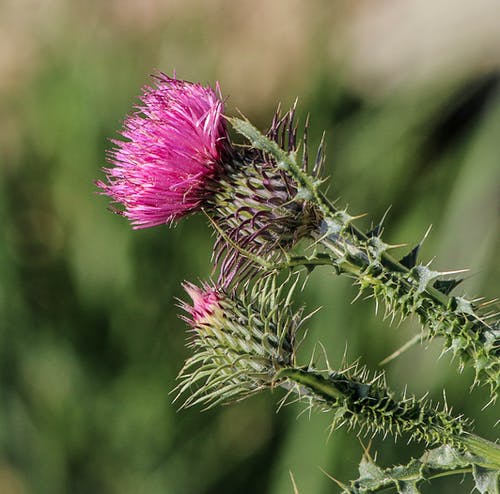
Milk Thistle Seed Extract Benefits

It is a herbal remedy derived from the milk thistle plant known as Silybum marianum. The active ingredient in milk thistle are a group of plant compounds collective known as silymarin.

It’s a herbal remedy is known as milk thistle extract. Milk thistle extract has a high amount of silymarin (between 65–80%) that has been concentrated from the milk thistle plant.

The silymarin extracted from milk thistle is known to have antioxidant, antiviral and anti-inflammatory properties

In fact, it has traditionally been used to treat liver and gallbladder disorders, promote breast milk production, prevent and treat cancer and even protect the liver from snake bites, alcohol and other environmental poisons.

Science – based Benefit of Milk thistle:

1. Milk Thistle Protects Your Liver

2. It May Help Prevent Age-Related Decline in Brain Function

3. Milk Thistle Could Protect Your Bones

4. It May Improve Cancer Treatment

5. It Can Boost Breast Milk Production

6. It Could Help Treat Acne

7. It Can Lower Blood Sugar Levels for People With Diabetes

Side Effects

Milk thistle is generally safe but when taken in high dosage only about 1 % experience side effect of gut disturbance like Diarrhoea, Nausea or Bloating.

Some people are advised to be cautious when taking milk thistle. These include:

1. Pregnant women

2. Those allergic to the plant

3. People with diabetes

Generally MILK THISTLE is a safe supplement that shows potential as a complementary therapy for various conditions, including liver disease, cancer and diabetes.

However, many of the studies are small and have methodological flaws, which makes it difficult to give firm guidance on this supplement or confirm its effects .

Overall, more high-quality research is needed to define the doses and clinical effects of this fascinating herb.


Written by: Ruth Olusegun

Alpha Lipoic Acid

It is an antioxidant that can be gotten naturally from the body or gotten from food.

It breaks down carbohydrates to energy, so its a source of energy that sustain life

Its can be gotten from food like red meat, potato, carrot, beets etc
Its also available in supplement like meconerve forte, renerve plus etc

Because its an antioxidant it can help to
1. Provide protection to the brain
2 . its also helpful in certain liver disease

Uses
1. To treat nerve pain and nerve damage in people with diabetics
2. It is used for obesity
3. Use for altitude sickness
4. Use for aging skin
5. Use for high level of cholesterol

Possibly Effective for

  • Nerve pain in people with diabetes (diabetic neuropathy). Taking alpha-lipoic acid by mouth seems to improve symptoms such as burning, pain, and numbness in the legs and arms of people with diabetes.
  • High levels of cholesterol or other fats (lipids) in the blood (hyperlipidemia). Taking alpha-lipoic acid by mouth for up to 4 years seems to lower total cholesterol and low-density lipoprotein (LDL or “bad”) cholesterol in people with or without hyperlipidemia.
  • Obesity. Taking alpha-lipoic acid by mouth can slightly reduce body weight in adults who are overweight.

Generally alpha lipoic acid as an antioxidant help to protect the cell from the damage caused by free radicals thereby maintaining healthy cells and its used to treat neuropathy pain in diabetic patients.


Written by: Ruth Olusegun

Benefits of Artichoke

Artichokes or globe artichokes are round green vegetables that have fleshy leaves arranged like the petals of a flower. It is a vegetable plant.
Artichoke leaf extract is a herbal supplement and complementary medicine that is thought to lower cholesterol, reduce stomach problems, and increase bile production.
Artichokes are low in fat, high in fiber, and loaded with vitamins and minerals like vitamin C, vitamin K, folate, phosphorus, and magnesium. They are also one of the richest sources of antioxidants.

Artichoke Benefits:
1. They’re full of nutrients.
Artichokes are chock-full of important nutrients, like vitamin C, vitamin A, and iron, “as well as potassium and antioxidants.

2, They contain a ton of protein.
In addition to its wide nutrition profile,”artichokes offer more protein than many other vegetables at 3.5 grams per serving.

3. They’re high in fiber.
Artichokes are a great source of fibre, which can help keep your digestive system healthy by promoting friendly gut bacteria, reducing your risk of certain bowel cancers, and alleviating constipation and diarrhoea.

4. They may boost your immune system.
Orange juice isn’t the only thing that’ll help keep you from contracting your co-worker’s cold. In fact, the Journal of Agriculture and Food Chemistry ranked artichokes high up on the list of immune-boosting, antioxidant-rich foods.

5. May help lower blood pressure.
Artichoke extract may help lower blood pressure in people with already elevated levels.

6. May improve heart health
Artichoke leaf extract may protect your liver from damage and promote the growth of new tissue. It also increases the production of bile, which helps remove harmful toxins from your liver.

7. May help lower blood sugar
Artichokes and artichoke leaf extract may help lower blood sugar levels.Some evidence suggests that artichokes and artichoke leaf extract may lower blood sugar levels.

8. Aa an antioxidant
Artichokes contain the highest levels of antioxidants of any vegetable (polyphenols, flavonoids, anthocyanins among others) and are loaded with an army of beneficial nutrients that can protect the body from cancer.

HOW IT IS TAKEN
Artichoke can be taken in its natural form as vegetable or as a supplement.

Artichokes are an extremely nutritious, low-carb food that may provide numerous health benefits.
Regular consumption of artichoke extract may aid cholesterol levels, blood pressure, liver health, IBS, indigestion, and blood sugar levels.
Take Artichoke today and stay healthy!

Written by Sarah Amah

Add to cart