Health Benefits of Green Tea Extract

What is green tea?

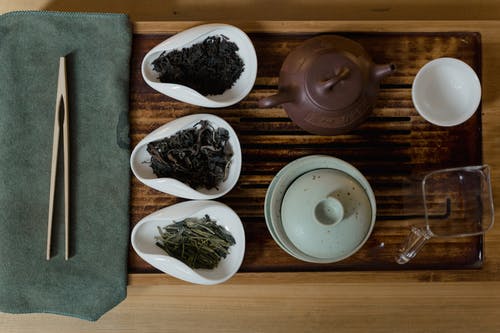
Green tea is made from unoxidized leaves and is one of the least processed types of tea. For this reason, it contains the most antioxidants and beneficial Polyphenols.

Why do you need green tea?
-Green tea in traditional Chinese and Indian medicine is used to control bleeding and heal wounds.

-Green tea is also used traditionally to aid digestion and regulate body temperature.

-Green tea human studies have shown that drinking green tea helps to prevent the overall risk of cancer.

-The catechins in green tea plays a role in increasing energy metabolism, thereby aiding weight loss.

-Green tea has anti-inflammatory properties. A review of human clinical studies that green tea and its major component, epigallocatechin-3-gallate(EGCG), have demonstrable anti-inflammatory effects.

-Green tea reduces risk of cardiovascular health, research has shown that green tea consumption is associated with reduced mortality due to cardiovascular health.

-Green tea lowers bad cholesterol levels. Studies has shown that consuming green tea, either as beverage or capsule was linked to significant reductions in total low-density lipoprotein cholesterol.

-Green tea can enhance a person’s working memory and other cognitive functions.

-Green tea helps to prevent dental cavities, stress and chronic fatigue.

-Green tea treat skin conditions and improves arthritis by reducing inflammation.

Conclusively, Green tea has one of the highest concentrations of antioxidants of any tea. It is naturally low in calories and contains less caffeine than black tea.

Green tea is a must have for everyone and can be consumed as tea or in its capsule form making it even easier to maintain a healthier life.


Written by: Immaculate Amalu

Lycopene Benefits

Lycopene is a bright-red carotenoid hydrocarbon found in tomatoes and other red fruits and vegetables such as watermelon, red carrots etc.
Lycopene is a powerful antioxidant with many health benefits, including sun protection, improve heart health, and lower the risk of certain type of cancer.

Lycopene can be found in supplement and also in Lycopene-rich foods like tomatoes and other red or pink fruits.

Strong Antioxidant Properties

Lycopene is an antioxidant in the carotenoid family. Antioxidants protect your body from damage caused by compounds known as free radicals.

When free radical levels outnumber antioxidant levels, they can create oxidative stress in your body. This stress is linked to certain chronic diseases, such as cancer, diabetes, heart disease and Alzheimer’s.

Research shows that lycopene’s antioxidant properties can help keep free radical levels in balance, protecting your body against some of these conditions.

May Promote Heart Health

Lycopene may also help lower your risk of developing or prematurely dying from heart disease.

That’s in part because it may reduce heart disease risk factors. More specifically, it may reduce free-radical damage, total and “bad” LDL cholesterol levels and increase “good” HDL cholesterol.

High blood levels of lycopene may also add years to the lives of people with metabolic syndrome — a combination of health conditions that can lead to heart disease.

Over a 10-year period, researchers noted that individuals with metabolic disease who had the highest blood lycopene levels had up to a 39% lower risk of dying prematurely.

In another 10-year study, diets rich in this nutrient were linked to a 17–26% lower risk of heart disease. A recent review further associates high blood levels of lycopene with a 31% lower risk of stroke.

Lycopene’s protective effects appear particularly beneficial to those with low blood antioxidant levels or high levels of oxidative stress. This includes older adults and people who smoke or have diabetes or heart disease.

May Protect Against Sunburn

Lycopene also appears to offer some protection against the damaging effects of the sun.

In one small 12-week study, participants were exposed to UV rays before and after consuming either 16 mg of lycopene from tomato paste or a placebo. Participants in the tomato paste group had less severe skin reactions to the UV exposure.

In another 12-week study, daily intake of 8–16 mg of lycopene, either from food or supplements, helped reduce the intensity of skin redness following exposure to UV rays by 40–50%.

In this study, supplements providing a mix of lycopene and other carotenoids were more effective against UV damage than those providing lycopene alone.

That said, lycopene’s protection against UV damage is limited and not considered a good replacement for using sunscreen.

Other Potential Benefits

Lycopene may also offer a range of other health benefits — the best-researched ones include:

  • May help your eyesight: Lycopene may prevent or delay the formation of cataracts and reduce your risk of macular degeneration, the leading cause of blindness in older adults.
  • May reduce pain: Lycopene may help reduce neuropathic pain, a type of pain caused by nerve and tissue damage.
  • May protect your brain: Lycopene’s antioxidant properties may help prevent seizures and memory loss experienced in age-related diseases, such as Alzheimer’s.
  • May contribute to stronger bones: Lycopene’s antioxidant action may slow down the death of bone cells, reinforce bone architecture and help keep bones healthy and strong.

HOW IT IS TAKEN
Lycopene is primarily available in capsule and soft-gel form daily with meals. Fruits that are rich in Lycopene are:
1. Tomatoes

2. Watermelon

3. Pink grapefruit

4. Pink guava

5. Papaya (pawpaw)

6. Red carrots.


Written by: Sarah Amah & Omojo Emeje

Reference: Healthline


Benefits of Cinnamon for a Glowing Skin

You might have heard a lot about this wonder spice in Indian kitchens for its earthy/woody flavour. It is known to reduce the risk of cardiac ailments and enhance the sensitivity to the hormone insulin, which is essential to prevent the onset of diabetes as well as reduce its symptoms. Well, cinnamon benefits go much beyond this.

Here, we will be discussing some of the cinnamon uses to get flawless, glowing, and youthful skin.

Heals Acne: Acne, is the ultimate struggle that everyone has to encounter, be it the teenagers or the ageing people. We are ready to opt for all the remedies under the sun to get rid of acne effectively, and permanently and may invest substantially in skincare products for the same. But, cinnamon, the wonder kitchen spice, can be pivotal in keeping acne at bay or at least keep it in control. The anti-fungal, antioxidant, and antibacterial properties of cinnamon make it useful against acne and skin blemishes.

Cinnamon can also help remove acne by drying out the skin and by supporting blood flow to the skin. Cinnamon’s antiseptic properties can help in effective treatment for pimples, blackheads, etc. Studies even cite that cosmetics with cinnamon as an ingredient may help in unclogging the pores, and enhancing the oxygen supply on the surface of the skin.

Here is how you can prepare the perfect mask with cinnamon and honey for acne-free skin.

How? Mix honey with cinnamon powder in the ratio of 3:1 and apply the paste to your skin and leave overnight. You can also apply a thin layer of the paste to your face as a face mask and leave it on for 20 minutes, then wash it off. *Cinnamon masks may irritate the skin depending on the skin type, so they should not be applied more than once a week.

Adds moisture to the Skin: Cinnamon improves blood flow to the surface of the skin, resulting in moist skin.

For this, use a mixture of 3 drops of cinnamon oil and a few tablespoons of petroleum jelly or olive oil. Keep the mixture away from the eye to avoid a burning sensation. This mixture could be a great substitute for your lip gloss. You can also apply any regular lip gloss on your lips and gently pat a pinch of cinnamon on top.

Reduces the Signs of Ageing

Are you observing fine lines and wrinkles on your face and adjacent regions? Is the carbohydrate intake in your daily diet too much? Then, your fine lines can be attributed to the formation of Advanced Glycation End products or AGEs. These are also responsible for making your skin susceptible to the sun’s UVA/UVB radiations. Well, here is the good news! Cinnamon, the humble kitchen ingredient can come in handy here. It is known to help slow down the formation of AGEs and thus can help in keeping the signs of skin ageing at bay.

Aids the treatment of Dry Skin: Cinnamon helps remove dead skin cells and reinstate the softness of your skin. Cinnamon powder can be leveraged as an exfoliator for an effective skincare regimen.

To fight against dry skin, you can make a scrub by combining salt, olive oil, almond oil, honey, and ground cinnamon. Apply this mixture directly to your skin for soothing home skin therapy.

Treatment of Eczema: Eczema is a condition in which skin gets inflamed and irritated. Such skin conditions leave behind light-coloured patches. Cinnamon could provide relief from eczema.

How? Mix one teaspoon of cinnamon with one teaspoon of honey and apply to the affected areas. The results could be visible in a week.

Note: Before using it, try in on a small test area in your skin and wash off instantly if the skin becomes red.

Complexion Enhancer: Thanks to the antifungal and antibacterial properties, cinnamon helps in enhancing skin complexion. This is one of the prominent cinnamon benefits for the skin.

Mix the ingredients: Banana, ground cinnamon, yoghurt, and lemon juice, and pound it to an even paste. Apply on your face and leave for 15 minutes before rinsing with lukewarm water. Do you know any other benefits of Cinnamon? Do share with us in the comment section below.

Apart from these skin benefits, cinnamon is also known to soften dry and rough feet as it acts as a potent exfoliator to remove dead skin cells. You can prepare a scrub by mixing the cinnamon powder with sea salt, olive oil, and honey and massage it over the affected area. Leave it for 15 to 20 minutes and then rinse it off with lukewarm water. Cinnamon is also deemed beneficial in cleansing the scalp. Cinnamon, honey, and a spoon of warm olive oil make a fine blend that can be applied on the scalp to remove the product buildup, dead skin patches on the scalp as well as the coat of dandruff from the root.

You can also get Cinnamon as a supplement and get all the amazing benefits for your skin!


Reference: Zizira

Written by: Omojo Emeje

Diet For Fibroid?

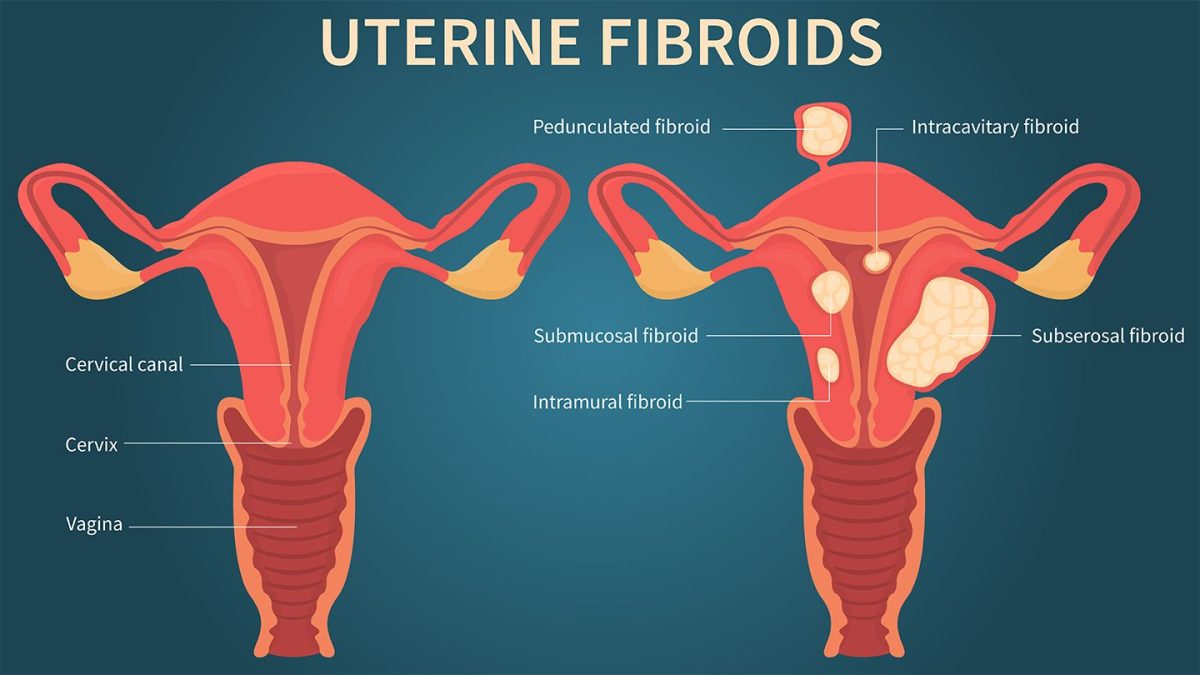
Fibroids are abnormal growths in the uterus. They’re also called uterine fibroids, myomas, and leiomyomas. Fibroids aren’t cancerous or life threatening, but they can sometimes cause complications and health problems.

Fibroids form in and around the uterine walls. They’re made of muscle and other tissues. They may be as tiny as a seed or grow larger than a tennis ball. You may have multiple fibroids or just one.

Doctors don’t know exactly what causes fibroids. Having overweight or obesity increases your risk, as does having low levels of some types of nutrients.

Prevalence

Almost 80 percent of women have fibroids in their lifetime. This condition may also be genetic. You’re at higher risk if your mother or sister has fibroids.

Fibroids can cause symptoms and complications such as:

  • pain
  • heavy menstrual bleeding
  • constipation
  • anemia
  • difficulty getting pregnant
  • miscarriages

However, only 20 to 50 percent of women with fibroids have symptoms. In most cases, treatment isn’t needed. Your doctor may recommend waiting and watching to see if the fibroids go away on their own.

While foods can’t treat or prevent fibroids, your daily diet and lifestyle may play a role in reducing your risk. Diet can help balance hormones that may trigger these growths. Certain foods may also help ease fibroid symptoms.

Diet and lifestyle changes to lower risk

There are a number of changes you can make that might help reduce your risk for fibroids.

1. Follow a Mediterranean diet

Add plenty of fresh and cooked green vegetables, fresh fruit, legumes, and fish to your plate. A Mediterranean diet is one way to do this. Research shows that eating these foods regularly may help lower your risk for fibroids. On the other hand, eating beef, ham, lamb, and other red meat may raise your risk.

2. Cut back on alcohol

Drinking any type of alcohol may increase your risk for fibroids. This can happen because alcohol raises the level of hormones needed for fibroids to grow. Alcohol may also trigger inflammation.

One study found that women who drank one or more beers a day increased their risk by more than 50 percent. Avoid or limit alcohol to help reduce your risk.

3. Balance estrogen

Estrogen is a hormone important for healthy fertility in both women and men. However, too much estrogen can increase your risk for fibroids or make them worse.

Many treatments for fibroids work by lowering estrogen levels. Other ways to balance estrogen levels include:

4. Losing weight.

Obesity and excess weight increase the risk for fibroids. Fat cells make more estrogen, so losing weight may help prevent or slow the growth of fibroids.

5. Avoiding hormone-disrupting chemicals.

Natural and synthetic chemicals can throw off your endocrine balance, raising estrogen levels. These chemicals can leach into your body through skin and food. Avoid or limit coming into contact with chemicals found in:

  • fertilizers
  • pesticides
  • plastics such as BPA
  • nonstick coatings on cookware
  • fire retardants
  • dyes
  • paints
  • some personal care products

6. Lower blood pressure

Research shows that a high number of women with severe fibroids also have high blood pressure. More research is needed to find out if there’s a link.

Balancing blood pressure is vital for your overall health. Try these tips:

  • Avoid added salt. Flavor food with herbs and other spices instead.
  • Limit high-sodium processed and packaged foods.
  • Check your blood pressure daily with a home monitor.
  • Exercise regularly.
  • Lose weight, especially around the waist.
  • Avoid or limit alcohol.
  • Increase potassium by eating a majority of plants at each meal.
  • Quit smoking and avoid secondhand smoke.
  • If you have high blood pressure, take medication as prescribed.
  • See your doctor for regular checkups.

7. Get enough vitamin D

Vitamin D may help reduce your risk of fibroids by almost 32 percent. Your body makes this “sunshine vitamin” naturally when your skin’s exposed to sunlight. If you have darker skin or live in cooler climates, you’re more likely to be deficient.

Supplements can help raise your levels, along with foods such as:

  • egg yolks
  • fortified milk, cheese, and dairy products
  • fortified cereals
  • fortified orange juice
  • fatty fish such as salmon, tuna, and mackerel
  • cod liver oil

Foods to eat if you have fibroids

Diet alone can’t treat fibroids. However, a balanced diet may also help ease some fibroid symptoms and complications. Certain foods may help slow fibroid growth in some cases.

1. Fiber

Fiber-rich foods aid weight loss and balance hormones. They also help to keep blood sugar levels steady. For these reasons, fiber may help prevent and slow the growth of fibroids. Add these whole foods to your diet:

  • cooked and raw vegetables
  • cooked, raw, and dried fruit
  • whole grain bread and pasta
  • cruciferous vegetables
  • oats
  • lentils
  • barley
  • beans

2. Potassium

Potassium helps to counter the effects of salt to balance blood pressure. Add these potassium-rich foods to your daily diet:

  • avocado
  • bananas
  • citrus
  • cantaloupe
  • collard greens
  • dates
  • lentils
  • oat bran
  • potatoes
  • tomatoes

3. Dairy

Add dairy products such as yogurt and full-fat cheese to your diet. Dairy is rich in calcium, phosphorus, and magnesium. These minerals may help prevent fibroids and slow their growth. Fortified milk also contains vitamin D.

4. Green tea

Green tea contains several antioxidants. A study found that one of these, epigallocatechin gallate, may help slow the growth of fibroids by bringing down inflammation and high estrogen levels. Green tea may also improve symptoms of heavy bleeding due to fibroids, such as low iron.

Foods to avoid if you have fibroids

1. Sugar

Sugary foods and simple carbohydrates may trigger or worsen fibroids. These foods spike blood sugar levels. This causes your body to make too much insulin. Excess insulin can cause weight gain and affect fibroid growth.

Avoid refined carbs and added sugars such as:

  • table sugar
  • glucose
  • dextrose
  • maltose
  • corn syrup
  • high fructose corn syrup
  • white bread, rice, pasta, and flour
  • soda and sugary drinks
  • fruit juice
  • potato chips
  • crackers
  • packaged energy bars

2. Estrogen-increasing foods

Some foods contain natural ingredients that mimic the estrogen in the body, called phytoestrogens. Other foods have added hormones or trigger your body to make more estrogen.

Some of these foods may have protective effects when consumed in small to moderate amounts, but have negative effects when consumed in high amounts. You may need to limit or avoid foods such as:

  • red meat from sources that include added hormones
  • soy beans
  • soy milk
  • tofu
  • flax seed


Reference: Healthline

Written by: Omojo Emeje

What you need to know about Maca!

What is MACA ROOT?

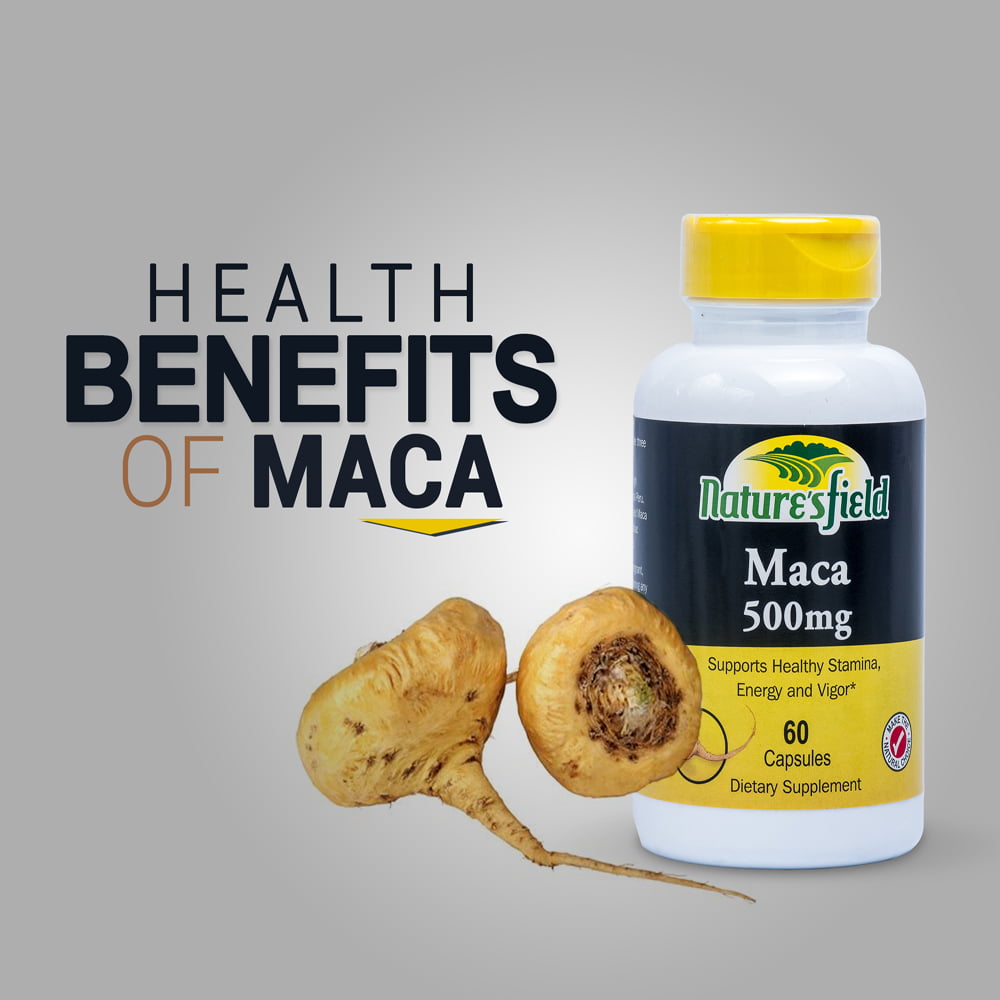
MACA root, also called Peruvian Ginseng is an edible plant that flourishes high in the Andes mountains of Peru. It is a cruciferous vegetable that’s relatable to cabbage, broccoli and cauliflower. It is available in its powered form, liquid extract or as a supplement.
MACA root is nutrient dense and is a rich source of several important vitamins and minerals such as vitamin C, iron, copper, protein, fiber, potassium, vitamin B6 and Manganese. It’s a good source of carbs and contains low fat.

WHY DO YOU NEED MACA ?
– Maca root is an anabolic food and anabolic foods consist of unique compounds that are beneficial for forming muscle fiber. It promotes muscle gain, increases strength, boost energy and improve exercise performance.

– Maca helps to relieve symptoms of menopause. It maintains positive energy and help to stabilise moods in people with mood swings. It has also be shown to help women with hormonal imbalance and PCOS.

– Maca naturally boosts libido in men and women increasing their sexual desire.

– Maca helps to boost male fertility, it has been shown to increase the the quantity and quality of semen in both infertile and healthy men.

– Studies have shown that applying Maca to the skin helps to protect from UV radiation.

– Because of its high amount of glucosinolates, it has been shown to reduce prostate size in enlarged prostate gland and also help reduce the risk of prostate cancer.

– Maca has been used traditionally by the indigenous people of PERU to improve children’s performance in school. Study has shown that it improves general brain functions including learning and memory.

HOW TO TAKE MACA
Maca is easy to incorporate into your diet of daily routine in its powered form or as a supplement. The dose of maca root used in studies ranges from 1.5 – 5 grams daily.

As this to your daily routine for more healthy life, essential for both men and women.


Written by: Immaculate Amalu

What you should know about Vaginal Candidiasis

Candidiasis is a fungus infection caused by candida or yeast (a type of fungus) called candida albicans.
Candida lives in the body or on the skin without any problem, but becomes an infection when it grows out of normal. Vaginal candidiasis occurs when candida multiply and causes an infection in the vagina, when the environment inside the vaginal changes in a way that encourage its growth. It is also called vulvovaginal CANDIDIASIS, or vaginal yeast infection.

SYMPTOMS
– Vaginal itching or sores
– Pain during sexual intercourse
– Pain or discomfort during urinating
– Abnormal vaginal discharge
– Redness, swelling and cracks in the wall of the vagina.

RISK AT GETTING VAGINAL CANDIDIASIS
– When pregnant
– Use of hormonal contraceptives
– Having a weakened immune system (having HIV infection or taking medication that weakens the Immune system such as steroid and chemotherapy

HOW TO PREVENT VAGINAL CANDIDIASIS
– Wearing of cotton underwear might help reduce the chances of getting the yeast infection
– Reduce the intake of drugs that reduce the immune system
– Taken antibiotics can lead to vaginal candidiasis so take the antibiotics only when prescribed

DIAGNOSIS AND TESTING
Healthcare providers usually diagnose the vaginal CANDIDIASIS by taken a small sample of vaginal discharge to be examined under a microscope or it is send to laboratory for a fungal culture. However, a positive fungal culture doesn’t always mean that cadida is causing the symptoms because woman have candida without having any symptoms

TREATMENT
Treatment of vaginal CANDIDIASIS is by taken antifungal Medicine
– Apply antifungal passery inside the vaginal for 3 – 6 days depending on the strength and type of the drugs
– Use of oral antifungal drug of fluconazole 150mg as a single dose
– Use of clotrimazole cream to be applied on the valva to stop itching and burning sensation
– For reoccurrence – use of 150mg of fluconazole every 72 hours for first 3 dose and take 150mg every week for 6 month
– Give an immune booster to increase the immune system and to hasten treatment
– Take cranberry multivitamin to increase nutrients and as an antioxidant to lower the risk of UTI and to boost the immune system.

NATURAL REMEDIES FOR VAGINAL CANDIDIASIS

  • Greek yogurt
  • Boric acid
  • Probiotics and supplements
  • Coconut oil
  • Tea tree oil
  • Apple cider vinegar
  • Garlic
  • Vitamin C


Written by: Ruth Olusegun

Horny Goat Weed (Herba Epimedii) for Male Sexual Drive

Horny goat weed, also known as Herba Epimedii, is an herb. The leaves are used to make medicine. As many as 15 horny goat weed species are known as “yin yang huo” in Chinese medicine.

Horny goat weed is used for weak back and knees, joint pain, osteoarthritis, mental and physical fatigue, memory loss, high blood pressure, heart disease, bronchitis, liver disease, HIV/AIDS, polio, a blood disorder called chronic leucopenia, viral infections of the heart, bone loss after menopause, weak bones (osteoporosis), and as a tonic.

Some men use horny goat weed for sexual performance problems including erectile dysfunction (ED) and involuntary ejaculation. It is also used to arouse sexual desire.

How does it work?

Horny goat weed contains chemicals which might help increase blood flow and improve sexual function. It also contains phytoestrogens, chemicals that act somewhat like the female hormone estrogen, that might reduce bone loss in postmenopausal women.

Horny goat weed has been used for centuries for sexual enhancement. Some of the most common species of this plant that you will see used as supplements include Epimedium grandiflorum and Epimedium sagittatum. It got its name after it was considered to be a powerful aphrodisiac. This claim was made by a Chinese goat herder who thought that his goats had increased sexual activity after eating the plant’s leaves.

Today, horny goat weed is frequently used for sexual dysfunction and sexual performance issues like erectile dysfunction and decreased libido. Epimedium is believed to be a safe alternative to prescription drugs and has also been used for other ailments like joint pain, arthritis, mental and physical fatigue, and memory loss. However, there is limited scientific evidence to support these claims.

Insufficient Evidence to Rate Effectiveness for:

  • Osteoporosis. Developing research shows that taking a specific extract of horny goat weed for 24 months seems to decrease bone loss of the spine and hip in women who have passed menopause. This particular extract, made by Tong Ji Tang Pharmacal Company in China, contains phytoestrogens (specifically containing 60 mg of icariin, 15 mg of daidzein, and 3 mg of genistein). These chemicals act somewhat like the hormone estrogen.
  • Postmenopausal conditions. Early research suggests that taking horny goat weed water extract for 6 months can decrease cholesterol and increase estradiol levels in postmenopausal women.


Written by: Omojo Emeje

Wild Yam Benefits

Wild yam is believed to influence hormone balances in a way that can benefits conditions like morning sickness, premenstrual syndrome (PMS), hot flashes, menstrual cramps, vaginal dryness, low libido, and osteoporosis.

Moreover, contrary to health claims, diosgenin is not a phytoestrogen (plant-based estrogen) and interacts in no way with estrogen receptors in the body.

Hormone production and imbalance

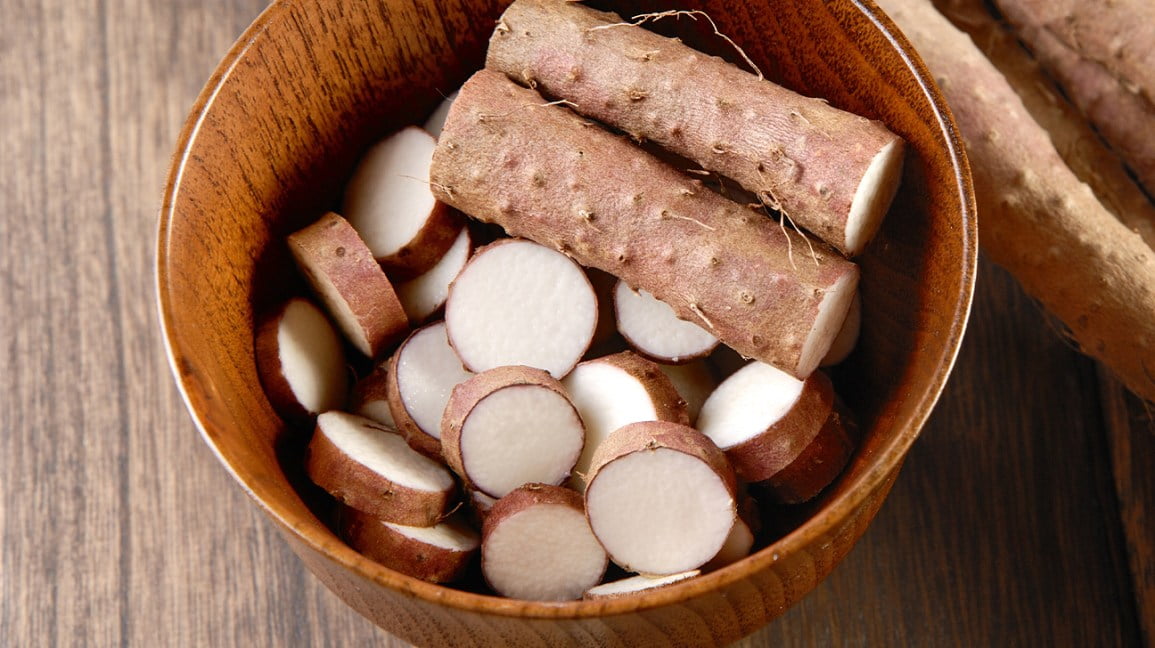
Wild yam root contains diosgenin. It’s a plant steroid that scientists can manipulate to produce steroids, such as progesterone, estrogen, cortisone, and dehydroepiandrosterone (DHEA), which are then used for medical purposes.

Thus, some advocates assert that wild yam root has benefits similar to those offered by these steroids in your body, providing a natural alternative to estrogen therapy or progesterone creams.

Yet, studies disprove this, showing that your body cannot turn diosgenin into these steroids.

Instead, diosgenin requires chemical reactions that can only take place in a laboratory setting to convert it into steroids like progesterone, estrogen, and DHEA.

As a result, scientific evidence doesn’t currently support wild yam root’s effectiveness for treating conditions associated with hormonal imbalances, such as PMS, low sex drive, infertility, and weakened bones.

Arthritis

Wild yam earned the nickname “rheumatism root” in the 19th century when it was regularly used to treat joint and muscle pain, historically referred to as “rheumatism.” These health claims have persisted into the 20th and 21st centuries.

Today, many alternative practitioners believe that wild yam can effectively treat symptoms of rheumatoid arthritis (the autoimmune form of arthritis). Their contention is that wild yam exerts potent anti-inflammatory effects that can relieve swelling, pain, and inflammation characteristic of the disease. There is some evidence of this.

A 2013 study published BMC Complementary and Alternative Medicine reported that a daily dried extract of wild yam significantly reduced inflammatory markers in the blood samples of lab mice with medically induced inflammation.

Higher doses of wild yam (400 milligrams per kilogram of body weight) appeared to alleviate nerve pain, while lower doses (200 milligrams per kilogram) reduced overall inflammation. No notable side effects or toxicities were found.

These findings suggest that wild yam may aid in the treatment of osteoarthritis (“wear-and-tear arthritis”), a condition characterized by chronic inflammation. Its use in treating rheumatoid arthritis is less certain given that the source of the inflammation—namely the body’s own immune system—is less affected by anti-inflammatory compounds.

Human clinical research is needed to determine whether wild yam has any effect on either of these forms of arthritis or if it can possibly aid in the treatment of nerve pain disorders.

Skin health

Wild yam root is a common ingredient in anti-aging skin creams.

One test-tube study noted that diosgenin may encourage the growth of new skin cells, which could have anti-aging effects. However, overall research on wild yam root is limited.

Diosgenin has also been studied for its potential depigmenting effect. Excess sun exposure can result in small, flat, brown or tan spots on your skin, also known as hyperpigmentation — which is harmless but sometimes seen as undesirable.

Still, wild yam root creams haven’t been proven effective for this application.


Written by: Omojo Emeje

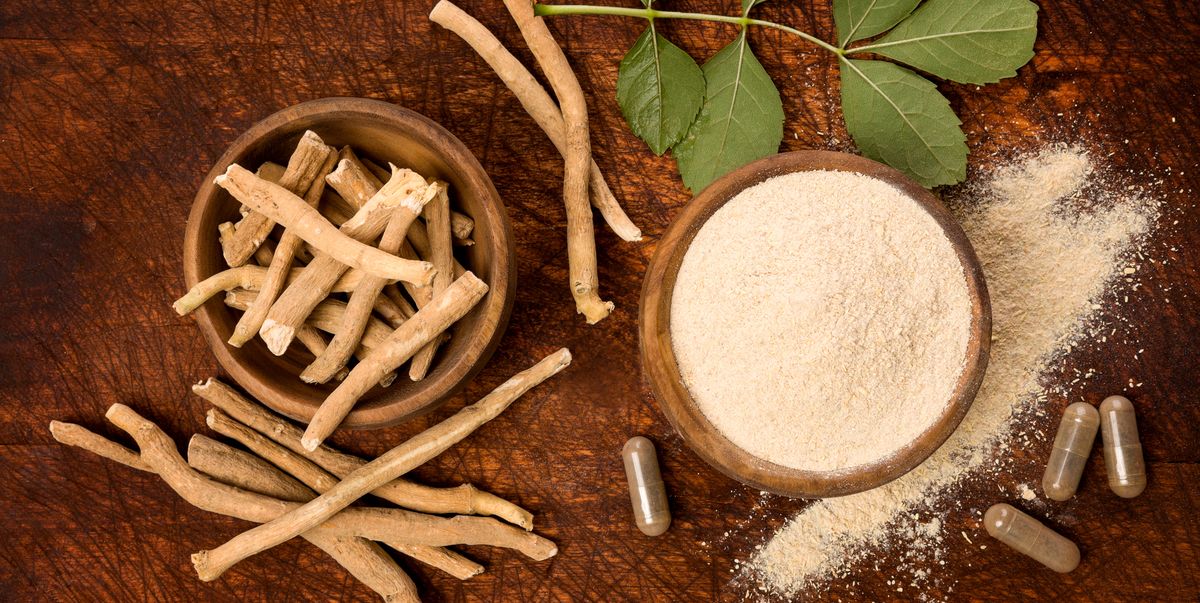
Ashwagandha Root for Better Sexual Health!

Ashwagandha is one of the most well-known ayurvedic herbs and is traditionally known for its stress-relieving properties. From physical stress and fatigue to mental stress and conditions like anxiety, this adaptogenic herb helps deal with all kinds of health issues.

Experts suggest that ashwagandha also rejuvenates your body and improves your overall health. Here are some of the science-backed health benefits of ashwagandha along with a way to use it.

1. Good for the brain and mental health

Research suggests that ashwagandha intake reduces both anxiety and stress-related depression. The effects of this herb are equated to that of Chinese ginseng, a plant known as a cure-all in traditional Chinese medicine (TCM). Ashwagandha is also suggested to be helpful in improving sleep and slowing down the progression of neurological disorders like ADHD and Parkinson’s.

2. Improves heart health

Ashwagandha has several benefits for your heart. Experts say that ashwagandha strengthens heart muscles and reduces the effects of stress on your cardiovascular system. It also reduces cholesterol and the risk of blood clots in arteries. Both of these problems are major risk factors for conditions like heart attack and stroke.

A study done in India found that ashwagandha consumption increases cardiorespiratory endurance – meaning the ability of your heart and lungs to provide oxygen to your muscles. More oxygen will help you be active for longer periods of time.

3. Slows down skin ageing

Ashwagandha is a natural antioxidant. This means it can fight free radical damage and slow down the ageing process. Free radicals are unstable atoms (usually oxygen or hydroxyl) that can damage your body tissues and lead to chronic inflammation, diseases and premature ageing. Normally, our body neutralises free radicals with its own repertoire of antioxidants. However, stress and an unhealthy lifestyle can skew the balance between antioxidants and free radicals in the body.

Regular consumption of ashwagandha is suggested to be helpful in reducing fine lines, wrinkles and dark spots.

4. Boosts sexual health 

Ashwagandha is traditionally used to treat erectile dysfunction and stress-induced performance anxiety in men. Research studies indicate that ashwagandha improves total sperm count and testosterone levels in men. It is also reported to improve sex drive and sexual performance in both men and women.

5. Helps control blood sugar levels

Studies indicate that ashwagandha helps control blood sugar levels in both diabetic and healthy people by increasing insulin secretion and insulin sensitivity. Insulin is a hormone that promotes body cells to take up glucose from blood. Insulin sensitivity is the term used to describe the sensitivity of body cells to insulin – how quickly the cells will start picking up sugars from your circulation in response to insulin.


Written by: Omojo Emeje

Increase your Sperm Motility with L-Carnitine!

Carnitine supplements help sluggish sperm swim, say Italian researchers.The finding could help men coping with fertility issues — specifically, those men whose sperm don’t move very well.

Revving Up Sperm Movement

For a sperm to fertilize an egg, the sperm must be mobile and swim to the woman’s egg. But sperm that don’t move very well aren’t as likely to succeed. Their chances of reaching the egg to start a pregnancy are diminished.

Carnitine supplements might help spur those sperm into motion, say the researchers, who included the University of Padova’s Andrea Garolla, PhD.

Carnitine is available over the counter. But, like all supplements, it’s not regulated by the government, and patients should tell their doctors if they are taking it.

Testing Carnitine

The study was small; only 30 men participated. Their average age was 34. All had sought help for fertility problems. The men were diagnosed with decreased sperm motility.

For three months, the men took a placebo. Then they took 2 grams of L-carnitine supplements orally every day for three months. After that, the men didn’t take anything for another three months.

Semen samples were taken four times: at the study’s start, after taking the placebo for three months, after taking carnitine for three months, and three months after treatment ended.

Temporary Improvement

Sperm motility improved while the men took the carnitine supplements. The placebo didn’t help at all.

The benefit’s extent varied depending on the men’s condition. The key may lie in their mitochondria, the main power source for cells.

Some participants’ sperm had mitochondria that weren’t working properly. Their sperm motility improved with carnitine, but their results didn’t match those with normal mitochondria.

The improvement was temporary. Three months after treatment ended, sperm motility was still a bit better than before the study, but not by much. The men whose sperm motility improved the most with the carnitine supplements had the sharpest drop in sperm motility after the treatment ended.

Meat, poultry, fish, and dairy products are the richest sources of L-carnitine. Tempeh, wheat, and avocados contain some L-carnitine, while fruits, vegetables, and grains contain little. It is primarily made in the liver and kidneys and plays an important role in energy production by mitochondria.


Written by: Omojo Emeje

Add to cart