Breaking the Silence: The Link Between Mental Health and Nutrition

Introduction:
In recent years, the conversation surrounding mental health has gained significant traction, shedding light on the complex interplay between psychological well-being and various lifestyle factors. While factors like stress, trauma, and genetics are widely recognized as contributors to mental health disorders, emerging research suggests that nutrition plays a pivotal role in shaping brain health and resilience. This article explores the intricate relationship between mental health and nutrition, highlighting the importance of a balanced diet for overall well-being.

The Gut-Brain Connection:
The gut-brain axis, a bidirectional communication system between the gastrointestinal tract and the central nervous system, has garnered increasing attention in scientific research. The gut microbiota, comprised of trillions of microorganisms residing in the digestive tract, play a crucial role in regulating brain function, mood, and behavior. Emerging evidence suggests that disruptions in gut microbiota composition, often stemming from poor dietary choices, may contribute to the development or exacerbation of mental health disorders such as depression and anxiety.

Nutritional Psychiatry:
The field of nutritional psychiatry explores the impact of dietary patterns and specific nutrients on mental health outcomes. Studies have shown that a diet rich in fruits, vegetables, whole grains, lean proteins, and healthy fats is associated with a reduced risk of depression and anxiety, while diets high in processed foods, sugar, and unhealthy fats may increase susceptibility to mood disorders. Key nutrients implicated in mental health include omega-3 fatty acids, folate, magnesium, and antioxidants, which play essential roles in neurotransmitter synthesis, inflammation regulation, and oxidative stress reduction.

The Role of Inflammation:
Chronic inflammation, a hallmark of many physical health conditions, has also been linked to psychiatric disorders. Poor dietary choices, characterized by excessive consumption of processed foods, sugar, and refined carbohydrates, can fuel systemic inflammation, which in turn may contribute to mood dysregulation and cognitive impairment. Conversely, anti-inflammatory foods such as fatty fish, nuts, seeds, fruits, and vegetables possess protective properties against inflammation, potentially mitigating the risk of mental health disorders.

Addressing Nutritional Deficiencies:
In addition to promoting a nutrient-rich diet, addressing nutritional deficiencies is crucial for supporting mental health. Certain micronutrient deficiencies, such as vitamin D, B vitamins, and zinc, have been implicated in the pathophysiology of depression and other mood disorders. Supplementation with these nutrients, under the guidance of a healthcare professional, may help correct imbalances and alleviate symptoms in individuals with suboptimal nutritional status.

Conclusion:
The link between mental health and nutrition underscores the importance of adopting a holistic approach to well-being. By prioritizing a balanced diet rich in whole foods, individuals can nourish their bodies and minds, fostering resilience against stress and adversity. Moreover, integrating nutritional interventions into mental health treatment plans holds promise for enhancing therapeutic outcomes and improving quality of life for individuals living with psychiatric disorders. As the field of nutritional psychiatry continues to evolve, greater awareness and integration of dietary interventions into mental healthcare practices are essential steps toward promoting comprehensive mental health and wellness.

Written by: Pharm Omojo Uhiah

The Truth About Detox Diets: Do They Really Work or Are They Just a Myth?

Introduction:
Detox diets have become increasingly popular in recent years, with promises of flushing out toxins, boosting energy levels, and promoting weight loss. From juice cleanses to fasting regimens, the market is flooded with various detox programs claiming to rejuvenate the body from the inside out. But amidst the hype, the question remains: do these detox diets truly deliver on their promises, or are they merely another health trend fueled by misinformation and pseudoscience?

Debunking the Detox Myth:
At the core of many detox diets lies the belief that our bodies accumulate toxins from the environment and processed foods, leading to a range of health issues. Proponents of detoxes argue that by following a strict regimen of juices, smoothies, or herbal supplements, individuals can rid their bodies of these toxins and experience renewed vitality. However, the concept of detoxing the body through diet alone is flawed and lacks scientific evidence.

The Role of the Liver and Kidneys:
Contrary to popular belief, the human body is equipped with its own highly efficient detoxification system: the liver and kidneys. These organs work tirelessly to neutralize and eliminate toxins from the body through processes like filtration, enzymatic reactions, and excretion. Consuming a balanced diet rich in fruits, vegetables, lean proteins, and whole grains provides the necessary nutrients to support optimal liver and kidney function, without the need for extreme detox measures.

The Pitfalls of Detox Diets:
While detox diets may offer short-term benefits such as rapid weight loss or increased energy levels, they often come with a host of potential risks and drawbacks. Many detox programs severely restrict calorie intake, leading to nutrient deficiencies, muscle loss, and a slowed metabolism. Additionally, prolonged fasting or juice cleanses can disrupt blood sugar levels, causing fatigue, dizziness, and even fainting.

Moreover, the idea of “detoxing” the body implies that it is inherently flawed or impure, fostering a negative relationship with food and body image. This mentality can contribute to disordered eating patterns and psychological distress, rather than promoting long-term health and wellness.

A Balanced Approach to Health:
Instead of relying on quick-fix detox diets, experts recommend adopting a balanced approach to health and nutrition. This includes consuming a diverse range of whole foods, staying hydrated, getting regular exercise, managing stress, and prioritizing adequate sleep. By supporting the body’s natural detoxification processes through lifestyle choices, individuals can achieve sustainable improvements in their overall well-being.

Conclusion:
While detox diets may offer temporary benefits, the scientific evidence behind their efficacy remains inconclusive. Rather than subjecting oneself to extreme dietary measures, focusing on holistic lifestyle factors is key to promoting long-term health and vitality. By nourishing the body with nutrient-dense foods, staying active, and practicing self-care, individuals can support their natural detoxification processes and thrive from the inside out.

Parasitic Infections

PARASITIC INFECTIONS
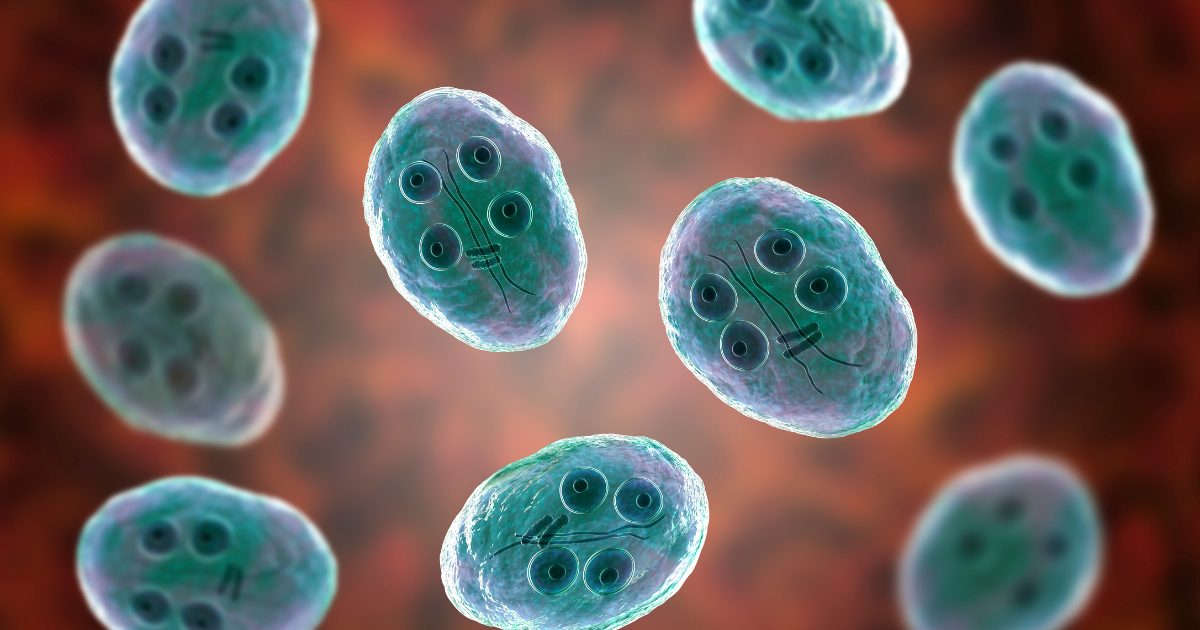
Parasitic infections are diseases caused by organisms that live off of another living thing. They can cause fever, fatigue, intestinal symptoms, skin rashes or neurological symptoms. You can get them from contaminated food, water or surfaces, bug bites and eating undercooked meat.

What are the types of parasitic infection?
There are three main types of parasites that cause infections in humans:
* Protozoa.
* Helminths.
* Ectoparasites.

Protozoal infections :-
Protozoa are single-celled parasites. They can infect your blood, intestinal tract (gut), brain, skin, eyes and other parts of your body.

Helminth infections :-
Helminth is a general term for parasitic worms. Scientists further classify them as flukes (trematodes), tapeworms (cestodes), roundworms (nematodes) and thorny headed worms (acanthocephalans). Helminths can infect both adults and immature (larval) . Helminths usually infect your intestinal tract, but they can also infect the skin, brain and other tissues.

Ectoparasitic infections
Ectoparasites are insects and arachnids (spider-like bugs) that burrow into your skin and live there. This includes ticks, mites, lice and fleas.
They usually don’t infect other parts of your body

Symptoms of parasitic infections:-

Symptoms of parasitic infections depend on where in your body you’re infected. Some common symptoms include:
.
1. Fever
2. Muscle aches.
3. Fatigue.
4. Nausea.
5. Vomiting.
6. Diarrhea
7. Headaches
8. Skin symptoms like redness itches or sores

How do you get parasitic infections?
1. Drinking contaminated water or getting it in your mouth.
2. Eating undercooked meats.
3. Eating contaminated foods 4. Mosquito bites, tick bites, fly bites or other bites from insects that carry parasites
5. Contaminated surfaces
6. Unprotected sex
7. Contaminated dirt (soil)

How parasitic infections are diagnosed
Providers diagnose parasitic infections by looking for parasites or signs of parasites (like their eggs) in body fluids or tissues. To test you for parasites, a provider might take samples of your:
1. Poop (stool)
2. Blood
3. Skin or other affected tissue.
4. Phlegm (sputum)
5. Fluid around your brain and spinal cord (CNS fluid).

Treatments of parasitic infections
Providers use different medications to treat various types of parasitic infections, including:
1. Antiparasitics (anthelmintics or antiprotozoals).
2. Antibiotics
3. Antifungals.

Sometimes you might need a combination of different medications to cure the infection. Your provider will select a treatment that’s best for the specific type of parasitic infection you have.

Prevention of parasitic infections
Following a few precautions can reduce your risk of parasitic infections, including:
1. Wash your hands frequently
2. Avoid swimming when you have diarrhea.
3. Practice safe food habits.
4. Use Condoms
5. Protect yourself from bug bites
6. Be an informed traveler

References :-
1. Cleveland clinic.org
2. Merck Manual, Professional Version. Approach to Parasitic Injections.
3. Southwick FS. Parasitic Infections: A Global Challenge. In: Southwick FS, ed. Infectious Diseases: A Clinical Short Course. 4th ed. McGraw Hill.
4. U.S. Centers for Disease Control and Prevention.

written by:
Miss Shodimu TEmitope

Hypertension

HYPERTENSION MANAGEMENT!!!

By definition hypertension is sustained elevation in blood pressure where the benefit of intervention outweighs the risk. Hypertension management has seen several trends and advancements in recent years, with a focus on a more holistic and individualized approach. Some current trends in hypertension management include:

1. Personalized Treatment Plans: Healthcare providers are increasingly recognizing the importance of tailoring hypertension treatment plans to individual patients. This approach takes into account the patient’s unique risk factors, medical history, and lifestyle, allowing for more precise and effective management.

2. Lifestyle Interventions: Lifestyle modifications are becoming a cornerstone of hypertension management. These include dietary changes (such as the DASH diet, which is rich in fruits, vegetables, and low-fat dairy products), increased physical activity, stress reduction, and weight management. Lifestyle interventions are often recommended in conjunction with medication.

3. Combination Therapy: Many patients with hypertension require multiple medications to achieve their blood pressure goals. Combining medications from different classes can improve efficacy while minimizing side effects. Fixed-dose combination drugs are increasingly prescribed for convenience.

Choose Single Pill Combinations(SPCs) at any step. Start with dual combination therapy in most patients. For instance, ACE(angiotensin converting enzyme) inhibitors or ARB(angiotensin 2 receptor blockers) + CCB(calcium channel blockers) or Diuretic(water pill).

Start with mono-therapy only in selected patients, i.e Low risk hypertension and BP <150/95 mmHg, or high normal BP and very high CV risk, or frail patients and/or advanced age. Also, it’s worth noting that beta blockers(atenolol, metoprolol) can be used as mono-therapy or at any step of combination.

4. Home Blood Pressure Control: There is a growing emphasis on patients taking an active role in their care. This includes home blood pressure monitoring, which provides valuable data for both patients and healthcare providers. This allows for more frequent and convenient follow-up care.

Diagnosis of hypertension:

At the first visit measure blood pressure in both arms. If the difference in readings between arms is more than 15mmHg, repeat the measurements. If the difference in readings between arms remains more than 15mmg on the second measurement, measure subsequent blood pressures in the arm with the higher reading and document.

Patient Preparation:

* Have an empty bladder and rest quietly for at least 5 minutes.
* No coffee or smoking in last 30 mins.
* Do not talk or text. Sit with back supported and both feet flat on the floor. Legs should not be crossed.
* BP cuff should be placed on bare arm above antecubital fossa
* The arm with the cuff should be supported on a flat surface e.g table or a pillow if patient is lying face upwards.
* The machine should be placed at the level of the heart

These trends reflect a more comprehensive and patient-centered approach to hypertension management, with a focus on prevention, lifestyle, and individualized care to reduce the risk of cardiovascular complications. Healthcare providers are increasingly focusing on educating patients about the risks of hypertension and the importance of adherence to treatment plans. Patient engagement and understanding play a crucial role in managing hypertension effectively. Drug therapy is a common approach to managing hypertension (high blood pressure), and it typically involves the use of medications to lower blood pressure and reduce the risk of cardiovascular complications. However, some individuals may develop a condition known as resistant hypertension.

What is Resistant Hypertension?

Resistant hypertension is a subset of high blood pressure that doesn't respond adequately to treatment with conventional antihypertensive medications. It is diagnosed when a person's blood pressure remains above 140/90mmHg despite taking three different types of blood pressure medications, including a diuretic (water pill) at their highest doses. Several factors can contribute to resistant hypertension:

1. Medication Non-Adherence: Sometimes, patients may not take their prescribed medications as directed, leading to inadequate blood pressure control.

2. Secondary Hypertension: Underlying medical conditions, such as kidney disease, hormonal disorders, or obstructive sleep apnea, can contribute to high blood pressure and may be more challenging to treat.

3. Lifestyle Factors: Unhealthy lifestyle habits like a high-sodium diet, excessive alcohol consumption, and physical inactivity can worsen hypertension.

4. Medication Interactions: Some individuals may experience medication interactions that reduce the effectiveness of antihypertensive drugs.

5. Genetic Factors: Genetic predisposition can make certain people more resistant to the effects of blood pressure medications.

Drug Therapy for Resistant Hypertension:

When dealing with resistant hypertension, healthcare providers may employ various strategies:

1. Medication Adjustments: This may involve optimizing the dosage or type of existing medications or adding new classes of drugs to the treatment regimen.

2. Identifying Underlying Causes: Determining and addressing any underlying conditions contributing to hypertension, such as kidney disease or hormonal imbalances.

3. Lifestyle Modifications: Encouraging patients to make lifestyle changes like reducing salt intake, losing weight, exercising, and limiting alcohol consumption.

4. Medication Compliance: Ensuring that patients are adhering to their medication regimen and addressing any barriers to compliance.

5. Referral to Specialists: In some cases, a patient may be referred to a hypertension specialist or nephrologist for further evaluation and management.

It's essential for individuals with resistant hypertension to work closely with their healthcare providers to find the most effective treatment plan. Managing resistant hypertension often requires a combination of medications and lifestyle changes, and it can be a complex and ongoing process to achieve optimal blood pressure control and reduce the risk of cardiovascular complications.

Here's the correlation between hypertension management and drug therapy, as well as the concept of resistant hypertension:

1. Hypertension Management with Drug Therapy:
– Hypertension management often begins with lifestyle changes such as a healthy diet, regular exercise, weight control, and reduced sodium intake.
– If lifestyle modifications alone do not effectively control blood pressure, healthcare professionals may prescribe antihypertensive medications.
– There are various classes of antihypertensive drugs, including diuretics, beta-blockers, ACE inhibitors, angiotensin II receptor blockers (ARBs), calcium channel blockers, and others.
– The choice of medication depends on the individual's specific condition, as well as factors like age, underlying health conditions, and potential side effects.

2. Resistant Hypertension:
– Resistant hypertension is a condition where blood pressure remains elevated despite the use of three or more different antihypertensive medications at optimal doses, including a diuretic.
– Resistant hypertension can be classified into two main categories:
I. True Resistant Hypertension: This is when blood pressure remains high despite optimal therapy.
II. Pseudo-Resistant Hypertension: In some cases, high blood pressure may be related to factors such as poor medication adherence, white coat syndrome (elevated blood pressure in a medical setting), or secondary causes like kidney disease.

The correlation between hypertension management and drug therapy is that medications are often a crucial component of controlling blood pressure, especially when lifestyle changes are insufficient.
– For individuals with resistant hypertension, the correlation is more complex. Resistant hypertension may necessitate a more intensive drug therapy regimen, careful evaluation to identify underlying causes, and the addition of other medications or interventions.

In summary, hypertension management often involves drug therapy as part of a comprehensive treatment plan. For individuals with resistant hypertension, additional measures, investigations into potential underlying causes, and adjustments to drug therapy may be needed to achieve blood pressure control. It's crucial for individuals with resistant hypertension to work closely with their healthcare provider to find an effective treatment strategy.

Prostate Cancer

When cancer starts in the prostate, it is called prostate cancer.

Prostate cancer is the uncontrolled growth of cells in the prostate, a gland in the male reproductive system just below the bladder.

Prostate is a small walnut-shaped gland that produces the seminal fluid that nourishes and transports sperm.

Prostate cancer is one of the most common types of cancer in men. Prostate cancer usually grows slowly and initially remains confined to the prostate gland, where it may not cause serious harm. While some types of prostate cancer grow slowly and may need minimal or no treatment, other types are aggressive and can spread quickly.
As the tumor grows, it can damage nearby organs causing erectile dysfunction, blood in the urine or semen, and trouble urinating. Some tumors eventually spread to other areas of the body, particularly the bones and lymph nodes. There, tumors cause severe bone pain, leg weakness or paralysis, and eventually death.

Difference between benign and malignant tumor

A benign tumor is made up of cells that don’t threaten to invade other tissues. The tumor cells are contained within the tumor and aren’t abnormal or very different from surrounding cells.
WHILE
Malignant tumors are made of cancer cells that can grow uncontrollably and invade nearby tissues. The cancer cells in a malignant tumor tend to be abnormal and very different from the normal surrounding tissue.

SYMPTOMS

1. Frequent urination
2. Trouble urinating
3. Decreased force in the stream of urine
4. Blood in the semen and urine
5. Erectile dysfunction
6. Bone pain
7. Discomfort in the pelvic area
8. Discomfort or pain when sitting, caused by an enlarged prostate.

CAUSES

Prostate cancer is caused by the accumulation of genetic mutations to the DNA of cells in the prostate. These mutations affect genes involved in cell growth, DNA damage repair, and cell death. Changes to these genes can cause cells in the prostate to grow uncontrollably, resulting in a tumor. (american cancer society, may 2023).
Some abnormal cells can break off and spread (metastasize) to other parts of the body.

RISK FACTORS

1. Older age
2. Family history of prostate or breast cancer
3. Race
4. Obesity

COMPLICATIONS

1. Erectile dysfunction
The nerves that control a man’s erectile response are located very close to the prostate gland. A tumor on the prostate gland or certain treatments such as surgery and radiation can damage these delicate nerves. This can cause problems with achieving or maintaining an erection. Medications, vacuum devices that assist in achieving erection and surgery are available to treat erectile dysfunction.

2. Incontinence
Prostatic tumors and surgical treatments for prostate cancer can also lead to urinary incontinence. Someone with urinary incontinence loses control of their bladder and may leak urine or not be able to control when they urinate. The primary cause is damage to the nerves and the muscles that control urinary function. Treatment for incontinence depends on the type you have, how severe it is and the likelihood it will improve over time. Treatment options may include medications, catheters and surgery.

3. Metastasis (cancer that spreads)
Metastasis occurs when tumor cells from one body region spread to other parts of the body. The cancer can spread through tissue and the lymph system as well as through the blood. Prostate cancer cells can move to other organs, like the bladder. They can travel even further and affect other parts of the body, such as the bones and spinal cord. Prostate cancer that metastasizes often spread to the bones. This can lead to complications such as fractured or broken bones, severe pain, stiffness in the hip, thighs, or back, weakness in the arms and legs and higher-than-normal levels of calcium in the blood (hypercalcemia), which can lead to nausea, vomiting, and confusion.

STAGES

Staging typically describes how much cancer is present in the body and how serious the cancer is. Knowing the stage of prostate cancer can help a person understand what to expect and will inform decisions about treatment.
Stages may include:
1. Stage I: Cancer is only present in the prostate gland.

2. Stage II: Cancer has not yet spread from the prostate, but a person will have a higher PSA level.

3. Stage III: Cancer may have spread to nearby tissues.

4. Stage IV: Cancer may have spread to distant parts of the body.

TESTS AND DIAGNOSIS

Screening for prostate cancer
Prostate cancer screening searches for tumors in those without symptoms. Screening aims to separate men with high-risk cancers who would benefit from treatment, from those whose tumors are slow-growing and unlikely to impact health. This is typically done through blood tests for levels of the protein prostate-specific antigen (PSA), which are elevated in those with enlarged prostates, whether due to prostate cancer or benign prostatic hyperplasia.

Diagnosis for prostate cancer
A diagnosis of prostate cancer requires a biopsy of the prostate. Prostate biopsies are typically taken by a needle passing through the rectum or perineum, guided by transrectal ultrasound imaging, magnetic resonance imaging (MRI), or a combination of the two. Ten to twelve samples are taken from several regions of the prostate to improve the chances of finding any tumors. Biopsies are examined under a microscope by a pathologist, who determines the type and extent of cancerous cells present. Cancers are first classified based on their appearance under a microscope. Over 95% of prostate cancers are classified as adenocarcinomas (resembling gland tissue), with the rest largely squamous-cell carcinoma (resembling squamous cells, a type of epithelial cell) and transitional cell carcinoma (resembling transitional cells).

PSA testing

The blood test, called a prostate-specific antigen (PSA) test, measures the level of PSA and may help detect early prostate cancer. PSA is a protein produced by both cancerous and noncancerous tissue in the prostate, a small gland that sits below the bladder in males.
It’s normal to have a low level of PSA in your blood. A high PSA level may be caused by:
• Prostate cancer
• An enlarged prostate (BPH) (benign prostatic hyperplasia)
• Other common prostate problems
•Taking certain medicines.

TREATMENT OF PROSTATE CANCER

Your prostate cancer treatment options depend on several factors, such as how fast your cancer is growing, how much it has spread and your overall health, as well as the benefits and the potential side effects of the treatment.

1. Active surveillance
For men diagnosed with very early-stage prostate cancer, treatment may not be necessary right away. Some men may never need treatment. Instead, doctors sometimes recommend active surveillance.
In active surveillance, regular follow-up blood tests, rectal exams and possibly biopsies may be performed to monitor progression of your cancer. If tests show your cancer is progressing, you may opt for a prostate cancer treatment such as surgery or radiation.

2. Radiation therapy
Radiation therapy uses high-powered energy to kill cancer cells. Prostate cancer radiation therapy can be delivered in two ways:
● Radiation that comes from outside of your body (external beam radiation): During external beam radiation therapy, you lie on a table while a machine moves around your body, directing high-powered energy beams, such as X-rays or protons, to your prostate cancer. You typically undergo external beam radiation treatments five days a week for several weeks.
● Radiation placed inside your body (brachytherapy): brachytherapy involves placing radioactive seeds inside your prostate. This approach kills cancer cells while preserving surrounding healthy tissue.

3. Hormone therapy
The hormone testosterone boosts cancer cell growth. Hormone therapy uses medications to combat testosterone’s role in fueling cancer cell growth.  Cutting off the supply of hormones may cause cancer cells to die or to grow more slowly.

4. Surgery to remove the prostate
Surgery for prostate cancer involves removing the prostate gland (radical prostatectomy), some surrounding tissue and a few lymph nodes. 

5. Chemotherapy
Chemotherapy uses drugs to kill rapidly growing cells, including cancer cells. Chemotherapy can be administered through a vein in your arm, in pill form or both.
Chemotherapy may be a treatment option for men with prostate cancer that has spread to distant areas of their bodies. Chemotherapy may also be an option for cancers that don’t respond to hormone therapy.

LIFESTYLE AND HOME REMEDIES

You can reduce your risk of prostate cancer if you:

1. Choose a healthy diet full of fruits and vegetables.
2. Exercise most days of the week
3. Maintain a healthy weight. 
4. Talk to your doctor about increased risk of prostate cancer.

Skin Infections

PREAMBLE:
The skin, the body’s largest organ, plays a crucial role in safeguarding us from external threats, regulating our temperature, and enabling sensory experiences. Composed of various layers, including the epidermis, dermis, and subcutaneous tissue, it acts as a protective barrier against harmful microorganisms and environmental factors. Furthermore, it houses sensory receptors that allow us to sense touch, pain, and temperature. Additionally, the skin contributes to vitamin D synthesis and serves as a canvas for expressing individuality through its unique characteristics, colors, textures, and markings. A comprehensive understanding of the skin’s complexity and functions is vital for maintaining overall health and well-being.

Skin infections, also referred to as dermatological conditions, encompass a broad spectrum of issues that impact the body’s largest organ, the skin. Skin serves as a protective barrier, maintaining body temperature and contributing significantly to sensory perception. Nonetheless, it is vulnerable to a variety of disorders and illnesses, which can manifest in diverse ways, ranging from minor irritations to serious health problems. These conditions may arise due to genetic factors, environmental influences, infections, autoimmune reactions, or lifestyle choices. Examples of common skin disorders include acne, dermatitis (eczema), psoriasis, ringworm, athlete’s foot, among others. Meanwhile, certain conditions like skin cancer can pose life-threatening risks if not identified and treated promptly.

The successful management and treatment of these conditions frequently necessitate a collaborative approach involving a range of medical experts, including dermatologists, allergists, immunologists, and other health practitioners. Additionally, ongoing advancements in medical research and technology are enhancing our comprehension of skin disorders, resulting in improved diagnostic techniques and innovative therapies. Appreciating the diversity of skin disorders is crucial for preserving skin health, averting complications, and enhancing individuals’ overall well-being. Furthermore, we will delve into various aspects of skin disorders, including their causes, symptoms, treatment options, and preventive measures, all aimed at promoting skin health.

TYPES OF SKIN INFECTIONS:

Skin infections can vary greatly in symptoms, severity, and result from various causes, including bacteria, viruses, fungi, and parasites. Here’s a brief overview of some common types:

1. Ringworm (Tinea Corporis):
– Cause: Fungi called dermatophytes.
– Appearance: Red, itchy, ring-shaped rashes on the skin.
– Transmission: Can spread through direct contact with an infected person or animal or by sharing contaminated items like towels or combs.
– Treatment: Antifungal creams or oral medications prescribed by a healthcare professional.

2. Athlete’s Foot (Tinea Pedis):
– Cause: Fungi thrive in warm, moist environments.
– Symptoms: Itchy, peeling skin on the feet, especially between the toes.
– Transmission: Often spreads in locker rooms and public showers.
– Treatment: Antifungal creams or powders, and good foot hygiene.

3. Jock Itch (Tinea Cruris):
– Cause: Fungi that prefer the groin area.
– Symptoms: Itchy, red rash in the groin and inner thigh area.
– Transmission: Common in athletes and those in humid climates.
– Treatment: Antifungal creams or powders, and keeping the area dry.

4. Yeast Infections (Candidiasis):
– Cause: Candida yeast.
– Symptoms: Redness, itching, and sometimes white discharge, often in warm, moist areas like the genitals or mouth.
– Treatment: These fungal infections are typically not serious but can be uncomfortable and itchy. Treatment usually involves antifungal medications/creams, good hygiene, and keeping the affected area clean and dry.

5. Acne:
– cause: Excess sebum production(skin oil), clogged hair follicles, bacteria, hormonal changes, diet, genetics, certain medications (e.g corticosteroids), stress and environmental factors.
– Symptoms: Pimples(small, red, or white bumps on the skin), Blackheads(open clogged pores with dark centers), Whiteheads(closed clogged pores with white centers), Cysts(large, painful lumps under the skin), Inflammation, Scarring.

Treatment:
Acne treatment involves various approaches to manage and reduce the occurrence of acne.

– Cleansing: It’s important to wash your face regularly using a gentle cleanser to eliminate excess oil, dirt, and dead skin cells. Avoid using abrasive scrubs or washing too frequently, as they can cause skin irritation.
– Topical Treatments: Non-prescription products are available and may contain substances like benzoyl peroxide, salicylic acid, or alpha hydroxy acids (AHAs). These ingredients can assist in clearing clogged pores, reducing inflammation, and eliminating the bacteria responsible for acne.
– Oral Medications: In certain situations, healthcare professionals may recommend antibiotics such as doxycycline or tetracycline to reduce inflammation and bacterial growth.
– Chemical Peels: Health practitioners may recommend a visit to certified estheticians for facials like chemical peels to remove the outermost layer of skin, which can improve the appearance of acne scars and promote smoother skin.
– Lifestyle Adjustments: Maintaining a healthy lifestyle through a balanced diet, regular physical activity, effective stress management, and sufficient sleep can have an impact on acne.
– Avoid Picking or Squeezing: It’s crucial to resist the temptation to pop pimples, as this can worsen inflammation and result in scarring.

Keep in mind that treating acne requires patience and consistency. What works for one person may not be effective for another, so it’s essential to consult with a healthcare provider for personalized care. Additionally, some treatments may have side effects, so discussing these with a healthcare professional is important.

6. Dermatitis:
Commonly known as eczema, is a chronic skin condition characterized by inflammation, itching, and sometimes the formation of red, scaly patches on the skin.

Types of dermatitis:
– Atopic Dermatitis: This is the most common form, often appearing in childhood and typically associated with a family history of allergies or asthma.

– Contact Dermatitis: Caused by skin contact with irritants (irritant contact dermatitis) or allergens (allergic contact dermatitis), such as certain soaps, cosmetics, or plants like poison ivy.

Symptoms:
– Intense itching is a hallmark of eczema.
– Redness and inflammation of the skin.
– Dry, scaly, or crusty patches.
– Skin may become thickened or leathery with chronic eczema.
– In severe cases, eczema can lead to open sores or oozing lesions due to scratching.

Causes/Triggers:
– Genetics play a role, as eczema tends to run in families.
– Environmental factors, like exposure to allergens or irritants.
– Dry skin can aggravate eczema.
– Stress and hormonal changes can trigger or worsen flare-ups.

Treatment/Management:
– Moisturizing regularly is essential to keep the skin hydrated.
– Topical corticosteroids and other anti-inflammatory creams or ointments are often prescribed to reduce inflammation and itching.

Prevention:
– Keeping the skin well-moisturized.
– Identifying and avoiding triggers.
– Using mild, fragrance-free soaps and detergents.
– Managing stress, as stress can worsen symptoms.

It’s crucial to understand that eczema is a long-lasting condition without a known remedy, but its signs can be effectively controlled through appropriate skincare, medications, and lifestyle changes. If you or someone you’re familiar with is coping with eczema, seeking advice from a dermatologist or healthcare expert for a tailored treatment plan is recommended.

7. Psoriasis:
This is a long-lasting autoimmune skin condition that impacts millions of individuals across the globe. It arises when the immune system erroneously recognizes skin cells as foreign intruders, prompting an accelerated generation of skin cells. While skin cells typically renew every 3 to 4 weeks, in psoriasis, this renewal process can take as little as 3 to 7 days. This swift turnover of cells results in an accumulation of skin cells on the surface, giving rise to various symptoms like itching, burning, or discomfort in affected areas, as well as dry, cracked skin that may bleed, among other indications. The choice of treatment varies based on the severity and type of psoriasis.
They may include:

– Topical treatments: Creams, ointments, or shampoos containing corticosteroids, vitamin D analogs, or retinoids to reduce inflammation and scale.
– Oral or injected medications: For severe cases, drugs like methotrexate, cyclosporine, may be prescribed to suppress the immune system and reduce symptoms.
– Lifestyle changes: Managing stress, maintaining a healthy diet, and avoiding triggers like alcohol and smoking can help.
– Moisturizers: Using emollients can soothe dry skin and prevent flare-ups. Always consult a healthcare provider for a proper diagnosis and personalized treatment plan.

8. Chickenpox:
This is an infection that causes a skin rash. The disease is caused by a germ called varicella-zoster virus. (Chickenpox itself is also called varicella-zoster.) Most people will get the virus when they are young if they haven’t had a chickenpox vaccine.
A child with chickenpox can easily give the virus to other children. Chickenpox today is much less common because most children are vaccinated when they are young. Having chickenpox once usually provides lifelong immunity to the virus. However, the virus can reactivate later in life, causing a different condition called shingles.

Vaccination:
– The varicella vaccine is highly effective at preventing chickenpox. It’s usually given in two doses to children, and a two-dose regimen is recommended for adults who are not immune to the virus.
Treatment:
– It is mainly focused on relieving symptoms, such as itching and fever, with antihistamines and fever-reducing medications. It’s important to avoid scratching the rash to prevent infection.

SUMMARY:
Various types of skin infections caused by bacteria, fungi, viruses, and parasites exhibit a wide range of characteristics that impact the skin. These infections differ in their origins, symptoms, and therapeutic approaches, underscoring the importance of seeking professional medical advice for precise diagnosis and suitable care. For instance, Pharmacists assume a pivotal role in addressing skin ailments, contributing significantly in multiple aspects. Moreover, they offer vital counsel and proficiency in managing skin conditions by overseeing medication, providing education, and offering patient assistance. Additionally, in cases demanding specialized treatment, pharmacists may refer individuals to dermatologists or other healthcare providers.

Reference:
Google scholar article(complicated infections of skin and skin structures)
Drugs.com
WebMD

Are You Pairing Foods Properly for Health? Unlocking the Power of Food Combinations

Introduction

When it comes to healthy eating, most of us focus on the individual components of our diet: proteins, carbohydrates, fats, vitamins, and minerals. However, an often-overlooked aspect of nutrition is the synergy between different foods – how they interact when combined in a meal. Properly pairing foods can have a significant impact on our overall health and well-being. In this article, we’ll explore the importance of food combinations for health and provide practical tips for optimizing your meals.

1. Enhancing Nutrient Absorption

One of the key benefits of pairing foods properly is the improved absorption of essential nutrients. Certain nutrients, such as vitamins and minerals, are more readily absorbed when consumed with specific types of foods. For example, pairing vitamin C-rich foods like citrus fruits with iron-rich foods like spinach can enhance the absorption of iron, aiding in the prevention of iron-deficiency anemia.

2. Balancing Macronutrients

Balancing macronutrients – carbohydrates, proteins, and fats – in a meal is crucial for maintaining stable blood sugar levels and energy throughout the day. Properly pairing these macronutrients can help control cravings and prevent energy crashes. For example, combining complex carbohydrates like whole grains with lean proteins and healthy fats creates a well-rounded meal that provides sustained energy and satiety.

3. Managing Blood Sugar Levels

Food combinations also play a crucial role in managing blood sugar levels, particularly for individuals with diabetes or those concerned about insulin resistance. Pairing high-fiber foods with protein and healthy fats can help slow the absorption of sugar into the bloodstream, preventing rapid spikes and crashes in blood sugar levels.

4. Enhancing Digestion

The way you pair foods can significantly impact digestion. Combining foods that are compatible in terms of their digestion time and acidity levels can promote smoother and more efficient digestion. For example, consuming water-rich fruits before a meal can help prepare the stomach for food intake, aiding in the breakdown and absorption of nutrients.

5. Maximizing Flavor and Satisfaction

Properly pairing foods isn’t just about nutrition; it’s also about creating delicious and satisfying meals. Combining complementary flavors and textures can make your meals more enjoyable, reducing the temptation to indulge in unhealthy snacks or overeat.

Practical Tips for Proper Food Pairing

Now that we’ve established the importance of proper food pairing for health, here are some practical tips to help you make better choices in your daily meals:

  1. Balanced Plates: Aim to fill half your plate with vegetables, one-quarter with lean protein (such as poultry, fish, tofu, or legumes), and one-quarter with whole grains or starchy vegetables for a balanced meal.
  2. Fruit with Healthy Fats: Pairing fruits with healthy fats like nuts or avocado can help slow the absorption of sugars, keeping your blood sugar levels stable.
  3. Combine Colors: Different-colored vegetables often contain different nutrients. Combining a variety of colors on your plate ensures a broad spectrum of vitamins and minerals.
  4. Include Fermented Foods: Incorporate fermented foods like yogurt, kefir, or sauerkraut to support gut health and aid in digestion.
  5. Experiment with Herbs and Spices: Use herbs and spices to enhance flavor without relying on excessive salt, sugar, or unhealthy fats.
  6. Limit Processed Foods: Highly processed foods are often devoid of nutrients and can disrupt your body’s natural signals for hunger and fullness. Opt for whole, unprocessed options whenever possible.
  7. Stay Hydrated: Drink plenty of water throughout the day to support overall digestion and health.

Conclusion

Properly pairing foods is a simple yet effective way to enhance the nutritional value of your meals and promote better health. By understanding the synergy between different foods and making mindful choices in your diet, you can improve nutrient absorption, balance your macronutrients, manage blood sugar levels, enhance digestion, and enjoy more flavorful and satisfying meals. So, the next time you sit down for a meal, consider the power of food combinations in nourishing your body and supporting your

Orgasming When Pregnant: Everything You Need to Know

Introduction

Pregnancy is a beautiful and transformative journey for many women, marked by physical and emotional changes. One aspect of pregnancy that often raises questions and curiosity is the topic of orgasms. Can pregnant women safely experience orgasms, and are there any considerations or precautions to keep in mind? In this article, we’ll explore the topic of orgasming during pregnancy, offering insights, guidance, and addressing common concerns.

1. Is It Safe?

The short answer is yes, orgasms are generally considered safe during pregnancy. Orgasms do not harm the baby or the uterus, as they are well-protected by the amniotic fluid and the cervix. In fact, some women may find that sexual activity and orgasms become more enjoyable during pregnancy due to increased blood flow to the pelvic area, heightened sensitivity, and changes in hormones.

2. Benefits of Orgasms During Pregnancy

a. Stress Reduction: Pregnancy can bring about various stressors, both physical and emotional. Orgasms release endorphins, which can help reduce stress and anxiety.

b. Better Sleep: Many pregnant women experience difficulty sleeping. The relaxation that follows an orgasm can contribute to better sleep quality.

c. Improved Bonding: Sharing intimate moments with a partner can strengthen your emotional connection during a time when it’s easy to become preoccupied with pregnancy-related concerns.

d. Pain Relief: Orgasms can provide temporary relief from common pregnancy discomforts such as backaches and cramps.

3. Changes and Considerations

While orgasms during pregnancy are generally safe, it’s essential to be mindful of changes in your body and any potential complications. Here are some considerations:

a. Increased Sensitivity: Some women may experience heightened sensitivity in their breasts and genitals during pregnancy. It’s essential to communicate with your partner about what feels comfortable and enjoyable for you.

b. Positions: As your pregnancy progresses, you may need to experiment with different sexual positions to find what is most comfortable. Positions that avoid putting pressure on your abdomen are generally recommended.

c. Consult Your Healthcare Provider: If you have a high-risk pregnancy or a history of complications, it’s a good idea to consult your healthcare provider before engaging in sexual activity, including orgasms. They can provide personalized guidance based on your specific situation.

4. When to Exercise Caution

In some cases, it’s advisable to exercise caution or abstain from sexual activity, including orgasms. These situations may include:

a. High-Risk Pregnancy: If you have been classified as having a high-risk pregnancy, your healthcare provider may recommend avoiding sexual activity to reduce the risk of complications.

b. Bleeding or Preterm Labor: If you experience bleeding, preterm labor contractions, or other concerning symptoms, seek immediate medical attention and refrain from sexual activity until cleared by your healthcare provider.

c. Decreased Libido: Hormonal changes during pregnancy can lead to fluctuations in libido. If you have a decreased interest in sexual activity or find orgasms uncomfortable, it’s entirely normal, and you should not feel pressured to engage in sexual activity.

Conclusion

Orgasming during pregnancy is generally safe and can even offer several benefits, including stress reduction and improved bonding with your partner. However, it’s essential to stay attuned to your body’s changes, communicate openly with your partner, and consult your healthcare provider if you have any concerns or complications. Ultimately, the most crucial aspect is to prioritize your comfort and well-being during this transformative time in your life.

7 Low-Sugar Fruits for Effective Diabetes Management

Introduction

Managing diabetes involves careful attention to your diet, and one key aspect is monitoring your sugar intake. While fruits are a healthy source of vitamins, minerals, and fiber, some fruits are higher in sugar than others. For individuals with diabetes, it’s important to choose fruits that are low in sugar to help maintain stable blood sugar levels. In this article, we’ll explore seven low-sugar fruits that can be incorporated into a diabetes-friendly diet.

1. Berries

Berries, such as strawberries, blueberries, raspberries, and blackberries, are excellent choices for people with diabetes. They are not only low in sugar but also packed with antioxidants, fiber, and vitamins. The fiber in berries helps slow down the absorption of sugar in the bloodstream, which can help prevent blood sugar spikes.

2. Avocado

Avocado is a unique fruit that is exceptionally low in sugar and high in healthy fats. These healthy fats, primarily monounsaturated fats, can help improve insulin sensitivity and keep blood sugar levels stable. Additionally, avocados are rich in fiber and various essential nutrients, making them an ideal addition to a diabetes-friendly diet.

3. Apples

Apples are a classic choice for a low-sugar fruit. They provide natural sweetness and are an excellent source of dietary fiber. The fiber in apples can help regulate blood sugar levels by slowing down the digestion and absorption of sugar. Just remember to consume them in moderation and avoid sugary apple-based products like apple juice or apple sauce.

4. Cherries

Cherries are another low-sugar fruit that can be included in a diabetes management plan. They have a unique combination of natural sweetness and antioxidants, which can help reduce inflammation and improve insulin sensitivity. Cherries are also relatively low on the glycemic index, meaning they have a minimal impact on blood sugar levels.

5. Kiwi

Kiwi is a tropical fruit that is not only low in sugar but also rich in vitamin C, fiber, and various phytonutrients. The fiber in kiwi can help stabilize blood sugar levels, while vitamin C supports overall health and immune function. Its unique combination of nutrients makes kiwi an excellent choice for individuals with diabetes.

6. Peaches

Peaches are a delicious summer fruit that is relatively low in sugar compared to many other fruits. They are also a good source of vitamins A and C, as well as dietary fiber. The fiber in peaches can help regulate blood sugar levels and promote a feeling of fullness, making them a satisfying and nutritious snack for people with diabetes.

7. Pears

Pears are a sweet and juicy fruit that can be enjoyed by individuals with diabetes in moderation. They are a good source of dietary fiber, vitamins, and minerals. The fiber in pears can help slow down the digestion of sugar, preventing rapid spikes in blood sugar levels. Opt for ripe pears for the best flavor and maximum sweetness.

Conclusion

Managing diabetes requires making thoughtful choices about the foods you consume, including fruits. These seven low-sugar fruits – berries, avocado, apples, cherries, kiwi, peaches, and pears – can be incorporated into a diabetes-friendly diet while helping to maintain stable blood sugar levels. Remember to monitor your portion sizes and consult with a healthcare professional or registered dietitian for personalized advice on managing diabetes through diet. By making informed choices, you can enjoy a variety of delicious fruits while keeping your blood sugar in check and supporting your overall health.

5 Potential Side Effects of Consuming Too Many Eggs

Introduction

Eggs are a versatile and nutritious food that many people enjoy as part of their daily diet. They are an excellent source of protein, vitamins, and minerals, making them a popular choice for breakfast, lunch, or dinner. However, like many foods, excessive consumption of eggs can have potential side effects on your health. In this article, we’ll explore five potential side effects of consuming too many eggs.

1. Elevated Cholesterol Levels

Eggs are known for their high cholesterol content, particularly in the yolk. While dietary cholesterol is not the primary driver of high blood cholesterol for most people, individuals with certain genetic predispositions or existing health conditions may be more susceptible to elevated cholesterol levels when consuming excessive amounts of eggs.

The cholesterol in eggs, known as dietary cholesterol, can contribute to a rise in LDL (low-density lipoprotein) cholesterol, often referred to as “bad” cholesterol. Elevated LDL cholesterol levels are a risk factor for heart disease. Therefore, it’s essential to be mindful of your cholesterol intake, especially if you have a history of heart disease or high cholesterol.

2. Increased Risk of Heart Disease

Consuming too many eggs, particularly if it leads to elevated cholesterol levels, may increase the risk of heart disease. While recent research has suggested that dietary cholesterol from eggs may not be as harmful as previously thought for most people, it’s crucial to consider your overall diet and lifestyle.

To mitigate this potential side effect, it’s advisable to balance egg consumption with other heart-healthy foods, such as fruits, vegetables, whole grains, and lean proteins. Additionally, maintaining a physically active lifestyle and managing other risk factors, such as smoking and obesity, can help reduce the risk of heart disease.

3. Digestive Discomfort

Consuming a high quantity of eggs can lead to digestive discomfort in some individuals. This discomfort may manifest as bloating, gas, or diarrhea. Eggs contain a protein called avidin, which can interfere with the absorption of biotin (a B-vitamin) in the body when consumed in large amounts. Biotin deficiency can lead to skin issues, hair loss, and digestive problems.

To avoid these digestive issues, it’s essential to consume eggs in moderation and ensure a well-balanced diet that provides adequate nutrients, including biotin.

4. Allergies and Sensitivities

Egg allergies are relatively common, especially among children. Allergic reactions to eggs can range from mild symptoms like hives and digestive discomfort to severe symptoms such as anaphylaxis, a life-threatening condition that requires immediate medical attention.

If you or a family member have a known egg allergy or sensitivity, it’s crucial to avoid excessive egg consumption and carefully read food labels to identify products that may contain hidden egg ingredients.

5. Risk of Salmonella Infection

Raw or undercooked eggs can potentially carry harmful bacteria, such as Salmonella. Consuming contaminated eggs can lead to food poisoning, resulting in symptoms like nausea, vomiting, diarrhea, abdominal pain, and fever.

To reduce the risk of Salmonella infection, it’s crucial to cook eggs thoroughly until both the yolk and egg white are fully set. Avoid consuming raw or lightly cooked eggs, especially if you have a weakened immune system, are pregnant, or fall into other high-risk categories.

Conclusion

Eggs are a nutritious food source that can be part of a healthy diet when consumed in moderation. However, excessive egg consumption can have potential side effects, including elevated cholesterol levels, an increased risk of heart disease, digestive discomfort, allergies, and the risk of Salmonella infection.

To enjoy the benefits of eggs while minimizing these potential side effects, it’s essential to maintain a balanced diet, consider your individual health needs and dietary restrictions, and cook eggs thoroughly when preparing them. If you have specific concerns or health conditions related to egg consumption, consult with a healthcare professional or registered dietitian for personalized guidance.

Add to cart