Mixed Berry Pancake
Is there anything better than pancakes on the weekend? We don’t think so! Indulge in these buttermilk beauties.
INGREDIENTS


Is there anything better than pancakes on the weekend? We don’t think so! Indulge in these buttermilk beauties.
INGREDIENTS
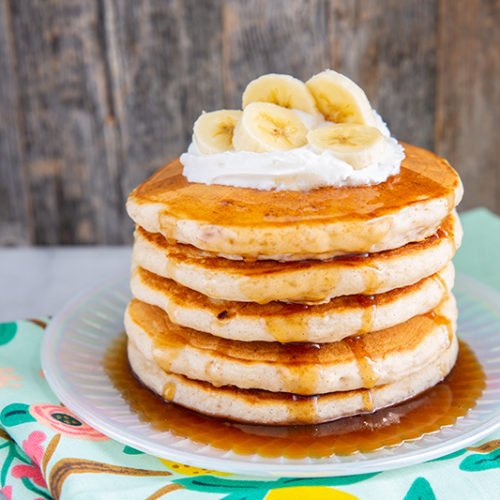
This easy fluffy banana pancakes recipe yields generous light and airy pancakes, loaded with banana bread flavor. With just a handful of pantry staples and ripe bananas, you can make your dream breakfast come true as often as you want!
Written by: Omojo Emeje
Collagen is the most abundant protein in the body.
You can find it in your:
– Bones
– Muscles
– Tendons
– Ligaments
– Organs
– Blood vessels
– Intestines
– Tissues and skin.
The body starts to make less collagen as you age starting in your mid 20s. Poor diet can lower your levels too. When the body doesn’t make as much collagen,
It can lead to things like:
– Wrinkles
– Weak Muscles
– Tight ligaments and tendons
– Joint pain.
– Gut issues.
Marine or fish, collagen comes from the skin of fish. It can help you bring your levels up. You may already be taking supplements or use cosmetics with collagen in them.
In most of these products, the collagen comes from pig and cow skins.
Benefits
Like other source of collagen, Marine collagen may help delay some signs of ageing, like wrinkles, joint issues and weakness. Besides the anti-aging benefits, fish collagen also provide an alternative to people who have issues about using other forms of collagen.
Those issues includes:
1) Religious concerns: because of their faith some people aren’t able to use collagen made from pigs and cows.
2) Worry about diseases: some people worry that the protein used in collagen products could link to mad cow disease.
Uses.
You can use fish collagen as a supplements. It comes in powder, pills or liquid forms. People also use creams made with it. Cream with fish collagen are becoming popular, doctors believe that other treatments like retinol, tretinoin and vitamin C might provide more benefits.these creams can help your body make collagen.
They can also undo the inflammation that can damage it.
Written by: Blessing Atabo
Food and nutrition are the way that we get fuel, providing energy for our bodies. We need to replace nutrients in our bodies with a new supply every day. Water is an important component of nutrition. Fats, proteins, and carbohydrates are all required. Maintaining key vitamins and minerals are also important to maintaining good health. For pregnant women and adults over 50, vitamins such as vitamin D and minerals such as calcium and iron are important to consider when choosing foods to eat, as well as possible dietary supplements.
A healthy diet includes a lot of natural foods. A sizeable portion of a healthy diet should consist of fruits and vegetables, especially ones that are red, orange, or dark green. Whole grains, such as whole wheat and brown rice, should also play a part in your diet. For adults, dairy products should be non-fat or low-fat. Protein can consist of lean meat and poultry, seafood, eggs, beans, legumes, and soy products such as tofu, as well as unsalted seeds and nuts.
Explaining the Concept of Nutrients as Building Blocks
Building blocks include protein for growing babies in utero, for child and adolescent growth, and for repairing damaged skin, blood, and other body parts in adults who aren’t growing. Some parts of the body are replaced regularly, like blood and skin, so even adults are building new body parts regularly. Calcium is also a building block for building bones. Iron is a building block for blood. Since blood cells only last a few months, the body constantly needs more iron and protein to make new blood.
Good nutrition also involves avoiding certain kinds of foods like:
✓Sodium is used heavily in processed foods and is dangerous for people with high blood pressure.
✓ Adults are advised to consume less than 300 milligrams (mg) per day of cholesterol (found in meat and full-fat dairy products among others).
✓Fried food, solid fats, and trans fats found in margarine and processed foods can be harmful to heart health. Refined grains (white flour, white rice).
✓ Refined sugar (table sugar, high fructose corn syrup) are also bad for long-term health, especially in people with diabetes.
✓ Alcohol can be dangerous to health in amounts more than one serving per day for a woman and two per day for a man.
The effective management of food intake and nutrition are both key to good health. Smart nutrition and food choices can help prevent disease. Eating the right foods can help your body cope more successfully with an ongoing illness. Understanding good nutrition and paying attention to what you eat can help you maintain or improve your health.
NUTRITION DEFICIENCIES
Even when you are getting enough to eat, if you are not eating right , you are still at risk for certain nutritional deficiencies. Also, you may have nutritional deficiencies due to certain health or life conditions, such as pregnancy, or certain medications you may be taking, such as high blood pressure medications. People who have had intestinal diseases or had sections of intestines removed due to disease or weight loss surgery also may be at risk for vitamin deficiencies. Alcoholics are also at high risk of having nutritional deficiencies.
One of the most common nutritional deficiencies is iron deficiency anemia. Your blood cells need iron in order to supply your body with oxygen, and if you don’t have enough iron, your blood will not function properly. Other nutritional deficiencies that can affect your blood cells include low levels of vitamin B12, folate, or vitamin C.
Vitamin D deficiency may affect the health of your bones, making it difficult for you to absorb and use calcium (another mineral that you may not be getting enough of). Although you can get vitamin D by going out in the sun, many people with concerns about skin cancer may end up with low levels of vitamin D by not getting enough sun.
Eat right and stay healthy!!
Written by: Chiamaka Nwoko
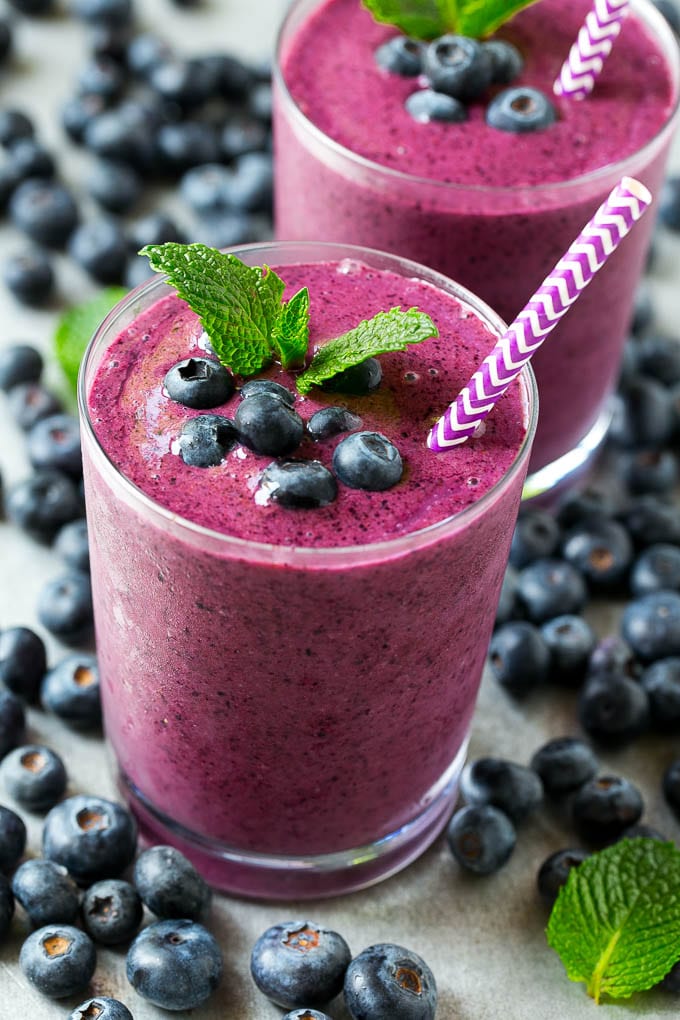
This recipe for a mixed berry smoothie is a refreshing and healthy combination of fruit and yogurt that’s kid-approved and super easy to make! Smoothies are a great choice for breakfast or as a mid-day snack.
These wonderfully vibrant green pancakes get their colour from a healthy dose of spinach – there’s no food colouring in sight. They’re perfect for a savoury brunch and great for baby led weaning and toddlers. Can be vegan or vegetarian.
ENJOY!!
Written by: Omojo Emeje
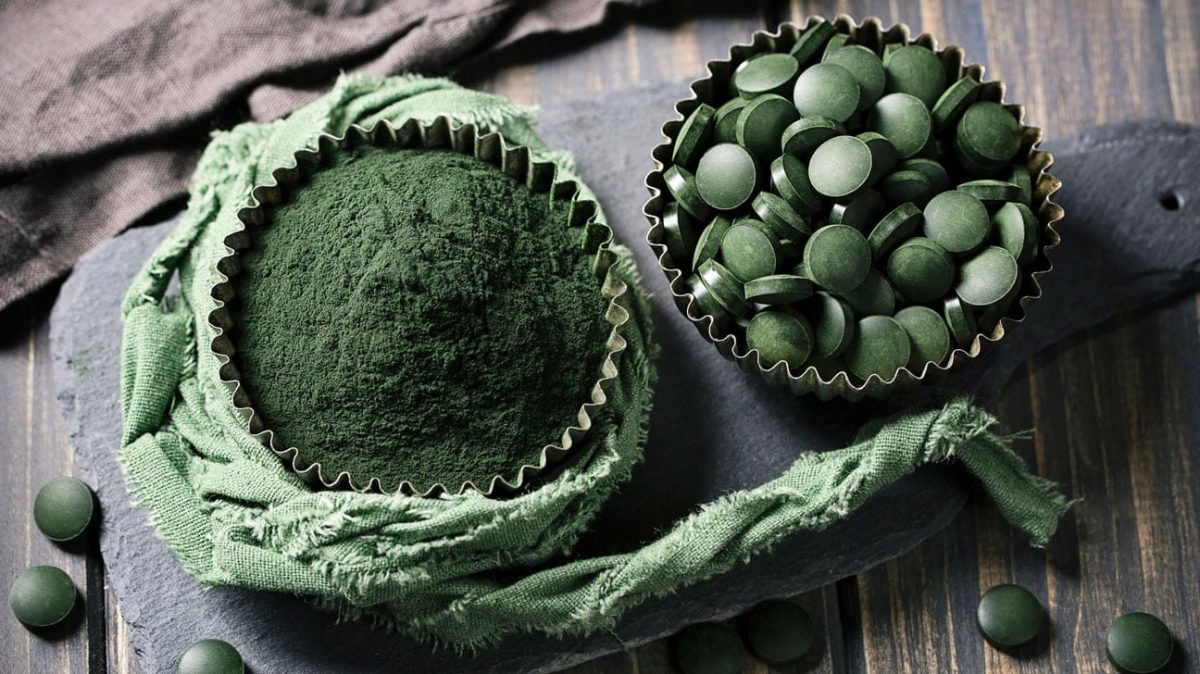
Spirulina is an organism that grows in both fresh and salt water. It is a type of cyanobacteria, which is a family of single-celled microbes that are often referred to as blue-green algae. Just like plants, cyanobacteria can produce energy from sunlight via a process called photosynthesis. Spirulina was consumed by the ancient Aztecs but became popular again when NASA proposed that it could be grown in space for use by astronauts.
This tiny alga is packed with nutrients. A single tablespoon (7 grams) of dried spirulina powder contains:
It also contains decent amounts of magnesium, potassium and manganese and small amounts of almost every other nutrient that you need. In addition, the same amount holds only 20 calories and 1.7 grams of digestible carbs. Gram for gram, spirulina may be the single most nutritious food on the planet. A tablespoon (7 grams) of spirulina provides a small amount of fat — around 1 gram — including both omega-6 and omega-3 fatty acids in an approximately 1.5–1.0 ratio. The quality of the protein in spirulina is considered excellent — comparable to eggs. It gives all the essential amino acids that you need. It is often claimed that spirulina contains vitamin B12, but this is false. It has pseudo-vitamin B12, which has not been shown to be effective in humans.
Oxidative damage can harm your DNA and cells. This damage can drive chronic inflammation, which contributes to cancer and other diseases. Spirulina is a fantastic source of antioxidants, which can protect against oxidative damage. Its main active component is called phycocyanin. This antioxidant substance also gives spirulina its unique blue-green colour. Phycocyanin can fight free radicals and inhibit production of inflammatory signaling molecules, providing impressive antioxidant and anti-inflammatory effects.
Heart disease is the world’s leading cause of death. Many risk factors are linked to an increased risk of heart disease. As it turns out, spirulina positively impacts many of these factors. For example, it can lower total cholesterol, “bad” LDL cholesterol and triglycerides, while raising “good” HDL cholesterol. In a study in 25 people with type 2 diabetes, 2 grams of spirulina per day significantly improved these markers. Another study in people with high cholesterol determined that 1 gram of spirulina per day lowered triglycerides by 16.3% and “bad” LDL by 10.1%. Several other studies have found favorable effects — though with higher doses of 4.5–8 grams per day.
Fatty structures in your body are susceptible to oxidative damage. This is known as lipid peroxidation, a key driver of many serious diseases. For example, one of the key steps in the development of heart disease is the oxidation of “bad” LDL cholesterol.
Interestingly, the antioxidants in spirulina appear to be particularly effective at reducing lipid peroxidation in both humans and animals.
In a study in 37 people with type 2 diabetes, 8 grams of spirulina per day significantly reduced markers of oxidative damage. It also increased levels of antioxidant enzymes in the blood.
Some evidence suggests that spirulina has anti-cancer properties. Research in animals indicates that it can reduce cancer occurrence and tumor size. Spirulina’s effects on oral cancer — or cancer of the mouth — have been particularly well studied. One study examined 87 people from India with precancerous lesions — called oral submucous fibrosis (OSMF) — in the mouth. Among those who took 1 gram of spirulina per day for one year, 45% saw their lesions disappear — compared to only 7% in the control group. When these people stopped taking spirulina, almost half of them redeveloped lesions in the following year. In another study of 40 individuals with OSMF lesions, 1 gram of spirulina per day led to greater improvement in OSMF symptoms than the drug Pentoxyfilline.
High blood pressure is a main driver of many serious diseases, including heart attacks, strokes and chronic kidney disease. While 1 gram of spirulina is ineffective, a dose of 4.5 grams per day has been shown to reduce blood pressure in individuals with normal levels. This reduction is thought to be driven by an increased production of nitric oxide, a signaling molecule that helps your blood vessels relax and dilate.
Allergic rhinitis is characterised by inflammation in your nasal passageways. It is triggered by environmental allergens, such as pollen, animal hair or even wheat dust. Spirulina is a popular alternative treatment for symptoms of allergic rhinitis, and there is evidence that it can be effective. In one study in 127 people with allergic rhinitis, 2 grams per day dramatically reduced symptoms like nasal discharge, sneezing, nasal congestion and itching.
There are many different forms of anaemia. The most common one is characterised by a reduction in hemoglobin or red blood cells in your blood. Anemia is fairly common in older adults, leading to prolonged feelings of weakness and fatigue.
In a study in 40 older people with a history of anaemia, spirulina supplements increased the hemoglobin content of red blood cells and improved immune function. Keep in mind that this is just one study. More research is needed before any recommendations can be made.
Exercise-induced oxidative damage is a major contributor to muscle fatigue. Certain plant foods have antioxidant properties that can help athletes and physically active individuals minimise this damage. Spirulina appears beneficial, as some studies pointed to improved muscle strength and endurance. In two studies, spirulina enhanced endurance, significantly increasing the time it took for people to become fatigued.
Animal studies link spirulina to significantly lower blood sugar levels. In some cases, it has outperformed popular diabetes drugs, including Metformin. There is also some evidence that spirulina can be effective in humans. In a two-month study in 25 people with type 2 diabetes, 2 grams of spirulina per day led to an impressive reduction in blood sugar levels.
HbA1c, a marker for long-term blood sugar levels, decreased from 9% to 8%, which is substantial. Studies estimate that a 1% reduction in this marker can lower the risk of diabetes-related death by 21%.
However, this study was small and short in duration. More studies are necessary.
Spirulina is a type of cyanobacteria — often referred to as blue-green algae — that is incredibly healthy. It may improve your levels of blood lipids, suppress oxidation, reduce blood pressure and lower blood sugar.
While more research is needed before any strong claims can be made, spirulina may be one of the few superfoods worthy of the title.
If you want to give this supplement a try, it is available in our online store at http://backup.troopharm.com/product/holland-barrett-spirulina-500mg/
Written by: Omojo Emeje
Source: Healthline
Did you know??
Spinach is notable amongst other green leafy vegetables. It is a low-calorie food full of nutrients that are good for your body in several ways. From strengthening the immune system, to building body defense, to supporting your cardiovascular health, to cutting off risk of iron deficiency, to fighting free radicals, to wound healing, and to so many more.
Spinach also helps increase water in the body. You might really think drinking water is the only way to keep the body hydrated. But food rich in water can help you reach that goal too. Spinach is a vegetable that’s nearly all water.
Add spinach to your diet and your body will tell you! ?
Written by: Chiamaka Nwoko.
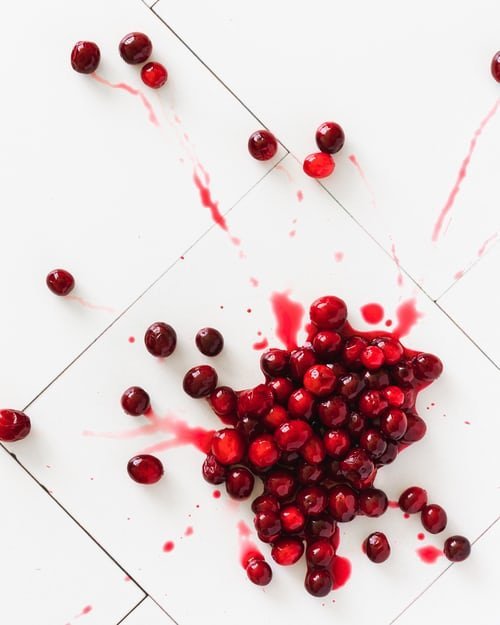
Cranberry ? is a small, hard, round, red fruit with a flavor that may be described as both bitter and sour. It is a popular super food that can be consumed in form of sauce or a juice. Cranberry is considered a super food due to its high nutrients and antioxidant content.
They’re also high in anthocyanins. These are the compounds that gives cranberry their dark color and they have anti-inflammatory and anti-cancer effects. They also
– Protect against liver disease.
– Improve eyesight ? .
– Improve cardiovascular health.
– Lowers blood pressure.
Nutrients in cranberry help to lower risk of urinary tract infection (UTI). This includes children or women who get them often.
UTI is a bladder infection that may cause pelvic pain, increased urge to urinate, pain with urination, blood in urine, foul smelling urine, cloudy urine, sense of incomplete bladder emptying etc.
Cranberry can also help with gut health. It can help put good bacteria back into your digestive system. They also reduce bile acids in the gut that have a link to colon and gastrointestinal cancer.
Cranberry extract is a great option for people who want to experience some of the health benefits of cranberries without having to eat them everyday.
In conclusion, cranberry extract is worth trying for those who get frequent urinary tract infection (UTI)!
Written by: Chiamaka Nwoko.
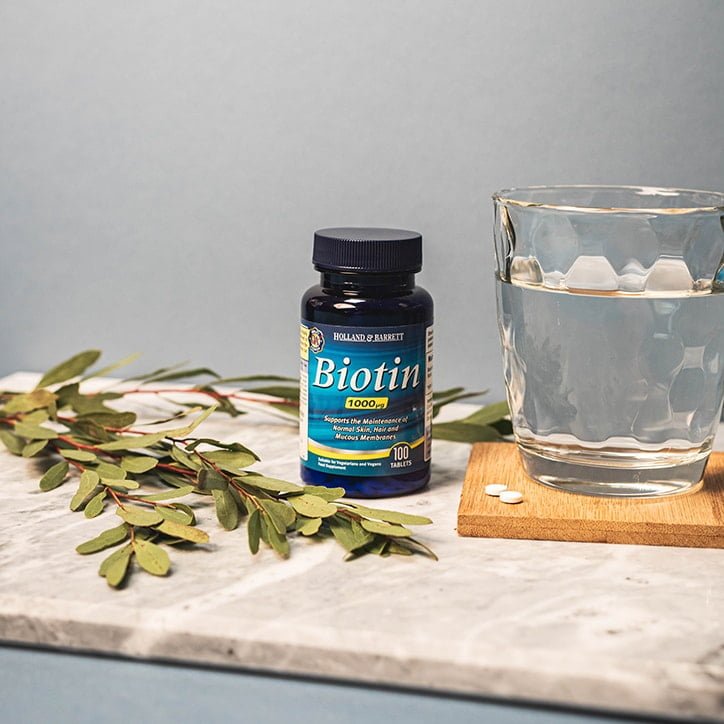
Biotin, also known as vitamin H, is one of the B complex vitamins that helps the body convert food into energy.
The word “Biotin” comes from the ancient Greek words “Biotos” which means Life or sustenance. B vitamins and specifically biotin, help keep your skin, hair, eyes, liver and nervous system healthy.
Biotin is also a crucial nutrient during pregnancy, as it’s important for embryonic growth.
Biotin is also known as vitamin B-7. It forms fatty acids and glucose. It also helps metabolise carbohydrates and Amino acids and it aids in breaking down fats in the body.
They are several systems that biotin helps keep healthy.
1). The liver.
2). The eyes.
3). The nails.
4). Nervous system and more.
Biotin maybe effective in treating certain medical conditions such as
1). Hypoglycemia
2). Hyperpidemia
3). Glucose control.
Who needs biotin?
– Diabetics: it helps to metabolize carbohydrates.
– Obese are people with high cholesterol it helps to breakdown fat.
-.Beauty conscious people: it boosts skin, nails, hair and appearance.
Negative side effect.
Low level of biotin can cause thinning of the hair and rash around the eyes, nose and mouth. Other symptoms include depression, lack of interest, hallucinations and tingling in the arms and legs.
Normal dose of biotin1000ug.
1- 2 tablets daily.
14- 18years 25mcg
19years up 30mcg
Pregnant woman 30mcg /day
Breastfeeding woman 35mcg / day.
Shop online today for your dose of Biotin goodness! http://backup.troopharm.com/product/holland-and-barrett-biotin-1000-g-tabs/
Written by: Blessing Atabo.