I’m So Stressed! Time For A Foot Soak!!

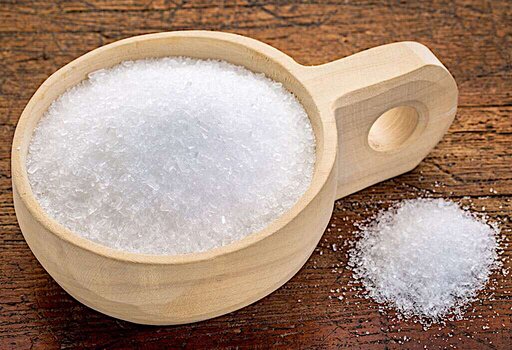
Epsom salt is a magnesium sulfate compound, unlike sodium table salt. Epsom salt has been used for hundreds of years as a healing agent and pain reliever. Today, it’s most often added to hot baths and foot soaks to reduce stress.

The magnesium in Epsom salt is only minimally absorbed through the skin and there’s no scientific evidence to date that shows that it actually increases magnesium levels in the body. But Epsom salt can ease pain related to inflammation, which can be beneficial for foot health.

Supporters claim that in addition to reducing pain symptoms and promoting healing, Epsom salt can be dissolved in warm water to ease pain from gout, eliminate odour and help treat infection. More research is needed to support these claims.

How to make a foot soak

To make an Epsom salt foot soak, follow these simple steps:

1. Fill your bathtub or a basin with warm water until it’s deep enough to cover your feet.

2. Add 1/2 cup of Epsom salt to the warm water.

3. Soak your feet for 30 to 60 minutes twice a week.

4. For an aromatherapy boost, consider adding a few drops of diluted lavender, peppermint, or eucalyptus essential oil to your foot bath.

5. Moisturize your feet thoroughly after soaking them.

This kind of soak can cause dry skin, specifically on your feet. Be sure to moisturise your skin after an Epsom salt foot soak to prevent cracked skin and irritation.

If you begin to experience pain, redness, or sores before or after using a foot bath, schedule a visit with your Health care provider to discuss alternative treatment.

An Apple A Day Keeps Migraines At Bay!

From migraine remedies to wrinkle reduction, apples aren’t just for keeping the good doc away.

Researchers with the Smell and Taste Treatment and Research Foundation found the smell of green apples had some effect on reducing the severity of migraine symptoms. While more than half of the 50 chronic headache sufferers studied didn’t like the green apple smell, the 15 who found it pleasant reported a “significant reduction in the severity of their headache,” according to the foundation.


Source: Courierpostonline

Salmon For Menstrual Cramps!!

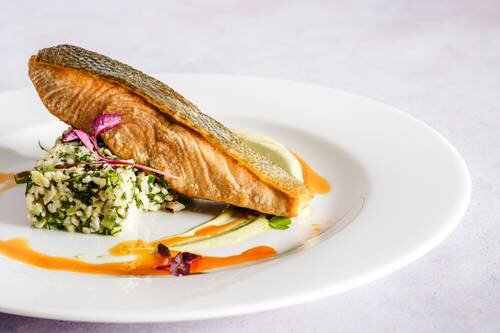
Salmon and other cold-water fish are rich in the type of fatty acids known as Omega-3s. These help to reduce inflammation, which makes them good for general pain relief — including the pain of menstrual cramps, according to Everyday Health.

But there’s more good news about salmon, too. Besides being a healthy source of protein, it’s also an amazing dietary source of vitamins D and B6. According to Everyday Health, Vitamin D makes it possible for you to absorb calcium — something else that makes period pain more manageable. And vitamin B6 can help with the breast tenderness and irritability you might be experiencing along with your extremely painful cramps.

Effect Of Reclining Twist Yoga Pose On Menstrual Pain

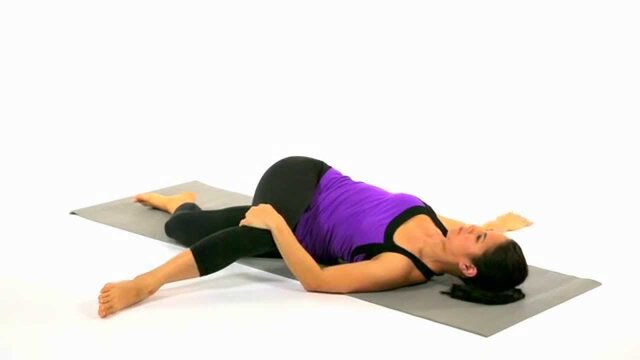
The reclining twist is supposed to stimulate, detox and sooth the body. For this pose, start by laying down on your back with your arms stretched outwards beside your body. Now pull one leg over and across your body. Slightly bend your knee to avoid any muscle tension. Then bend your body slightly towards the bent leg while keeping your arm stretched out in the same position as it was. Look towards your arm opposite to the leg.

This exercise stretches your spine. Holding this position for a few minutes can help you ease the nerves during the menstruation which can help you relieve the pain.

BPH-Benign Prostatic Hyperplasia…

Benign prostatic hyperplasia (BPH) — also called prostate gland enlargement is a common condition as men get older. An enlarged prostate gland can cause uncomfortable urinary symptoms, such as blocking the flow of urine out of the bladder. It can also cause bladder, urinary tract or kidney problems.

CAUSE
The actual cause of prostate enlargement is unknown. Factors linked to aging and changes in the cells of the testicles may have a role in the growth of the gland, as well as testosterone levels.
Men who have had their testicles removed at a young age (for example, as a result of testicular cancer) do not develop BPH.
Also, if the testicles are removed after a man develops BPH, the prostate begins to shrink in size. However, this is not a standard treatment for an enlarged prostate.

SYMPTOMS 
– Increased urination.
-Difficulty starting urine.
-Weak urine flow.
-Inability to control the bladder- stopping and starting urine flow.
-Problem with sexual performance.
-Blood in the urine.
-Kidney damage.
-Bladder damage.
-Bladder stone.
-Urinary tract infection.

RISK FACTORS
-Age.
-Diabetes.
-Heart disease.
– Genetics.
-Lifestyle -obesity increases the risk of BPH, while exercise  can lower your risk.

Supplements for BPH include:
-Saw palmetto: This herb has been used to treat enlarged prostate. The berry in saw palmetto contains ingredients that helps in balancing out hormones.

-Lycopene: Is a food nutrient that is beneficial for prostate health. Food sources includes tomatoes, watermelon, and pink grapefruit.

-Wellman prostate: these combines a potent blend of antioxidants, vitamins, minerals and amino acids such as Zinc, Folic acid, Vitamin B6 & B12, Magnesium, L-Carnitine and L-Arginine which have been specifically chosen for their role in supporting healthy male reproductive function, hormonal health and spermatogenesis.

Healthy foods for prostate health are:
-Salmon: Salmon is rich in healthy fats that contain omega-3 fatty acids, which help prevent and reduce inflammation within the body. Other cold-water fish, such as sardines and trout, are also rich in these types of fats.

-Tomatoes: Tomatoes are packed with lycopene, an antioxidant that may benefit prostate gland cells. Cooking tomatoes, such as in tomato sauce or soup, helps to release the lycopene and make it more readily available to the body.

-Berries: Strawberries, blueberry, raspberries, and blackberries are excellent sources of antioxidants, which help to remove free radicals from the body. Free radicals are the by-products of reactions that occur within the body and can cause damage and disease over time.

-Nuts: Nuts are rich in zinc, a trace mineral. Zinc is found in high concentrations in the prostate and is thought to help balance testosterone and Dihydrotestosterone. Besides nuts, shellfish and legumes are also high in zinc.

-Citrus: Oranges, lemons, limes, and grapefruits are all high in vitamin C, which may help to protect the prostate gland.

Sleep Disorder

sleep disorder is a condition that frequently impacts your ability to get enough quality sleep. Many of us occasionally experience difficulties sleeping. Usually it’s due to stress, travel, illness, or other temporary interruptions to your normal routine. However, if you regularly have problems getting to sleep at night, wake up feeling exhausted, or feel sleepy during the day, you may be suffering from a sleep disorder. They can take a serious toll on your mental and physical health, including your mood, energy, and ability to handle stress.

Frequently having trouble sleeping can be a frustrating and debilitating experience. There are many things you can do to identify the underlying causes of your sleep disorder and improve your sleep, health, and quality of life.

Types of common sleep disorders

1) Insomnia

Insomnia, the inability to get to sleep or sleep well at night, can be caused by stress, jet lag, a health condition, the medications you take, or even the amount of coffee you drink. Insomnia can also be caused by other sleep disorders or mood disorders such as anxiety and depression.

2) Sleep apnea

Sleep apnea is a common (and treatable) sleep disorder in which your breathing temporarily stops during sleep, awakening you frequently.

3) Restless legs syndrome (RLS)

Restless legs syndrome (RLS) is a sleep disorder that causes an almost irresistible urge to move your legs (or arms) at night. The urge to move occurs when you’re resting or lying down and is usually due to uncomfortable, tingly, aching, or creeping sensations.

4)Narcolepsy

Narcolepsy is a sleep disorder that involves excessive, uncontrollable daytime sleepiness. It is caused by a dysfunction of the brain mechanism that controls sleeping and waking.

5) Circadian rhythm sleep disorders

We all have an internal biological clock that regulates our 24-hour sleep-wake cycle, also known as our circadian rhythms. Light is the primary cue that influences circadian rhythms. At night, when there is less light, your brain triggers the release of melatonin, a hormone that makes you sleepy. When the sun comes up in the morning, the brain tells the body that it’s time to wake up.

When your circadian rhythms are disrupted or thrown off, you may feel groggy, disoriented, and sleepy at inconvenient times.

6) Shift work sleep disorder

Shift work sleep disorder occurs when your work schedule and your biological clock are out of sync.

7) Delayed sleep phase disorder

Delayed sleep phase disorder is a condition where your biological clock is significantly delayed. As a result, you go to sleep and wake up much later than other people.

8) Jet lag

Jet lag is a temporary disruption in circadian rhythms that occurs when you travel across time zones.

Self-help for sleep disorders

While some sleep disorders may require a visit to the doctor, you can improve many sleeping problems on your own.

Improve your daytime habits. Regardless of your sleep problems, sticking to a consistent sleep schedule, getting regular exercise, limiting your intake of caffeine, alcohol, and nicotine, and managing stress will translate into better sleep over the long term.

Develop a relaxing bedtime routine to prepare your mind and body for sleep. Make sure your bedroom is quiet, dark, and cool, avoid heavy meals and too many fluids late at night, take a warm bath, read, or listen to soothing music to unwind, and turn off screens at least one hour before bedtime.

Get back to sleep when you wake up at night. Whether you have a sleep disorder or not, it’s normal to wake briefly during the night. If you’re having trouble getting back to sleep, try focusing on your breathing, meditating, or practicing another relaxation technique. Make a note of anything that’s worrying you and resolve to postpone worrying about it until the next day when it will be easier to resolve.

Vertigo

Does it feel like you are spinning or the room is moving around you? That’s a classic sign of a particular type of dizziness called vertigo. It’s more than feeling off-kilter and usually gets worse when you move your head. This is a symptom that there is an issue in the inner ear or part of the brainstem governing balance. The most common kind is Benign Paroxysmal Positional Vertigo. Benign Paroxysmal Positional Vertigo (BPPV) is triggered by certain changes in head position, such as tripping the head up or down. It is rarely serious unless it increases with the risk of falling.

Symptoms

The signs and symptoms of benign paroxysmal positional vertigo (BPPV) may include:

  • Dizziness
  • A sense that you or your surroundings are spinning or moving (vertigo)
  • A loss of balance or unsteadiness
  • Nausea
  • Vomiting

The signs and symptoms of BPPV can come and go and commonly last less than one minute. Episodes of BPPV can disappear for some time and then recur.

Activities that bring about the signs and symptoms of BPPV can vary from person to person, but are almost always brought on by a change in head position. Some people also feel out of balance when standing or walking. Abnormal rhythmic eye movements usually accompany the symptoms of benign paroxysmal positional vertigo.

Risk factors

Benign paroxysmal positional vertigo occurs most often in people age 50 and older, but can occur at any age. BPPV is also more common in women than in men. A head injury or any other disorder of the balance organs of your ear may make you more susceptible to BPPV.

Complications

Although BPPV is uncomfortable, it rarely causes complications. The dizziness of BPPV can make you unsteady, which may put you at greater risk of falling.

Fluids For Flu

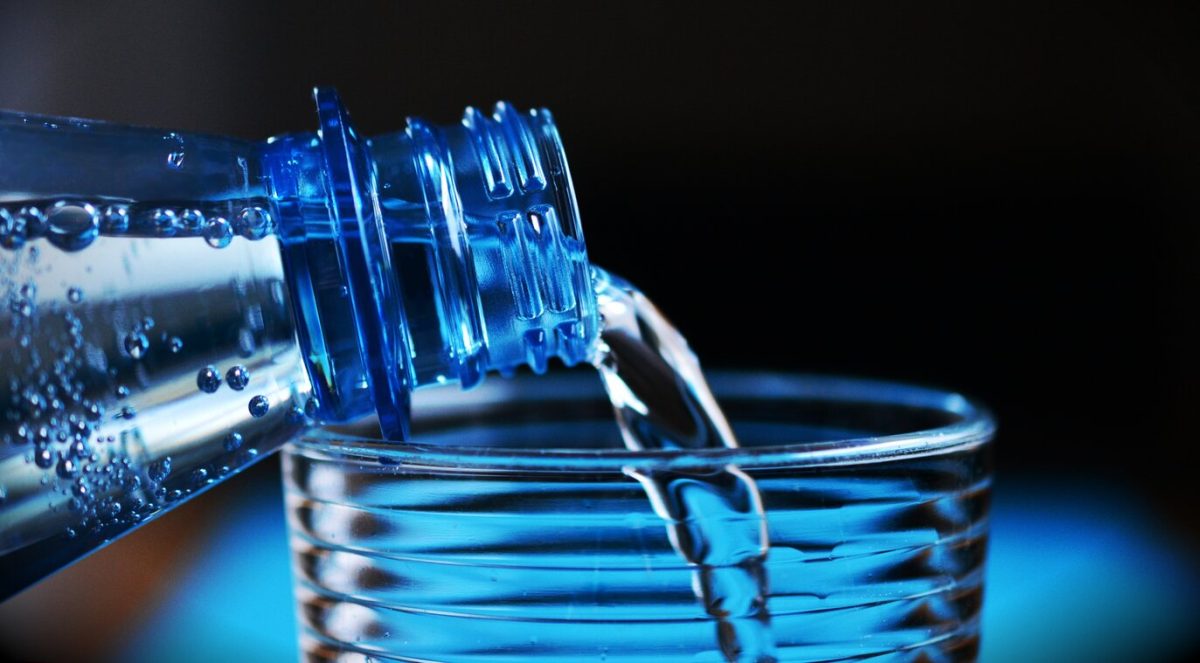
Drinking plenty of fluids is one of the most important things you can do when you have a cold or flu. Because cold and flu symptoms like runny nose and sweating, which often accompanies fever, increase the amount of water your body loses, dehydration might occur if your fluid intake is not increased to compensate.

Drinking plenty of fluid is important for ensuring a speedy recovery from cold and flu. It also helps to loosen mucus in your nose and relieve congestion. Staying hydrated ensures that the body can function properly and can defend itself more effectively against the cold or flu.

When you have a cold or flu, drink a minimum of eight 250 mL cups of fluid each day. Drink water or another healthy fluid whenever you are thirsty. But there’s no need to overdo it – too much can lead to hyponatremia (a condition characterized by low levels of salt in the blood). If you are otherwise healthy, use your thirst as a guide to when and how much you should drink. If you are caring for a child who is over one year ensure they drink a minimum of 90–120 mL of fluid per hour. Babies under one year require at least 30–60 mL fluid per hour. Pregnant women should increase their fluid intake to up to ten 250 mL cups per day.

Water is the best fluid to drink when you have a cold or flu as it helps lubricate the mucous membranes of the throat. Hot drinks are also a good choice as the hot steam they produce can relieve congestion. Other fluids which are good options during cold and flu infection include: Ginger ale, Herbal tea, Honey and lemon tea (mix lemon and honey with a cup of hot water), Broth, Ginger tea, Milk and dairy.

Many people believe that milk and dairy products increase congestion and should be avoided when you have a cold or flu; however, this is not the case. There is no need to stop eating or drinking dairy.

What not to drink during cold and flu infection

⦁ Caffeinated drinks should be avoided as they are dehydrating. They include coffee, cola drinks, energy drinks and tea.

⦁ Alcohol is also dehydrating and should be avoided. In addition, it affects the functioning of the immune system and drinking too much alcohol makes you more likely to get an infection.

How Turmeric Saved My Face!!

It was one summer holiday and I decided to travel to a different continent! Full of excitement for what lay ahead, I made preparations for my trip and packed my bags. Little did I know that part of what was in store for me wouldn’t be so pleasant.

I landed into this very hot African country and took about 3 weeks to settle down. By the third week, I began to have very bad reaction on the two sides of my cheek. I wondered what the cause was. Could it be the water I showered with? Could it be the food? Could it be change in climate?

After questioning myself with no result, I decided to try different products. I spent a lot of money on different products because I couldn’t stand what was happening to my face. I don’t use makeup which I’m even thankful for because I felt it would have made It worse. The sides of my cheek were full of rough bumps which made even washing my face not pleasant for me.

It really began to affect my mind and mood sometimes. I was however encouraged and told that I wasn’t defined by my skin. It took a while but I decided to no longer pay so much attention to my skin.

While doing that, I also decided to drop all the chemicals I was using and go the natural route. Through series of research done, I came across Turmeric as a powerful anti-inflammatory for skin. I found a recipe that someone else used and I decided to try it out.

It looks months before I really started seeing the effects but it did wonders!!

I also had to look at my diet and certain triggers like even groundnut and excess oily foods that made me have breakouts. I started doing more exercise and also some mental work.

One thing I learnt through this experience is that what you pay attention to grows. The more I saw the problem with my skin, the bigger the problem got. As I gradually became detached while doing my skin routine, it began to fade away!!

Here is my recipe. It might not work for or it might! But be at rest! Never allow what goes on around you begin to make you feel less of yourself!

  1. Turmeric
  2. Tea tree oil
  3. Raw Honey
  4. Lemon
  5. Apple cider vinegar.

You can apply it two – three times in a week and be marvelled!

Olive Oil As An SPF!

Olive oil protects your skin from free radicals. Free radicals are very reactive and when they choose to react with our own body’s cells and proteins, things get less than pretty. Free radicals cause the so-called oxidative stress. This is one of the main factors of skin ageing, especially premature ageing. UV radiation from the sun is what makes your skin tanner. However, it also produces free radicals that are damaging to the skin. And this is where olive oil comes in!

The polyunsaturated fats in olive oil are great at picking up free radicals. They neutralize these harmful elements and protect your skin. It is no wonder that olive oil has been used for beauty purposes for as long as history can record!

The major use of olive oil for tanning is not instead of sunscreen. Olive oil can help better prepare your skin for tanning and it can also make your skin hold onto the tan longer. One of the ways to use olive oil is in sugar scrubs. Before you go tanning, do a quick scrub in the shower. The simplest way to prepare it is by mixing plain white sugar (or brown sugar if you want to get a little fancier and harness its’ additional exfoliation properties) and extra virgin olive oil. Massage it in your skin with circular motions after showering and then rinse it off. The olive oil and sugar combo helps you get rid of the uppermost layer of dead skin and makes it easier for you to tan.

You can also do oil rubs with warm olive oil. This moisturizes your skin, reduces flake, and helps me hold onto an even and beautiful skin colour for longer. To really take this to a next level, try mixing some essential oils into your olive oil!

Add to cart