Understanding Ulcer!

A Peptic Ulcer is a sore on the lining of your Stomach or in the first part of your Small Intestine (duodenum). If this sore occurs in your stomach, it is referred to as a Gastric ulcer and if it occurs in your Duodenum, it is called a Duodenal Ulcer. Gastric and duodenal ulcers are types of Peptic ulcers and a peptic ulcer can also occur in the Oesophagus. When a person develops Chronic Peptic Ulcers, the condition is referred to as Peptic Ulcer Disease. Care must be taken to differentiate Peptic Ulcer Disease from Gastro-Esophageal Reflux Disease (GERD) that occurs when stomach acid flows into the food pipe and irritates the lining of the GIT. GERD is acid reflux and heartburn occurring more than twice a week, usually self-diagnosed, treatable by a medical Professional and rarely requires lab tests or imaging. Symptoms include a burning pain in the chest which usually occurs after eating, and worsens when lying down.

A healthy Gastro Intestinal Tract (GIT) usually has a layer of mucus coating that protects against acid deterioration, and if mucus decreases, or acid increases, then an ulcer could result. More often than not, ulcers are associated with infection by the Gram negative bacterium –  Helicobacterpylori. This organism is transmissible through food, water and close human contact. Other predisposing factors include Hyper secretory conditions like existing tumours; Genetic factors (when a first degree relative has had ulcer); Emigrant from a developing nation; Lifestyle factors such as smoking, alcohol and stressing; and chronic use of Non-Steroidal Anti-Inflammatory Drugs (NSAIDS) such as Aspirin.

SYMPTOMS

This includes a burning pain sensation in your gut, about halfway between the navel and the breastbone, pain or discomfort 2-3 hours after eating (duodenal ulcer), pain or discomfort 30 minutes after eating (gastric ulcer), pain that wakes you up at night and is eased by eating, drinking or taking antacids, blood in stool or vomit, nausea, retching and vomiting.

DIAGNOSIS

If your doctor suspects you have ulcer he will most likely order a blood test to identify Helicobacter pylori, stool antigen test, urine based ELISA and rapid urine test. He may request an endoscopy, do a barium study and, or a urease breath test or a biopsy.


NATURAL REMEDIES

  • Eat smaller meals at regular meal times, eat slowly and chew food properly, Eat dinner 3-4 hours before bed.
  • Eat or take ulcer healing foods such as: Cabbage juice, Cold cucumber smoothie, Honey, Turmeric, Garlic, Liquorice, Chilli peppers, Aloe Vera juice, water melon seed extract, bananas, sugar cane and Probiotics.
  • Finally, avoid prolonged hunger states and snack between meals on bananas, cold cucumber and sugar cane to mention a few.


SOURCE

  • everydayhealth.comwww.uofmhealth.org>health-library
  • Google search
  • hopkinsmedicine.org
  • medscape.com
  • ncbi.nlm.nih.gov/book
  • ridgedalesurgerycentre.com
  • www.mayoclinic.org

11 Natural Remedies For Polycystic Ovary Syndrome

Polycystic ovary Syndrome (PCOS) is a hormonal disorder causing enlarged ovaries with small cysts on the outer edges. The cause of polycystic ovary syndrome isn’t well understood, but may involve a combination of genetic and environmental factors. Symptoms include menstrual irregularity, excess hair growth, acne and obesity.

Treatments include birth control pills to regularise periods, medication called metformin to prevent diabetes, statins to control high cholesterol, hormones to increase fertility and procedures to remove excess hair. However, there are other natural remedies which act as supplements to the major treatments. Such natural remedies are:

1. Inositol. Inositol is a B vitamin that can help improve insulin resistance. It’s also been found to help with fertility in some cases of PCOS.

2. Chromium. Chromium supplements may improve your body mass index, which can help with PCOS. They may also stabilize insulin resistance by helping your body metabolize sugar.

3. Cinnamon. Cinnamon comes from the bark of cinnamon trees. Cinnamon extract has been shown to have a positive effect on insulin resistance. It also may regulate menstruation for women with PCOS.

4. Turmeric. The active ingredient in turmeric is called curcumin. Turmeric may be promising for decreasing insulin resistance and as an anti-inflammatory agent.

5. Zinc. Zinc is a trace element that can boost fertility and your immune system. Excessive or unwanted hair growth and alopecia may be improved with zinc supplements. You can also eat red meat, beans, tree nuts, and seafood to get more zinc in your diet.

6. Evening primrose oil. Evening primrose oil has been used to help with period pain and irregular menstruation. It may also improve cholesterol levels and oxidative stress, both of which are linked to PCOS.

7. Combined vitamin D and calcium. Vitamin D is a hormone that’s vital to your endocrine system. Vitamin D deficiency is common in women with PCOS. Vitamin D and calcium may improve irregular periods and help you ovulate.

8. Cod liver oil. Cod liver oil contains vitamins D and A, as well as high amounts of omega-3 fatty acids. These acids can help improve menstrual regularity and help get rid of fat around your waist.

9. Berberine is an herb used in Chinese medicine to help with insulin resistance. If you have PCOS, berberine may ramp up your metabolism and balance your body’s endocrine responses.

10. Maca root. The root of the Maca plant is a traditional herb used to boost fertility and libido. Maca root may balance hormones and lower cortisol levels. It may also help treat depression, which can be a symptom of PCOS.

11. Probiotics. Probiotics don’t just help with your digestion and gut health. They can play an important role in treating PCOS. They can also reduce inflammation and regulate sex hormones like androgen and estrogen.

Apple Cider Vinegar And Vaginal Itch!

The moment signs of a vaginal yeast infection make themselves known—the itch you discreetly get at by squirming in your seat, the gates of hell suddenly relocating to between your legs, and the clumpy discharge—nothing else matters…other than getting it gone!

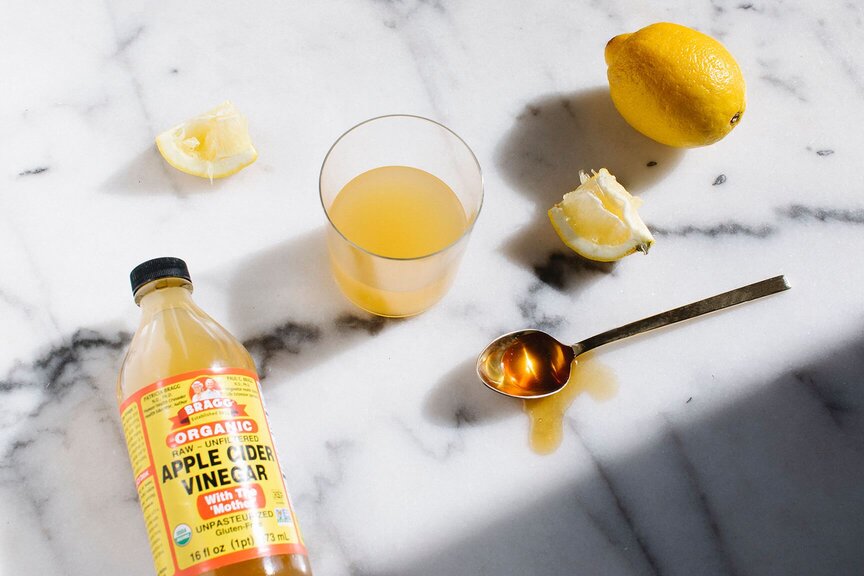
Apple cider vinegar has been found to stop the growth of the fungi that causes yeast infections. Add half a cup of apple cider vinegar in your bath water and soak yourself in it for at least 20 minutes. However, always make sure to dilute the apple cider vinegar and never use it at full strength. This is because it can also kill the healthy bacteria in your body.

Just like baking soda, taking a bath with Apple Cider Vinger (ACV) may also help to soothe an infection because it has antifungal and antibacterial properties, which prevents the growth of bacteria.

Unfortunately, there’s little evidence to support this claim. Nevertheless, it’s a cheap remedy to try, and one that has no known side effects!

Apple Cider Vinegar And Diabetes

According to scientists, apple cider vinegar has the potential to impact different types of diabetes in a variety of ways.

Some research draws a connection between apple cider vinegar and reduced blood glucose. This leads some people to believe that apple cider vinegar could provide benefits for people with diabetes who need to manage their blood glucose levels.

However, while apple cider vinegar is a low-risk addition to a diabetes diet, many studies on the vinegar are small and have reached mixed conclusions concerning its effects on blood sugar levels.

Most studies on apple cider vinegar have examined its potential to reduce blood sugar. A 2018 review examined both its long- and short-term effects and found that many results favoured the groups using vinegar, although often not by a significant margin. Groups had both main types of diabetes.

The review reports that apple cider vinegar caused a small, significant reduction in HbA1c results after 8–12 weeks. HbA1c levels reflect a person’s blood glucose levels over many weeks or months.

On a short-term basis, groups taking apple cider vinegar saw significant improvement in blood glucose levels 30 minutes after consuming the vinegar. However, the differences between the vinegar and control groups reduced after this time frame.

Other studies looked to identify the mechanisms behind this reduction in blood sugar level. One crossover, randomised study from 2015 suggested that apple cider vinegar may improve the way that the body absorbs blood sugar and increase insulin sensitivity in the skeletal muscle.

The mixed nature of research and the lack of recent studies into apple cider vinegar and type 1 diabetes make it difficult for doctors to recommend it as a complementary intervention for people with this type of diabetes.

However, taking apple cider vinegar is unlikely to cause serious harm. Always monitor levels to measure whether it works and make dietary adjustments accordingly.

People who wish to consume apple cider vinegar should dilute 1–2 tbs of apple cider vinegar in a large glass of water.

Drink it before meals or just before bedtime, when it has the greatest reducing impact on blood sugar.

As with most kinds of vinegar, a person should not consume undiluted apple cider vinegar. On its own, the vinegar can cause stomach irritation or damage tooth enamel.

Apple cider vinegar is also a versatile cooking ingredient. People can use it in salad dressings, marinades, sauces, and soups, and it works well with many types of meat and fish.

Cinnamon And Diabetes

Cinnamon is a sweet but pungent spice that is derived from the inner bark of the branches of wild

cinnamon trees, which grow in tropical areas across Southeast Asia, South America and the Caribbean.

Cinnamon is a blend of nutrients commonly used a spice. It can help regulate glucose metabolism in

diabetic people, but may also possess some toxic components.


Cinnamon is frequently treated as an anti-diabetic compound, since it reduces the rate at which glucose

enters the body. Not only does it help diabetics avoid blood sugar spikes, but it also improves glucose

use in the cell itself.

People with diabetes often face dietary restrictions to control their blood sugar and prevent

complications,

Over time, cinnamon can reduce fasting blood glucose, and potentially cholesterol levels as well.

Cinnamon does not need to be purchased specifically as a supplement, and can be found in grocery

stores. It does contain a liver toxin called coumarin, which can be harmful in high doses. Making

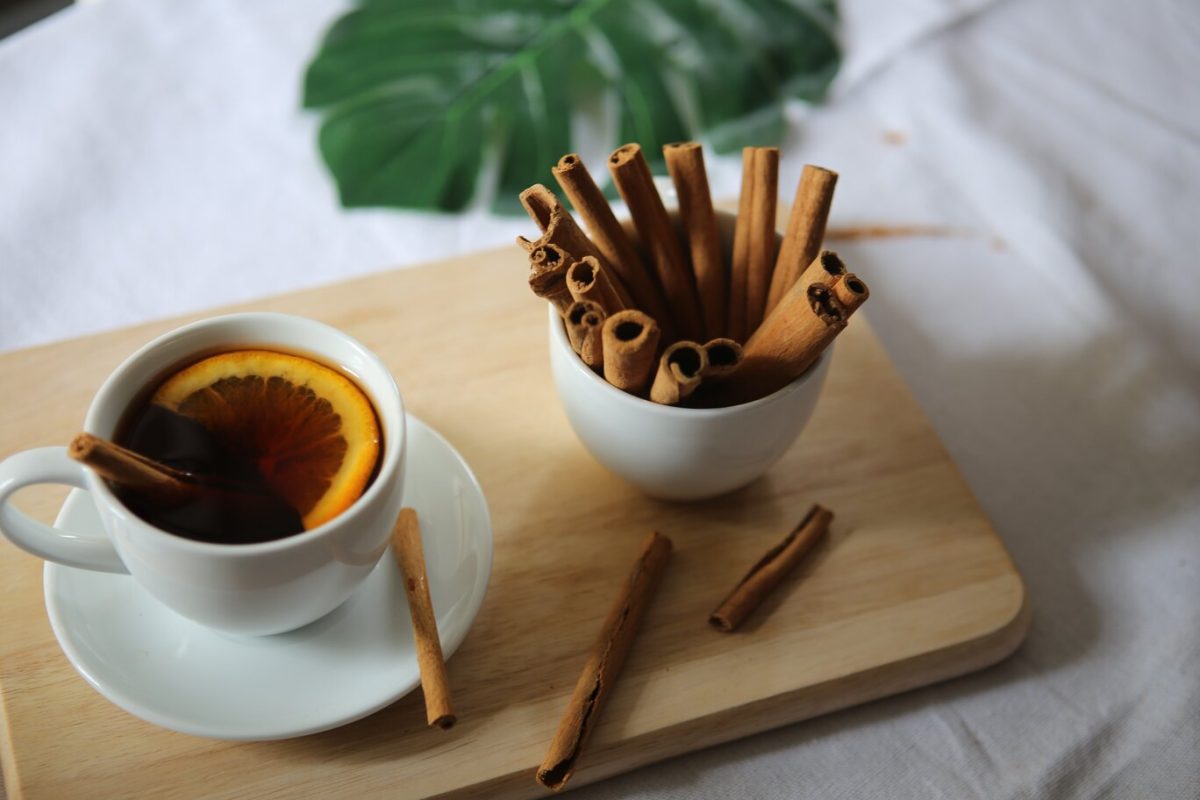
cinnamon tea can reduce the risk of coumarin poisoning, since the toxin is left behind in the leftover

sediment. Ceylon cinnamon, which is derived from a different plant species, has lower levels of

coumarin, which makes it a better supplement option.

The standard dose for anti-diabetic purposes is 2-4grams of cinnamon daily, taken with carbohydrate

containing meals.

Bone Care

Building healthy bones is extremely important. Minerals are incorporated into your bone during childhood, adolescence and early adulthood. Once you reach 30 years of age, you have achieved peak bone mass and if not enough bone mass is created during this time of life or bone loss occurs late in life, you have an increased risk of developing fragile bones.

Factors that affects bone health;

– The amount of calcium in your diet: A diet low in calcium contributes to diminished bone density, early bone loss and an increased risk of fractures.

– Physical activity: people who are physically inactive have a higher risk of osteoporosis than those that do more-active counterparts.

– Tobacco and alcohol use also contributes to weak bones.

– Hormone levels : Too much thyroid hormone can cause bone loss. In women, bone loss increases dramatically at menopause due to dropping of estrogen level. In men, low testosterone level can cause a loss of bone mass.

– Eating disorders and other conditions: People who have anorexia or bulimia are at risk of bone loss. In addition, stomach surgery (gastrectomy), weight loss surgery and conditions such as Cushing’s disease can also affect your body’s ability to absorb calcium.

– Certain medications : Long term use of corticosteroid medications such as Prednisolone, cortisone, prednisolone and dexamethasone is damaging to the bone.

Risk factors that can’t be controlled are;

– Gender : You’re at greater risk of osteoporosis if you’re a woman because women have less bone tissue than men.

– Age : Your bone become thinner and weaker as you age.

Fortunately, many nutrition and lifestyle habits can help you build strong bones and maintain them as you age. Such habits include:

• Consume enough protein: Getting enough protein is important for healthy bones. About 50% of bones is made of protein. Research also reported that low protein intake decreases calcium absorption and may also affect rates of bone formation and breakdown.

• Consume foods high in Omega 3 fatty acids : Omega 3 fatty acids are well known for their anti-inflammatory effects. They’ve also been shown to help protect against bone loss during the aging process. It’s also important to make sure your balance of Omega 6-3 fat isn’t to high.

• Get plenty of vitamin D & K: Vitamin D & K are extremely important for building strong bones.

Vitamin D plays serveral roles in bones health, including helping your body absorb calcium. Achieving a blood Level of at least 30ng/ml is recommended for protecting against osteoporosis, osteopenia and other bone diseases .

Vitamin K supports bone health by modifying osteocalcin, a protein involved in bone formation.

• Eat high-calcium foods: calcium is the most important mineral for bone health, and it’s the main mineral found in your food. Because old bone cells are constantly broken-down and replaced by new ones, it’s important to consume calcium daily to protect bone structure and strength.

• Eat lots of vegetables: Vegetables are great for your bones. It increases bone mineral density, also know as bone density. Bone density is measurement of the amount of calcium and minerals found in your bone.

Vegetables are the best source of vitamin C, which helps stimulates the production of bone formating cells.

Foods that increases bone density are

– Milks, cheese and other dietary foods .

– Green leafy vegetables such as broccoli, cabbage etc.

– Soya beans

– Soya drinks with added calcium.

– Nuts

– Sea fish.

NOTE: Osteoporosis is known as brittle bones; Osteopenia is known as low bone mass.

What You Should Know About Chondroitin Sulfate!

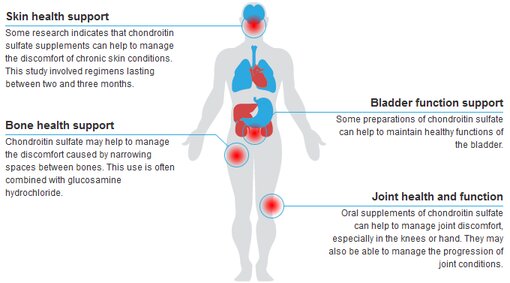
Chondroitin sulfate is a chemical that is normally found in cartilage around joints in the body. Chondroitin sulfate is usually manufactured from animal sources, such as shark and cow cartilage.

Chondroitin sulfate is used for osteoarthritis. It is often used in combination with other ingredients, including manganese ascorbate, glucosamine sulfate, glucosamine hydrochloride, or N-acetyl glucosamine.

Mechanism of action.

The effect of chondroitin sulfate in people with osteoarthritis is likely the result of reactions including it’s anti inflammatory activity, the stimulation of the synthesis of proteoglycans and hyaluronic acid, and the decrease in catabolic activity of chondrocytes inhibiting the synthesis of proteolytic enzymes, nitric oxide and other substances that contribute to damage the cartilage matrix and cause death to articular chondrocytes.

Chondroitin sulfate is also taken by mouth for HIV/AIDS, heart disease, heart attack, weak bones (osteoporosis), joint pain caused by drugs used to treat breast cancer, acid reflux, high cholesterol, muscle soreness after exercise, a bladder condition called interstitial cystitis, and itchy and scaly skin (psoriasis). Chondroitin sulfate is also used in a complex with iron for treating iron-deficiency anaemia.

Chondroitin sulfate is available as an eye drop for dry eyes. In addition, it is used during cataract surgery, and as a solution for preserving corneas used for transplants.

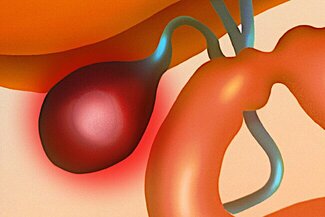
First Aid For Suspecting Gallstones

1. Consult your doctor if this is not the first attack.

2. Call a doctor immediately for emergency advice if such symptoms appear for the first time.

3. Don’t eat anything to make things go worse when you get abdominal pain caused by gallstones.

4. A heating pad or soaking in a tub of warm water may ease the person’s pain.

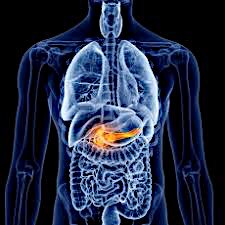
First Aid For Suspecting Pancreatitis

You need get immediate treatment.

Pancreatitis can be acute or chronic.

Either form is serious and can lead to complications.

In severe cases, bleeding, infection, and permanent tissue damage may occur

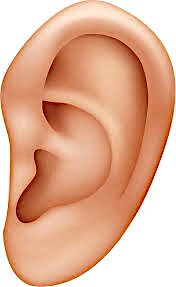
First Aid For Foreign Object In The Ear

1. Don’t probe the ear with a tool. Don’t attempt to remove the foreign object by probing with a cotton swab, matchstick or any other tool. To do so is to risk pushing the object farther into the ear and damaging the fragile structures of the middle ear.

2. Remove the object if possible. If the object is clearly visible, pliable and can be grasped easily with tweezers, gently remove it.

3. Try using gravity. Tilt the head to the affected side to try to dislodge the object. Remove batteries or magnets as soon as possible to prevent corrosion or burns. Do not crush a battery during removal.

4. Adhesives, may be removed manually within 1-2 days once desquamation has occurred. Referral to an ear, nose and throat specialist is required if an adhesive is in contact with the tympanic membrane.

5. If you believe earwax is causing ear discomfort or hearing loss, see a health care provider. The health care provider may use a special tool to remove it.

6. Don’t use cotton swabs. They can push earwax deeper into the the canal, impacting (compressing) it against the ear drum.

Add to cart