Interesting Facts About Coffee.

1. Dark roasts are actually lighter on caffeine.

That dark French or Italian roast may taste stronger, but that doesn’t mean it’s packing a stronger caffeine punch. In fact, light roasts contain the most caffeine—because the process of roasting beans burns off caffeine.

2. Not all brands are created equal.

There’s a huge of milligrams of caffeine per ounce in some of your favorite chains to grab a cup of coffee. A cup of coffee from Starbucks, for example, has more than twice the caffeine per ounce as a cup from McDonald’s—20.6 mg compared to 9.1 mg.

3. The grind matters.

Want a bigger jolt? Use a “burr” instead of “blade” grinder—it’ll create a rougher grind, which means more tiny surfaces on each grain of coffee and more caffeine coming out of each bean into your cup.

4. Everyone metabolizes it differently.

Caffeine is flushed out of everyone’s body at different rates. Women usually process it faster than men, smokers process it twice as fast as non-smokers, and women who take birth control pills metabolize it at about a third that rate that women not on birth control pills do.

5. It doesn’t dehydrate you.

You’ve probably heard that you should be drinking extra water to counteract the dehydrating effects of caffeine, right? Turns out coffee hydrates you just as well as water, especially when you’re a regular coffee drinker, according to a University of Birmingham study. Lead researcher Sophie Killer explains that regular caffeine intake makes you more tolerant to the potential diuretic effects. “Your body becomes more able to regulate the fluid intake and is less susceptible to any increases in urine output that somebody who’s caffeine-naïve might experience,” she says.

6. You’re better off with regular coffee than an energy drink.

Need a midday boost? Stick with coffee instead of Red Bull if you’re looking for the most caffeine bang for your buck—coffee tends to have more caffeine per serving than energy drink (about 80mg of caffeine in a 8.4-ounce can of Red Bull, compared to 95 to 200mg in a cup of coffee), minus the sugar and artificial ingredients. 

Amazing Uses Of Grapes!

A grape is a fruit botanically a berry of  the deciduous Woody vines of the following plant genus vitis. Grapes are a non climatic type of fruit generally occuring in clusters.

Grapes can be eaten fresh as table grapes or they can be used for making wine, jam, grape juice, jelly, grape seed extract, raisins, vinegar and grape seed oil.

Grapes are:

1. Loaded with Antioxidants
Grapes are a powerhouse of antioxidants – they contain a wide range of phytonutrients right from carotenoids to polyphenols. Studies have revealed that these phytonutrients help in preventing certain kinds of cancers and help in maintaining heart health. Among polyphenols, resveratrol is known for its miraculous properties such as inhibiting the formation of free radicals that could cause cancer and dilating blood vessels to ease blood flow and lower blood pressure. Point to note: The antioxidant content is the highest in the seeds and the skin. So, do make use of them.

2. Prevents Skin Problems

It is found that resveratrol prevents signs of ageing and other skin problems. According to a study conducted by the team at the University of California, Los Angeles (UCLA), resveratrol, when combined with a common acne medication benzoyl peroxide, fights the acne causing bacteria.

3. Good for the Eyes
According to a study done by University of Miami, Florida, grapes promote eye health from signalling changes at the cellular level to directly countering oxidative stress. Including grapes in the diet results in lower levels of inflammatory proteins and higher amounts of protective proteins in the retinas, which is the part of the eye that contains the cells that respond to light, known as photoreceptors.

4. Boost Brain Power
Certain studies have found that resveratrol helps in increasing blood flow to the brain, thereby it could help speed up mental responses and prove to be beneficial for those suffering from brain related ailments like Alzheimer’s. A study done by the University of Switzerland also found that resveratrol can help remove plaques and free radicals, which affect the brain.

5. Good for the Knees
A study done by Texas Woman’s University has established that daily intake of grapes can help get relief from knee pain, especially the ones triggered due to symptomatic osteoarthritis. Grapes are high on antioxidants, most important and beneficial one being polyphenols, which help in improving the flexibility and mobility of joints.

7. Anti-Inflammatory Properties
It has been found that grapes contain certain enzymes which bring about anti-inflammatory effect in our body. As such it brings about relief to the arteries, promotes heart health and helps in other repair functions of the body.

Aspragus And Weight Loss

Not only does asparagus contain high levels of vitamin K and is a good source of vitamins A and C, but also, the veggie may just be your ticket to a few lost pounds. Here are three reasons why asparagus can help you lose weight.

1. It may suppress your appetite: Asparagus is a great source of the soluble finer inulin, which in some studies has been shown to suppress appetite — one study found that six grams of inulin could be as filling as 260 calories of food.

2. It may help regulate blood sugar: Asparagus is an excellent source of many different B vitamins, including B1, B2, B3, and B6. Certain types of B vitamins may work together to metabolise glucose to regulate your blood sugar, according to some research. And maintaining stable blood sugar levels helps you avoid crashes and binges that can lead to overeating.

3. It de-bloats: The high fiber content in asparagus encourages digestive health by keeping your system moving and stimulating probiotic growth, while its high vitamin K content acts as a natural diuretic, making asparagus a great tool for anyone looking to feel a little less puffy.

Let’s Get To Know About Corn!

Also known as maize (Zea mays), corn is one of the world’s most popular cereal grains. It’s the seed of a plant in the grass family, native to Central America but grown in countless varieties worldwide.

Popcorn and sweet corn are popular varieties, but refined corn products are also widely consumed, frequently as ingredients in processed food. These include tortillas, tortilla chips, polenta, cornmeal, corn flour, corn syrup, and corn oil.

Whole-grain corn is as healthy as any cereal grain, as its rich in fiber and many vitamins, minerals, and antioxidants. Corn is typically yellow but comes in a variety of other colors, such as red, orange, purple, blue, white, and black.

Nutrition facts

Here are the nutrition facts for 3.5 ounces (100 grams) of boiled yellow corn:

●Calories: 96

●Water: 73%

●Protein: 3.4 grams

●Carbs: 21 grams

●Sugar: 4.5 grams

●Fiber: 2.4 grams

●Fat: 1.5 grams

Carbs

Like all cereal grains, corn is primarily composed of carbs. Starch is its main carb, comprising 28–80% of its dry weight. Corn also provides small amounts of sugar (1–3%). Sweet corn, or sugar corn, is a special, low-starch variety with higher sugar content, at 18% of the dry weight. Most of the sugar is sucrose. Despite the sugar in sweet corn, it is not a high-glycemic food, ranking low or medium on the glycemic index (GI). The GI is a measure of how quickly carbs are digested. Foods that rank high on this index may cause an unhealthy spike in blood sugar.

Fiber

Corn contains a fair amount of fiber. One medium bag (112 grams) of cinema popcorn boasts approximately 16 grams of fiber. This is 42% and 64% of the Daily Value (DV) for men and women, respectively. While the fiber content of different types of corn varies, it’s generally around 9–15% of the dry weight. The predominant fibers in corn are insoluble ones, such as hemicellulose, cellulose, and lignin.

Protein

Corn is a decent source of protein. Depending on the variety, the protein content ranges from 10–15%. The most abundant proteins in corn are known as Zeins, accounting for 44–79% of the total protein content.

Corn oil

The fat content of corn ranges from 5–6%, making it a low-fat food. However, corn germ, an abundant side-product of corn milling, is rich in fat and used to make corn oil, which is a common cooking product. Refined corn oil is mainly composed of linoleic acid, a polyunsaturated fatty acid, while monounsaturated and saturated fats make up the rest. It also contains significant amounts of vitamin E, ubiquinone (Q10), and phytosterols, increasing its shelf life and making it potentially effective at lowering cholesterol levels.

Vitamins and minerals

Corn may contain a fair amount of several vitamins and minerals. Notably, the amount is highly variable depending on the corn type. In general, popcorn is rich in minerals, whereas sweet corn is higher in many vitamins.

Popcorn

This popular snack boasts several vitamins and minerals, including:

●Manganese. An essential trace element, manganese occurs in high amounts in whole grains, legumes, fruits, and vegetables.

●Phosphorus. Found in decent amounts in both popcorn and sweet corn, phosphorus is a mineral that plays an important role in the growth and maintenance of body tissues.

●Magnesium. Poor levels of this important mineral may increase your risk of many chronic illnesses, such as heart disease.

●Zinc. This trace element has many essential functions in your body.

●Copper. An antioxidant trace element, copper is generally low in the Western diet. Inadequate intake may have adverse effects on heart health.

Sweet corn

Sweet corn boasts a number of vitamins, including:

●Pantothenic acid- Also called vitamin B5, this acid is found to some extent in nearly all foods. Thus, deficiency is rare.

●Folate- Also known as vitamin B9 or folic acid, folate is an essential nutrient, especially important during pregnancy.

●Vitamin B6- B6 is a class of related vitamins, the most common of which is pyridoxine. It serves various functions in your body.

●Niacin- Also called vitamin B3, niacin in corn is not well absorbed. Cooking corn with lime can make this nutrient more available for absorption.

●Potassium. An essential nutrient, potassium is important for blood pressure control and may improve heart health.

Health benefits

Regular whole-grain intake may have a number of health benefits.

Eye health

Macular degeneration and cataracts are among the world’s most common visual impairments and major causes of blindness. Infections and old age are among the main causes of these diseases, but nutrition may also play a significant role.

Dietary intake of antioxidants, most notably carotenoids like Zeaxanthin and Lutein, may boost eye health. Lutein and Zeaxanthin are the predominant carotenoids in corn, accounting for approximately 70% of the total carotenoid content. High levels of these carotenoids in your blood are strongly linked to a reduced risk of both macular degeneration and cataracts.

Prevention of diverticular disease

Diverticular disease (diverticulosis) is a condition characterized by pouches in the walls of your colon. The main symptoms are cramps, flatulence, bloating, and less often bleeding and infection.

Corn is one of the most widely consumed cereal grains. As a good source of antioxidant carotenoids,

such as lutein and zeaxanthin. Yellow corn may promote eye health. It’s also a rich source of many

vitamins and minerals. For this reason, moderate consumption of whole-grain corn, such as popcorn

or sweet corn, can be an excellent addition to a healthy diet.

Berries And Its Benefits!

Berries are some of the healthiest foods you can eat, as they’re low in calories but high in fiber, vitamin C, and antioxidants. Many berries have proven benefits for heart health. These include lowering blood pressure and cholesterol, while reducing oxidative stress.

Some of its benefits are:

1. Loaded with antioxidants. Berries contain antioxidants, which help keep free radicals under control.

2. May help improve blood sugar and insulin response.

3. High in fibre. Berries are a good source of fibre, including soluble fibre.

4. May help protect against cancer. Several antioxidants in berries, including anthocyanin, ellagic acid, and resveratrol, may reduce cancer risk.

5. Help fight inflammation. Berries have strong anti-inflammatory properties.

6. May be good for your skin. Berries may help reduce skin wrinkling, as their antioxidants help control free radicals, one of the leading causes of skin damage that contributes to ageing.

7. May help keep your arteries healthy. In addition to lowering cholesterol, berries provide other benefits for heart health, including improving the function of your arteries.

8. Provide many nutrients. Berries are low in calories and extremely nutritious.

Mini Sesame Zucchini Loaves

INGREDIENTS

2/3 c.olive oil, plus more for pans

2 c. all-purpose flour

2 1/2 tsp. baking powder

1 tsp. kosher salt

1/2 c. granulated sugar

1/2 c. packed brown sugar

1 large lemon

2 large eggs, at room temp

12 oz. zucchini, coarsely grated (about 21/2 cups)

1 c. walnuts, toasted and chopped

2 tbsp. white sesame seeds

Butter, for serving

Directions

1. Heat oven to 350°F. Oil 3 mini (3- by 6-inch) loaf pans.

2. In large bowl, whisk together flour, baking powder, and salt.

3. In second bowl, combine sugars, then finely grate lemon zest on top. Rub zest into sugars with fingertips, breaking up any clumps of brown sugar. Add eggs and oil and whisk until smooth. Stir in zucchini, then flour mixture. Gently fold in walnuts.

4. Divide batter evenly among prepared pans. Sprinkle tops with sesame seeds and bake until wooden pick inserted in centres comes out clean, 35 to 40 minutes.

5. Cool in pans on wire rack 10 min. Run thin-bladed knife along edges of pans and unmold loaves. Cool completely on rack.


Sources: Goodhousekeeping

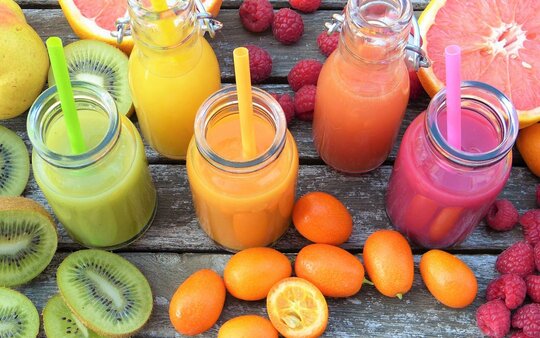
Summer Smoothies

INGREDIENTS

Mango Madness

1 c.orange juice

1/2 c. coconut yogurt

1 1/2 c. frozen mango

1 medium carrot, coarsely grated

Strawberry Fields

1/2 c. coconut water

1/2 c. coconut yogurt

1 c. strawberries

1/2 c. frozen peaches

Green Goddess

1/2 c. unsweetened almond milk

1/2 c. honey yogurt

2 bananas, cut into pieces and frozen

3 c. baby spinach

Razzle-Dazzle

1/2 c. low-fat milk

1/2 c. nonfat Greek yogurt

2 c. frozen raspberries

2 bananas, peeled and cut into pieces


DIRECTIONS

1. In blender, puree the ingredients until smooth.

2. Enjoy!!


Source: Goodhousekeeping

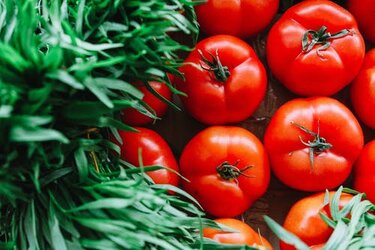
To-may-to…. To-mah-to!

1. Tomatoes are good for your skin.

Tomatoes contain a high level of lycopene, which is a substance that is used in some of the more pricy facial cleansers that are available for purchase over-the-counter.
If you want to try tomatoes for skin care, you need to start with about eight to twelve tomatoes. Peel the tomatoes and then place the skin on your face with inside of the tomato touching your skin.
Leave the tomatoes on your face for a minimum of ten minutes, then wash. Your face will feel clean and shiny. Some redness may occur, but should fade with time.

2. Tomatoes help prevent several types of cancer.

A number of studies have been conducted that indicate that the high levels of lycopene in tomatoes works to reduce your chances of developing prostate, colorectal and stomach cancer.
Lycopene is a natural antioxidant that works effectively to slow the growth of cancerous cells. Cooked tomatoes produce even more lycopene, so go ahead and cook up a batch of your mom’s famous tomato soup.

3. Tomatoes help maintain strong bones.

Tomatoes contain a considerable amount of calcium and Vitamin K. Both of these nutrients are essential in strengthening and performing minor repairs on the bones as well as the bone tissue.

4. Tomatoes help repair damage caused by smoking.

Tomatoes can reduce the amount of damaged done to your body by smoking cigarettes.
Tomatoes contain coumaric acid and chlorogenic acid that work to protect the body from carcinogens that are produced from cigarette smoke.

5. Tomatoes provide essential antioxidants.

Tomatoes contain a great deal of Vitamin A and Vitamin C. This is primarily because these vitamins and beta-carotene work as antioxidants to neutralize harmful free radicals in the blood.
Free radicals in the blood stream are dangerous because it may lead to cell damage. Remember, the redder the tomato you eat is, the more beta-carotene it contains. In addition, you also want to keep in mind that cooking destroys the Vitamin C, so for these benefits, the tomatoes need to be eaten raw.

6. Tomatoes are good for your heart.

Because of the Vitamin B and potassium in tomatoes, they are effective in reducing cholesterol levels and lowering blood pressure. Therefore, by including tomatoes in your regular balanced diet you can effectively prevent heart attacks, strokes as well as many other heart related problems that may threaten your life.

7. Tomatoes are good for your hair.

The Vitamin A in tomatoes works perfectly to keep your hair shiny and strong. In addition, it also does wonders for your eyes, skin, bones and teeth.

8. Tomatoes are good for your kidneys.

Adding tomatoes without seeds to your diet has been proven in some studies to reduce the risk of kidney stones.

9. Tomatoes are good for your eyes.

The Vitamin A found in tomatoes is fantastic for improving your vision. In addition, eating tomatoes is one of the best foods to eat to prevent the development of night blindness.

10. Tomatoes are packed full of the valuable mineral known as chromium. It works effectively to help diabetics keep their blood sugar levels under better control.


Source: floridatomatoes

What You Didn’t Know About Crayfish!!!!

1. Helps in Weight Loss

Crayfish is very good for those who would want to lose or maintain their weight because it contains low fats as well as traces of carbohydrates.

Crayfish helps in making a healthy and nutritious diet. This seafood can go a long way is serving as salads and green vegetables.

2. Helps in Body Building

It contains protein of high-quality and because of this, it is recommended to be a part of our daily diet since adequate protein helps in building and developing the body muscles and tissues.

Constant eating of this seafood will really be of great help in repairing the broken cells and also helps in building the new cells.

3. Helps in Maintaining and Body Fluid

Crayfish contain Sodium and potassium which is a very vital nutrient in crayfish. Sodium is well-known to play the role of maintaining and balancing the body’s fluid, but remember that a high intake of sodium leads to an increase in blood pressure (hypertension).

While the presence of potassium helps the blood vessels to relax and maintain normal pressure, as well as aid in decreasing the blood pressure by removing sodium.

This means that it’s necessary to increase potassium intake in the case where sodium is high in the body since it will help to balance the sodium.

4. Development of Bones

Crayfish is one of the sources of minerals like calcium and magnesium which helps in the development of bones, teeth and the muscle and can help in minimizing the chances of developing bone-related diseases that are caused by calcium and magnesium deficiency.

It serves also as a source of iron, daily intake of crayfish which aid in improving the production and circulation of blood in the body and can effectively reduce the chances of developing anemia and other low iron-related health conditions.

Thus eating this seafood constantly helps to achieve a healthy bone which helps in reducing the chance of body inflammation as well as joint pain.

5. It Contains A good amount of Iodine

We cannot list the health benefits of crayfish, without mentioning Iodine. This seafood is rich in iodine and it plays a major role in the proper functioning of the thyroid gland. Excess intake of iodine-rich foods can cause the thyroid to inflame and might even lead to cancer, while its deficiency leads to goiter.

The iodine present in this seafood helps in increasing the level of energy in the body and also of a great help maintaining the body’s immune system.

6. It develops the brain

Crayfish contain omega-3 acids which help greatly in developing the functions of the brain and provides more energy to the brain. Constant intake of crayfish can help to prevent the chance of Alzheimer’s disease.

Crayfish is good seafood for growing children because it will help in developing the brain. The omega-3 acids present in the seafood also aids in promoting the cognitive function.

7. It Promotes Eye Health

The omega-3 fatty acid contained in crayfish helps in promoting the eyesight by decreasing the risks of loss vision. The omega-3 fatty acids present in the seafood plays a great role in developing the overall body system.

Eating crayfish often aid in promoting a healthy vision which helps in eyesight. Crayfish is indeed good for those suffering from eye problems because it can go a long way in reducing it. Crayfish meals, when processed with green vegetables and carrots, will give more vitamin A for the eyes.

8. Promotes a healthy skin

The constant intake of crayfish maintains and promotes healthy skin because of omega-3 fatty acids contained in the seafood. The omega-3 acids present in this seafood preserves the skin against ultraviolet rays (UV rays).

This seafood aids in making the body smooth by removing spots and blemishes and also helps in promoting beautiful and healthy skin. Crayfish is a portion of very healthy food for promoting healthy skin, making one look more fresh and younger every day.

9. It Helps in Preventing Depression

This seafood crayfish can aid in the prevention of depression because of the omega-3 fatty acids contained in it, which helps in boosting the mental health of the body system.

Constant consumption of crayfish can really help in dealing with depression.  Therefore it is advisable for those suffering from depression to always eat enough of this seafood regularly because it will really be of great help to them in combating stress and depression.

10. Restores Body Cells

Crayfish can also help in restoring the body cells. The seafood contains a lot of vitamins and minerals.

This seafood is a good source of protein helps greatly in body cell restoration, thereby repairing the broken cells and also builds a new cell.

Therefore regular intake of crayfish can help to obtain the best health result which will bring a lot of benefits to life. The body organs work perfectly when the body cells are been regenerated.

11. It Helps in Treating Inflammation

This seafood crayfish is a portion of healthy food for the treatment of inflammatory diseases like allergy, asthma, autoimmune diseases, coeliac disease, and many others.

Due to the presence of protein and other vitamins contained in the crayfish, it really helps to treat inflammation in the body.

Nutrients contained in the crayfish can help to preserve the body from environmental stress. Therefore crayfish are very good for the protection of the body against the chance of certain health diseases.

12. Helps in Boosting Fertility

The nutrient contained in this seafood (selenium) serves as a great help in improving the reproductive system. It is a very essential food for couples most especially for women because it aids in enhancing fertility in women.

Most seafood is good for health and also can help to increase women’s fertility. Therefore regular intake of crayfish can aid in reducing infertility in women.


Source: finelib

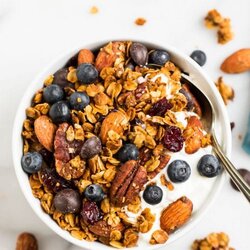
Granola For Your Appetite Control!

Did you Know Granola is rich in protein and fibre, which both contribute to fullness?

High-protein ingredients in granola may include nuts, such as almonds, walnuts, and cashews, and seeds like hemp, pumpkin, and sesame.

Additionally, high-fiber foods like oats, nuts, and seeds slow down the emptying of your stomach and increase digestion time, which can help you feel fuller for longer — and may aid appetite control.

Want to make sumptuous granola? Here is a recipe:

INGREDIENTS

1/2 c. olive oil or extra virgin coconut oil (melted)

3/4 c. pure maple syrup

2 tbsp. turbinado sugar

1 tsp. kosher salt

3 c. old-fashioned rolled oats

1 c. unsweetened coconut flakes

3/4 c. raw sunflower seeds

3/4 c. raw pumpkin seeds

DIRECTIONS

1. Heat oven to 300°F. Line large rimmed baking sheet with parchment paper. In large bowl, combine oil, maple syrup, sugar, and salt. Add oats, coconut and sunflower and pumpkin seeds and stir to evenly coat.

2. Spread mixture onto prepared baking sheet and bake, stirring every 15 min., until granola is light golden brown and dry, 45 to 55 minutes. Let cool completely.

3. For Ginger-Pecan Granola: Omit pumpkin seeds and reduce sunflower seeds to 1/2 cup. Add 1 1/2 cups pecans (roughly chopped). Bake granola per recipe instructions, tossing with 1 1/2 tablespoon grated fresh ginger (from one 2-inch piece) when it comes out of oven.

4. For Cumin-Thyme Granola: Omit coconut. Add 2 tablespoon each cumin seeds and fresh thyme leaves and 1 teaspoon ground cinnamon to bowl along with oil and maple syrup.

5. For Spicy Sesame-Tamari Granola: Omit sugar, salt, and sunflower seeds. Use only 1/2 cup coconut and increase pumpkin seeds to 1 cup. Stir in 1/2 cup tamari with oil and add 1/2 cup sesame seeds and heaping 1/2 tsp cayenne along with oats.

6. For Coriander-Almond Granola: Omit sugar, coconut, and pumpkin seeds. Add 1/4 cup coriander seeds (lightly crushed) and 1 1/2 cups sliced almonds along with oats.

7. For Sweet and Spicy Granola: Omit coconut and increase pumpkin and sunflower seeds to 1 1/2 cups each. Bake granola per recipe instructions, tossing with 1 1/2 teaspoon ground cinnamon and 1 teaspoon chipotle chile powder when it comes out of oven.


Source: Goodhousekeeping

Add to cart