The Top 10 Fruits for Effective Weight Loss

Introduction

When it comes to achieving your weight loss goals, adopting a balanced and nutritious diet is essential. Fruits are not only delicious but can also be powerful allies in your weight loss journey. Packed with essential nutrients, fiber, and natural sugars, fruits can help control cravings, boost metabolism, and provide the energy needed for a successful weight loss plan. In this article, we’ll explore the top 10 fruits that can aid in your weight loss efforts.

1. Apples

The saying, “An apple a day keeps the doctor away,” holds true when it comes to weight loss. Apples are rich in fiber and water content, helping you feel fuller for longer. They also contain antioxidants and vitamins that contribute to overall health. Opt for a crunchy apple as a snack or add slices to your oatmeal for a satisfying meal.

2. Berries

Blueberries, strawberries, raspberries, and blackberries are all fantastic choices for weight loss. These tiny powerhouses are packed with antioxidants, vitamins, and fiber, making them a nutritious and low-calorie snack. You can enjoy them fresh, in smoothies, or as a topping for yogurt.

3. Grapefruit

Grapefruit is renowned for its weight loss benefits. It contains compounds that may help regulate blood sugar levels and reduce insulin resistance. Eating half a grapefruit before a meal can help control your appetite and aid in portion control.

4. Oranges

Oranges are not only refreshing but also loaded with vitamin C and fiber. The fiber content helps slow digestion and keeps you feeling full, while vitamin C supports your immune system. Enjoy a juicy orange as a snack or add orange slices to a salad.

5. Bananas

Bananas are a great source of potassium, which can help reduce water retention and bloating. They also provide a quick energy boost, making them a perfect pre-workout snack. Just be mindful of portion sizes, as bananas are relatively high in calories compared to some other fruits.

6. Watermelon

Watermelon is aptly named for its high water content, which can help keep you hydrated and curb your appetite. It’s a refreshing choice for hot summer days and can be a guilt-free dessert option.

7. Papaya

Papaya is a tropical fruit packed with digestive enzymes, fiber, and vitamins. These enzymes can aid in digestion and reduce bloating, making it an excellent choice for those looking to shed some pounds.

8. Kiwi

Kiwi is a low-calorie fruit packed with vitamin C, vitamin K, and fiber. The combination of these nutrients can help boost metabolism and support healthy digestion. Plus, its unique flavor can add variety to your diet.

9. Pears

Pears are a great source of dietary fiber, which promotes feelings of fullness and helps with digestion. They’re also low in calories and can be a satisfying and nutritious snack.

10. Avocado

While technically a fruit, avocados are unique for their healthy fats and fiber content. The monounsaturated fats in avocados can help control appetite and keep you satisfied. They are also rich in vitamins and minerals, making them a great addition to salads, smoothies, or as a spread on whole-grain toast.

Conclusion

Incorporating these top 10 fruits into your daily diet can support your weight loss journey in a delicious and nutritious way. Remember that while fruits are an essential part of a healthy diet, moderation and portion control are key to effective weight loss. Combine these fruits with a well-balanced diet and regular exercise to achieve your weight loss goals while enjoying the flavors and health benefits they offer.

Six Health Conditions That Show Symptoms in Your Feet, from Diabetes to Heart Disease

Introduction

Our feet are remarkable and often overlooked indicators of our overall health. They carry us through life, and when something is amiss in our bodies, our feet can signal trouble. From diabetes to heart disease, several health conditions can manifest symptoms in our feet, making them essential for early detection and intervention. In this article, we will explore six health conditions that show symptoms in your feet, emphasizing the importance of regular foot examinations and overall health monitoring.

1. Diabetes

Diabetes is a chronic metabolic condition that affects how your body processes glucose (sugar). Uncontrolled diabetes can lead to peripheral neuropathy, a nerve disorder that affects the feet and causes symptoms such as tingling, burning, and numbness. Diabetic neuropathy can lead to complications like foot ulcers and infections, which may even necessitate amputation if left untreated.

Early detection is key to managing diabetic foot complications. Regular foot checks and proper diabetic care can help prevent serious issues from arising.

2. Peripheral Artery Disease (PAD)

Peripheral artery disease is a circulatory condition where narrowed arteries restrict blood flow to the extremities, including the feet. Symptoms may include cramping, pain, and numbness in the legs and feet, especially during physical activity. Wounds and sores on the feet may also take longer to heal due to reduced blood circulation.

Managing PAD involves lifestyle changes, medications, and sometimes, procedures to restore blood flow. Regular foot examinations can help identify PAD in its early stages, enabling timely intervention.

3. Heart Disease

Believe it or not, your feet can provide clues about your heart health. Reduced blood flow caused by cardiovascular problems can manifest as cold or discolored feet, or even thinning of the skin and hair loss on your toes. Pain in the legs, particularly during exercise, may also indicate poor circulation, which can be associated with heart disease.

While foot symptoms alone may not definitively diagnose heart disease, they can serve as an important signal for further evaluation of your cardiovascular health.

4. Gout

Gout is a type of arthritis caused by the buildup of uric acid crystals in the joints, often affecting the big toe. A gout attack can cause severe pain, swelling, and redness in the affected joint. The toe may become so tender that even the slightest touch can be excruciating.

Gout can be managed through lifestyle changes, medications, and dietary adjustments. Recognising the symptoms in your feet is crucial for seeking timely treatment and avoiding recurring flare-ups.

5. Kidney Disease

Kidney disease can impact various parts of the body, including the feet. Swelling in the ankles and feet (edema) is a common symptom of kidney dysfunction. Edema occurs when the kidneys are unable to effectively remove excess fluid and waste from the body.

If you notice persistent swelling in your feet and ankles, especially if it is accompanied by other symptoms like fatigue, high blood pressure, or changes in urination patterns, consult a healthcare professional to evaluate your kidney health.

6. Rheumatoid Arthritis (RA)

Rheumatoid arthritis is an autoimmune disorder that can affect multiple joints, including those in the feet. Symptoms in the feet may include pain, swelling, deformities, and difficulty moving the toes or ankles. If left untreated, RA can lead to joint damage and disability.

Early diagnosis and proper management are essential for preserving joint function. If you experience persistent foot pain or swelling, consult a rheumatologist for a comprehensive evaluation.

Conclusion

Our feet are more than just tools for mobility; they can be valuable indicators of our overall health. Recognizing and addressing symptoms in your feet promptly can lead to the early detection and management of various health conditions, from diabetes to heart disease. Regular foot examinations, in conjunction with an overall commitment to health and wellness, can help ensure that your feet continue to carry you through life with ease and comfort.

Listening to Your Health: Warning Signs Your Ears Can Give You

Introduction

Our ears are not just organs for hearing; they can also provide valuable insights into our overall health. From minor discomforts like itchiness to issues as common as excessive earwax, paying attention to the warning signs your ears give you can help detect underlying health problems early. In this article, we will explore various ear-related symptoms and their potential health implications.

1. Itchiness

Itchy ears can be a common annoyance, often associated with a buildup of earwax or an allergic reaction. However, persistent itchiness may indicate a more serious issue. Itchy ears can be a symptom of eczema, fungal infections, or even allergies. If itching persists or is accompanied by pain or discharge, it is advisable to consult an ear, nose, and throat (ENT) specialist to rule out any underlying problems.

2. Earwax Buildup

Earwax, or cerumen, serves as a protective barrier for the ear canal. However, an excessive buildup of earwax can cause discomfort and even affect your hearing. While it’s typically not a cause for alarm, recurring or severe earwax blockages can be indicative of an underlying issue. Diabetes, eczema, or skin conditions that affect the ear canal may contribute to excessive earwax production. Regular cleaning by a healthcare professional can help manage this condition.

3. Ear Pain

Ear pain can result from various causes, including ear infections, sinus infections, or temporomandibular joint (TMJ) disorders. It can also be a symptom of more serious conditions such as ear tumors or jaw problems. If you experience persistent or severe ear pain, especially if it’s accompanied by hearing loss or discharge, consult a healthcare provider promptly.

4. Tinnitus

Tinnitus is the perception of ringing, buzzing, or other noises in the ears when there is no external sound source. While it is often related to exposure to loud noises, tinnitus can also be associated with underlying health issues. Hypertension, Meniere’s disease, or vascular issues are some potential causes of tinnitus. If you notice persistent tinnitus, consult an audiologist or ENT specialist for evaluation and management.

5. Hearing Loss

Hearing loss is a common concern, especially as we age. However, sudden or unexplained hearing loss can signal an underlying medical condition. Infections, autoimmune diseases, diabetes, and medications can contribute to hearing impairment. Seeking prompt medical attention is crucial when experiencing sudden hearing loss to determine its cause and receive appropriate treatment.

6. Ear Discharge

Ear discharge, also known as otorrhea, can be a sign of an ear infection, injury, or foreign body lodged in the ear canal. It can also indicate other health conditions such as eczema, psoriasis, or even a leaking cerebrospinal fluid. If you notice unusual discharge from your ear, consult a healthcare provider for a proper diagnosis and treatment.

Conclusion

Our ears are sensitive and complex organs that can provide valuable clues about our overall health. From itchiness and earwax buildup to ear pain, tinnitus, hearing loss, and ear discharge, these warning signs should not be ignored. While many ear-related issues are benign, some may point to underlying medical conditions that require prompt attention. Regular check-ups with an ENT specialist or audiologist can help ensure the early detection and appropriate management of any ear-related health concerns, allowing you to maintain good hearing and overall well-being. Listening to your body, including your ears, is a crucial aspect of maintaining your health and quality of life.

Unlocking the Power of Quality Sleep: A Comprehensive Guide to Better Health

Introduction

In the hustle and bustle of modern life, we often prioritize productivity over sleep. However, the undeniable truth is that sleep is not a luxury; it’s a necessity. Quality sleep plays a pivotal role in our overall health and well-being. In this comprehensive guide, we will delve into the critical connection between sleep quality and better health, as well as provide an in-depth exploration of practical tips to improve your sleep patterns.

The Importance of Quality Sleep

1. Physical Health

Quality sleep is the cornerstone of physical health. During sleep, our bodies engage in vital restorative processes. These include tissue repair, muscle growth, and the release of essential hormones that regulate growth, appetite, and immune function. Chronic sleep deprivation can result in a higher risk of obesity, type 2 diabetes, heart disease, and a weakened immune system.

2. Mental Well-being

The relationship between sleep and mental health is profound. Adequate sleep is essential for cognitive functions such as memory consolidation, emotional regulation, decision-making, problem-solving, and creativity. Conversely, insufficient sleep is closely linked to mood disorders like depression and anxiety.

3. Longevity

Quality sleep is a significant factor in determining longevity. Studies consistently demonstrate that individuals who consistently enjoy restorative sleep tend to live longer and experience fewer chronic health conditions. By prioritizing sleep, you may not only enhance your quality of life but also increase your lifespan.

Tips for Improving Sleep Quality

1. Create a Consistent Sleep Schedule

One of the most effective ways to improve sleep quality is to establish a regular sleep schedule. Aim to go to bed and wake up at the same times every day, even on weekends. This helps regulate your body’s internal clock, making it easier to fall asleep and wake up naturally.

2. Optimize Your Sleep Environment

Transform your bedroom into a haven for restful sleep. Ensure that the room is dark, quiet, and kept at a comfortable temperature. Investing in a high-quality mattress and pillows can also significantly improve your sleep comfort.

3. Limit Screen Time Before Bed

The blue light emitted by phones, tablets, and computers can interfere with the production of melatonin, the sleep-regulating hormone. To enhance sleep quality, avoid screens at least an hour before bedtime. Consider reading a book, taking a warm bath, or practicing relaxation exercises instead.

4. Mind Your Diet

Your eating and drinking habits play a crucial role in sleep quality. Avoid heavy meals, caffeine, and alcohol, especially in the hours leading up to bedtime. Opt for light, easily digestible snacks if you’re hungry before sleeping.

5. Get Regular Exercise

Regular physical activity can promote better sleep, but the timing matters. Aim for at least 30 minutes of moderate exercise most days of the week, but avoid vigorous workouts close to bedtime, as they can be stimulating and disrupt sleep.

6. Manage Stress

Stress and anxiety can be major sleep disruptors. Incorporate relaxation techniques into your daily routine, such as meditation, deep breathing exercises, or mindfulness practices. These activities can help calm your mind and prepare it for rest.

7. Limit Naps

While short power naps can be rejuvenating, long or irregular daytime naps can interfere with nighttime sleep quality. If you need to nap, keep it under 30 minutes and schedule it earlier in the day to minimize disruptions to your sleep cycle.

8. Seek Professional Help

If you’ve tried various strategies and still struggle with sleep issues, it may be time to consult a healthcare professional. They can help identify any underlying causes of your sleep problems and recommend appropriate treatments, which may include therapy or medication.

Conclusion

Quality sleep is the foundation of better health and a higher quality of life. By recognizing its paramount importance and implementing healthy sleep habits, you can enhance your physical and mental well-being, increase your longevity, and experience a more vibrant and fulfilling existence. Don’t underestimate the transformative power of a good night’s sleep—it’s an investment in your health and happiness that pays dividends every day. Commit to improving your sleep quality, and you’ll reap the rewards for years to come.

Achieve Spotless Glass Skin with the Power of Garlic Tea

Introduction

When it comes to achieving spotless, radiant glass skin, we often turn to an array of skincare products and treatments. However, sometimes the key to achieving flawless skin lies in the simplest of remedies. One such hidden gem is garlic tea. Yes, you read that right! Garlic tea may not be the first thing that comes to mind when you think of skincare, but it is a natural elixir that can work wonders for your complexion. In this article, we’ll explore the benefits of garlic tea for spotless glass skin, how to make it, and how to incorporate it into your skincare routine.

The Power of Garlic for Skin

Garlic, scientifically known as Allium sativum, has been used for centuries for its medicinal and therapeutic properties. While it is renowned for its culinary uses, garlic also offers numerous benefits for the skin:

1. Antioxidant Properties: Garlic is rich in antioxidants, such as allicin, that help protect the skin from damage caused by free radicals. This can prevent premature aging and maintain a youthful glow.

2. Antibacterial and Antifungal: Garlic possesses natural antibacterial and antifungal properties that can help combat acne and skin infections, keeping your skin clear and blemish-free.

3. Anti-Inflammatory: Garlic’s anti-inflammatory properties can help soothe redness and irritation, making it ideal for those with sensitive skin or conditions like rosacea.

4. Collagen Production: Garlic contains sulfur compounds that promote collagen production, leading to firmer and more supple skin.

5. Skin Brightening: Garlic can help lighten dark spots and pigmentation, resulting in a more even-toned complexion.

How to Make Garlic Tea

Making garlic tea is simple and can be done with just a few ingredients. Here’s a basic recipe to get you started:

Ingredients:

  • 2-3 garlic cloves, crushed or minced
  • 1 cup of water
  • 1-2 teaspoons of honey (optional, for taste)
  • Lemon juice (optional, for added flavor and vitamin C)

Instructions:

  1. Boil a cup of water and let it cool slightly.
  2. Add the crushed or minced garlic cloves to the hot water.
  3. Cover and steep for 5-10 minutes.
  4. Strain the tea into a cup.
  5. If desired, add honey and lemon juice for taste.
  6. Stir well and enjoy.

Incorporating Garlic Tea into Your Skincare Routine

  1. Internal Consumption: Start by drinking a cup of garlic tea daily. Consuming it on an empty stomach in the morning is ideal, as it allows your body to absorb the nutrients and antioxidants more effectively.
  2. Topical Application: You can also use garlic tea as a toner or facial mist. After cleansing your face, apply a small amount of cooled garlic tea to your skin using a cotton pad or by gently splashing it onto your face. This can help tighten your pores and brighten your complexion.
  3. Spot Treatment: For specific blemishes or acne, apply a small amount of diluted garlic tea directly to the affected area. Be cautious with this method, as garlic can be strong and may cause irritation if not properly diluted.
  4. Face Mask: Consider incorporating garlic tea into your DIY face masks by mixing it with ingredients like yogurt, honey, or oatmeal. Apply the mask, leave it on for 15-20 minutes, and then rinse off with warm water for a refreshed complexion.

Conclusion

Garlic tea might not be the most conventional skincare product, but its numerous benefits for the skin, including spotless glass skin, are undeniable. Its antioxidant, antibacterial, and anti-inflammatory properties make it a valuable addition to your skincare routine. So, why not harness the power of garlic and enjoy the glow of naturally radiant skin? Remember to conduct a patch test before using garlic tea on your face, and if any irritation occurs, discontinue use. With consistent use and a healthy skincare regimen, you’ll be well on your way to achieving the flawless, spotless glass skin you desire.

The Nutritional Powerhouse: Exploring the Health Benefits of Greek Yogurt

Introduction

Greek yogurt, with its creamy texture and tangy taste, has gained immense popularity in recent years, and for good reason. This dairy product is not only delicious but also packed with numerous health benefits. From aiding digestion to supporting bone health, Greek yogurt has become a staple in many people’s diets. In this article, we’ll delve into the impressive array of health benefits that Greek yogurt offers.

1. Rich in Protein

One of the standout features of Greek yogurt is its high protein content. Compared to regular yogurt, Greek yogurt contains almost double the amount of protein per serving. This protein boost can help keep you feeling fuller for longer, making it an excellent option for those looking to manage their weight or build muscle. The high protein content also contributes to improved metabolism and muscle recovery after exercise.

2. Probiotic Powerhouse

Greek yogurt is a source of probiotics, which are beneficial bacteria that promote a healthy gut. These probiotics can aid digestion by maintaining a balanced gut microbiome, reducing the risk of gastrointestinal issues like constipation, diarrhea, and irritable bowel syndrome. A healthy gut can also boost the immune system and improve overall well-being.

3. Bone Health

Greek yogurt is a good source of calcium and vitamin D, two essential nutrients for strong and healthy bones. Adequate calcium intake is crucial throughout life to prevent conditions like osteoporosis. Vitamin D helps the body absorb calcium efficiently, making the combination of these nutrients in Greek yogurt a potent recipe for maintaining bone health.

4. Weight Management

The high protein content in Greek yogurt not only helps with satiety but also plays a vital role in weight management. Protein-rich foods can boost metabolism and reduce overall calorie intake by curbing hunger, making Greek yogurt a valuable addition to a balanced diet.

5. Muscle Recovery

After a workout, your body requires protein for muscle repair and growth. Greek yogurt’s protein content makes it an excellent post-exercise snack. Consuming it after physical activity can aid in muscle recovery and help you get the most out of your workouts.

6. Blood Sugar Control

Greek yogurt has a lower carbohydrate content compared to regular yogurt, which can be beneficial for those monitoring their blood sugar levels. The lower glycemic index of Greek yogurt means it has a milder impact on blood sugar, making it a smart choice for individuals with diabetes or those at risk of developing the condition.

7. Heart Health

Maintaining heart health is crucial, and Greek yogurt can contribute positively to this goal. It is lower in saturated fats compared to some other dairy products, which can help lower cholesterol levels and reduce the risk of heart disease. Additionally, the potassium content in Greek yogurt may help regulate blood pressure.

8. Versatile and Delicious

Apart from its numerous health benefits, Greek yogurt is incredibly versatile and can be incorporated into a wide range of dishes. It can be used in smoothies, parfaits, dressings, dips, and even as a substitute for sour cream or mayonnaise in recipes. Its creamy texture and tangy flavor make it a delicious addition to both sweet and savory dishes.

Conclusion

Greek yogurt is more than just a tasty treat; it’s a nutritional powerhouse that offers a wide range of health benefits. From its high protein content to its probiotic properties and bone-strengthening nutrients, this dairy product has earned its place in a healthy diet. Whether you’re looking to build muscle, support digestion, or maintain overall well-being, Greek yogurt is an excellent choice that’s both delicious and nutritious. So, why not incorporate this versatile and healthful food into your daily meals and enjoy the many advantages it has to offer?

World Hepatitis Day 2023

Hepatitis is an inflammatory condition of the liver. It is commonly the result of viral infection, but there are other possible causes of hepatitis which includes autoimmune hepatitis and hepatitis that occurs as a secondary result of medications, drugs, toxins and alcohol. Autoimmune hepatitis is a disease that occurs when your body makes antibodies against your liver tissue.

FIVE MAIN VIRAL CLASSIFICATIONS OF HEPATITIS.

– Hepatitis A; This type of hepatitis is an acute short term disease.

– Hepatitis B; This is often an ongoing, chronic condition.

– Hepatitis C; This is among the most common blood borne viral infections and it presents as a long term condition.

– Hepatitis D; This is a rare form of hepatitis that only occurs in conjunction with hepatitis B infection. The hepatitis D virus causes liver inflammation.

-Hepatitis E; This is a waterborne disease. It is found in areas with poor sanitation and typically results from ingesting fecal matter that contaminates the water supply.

SYMPTOMS OF HEPATITIS

* Fatigue
* Flu-like symptoms
* Dark urine
* Pale stool
* Abdominal pain
* Loss of appetite
* Unexplained weight​

TREATMENT

Treatment to prevent hepatitis infection after exposure. If you know you’ve been exposed to the hepatitis virus and aren’t sure if you’ve been vaccinated, call your doctor immediately. An injection of immunoglobulin (an antibody) given within 12 hours of exposure to the virus may help protect you from getting sick with hepatitis. Because this treatment only provides short-term protection, you also should get the hepatitis vaccine at the same time, if you never received it.

Treatment for acute hepatitis infection If your doctor determines your hepatitis infection is acute — meaning it is short-lived and will go away on its own — you may not need treatment. Instead, your doctor might recommend rest, proper nutrition and plenty of fluids while your body fights the infection. In severe cases, antiviral drugs or a hospital stay is needed to prevent complications.

Treatment for chronic hepatitis infection Most people diagnosed with chronic hepatitis infection need treatment for the rest of their lives. Treatment helps reduce the risk of liver disease and prevents you from passing the infection to others. Treatment for chronic hepatitis may include:

*Antiviral medications. Several antiviral medications — including entecavir (Baraclude), tenofovir (Viread), lamivudine (Epivir), adefovir (Hepsera) and telbivudine (Tyzeka) — can help fight the virus and slow its ability to damage your liver. These drugs are taken by mouth.

*Interferon injections. Interferon alfa-2b (Intron A) is a man-made version of a substance produced by the body to fight infection. It’s used mainly for young people with hepatitis B who wish to avoid long-term treatment or women who might want to get pregnant within a few years, after completing a finite course of therapy. Interferon should not be used during pregnancy.

*Liver transplant, If your liver has been severely damaged, a liver transplant may be an option. During a liver transplant, the surgeon removes your damaged liver and replaces it with a healthy liver.

PREVENTION

There are many ways you can reduce your chances of getting hepatitis:

*Get the vaccines for hepatitis

*Use a condom during sex.

*Don’t share needles to take drugs.

*Practice good personal hygiene such as thorough hand-washing with soap and water.

*Don’t use an infected person’s personal items.

*Take precaution when traveling to areas of the world with poor sanitation. (Make sure to get your vaccines.)

*Drink bottled water when traveling.

*It is very important that you take preventive steps too if you work in places like nursing homes, dormitories, daycare centers, or restaurants where there you have extended contact with other people and a risk of coming into contact with the disease.

SUPPLEMENTS FOR HEPATITIS

Milk Thistle

Helps protect the liver cell and reduces inflammation that can damage the liver.

Curcumin

This is a chemical in turmeric, the spice that gives many curries their flavor and yellow hue. It can help the body fight inflammation.

Probiotics

These are beneficial bacteria that help maintain the health of the gut and aid in digestion.

Licorice Root

This root helps to slow the growth of liver cancer.


Diphtheria

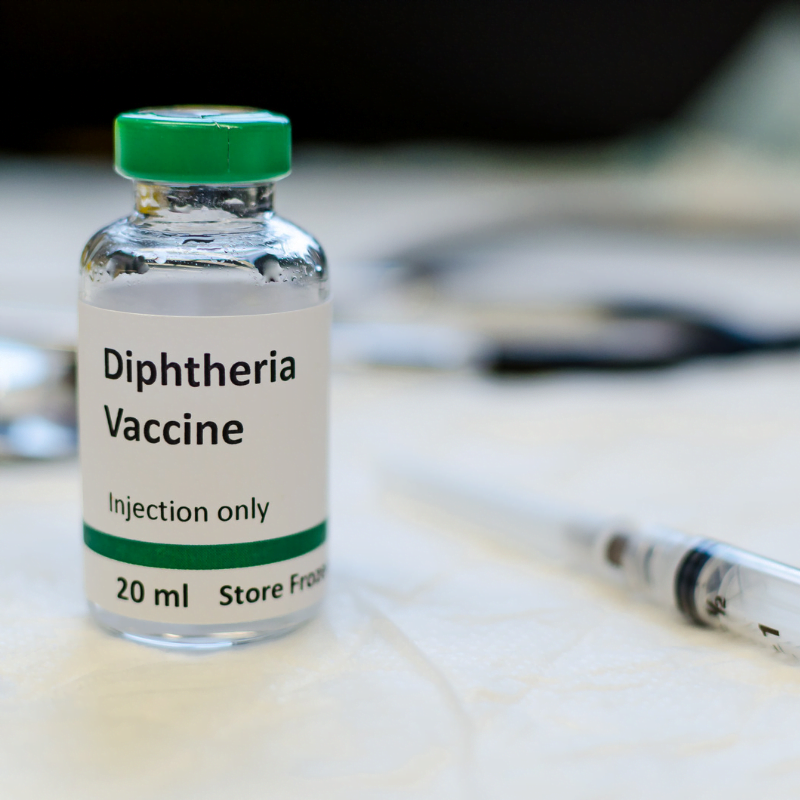
Diphtheria is a dangerous bacterial infection that damages the mucous membranes in the nose and throat. Diphtheria can by avoided by the use of vaccines even through it is contagious from person to person.

WHAT CAUSES DIPHTHERIA?

Diphtheria is caused by a kind of bacteria called CORYNEBACTERUM DIPHTHERIAE. The disease is often passed from person to person or through touch with objects that have the bacteria on them, like a cup or used tissue. If you are in close proximity to someone who has diphtheria and they cough, sneeze or blow their nose, you could also contract the disease.
An infected person can potentially spread the bacterial infection for up to six weeks after the initial infection, even if they dont exhibit any diphtheria symptoms or signs.
The bacteria typically infect your throat and nose. The bacteria release harmful compounds known as toxins after you are infected. The poisons circulate throughout your bloodstream and frequently result in the formation of a thick, grey coating in the following bodily parts:
1) Throat.
2) Tongue.
3) Nose.
4) Airway.
These toxins can occasionally harm other organs including the heart, brain and kidneys. Complications that could be fatal can result from this, including:
1) Myocarditis ( inflammation of the heart).
2) Renal failure (kidney failure).
3) Muscular paralysis.

WHAT ARE RISK FACTORS.
Diphtheria is fairly common in developing countries where immunization rates are low. In these countries, children under age 5 and people over age 60 are particularly at risk of getting diphtheria. People are also at an increased risk of contracting diphtheria if they:
– aren`t up to date on their vaccinations.
– visit a country that doesn`t provide immunizations.
-live in unclean or crowded environment.
-have an immune system disorder such as AIDS.

WHAT ARE THE SYMPTOMS OF DIPHTHERIA?
Diphtheria symptoms frequently show up two to five days after the infection. While some people have moderate symptoms similar to the common cold, others don`t feel any symptoms similar at all.
A thick grey coating on the tonsils and throat is the most obvious and typical sign of diphtheria other typical symptoms include:
1) Fever.
2) Chills.
3) Rapid breathing.
4) Cough.
5) Sore Throat.
6) General fatigue.
7) Slurred speech.
8) Changes in vision.
9) Signs of shock.
HOW CAN DIPHTHERIA BE DIAGNOSED?
A diagnosis will be made by your doctor based on your symptoms and the results of a lab test. They obtain a sample from your sore or the back of your throat using a swab. The swab is subsequently sent to analysis and diagnosis.

HOW IS DIPHTHERIA TREATED?
Treatment for diphtheria starts immediately often even before the results of the lab tests are confirmed. To prevent organ damage your health care provider will administer diphtheria antitoxin. To treat infections, they`ll recommend antibiotics, usually penicillin or erythromycin.
To stop the spread of the disease, diphtheria patients are segregated from the general population. After taking antibiotics for around 48 hours, an infected person is no longer contagious. Tests will be be repeated to confirm that the bacteria are eliminated when therapy is finished. You will receive a vaccine to stop further illnesses after the bacteria are eliminated when therapy is finished. You will receive a vaccine to stop further illnesses after the bacteria are eliminated.

HOW IS DIPHTHERIA PREVENTED?
Antibiotics and vaccines can be used to prevent diphtheria. The vaccine for diphtheria is called DTap. It`s often administered in a single dose alongside the pertussis and tetanus vaccines. It takes five doses to fully protect against the DTap virus. Children receive it at the following ages trusted source:
1) 2 months.
2) 4 months.
3) 6 months.
4) 15-18 months.
5) 6 months.

A child may in extremely rare circumstances, develop an allergy to the immunization. This may cause lives or seizures that will eventually go away.
Since vaccines only remain effective for 10 years, your child will remain another vaccination around the age 12. it is advised that adults receive a single dose of a booster vaccine that include diphtheria, tetanus and pertussis. You will thereafter receive the tetanus-diphtheria(TD) vaccine every 10 years. By following these instructions, you or your child may be shielded from future diphtheria.

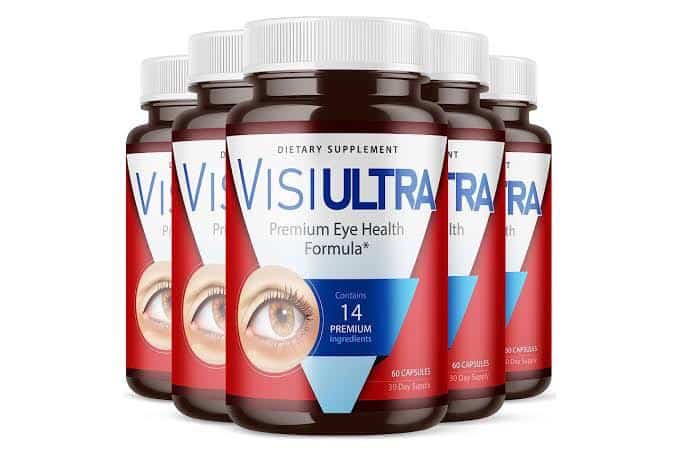
VisuUltra

Visiultra is a dietary supplement for supporting the eyes that improves vision while preserving clarity. This formula consists of a natural combination of 14 components that have been scientifically shown to reverse eyesight loss by addressing the underlying cause of eye conditions.
The all-natural remedy works by promoting the bodys natural healing process. The body produces adult repair cells with the assistance of active substances like spirulina and astaxanthin. The macular is the repaired by these cells, undoing any damage and regaining your vision.
Benefits of Visiultra.
1. Visiultra decline the root cause of slow age-related vision.
This all natural complex may aid your damaged macula and stop vision loss in its tracks by encouraging the creation of adult self-repair cells, which may slow down vision loss from the inside out.

2. Naturally support your vision.
The floaters, flecks and black spots will appear considerably less noticeable with your macula supported. Enjoy the freedom that comes with having clear eyesight. From operating a vehicle to making dinner on your own or even starting to read independently once more.

3.Defend against potential damage.
Numerous scientific studies have demonstrated the protective effects of substances including spirulina, astaxanthin and L-carnitine, which have also been proved to be potent inhibitors of disorders connected to vision against retinal damage.

4. Complete Freedom.
You`ll find yourself rediscovering joys you believed to have long since vanished once your vision is clear and your mind is at ease. You`ll be brimmimg into youthful vitality as you regain control of your life and begin to appreciate pother interest you had to put on hold, in addition to being able to read properly once more.

Can Vitamin C Really Help Prevent Colds and Flu?

 It’s such an oft-repeated thing it has become common knowledge: Vitamin C is what we need when we are coming down with a cold or flu. Many swear it helps them prevent winter ills; others say it eases and erases symptoms and helps them bounce back if they do get struck down. But what is the truth here? Is vitamin C the cold cure and immunity boost we may believe it to be?

Where did this idea come from?

The link between vitamin C and immunity is well established, in the sense that this is an essential vitamin that we need for the proper functioning of our immune system. Vitamin C plays a role in various processes in the body, including the production of white blood cells and antibodies. Having enough vitamin C in our bodies is important for our overall immune function, and our overall health.

This link was discovered way back before anyone had identified or named vitamins as vitamins, when it was found that sailors in the 18th century could recover quickly from scurvy when they ate citrus fruits, which we now know are high in vitamin C (it took until 1933 for the link to be fully understood).

We now know that this vitamin is crucial for collagen synthesis – it helps our skin heal and helps maintain bone, tendons and blood vessels – and it helps us absorb iron from the foods we eat. It is also an antioxidant, protecting cells from damage caused by harmful free radicals, reducing oxidative stress and promoting overall cellular health.

The idea of supplementing with vitamin C probably came from the fact that it is not stored in the body; we need to get it regularly from what we eat and drink in order to keep our levels up. The ‘insurance policy’ thinking that applies to most vitamins comes into play here: if we’re not getting enough from our food, we reason, why not top up with a supplement?

Do vitamin C supplements help us with colds and flu?

We know vitamin C is good for immunity. It is less clear, however, that supplements help with prevention or symptoms of colds and flu. Despite nearly a century of research, the evidence remains pretty mixed.

Taking vitamin C regularly as a supplement does not seem to prevent colds or flu in most people. There is an exception: there have been some studies looking at people under extreme physical stress, such as marathon runners and soldiers in sub-arctic conditions, where it was found that if the participants started taking vitamin C two to three weeks before their strenuous activities, their risk of developing a cold was reduced by about half.

For those of us who are not sub-arctic soldiers or marathoners, the evidence in large reviews shows that taking vitamin C does not prevent a cold. However, taking it regularly before you get the cold could shorten the amount of time you will be sick by around 10 percent. So a cold that would have lasted 10 days will be over in nine.

It has also been found that people who always took vitamin C had slightly milder cold symptoms. This seems to be particularly the case for children.

That said, taking vitamin C after your cold symptoms appear probably will not do any good. The evidence shows this does not have any effect on how long you will be ill for.

What about liposomal vitamin C?

Liposomal or lipo-spheric vitamin C seems to be all the rage. It comes with big claims – and a price tag to match. It is a form of vitamin C encapsulated in liposomes (tiny fat-like particles).

pills and multivitamins on a black backgroundPhoto: 123RF
There have been some studies looking at the effectiveness of liposomal vitamin C that suggest it appears to be absorbed better by the body. Whether that translates into any cold and flu benefits is not clear.

Any downsides to taking it?

Taking any vitamin C supplements in very high doses (more than 2000 milligrams a day, which is considered the safe upper limit) can cause diarrhoea and other digestive issues. There is no such risk in the vitamin C you get from food.

The only other downside is really that it is not doing anything, and you are simply excreting any excess in the form of, as nutritionists like to put it, expensive urine.

If not vitamin C… what can I take?

There is no magical thing that will protect us from viral illness (which hopefully we all know by now). But health experts stress that looking after ourselves as well as possible will help our immune system to stay in top shape, so that when we do get hit with a virus, we can handle it OK.

Nutritionist Nikki Hart is of this view, and cautions against singling out one vitamin as the solution.

“Vitamins, minerals, phytonutrients – they all work to repel oxidative damage”, she explains.

“So you can’t just label vitamin C as protective.
She stresses that the best way to get our vitamins – including vitamin C – is through food. Citrus fruit and other colourful fruits and vegetables are all useful here, and getting lots of those on our plates means we will easily hit the recommended daily intakes. Hart said food is best not only because it offers a highly bioavailable form of vitamin C, but we also get other goodies, too, like fibre and other vitamins.

No captionPhoto: Douglas Johns
She also said we need to remember all the things that boost immunity (and many other things too): physical activity, enough sleep, minimising alcohol and not smoking.

“The immune system is bigger than just vitamins and minerals.”

Lastly, there is one old bit of wisdom that might be true: one study found chicken soup is not only comforting, but it might have anti-inflammatory properties that lessen cold symptoms.

In other words, spending the supplement money on fresh produce might be a better, and more enjoyable, way of avoiding or treating a cold.

Add to cart