Diabetes

Diabetes also known as diabetes mellitus, is a group of common endocrine disease characterized by sustained high blood sugar level.
Diabetes is due to the pancreas not producing enough insulin or the cells of the body not responding properly to the insulin produced.
Diabetes affect people of all ages. Most forms of diabetes are chronic(long-life),and all forms are manageable with medications and/or life changes.
Glucose(sugar) mainly comes from carbohydrates in food and drugs. Its the body`s go-to source of energy. Your body carries glucose to all your body`s cell to use for energy. When glucose is in your blood stream, it needs assistance(a key) to get to where it needs to go. Insulin is the key, a hormone.
Hyperglycemia or high blood sugar, results from the blood stream`s accumulation of glucose which can happen if your pancreas doesn`t use it properly. Constantly high blood sugar levels over time can lead to health risks like heart disease, nerve damage and vision problems.
Types of Diabetes.
There four different types of diabetes, they include;

1)Type 1 Diabetes: Although it can occur at any age, this variety is typically identified in children, teenagers and young adults. In type 1 diabetes, the pancreas stops producing insulin. This implies that you must take insulin daily.

2) Type 2 Diabetes: This type can appear at any age, however it seems to occur more frequently in people over 40. when your body isn`t using the insulin properly your pancreas isn`t producing enough, type 2 diabetes develops.

3)Gestational Diabetes(diabetes in pregnancy): Some women experience this type of development when pregnant. After pregnancy, gestational diabetes typically disappears. The chance of acquiring type 2 diabetes in life is increased if you have gestational diabetes.

4)Prediabetes: This is the precursor type 2 diabetes. Although your blood glucose levels are above average they are not yet high enough to be given a type 2diabetes diagnosis.

Symptoms of Diabetes.
They include:
1)Dry mouth and increased thirst(polydipsia).
2)Urination on a regular basis
3)Fatigue.
4)Eye sight that is fuzzy.
5)Unexpected weight loss.
6)Numbness of the hand or feet.
7)Recurring yeast infections of the skin or vagina.
8)Wounds or sores that take a long time to heal.
9)Extremely dry skin.
Other symptoms that can occur with type 1 diabetes
-Nausea.
-Abdominal pain.
-Vomiting.
-Urinary tract infections or yeast infections.
Causes of Diabetes.
Diabetes, irrespective of the kind is caused by an excess of glucose in the blood. However, depending on the type of diabetes you have, there are several causes for elevated blood glucose levels.
Causes of diabetes include;
1) Insulin resistance: The main cause of type 2 diabetes is insulin resistance. Cells in your muscles, fat and liver become insulin resistant when they don`t react to insulin as it should. Insulin resistance is caused by a variety of illness and circumstances including obesity, inactivity, hormonal imbalance, heredity, and some drugs.

2) Autoimmune disease: When your immune system destroys the insulin producing cells in your pancreas, you can develop type 1 diabetes and latent autoimmune diabetes of adults(LADA).

3) Hormonal imbalance: The placenta releases substances that lead to insulin resistance through out pregnancy. If your pancreas can`t create enough insulin to overcome the insulin resistance, you can develop gestational diabetes. Acromegaly and cushings syndrome (two other hormone related disease) can also lead to type 2 diabetes.

4)Pancreatic damage: Your pancreas capacity to produce insulin may be impacted by a condition, surgery or injury, leading to type 3c diabetes.

5)Genetic mutations: Onset diabetes of the young (MODY) and neonatal diabetes may be caused specific genetic mutations.

Long term usage of several drugs, such as corticosteroids and Hiv/Aids treatment can result in type 2 diabetes.
Complications of Diabetes.
Possible complications include;
1)Kidney damage.
2)Eye damage.
3)Heart disease and problem.
4)Nerve damage(Neuropathy).
5)Foot damage.
6)lots of hearing.
7)Depression.
8)Dementia.
9)Dental problems.
10)Erectile dysfunction.
Other possible complications for women who have gestational diabetes include:
-High blood pressure.
-A higher risk of developing gestational diabetes into future pregnancies.
-A higher risk of developing type 2 diabetes in the future.
Diagnosis of Diabetes.
1)Fasting blood glucose test: For this test you must fast for eight hours the previous evening before having blood drawn the following morning. Fasting blood glucose levels below 100mg/dl are considered normal. Prediabetes is indicated by a reading between 100 and 125mg/dl.
Diabetes is indicated if your level is 126mg/dl or greater. As food can greatly affect blood sugar, this test allows your provider to see your base line blood sugar.

2)Random blood glucose test: You can perform this blood test whenever you like without having to fast. Diabetic conditions are indicated by blood glucose levels of 200mg/dl or above.

3) A/C test: Although the A/C test requires blood, you don`t have to fast before having it done. Your medical practitioner will learn from the results. what your typical glucose level has been during the previous two to three months. According to the american diabetes association, your A/C is in the non- diabetes range if it is 5.6% or lower if between 5.7% and 6.4%, pre-diabetes is present. If your result is 6.5% or greater, you likely have diabetes.

How is diabetes managed?
The management of diabetes requires a number of strategies because it is a complex condition. Furthermore, because diabetes has a unique impact on each individual, management strategies must be highly tailored.
The following are the top five(5) components of managing diabetes:
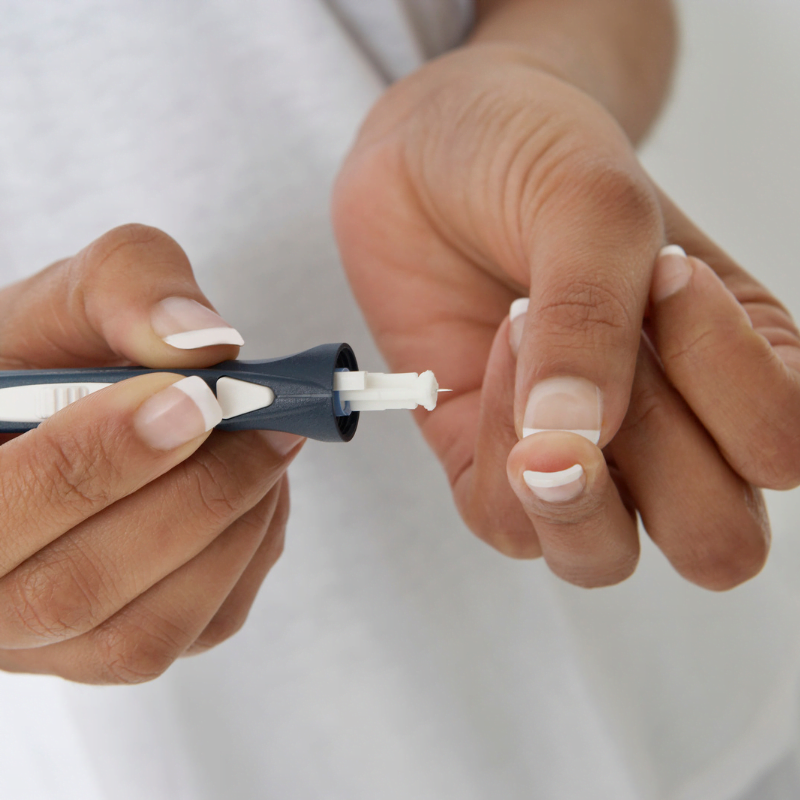
1)Blood sugar monitoring: The effectiveness of your current treatment strategy can be assessed by regularly checking your blood sugar(glucose). It provides you advice on how to take care of your diabetes on a daily and occasionally even on daily basis. With a glucose monitor (CGM) , you can check your levels frequently to track your progress. The ideal blood sugar range for you will be chosen in consultation with your healthcare practitioner.

2)Oral diabetes drugs: Oral diabetes medications assist maintain blood sugar levels in persons with diabetes who still make some use of insulin, primarily those into type 2 diabetes and prediabetes. Oral medications may also be required for those with gestational diabetes.
There are numerous varieties, the most popular drug is metformin

3)Insulin: To maintain their health and control their diabetes, type 1 diabetes must inject synthetic insulin, Insulin may be needed by some type 2 diabetes. There are numerous varieties of synthetic insulin. They all begin to work differently and last in your body for various amounts of time. The four primary methods of ingesting insulin are rapid acting inhaled insulin, insulin pens, insulin pumps, and injectable insulin with a syringe(shot).

4) Diet: Considering how significantly food affects blood sugar levels, meal planning and selecting a balanced diet and important components of managing diabetes. An important aspect of managing diabetes if you take insulin is keeping track of the carbs in your diet. Your need for insulin during meals is influenced by the quantity of carbohydrates you consume. Additionally, healthy diet can lower your chance of developing heart disease and help you control your weight.

5)Exercise: Since exercise improves insulin sensitivity(and lowers insulin resistance),it is crucial for all diabetes to regularly engage in physical activity. As a result of the elevated risk for heart disease, its also critical to keep healthy;
1)Weight.
2)Cholesterol.
3)Blood pressure.
Importance of HbA1c in diabetes management.
Measuring your fasting and random blood sugar is not enough to check on your diabetes. Although, monitoring blood glucose levels when fasting and after meals is crucial, these tests can only measure your blood sugar at a specific period. Depending on what you ate the night before or at the proceeding meal, your findings may differ. The HbA1c test however examines the 3-month data.
HbA1c values for people with diabetes provide a good indication of how well their diabetes is controlled. According to scientific data, a lower Hba1c value indicates a lower risk of developing diabetic complications. Raised Hba1c values in individuals with or without diabetes have also been recognized as a stand alone risk factor for heart disease and stroke.
An Hba1c test requires no specific preparations, unlike fasting or past meal blood sugar. No need to observe a fast. Any time of day is acceptable for providing a test sample.
In general, HbA1c levels typically be checked every three months in persons with diabetes and pre-diabetes. An HbA1c test should be performed every six months, if you are healthy but have a family history of diabetes or believe your lifestyle makes you more likely to acquire diabetes. The frequency of your medical tests can be determined by controlling a health practitioner
.
Prevention of Diabetes.
Diabetes in its autoimmune and hereditary variants cannot be prevented. But there are several actions you can take to reduce your chance of getting gestational diabetes, type 2 diabetes and prediabetes such as:
1)Embrace a healthy diet.
2)Engage in atleast 3 months workout for 5 days in a week.
3)Work toward achieving a healthy weight.
4)Stress management.
5)Consume alcohol in moderation.
6)Get enough rest(usually 7-9 hours) and seek help if you have issues sleeping.
7)Stop using Tobacco.


Menopause

Menopause is the time that marks the end of your menstrual cycles. It’s diagnosed after you’ve gone 12 months without a menstrual period. Menopause can happen in your 40s or 50s.

Menopause is a natural biological process. But the physical symptoms, such as hot flashes, and emotional symptoms of menopause may disrupt your sleep, lower your energy or affect emotional health. There are many effective treatments available, from lifestyle adjustments to hormone therapy.

Symptoms.
In the months or years leading up to menopause (perimenopause), you might experience these signs and symptoms:
-Irregular periods.
-Vaginal dryness
-Hot flashes
-Chills
-Night sweats
-Sleep problems
-Mood changes
-Weight gain and slowed metabolism
-Thinning hair and dry skin
Loss of breast fullness

Causes.
Menopause can result from:

1)Naturally declining reproductive hormones:
As you approach your late 30s, your ovaries start making less estrogen and progesterone — the hormones that regulate menstruation — and your fertility declines.

In your 40s, your menstrual periods may become longer or shorter, heavier or lighter, and more or less frequent, until eventually — on average, by age 51 — your ovaries stop releasing eggs, and you have no more periods.

2)Surgery that removes the ovaries (oophorectomy):
Your ovaries produce hormones, including estrogen and progesterone, that regulate the menstrual cycle. Surgery to remove your ovaries causes immediate menopause. Your periods stop, and you’re likely to have hot flashes and experience other menopausal signs and symptoms. Signs and symptoms can be severe, as hormonal changes occur abruptly rather than gradually over several years.

Surgery that removes your uterus but not your ovaries (hysterectomy) usually doesn’t cause immediate menopause. Although you no longer have periods, your ovaries still release eggs and produce estrogen and progesterone.

3)Chemotherapy and radiation therapy:
These cancer therapies can induce menopause, causing symptoms such as hot flashes during or shortly after the course of treatment. The halt to menstruation (and fertility) is not always permanent following chemotherapy, so birth control measures may still be desired. Radiation therapy only affects ovarian function if radiation is directed at the ovaries. Radiation therapy to other parts of the body, such as breast tissue or the head and neck, won’t affect menopause.

Treatment.
Menopause requires no medical treatment. Instead, treatments focus on relieving your signs and symptoms and preventing or managing chronic conditions that may occur with aging. Treatments may include:

1)Hormone therapy:
Estrogen therapy is the most effective treatment option for relieving menopausal hot flashes. Depending on your personal and family medical history, your doctor may recommend estrogen in the lowest dose and the shortest time frame needed to provide symptom relief for you. If you still have your uterus, you’ll need progestin in addition to estrogen. Estrogen also helps prevent bone loss. Long-term use of hormone therapy may have some cardiovascular and breast cancer risks, but starting hormones around the time of menopause has shown benefits for some women. Talk to your doctor about the benefits and risks of hormone therapy and whether it’s a safe choice for you.

2)Vaginal estrogen:
To relieve vaginal dryness, estrogen can be administered directly to the vagina using a vaginal cream, tablet or ring. This treatment releases just a small amount of estrogen, which is absorbed by the vaginal tissues. It can help relieve vaginal dryness, discomfort with intercourse and some urinary symptoms.

3)Low-dose antidepressants:
Certain antidepressants related to the class of drugs called selective serotonin reuptake inhibitors (SSRIs) may decrease menopausal hot flashes. A low-dose antidepressant for management of hot flashes may be useful for women who can’t take estrogen for health reasons or for women who need an antidepressant for a mood disorder.

4)Gabapentin (Gralise, Horizant, Neurontin):
Gabapentin is approved to treat seizures, but it has also been shown to help reduce hot flashes. This drug is useful in women who can’t use estrogen therapy and in those who also have nighttime hot flashes.
Clonidine (Catapres, Kapvay). Clonidine, a pill or patch typically used to treat high blood pressure, might provide some relief from hot flashes.

5)Medications to prevent or treat osteoporosis:
Depending on individual needs, doctors may recommend medication to prevent or treat osteoporosis. Several medications are available that help reduce bone loss and risk of fractures. Your doctor might prescribe vitamin D supplements to help strengthen bones.

Shingles

Things you need to know about Shingles

Shingles is an infection caused by the varicella-zoster virus, which is the same virus that causes chickenpox. Even after the chickenpox infection is over, the virus remains dormant in your nervous system for years before reactivating as shingles.

Symptoms of shingles
The first symptoms of shingles are usually pain and burning. The pain is typically on one side of your body, and along a certain area of the skin called a dermatome. A red rash often follows. However, the rash does not always appear red. Depending on skin tone, the rash can appear dark pink, dark brown, or purplish.
Some people with shingles experience symptoms beyond pain and rash. These symptoms may include:

1 fever
2 chills
3 headache
4 fatigue
5 muscle weakness

Stages of shingles
Most shingles cases last from 3 to 5 weeks. After the varicella-zoster virus initially reactivates, your skin may:

… tingle
… burn
… feel numb
… itch
Shingles usually develops on one side of your body, often on your waist, back, or chest.

Within about 5 days, you may see a red rash in that area. Small groups of oozing, fluid-filled blisters may appear a few days later in the same area. You may experience flu-like symptoms such as a fever, headache, or fatigue.

During the next 10 days or so, the blisters will dry up and form scabs. The scabs will clear after a couple of weeks. After the scabs clear, some people continue to experience pain. This is called postherpetic neuralgia.

Shingles causes
Shingles is caused by the varicella-zoster virus, which also causes chickenpox. If you’ve already had chickenpox, you can develop shingles when this virus reactivates in your body.

Is shingles contagious?
Shingles is not contagious. But the varicella-zoster virus that causes it can be spread to another person who hasn’t had chickenpox, and they could develop chickenpox.

Shingles treatment
There’s no cure for shingles, but treating it as soon as possible can help prevent complications and speed up your recovery. Ideally, you should receive treatment within 72 hours of developing symptoms. Your Pharmacist may prescribe medications to ease symptoms and shorten the length of the infection.

Fortunately, you can take proactive steps to prevent attacks in children and seniors.

At TROOP PHARMACY, your health is our concern. We stand in the gap to help you live healthy and achieve a better health! You can reach us for any health concerns and more.


10 Simple Beauty Tips for a Flawless Look Every Day

               Who doesn’t want to feel confident and beautiful in their own skin? While there are endless products and trends out there claiming to give you the perfect look, sometimes the best beauty secrets are the simplest ones. Here are 10 tried and true tips for achieving a flawless appearance every day:

  1. Proper skin care is crucial for a healthy complexion. Make sure to cleanse, tone, and moisturize every morning and night.
  2. Always remove your makeup before going to bed. Sleeping in makeup can lead to clogged pores and breakouts.
  3. Drink plenty of water to keep your skin hydrated and glowing.
  4. Use a face mask once a week to give your skin a boost of nutrients.
  5. Exfoliate regularly to remove dead skin cells and reveal brighter, smoother skin.
  6. Invest in a good quality makeup brush set. Proper tools can make all the difference in achieving a professional finish.
  7. Use a primer before applying foundation to help your makeup last longer and look more natural.
  8. Incorporate facial oils into your skincare routine for added hydration and a radiant glow.
  9. Experiment with different brow shapes to find the one that best suits your face.
  10. Don’t forget the importance of a good skincare routine for the rest of your body. Moisturize your hands, feet, and anywhere else that needs some extra TLC.

By following these simple tips, you’ll be on your way to achieving a beautiful, radiant look every day. Remember, true beauty comes from within, so take care of your mind and body in addition to your appearance for a truly flawless look.

****Did you know that skincare doesn’t have to be expensive to be effective?

One of the many problems faced by those trying to start taking care of their skin is that, there are so many products out there, they don’t even know where to start.

Basic Affordable Skincare: What Do You Really Need?

1. A gentle cleanser to help remove dirt and makeup without drying out your skin.

2. A good serum to give your skin a boost of hydration and help combat any skin issues you may have.

3. A good moisturiser to help lock in the hydration from the serum and keep your skin soft and supple.

4. Lastly, sunscreen to protect your skin from the harmful effects of the sun and prevent premature aging.

The best part is, you don’t have to break the bank to get good products.Skincare doesn’t have to be expensive to be effective.

SAFETY IN HOMES AND WORK ENVIRONMENT

SAFETY IN HOMES AND WORK ENVIRONMENT.

Most of us are not cautious of our safety at our homes and work places. We all take it for granted.
Home and work safety involves taking time to inspect the home and work environment to discover hidden dangers that may increase the risk of injury or even death . Common hazards in the home and work place can lead to slips and falls, fires, accidental burns, electrocution and other injuries.

Personal protective equipment like gloves, shoes, masks, goggles, safe slippers and hard hats don’t have to be expensive but can save us from serious injury in the home and work places, so get into the habit of using them.

Home Safety Tips:
•Make sure that your security alarms are in working conditions
•Design an Emergency Exit Plan.
•Keep your doors closed and locked at all times.
•Keep medicines in a safe cabinet.
•Keep the floor as dry as possible to avoid slipping.
•Turn on security lights at night.
. Wear a dry pair of slippers when touching switches and electrical appliances.
. Know where the First Aid Kits are in your home and be sure to have one well refilled always.
. Ensure your have your Fire Extinguisher at appropriate points in your home.
•Make emergency toll free number boldly visible.(TOLL FREE NUMBER -112).

Safety Tips for The Workplace:
•Be aware of your surroundings at all times.
•Know where the First Aid Kits are at all times and refill appropriately.
•Take regular breaks.
•Always use equipment properly.
•Know where emergency exits are.
. Fire extinguishers must be checked regularly to ensure they have not expired.
Make emergency toll free number boldly visible (Toll Free Number 112).

The need for safety is very important as it would to a large extent reduce the accident rates at home, school and working place.

VITAMIN C

Things you need to know about VITAMIN C

Vitamin C is needed for the body to develop and function properly. It plays an important role in immune function

Possibly Effective for;
1)  Low levels of red blood cells in people with a long-term illness (anemia of chronic disease). Taking vitamin C supplements by mouth might help manage anemia in people undergoing dialysis.

2 Irregular heartbeat (atrial fibrillation). Taking vitamin C by mouth before and after heart surgery helps prevent irregular heartbeat after heart surgery.

3 Common cold. Taking 1-3 grams of vitamin C by mouth might shorten the course of a cold by 1 to 1.5 days. But taking vitamin C does not appear to prevent colds.

4 Limb pain that usually occurs after an injury (complex regional pain syndrome). Taking vitamin C by mouth after surgery or injury seems to prevent complex regional pain syndrome from developing.

5 Airway infections caused by exercise. Taking vitamin C by mouth before heavy physical exercise, such as a marathon or army training, might prevent upper airway infections that can occur after heavy exercise.

6 High cholesterol. Taking vitamin C by mouth might reduce low-density lipoprotein (LDL or “bad”) cholesterol in people with high cholesterol.

7 High blood pressure. Taking vitamin C by mouth might help lower systolic blood pressure.

8 Lead poisoning. Consuming vitamin C in the diet seems to lower blood levels of lead.

9 Wrinkled skin. Applying skin creams containing vitamin C seems to improve the appearance of wrinkled skin.

Special Precautions and Warnings

(1) When taken by mouth: Vitamin C is likely safe for most people. In some people, vitamin C might cause side effects such as stomach cramps, nausea, heartburn, and headache. The chance of getting these side effects increases with higher doses. Taking more than 2000 mg daily is possibly unsafe and may cause kidney stones and severe diarrhea. In people who have had a kidney stone, taking amounts greater than 1000 mg daily increases the risk of getting more kidney stones.

(2) When applied to the skin: Vitamin C is likely safe for most people. It might cause irritation and tingling. Pregnancy and breast-feeding: Vitamin C is likely safe to take by mouth during pregnancy in amounts no greater than 2000 mg daily for those 19 years and older and 1800 mg daily for those 14-18 years old. Taking too much vitamin C during pregnancy can cause problems for the newborn baby. Vitamin C is possibly unsafe when taken by mouth in excessive amounts.

(3) Pregnancy and breast-feeding: Vitamin C is likely safe to take by mouth during pregnancy in amounts no greater than 2000 mg daily for those 19 years and older and 1800 mg daily for those 14-18 years old. Taking too much vitamin C during pregnancy can cause problems for the newborn baby. Vitamin C is possibly unsafe when taken by mouth in excessive amounts.

(4) Infants and children: Vitamin C is likely safe when taken by mouth appropriately. Vitamin C is possibly unsafe when taken by mouth in amounts higher than 400 mg daily for children 1-3 years, 650 mg daily for children 4-8 years, 1200 mg daily for children 9-13 years, and 1800 mg daily for adolescents 14-18 years.

(5) Alcohol use disorder: People who regularly use alcohol, especially those who have other illnesses, often have vitamin C deficiency. These people might need to be treated for a longer time than normal to restore vitamin C levels to normal.

(6) Cancer: Cancerous cells collect high concentrations of vitamin C. Until more is known, only use high doses of vitamin C under the direction of your oncologist.

(7) Chronic kidney disease: Long-term kidney disease might increase the risk of vitamin C deficiency. Vitamin C supplements might also increase the amount of oxalate in the urine in some people. Too much oxalate in the urine can increase the risk of kidney failure in people with kidney disease.

(8) Kidney stones: Large amounts of vitamin C can increase the chance of getting kidney stones. Do not take vitamin C in amounts greater than those found in basic multivitamins.

(9) Smoking and chewing tobacco: Smoking and chewing tobacco lowers vitamin C levels. People who smoke or chew tobacco should consume more vitamin C in the diet.

Vitamin C is available in supplements, combination products, liquids, lotions, creams, serums, sprays, and patches. Supplements have been used safely by adults in doses up to 2000 mg daily.

Conjunctivitis

Conjunctivitis

Conjunctivitis is the Inflammation or infection of the outer membrane of the eyeball and the inner eyelid, it is also known by the name pink eye. Conjunctivitis can be considered as allergic , viral or bacterial .

Signs and symptoms
1) Pinkness, intense redness of the eye

2) Burning sensation of grittiness

3)mild pain or discomfort in the eye

4)Watery discharge from the eye sometimes with a small amount of mucus

5)Crustiness around the eyelids upon waking in the morning

6)Swollen, red eyelids

7)Slight sensitivity to bright lightSwelling of the lymph nodes in the front of the ears

8)Other symptoms of viral infection , e.g runny nose , sore throat and cough.

Prevention
1)Avoiding contact with people who have pink eye

2)Maintaining good hygiene such as washing your hands often with soap and water or using hand sanitizer (you can get a good hand sanitizer from Troop Pharmacy as well as other pharmacies )

3)Avoiding touching your eyes when your hands are not clean

4)Cleaning your spectacles

5)Avoiding touching the eyes other than when treating them as this can spread the virus or the bacteria

6)Washing pillowcases and towels often and avoid sharing them with others

7)Avoid sharing makeup and eye drops

8)When necessary staying off school or work until symptoms of viral or bacterial conjunctivitis have cleared

9)Avoiding the use of general swimming pools

Treatment
Mild forms can be cured within 1-3 weeks
1)Applying a cold or warm compress , a clean cloth that has been soaked in water to the eye

2)Gently cleaning discharge from the eye with a clean cloth , sterile pad, cotton wool soaked in clean water or normal saline

3)Applying lubricating eye drops to the eye such as artificial tears which are available without a prescription and care must be taken not to use the drops in the other eye if only one eye is infected

4)Applying of antihistamine/decongestant eye drops which are often available in pharmacy without a prescription will reduce the pain and irritations or discomfort.

5)Antibiotics may be needed but these should be recommended by your health provider or optometrist.

Drugs used in viral conjunctivitis must also be only on prescription after proper diagnosis by the Opthalmologist or Optometrist. These are mostly
-idoxuridine
-acyclovir
-famciclovir
-valacyclovir
-ganciclovir
-Foscarnet.

Conjunctivitis can be very uncomfortable and appear to be quite prevalent during the dry season / Harmattan period in Nigeria .
We hope this coming season however will be a more soothing one????

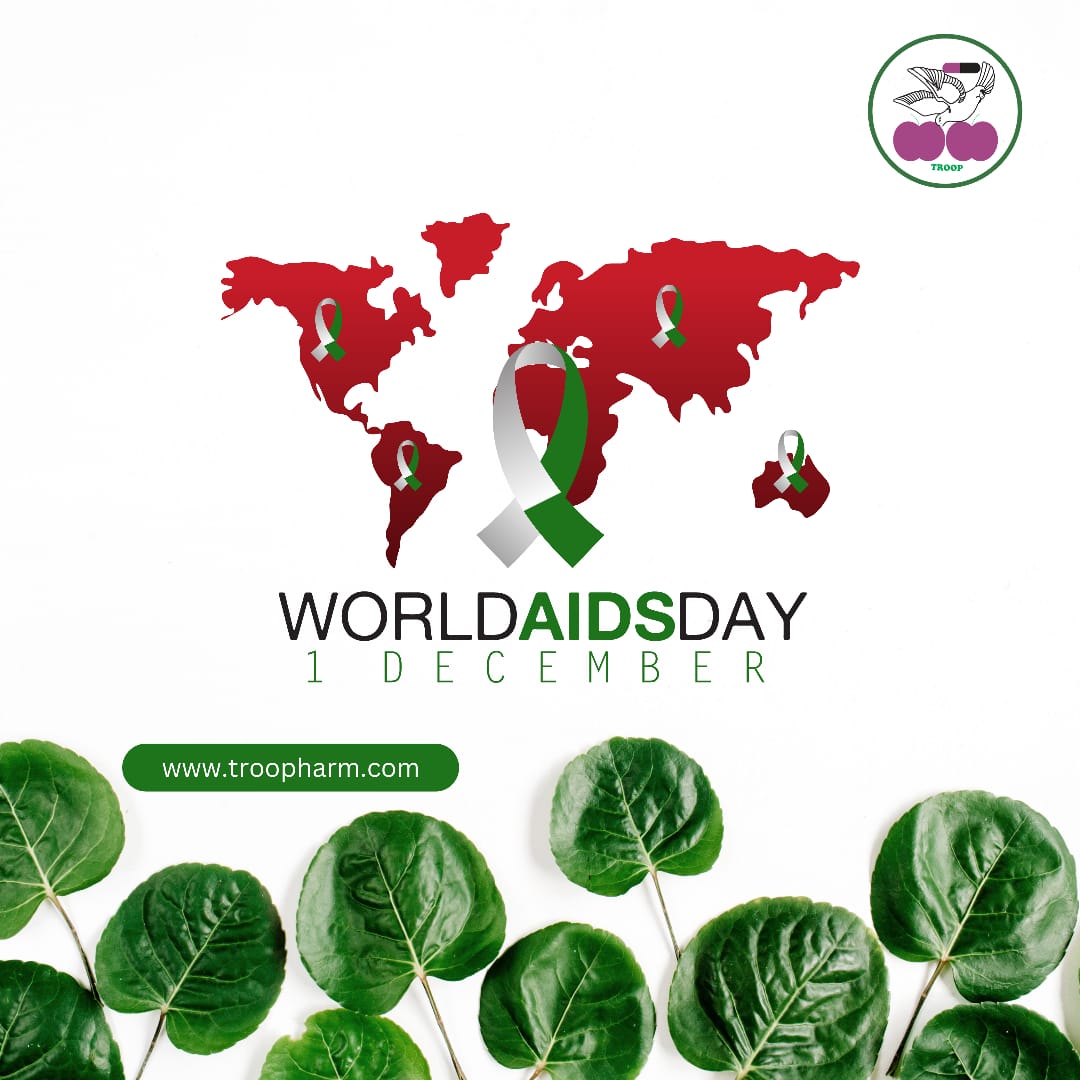
WORLD AIDS DAY

IT’S WORLD AIDS DAY

AIDS is a chronic immune system disease caused by the human immunodeficiency virus (HIV).
HIV damages the immune system and interferes with the body’s ability to fight infection and disease. HIV can be spread through contact with infected blood, semen, or vaginal fluids. There’s no cure for HIV/AIDS, but medications can control the infection and prevent disease progression.

Symptoms of AIDS

– Pain areas: in the abdomen
– Pain circumstances: can occur while swallowing
– Cough: can be dry
– Whole body: fatigue, fever, loss of appetite, malaise, night sweats, or sweating
– Gastrointestinal: nausea, persistent diarrhoea, vomiting, or watery diarrhoea
– Throat: difficulty swallowing or soreness
– Groin: sores or swelling
– Mouth: ulcers or white tongue

AIDS-defining illnesses:
* cancer
* Tuberculosis (TB)
* Pneumonia

If diagnosed promptly and go onto treatment straightaway, most people living with HIV never experience late-stage HIV. Staying healthy is key to living well with HIV, including exercising regularly, sleeping well and eating well, stopping smoking, and looking after your mental wellbeing.

Above all, never stigmatize HIV/ AIDS individuals. They need you the more. They need us. Show more empathy , lend a helping hand by reminding such to stay strong , live healthy and eat healthy.
????????????
At TROOP PHARMACY, your health is our concern. We stand in the gap to help you live healthy and achieve a better health! You can reach us for any health concerns and more.

PANCREATIC CANCER

PANCREATIC CANCER

The Pancreas is an organ which produces substances ( enzymes) which aid digestion. The pancreas is also a gland which produces hormones ( insulin) that regulate sugar levels.

A cancer could crop up in it called Pancreatic Cancer.

Signs of pancreatic cancer
1. Abdominal pain that radiates to your back.
2. Loss of appetite or unintended weight loss.
3. Yellowing of your skin and the whites of your eyes (jaundice)
4. Light-colored stools.
5. Dark-colored urine.
6. Itchy skin.
7. New diagnosis of diabetes or existing diabetes that’s becoming more difficult to control.
8. Blood clots.

Life Expectancy of Pancreatic Cancer

Up to 10 percent of patients who receive an early diagnosis become disease-free after treatment. For patients who are diagnosed before the tumor grows much or spreads, the average pancreatic cancer survival time is 3 to 3.5 years.

Risk Factors for Pancreatic Cancer
– Smoking-cigarettes, cigars and using other forms of tobacco.
– Obesity is also a risk factor. – Carrying weight around the waist is a risk factor even if you do not have obesity.
– Having diabetes, especially type 2 diabetes, which is linked to obesity.
– Being exposed to chemicals used by dry cleaners and metal workers.
– Having chronic pancreatitis, a permanent inflammation of the pancreas usually associated with smoking and drinking a lot of alcohol.

There are also risk factors that you can’t change. These include:

1. Hereditary chronic pancreatitis due to gene changes (mutations) passed from parent to child.
2. Hereditary syndromes with gene changes (mutations) in genes — such as BRCA genes passed from parent to child.
3. Being older than 45.
4. Being male.
5. Being Black.

Though the whole story or outlook looks gloomy and scary, the good news is that Pancreatic cancer can be cured.
Though it has a poor survival rate, it can potentially be cured if detected and treated very early.

How to prevent Pancreatic Cancer

1. Don’t smoke. If you do smoke or use tobacco in any form, try to quit.
2. Try to reach and maintain a normal weight by eating healthy and exercising.
3. Drink alcohol in moderation, or quit drinking altogether.
4. Try to avoid getting diabetes. If you have it, control your blood sugar levels.
5. Use safety equipment if your work exposes you to toxins.

PREMATURE BABIES

Things you need to know about Premature Babies

Premature babies are more likely to have chronic health issues. Some of which may require hospital care than full-term infants. Infections, asthma and feeding problems are more likely to develop or persist. Premature infants are also at increased risk of sudden infant death syndrome (SIDS).

Types of premature
– Extremely preterm (less than 28 weeks)
– Very preterm (28 to 32 weeks)
– Moderate to late preterm (32 to 37 weeks).

Major Contributors to Premature

Pregnancies complicated by diabetes and poor glycemic ( sugar) control are associated with a high incidence of prematurity, macrosomia ( larger than average) , malformation, fetal death, and neonatal death.

Management of Premature Babies
1. Intensive care for your premature baby
2. Sensors may monitor your baby’s blood pressure, heart rate, breathing and temperature,
3. A ventilator may be used to help your baby breathe.
4. The neonatal intensive care unit (NICU) or special care nursery provides round-the-clock care for your premature baby.

NOTE: Breastfeeding is essential for the baby to keep away allergies, infections, and various diseases.
Breast milk is nutritious and aids in the growth and development of your premature baby. It can be easily digested when compared to formula milk.

TROOP… Keeping You Informed Always

TROOP … Caring For You Always

Add to cart