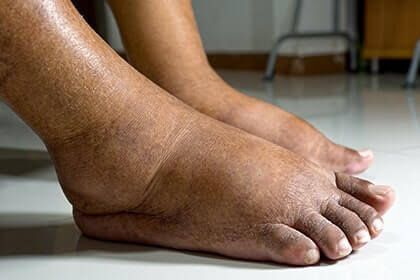
FOOT CARE DIABETES

Tips for Diabetic Foot Care

Diabetes, a chronic condition affecting the way the body processes blood glucose ( sugar), can result into a lot of complications if not well controlled. Blood flow to extremities is often not sufficient and this can result into gangrene ( dead tissue caused by insufficient blood flow or infection), springing from little cuts and bruises.

Proper Foot Care is therefore imperative especially in Diabetics.

Here are some tips for Good Foot Care In The Diabetic:

1. Take care of yourself and your diabetes. Follow your doctor’s advice regarding nutrition, exercise, and medication.
2. Wash your feet in warm water every day, using a mild soap.
3. Check your feet every day for sores, blisters, redness, calluses, or any other problems.
4. If the skin on your feet is dry, keep it moist by applying lotion after you wash and dry your feet. Do not put lotion between your toes. If your skin however is too moist, apply a little alcohol to avoid a breeding environment for organisms.
5. Gently smooth corns and calluses with an emery board or pumice stone. Do this after your bath or shower, when your skin is soft.
6. Check your toenails once a week. Trim your toenails with a nail clipper straight across.
7. Do not round off the corners of toenails or cut down on the sides of the nails.
8. Always wear closed-toed shoes or slippers outside. Do not walk barefoot, even around the house.
9. Always wear socks or stockings. Wear socks or stockings that fit your feet well and have soft elastic.
10. Wear shoes that fit well. Buy shoes made of canvas or leather and break them in slowly.
11. Visit your Podatrist at least once a year, or event of any noticeable foot problem.

Signs of Diabetes Foot
– Changes in skin color
– Changes in skin temperature
– Swelling in the foot or ankle
– Pain in the legs
– Open sores on the feet that are slow to heal or are draining
– Ingrown toenails or toenails infected with fungus
Corns or calluses
– Dry cracks in the skin, especially around the heel
– Foot odor that is unusual or won’t go away.

Though the feet are hardly noticeable, being down the body, they must not be neglected especially by the Diabetic.

Diabetes is not a death sentence. You can live optimally with the partnership of your Pharmacists and Other Health Providers.

PNEUMONIA

Things you need to know about PNEUMONIA

Pneumonia is an infection in one or both lungs caused by bacteria, viruses, or fungi. The infection leads to inflammation in the air sacs of the lungs, which are called alveoli. The alveoli fill with fluid or pus, making it difficult to breathe.

Both viral and bacterial pneumonia are contagious. This means they can spread from person to person through inhalation of airborne droplets from a sneeze or cough.

You can also get these types of pneumonia by coming into contact with surfaces or objects that are contaminated with pneumonia-causing bacteria or viruses.

Pneumonia is further classified according to where or how it was acquired:

Hospital-acquired pneumonia (HAP). This type of bacterial pneumonia is acquired during a hospital stay. It can be more serious than other types, as the bacteria involved may be more resistant to antibiotics.
Community-acquired pneumonia (CAP). This refers to pneumonia that’s acquired outside of a medical or institutional setting.

Pneumonia stages
Pneumonia may be classified based off the area of the lungs it’s affecting:

Bronchopneumonia can affect areas throughout both of your lungs. It’s often localized close to or around your bronchi.

Lobar pneumonia affects one or more lobes of your lungs. Each lung is made of lobes, which are defined sections of the lung.

Symptoms
Pneumonia symptoms can be mild to life threatening. They can include:

1 coughing that may produce phlegm (mucus)
2 fever
3 sweating or chills
4 shortness of breath that happens while doing normal activities, or even while resting
5 chest pain that’s worse when you breathe or cough
6 feelings of tiredness or fatigue
7 loss of appetite
8 nausea or vomiting
9 headaches

Causes
Pneumonia happens when germs get into your lungs and cause an infection.

Several types of infectious agents can cause pneumonia, including bacteria, viruses, and fungi.

Diagnosis
You can start by taking your medical history. They’ll ask you questions about when your symptoms first appeared and your health in general.

Depending on the severity of your symptoms and your risk of complications, you may also order one or more of these tests:

1, Chest X-ray

2 Blood culture

3, Sputum culture

4, Pulse oximetry

5, CT scan

Treatment
Your treatment will depend on the type of pneumonia you have, how severe it is, and your general health.

Prescription medications
Your Pharmacist may prescribe a medication to help treat your pneumonia. What you’re prescribed will depend on the specific cause of your pneumonia.

Oral antibiotics can treat most cases of bacterial pneumonia. Always take your entire course of antibiotics, even if you begin to feel better. Not doing so can prevent the infection from clearing, and it may be harder to treat in the future.

Antibiotic medications don’t work on viruses. In some cases, your Pharmacist may prescribe an antiviral. However, many cases of viral pneumonia clear on their own with at-home care.

Antifungal medications are used to treat fungal pneumonia. You may have to take this medication for several weeks to clear the infection.

OTC medications
Your Pharmacist may also recommend over-the-counter (OTC) medications to relieve your pain and fever, as needed. These may include:

aspirin
ibuprofen (Advil, Motrin)
acetaminophen (Tylenol)
Your Pharmacist may also recommend cough medicine to calm your cough so you can rest. Keep in mind coughing helps remove fluid from your lungs, so you don’t want to eliminate it entirely.

Pneumonia can be life threatening especially in children and elderly or patients with other respiratory challenges, early detection or management and referrals could save many a life.

????????????
At TROOP PHARMACY, your health is our concern. We stand in the gap to help you live healthy and achieve a better health! You can reach us for any health concerns and more.

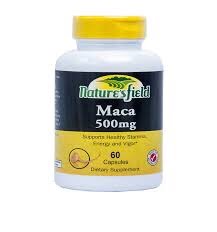
Maca

Maca is a plant that grows in central Peru in the high plateaus of the Andes Mountains.
It has been cultivated as a vegetable crop in this area for at least 3000 years.

Maca is a relative of the radish and has an odor similar to butterscotch.
Its root is used to make medicine.

Maca root is added to food to boost libido and energy.
It has also been studied as a remedy for sexual dysfunction, depression, hair loss, hot flashes, and fertility.

Maca root has become a very popular supplement known for its potential benefits for fertility, libido, menopause, and more.

Maca is a plant that some populations in Peru have used for thousands of years as a food and medicine.

In the last few decades, maca has grown in popularity around the world as a natural remedy for certain health issues, including infertility and low sex drive.

Maca supplement is sold as a powder you can add to foods or drinks. It also comes as gelcaps.
People take maca by mouth for “tired blood” (anemia); chronic fatigue syndrome (CFS); and enhancing energy, stamina, athletic performance, and memory.

People also take maca by mouth for:

Female hormone imbalance,

Menstrual problems, Symptoms of menopause, Improving fertility, and Sexual dysfunction caused by antidepressants,

Weak bones (osteoporosis), Depression,

Stomach cancer,

Leukemia,

HIV/AIDS,

Tuberculosis,

Erectile dysfunction (ED), to arouse sexual desire, and to boost the immune system.

USES OF MACA

•Sexual dysfunction caused by antidepressant drugs. Early research suggests that taking maca twice daily for 12 weeks slightly improves sexual dysfunction in women taking antidepressants.

Male infertility:
Early research shows that taking a specific maca product daily for 4 months increases semen and sperm count in healthy men.

Postmenopausal conditions:                                                                                                                                                                           Taking Maca daily for 6 weeks slightly improves blood pressure and some aspects of mood, including depression and anxiety, in postmenopausal women.

Sexual desire:                                                                                                                                                                                                            Taking maca product daily for 12 weeks can increase sexual desire in healthy men.

Tired blood (anemia).                                                                                                                                                                                              •  Leukemia.
• Chronic fatigue syndrome (CFS).
• Improving energy and athletic performance.
• Improving memory.
• Depression.
• Female hormone imbalance.
• Menstrual problems.
• Symptoms of menopause.
• Osteoporosis.
• Stomach cancer.
• Tuberculosis.
• Boosting the immune system.

POSSIBLE SIDE EFFECTS

Little is known about the safety and risks of short-term or long-term use of maca.
Since it is a natural food, it is generally believed to be safe in large doses.

* If you have one of the following conditions, you should not take maca without consulting your healthcare provider:

• Breast, uterine, or ovarian cancer.
• Endometriosis
• Uterine fibroids
• Thyroid disease

As with many other supplements, maca hasn’t been tested for safety in pregnant people, nursing mothers, children, those with medical conditions, or those who are taking medications.

Written by Osuegbu Lilian Nkechi

Wellteen

WELLTEEN HIM AND WELLTEEN HER

Wellteen Him and Her is a carefully balanced formula to help maintain vitality and wellness of male and female teenagers. It’s an ideal way to complement a healthy balanced diet. A healthy diet is always essential – but not always a priority for busy teenagers. That’s why Wellteen Him and Wellteen Her was developed. The supplements provides the growing nutritional needs and busy lifestyles of teenagers.

WHY SHOULD TEENAGERS TAKE SUPPLEMENTS?

An optimum nutritional intake during adolescence and young adulthood can help set the stage for lifelong health. Teenagers need to have sufficient vitamins and minerals to ensure healthy development during growth spurts and as they undergo significant physical and biochemical changes in their bodies. So the importance of obtaining the right nutrients in the diet is vital, just at a time when this may not be a top priority for some busy teenagers.

BENEFITS OF WELLTEEN HIM AND HER SUPPLEMENTS.

Wellteen supplements provide a comprehensive range of vitamins and minerals, including Omega 3, which provides DHA that helps maintain normal brain function and vision, pantothenic acid that contributes to normal mental performance, Vitamins B6, B12 and vitamin C which contributes to normal energy release and the reduction of tiredness & fatigue. Iron which contributes to the normal formation of red blood cells and hemoglobin. The formulas also contain vitamin D, magnesium and zinc which contribute to the maintenance of normal bone health.


Written by Osuegbu Lilian Nkechi

Calcium

CALCIUM

Calcium is a nutrient that all living organisms need, including humans. It is the most abundant mineral in the body, and it is vital for bone health.
Humans need calcium to build and maintain strong bones, and 99% of the body’s calcium is in the bones and teeth.

It is also necessary for maintaining healthy communication between the brain and other parts of the body. It plays a role in muscle movement and cardiovascular function.

Calcium occurs naturally in many foods, and food manufacturers add it to certain products. Supplements are also available.

WHY WE NEED CALCIUM

Calcium plays various roles in the body. These include the following:

BONE HEALTH

Around 99% of the calcium in the human body is in the bones and teeth. Calcium is essential for the development, growth, and maintenance of bone.

As children grow, calcium contributes to the development of their bones. After a person stops growing, calcium continues to help maintain the bones and slow down bone density loss, which is a natural part of the aging process.

MUSCLE CONTRACTION

Calcium helps regulate muscle contraction. When a nerve stimulates a muscle, the body releases calcium. The calcium helps the proteins in muscle carry out the work of contraction.

Calcium’s role in muscle function maintaining the action of the heart muscle. Calcium relaxes the smooth muscle that surrounds blood vessels.

Calcium is a co-factor for many enzymes. Without calcium, some key enzymes.

BENEFITS OF CALCIUM

– Lower risk of developing conditions involving high blood pressure during pregnancy.

– Lower blood pressure in young people

– Lower risk of colorectal adenomas, a type of non-cancerous tumor.

CALCIUM RICH FOODS

People can obtain calcium from a range of foods and drinks such as:

*Yogurt

*Milk

*Sardines and salmon

*Cheese

*Green leafy vegetables, such as broccoli, turnip leaves, watercress, and kale.

*Many fortified breakfast cereals

*Fortified fruit juices,

*Nuts and seeds, especially almonds, sesame, and chia

*Legumes and grains

*Cornmeal and corn tortillas.

Stay healthy, Stay strong with CALCIUM!!!


Written by Osuegbu Lilian Nkechi

Cinnamon

CINNAMON

Cinnamon is a spice obtained from the bark of several tree species. Cinnamon is used mainly as an aromatic condiment and flavoring additive in wide varieties of sweet and savory dishes, breakfast cereals, snack foods and teas. Cinnamon is known for benefits linked to digestion and gastrointestinal complaints, it has long been used as a home remedy for heartburn, indigestion, nausea, acne to premature ejaculation.

HEALTH BENEFITS OF CINNAMON

✓ It helps to manage Type 2 Diabetes

Cinnamon can help manage this disease in two different ways. It can reduce blood pressure and have a positive effect on blood markers for those with Type 2 diabetes. Cinnamon can also reduce insulin resistance.

✓ It helps manage metabolic diseases

It is effective in reducing complications, morbidity, and mortality in metabolic syndrome, including reducing blood pressure, plasma glucose, obesity, and dyslipidemia.

✓ Appetite Suppressant

Cinnamon can also be used as an appetite suppressant to those with a sugar addiction, thanks to its naturally sweet taste.

✓ Cinnamon can be used to manage cold.

It helps clear up mucus and encourages air circulation.

✓ It can be used in the management of Alzheimer’s and Parkinson’s Disease

Alzheimer’s and Parkinson’s diseases are two neurological conditions that, for the moment, are incurable. An enormous part of treating these diseases is therefore in symptom management, and this can be boosted with the addition of cinnamon to a regular regime.

✓ Cinnamon acts as an anti-carcinogen

Cinnamon extract slows the growth of cancer cells and induces cancerous cell death.

✓ Cinnamon acts as anti-inflammatory

Consumption of cinnamon could reduce both systemic and specific inflammation. Specific inflammation reduction means that consumption of cinnamon could help treat certain types of pain and headaches, as well as arthritis pain. It plays a double role in this particular type of pain.

Garlic

Garlic (Allium sativum) is a species of bulbous flowering plant in the genus Allium. Garlic is widely used around the world for its pungent flavor as a seasoning or condiment.

BENEFITS OF GARLIC

1. Garlic is good for cardiac health

Allicin, a compound found in garlic stops the oxidizing of LDL (bad cholesterol). This reduces cholesterol levels and improves heart health.

2. Improves digestion

Digestive problems improve with the inclusion of raw garlic in the diet. It benefits the intestines and reduces inflammation. Eating raw garlic helps to clear out intestinal worms.

3. Good for weight loss

Garlic reduces the expression of genes responsible for the formation of adipose cells which store fat. It also increases thermogenesis in the body and leads to the burning of more fat and the lowering of LDL (bad cholesterol).

4. Prevents cancer and peptic ulcer

Because of its high amount of antioxidants, garlic protects the body against lung, prostate, bladder, stomach, liver and colon cancer.

OTHER BENEFITS INCLUDES

✔️Reduces blood pressure

✔️Lowering cancer risk

✔️Detoxify heavy metals in the body.

✔️ Reduces infections on wounds

✔️Promotes hair growth, bone health and liver health.

Ginger

Ginger is a flowering tropical plant that grows in China, India, Africa, the Caribbean, and other warm climates. Ginger is a well-known natural treatment for diarrhea. It can help treat some of the causes of diarrhea and relieve gastrointestinal symptoms.

BENEFITS OF GINGER

1. Ginger may ease pain through anti-inflammatory and analgesic effects of its gingerol compounds.

2. Ginger seems to help with nausea caused by vertigo. It helps with nausea caused by motion sickness, surgery, or chemotherapy.

3. Ginger helps with painful periods.

4. Ginger aids digestion and saliva flow. Ginger can ease nausea and vomiting in some pregnant women.

5. Ginger consumption may protect against coronary heart disease, high blood pressure, diabetes, hyperlipidemia, cerebrovascular disease, and fatty liver disease, among other chronic conditions.

6. Many people use ginger to help recover from a cold or the flu.


Written by Osuegbu Lilian Nkechi

Zinc

Zinc is a nutrient found throughout the body, it helps the immune system and metabolism function. Zinc is also important to wound healing and sense of taste and smell.

FOOD SOURCES OF ZINC.

– Beans

– Meats

– Nuts

– Fish

– Seafood

– Whole grain cereals

BENEFITS OF ZINC

1. Immune function

The body needs zinc for the immune system to work properly. Low levels of zinc can increase the risk of infections, such as pneumonia.

2. Treating diarrhea

Zinc helps to shorten bouts of diarrhea, especially in those who do not have a nutritious diet.

3. Wound healing

Zinc plays a role in maintaining healthy skin. People with long-term wounds or ulcers often have low zinc levels. Healthcare professionals may recommend zinc supplements for people with persistent wounds. zinc plays a key role in every stage of wound healing, from skin repair to preventing infections.

4. Chronic diseases

Zinc has antioxidant properties, as such it can help reduce oxidative stress which can lead to chronic diseases, such as high blood pressure, diabetes, and other aspects of metabolic syndrome.

5. Sexual health

Low zinc level may lead to delayed sexual development, fertility problems, and other sexual health issues. zinc is essential to male sexual health as it serves as antioxidant and hormone balancer.

6. Osteoporosis

Zinc plays an essential role in bone formation and health. It may help prevent osteoporosis.

Written by Osuegbu Lilian Nkechi.

Red Yeast Rice Extract

Red Yeast Rice

This is commonly used as a natural remedy to help lower cholesterol levels and promote heart health, and can sometimes have fewer adverse side effects than prescription drugs used to treat high cholesterol.

Red Yeast Rice Extract (RYRE)

This is a substance that’s extracted from rice that’s been fermented with a type of yeast called Monascus purpureus. It’s been used in China and other Asian countries for centuries as a traditional medicine. It’s also used as a food coloring, additive, and preservative.

RYRE naturally contains several ingredients that may help control cholesterol levels. These include a number of monacolins, most importantly monacolin K. It also contains sterols, isoflavones, and monounsaturated fatty acids, or “healthy fats.”

Health Benefits of Red Yeast Rice Extract

Red yeast rice offers various health benefits for people who take it. Among them include:

  • Lowers Cholesterol:

One of the primary uses for red yeast rice is to lower cholesterol. The chemicals found in red yeast rice lower the amounts of “bad” cholesterol (also known as low-density lipoprotein cholesterol, or LDL) in the body by lowering its production in the liver.

  • Lowers Blood Sugar:

Studies have shown that taking red yeast rice supplements, along with having a healthy diet, may help lower blood sugar in people who have type 2 diabetes. The red yeast rice contributes to lower lipid (fat) levels in the blood, which helps to lower blood sugar levels.

  • Lowers Stroke Risk:

Since red yeast rice helps to lower cholesterol, it can also decrease your chances of having a stroke. Low cholesterol reduces the risk of developing dangerous blood clots, which can break and cause strokes and heart attacks. Red yeast rice can also reduce your risk of other diseases caused by high blood pressure, like chest pain (angina) and heart failure.

  • Improves Blood Circulation:

Plaques in blood vessels also clog arteries and reduce circulation. Red yeast rice has been shown to help improve circulation, allowing wounds to heal more quickly and letting your body function at its best.

Side Effects of Red Yeast Rice Extract;

  1. Headache
  2. Stomach ache or bloating
  3. Gas
  4. Dizziness
  5. Heartburn
  6. Muscle aches and weakness.


Written by Lucy Ebube

Add to cart