Tomato Extract

TOMATO EXTRACT

Tomato (Solanum lycopersicum) is a commonly eaten fruit that grows on a vine. It contains many nutrients, including an antioxidant called lycopene.

The lycopene in tomato is thought to play a role in preventing cancer. It’s easier for the body to use lycopene that comes from tomato products, such as tomato paste or tomato juice, than from fresh tomatoes.

People use tomato for cancer prevention, diabetes, high blood pressure, heart disease, osteoarthritis, and many other conditions, but there is no good scientific evidence to support these uses.

BENEFITS OF TOMATO EXTRACT

  • Protects against vision loss;

Tomatoes are rich in lycopene and anthocyanins. These help protect against vision loss, heart diseases, neurodegenerative diseases and cancer (especially prostate).

  • Strengthen immune system;

They contain antioxidants and vitamin C, which may help strengthen your immune system. They’re also a dietary source of potassium, vitamin A, vitamin B, magnesium.

  • May reduce risk of sunburns;

Tomatoes aren’t a substitute for sunscreen, but the lycopene in the fruit may have a photo-protective effect. Eating tomatoes may offer Trusted Source some protection from UV light-induced erythema or sunburn.

  • May help protect against skin cancer;

Sun exposure is a risk factor for nonmelanoma skin cancers, which include basal cell carcinoma and squamous cell carcinoma.

  • Antioxidant properties;

Tomato has long been associated with promoting skin health; besides this, its regular consumption is good for healthy bones, heart health and for supplying antioxidants to the body.


Written by Oreoluwa Hassan

Soybean Seed Extract

Glycine Soja (Soybean) Seed Extract:

Glycine Soja extract is obtained from the beans of the wild soybean plant, native to East Asia.  It is a powerful antioxidant  and anti-inflammatory agent for the skin.

Soya beans contain many functional components including phenolic acids, flavonoids, isoflavonoids (quercetin, genistein, and daidzein), small proteins (Bowman-Birk inhibitor, soybean trypsin inhibitor) tannins, and proanthocyanidins.

Soybean seeds extract and fresh soymilk fractions have been reported to possess the cosmeceutical and dermatological benefits such as anti-inflammatory, collagen stimulating effect, potent anti-oxidant scavenging peroxyl radicals, skin lightening effect and protection against UV radiation.

BENEFITS OF SOYBEAN SEED

  • Anti oxidant and anti-inflammatory properties:

Most famous and bioactive flavonoids in soybeans are the isoflavones called genistein and diadzein that have potent antioxidant and anti-inflammatory properties. Genistein is also proven to inhibit UV induced redness in human skin.

  • Reduces Collagen loss:

These isoflavones are also the ones that make soy a phytoestrogen, meaning they have a (weak) estrogenic effect. Topical estrogen is known to decrease skin thinning and collagen loss and soy might be able to do the same, especially during and after menopause when natural estrogen levels run low.

  • . Protects against free radicals:

Glycine soja (soybean) seed extract has vitamin E, allowing it to protect the skin from free radial damage and reduce the effects associated with the aging process such as wrinkles and fine lines.

  • Anti-aging properties:

soja (soybean) seed extract is rich with many natural chemical components which is used as ingredient for skin care products and, one of which is known as Genistein. Genistein promotes a more youthful appearance. Anti-ageing products by men and women are in demand and ingredient extracted from soybean is very much popular for anti-ageing product manufacturing from last decade.


Written by Ebere chienjine


Chasteberry Extract

CHASTEBERRY

Chasteberry is also known as Vitex (Vitex agnus-castus) is a plant used in herbal medicine. It’s often used to remedy women’s health problems. Vitex supplements typically contain extracts of the fruit and/or seed of the plant.

In the past, chasteberry extracts were used to treat a variety of gynecological disorders and skin conditions.

Today, chasteberry is promoted as a dietary supplement for symptoms of premenstrual syndrome, breast pain associated with the menstrual cycle, infertility, and other conditions.

HEALTH BENEFITS OF CHASTEBERRY

The relief of menstrual symptoms is the primary use of chasteberry as a nutritional supplement. Additional uses of this herb include support for reproductive and breast health.

  • Breast health

Chasteberry may also help relieve periodic breast discomfort, especially those caused by the menstrual cycle. This type of chasteberry extract is typically combined with other herbs.

  • Menstrual support

Chasteberry is often used to relieve menstrual symptoms, especially cramps, food cravings and swelling. It may also help support bouts of anxiety, stress and irritability.

  • Reproductive health support

Women who are trying to get pregnant may also take oral supplements of chasteberry extract. This regimen is typically followed for at least three months.

FORMS OF CHASTEBERRY

Chasteberry is available in liquid, capsules, and tablets.


Source: Healthline

written by Sarah Amah

GINKO BILOBA

Ginkgo Biloba is a popular supplement and one of the top-selling herbal medicines. The ginkgo tree, also known as the maidenhair tree, is one of the oldest species of trees in the world. Ginkgo Biloba extract is collected from the dried green leaves of the plant and is available as liquid extracts, capsules, and tablets.

Gingko contains high levels of flavonoids and terpenoids, antioxidants that provide protection against oxidative cell damage from harmful free radicals. In this way, antioxidants are believed to help reduce the risk of cancer.

Benefits

The therapeutic properties of the ginkgo plant are said to include;

  • Treatment for blood disorders
  • Improving eye health.
  • It may help with cognitive function.
  • Anxiety.
  • Memory enhancement, dementia, and Alzheimer’s.
  • Improved thinking and memory.
  • Better social behavior.
  • Better ability to perform everyday tasks.
  • Glaucoma.

Side Effects

Possible side effects of Ginkgo Biloba include;

  • Nausea
  • Diarrhea
  • Dizziness
  • Headaches
  • Stomach ache
  • Restlessness
  • Vomiting.

Form and Dosage

Ginkgo is available in capsule form, as tablets, liquid extracts, and dried leaves for teas.

In studies, adults used between 120 and 240 milligrams a day in divided doses. It appears to take 4 to 6 weeks before improvements are noticed.


written by: Oreoluwa Hassan

Conjuctivitis Treatment and Natural Remedies

It’s an Inflammation or infection of the outer membrane of the eyeball and the inner eyelid.

Conjunctivitis, or pink eye, is an irritation or inflammation of the conjunctiva, which covers the white part of the eyeball.

It can be caused by allergies or a bacterial or viral infection.

Conjunctivitis can be extremely contagious and is spread by contact with eye secretions from someone who is infected.

CAUSES

Causes of pink eye include:

?️Viruses

?️Bacteria

?️Allergies

?️A chemical splash in the eye

?️A foreign object in the eye

?️In newborns, a blocked tear duct

SYMPTOMS

The most common pink eye symptoms include:

? Redness in one or both eyes

? Itchiness in one or both eyes

? A gritty feeling in one or both eyes

? A discharge in one or both eyes that forms a crust during the night that may prevent your eye or eyes from opening in the morning

? Tearing

RISK FACTORS

Risk factors for pink eye include:

– Exposure to something for which you have an allergy (allergic conjunctivitis).

– Exposure to someone infected with the viral or bacterial form of conjunctivitis.

– Using contact lenses, especially extended-wear lenses.

TREATMENT

Treatment consists of self care.

It’s important to stop wearing contact lenses whilst affected by conjunctivitis.

It often resolves on its own, but treatment can speed the recovery process.

Allergic conjunctivitis can be treated with antihistamines.

Bacterial conjunctivitis can be treated with antibiotic eye drops.

NATURAL REMEDIES

Lifestyle and home remedies

To help you cope with the signs and symptoms of pink eye until it goes away, try to:

* Apply a compress to your eyes. To make a compress, soak a clean, lint-free cloth in water and wring it out before applying it gently to your closed eyelids.

Generally, a cool water compress will feel the most soothing, but you can also use a warm compress if that feels better to you.

* If pink eye affects only one eye, don’t touch both eyes with the same cloth.
This reduces the risk of spreading pink eye from one eye to the other.

* Try eyedrops. Over-the-counter eyedrops called artificial tears may relieve symptoms.

Some eyedrops contain antihistamines or other medications that can be helpful for people with allergic conjunctivitis.

Stop wearing contact lenses. If you wear contact lenses, you may need to stop wearing them until your eyes feel better. How long you’ll need to go without contact lenses depends on what’s causing your conjunctivitis.


Written by: Ruth Olusegun

Benefits of Lycopene

Lycopene is a type of organic pigment called a carotenoid. It is related to beta-carotene and gives some vegetables and fruits (e.g., tomatoes) a red color.

Lycopene is a powerful antioxidant that might help protect cells from damage. It’s found in tomato, watermelon, red orange, pink Lycopene is a plant nutrient with antioxidant properties. It’s the pigment that gives red and pink fruits, such as tomatoes, watermelons and pink grapefruit, their characteristic color.

some fruits containing lycopene include; grapefruit, sun-dried tomatoes, tomato purée, cooked sweet red peppers, papaya, watermelon, fresh tomatoes, apricot, rose hip, and guava.

HEALTH BENEFITS

STRONG ANTIOXIDANT PROPERTIES

Lycopene is an antioxidant in the carotenoid family. When free radical levels outnumber antioxidant levels, they can create oxidative stress in the body. Lycopene’s protective effects appear particularly beneficial to those with low blood antioxidant levels or high levels of oxidative stress.

PROTECT AGAINST CERTAIN TYPES OF CANCER

Lycopene’s strong antioxidant action prevent or slow down the progression of some types of cancer. This includes older adults and people who smoke or have diabetes or heart disease.

PROMOTE HEART HEALTH

Lycopene also help lower the risk of developing or prematurely dying from heart disease.
It reduces free-radical damage, total and “bad” LDL cholesterol levels and increase “good” HDL cholesterol.

PROSTATE CANCER

Taking lycopene by mouth might slightly reduce the risk of developing prostate cancer. It might also slightly reduce the risk of prostate cancer returning.

Other health benefits include;
-Protection against sunburn
-Promotes good eyesight
-Reduces pain
-Contributes to stronger bones
-Protects the brain

DOSAGE

There is currently no recommended daily intake for lycopene. However, from the current studies, intakes between 8–21 mg per day appear to be most beneficial.

Lycopene supplements are also available.


Written by: Oreoluwa Hassan

Bacopa

Bacopa (bacopa monnieri, brahmi) is a plant that has been used for centuries in traditional ayurvedic medicine. It increases certain brain chemicals involved in thinking, learning and memory. It might also protect the Brain cells from chemicals involved in Alzheimer’s disease.

Brahmi is a powerful herb great for liver health, which is the main organ responsible for detoxification in the body.

The herb is also rich in antioxidants and helps the body stay focused, owing to it’s nootropic properties.
Bacopa is also considered to be a very powerful cardiotonic, nervine and diuretic.

HEALTH BENEFITS

1. May help lower blood pressure levels

High blood pressure is a serious health concern, as it places strain on your heart and blood vessels.

2. Contains powerful antioxidants

Antioxidants are substances that help protect against cell damage caused by potentially harmful molecules called free radicals. Bacopa monnieri contains powerful compounds that may have antioxidant effects.

3. May have anticancer properties

Bacopa monnieri has been shown to block the growth and spread of cancer cells in test-tube and animal studies, but human research is needed to confirm these effects.

4. May boost brain function

Research suggests that Bacopa monnieri may help enhance brain function.

5. May reduce inflammation

Inflammation is your body’s natural response to help heal and fight disease.
However, chronic, low-level inflammation has been linked to many chronic conditions, including cancer, diabetes, and heart and kidney disease

SIDE EFFECTS

Bacopa extract is POSSIBLY SAFE for adults when taken by mouth appropriately and short-term, up to 12 weeks.

Common side effects include increased bowel movements, stomach cramps, nausea, dry mouth, and fatigue.

Other rare side effects include;
-Thyroid disorders
-Lung conditions
-Ulcers
-Gastrointestinal tract blockage
-Slow heart rate (bradycardia)

DOSAGE

Bacopa is available in powder, capsule and tincture form. The typical dosage ranges from 1tbsp per day in powdered form.


Written by: Oreoluwa Hassan

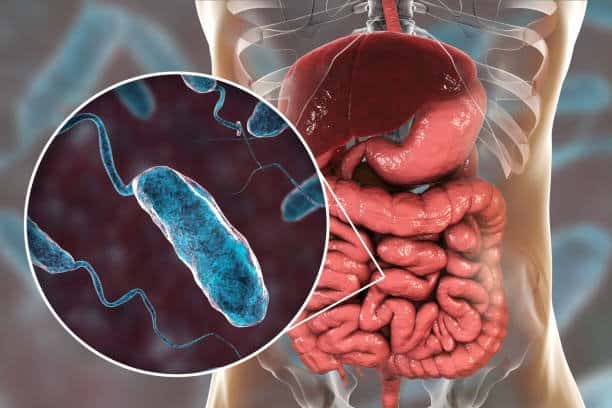
Cholera

This is a bacterial disease causing severe diarrhoea and dehydration, usually spread in water.

Cholera is an infectious disease that causes severe watery diarrhea, which can lead to dehydration and even death if untreated. It is caused by eating food or drinking water contaminated with a bacterium called Vibrio cholerae.

Cholera is fatal if not treated right away.

Cholera has been nicknamed the “blue death” because a person’s skin may turn bluish-gray from extreme loss of fluids.

According to World Health Organization (WHO), there are 1.3 million to 4 million cases of Cholera each year.

CAUSES

Vibrio cholerae, the bacterium that causes cholera, is usually found in food or water contaminated by feces from a person with the infection.

Common sources include:

•Municipal water supplies

•Ice made from municipal water

•Foods and drinks sold by street vendors

•Vegetables grown with water containing human wastes

•Raw or undercooked fish and seafood caught in waters polluted with sewage.

SYMPTOMS

Symptoms of cholera is between a few hours to five days after infection. About one in 20 people infected have severe watery diarrhea accompanied by vomiting, which can quickly lead to dehydration.

PREVENTION
HOME REMEDIES:

You can protect yourself and your family by using only water that has been boiled, water that has been chemically disinfected, or bottle water.

You should also avoid raw foods, including the following:

•Unpeeled fruits and vegetables

•Unpasteurized milk and milk products

•Raw or under-cooked meat or shellfish

•Fish caught in tropical reefs, which may be contaminated.

TREATMENT

Treatment consists of fluids and antibiotics such as oral rehydration therapy and IV fluids.


Written by: Sarah Amah

Natural Remedies For Headache

Headache is a very common condition that most people will experience many times during their lives. The main symptom of a headache is a pain in your head or face which can be throbbing, constant, sharp or dull.

Causes

There are two main categories of headaches

– Primary headaches: this category of headache isn’t due to another medical condition. The category includes: cluster headaches, migraine, new daily persistent headaches (NDPH), and tension headaches.

– Secondary headaches: are headache disorders characterized by recurrent headache. Secondary headaches are related to other medical conditions, such as: head injury, high blood pressure (hypertension), infection, medication overuse, sinus congestion, trauma, and tumor.

Types

The following are the various types of headaches:

– Migraine: This is a primary headache disorder. It is more common in women, usually by a factor of about 2:1, because of hormonal influences. Migraine is recurrent, often life-long, and characterized by recurring attacks. Attacks typically include headache and nausea. The attack frequency is anywhere between once a year and once a week.

– Tension-type headache (TTH): Is described as pressure or tightness, often like a band around the head, sometimes spreading into or from the neck. TTH attacks usually last a few hours, but can persist for several days.

– Cluster Headache (CH): This is a relatively uncommon type of headache characterized by frequently recurring (up to several times a day), brief but extremely severe headache, usually focused in or around one eye, with tearing and redness of the eye, the nose runs or is blocked on the affected side and the eyelid may droop.

Natural remedies for headache
1. Sip Some Ginger Tea
2. Relax with Yoga
3. Get Some Exercise
4. Try Acupuncture
5. Soothe Pain with a Cold Compress
6. Use Essential Oils
7. Avoid Strong Smells
8. Try a B-Complex Vitamin
9. Consider Taking Coenzyme Q10
10. Avoid excessive intake of caffeine


Written by: Ebere Chienjine

Natural Ways to Prevent Alzheimer’s Disease

Alzheimer’s disease is a progressive neurologic disorder that causes the brain to shrink (atrophy) and brain cells to die.

Alzheimer’s disease is the most common cause of dementia a continuous decline in thinking, behavioral and social skills that affects a person’s ability to function independently.

There is no treatment that cures Alzheimer’s disease or alters the disease process in the brain.

The exact causes of Alzheimer’s disease aren’t fully understood.

Alzheimer’s disease is thought to be caused by the abnormal build-up of proteins in and around brain cells.

Although it’s still unknown what triggers Alzheimer’s disease, several factors are known to increase your risk of developing the condition such as; Age, family history, head injuries, cardiovascular diseases, untreated depression, and a sedentary lifestyle.

Symptoms

The early signs of the disease include forgetting recent events or conversations.

As the disease progresses, a person with Alzheimer’s disease will develop severe memory impairment and lose the ability to carry out everyday tasks.

Other symptoms include;

Difficulty remembering new information
Trouble organizing and planning
Confusion
Forgetfulness
Decreased thinking skills
Problems with simple arithmetic
Poor judgment
Personality changes
Mood swings
Severe memory loss

5 NATURAL TREATMENTS FOR ALZHEIMERS DISEASE
1. Lowering stress – Lowering your daily levels of stress can improve your mental health, reduce inflammation, and decrease your risk of Alzheimers disease.

2. Healthy sleep – Sleep is your body’s way of resetting. Proper restful sleep allows your body and brain the time needed to restore balance to your system. This helps reduce the risk of dementia and Alzheimers.

3. Improving heart health – High blood pressure, heart disease, and high cholesterol during middle age significantly increase the risk of developing dementia later in life. A diet high in healthy fats, whole grains, fish, lean proteins, nuts, fruits, and vegetables has been shown to combat obesity, diabetes, and improve cognitive function.

4. Exercise – 150 minutes of aerobic exercise each week for those over 65 is shown to protect cognitive performance. Walking 30 minutes each day increases the flow of blood and oxygen to the brain.

5. Social interaction and an active mind – Keeping your mind active reduces the risk for cognitive decline. Learning a new activity, such as dancing, creates new pathways of communication in the brain. Acquiring new skills and reminiscing on cherished life events are excellent ways to help prevent loss of cognitive function.


Written by: Oreoluwa Hassan

Add to cart