Achieve Spotless Glass Skin with the Power of Garlic Tea

Introduction

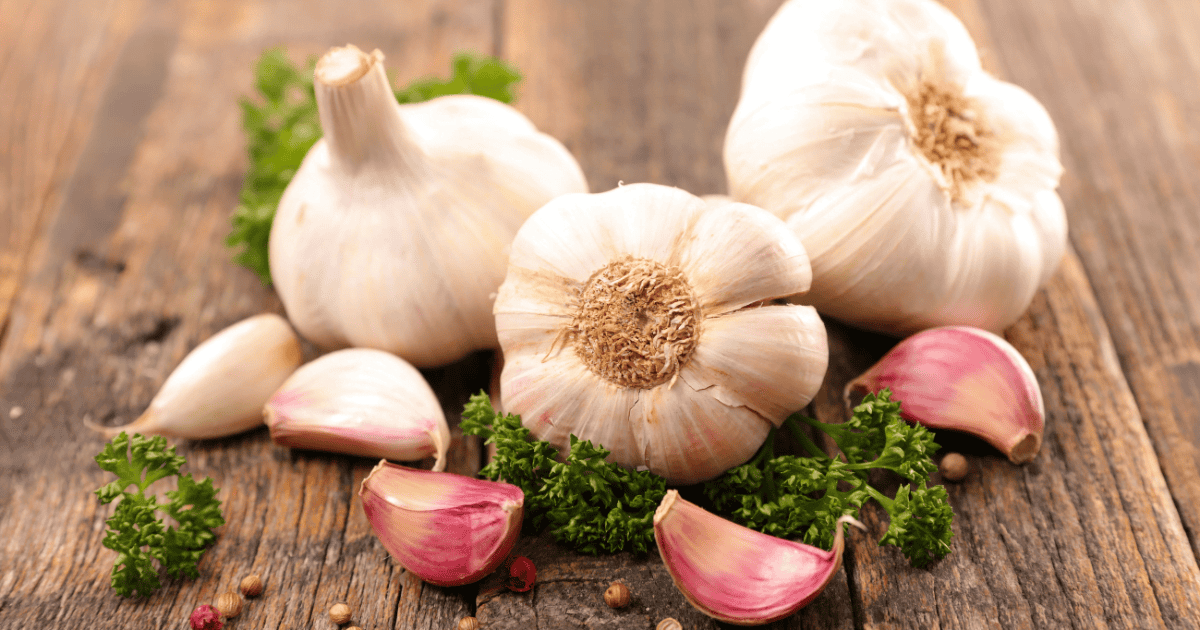
When it comes to achieving spotless, radiant glass skin, we often turn to an array of skincare products and treatments. However, sometimes the key to achieving flawless skin lies in the simplest of remedies. One such hidden gem is garlic tea. Yes, you read that right! Garlic tea may not be the first thing that comes to mind when you think of skincare, but it is a natural elixir that can work wonders for your complexion. In this article, we’ll explore the benefits of garlic tea for spotless glass skin, how to make it, and how to incorporate it into your skincare routine.

The Power of Garlic for Skin

Garlic, scientifically known as Allium sativum, has been used for centuries for its medicinal and therapeutic properties. While it is renowned for its culinary uses, garlic also offers numerous benefits for the skin:

1. Antioxidant Properties: Garlic is rich in antioxidants, such as allicin, that help protect the skin from damage caused by free radicals. This can prevent premature aging and maintain a youthful glow.

2. Antibacterial and Antifungal: Garlic possesses natural antibacterial and antifungal properties that can help combat acne and skin infections, keeping your skin clear and blemish-free.

3. Anti-Inflammatory: Garlic’s anti-inflammatory properties can help soothe redness and irritation, making it ideal for those with sensitive skin or conditions like rosacea.

4. Collagen Production: Garlic contains sulfur compounds that promote collagen production, leading to firmer and more supple skin.

5. Skin Brightening: Garlic can help lighten dark spots and pigmentation, resulting in a more even-toned complexion.

How to Make Garlic Tea

Making garlic tea is simple and can be done with just a few ingredients. Here’s a basic recipe to get you started:

Ingredients:

  • 2-3 garlic cloves, crushed or minced
  • 1 cup of water
  • 1-2 teaspoons of honey (optional, for taste)
  • Lemon juice (optional, for added flavor and vitamin C)

Instructions:

  1. Boil a cup of water and let it cool slightly.
  2. Add the crushed or minced garlic cloves to the hot water.
  3. Cover and steep for 5-10 minutes.
  4. Strain the tea into a cup.
  5. If desired, add honey and lemon juice for taste.
  6. Stir well and enjoy.

Incorporating Garlic Tea into Your Skincare Routine

  1. Internal Consumption: Start by drinking a cup of garlic tea daily. Consuming it on an empty stomach in the morning is ideal, as it allows your body to absorb the nutrients and antioxidants more effectively.
  2. Topical Application: You can also use garlic tea as a toner or facial mist. After cleansing your face, apply a small amount of cooled garlic tea to your skin using a cotton pad or by gently splashing it onto your face. This can help tighten your pores and brighten your complexion.
  3. Spot Treatment: For specific blemishes or acne, apply a small amount of diluted garlic tea directly to the affected area. Be cautious with this method, as garlic can be strong and may cause irritation if not properly diluted.
  4. Face Mask: Consider incorporating garlic tea into your DIY face masks by mixing it with ingredients like yogurt, honey, or oatmeal. Apply the mask, leave it on for 15-20 minutes, and then rinse off with warm water for a refreshed complexion.

Conclusion

Garlic tea might not be the most conventional skincare product, but its numerous benefits for the skin, including spotless glass skin, are undeniable. Its antioxidant, antibacterial, and anti-inflammatory properties make it a valuable addition to your skincare routine. So, why not harness the power of garlic and enjoy the glow of naturally radiant skin? Remember to conduct a patch test before using garlic tea on your face, and if any irritation occurs, discontinue use. With consistent use and a healthy skincare regimen, you’ll be well on your way to achieving the flawless, spotless glass skin you desire.
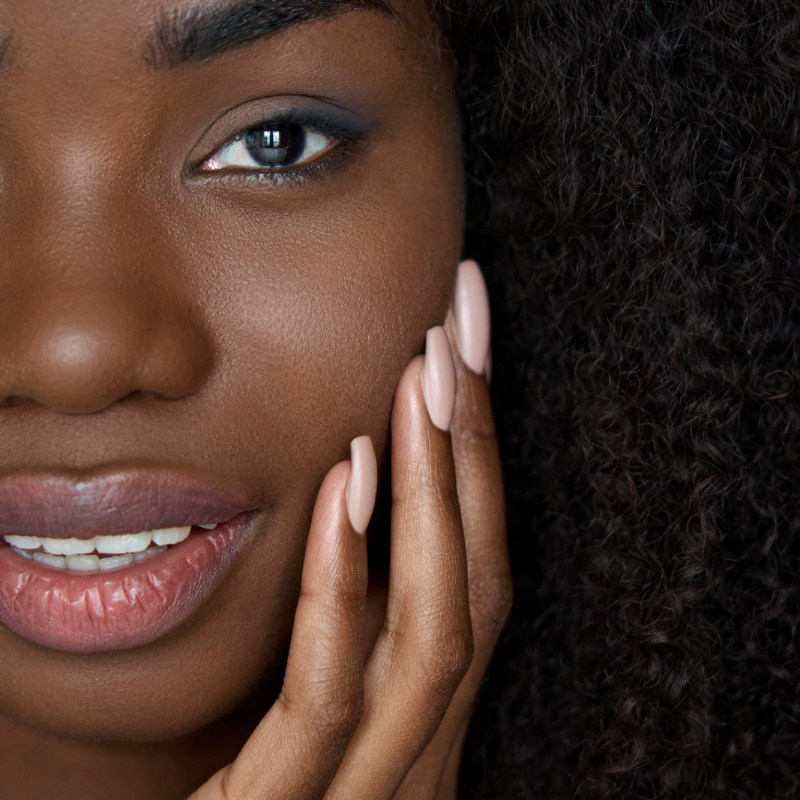
10 Simple Beauty Tips for a Flawless Look Every Day

               Who doesn’t want to feel confident and beautiful in their own skin? While there are endless products and trends out there claiming to give you the perfect look, sometimes the best beauty secrets are the simplest ones. Here are 10 tried and true tips for achieving a flawless appearance every day:

  1. Proper skin care is crucial for a healthy complexion. Make sure to cleanse, tone, and moisturize every morning and night.
  2. Always remove your makeup before going to bed. Sleeping in makeup can lead to clogged pores and breakouts.
  3. Drink plenty of water to keep your skin hydrated and glowing.
  4. Use a face mask once a week to give your skin a boost of nutrients.
  5. Exfoliate regularly to remove dead skin cells and reveal brighter, smoother skin.
  6. Invest in a good quality makeup brush set. Proper tools can make all the difference in achieving a professional finish.
  7. Use a primer before applying foundation to help your makeup last longer and look more natural.
  8. Incorporate facial oils into your skincare routine for added hydration and a radiant glow.
  9. Experiment with different brow shapes to find the one that best suits your face.
  10. Don’t forget the importance of a good skincare routine for the rest of your body. Moisturize your hands, feet, and anywhere else that needs some extra TLC.

By following these simple tips, you’ll be on your way to achieving a beautiful, radiant look every day. Remember, true beauty comes from within, so take care of your mind and body in addition to your appearance for a truly flawless look.

****Did you know that skincare doesn’t have to be expensive to be effective?

One of the many problems faced by those trying to start taking care of their skin is that, there are so many products out there, they don’t even know where to start.

Basic Affordable Skincare: What Do You Really Need?

1. A gentle cleanser to help remove dirt and makeup without drying out your skin.

2. A good serum to give your skin a boost of hydration and help combat any skin issues you may have.

3. A good moisturiser to help lock in the hydration from the serum and keep your skin soft and supple.

4. Lastly, sunscreen to protect your skin from the harmful effects of the sun and prevent premature aging.

The best part is, you don’t have to break the bank to get good products.Skincare doesn’t have to be expensive to be effective.

Soybean Seed Extract

Glycine Soja (Soybean) Seed Extract:

Glycine Soja extract is obtained from the beans of the wild soybean plant, native to East Asia.  It is a powerful antioxidant  and anti-inflammatory agent for the skin.

Soya beans contain many functional components including phenolic acids, flavonoids, isoflavonoids (quercetin, genistein, and daidzein), small proteins (Bowman-Birk inhibitor, soybean trypsin inhibitor) tannins, and proanthocyanidins.

Soybean seeds extract and fresh soymilk fractions have been reported to possess the cosmeceutical and dermatological benefits such as anti-inflammatory, collagen stimulating effect, potent anti-oxidant scavenging peroxyl radicals, skin lightening effect and protection against UV radiation.

BENEFITS OF SOYBEAN SEED

  • Anti oxidant and anti-inflammatory properties:

Most famous and bioactive flavonoids in soybeans are the isoflavones called genistein and diadzein that have potent antioxidant and anti-inflammatory properties. Genistein is also proven to inhibit UV induced redness in human skin.

  • Reduces Collagen loss:

These isoflavones are also the ones that make soy a phytoestrogen, meaning they have a (weak) estrogenic effect. Topical estrogen is known to decrease skin thinning and collagen loss and soy might be able to do the same, especially during and after menopause when natural estrogen levels run low.

  • . Protects against free radicals:

Glycine soja (soybean) seed extract has vitamin E, allowing it to protect the skin from free radial damage and reduce the effects associated with the aging process such as wrinkles and fine lines.

  • Anti-aging properties:

soja (soybean) seed extract is rich with many natural chemical components which is used as ingredient for skin care products and, one of which is known as Genistein. Genistein promotes a more youthful appearance. Anti-ageing products by men and women are in demand and ingredient extracted from soybean is very much popular for anti-ageing product manufacturing from last decade.


Written by Ebere chienjine


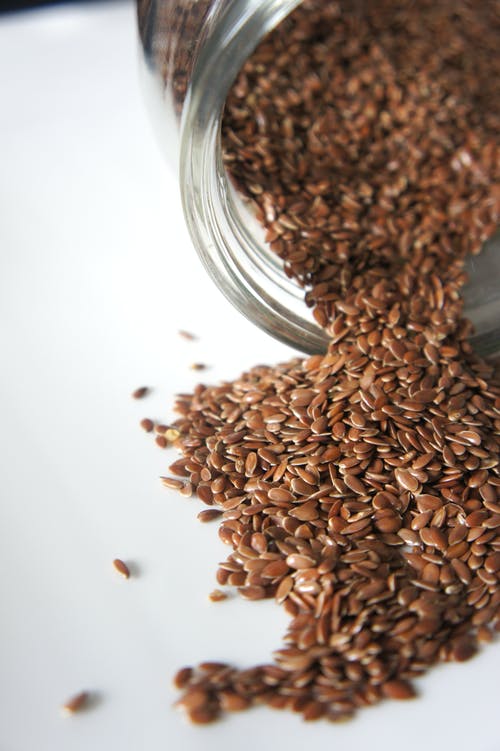
Flaxseed

Flaxseed is a plant- based food that provides healthy fat, antioxidants and fibre. Largely produced in India, China, America and Ethiopia. The Latin name of flaxseed is Linum Usitatissimum, which means “very useful”. The seed is rich in alpha-linolenic acid (ALA Omega-3 fatty acid), lignans and fibre. Flaxseed is of different species, brown and yellow or golden but they largely have the same nutritional value.

Flaxseed is an important function food. Function food are foods or food ingredients that may provide physiological benefits and helps in preventing or curing diseases.

Health benefits of flaxseed

Almost all parts of flaxseed plant are utilized for various purposes. The seed contains oil which after refining is used for edible purpose. The stem yields fibre possessing high strength and durability.

– Antioxidant and anti-diabetic functions

The antioxidant function of flaxseed reduces cholesterol. Scoisolariciresinol Diglucose (SDG), a ligan from flaxseed has been found to possess antioxidant properties and is effective in preventing or delaying the development of type-1 and type-2 diabetes.

– Lowers the risk of heart diseases

Flaxseed is the richest plant source of the Omega-3 fatty acid and very low in saturated fatty acids (6 % per gram). It also has moderate monosaturated fatty acids and rich in polyunsaturated fatty acid.
The fibre, phytosterols, and lignans in flaxseed help improve heart health.

– Reduces growth of tumour and cancer
Adding flaxseed to diet reduces risk of development of prostate cancer in men. Also breast cancer, uterine cancer and endometriosis in women.

– Boosts immune system

Flaxseed contains bioactive peptides, such as cyclolinopeptide A, which have strong immunosuppressive and antimalarial activities, inhibiting the human malarial parasite Plasmodium falciparum in culture.

– Relieves symptoms in menopausal women

Studies have shown that consuming 2 tablespoon of crushed flaxseed twice daily for six weeks, halved the number of daily hot flashes in menopausal women. It also helps their bone health.

– Infant allergy and respiratory diseases

Consumption of flaxseed during pregnancy and early childhood is beneficial as the long-chain polysaturated fatty acids (PUFAs) present in flaxseed have immune modulatory effects, protecting against allergies and respiratory diseases.

– Healthy Body, Healthy Skin

You are what you eat. Flaxseeds are chockful of nutrition. The anti-inflammatory properties of flax seeds help in reducing the issues caused by severe illnesses like diabetes, arthritis, asthma, and even heart problems. Only if the body is healthy internally, the skin will feel healthy and supple.

– Glowing Skin

Flax seeds have a high concentration of Omega 3 fatty acids. These acids are good for the heart and reduce the chances of heart diseases from occurring. Flax seeds are the highest plant-based source of omega 3 fatty acids. These acids help in preventing the skin from getting dry.

– Anti-Ageing Components

Flax seeds contain lignans and antioxidants that help in the prevention of fine lines and wrinkles on the face. Also, the fatty acids in flax seeds help in keeping the skin moisturised and smooth. The inherent quality of the flax seeds also helps in keeping the skin tight and lessen sagging with age.

– Reduces Allergies

Boils or rashes, whenever they occur, are always uncomfortable. Flaxseeds help in keeping the cell membranes in the body healthy. The membranes aid the essential nutrients to circulate in the body and prevent the passage of harmful elements that cause rashes. Consuming flaxseeds regularly benefits the skin.

– Acne-Deterrent

Flaxseeds can balance out the estrogen in the body, which helps in reducing the breakout of acne. Another cause of acne is the secretion of excess oils on the face. Sebum production is regulated by flaxseeds which prevent acne.

– Rejuvenating the Skin

Other than consuming flaxseeds, you can gain flaxseed benefits for your skin by incorporating it into face packs. A granular powder of flaxseed mixed into any liquid base can work as an excellent exfoliator and remove dead skin and blackheads from the face. Flax seeds help in tightening the pores in the face and prevents dirt from settling in.

– Repairs Hair Damage

Vitamin E is essential for hair health. Many hair products in the market are enhanced with added vitamin E for minimising hair damage. Flaxseed benefits for skin and hair include preventing damage caused by free radicals in the air and strengthening the roots which reduce hair fall.

– Prevents Dandruff

Flaxseed benefits for skin and hair do not stop at only preventing hair fall and damage. Many times, due to dry skin, the scalp falls victim to eczema and dandruff. The oils in flaxseeds help in keeping the moisture in the scalp and roots intact, preventing the formation of dandruff and hair dryness.

– Managing Weight

Flaxseeds have a high proportion of healthy fats and proteins that fill you up without giving cause for snacking between meals. Obesity has been linked to many skin problems caused by the existence of excess fatty tissues in the body.

Conclusion

Flaxseeds are beneficial to both men, women and children. Flaxseed is emerging as one the nutritive and functional ingredients in food products. Various clinical trials revealed that flaxseed constituents provide disease preventive and therapeutic benefits. These health benefits emphasise the need to add it to your diet.
Today, flaxseed is available in the form of seeds, oils, powder, tablets capsules and flour. People can also add ground flaxseed to breakfast cereals, smoothies, soups and stews, yoghurts.


Written by: Chinonye Machie

Essential Nutrients For Your Skin and Hair

BELOW ARE ESSENTIAL NUTRIENTS THAT IMPROVE YOUR SKIN AND HAIR.

1. VITAMIN A: All cells need vitamin A for growth. This includes hair, the fastest growing tissue in the human body. Vitamin A also helps skin glands make an oily substance called sebum. Sebum moisturizes the scalp and helps keep hair healthy Diets deficient in vitamin A may lead to several problems, including hair loss Your hair needs vitamin A to stay moisturized and grow. Good sources include sweet potatoes, carrots, spinach, kale, and some animal foods.

2. B VITAMINS:  One of the best known vitamins for hair growth is a B vitamin called biotin. Studies link biotin deficiency with hair loss in humans. Although biotin is used as an alternative hair loss treatment, those who are deficient have the best results. However, deficiency is very rare because it occurs naturally in a wide range of foods. Other B vitamins help create red blood cells, which carry oxygen and nutrients to the scalp and hair follicles. These processes are important for hair growth. You can get B vitamins from many foods, including:

• whole grains

• almonds

• meat

• fish

• seafood

• dark, leafy greens

Additionally, animal foods are the only good sources of vitamin B12. So if you’re following a vegetarian or vegan diet, consider taking a supplement.

3. VITAMIN C:  Free radical damage can block growth and cause your hair to age. Vitamin C is a powerful antioxidant that helps protect against the oxidative stress caused by free radicals In addition, your body needs vitamin C to create a protein known as collagen — an important part of hair structure. Vitamin C also helps your body absorb iron, a mineral necessary for hair growth.

Strawberries, peppers, guavas, and citrus fruits are all good sources of vitamin c Vitamin C is needed to make collagen and can help prevent hair from aging. Good sources include peppers, citrus fruits, and strawberries.

4. VITAMIN D:  Low levels of vitamin D are linked to alopecia, a technical term for hair loss Vitamin D is thought to play a role in hair production, but most research focuses on vitamin D receptors.

That said, most people don’t get enough vitamin D. It may still be a good idea to increase your intake. Your body produces vitamin D through direct contact with the sun’s rays. Good dietary sources of vitamin D include:

• fatty fish

• cod liver oil

• some mushrooms

• fortified foods

Vitamin D’s actual role in hair growth is not understood, but one form of hair loss is linked to deficiencies. You can increase vitamin D levels through sun exposure or by eating certain foods.

5. VITAMIN E: Similar to vitamin C, vitamin E is an antioxidant that can help prevent oxidative stress. In one study, people with hair loss experienced a 34.5% increase in hair growth after supplementing with vitamin E for 8 months The placebo group had only a 0.1% increase Sunflower seeds, almonds, spinach, and avocados are all good sources of vitamin E. Vitamin E helps prevent oxidative stress and boost hair growth.

Good dietary sources include sunflower seeds, almonds, spinach, and avocados

6.IRON: Iron helps red blood cells carry oxygen to your cells. This makes it an important mineral for many bodily functions, including hair growth. Iron deficiency, which causes anaemia, is a major cause of hair loss. It’s especially common in women.

Foods high in iron include clams, oysters, eggs, red meat, spinach, and lentils. Iron deficiency is a major cause of hair loss, especially in women. The best sources of iron include clams, oysters, eggs, red meat, spinach, and lentils

7.ZINC: Zinc plays an important role in hair tissue growth and repair. It also helps keep the oil glands around the follicles working properly. Hair loss is a common symptom of zinc deficiency.

Studies show resolving zinc deficiency with supplementation may reduce deficiency-related hair loss. However, there are some anecdotal reports that supplementing with too high of a dose can also contribute to hair loss.

For this reason, it may be better to get your zinc from whole foods. Foods high in zinc include oysters, beef, spinach, wheat germ, pumpkin seeds, and lentils. The mineral zinc can improve hair growth in people who are deficient in it. Good sources include oysters, beef, and pumpkin seeds.

8.PROTEIN: Hair is made almost entirely of protein. Consuming enough is important for hair growth. Animal studies show that protein deficiency may decrease hair growth and even lead to hair loss However, actual protein deficiency is extremely rare in Western countries.

Eating enough protein is important for hair growth, although a protein deficiency is rare in Western countries these days.

9.SELENIUM:  Selenium is a mineral that helps certain antioxidants protect your skin from UV rays. Selenium deficiency has been linked with a greater chance of skin cancer.

In general, fruits and vegetables are good choices because they have skin-friendly vitamins and other antioxidants. Some foods pack more than one nutrient for your skin, which often helps them work better:

• Fatty fish (salmon, sardines, tuna): protein, omega-3s, selenium

• Leafy dark greens (kale, spinach, collards): vitamins A, C, and E; omega-3s; protein — plus selenium in spinach

• Eggs: protein, vitamins A and E, selenium, zinc

• Flaxseeds: omega-3s, selenium

• Legumes (lentils, chickpeas): protein, zinc

• Avocados: healthy fats, vitamins C and E

• Extra virgin olive oil: healthy fats, vitamin E.


Written by: Mercy Otitoloju

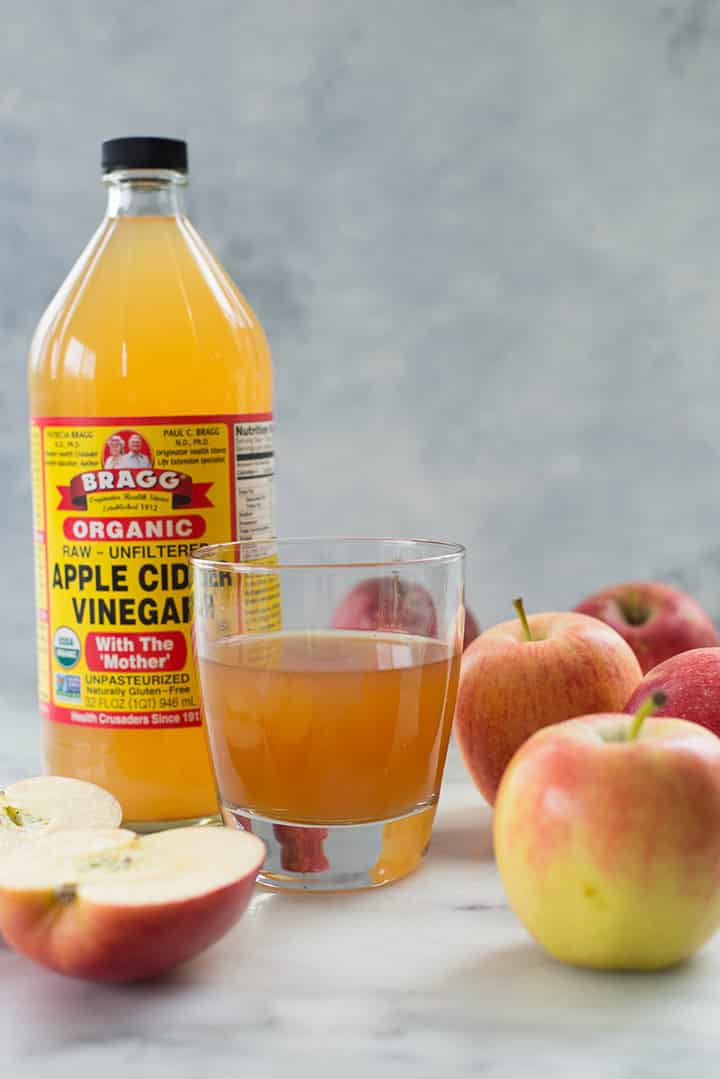
Apple Cider Vinegar

Apple Cider Vinegar has a lot of healthy properties.
It has antimicrobial antioxidant properties, it’s made from fermented apple and water. The particles flowing in it are formed by natural enzymes during fermentation.

A raw, unfiltered and unpasteurised apple cider vinegar has several impressive health benefits and is also used as kitchen staple.
It is used for aiding weight loss and reducing cholesterol.

It also has a ton of different beauty, household, and cooking uses. These include cleaning, washing hair, preserving food, and improving skin function.

You can also use apple cider vinegar in all sorts of recipes, including salad dressings, soups, sauces, hot drinks, and more.

DOSAGE
It is taken as 1-2 teaspoon (5- 10ml) or 1-2 tablespoon (15 – 30ml) per day, mixed with water spread in 2-3 doses
That is 10ml 3 times daily.

It should be taken before meal or on an empty stomach to be effective and to prevent indigestion.

GENERAL USES

1. Taken early morning on an empty stomach, it helps to reduce weight loss, hunger and remove toxins from the system.

2. To lower blood sugar: Apple cider vinegar is claimed to help people with diabetes & manage sugar levels.

3. To help you feel full: Apple cider vinegar is sometimes recommended as a weight loss aid, This is because it may help you feel full.

4. To preserve food: Just like other types of vinegar, apple cider vinegar is an effective preservative. In fact, people have used vinegar as a pickling agent to preserve foods for thousands of years.

5. As a deodoriser: Apple cider vinegar is known to have antibacterial properties. Because of this, it’s often claimed that apple cider vinegar can eliminate bad smells.

6. To soothe a sore throat: Gargling with apple cider vinegar is a popular home remedy for sore throats.

7. As a facial toner: Anecdotally, apple cider vinegar is claimed to help remedy skin conditions and provide graceful ageing treatment.

8. As a dandruff treatment: Massaging diluted apple cider vinegar into your scalp may help get rid of dandruff.

9. As a mouthwash: Apple cider vinegar is often said to be a useful alternative to commercial mouthwashes. Its antibacterial properties may help with bad breath, although there aren’t any studies examining how effective it is.

10.To treat acne: Dabbing small amounts of diluted apple cider vinegar onto pimples is anecdotally claimed to be a good way to get rid of them.

11. To get rid of warts: As with acne, apple cider vinegar is claimed to be a natural agent for getting rid of warts. It’s likely effective for removing warts from skin, due to its acidic nature.

Generally Apple cider vinegar has various health benefits as home remedy!

Reference – healthline

Written by: Ruth Olusegun

Enjoy the Snail Glow!!

Snail mucus is a mixture of active substances commonly thought to have healthy properties for the treatment of skin disorders. Although snail mucus is an ingredient of several cosmetic and para-pharmaceutic products, a comprehensive characterization of chemical composition and biological effects is still missing.

The snail secretion, or snail mucus, is a mucous substance that covers the entire external surface of the animal and is secreted by particular salivary epidermal glands located at the level of the snail’s foot (pedal glands) The mucus has different functions the snail mucus of Helix aspersa muller specie has a complex and still not well characterized composition.

Here are the reasons you should use snail slime on your skin:

1. It has Anti-Ageing Properties. According to Skin expert dermatologist and Lead Advisor for Brazilian Skin, Dr Andrea Godoy, when snails are placed under mild stress conditions, they excrete a thick fluid to protect themselves. The snail mucin aids human’s skin by hydrating, preventing ageing, improving wrinkles, scars, treating dry skin and stretch marks. It also helps stimulate the formation of collagen and elastin, protects your skin from free radicals, soothes your skin, repairs damaged tissues and restores hydration. Beyond the treatment of moisturising and healing your skin, SSF also has anti-ageing properties.

2. It Fades Scarring And Stretch Marks. The snail filtrate has two components that boost tissue repair and promote rapid cell renewal which is fibrinolysis enzymes-which is thought to be cellular nourishment for the skin and glycolic acid- it serves as a natural exfoliant which handles scars, fine lines and wrinkles, when you look at them all, they are a powerful ingredient. It has an anti-inflammatory and antioxidant solution which has proven its worth in scar and acne treatment. Snail slime softens your existing scars and damaged tissues. It also treats heavy scarring like ice-pick acne scars, hypertrophic scars and post-surgery scarring. It helps remove the dead materials from the scarring tissue and build new ones for skin cell regeneration. Snail slime contains very little or no oil. The effect takes 2-4 weeks.

3. It Kills Bacteria Snail has the ability to kill bacteria that causes acne in your skin. Your skin will remain clear if you use it consistently

4. It Treats Acne If you suffer from an acne breakout, snail slime is one of the best treatments because it contains natural antimicrobial properties, which helps fight bacteria that causes acne. In addition, glycolic acid also helps prevent breakouts by exfoliating the skin and removing dead skin and unclogging pores.

5. It Is Good For Hydration Hyaluronic acid which is part of snail slime ingredient attracts water molecules to the outer skin layers, keeping it hydrated. Snail slime contains 98% of water which is excellent for dry skin as those with dry skin often battle wrinkles and fine lines.

6. It Is A Protection Powerhouse The powerful tools of snail slime are its ingredients which include: antimicrobials, copper, hyaluronic acid, proteoglycans and glycoprotein. It houses a lot of ingredients that help your skin glow, smooth it and prevent wrinkles and fine lines. Try using a serum that includes a clinical level of snail mucin, you will experience a different skin within few days.

7. It Promotes Optimal Skin Health Snail slime contains much healthy benefit and important ingredient that nourishes, smoothing, moisturise your skin.

8. It Exfoliates Snail slime is an amazing exfoliant that removes dead skin cells and stimulates cell renewal. Its exfoliating properties are attributed to the natural collagen, elastin and glycolic acid found in it. It evens out your complexion and diminishes the appearance of fine lines, wrinkles and scars.

Words Of Caution:

  • Don’t go around picking up snail to put on your face! First wash the snail because of bacterial infection.
  • For starters, test a small amount first to see how your skin reacts to it!


Written by: Mercy Otitoloju

Glutathione- the master antioxidant

Glutathione is the most powerful naturally occurring antioxidant in all human cells, and is often referred to as the body’s “master antioxidant”.  The ability to produce and maintain a high level of glutathione is critical to recovery from chronic illnesses, preventing disease and maintaining optimal health and performance.  Let’s explore glutathione benefits for your health.

Composed of glutamic acid, cysteine and glycine, glutathione is a powerful antioxidant needed for cellular production of energy and helps to detoxify the body and neutralize free radicals while supporting the immune system. It is known for its role in providing antioxidant protection for the body’s tissues, including the arteries, brain, heart, liver, lungs and skin.

Glutathione can help support the treatment of any disease as an antioxidant but the following have been found to have the most support:

  • General Immune Support
  • Parkinson’s
  • Alzheimer’s
  • Auto-immune Disorders
  • HIV/AIDS
  • High Blood Pressure

Glutathione levels decrease as the body ages, and as environmental and oxidative stressors deplete natural stores in the body.  Common stressors include:

  • Ultraviolet and other radiation
  • Heavy metals
  • Cigarette smoke
  • Exhaust from motor vehicles
  • Household chemicals
  • Dietary Factors
  • Other environmental toxins

All cells in the human body are capable of synthesizing glutathione. But the highest concentration of glutathione is found in the liver, making it critically important in the detoxification and elimination of free radicals.  Free radicals are highly reactive compounds created in the body during normal metabolic functions; they can also enter the body through the environment.  Accumulation of these compounds can result in oxidative stress, which occurs when the generation of free radicals in the body exceeds the body’s ability to neutralize and eliminate them.

Metabolically, glutathione has many functions. As previously mentioned, glutathione plays a substantial role in the functioning of the body’s immune system. Its antioxidant property makes it vital to white blood cells (lymphocytes) as it allows them to reach their full potential during the oxygen-requiring activity of the body’s immune response.

White blood cells in their immune response aid in detoxification of the body and as glutathione levels decrease, so does the body’s ability to eliminate toxins. This leads to the death of white blood cells thereby weakening the body’s immune system.

Other antioxidants in the body depend on glutathione as well. Glutathione recycles vitamins C and E after they have been oxidized, therefore playing a decisive role in their normal function.

Antioxidants can help your body repair damage caused by such things as stress, radiation, infections, drugs, medications, malnutrition and aging.

Glutathione also helps us reach peak mental and physical function. Research has shown that raised glutathione levels decrease muscle damage, reduce recovery time, increase strength and endurance and shift metabolism from fat production to muscle development.

If you are aging, suffering from an illness or are just not in ideal physical condition, it is likely you have glutathione deficiency.

There are many things you can do to increase glutathione in your body including exercise, supplementation and eating glutathione-boosting foods. Here are a few ideas.

  • Eat sulfur-rich foods such as garlic, onions and the cruciferous vegetables including broccoli, kale, cabbage and cauliflower.
  • Try bioactive whey protein.This is great source of cysteine and the amino acid building blocks for glutathione synthesis.
  • Supplementation is perhaps the most critical to keep the body producing glutathione. We recommend the combination of Cellgevity and Immunocal.


Reference: Priorityyoumd

Written by: Omojo Emeje

Collagen for Skin

Collagen is made up of three amino acids: glycine, proline, and hydroxyproline. Collagen provides the support matrix/mattress underpinning healthy skin and is a key determinant to the preservation of skin firmness and elasticity.
Which Factors Contribute to the Loss of Collagen in the Skin?

Unfortunately, collagen starts to degrade with age, and your genetics can affect how fast that degradation happens. We lose collagen year after year, and make lower quality collagen. Free radicals damage collagen — they are our skin’s enemy, bad lifestyle habits (smoking), and a poor diet (for example one high in sugar) all create free radical formation, which speeds collagen breakdown.

Let’s hit on smoking for a moment. One of the best things you can do for your skin is to never smoke — or quit smoking if you do. Research suggests that smoking allows free radicals to attack collagen fibrils, rendering them weak and of poor quality. It’s not surprising, therefore, that the skin of a smoker tends to look damaged and wrinkled, particularly around the mouth,

What Are the Benefits of Collagen for Your Body?

The protein has a big job in the body. Collagen gives body tissues structure, toughness, rigidity, and texture. In the skin, it’s akin to a layer of leather. And when it intermingles with elastic fibers, it gives skin strength and resilience.

When collagen begins to degrade in the skin and levels of it drop in the body, you may notice wrinkles, stiffer tendons and ligaments, weaker muscles, joint pain, and even GI problems. It’s clear that collagen is vital for the health of every system in your body. Within the skin, taking up to 10 grams (g) of collagen peptides per day can help improve skin elasticity, hydration, and collagen density.

Collagen helps to:
– Improve skin health.
– Helps relieve joint pain.
– Helps prevent bone loss.
– Boost muscle mass.
– Promotes heart health.
– Improves hair and nails.

Protecting your natural collagen for healthy skin

Ultraviolet light from the sun breaks down collagen, so it’s important to wear sunscreen daily. Eating foods high in antioxidants, like fruits and vegetables, can also prevent collagen breakdown.

Food sources of collagen include the following:
  • Fish.
  • Chicken.
  • Egg whites.
  • Citrus fruits.
  • Berries.
  • Red and yellow vegetables.
  • Garlic.
  • White tea.


Written by: Chiamaka Nwoko

All you should know about Acne

Acne is a very common skin condition that causes pimples mostly on the face, forehead, chest, shoulders and upper back. Acne is a common skin condition where the pores of your skin become blocked by hair, sebum (an oily substance), bacteria and dead skin cells. Those blockages produce blackheads, whiteheads, nodules and other types of pimples.

There are a variety of causes including genetics, fluctuating hormone levels, stress, high humidity and using oily or greasy personal care products. Acne commonly affects teenagers but can occur at any age.

Who does acne affect?

Though it mainly affects teenagers and young adults undergoing hormonal changes, many people continue struggling with acne into their 20s, 30s and beyond. Some even develop acne for the first time as adults.

Where does acne most commonly occur?

The most common spots where you might have acne are your face, forehead, chest, shoulders and upper back. Oil glands are all over your body, but those are the places where there are the most. The best way to treat acne depends on how severe it is. Acne can be mild (a few occasional pimples) moderate (inflammatory papules) or severe (nodules and cysts).

What are the different types of acne?

Acne can take several forms. They include:

Blackheads: Open bumps on the skin that fill with excess oil and dead skin. They look as if dirt has deposited in the bump, but the dark spots are actually caused by an irregular light reflection off the clogged follicle.

Whiteheads: Bumps that remain closed by oil and dead skin.

Papules: Small red or pink bumps that become inflamed.

Pustules: Pimples containing pus. They look like whiteheads surrounded by red rings. They can cause scarring if picked or scratched.

Fungal acne (pityrosporum folliculitis): This type occurs when an excess of yeast develops in the hair follicles. They can become itchy and inflamed.

Nodules: Solid pimples that are deep in your skin. They are large and painful.

Cysts: Pus-filled pimples. These can cause scars.

All of these forms of acne can affect your self-esteem. It’s best to seek help from your healthcare provider early so they can help determine the best treatment option(s) for you.

What causes acne?
Certain things can cause acne and/or make it worse:

1. Fluctuating hormone levels around the time of a woman’s period.

2. Picking at acne sores.
3. Clothing and headgear, like hats and sports helmets.
4. Air pollution and certain weather conditions, especially high humidity.
5. Using oily or greasy personal care products (like heavy lotions, creams or hair pomades and waxes) or working in an area where you routinely come in contact with grease (such as working at a restaurant where there are greasy food surfaces and frying oil).
6. Stress, which increases the hormone cortisol, can also cause acne to flare.
7. Some medications.
8. Genetics.

How is acne treated?
A. Medications applied topically:

1. Benzoyl peroxide is available as an over-the-counter product (such as Clearasil®, Stridex®, PanOxyl®) as a leave-on gel or wash. It targets surface bacteria, which often aggravates acne. Lower concentrations and wash formulations are less irritating to your skin. Irritation (dryness) is a common side effect.

2. Salicylic acid is available over-the-counter for acne, as a cleanser or lotion. It helps remove the top layer of damaged skin. Salicylic acid dissolves dead skin cells to prevent your hair follicles from clogging.

3. Azelaic acid is a natural acid found in various grains such as barley, wheat and rye. It kills microorganisms on the skin and reduces swelling.

4. Retinoids (vitamin A derivatives) such as Retin-A®, Tazorac®, and Differin® (which is now available without a prescription) break up blackheads and whiteheads and help to prevent clogged pores, the first signs of acne. Most patients are candidates for retinoid therapy. These medications are not spot treatments and must be used on the entire area of skin affected by acne to prevent the formation of new pimples. The most common side effect is irritation, which usually improves with moisturization and time on the medication.

5. Antibiotics (topical types include clindamycin and erythromycin) control surface bacteria that aggravate and often encourage the swelling of acne. Antibiotics are more effective when combined with benzoyl peroxide.

6. Dapzone (Aczone®) is a topical gel, which also has antibacterial properties, can be used for inflamed acne. It’s applied to the skin twice a day.

B. Medications taken orally (by mouth):

1. Antibiotics, especially tetracycline antibiotics such as minocycline and doxycycline, are commonly used to treat moderate to severe acne.

2. Oral contraceptives can help with breakouts associated with menstrual cycles. Three classes of medications have been approved by the FDA for acne patients. Some brand names include Estrostep®, Beyaz®, Ortho Tri-Cyclen® and Yaz ®.

3. Isotretinoin (Amnesteem®, Claravis®, Sotret®), an oral retinoid, is an especially effective drug used only for the most severe cases of acne. Isotretinoin shrinks the size of oil glands, which contributes to acne formation.

Can acne be prevented?

Preventing acne is difficult if not impossible during normal hormonal changes. But some things can help:

1. Wash your face daily with warm water and a mild facial cleanser.
2. Routinely use moisturiser.
3. You don’t have to stop using makeup, but try to use “non-comedogenic” products and remove makeup at the end of each day.
4. Keep your hands away from your face.

There are also Natural Remedies for Acne for those that want a safer route with less side effects.
Check them out! http://backup.troopharm.com/powerful-home-remedies-for-acne/

Written by Sarah Amah

Add to cart