Debunking Common Myths About Diabetes: Separating Fact from Fiction


Diabetes is a complex and often misunderstood disease, surrounded by myths and misconceptions. These myths can lead to misinformation, stigma, and poor management of the condition. In this article, we’ll delve into the facts and debunk common myths about diabetes, providing a comprehensive understanding of the disease.

_Myth 1: Diabetes is caused by eating too much sugar

Reality: Type 1 diabetes is an autoimmune disease, where the body’s immune system mistakenly attacks and destroys insulin-producing beta cells in the pancreas.
Type 2 diabetes, on the other hand, is caused by a combination of genetic and lifestyle factors, including:
– Obesity and physical inactivity
– Insulin resistance
– Pancreatic beta-cell dysfunction
– Genetic predisposition
While sugar consumption is not the sole cause of diabetes, a diet high in added sugars can contribute to weight gain and increase the risk of developing Type 2 diabetes.

_Myth 2: Only overweight people get diabetes

Reality: While obesity increases the risk of developing Type 2 diabetes, people of all shapes and sizes can develop the disease. Other factors that contribute to the risk of developing diabetes include:
– Family history
– Age
– Physical inactivity
– Certain medical conditions, such as high blood pressure and high cholesterol

_Myth 3: Diabetes is contagious

Reality: Diabetes is not contagious. You can’t catch it from someone else. The risk factors for developing diabetes are complex and multifaceted, involving a combination of genetic, lifestyle, and environmental factors.

_Myth 4: People with diabetes can’t eat sweets

Reality: While people with diabetes need to manage their carbohydrate intake, they can still enjoy sweets in moderation. A balanced diet and proper insulin management allow for occasional indulgence. It’s essential to:
– Choose complex carbohydrates, such as whole grains and fruits
– Monitor carbohydrate intake and adjust insulin doses accordingly
– Balance carbohydrate intake with proteins

_Myth 5: Diabetes is a death sentence

Reality: With proper management, people with diabetes can live healthy lives. Advances in treatment and technology have significantly improved diabetes management, including:
– Insulin pumps and continuous glucose monitoring systems
– Improved insulin analogs and medications
– Personalized treatment plans and lifestyle coaching

_Myth 6: Only older people get diabetes_

Reality: While age increases the risk of developing Type 2 diabetes, people of all ages can develop the disease, including:
– Children and young adults (Type 1 diabetes)
– Middle-aged and older adults (Type 2 diabetes)
– Gestational diabetes during pregnancy

_Myth 7: Diabetes is not a serious disease_

Reality: Diabetes is a serious disease that can lead to complications like:
– Heart disease and stroke
– Kidney damage and failure
– Blindness and vision loss
– Nerve damage and neuropathy
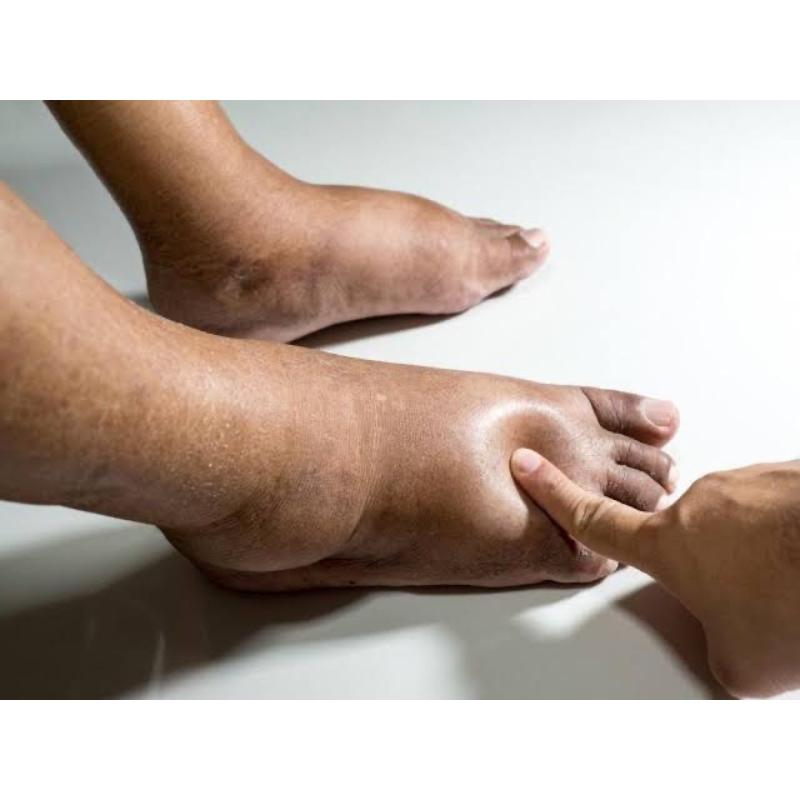
– Foot damage and amputation
Proper management and care can significantly reduce the risk of these complications.

By debunking these common myths, we aim to raise awareness and promote understanding of diabetes. If you have concerns or questions, consult a healthcare professional for accurate information and guidance.

References:

1. American Diabetes Association. (2022). Type 1 Diabetes.
2. World Health Organization. (2022). Diabetes.
3. Centers for Disease Control and Prevention. (2022). Diabetes Myths.
4. Academy of Nutrition and Dietetics. (2022). Diabetes and Carbohydrates.
5. Diabetes Research Institute. (2022). Living with Diabetes.
6. Mayo Clinic. (2022). Type 2 Diabetes.
7. International Diabetes Federation. (2022). Complications of Diabetes.

Written by Pharm.Belinda

Foot Care In Diabetic Patients

INTRODUCTION

Diabetes is a chronic condition characterized by high blood sugar levels that can lead to several complications, including neuropathy and poor circulation, especially in the feet. Proper foot care is essential for individuals diagnosed with diabetes to prevent serious complications such as ulcers and infections. This article provides a guide to foot care for diabetic patients, supported by relevant references.

Understanding the Risks

Diabetes-related neuropathy and poor circulation increase the risk of foot complications. According to the American Diabetes Association (ADA), neuropathy affects up to 60-70% of people with diabetes, leading to reduced sensation in the feet. Peripheral artery disease (PAD), a common complication of diabetes, can result in inadequate blood flow to the feet, impairing wound healing.

Daily Inspection

Regular foot examinations are recommended to detect problems early. The ADA advises diabetic individuals to inspect their feet daily for any signs of redness, blisters, cuts, sores, swelling, or changes in skin color or temperature. Early detection allows for timely intervention and prevents complications.

Proper Footwear

Choosing appropriate footwear is crucial for preventing foot problems. According to the National Institute of Diabetes and Digestive and Kidney Diseases, diabetic individuals should wear shoes that fit well and provide adequate support and protection. Specialized diabetic shoes or orthotic inserts may be necessary for those at higher risk.

Daily Hygiene

Maintaining proper foot hygiene helps prevent infections. The International Working Group on the Diabetic Foot recommends washing feet daily with mild soap and lukewarm water, followed by thorough drying, especially between the toes. Moisturizing dry skin with lotion can help prevent cracking and fissures.

Protecting Feet

Preventing injuries is essential for diabetic foot health. It is advised that diabetic individuals should wear shoes at all times to protect against cuts and injuries. Using sunscreen on exposed feet and avoiding extreme temperatures can also prevent damage.

Regular Professional Care

Routine foot care by healthcare professionals is essential for diabetic patients. Regular foot examinations by a podiatrist or healthcare provider are recommended especially for those with neuropathy or circulation problems. Professional treatment of foot issues reduces the risk of complications.

Managing Blood Sugar Levels

Optimizing blood glucose control is critical for preventing diabetic complications. It is importance to monitor blood sugar levels regularly while adhering to a healthy diet, engaging in physical activity, and taking prescribed medications as directed. Tight glycemic control reduces the risk of neuropathy and other diabetes-related complications.

Immediate Attention to Problems

Prompt treatment of foot problems is essential to prevent complications. Individuals diagnosed with diabetes are advised to seek medical attention for any foot issues, no matter how minor they may seem. Delayed treatment can lead to serious complications, including foot ulcers and infections.

Medications and Topical Treatments

In addition to preventive measures and professional care, diabetic individuals may benefit from certain medications and topical treatments to maintain foot health. Topical creams and balms containing ingredients such as urea or salicylic acid can help soften and exfoliate dry, rough skin, reducing the risk of cracks and fissures. According to a study published in the Journal of the American Podiatric Medical Association, the use of urea-based creams can improve skin hydration and reduce callus formation in diabetic patients. Additionally, antimicrobial creams or ointments may be prescribed to prevent or treat minor skin infections, especially for those with compromised immune systems or neuropathy.
Supplements can also play a supportive role in foot care for diabetics by promoting circulation, nerve health and wound healing. Examples include;
• Alpha-lipoic acid: May help reduce nerve damage and improve blood sugar control
• Omega -3 fatty acids: Can reduce inflammation and improve circulation.
• Vitamin D: Important for nerve health and immune function.
• Magnesium: Helps regulate blood sugar levels and support nerve functioning.
• Vitamin B12: Essential for nerve health and may reduce neuropathy symptoms.
• Coenzyme Q10: Supports circulation and aids wound healing.

Conclusion

Proper foot care is paramount for diabetic individuals to prevent complications and maintain overall health. By following the guidelines outlined in this article and seeking professional care when needed, individuals with diabetes can reduce the risk of foot-related complications and improve their quality of life.

References

1. American Diabetes Association. (n.d.). Foot Complications. Retrieved from https://www.diabetes.org/diabetes/complications/foot-complications
2. American Heart Association. (2020). Peripheral Artery Disease (PAD) and Diabetes. Retrieved from https://www.heart.org/en/health-topics/peripheral-artery-disease/peripheral-artery-disease-pad-and-diabetes
3. National Institute of Diabetes and Digestive and Kidney Diseases. (2017). Diabetic Neuropathies: The Nerve Damage of Diabetes. Retrieved from https://www.niddk.nih.gov/health-information/diabetes/overview/preventing-problems/foot-problems
4. International Working Group on the Diabetic Foot. (2019). IWGDF Guidelines on the Prevention and Management of Diabetic Foot Disease 2019. Retrieved from https://iwgdfguidelines.org/wp-content/uploads/2019/05/IWGDF-Guidelines-2019.pdf
5. Centers for Disease Control and Prevention. (2020). Prevent Diabetes Problems: Keep Your Feet and Skin Healthy. Retrieved from https://www.cdc.gov/diabetes/ndep/pdfs/complications_english.pdf
6. American Podiatric Medical Association. (n.d.). Diabetes & Your Feet. Retrieved from https://www.apma.org/patients/foot-conditions/foot-health-resources/diabetes-foot-care
7. American Diabetes Association. (2022). Standards of Medical Care in Diabetes. Retrieved from https://care.diabetesjournals.org/content/45/Supplement_1
8. Landsman, A. S., Sahni, D., & Kumar, S. (2009). Topical Urea for Diabetic Foot Callus Reduction: A Prospective, Randomized, Controlled, Single-Blind Pilot Study. Journal of the American Podiatric Medical Association, 99(5), 407-413. doi:10.7547/0980407

Written by Miss Egede Gabriella.

Diabetes

Diabetes also known as diabetes mellitus, is a group of common endocrine disease characterized by sustained high blood sugar level.
Diabetes is due to the pancreas not producing enough insulin or the cells of the body not responding properly to the insulin produced.
Diabetes affect people of all ages. Most forms of diabetes are chronic(long-life),and all forms are manageable with medications and/or life changes.
Glucose(sugar) mainly comes from carbohydrates in food and drugs. Its the body`s go-to source of energy. Your body carries glucose to all your body`s cell to use for energy. When glucose is in your blood stream, it needs assistance(a key) to get to where it needs to go. Insulin is the key, a hormone.
Hyperglycemia or high blood sugar, results from the blood stream`s accumulation of glucose which can happen if your pancreas doesn`t use it properly. Constantly high blood sugar levels over time can lead to health risks like heart disease, nerve damage and vision problems.
Types of Diabetes.
There four different types of diabetes, they include;

1)Type 1 Diabetes: Although it can occur at any age, this variety is typically identified in children, teenagers and young adults. In type 1 diabetes, the pancreas stops producing insulin. This implies that you must take insulin daily.

2) Type 2 Diabetes: This type can appear at any age, however it seems to occur more frequently in people over 40. when your body isn`t using the insulin properly your pancreas isn`t producing enough, type 2 diabetes develops.

3)Gestational Diabetes(diabetes in pregnancy): Some women experience this type of development when pregnant. After pregnancy, gestational diabetes typically disappears. The chance of acquiring type 2 diabetes in life is increased if you have gestational diabetes.

4)Prediabetes: This is the precursor type 2 diabetes. Although your blood glucose levels are above average they are not yet high enough to be given a type 2diabetes diagnosis.

Symptoms of Diabetes.
They include:
1)Dry mouth and increased thirst(polydipsia).
2)Urination on a regular basis
3)Fatigue.
4)Eye sight that is fuzzy.
5)Unexpected weight loss.
6)Numbness of the hand or feet.
7)Recurring yeast infections of the skin or vagina.
8)Wounds or sores that take a long time to heal.
9)Extremely dry skin.
Other symptoms that can occur with type 1 diabetes
-Nausea.
-Abdominal pain.
-Vomiting.
-Urinary tract infections or yeast infections.
Causes of Diabetes.
Diabetes, irrespective of the kind is caused by an excess of glucose in the blood. However, depending on the type of diabetes you have, there are several causes for elevated blood glucose levels.
Causes of diabetes include;
1) Insulin resistance: The main cause of type 2 diabetes is insulin resistance. Cells in your muscles, fat and liver become insulin resistant when they don`t react to insulin as it should. Insulin resistance is caused by a variety of illness and circumstances including obesity, inactivity, hormonal imbalance, heredity, and some drugs.

2) Autoimmune disease: When your immune system destroys the insulin producing cells in your pancreas, you can develop type 1 diabetes and latent autoimmune diabetes of adults(LADA).

3) Hormonal imbalance: The placenta releases substances that lead to insulin resistance through out pregnancy. If your pancreas can`t create enough insulin to overcome the insulin resistance, you can develop gestational diabetes. Acromegaly and cushings syndrome (two other hormone related disease) can also lead to type 2 diabetes.

4)Pancreatic damage: Your pancreas capacity to produce insulin may be impacted by a condition, surgery or injury, leading to type 3c diabetes.

5)Genetic mutations: Onset diabetes of the young (MODY) and neonatal diabetes may be caused specific genetic mutations.

Long term usage of several drugs, such as corticosteroids and Hiv/Aids treatment can result in type 2 diabetes.
Complications of Diabetes.
Possible complications include;
1)Kidney damage.
2)Eye damage.
3)Heart disease and problem.
4)Nerve damage(Neuropathy).
5)Foot damage.
6)lots of hearing.
7)Depression.
8)Dementia.
9)Dental problems.
10)Erectile dysfunction.
Other possible complications for women who have gestational diabetes include:
-High blood pressure.
-A higher risk of developing gestational diabetes into future pregnancies.
-A higher risk of developing type 2 diabetes in the future.
Diagnosis of Diabetes.
1)Fasting blood glucose test: For this test you must fast for eight hours the previous evening before having blood drawn the following morning. Fasting blood glucose levels below 100mg/dl are considered normal. Prediabetes is indicated by a reading between 100 and 125mg/dl.
Diabetes is indicated if your level is 126mg/dl or greater. As food can greatly affect blood sugar, this test allows your provider to see your base line blood sugar.

2)Random blood glucose test: You can perform this blood test whenever you like without having to fast. Diabetic conditions are indicated by blood glucose levels of 200mg/dl or above.

3) A/C test: Although the A/C test requires blood, you don`t have to fast before having it done. Your medical practitioner will learn from the results. what your typical glucose level has been during the previous two to three months. According to the american diabetes association, your A/C is in the non- diabetes range if it is 5.6% or lower if between 5.7% and 6.4%, pre-diabetes is present. If your result is 6.5% or greater, you likely have diabetes.

How is diabetes managed?
The management of diabetes requires a number of strategies because it is a complex condition. Furthermore, because diabetes has a unique impact on each individual, management strategies must be highly tailored.
The following are the top five(5) components of managing diabetes:
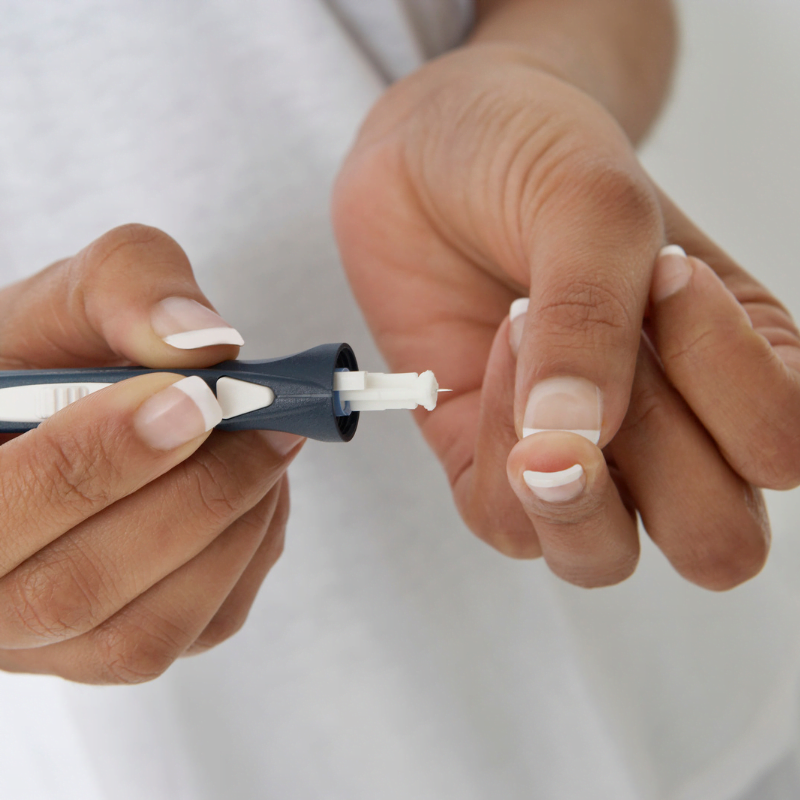
1)Blood sugar monitoring: The effectiveness of your current treatment strategy can be assessed by regularly checking your blood sugar(glucose). It provides you advice on how to take care of your diabetes on a daily and occasionally even on daily basis. With a glucose monitor (CGM) , you can check your levels frequently to track your progress. The ideal blood sugar range for you will be chosen in consultation with your healthcare practitioner.

2)Oral diabetes drugs: Oral diabetes medications assist maintain blood sugar levels in persons with diabetes who still make some use of insulin, primarily those into type 2 diabetes and prediabetes. Oral medications may also be required for those with gestational diabetes.
There are numerous varieties, the most popular drug is metformin

3)Insulin: To maintain their health and control their diabetes, type 1 diabetes must inject synthetic insulin, Insulin may be needed by some type 2 diabetes. There are numerous varieties of synthetic insulin. They all begin to work differently and last in your body for various amounts of time. The four primary methods of ingesting insulin are rapid acting inhaled insulin, insulin pens, insulin pumps, and injectable insulin with a syringe(shot).

4) Diet: Considering how significantly food affects blood sugar levels, meal planning and selecting a balanced diet and important components of managing diabetes. An important aspect of managing diabetes if you take insulin is keeping track of the carbs in your diet. Your need for insulin during meals is influenced by the quantity of carbohydrates you consume. Additionally, healthy diet can lower your chance of developing heart disease and help you control your weight.

5)Exercise: Since exercise improves insulin sensitivity(and lowers insulin resistance),it is crucial for all diabetes to regularly engage in physical activity. As a result of the elevated risk for heart disease, its also critical to keep healthy;
1)Weight.
2)Cholesterol.
3)Blood pressure.
Importance of HbA1c in diabetes management.
Measuring your fasting and random blood sugar is not enough to check on your diabetes. Although, monitoring blood glucose levels when fasting and after meals is crucial, these tests can only measure your blood sugar at a specific period. Depending on what you ate the night before or at the proceeding meal, your findings may differ. The HbA1c test however examines the 3-month data.
HbA1c values for people with diabetes provide a good indication of how well their diabetes is controlled. According to scientific data, a lower Hba1c value indicates a lower risk of developing diabetic complications. Raised Hba1c values in individuals with or without diabetes have also been recognized as a stand alone risk factor for heart disease and stroke.
An Hba1c test requires no specific preparations, unlike fasting or past meal blood sugar. No need to observe a fast. Any time of day is acceptable for providing a test sample.
In general, HbA1c levels typically be checked every three months in persons with diabetes and pre-diabetes. An HbA1c test should be performed every six months, if you are healthy but have a family history of diabetes or believe your lifestyle makes you more likely to acquire diabetes. The frequency of your medical tests can be determined by controlling a health practitioner
.
Prevention of Diabetes.
Diabetes in its autoimmune and hereditary variants cannot be prevented. But there are several actions you can take to reduce your chance of getting gestational diabetes, type 2 diabetes and prediabetes such as:
1)Embrace a healthy diet.
2)Engage in atleast 3 months workout for 5 days in a week.
3)Work toward achieving a healthy weight.
4)Stress management.
5)Consume alcohol in moderation.
6)Get enough rest(usually 7-9 hours) and seek help if you have issues sleeping.
7)Stop using Tobacco.

Diabetes and its Natural Remedies

Diabetes is a lifelong condition that affects the blood sugar and insulin levels in the body. Treatments include lifestyle strategies and sometimes medication, but some complementary therapies, such as herbs and supplements, may help.

In diabetes, the body either does not produce enough insulin, or it produces insulin that it does not use effectively.

Herbs and supplements cannot cure diabetes and or be a standalone treatment. But some, in combination with conventional treatment, may provide relief from diabetes symptoms and reduce the risk of complications.

In this article, learn about seven herbs and supplements that may benefit people with type 2 diabetes.

1. Aloe vera

Aloe vera is a common plant with various uses. Many people are aware of its benefits for the skin, but it may have others, including slowing the progress of type 2 diabetes.

One review, published in 2013, looked at the use of aloe vera to treat symptoms of diabetes in rats. The findings suggested that aloe vera might help protect and repair the beta cells in the pancreas that produce insulin. The researchers believed that this might be due to aloe’s antioxidant effects.

A 2016 study showed that aloe vera may help lower levels of both fasting blood glucose and hemoglobin A1C. The A1C test is one test that helps doctors diagnose and monitor diabetes.
The authors of a 2020 review found other evidence to support the earlier findings and also concluded that aloe vera may help:

  • increase insulin levels
  • boost the health and number of related cells in the pancreas

    called islets

  • protect against diabetic kidney disease, depression, and anxiety by reducing oxidative stress
  • boost eye health, as seen in one rodent study

These results appear promising. But ensuring that aloe vera is safe and effective for people with diabetes will
require further research.

People who use aloe vera may add juiced pulp to a drink such as a smoothie or take it as a supplement in capsules. People should not ingest aloe vera skin care products.

Anyone interested in using aloe vera products to help treat diabetes should speak with a healthcare professional, who may need to adjust current medications accordingly.

2. Cinnamon

Cinnamon is a fragrant spice that comes from the bark of a tree. It is a popular ingredient in sweets and baked goods, as well as some savory dishes.

This spice may add sweetness to a dish, limiting the need for sugar. It is popular among people with type 2 diabetes for this reason alone, but it may also have other benefits.

A 2010 study found evidence from studies in humans that cinnamon may improve levels of:

  • glucose insulin and insulin sensitivity
  • lipids,orfats,intheblood
  • antioxidants
  • bloodpressure
  • leanbodymass
  • digestion

In another study, published in 2013, researchers concluded that taking a cinnamon supplement might lead to:

  • lower fasting blood glucose levels
  • less total cholesterol and “bad” low-density lipoprotein cholesterol
  • higher levels of “good” high-density lipoprotein cholesterol
  • a reduction in triglycerides, or fat, in the blood
  • increased insulin sensitivity

It did not appear to have a significant impact on hemoglobin A1C. But while hemoglobin A1C is one marker that doctors look at when monitoring diabetes, the levels of lipids, cholesterol, and insulin sensitivity are also important.

In both investigations, the researchers noted that the results may depend on:

  • the type of cinnamon, as different types contain different amounts of the active ingredient
  • the dosage of the supplement
  • individual responses
  • any other current medications

In addition, a 2019 review of 16 studies found evidence that cinnamon could help reduce fasting blood glucose and insulin resistance in people with prediabetes and type 2 diabetes.

It is important to note that, overall, most of the relevant studies did not involve human participants. There is a lack of evidence

about how cinnamon supplements might affect people, and before scientists can confirm the effects of cinnamon as a treatment, they need to carry out more research.

People might use cinnamon:

  • in baked goods
  • in teas
  • as a supplement

Anyone who is thinking of using cinnamon supplements should speak with a healthcare professional first.

3. Bitter melon

Momordica charantia, or bitter melon, is a medicinal fruit. People cook it and enjoy it in many dishes. And practitioners of traditional Chinese and Indian medicines have used bitter melon for centuries. More recently, researchers have been looking into its properties.

There is some evidence that bitter melon may help manage diabetes. In a 2020 study, 90 participants received either bitter melon extract or a placebo. Those who took the extract had lower fasting blood glucose levels after 12 weeks.

In addition, an earlier review observed that people have used many parts of the plant to help treat diabetes.

Taking bitter melon in the following forms may lead to reduced blood sugar levels in some people:

  • seeds
  • blended vegetable pulp
  • juice
  • supplements

Bitter melon can be an acquired taste, and taking supplements may make it more palatable.

Please note that there is not enough evidence to support using bitter melon instead of insulin or other medications for diabetes. However, it may help people rely less on those medications.

4. Milk thistle

People have long used milk thistle to treat different ailments, and especially as a tonic for the liver.

Silymarin, the extract from milk thistle that has received the most attention from scientists, is a compound with antioxidant and anti- inflammatory properties. These are what may make milk thistle a useful herb for people with diabetes.

Many results of investigations into the effects of silymarin have been promising, but not promising enough for experts to recommend the herb or its extract alone for diabetes care, according to a study published in 2016.

The authors of a 2018 study found modest evidence that milk thistle may help lower glucose levels in people with diabetes. They also warn that, while people generally tolerate the herb well, milk thistle may lead to nausea, diarrhea, and bloating.

As with any supplement, it is best to speak to a doctor before trying it.

5. Fenugreek

Fenugreek is a seed that may help lower blood sugar levels. It contains fibers and chemicals that help slow down the digestion of carbohydrates and sugar.

There is also some evidence that the seed may help delay or prevent the onset of type 2 diabetes. Findings of a 3- yearinvestigationpublished in 2015 noted that people with prediabetes were less likely to receive a diagnosis of type 2 diabetes while taking powdered fenugreek seed.

The study involved 66 people with diabetes who took 5 grams of the seed preparation twice a day before meals and 74 healthy participants who did not take it.

The researchers concluded that taking the seed preparation led to a reduction in blood sugar resulting from increased insulin levels. They also found that the preparation led to reduced cholesterol levels.

A person can:

  • Use fenugreek as an herb in cooking.
  • Add it to warm water and drink it.
  • Grind the seeds into a powder and consume it.
  • Opt for a fenugreek supplement in capsule form.

6. Gymnema

Gymnema sylvestre is an herb that comes from India. Its name means “sugar destroyer.”
A 2013 review found that people with type 1 or type 2 diabetes who took gymnema showed signs of improvement.

In people with type 1 diabetes who took the leaf extract for 18 months, fasting blood sugar levels fell significantly, compared with a group who received only insulin.

Other tests found that people with type 2 diabetes responded well to both the leaf and its extract over various periods. Some people had lower blood sugar levels and higher insulin levels.

Using either the ground leaf or leaf extract may be beneficial. But speak with a healthcare professional beforehand.

7. Ginger

Ginger is another herb that people have used for thousands of years in traditional medicines. People often use ginger to help treat digestive and inflammatory issues.

In 2015, a review found that it may also help treat diabetes. The researchers concluded that ginger lowered blood sugar levels but not blood insulin levels. As a result, they suggest that ginger may reduce insulin resistance in people with type 2 diabetes.

However, the way that ginger accomplished this was unclear, and the team called for more research to confirm the findings.

People can take ginger:

  • by adding it powdered or fresh and thinly sliced to raw or cooked dishes
  • brewed into tea
  • as a supplement in capsule form
  • by drinking it in ginger ale


Written by: Ore Okebukunola

Apple Cider Vinegar And Diabetes

According to scientists, apple cider vinegar has the potential to impact different types of diabetes in a variety of ways.

Some research draws a connection between apple cider vinegar and reduced blood glucose. This leads some people to believe that apple cider vinegar could provide benefits for people with diabetes who need to manage their blood glucose levels.

However, while apple cider vinegar is a low-risk addition to a diabetes diet, many studies on the vinegar are small and have reached mixed conclusions concerning its effects on blood sugar levels.

Most studies on apple cider vinegar have examined its potential to reduce blood sugar. A 2018 review examined both its long- and short-term effects and found that many results favoured the groups using vinegar, although often not by a significant margin. Groups had both main types of diabetes.

The review reports that apple cider vinegar caused a small, significant reduction in HbA1c results after 8–12 weeks. HbA1c levels reflect a person’s blood glucose levels over many weeks or months.

On a short-term basis, groups taking apple cider vinegar saw significant improvement in blood glucose levels 30 minutes after consuming the vinegar. However, the differences between the vinegar and control groups reduced after this time frame.

Other studies looked to identify the mechanisms behind this reduction in blood sugar level. One crossover, randomised study from 2015 suggested that apple cider vinegar may improve the way that the body absorbs blood sugar and increase insulin sensitivity in the skeletal muscle.

The mixed nature of research and the lack of recent studies into apple cider vinegar and type 1 diabetes make it difficult for doctors to recommend it as a complementary intervention for people with this type of diabetes.

However, taking apple cider vinegar is unlikely to cause serious harm. Always monitor levels to measure whether it works and make dietary adjustments accordingly.

People who wish to consume apple cider vinegar should dilute 1–2 tbs of apple cider vinegar in a large glass of water.

Drink it before meals or just before bedtime, when it has the greatest reducing impact on blood sugar.

As with most kinds of vinegar, a person should not consume undiluted apple cider vinegar. On its own, the vinegar can cause stomach irritation or damage tooth enamel.

Apple cider vinegar is also a versatile cooking ingredient. People can use it in salad dressings, marinades, sauces, and soups, and it works well with many types of meat and fish.

Cinnamon And Diabetes

Cinnamon is a sweet but pungent spice that is derived from the inner bark of the branches of wild

cinnamon trees, which grow in tropical areas across Southeast Asia, South America and the Caribbean.

Cinnamon is a blend of nutrients commonly used a spice. It can help regulate glucose metabolism in

diabetic people, but may also possess some toxic components.


Cinnamon is frequently treated as an anti-diabetic compound, since it reduces the rate at which glucose

enters the body. Not only does it help diabetics avoid blood sugar spikes, but it also improves glucose

use in the cell itself.

People with diabetes often face dietary restrictions to control their blood sugar and prevent

complications,

Over time, cinnamon can reduce fasting blood glucose, and potentially cholesterol levels as well.

Cinnamon does not need to be purchased specifically as a supplement, and can be found in grocery

stores. It does contain a liver toxin called coumarin, which can be harmful in high doses. Making

cinnamon tea can reduce the risk of coumarin poisoning, since the toxin is left behind in the leftover

sediment. Ceylon cinnamon, which is derived from a different plant species, has lower levels of

coumarin, which makes it a better supplement option.

The standard dose for anti-diabetic purposes is 2-4grams of cinnamon daily, taken with carbohydrate

containing meals.

Add to cart