
Eradication of H.Pylori….The Ulcer Bacteria!

Eradication of H pylori with both medication and natural remedies

Helicobacter pylori ( H. Pylori) are gram negative bacteria that infect the lining of the stomach. These bacteria cause peptic ulcer diseases and duodenal ulcers.
H.pylori caused gastric inflammation which can lead to superficial gastritis, ulcers, and even gastric cancer.

Treatment with Medications

Helicobacter pylori can be eradicated with the use of antibiotics; however, more than 1 agent has to be used in combination with either a proton pump inhibitor or bismuth to achieve eradication rates of 90% or greater.

According to several international guidelines:

  • The first-line therapy for treating H. pylori infection consists of a proton pump inhibitor (PPI) or ranitidine bismuth citrate, with any two antibiotics among amoxicillin, clarithromycin and metronidazole, given for 7-14 days. However, even with these recommended regimens, H. pylori eradication failure is still seen in more than 20% of patients. The failure rate for first-line therapy may be higher in actual clinical practice, owing to the indiscriminate use of antibiotics.
  • The recommended second-line therapy is a quadruple regimen composed of tetracycline, metronidazole, a bismuth salt and a PPI. The combination of PPI-amoxicillin-levofloxacin is a good option as second-line therapy. In the case of failure of second-line therapy, the patients should be evaluated using a case-by-case approach. European guidelines recommend culture before the selection of a third-line treatment based on the microbial antibiotic sensitivity. H. pylori isolates after two eradication failures are often resistant to both metronidazole and clarithromycin.
  • The alternative candidates for third-line therapy are quinolones, tetracycline, rifabutin and furazolidone; high-dose PPI/amoxicillin therapy might also be promising.

Antibiotics can cause side effect. Using natural treatment might be helpful in preventing these side effects, protecting the stomach, helping the body to better fight infection, and promoting overall good health.
As the natural treatment are unlikely to eradicate h.pylori entirely, people might choose to use them alongside conventional therapy.\

Natural treatments for H. pylori

Researchers have conducted a range of studies on natural approaches to treating H. pyloriinfections. Eight potential natural treatments include:

1. Honey

Honey is known for its antibacterial properties, and people have used it as a medicine since ancient times.

One study showed that Manuka honey suppressed the growth of H. pylori in gastric epithelial cells.

Other studies have demonstrated that honey has other anti-H. pylori properties, but more animal studies and clinical trials are needed to assess honey’s efficiency as a complementary or alternative treatment.

2. Aloe vera

Aloe vera is an herbal remedy used to treat a variety of illnesses, including:

  • constipation
  • detoxification
  • digestive health
  • wound-healing

In one study, the gel from inside the leaves of an aloe vera plant was effective in both inhibiting growth of and killing H. pylori strains, even those that were drug-resistant in a laboratory environment.

This suggests that aloe vera could be effective against H. pylori infection when used in combination with antibiotics.

3. Broccoli sprout

Sulforaphane, a compound found abundantly in broccoli sprout, has been shown to kill H. pylori.

Studies performed both in test tubes and on animal and human subjects have demonstrated the favorable effects of sulforaphane against H. pylori bacteria. Broccoli sprout also decreased gastric inflammation in H. pylori-infected mice.

4. Milk

Lactoferrin, a glycoprotein found in both human and cow’s milk, has shown inhibitory activity against H. pylori. One study used a combination of antibiotics and lactoferrin from cow’s milk, which resulted in a 100 percent eradication rate of H. pylori in 150 affected people.

Also, a compound called melanoidin appears to inhibit the growth of H. pylori bacteria. Melanoidin is a compound formed by a chemical reaction between the sugar lactose and a protein called casein in milk and dairy products. Research has shown that melanoidin suppresses H. pylori colonization in both mice and humans.

5. Lemongrass oil

People must not ingest essential oils. Instead, they can inhale them and use them as part of an aromatherapy approach. According to studies carried out on humans and animals, lemongrass essential oil inhibits the growth of H. pylori.

In a study on mice, the density of H. pylori colonization in the stomach was significantly reduced compared to mice not treated with lemongrass oil.

6. Green tea

Green tea is one of the healthiest and most widely consumed beverages in the world. It contains many antioxidants and nutrients.

In an animal study, green tea decreased both the number of bacteria and the inflammation score of H. pylori-infected mice. However, researchers found that mice that received green tea before infection achieved better results.

7. Probiotics

According to the Food and Agriculture Organization, probiotics are live microorganisms that offer health benefits to people. Interest in probiotics as a treatment for H. pylori is increasing.

There are numerous types of probiotics. Many people use Bifidobacterium, which is found in dairy and fermented products, to prevent gastrointestinal infection.

Research has shown that Bifidobacterium exerts its effect against H. pylori by competing with the bacteria to stick to the mucous lining of the stomach.

8. Phototherapy

Research suggests that H. pylori bacteria are sensitive to ultraviolet light. During phototherapy, an ultraviolet light source illuminates the whole stomach.

Phototherapy has been shown to reduce the number of bacteria in the stomach significantly. However, the bacteria will repopulate a few days after illumination.

While phototherapy is not a complete fix, it may have the potential to become an effective treatment against H. pylori, particularly for people who cannot take antibiotics.

Reference: Wemed, MedicalNewsToday

Written by: Ruth Olusegun
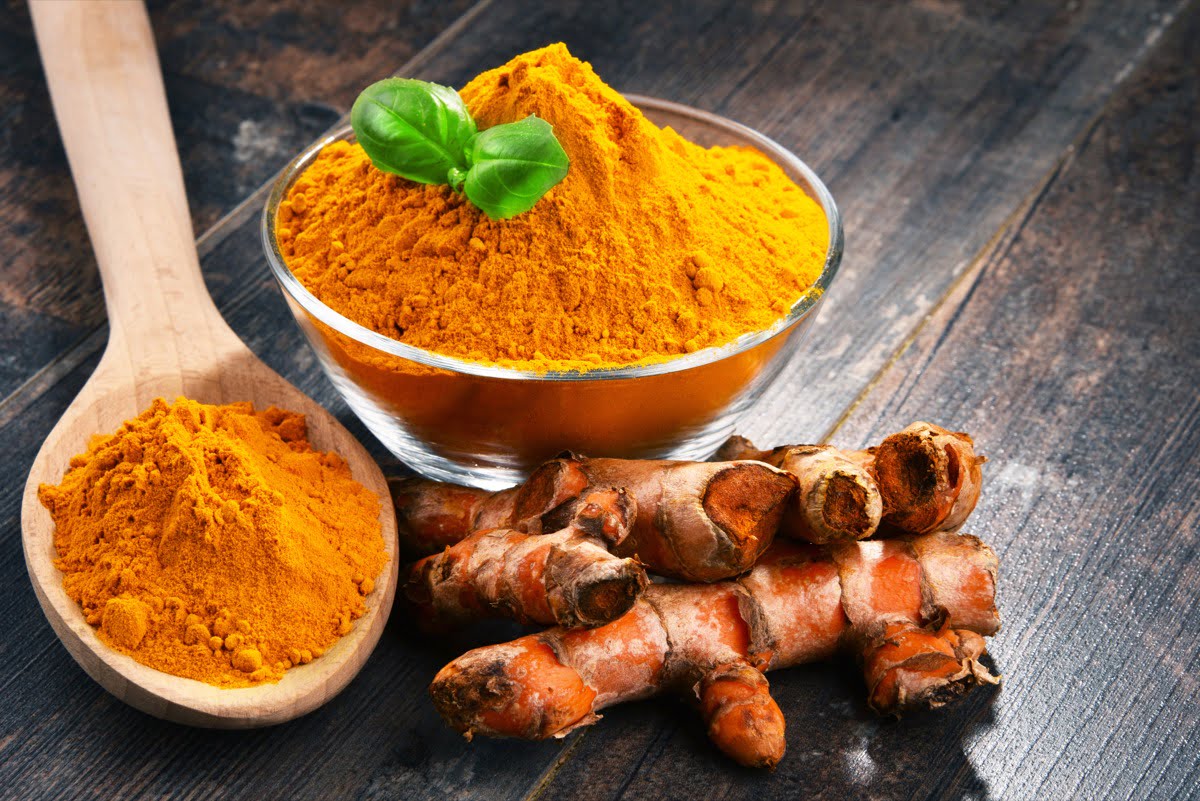
Amazing Benefits of Turmeric!

The turmeric on shelves and in spice cabinets is made of the ground roots of the plant. The bright yellow color of processed turmeric has inspired many cultures to use it as a dye. Ground turmeric is also a major ingredient in curry powder.

Capsules, teas, powders, and extracts are some of the turmeric products available commercially.

Curcumin is the active ingredient in turmeric, and it has powerful biological properties. Ayurvedic medicine, a traditional Indian system of treatment, recommends turmeric for a variety of health conditions. These include chronic pain and inflammation. Western medicine has begun to study turmeric as a pain reliever and healing agent.

While turmeric is a flavorsome spice that is nutritious to consume, it has also traditionally been used in Ayurvedic and Chinese medicine to treat inflammatory conditions, skin diseases, wounds, digestive ailments, and liver conditions.

✓ Anti-inflammatory properties
This anti-inflammatory ability might reduce the aggravation that people with arthritis feel in their joints.

The foundation suggests taking turmeric capsules of 400 to 600 milligrams (mg) up to three times per day for inflammation relief.

✓Pain relief
Turmeric is thought of as a pain reliever. The spice is reputed to relieve arthritis pain as well.

✓Improving liver function

The antioxidant effect of turmeric appears to be so powerful that it may stop your liver from being damaged by toxins.

✓ Possibly reducing the risk of cancer.

✓ Improves gut inflammation
Turmeric can help with gut inflammation and gut permeability, two measures of digestive efficiency.

✓ The spice is even being explored as a treatment for irritable bowel syndrome (IBS).

Turmeric adds flavor to food, which explains its presence in curry powder. However, turmeric can also play an important role in digesting that food.

The spice can contribute to healthy digestion as a result of its antioxidant and anti-inflammatory properties.


Written by: Chiamaka Nwoko

Cranberry and its healthy benefits!

Cranberry ? is a small, hard, round, red fruit with a flavor that may be described as both bitter and sour. It is a popular super food that can be consumed in form of sauce or a juice. Cranberry is considered a super food due to its high nutrients and antioxidant content.
They’re also high in anthocyanins. These are the compounds that gives cranberry their dark color and they have anti-inflammatory and anti-cancer effects. They also
– Protect against liver disease.
– Improve eyesight ? .
– Improve cardiovascular health.
– Lowers blood pressure.

Nutrients in cranberry help to lower risk of urinary tract infection (UTI). This includes children or women who get them often.
UTI is a bladder infection that may cause pelvic pain, increased urge to urinate, pain with urination, blood in urine, foul smelling urine, cloudy urine, sense of incomplete bladder emptying etc.

Cranberry can also help with gut health. It can help put good bacteria back into your digestive system. They also reduce bile acids in the gut that have a link to colon and gastrointestinal cancer.

Cranberry extract is a great option for people who want to experience some of the health benefits of cranberries without having to eat them everyday.

In conclusion, cranberry extract is worth trying for those who get frequent urinary tract infection (UTI)!


Written by: Chiamaka Nwoko.

Understanding Ulcer!

Peptic Ulcer is a sore on the lining of your Stomach or in the first part of your Small Intestine (duodenum). If this sore occurs in your stomach, it is referred to as a Gastric ulcer and if it occurs in your Duodenum, it is called a Duodenal Ulcer. Gastric and duodenal ulcers are types of Peptic ulcers and a peptic ulcer can also occur in the Oesophagus. When a person develops Chronic Peptic Ulcers, the condition is referred to as Peptic Ulcer Disease. Care must be taken to differentiate Peptic Ulcer Disease from Gastro-Esophageal Reflux Disease (GERD) that occurs when stomach acid flows into the food pipe and irritates the lining of the GIT. GERD is acid reflux and heartburn occurring more than twice a week, usually self-diagnosed, treatable by a medical Professional and rarely requires lab tests or imaging. Symptoms include a burning pain in the chest which usually occurs after eating, and worsens when lying down.

A healthy Gastro Intestinal Tract (GIT) usually has a layer of mucus coating that protects against acid deterioration, and if mucus decreases, or acid increases, then an ulcer could result. More often than not, ulcers are associated with infection by the Gram negative bacterium –  Helicobacterpylori. This organism is transmissible through food, water and close human contact. Other predisposing factors include Hyper secretory conditions like existing tumours; Genetic factors (when a first degree relative has had ulcer); Emigrant from a developing nation; Lifestyle factors such as smoking, alcohol and stressing; and chronic use of Non-Steroidal Anti-Inflammatory Drugs (NSAIDS) such as Aspirin.

SYMPTOMS

This includes a burning pain sensation in your gut, about halfway between the navel and the breastbone, pain or discomfort 2-3 hours after eating (duodenal ulcer), pain or discomfort 30 minutes after eating (gastric ulcer), pain that wakes you up at night and is eased by eating, drinking or taking antacids, blood in stool or vomit, nausea, retching and vomiting.

DIAGNOSIS

If your doctor suspects you have ulcer he will most likely order a blood test to identify Helicobacter pylori, stool antigen test, urine based ELISA and rapid urine test. He may request an endoscopy, do a barium study and, or a urease breath test or a biopsy.


NATURAL REMEDIES

  • Eat smaller meals at regular meal times, eat slowly and chew food properly, Eat dinner 3-4 hours before bed.
  • Eat or take ulcer healing foods such as: Cabbage juice, Cold cucumber smoothie, Honey, Turmeric, Garlic, Liquorice, Chilli peppers, Aloe Vera juice, water melon seed extract, bananas, sugar cane and Probiotics.
  • Finally, avoid prolonged hunger states and snack between meals on bananas, cold cucumber and sugar cane to mention a few.


SOURCE

  • everydayhealth.comwww.uofmhealth.org>health-library
  • Google search
  • hopkinsmedicine.org
  • medscape.com
  • ncbi.nlm.nih.gov/book
  • ridgedalesurgerycentre.com
  • www.mayoclinic.org
Add to cart