The Crucial Role Of Nutrition In Managing Hypertension

Introduction

Hypertension, or high blood pressure, affects millions worldwide and is a significant risk factor for cardiovascular disease. While medication is necessary, research increasingly highlights the pivotal role of nutrition in managing hypertension. This article explores the impact of dietary choices on blood pressure regulation and offers practical guidance for incorporating nutrition into hypertension management.
Hypertension occurs when the force of blood against the artery walls is consistently too high. Over time, this can lead to serious health complications, including heart disease, stroke, and kidney failure. Lifestyle factors, including diet, play a central role in the development and management of hypertension.

The Influence of Nutrition on Blood Pressure
Numerous studies have demonstrated the profound impact of diet on blood pressure levels. High intake of sodium, commonly found in processed and restaurant foods, has been linked to hypertension. Conversely, diets rich in fruits, vegetables, whole grains, and lean proteins can help lower blood pressure.

Key Nutrients for Blood Pressure Control
Potassium, magnesium, and calcium are essential nutrients that play a vital role in blood pressure regulation. Potassium-rich foods, such as bananas, sweet potatoes, and leafy greens, help counteract the effects of sodium and promote healthy blood pressure levels. Magnesium, found in nuts, seeds, and whole grains, supports blood vessel relaxation, while calcium helps maintain proper muscle function, including the muscles surrounding blood vessels.

The DASH Diet
One dietary approach specifically designed to lower blood pressure is the Dietary Approaches to Stop Hypertension (DASH) diet. This eating plan emphasizes fruits, vegetables, whole grains, lean proteins, and low-fat dairy while limiting sodium, sweets, and red meat. Studies have shown that adhering to the DASH diet can significantly reduce blood pressure levels.

Practical Tips for Hypertension Management Through Nutrition
– Read food labels and choose low-sodium options whenever possible.
– Increase consumption of potassium-rich foods, such as bananas, oranges, spinach, and avocados.
– Incorporate magnesium sources into your diet, including nuts, seeds, legumes, and whole grains.
– Consume calcium-rich foods like low-fat dairy, tofu, and leafy greens.
– Limit alcohol intake and avoid excessive consumption of processed and sugary foods.

Conclusion
Nutrition plays a crucial role in managing hypertension and reducing the risk of associated complications. By adopting a diet rich in fruits, vegetables, whole grains, and lean proteins while minimizing sodium and processed foods, individuals can take proactive steps towards better blood pressure control. Combined with regular physical activity and medical supervision, dietary modifications offer a powerful tool for optimizing cardiovascular health and overall well-being.

References
– Appel, L.J. et al. (1997). A clinical trial of the effects of dietary patterns on blood pressure. New England Journal of Medicine, 336(16), 1117-1124.
– Appel, L.J. et al. (2005). Effects of comprehensive lifestyle modification on blood pressure control. Hypertension, 45(6), 912-918.
– Whelton, P.K. et al. (1997). Sodium, potassium, and blood pressure: interrelationships with age and race in a population-based sample. Hypertension, 17(1 Suppl), I15-24.
– Kass, L. et al. (2012). Effect of magnesium supplementation on blood pressure: a meta-analysis. European Journal of Clinical Nutrition, 66(4), 411-418.
– Houston, M.C. (2011). The role of magnesium in hypertension and cardiovascular disease. Journal of Clinical Hypertension, 13(11), 843-847.

Foot Care In Diabetic Patients

INTRODUCTION

Diabetes is a chronic condition characterized by high blood sugar levels that can lead to several complications, including neuropathy and poor circulation, especially in the feet. Proper foot care is essential for individuals diagnosed with diabetes to prevent serious complications such as ulcers and infections. This article provides a guide to foot care for diabetic patients, supported by relevant references.

Understanding the Risks

Diabetes-related neuropathy and poor circulation increase the risk of foot complications. According to the American Diabetes Association (ADA), neuropathy affects up to 60-70% of people with diabetes, leading to reduced sensation in the feet. Peripheral artery disease (PAD), a common complication of diabetes, can result in inadequate blood flow to the feet, impairing wound healing.

Daily Inspection

Regular foot examinations are recommended to detect problems early. The ADA advises diabetic individuals to inspect their feet daily for any signs of redness, blisters, cuts, sores, swelling, or changes in skin color or temperature. Early detection allows for timely intervention and prevents complications.

Proper Footwear

Choosing appropriate footwear is crucial for preventing foot problems. According to the National Institute of Diabetes and Digestive and Kidney Diseases, diabetic individuals should wear shoes that fit well and provide adequate support and protection. Specialized diabetic shoes or orthotic inserts may be necessary for those at higher risk.

Daily Hygiene

Maintaining proper foot hygiene helps prevent infections. The International Working Group on the Diabetic Foot recommends washing feet daily with mild soap and lukewarm water, followed by thorough drying, especially between the toes. Moisturizing dry skin with lotion can help prevent cracking and fissures.

Protecting Feet

Preventing injuries is essential for diabetic foot health. It is advised that diabetic individuals should wear shoes at all times to protect against cuts and injuries. Using sunscreen on exposed feet and avoiding extreme temperatures can also prevent damage.

Regular Professional Care

Routine foot care by healthcare professionals is essential for diabetic patients. Regular foot examinations by a podiatrist or healthcare provider are recommended especially for those with neuropathy or circulation problems. Professional treatment of foot issues reduces the risk of complications.

Managing Blood Sugar Levels

Optimizing blood glucose control is critical for preventing diabetic complications. It is importance to monitor blood sugar levels regularly while adhering to a healthy diet, engaging in physical activity, and taking prescribed medications as directed. Tight glycemic control reduces the risk of neuropathy and other diabetes-related complications.

Immediate Attention to Problems

Prompt treatment of foot problems is essential to prevent complications. Individuals diagnosed with diabetes are advised to seek medical attention for any foot issues, no matter how minor they may seem. Delayed treatment can lead to serious complications, including foot ulcers and infections.

Medications and Topical Treatments

In addition to preventive measures and professional care, diabetic individuals may benefit from certain medications and topical treatments to maintain foot health. Topical creams and balms containing ingredients such as urea or salicylic acid can help soften and exfoliate dry, rough skin, reducing the risk of cracks and fissures. According to a study published in the Journal of the American Podiatric Medical Association, the use of urea-based creams can improve skin hydration and reduce callus formation in diabetic patients. Additionally, antimicrobial creams or ointments may be prescribed to prevent or treat minor skin infections, especially for those with compromised immune systems or neuropathy.
Supplements can also play a supportive role in foot care for diabetics by promoting circulation, nerve health and wound healing. Examples include;
• Alpha-lipoic acid: May help reduce nerve damage and improve blood sugar control
• Omega -3 fatty acids: Can reduce inflammation and improve circulation.
• Vitamin D: Important for nerve health and immune function.
• Magnesium: Helps regulate blood sugar levels and support nerve functioning.
• Vitamin B12: Essential for nerve health and may reduce neuropathy symptoms.
• Coenzyme Q10: Supports circulation and aids wound healing.

Conclusion

Proper foot care is paramount for diabetic individuals to prevent complications and maintain overall health. By following the guidelines outlined in this article and seeking professional care when needed, individuals with diabetes can reduce the risk of foot-related complications and improve their quality of life.

References

1. American Diabetes Association. (n.d.). Foot Complications. Retrieved from https://www.diabetes.org/diabetes/complications/foot-complications
2. American Heart Association. (2020). Peripheral Artery Disease (PAD) and Diabetes. Retrieved from https://www.heart.org/en/health-topics/peripheral-artery-disease/peripheral-artery-disease-pad-and-diabetes
3. National Institute of Diabetes and Digestive and Kidney Diseases. (2017). Diabetic Neuropathies: The Nerve Damage of Diabetes. Retrieved from https://www.niddk.nih.gov/health-information/diabetes/overview/preventing-problems/foot-problems
4. International Working Group on the Diabetic Foot. (2019). IWGDF Guidelines on the Prevention and Management of Diabetic Foot Disease 2019. Retrieved from https://iwgdfguidelines.org/wp-content/uploads/2019/05/IWGDF-Guidelines-2019.pdf
5. Centers for Disease Control and Prevention. (2020). Prevent Diabetes Problems: Keep Your Feet and Skin Healthy. Retrieved from https://www.cdc.gov/diabetes/ndep/pdfs/complications_english.pdf
6. American Podiatric Medical Association. (n.d.). Diabetes & Your Feet. Retrieved from https://www.apma.org/patients/foot-conditions/foot-health-resources/diabetes-foot-care
7. American Diabetes Association. (2022). Standards of Medical Care in Diabetes. Retrieved from https://care.diabetesjournals.org/content/45/Supplement_1
8. Landsman, A. S., Sahni, D., & Kumar, S. (2009). Topical Urea for Diabetic Foot Callus Reduction: A Prospective, Randomized, Controlled, Single-Blind Pilot Study. Journal of the American Podiatric Medical Association, 99(5), 407-413. doi:10.7547/0980407

Written by Miss Egede Gabriella.

The Sleep Revolution: Unlocking the Secrets to Optimal Sleep and Its Impact on Health

Introduction:
In our fast-paced modern world, where productivity often takes precedence over rest, sleep has emerged as a critical yet often overlooked pillar of health and wellbeing. Despite its importance, many individuals struggle to attain restful sleep, leading to a cascade of negative consequences for physical, mental, and emotional health. This article delves into the significance of sleep, explores the factors contributing to sleep disturbances, and offers insights into how we can unlock the secrets to optimal sleep for improved overall health.

Understanding the Importance of Sleep:
Sleep is a fundamental physiological process that is essential for the maintenance of homeostasis and the restoration of bodily functions. During sleep, the body undergoes a series of complex processes that facilitate tissue repair, memory consolidation, hormone regulation, and immune function. Adequate sleep is crucial for cognitive function, mood regulation, and overall vitality, serving as a cornerstone of optimal health and wellbeing.

Despite its importance, sleep deprivation has become increasingly prevalent in modern society, with surveys indicating that a significant portion of the population fails to obtain the recommended 7-9 hours of sleep per night. This chronic sleep insufficiency has been linked to a myriad of health issues, including obesity, diabetes, cardiovascular disease, depression, anxiety, and impaired immune function.

Identifying Factors Contributing to Sleep Disturbances:
A multitude of factors can contribute to sleep disturbances, ranging from lifestyle habits and environmental influences to underlying medical conditions and psychological stressors. Common culprits include excessive screen time before bedtime, irregular sleep schedules, caffeine consumption, alcohol intake, and exposure to artificial light from electronic devices.

Moreover, sleep disorders such as insomnia, sleep apnea, restless legs syndrome, and circadian rhythm disorders can significantly disrupt sleep patterns and impair overall quality of life. These disorders often require comprehensive evaluation and treatment by healthcare professionals to address underlying causes and alleviate symptoms.

Unlocking the Secrets to Optimal Sleep:
Fortunately, there are several strategies that individuals can employ to optimize their sleep and promote overall health and wellbeing:

1. Establish a Consistent Sleep Schedule: Maintain a regular sleep-wake cycle by going to bed and waking up at the same time each day, even on weekends.
2. Create a Relaxing Bedtime Routine: Wind down before bed with calming activities such as reading, meditation, or gentle stretching to signal to your body that it’s time to sleep.
3. Create a Sleep-Inducing Environment: Make your bedroom conducive to sleep by keeping it cool, dark, and quiet, and investing in a comfortable mattress and pillows.
4. Limit Stimulants and Electronic Devices: Avoid caffeine, nicotine, and heavy meals close to bedtime, and minimize exposure to screens emitting blue light, which can disrupt melatonin production.
5. Prioritize Physical Activity: Engage in regular exercise during the day, but avoid vigorous activity close to bedtime, as it can increase alertness and delay sleep onset.
6. Manage Stress and Anxiety: Practice stress-reduction techniques such as deep breathing, progressive muscle relaxation, or mindfulness meditation to calm the mind and promote relaxation.
7. Seek Professional Help When Needed: If sleep problems persist despite lifestyle modifications, consult a healthcare provider or sleep specialist for evaluation and personalized treatment recommendations.

Conclusion:
In an era marked by chronic sleep deprivation and its associated health consequences, prioritizing sleep has never been more important. By understanding the significance of sleep and adopting healthy sleep habits, we can unlock the secrets to optimal sleep and reap the numerous benefits it offers for physical, mental, and emotional wellbeing. Let us embrace the sleep revolution and reclaim our right to restorative and rejuvenating sleep for a healthier, happier life.

Written by: Pharm Omojo Uhiah

The Gut-Brain Connection: How Your Gut Health Impacts Mental Wellbeing

Introduction:
In recent years, scientific research has increasingly highlighted the intricate relationship between the gut and the brain, shedding light on the profound impact that gut health can have on mental wellbeing. This burgeoning field of study, known as the gut-brain axis, explores the complex network of communication between the gastrointestinal tract and the central nervous system, revealing surprising connections between digestive health, mood disorders, and cognitive function. This article delves into the latest findings in gut-brain research, exploring the mechanisms underlying this connection and its implications for holistic health and wellness.

The Gut Microbiota: Guardians of Gut Health
At the heart of the gut-brain axis lies the gut microbiota, a vast ecosystem of trillions of microorganisms that inhabit the digestive tract. These include bacteria, viruses, fungi, and other microbes, collectively known as the gut microbiome. Emerging research has shown that the composition and diversity of the gut microbiota play a crucial role in maintaining digestive health, regulating immune function, and influencing neurological processes.

Studies have demonstrated that a balanced and diverse gut microbiome is associated with improved mood, cognitive function, and stress resilience, while disruptions to the microbiota composition, known as dysbiosis, have been linked to an array of mental health disorders, including depression, anxiety, and even neurodegenerative diseases like Alzheimer’s.

The Gut-Brain Communication Highway
The communication between the gut and the brain occurs through various pathways, including the vagus nerve, neurotransmitters, immune signaling molecules, and microbial metabolites. For example, the vagus nerve serves as a bi-directional communication channel, transmitting signals between the gut and the brainstem, influencing mood, appetite, and stress response.

Moreover, the gut microbiota produce a vast array of neuroactive compounds, such as serotonin, dopamine, and gamma-aminobutyric acid (GABA), which play key roles in regulating mood, cognition, and behavior. Imbalances in these neurotransmitters, often associated with gut dysbiosis, have been implicated in the development of psychiatric disorders.

In addition, the gut microbiota produce metabolites, such as short-chain fatty acids (SCFAs) and lipopolysaccharides (LPS), which can cross the blood-brain barrier and modulate neuroinflammation, oxidative stress, and neuronal function. Dysregulation of these pathways has been implicated in the pathogenesis of mood disorders and neurodegenerative diseases.

The Impact of Diet and Lifestyle on Gut Health and Mental Wellbeing
Diet and lifestyle factors play a significant role in shaping the composition and function of the gut microbiota, thereby influencing the gut-brain axis. A diet rich in fiber, fruits, vegetables, and fermented foods promotes microbial diversity and produces beneficial metabolites that support gut health and mental wellbeing.

Conversely, a diet high in processed foods, sugar, and saturated fats can disrupt the gut microbiota, promote inflammation, and exacerbate symptoms of depression and anxiety. Moreover, lifestyle factors such as stress, sleep deprivation, and sedentary behavior have been shown to negatively impact gut health and increase susceptibility to mental health disorders.

Harnessing the Power of Gut Health for Mental Wellness
Given the intimate connection between gut health and mental wellbeing, there is growing interest in leveraging interventions targeting the gut microbiota as novel therapeutic approaches for mental health disorders. This includes probiotics, prebiotics, dietary modifications, and lifestyle interventions aimed at restoring microbial balance and optimizing gut-brain communication.

Additionally, emerging research suggests that mind-body practices such as mindfulness meditation, yoga, and tai chi may exert beneficial effects on gut health and mental wellness by reducing stress, promoting relaxation, and modulating the gut microbiota.

Conclusion:
The gut-brain connection represents a fascinating frontier in understanding the intricate interplay between the mind and body. By recognizing the profound influence of gut health on mental wellbeing, we can adopt a more holistic approach to health and wellness that encompasses not only traditional psychiatric interventions but also lifestyle modifications and dietary interventions aimed at nurturing the gut microbiome. Through further research and exploration, we can unlock the potential of the gut-brain axis as a promising avenue for promoting mental resilience and improving quality of life.

Written by: Pharm Omojo Uhiah

Hypertension

HYPERTENSION MANAGEMENT!!!

By definition hypertension is sustained elevation in blood pressure where the benefit of intervention outweighs the risk. Hypertension management has seen several trends and advancements in recent years, with a focus on a more holistic and individualized approach. Some current trends in hypertension management include:

1. Personalized Treatment Plans: Healthcare providers are increasingly recognizing the importance of tailoring hypertension treatment plans to individual patients. This approach takes into account the patient’s unique risk factors, medical history, and lifestyle, allowing for more precise and effective management.

2. Lifestyle Interventions: Lifestyle modifications are becoming a cornerstone of hypertension management. These include dietary changes (such as the DASH diet, which is rich in fruits, vegetables, and low-fat dairy products), increased physical activity, stress reduction, and weight management. Lifestyle interventions are often recommended in conjunction with medication.

3. Combination Therapy: Many patients with hypertension require multiple medications to achieve their blood pressure goals. Combining medications from different classes can improve efficacy while minimizing side effects. Fixed-dose combination drugs are increasingly prescribed for convenience.

Choose Single Pill Combinations(SPCs) at any step. Start with dual combination therapy in most patients. For instance, ACE(angiotensin converting enzyme) inhibitors or ARB(angiotensin 2 receptor blockers) + CCB(calcium channel blockers) or Diuretic(water pill).

Start with mono-therapy only in selected patients, i.e Low risk hypertension and BP <150/95 mmHg, or high normal BP and very high CV risk, or frail patients and/or advanced age. Also, it’s worth noting that beta blockers(atenolol, metoprolol) can be used as mono-therapy or at any step of combination.

4. Home Blood Pressure Control: There is a growing emphasis on patients taking an active role in their care. This includes home blood pressure monitoring, which provides valuable data for both patients and healthcare providers. This allows for more frequent and convenient follow-up care.

Diagnosis of hypertension:

At the first visit measure blood pressure in both arms. If the difference in readings between arms is more than 15mmHg, repeat the measurements. If the difference in readings between arms remains more than 15mmg on the second measurement, measure subsequent blood pressures in the arm with the higher reading and document.

Patient Preparation:

* Have an empty bladder and rest quietly for at least 5 minutes.
* No coffee or smoking in last 30 mins.
* Do not talk or text. Sit with back supported and both feet flat on the floor. Legs should not be crossed.
* BP cuff should be placed on bare arm above antecubital fossa
* The arm with the cuff should be supported on a flat surface e.g table or a pillow if patient is lying face upwards.
* The machine should be placed at the level of the heart

These trends reflect a more comprehensive and patient-centered approach to hypertension management, with a focus on prevention, lifestyle, and individualized care to reduce the risk of cardiovascular complications. Healthcare providers are increasingly focusing on educating patients about the risks of hypertension and the importance of adherence to treatment plans. Patient engagement and understanding play a crucial role in managing hypertension effectively. Drug therapy is a common approach to managing hypertension (high blood pressure), and it typically involves the use of medications to lower blood pressure and reduce the risk of cardiovascular complications. However, some individuals may develop a condition known as resistant hypertension.

What is Resistant Hypertension?

Resistant hypertension is a subset of high blood pressure that doesn't respond adequately to treatment with conventional antihypertensive medications. It is diagnosed when a person's blood pressure remains above 140/90mmHg despite taking three different types of blood pressure medications, including a diuretic (water pill) at their highest doses. Several factors can contribute to resistant hypertension:

1. Medication Non-Adherence: Sometimes, patients may not take their prescribed medications as directed, leading to inadequate blood pressure control.

2. Secondary Hypertension: Underlying medical conditions, such as kidney disease, hormonal disorders, or obstructive sleep apnea, can contribute to high blood pressure and may be more challenging to treat.

3. Lifestyle Factors: Unhealthy lifestyle habits like a high-sodium diet, excessive alcohol consumption, and physical inactivity can worsen hypertension.

4. Medication Interactions: Some individuals may experience medication interactions that reduce the effectiveness of antihypertensive drugs.

5. Genetic Factors: Genetic predisposition can make certain people more resistant to the effects of blood pressure medications.

Drug Therapy for Resistant Hypertension:

When dealing with resistant hypertension, healthcare providers may employ various strategies:

1. Medication Adjustments: This may involve optimizing the dosage or type of existing medications or adding new classes of drugs to the treatment regimen.

2. Identifying Underlying Causes: Determining and addressing any underlying conditions contributing to hypertension, such as kidney disease or hormonal imbalances.

3. Lifestyle Modifications: Encouraging patients to make lifestyle changes like reducing salt intake, losing weight, exercising, and limiting alcohol consumption.

4. Medication Compliance: Ensuring that patients are adhering to their medication regimen and addressing any barriers to compliance.

5. Referral to Specialists: In some cases, a patient may be referred to a hypertension specialist or nephrologist for further evaluation and management.

It's essential for individuals with resistant hypertension to work closely with their healthcare providers to find the most effective treatment plan. Managing resistant hypertension often requires a combination of medications and lifestyle changes, and it can be a complex and ongoing process to achieve optimal blood pressure control and reduce the risk of cardiovascular complications.

Here's the correlation between hypertension management and drug therapy, as well as the concept of resistant hypertension:

1. Hypertension Management with Drug Therapy:
– Hypertension management often begins with lifestyle changes such as a healthy diet, regular exercise, weight control, and reduced sodium intake.
– If lifestyle modifications alone do not effectively control blood pressure, healthcare professionals may prescribe antihypertensive medications.
– There are various classes of antihypertensive drugs, including diuretics, beta-blockers, ACE inhibitors, angiotensin II receptor blockers (ARBs), calcium channel blockers, and others.
– The choice of medication depends on the individual's specific condition, as well as factors like age, underlying health conditions, and potential side effects.

2. Resistant Hypertension:
– Resistant hypertension is a condition where blood pressure remains elevated despite the use of three or more different antihypertensive medications at optimal doses, including a diuretic.
– Resistant hypertension can be classified into two main categories:
I. True Resistant Hypertension: This is when blood pressure remains high despite optimal therapy.
II. Pseudo-Resistant Hypertension: In some cases, high blood pressure may be related to factors such as poor medication adherence, white coat syndrome (elevated blood pressure in a medical setting), or secondary causes like kidney disease.

The correlation between hypertension management and drug therapy is that medications are often a crucial component of controlling blood pressure, especially when lifestyle changes are insufficient.
– For individuals with resistant hypertension, the correlation is more complex. Resistant hypertension may necessitate a more intensive drug therapy regimen, careful evaluation to identify underlying causes, and the addition of other medications or interventions.

In summary, hypertension management often involves drug therapy as part of a comprehensive treatment plan. For individuals with resistant hypertension, additional measures, investigations into potential underlying causes, and adjustments to drug therapy may be needed to achieve blood pressure control. It's crucial for individuals with resistant hypertension to work closely with their healthcare provider to find an effective treatment strategy.

7 Low-Sugar Fruits for Effective Diabetes Management

Introduction

Managing diabetes involves careful attention to your diet, and one key aspect is monitoring your sugar intake. While fruits are a healthy source of vitamins, minerals, and fiber, some fruits are higher in sugar than others. For individuals with diabetes, it’s important to choose fruits that are low in sugar to help maintain stable blood sugar levels. In this article, we’ll explore seven low-sugar fruits that can be incorporated into a diabetes-friendly diet.

1. Berries

Berries, such as strawberries, blueberries, raspberries, and blackberries, are excellent choices for people with diabetes. They are not only low in sugar but also packed with antioxidants, fiber, and vitamins. The fiber in berries helps slow down the absorption of sugar in the bloodstream, which can help prevent blood sugar spikes.

2. Avocado

Avocado is a unique fruit that is exceptionally low in sugar and high in healthy fats. These healthy fats, primarily monounsaturated fats, can help improve insulin sensitivity and keep blood sugar levels stable. Additionally, avocados are rich in fiber and various essential nutrients, making them an ideal addition to a diabetes-friendly diet.

3. Apples

Apples are a classic choice for a low-sugar fruit. They provide natural sweetness and are an excellent source of dietary fiber. The fiber in apples can help regulate blood sugar levels by slowing down the digestion and absorption of sugar. Just remember to consume them in moderation and avoid sugary apple-based products like apple juice or apple sauce.

4. Cherries

Cherries are another low-sugar fruit that can be included in a diabetes management plan. They have a unique combination of natural sweetness and antioxidants, which can help reduce inflammation and improve insulin sensitivity. Cherries are also relatively low on the glycemic index, meaning they have a minimal impact on blood sugar levels.

5. Kiwi

Kiwi is a tropical fruit that is not only low in sugar but also rich in vitamin C, fiber, and various phytonutrients. The fiber in kiwi can help stabilize blood sugar levels, while vitamin C supports overall health and immune function. Its unique combination of nutrients makes kiwi an excellent choice for individuals with diabetes.

6. Peaches

Peaches are a delicious summer fruit that is relatively low in sugar compared to many other fruits. They are also a good source of vitamins A and C, as well as dietary fiber. The fiber in peaches can help regulate blood sugar levels and promote a feeling of fullness, making them a satisfying and nutritious snack for people with diabetes.

7. Pears

Pears are a sweet and juicy fruit that can be enjoyed by individuals with diabetes in moderation. They are a good source of dietary fiber, vitamins, and minerals. The fiber in pears can help slow down the digestion of sugar, preventing rapid spikes in blood sugar levels. Opt for ripe pears for the best flavor and maximum sweetness.

Conclusion

Managing diabetes requires making thoughtful choices about the foods you consume, including fruits. These seven low-sugar fruits – berries, avocado, apples, cherries, kiwi, peaches, and pears – can be incorporated into a diabetes-friendly diet while helping to maintain stable blood sugar levels. Remember to monitor your portion sizes and consult with a healthcare professional or registered dietitian for personalized advice on managing diabetes through diet. By making informed choices, you can enjoy a variety of delicious fruits while keeping your blood sugar in check and supporting your overall health.

Six Health Conditions That Show Symptoms in Your Feet, from Diabetes to Heart Disease

Introduction

Our feet are remarkable and often overlooked indicators of our overall health. They carry us through life, and when something is amiss in our bodies, our feet can signal trouble. From diabetes to heart disease, several health conditions can manifest symptoms in our feet, making them essential for early detection and intervention. In this article, we will explore six health conditions that show symptoms in your feet, emphasizing the importance of regular foot examinations and overall health monitoring.

1. Diabetes

Diabetes is a chronic metabolic condition that affects how your body processes glucose (sugar). Uncontrolled diabetes can lead to peripheral neuropathy, a nerve disorder that affects the feet and causes symptoms such as tingling, burning, and numbness. Diabetic neuropathy can lead to complications like foot ulcers and infections, which may even necessitate amputation if left untreated.

Early detection is key to managing diabetic foot complications. Regular foot checks and proper diabetic care can help prevent serious issues from arising.

2. Peripheral Artery Disease (PAD)

Peripheral artery disease is a circulatory condition where narrowed arteries restrict blood flow to the extremities, including the feet. Symptoms may include cramping, pain, and numbness in the legs and feet, especially during physical activity. Wounds and sores on the feet may also take longer to heal due to reduced blood circulation.

Managing PAD involves lifestyle changes, medications, and sometimes, procedures to restore blood flow. Regular foot examinations can help identify PAD in its early stages, enabling timely intervention.

3. Heart Disease

Believe it or not, your feet can provide clues about your heart health. Reduced blood flow caused by cardiovascular problems can manifest as cold or discolored feet, or even thinning of the skin and hair loss on your toes. Pain in the legs, particularly during exercise, may also indicate poor circulation, which can be associated with heart disease.

While foot symptoms alone may not definitively diagnose heart disease, they can serve as an important signal for further evaluation of your cardiovascular health.

4. Gout

Gout is a type of arthritis caused by the buildup of uric acid crystals in the joints, often affecting the big toe. A gout attack can cause severe pain, swelling, and redness in the affected joint. The toe may become so tender that even the slightest touch can be excruciating.

Gout can be managed through lifestyle changes, medications, and dietary adjustments. Recognising the symptoms in your feet is crucial for seeking timely treatment and avoiding recurring flare-ups.

5. Kidney Disease

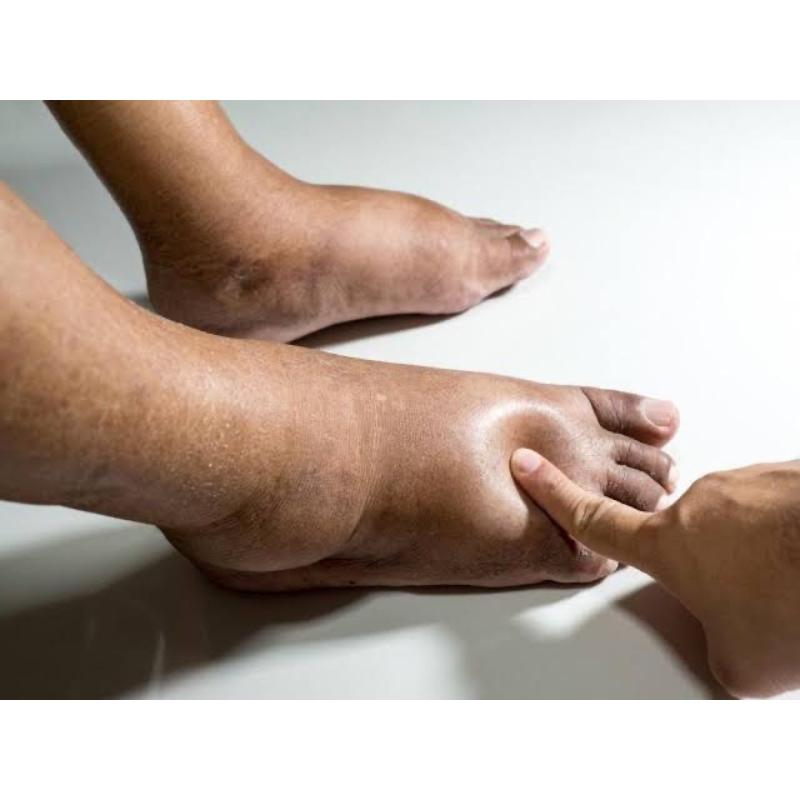
Kidney disease can impact various parts of the body, including the feet. Swelling in the ankles and feet (edema) is a common symptom of kidney dysfunction. Edema occurs when the kidneys are unable to effectively remove excess fluid and waste from the body.

If you notice persistent swelling in your feet and ankles, especially if it is accompanied by other symptoms like fatigue, high blood pressure, or changes in urination patterns, consult a healthcare professional to evaluate your kidney health.

6. Rheumatoid Arthritis (RA)

Rheumatoid arthritis is an autoimmune disorder that can affect multiple joints, including those in the feet. Symptoms in the feet may include pain, swelling, deformities, and difficulty moving the toes or ankles. If left untreated, RA can lead to joint damage and disability.

Early diagnosis and proper management are essential for preserving joint function. If you experience persistent foot pain or swelling, consult a rheumatologist for a comprehensive evaluation.

Conclusion

Our feet are more than just tools for mobility; they can be valuable indicators of our overall health. Recognizing and addressing symptoms in your feet promptly can lead to the early detection and management of various health conditions, from diabetes to heart disease. Regular foot examinations, in conjunction with an overall commitment to health and wellness, can help ensure that your feet continue to carry you through life with ease and comfort.

Unlocking the Power of Quality Sleep: A Comprehensive Guide to Better Health

Introduction

In the hustle and bustle of modern life, we often prioritize productivity over sleep. However, the undeniable truth is that sleep is not a luxury; it’s a necessity. Quality sleep plays a pivotal role in our overall health and well-being. In this comprehensive guide, we will delve into the critical connection between sleep quality and better health, as well as provide an in-depth exploration of practical tips to improve your sleep patterns.

The Importance of Quality Sleep

1. Physical Health

Quality sleep is the cornerstone of physical health. During sleep, our bodies engage in vital restorative processes. These include tissue repair, muscle growth, and the release of essential hormones that regulate growth, appetite, and immune function. Chronic sleep deprivation can result in a higher risk of obesity, type 2 diabetes, heart disease, and a weakened immune system.

2. Mental Well-being

The relationship between sleep and mental health is profound. Adequate sleep is essential for cognitive functions such as memory consolidation, emotional regulation, decision-making, problem-solving, and creativity. Conversely, insufficient sleep is closely linked to mood disorders like depression and anxiety.

3. Longevity

Quality sleep is a significant factor in determining longevity. Studies consistently demonstrate that individuals who consistently enjoy restorative sleep tend to live longer and experience fewer chronic health conditions. By prioritizing sleep, you may not only enhance your quality of life but also increase your lifespan.

Tips for Improving Sleep Quality

1. Create a Consistent Sleep Schedule

One of the most effective ways to improve sleep quality is to establish a regular sleep schedule. Aim to go to bed and wake up at the same times every day, even on weekends. This helps regulate your body’s internal clock, making it easier to fall asleep and wake up naturally.

2. Optimize Your Sleep Environment

Transform your bedroom into a haven for restful sleep. Ensure that the room is dark, quiet, and kept at a comfortable temperature. Investing in a high-quality mattress and pillows can also significantly improve your sleep comfort.

3. Limit Screen Time Before Bed

The blue light emitted by phones, tablets, and computers can interfere with the production of melatonin, the sleep-regulating hormone. To enhance sleep quality, avoid screens at least an hour before bedtime. Consider reading a book, taking a warm bath, or practicing relaxation exercises instead.

4. Mind Your Diet

Your eating and drinking habits play a crucial role in sleep quality. Avoid heavy meals, caffeine, and alcohol, especially in the hours leading up to bedtime. Opt for light, easily digestible snacks if you’re hungry before sleeping.

5. Get Regular Exercise

Regular physical activity can promote better sleep, but the timing matters. Aim for at least 30 minutes of moderate exercise most days of the week, but avoid vigorous workouts close to bedtime, as they can be stimulating and disrupt sleep.

6. Manage Stress

Stress and anxiety can be major sleep disruptors. Incorporate relaxation techniques into your daily routine, such as meditation, deep breathing exercises, or mindfulness practices. These activities can help calm your mind and prepare it for rest.

7. Limit Naps

While short power naps can be rejuvenating, long or irregular daytime naps can interfere with nighttime sleep quality. If you need to nap, keep it under 30 minutes and schedule it earlier in the day to minimize disruptions to your sleep cycle.

8. Seek Professional Help

If you’ve tried various strategies and still struggle with sleep issues, it may be time to consult a healthcare professional. They can help identify any underlying causes of your sleep problems and recommend appropriate treatments, which may include therapy or medication.

Conclusion

Quality sleep is the foundation of better health and a higher quality of life. By recognizing its paramount importance and implementing healthy sleep habits, you can enhance your physical and mental well-being, increase your longevity, and experience a more vibrant and fulfilling existence. Don’t underestimate the transformative power of a good night’s sleep—it’s an investment in your health and happiness that pays dividends every day. Commit to improving your sleep quality, and you’ll reap the rewards for years to come.

World Hepatitis Day 2023

Hepatitis is an inflammatory condition of the liver. It is commonly the result of viral infection, but there are other possible causes of hepatitis which includes autoimmune hepatitis and hepatitis that occurs as a secondary result of medications, drugs, toxins and alcohol. Autoimmune hepatitis is a disease that occurs when your body makes antibodies against your liver tissue.

FIVE MAIN VIRAL CLASSIFICATIONS OF HEPATITIS.

– Hepatitis A; This type of hepatitis is an acute short term disease.

– Hepatitis B; This is often an ongoing, chronic condition.

– Hepatitis C; This is among the most common blood borne viral infections and it presents as a long term condition.

– Hepatitis D; This is a rare form of hepatitis that only occurs in conjunction with hepatitis B infection. The hepatitis D virus causes liver inflammation.

-Hepatitis E; This is a waterborne disease. It is found in areas with poor sanitation and typically results from ingesting fecal matter that contaminates the water supply.

SYMPTOMS OF HEPATITIS

* Fatigue
* Flu-like symptoms
* Dark urine
* Pale stool
* Abdominal pain
* Loss of appetite
* Unexplained weight​

TREATMENT

Treatment to prevent hepatitis infection after exposure. If you know you’ve been exposed to the hepatitis virus and aren’t sure if you’ve been vaccinated, call your doctor immediately. An injection of immunoglobulin (an antibody) given within 12 hours of exposure to the virus may help protect you from getting sick with hepatitis. Because this treatment only provides short-term protection, you also should get the hepatitis vaccine at the same time, if you never received it.

Treatment for acute hepatitis infection If your doctor determines your hepatitis infection is acute — meaning it is short-lived and will go away on its own — you may not need treatment. Instead, your doctor might recommend rest, proper nutrition and plenty of fluids while your body fights the infection. In severe cases, antiviral drugs or a hospital stay is needed to prevent complications.

Treatment for chronic hepatitis infection Most people diagnosed with chronic hepatitis infection need treatment for the rest of their lives. Treatment helps reduce the risk of liver disease and prevents you from passing the infection to others. Treatment for chronic hepatitis may include:

*Antiviral medications. Several antiviral medications — including entecavir (Baraclude), tenofovir (Viread), lamivudine (Epivir), adefovir (Hepsera) and telbivudine (Tyzeka) — can help fight the virus and slow its ability to damage your liver. These drugs are taken by mouth.

*Interferon injections. Interferon alfa-2b (Intron A) is a man-made version of a substance produced by the body to fight infection. It’s used mainly for young people with hepatitis B who wish to avoid long-term treatment or women who might want to get pregnant within a few years, after completing a finite course of therapy. Interferon should not be used during pregnancy.

*Liver transplant, If your liver has been severely damaged, a liver transplant may be an option. During a liver transplant, the surgeon removes your damaged liver and replaces it with a healthy liver.

PREVENTION

There are many ways you can reduce your chances of getting hepatitis:

*Get the vaccines for hepatitis

*Use a condom during sex.

*Don’t share needles to take drugs.

*Practice good personal hygiene such as thorough hand-washing with soap and water.

*Don’t use an infected person’s personal items.

*Take precaution when traveling to areas of the world with poor sanitation. (Make sure to get your vaccines.)

*Drink bottled water when traveling.

*It is very important that you take preventive steps too if you work in places like nursing homes, dormitories, daycare centers, or restaurants where there you have extended contact with other people and a risk of coming into contact with the disease.

SUPPLEMENTS FOR HEPATITIS

Milk Thistle

Helps protect the liver cell and reduces inflammation that can damage the liver.

Curcumin

This is a chemical in turmeric, the spice that gives many curries their flavor and yellow hue. It can help the body fight inflammation.

Probiotics

These are beneficial bacteria that help maintain the health of the gut and aid in digestion.

Licorice Root

This root helps to slow the growth of liver cancer.


SAFETY IN HOMES AND WORK ENVIRONMENT

SAFETY IN HOMES AND WORK ENVIRONMENT.

Most of us are not cautious of our safety at our homes and work places. We all take it for granted.
Home and work safety involves taking time to inspect the home and work environment to discover hidden dangers that may increase the risk of injury or even death . Common hazards in the home and work place can lead to slips and falls, fires, accidental burns, electrocution and other injuries.

Personal protective equipment like gloves, shoes, masks, goggles, safe slippers and hard hats don’t have to be expensive but can save us from serious injury in the home and work places, so get into the habit of using them.

Home Safety Tips:
•Make sure that your security alarms are in working conditions
•Design an Emergency Exit Plan.
•Keep your doors closed and locked at all times.
•Keep medicines in a safe cabinet.
•Keep the floor as dry as possible to avoid slipping.
•Turn on security lights at night.
. Wear a dry pair of slippers when touching switches and electrical appliances.
. Know where the First Aid Kits are in your home and be sure to have one well refilled always.
. Ensure your have your Fire Extinguisher at appropriate points in your home.
•Make emergency toll free number boldly visible.(TOLL FREE NUMBER -112).

Safety Tips for The Workplace:
•Be aware of your surroundings at all times.
•Know where the First Aid Kits are at all times and refill appropriately.
•Take regular breaks.
•Always use equipment properly.
•Know where emergency exits are.
. Fire extinguishers must be checked regularly to ensure they have not expired.
Make emergency toll free number boldly visible (Toll Free Number 112).

The need for safety is very important as it would to a large extent reduce the accident rates at home, school and working place.

Add to cart