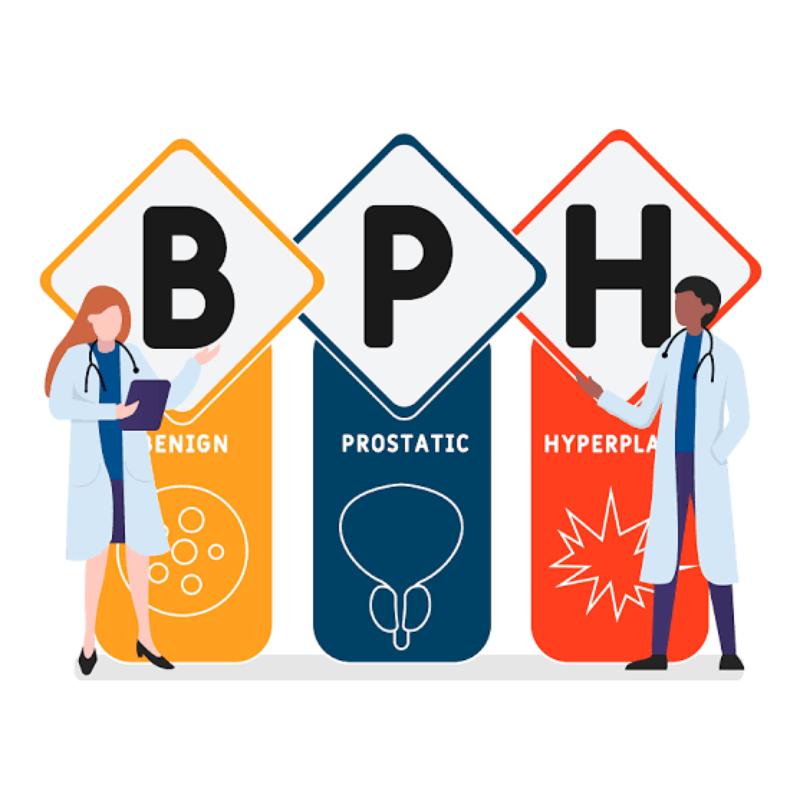
Benign Prostatic Hyperplasia (BPH)

Benign Prostatic Hyperplasia (BPH): Causes, Symptoms, and Treatment Options

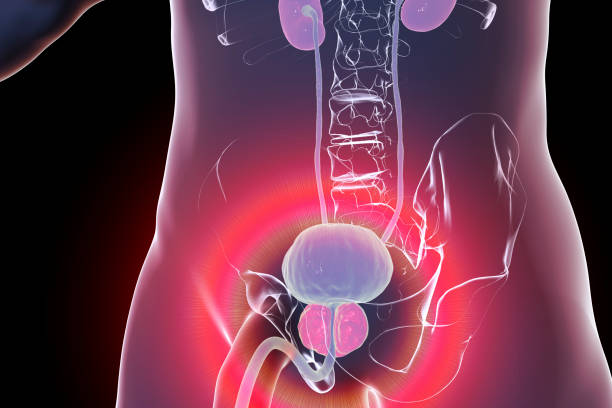
Benign Prostatic Hyperplasia (BPH), also known as enlarged prostate, is a common condition affecting millions of men worldwide especially the ones above 50 years.
It’s a non-cancerous growth of the prostate gland that can cause uncomfortable symptoms and impact daily life.

What is BPH?

BPH is a natural aging process where the prostate gland grows and expands, squeezing the urethra and affecting urine flow. The prostate gland surrounds the urethra, and its enlargement can obstruct urine passage.

Causes and Risk Factors

While the exact cause of BPH is unknown, several factors contribute to its development:

1. Aging: Risk increases after 50 years.
2. Family history: Having a close relative with BPH.
3. Obesity.
4. Diabetes.
5. Heart disease.
6. Sedentary lifestyle.
7. Certain medications (e.g., beta-blockers).

Symptoms

BPH symptoms vary in severity and may include:

1. Urinary frequency.
2. Urgency.
3. Weak or interrupted flow.
4. Straining to urinate.
5. Nocturia (frequent nighttime urination).
6. Blood in urine or semen.

Diagnosis

Diagnosing BPH involves:

1. Digital Rectal Exam (DRE): Physician examines prostate texture and size.
2. Prostate-Specific Antigen (PSA) test: Measures prostate enzyme levels.
3. Ultrasound: Evaluates prostate size and shape.
4. Urodynamic tests: Assesses urinary flow and pressure.
5. Cystoscopy: Visual examination of bladder and urethra.

Treatment Options

Treatment depends on symptom severity and patient health.

Conservative Management

1. Lifestyle modifications:
– Regular exercise.
– Healthy diet.
– Weight management.
– Stress reduction.
2. Medications:
– Alpha-blockers (e.g., tamsulosin).
– 5-alpha-reductase inhibitors (e.g., finasteride).

Surgical Options

1. Transurethral Resection of the Prostate (TURP).
2. Laser surgery (e.g., GreenLight).
3. Open prostatectomy.
4. Minimally invasive procedures (e.g., UroLift).

Alternative Therapies

1. Herbal supplements (e.g., saw palmetto, Selenium, Beta sitosterol, Soy isoflavones).
2. Acupuncture.
3. Naturopathic medicine.

Complications

Untreated BPH can lead to:
1. Urinary retention.
2. Bladder damage.
3. Kidney damage.
4. Prostate infections.
5. Bladder stones.

Prevention

Maintain a healthy lifestyle:
1. Regular exercise.
2. Balanced diet.
3. Weight management.
4. Stress reduction.
5. Regular check-ups.

Conclusion
BPH is a common condition affecting men’s quality of life. Understanding its causes, symptoms, and treatment options can help manage the condition effectively. Consult a healthcare professional for personalized advice and treatment.

Additional Resources

– American Urological Association (AUA)
– National Institute of Diabetes and Digestive and Kidney Diseases (NIDDK)
– Mayo Clinic

By Olamide Edet

Hypertension

HYPERTENSION MANAGEMENT!!!

By definition hypertension is sustained elevation in blood pressure where the benefit of intervention outweighs the risk. Hypertension management has seen several trends and advancements in recent years, with a focus on a more holistic and individualized approach. Some current trends in hypertension management include:

1. Personalized Treatment Plans: Healthcare providers are increasingly recognizing the importance of tailoring hypertension treatment plans to individual patients. This approach takes into account the patient’s unique risk factors, medical history, and lifestyle, allowing for more precise and effective management.

2. Lifestyle Interventions: Lifestyle modifications are becoming a cornerstone of hypertension management. These include dietary changes (such as the DASH diet, which is rich in fruits, vegetables, and low-fat dairy products), increased physical activity, stress reduction, and weight management. Lifestyle interventions are often recommended in conjunction with medication.

3. Combination Therapy: Many patients with hypertension require multiple medications to achieve their blood pressure goals. Combining medications from different classes can improve efficacy while minimizing side effects. Fixed-dose combination drugs are increasingly prescribed for convenience.

Choose Single Pill Combinations(SPCs) at any step. Start with dual combination therapy in most patients. For instance, ACE(angiotensin converting enzyme) inhibitors or ARB(angiotensin 2 receptor blockers) + CCB(calcium channel blockers) or Diuretic(water pill).

Start with mono-therapy only in selected patients, i.e Low risk hypertension and BP <150/95 mmHg, or high normal BP and very high CV risk, or frail patients and/or advanced age. Also, it’s worth noting that beta blockers(atenolol, metoprolol) can be used as mono-therapy or at any step of combination.

4. Home Blood Pressure Control: There is a growing emphasis on patients taking an active role in their care. This includes home blood pressure monitoring, which provides valuable data for both patients and healthcare providers. This allows for more frequent and convenient follow-up care.

Diagnosis of hypertension:

At the first visit measure blood pressure in both arms. If the difference in readings between arms is more than 15mmHg, repeat the measurements. If the difference in readings between arms remains more than 15mmg on the second measurement, measure subsequent blood pressures in the arm with the higher reading and document.

Patient Preparation:

* Have an empty bladder and rest quietly for at least 5 minutes.
* No coffee or smoking in last 30 mins.
* Do not talk or text. Sit with back supported and both feet flat on the floor. Legs should not be crossed.
* BP cuff should be placed on bare arm above antecubital fossa
* The arm with the cuff should be supported on a flat surface e.g table or a pillow if patient is lying face upwards.
* The machine should be placed at the level of the heart

These trends reflect a more comprehensive and patient-centered approach to hypertension management, with a focus on prevention, lifestyle, and individualized care to reduce the risk of cardiovascular complications. Healthcare providers are increasingly focusing on educating patients about the risks of hypertension and the importance of adherence to treatment plans. Patient engagement and understanding play a crucial role in managing hypertension effectively. Drug therapy is a common approach to managing hypertension (high blood pressure), and it typically involves the use of medications to lower blood pressure and reduce the risk of cardiovascular complications. However, some individuals may develop a condition known as resistant hypertension.

What is Resistant Hypertension?

Resistant hypertension is a subset of high blood pressure that doesn't respond adequately to treatment with conventional antihypertensive medications. It is diagnosed when a person's blood pressure remains above 140/90mmHg despite taking three different types of blood pressure medications, including a diuretic (water pill) at their highest doses. Several factors can contribute to resistant hypertension:

1. Medication Non-Adherence: Sometimes, patients may not take their prescribed medications as directed, leading to inadequate blood pressure control.

2. Secondary Hypertension: Underlying medical conditions, such as kidney disease, hormonal disorders, or obstructive sleep apnea, can contribute to high blood pressure and may be more challenging to treat.

3. Lifestyle Factors: Unhealthy lifestyle habits like a high-sodium diet, excessive alcohol consumption, and physical inactivity can worsen hypertension.

4. Medication Interactions: Some individuals may experience medication interactions that reduce the effectiveness of antihypertensive drugs.

5. Genetic Factors: Genetic predisposition can make certain people more resistant to the effects of blood pressure medications.

Drug Therapy for Resistant Hypertension:

When dealing with resistant hypertension, healthcare providers may employ various strategies:

1. Medication Adjustments: This may involve optimizing the dosage or type of existing medications or adding new classes of drugs to the treatment regimen.

2. Identifying Underlying Causes: Determining and addressing any underlying conditions contributing to hypertension, such as kidney disease or hormonal imbalances.

3. Lifestyle Modifications: Encouraging patients to make lifestyle changes like reducing salt intake, losing weight, exercising, and limiting alcohol consumption.

4. Medication Compliance: Ensuring that patients are adhering to their medication regimen and addressing any barriers to compliance.

5. Referral to Specialists: In some cases, a patient may be referred to a hypertension specialist or nephrologist for further evaluation and management.

It's essential for individuals with resistant hypertension to work closely with their healthcare providers to find the most effective treatment plan. Managing resistant hypertension often requires a combination of medications and lifestyle changes, and it can be a complex and ongoing process to achieve optimal blood pressure control and reduce the risk of cardiovascular complications.

Here's the correlation between hypertension management and drug therapy, as well as the concept of resistant hypertension:

1. Hypertension Management with Drug Therapy:
– Hypertension management often begins with lifestyle changes such as a healthy diet, regular exercise, weight control, and reduced sodium intake.
– If lifestyle modifications alone do not effectively control blood pressure, healthcare professionals may prescribe antihypertensive medications.
– There are various classes of antihypertensive drugs, including diuretics, beta-blockers, ACE inhibitors, angiotensin II receptor blockers (ARBs), calcium channel blockers, and others.
– The choice of medication depends on the individual's specific condition, as well as factors like age, underlying health conditions, and potential side effects.

2. Resistant Hypertension:
– Resistant hypertension is a condition where blood pressure remains elevated despite the use of three or more different antihypertensive medications at optimal doses, including a diuretic.
– Resistant hypertension can be classified into two main categories:
I. True Resistant Hypertension: This is when blood pressure remains high despite optimal therapy.
II. Pseudo-Resistant Hypertension: In some cases, high blood pressure may be related to factors such as poor medication adherence, white coat syndrome (elevated blood pressure in a medical setting), or secondary causes like kidney disease.

The correlation between hypertension management and drug therapy is that medications are often a crucial component of controlling blood pressure, especially when lifestyle changes are insufficient.
– For individuals with resistant hypertension, the correlation is more complex. Resistant hypertension may necessitate a more intensive drug therapy regimen, careful evaluation to identify underlying causes, and the addition of other medications or interventions.

In summary, hypertension management often involves drug therapy as part of a comprehensive treatment plan. For individuals with resistant hypertension, additional measures, investigations into potential underlying causes, and adjustments to drug therapy may be needed to achieve blood pressure control. It's crucial for individuals with resistant hypertension to work closely with their healthcare provider to find an effective treatment strategy.

World Hepatitis Day 2023

Hepatitis is an inflammatory condition of the liver. It is commonly the result of viral infection, but there are other possible causes of hepatitis which includes autoimmune hepatitis and hepatitis that occurs as a secondary result of medications, drugs, toxins and alcohol. Autoimmune hepatitis is a disease that occurs when your body makes antibodies against your liver tissue.

FIVE MAIN VIRAL CLASSIFICATIONS OF HEPATITIS.

– Hepatitis A; This type of hepatitis is an acute short term disease.

– Hepatitis B; This is often an ongoing, chronic condition.

– Hepatitis C; This is among the most common blood borne viral infections and it presents as a long term condition.

– Hepatitis D; This is a rare form of hepatitis that only occurs in conjunction with hepatitis B infection. The hepatitis D virus causes liver inflammation.

-Hepatitis E; This is a waterborne disease. It is found in areas with poor sanitation and typically results from ingesting fecal matter that contaminates the water supply.

SYMPTOMS OF HEPATITIS

* Fatigue
* Flu-like symptoms
* Dark urine
* Pale stool
* Abdominal pain
* Loss of appetite
* Unexplained weight​

TREATMENT

Treatment to prevent hepatitis infection after exposure. If you know you’ve been exposed to the hepatitis virus and aren’t sure if you’ve been vaccinated, call your doctor immediately. An injection of immunoglobulin (an antibody) given within 12 hours of exposure to the virus may help protect you from getting sick with hepatitis. Because this treatment only provides short-term protection, you also should get the hepatitis vaccine at the same time, if you never received it.

Treatment for acute hepatitis infection If your doctor determines your hepatitis infection is acute — meaning it is short-lived and will go away on its own — you may not need treatment. Instead, your doctor might recommend rest, proper nutrition and plenty of fluids while your body fights the infection. In severe cases, antiviral drugs or a hospital stay is needed to prevent complications.

Treatment for chronic hepatitis infection Most people diagnosed with chronic hepatitis infection need treatment for the rest of their lives. Treatment helps reduce the risk of liver disease and prevents you from passing the infection to others. Treatment for chronic hepatitis may include:

*Antiviral medications. Several antiviral medications — including entecavir (Baraclude), tenofovir (Viread), lamivudine (Epivir), adefovir (Hepsera) and telbivudine (Tyzeka) — can help fight the virus and slow its ability to damage your liver. These drugs are taken by mouth.

*Interferon injections. Interferon alfa-2b (Intron A) is a man-made version of a substance produced by the body to fight infection. It’s used mainly for young people with hepatitis B who wish to avoid long-term treatment or women who might want to get pregnant within a few years, after completing a finite course of therapy. Interferon should not be used during pregnancy.

*Liver transplant, If your liver has been severely damaged, a liver transplant may be an option. During a liver transplant, the surgeon removes your damaged liver and replaces it with a healthy liver.

PREVENTION

There are many ways you can reduce your chances of getting hepatitis:

*Get the vaccines for hepatitis

*Use a condom during sex.

*Don’t share needles to take drugs.

*Practice good personal hygiene such as thorough hand-washing with soap and water.

*Don’t use an infected person’s personal items.

*Take precaution when traveling to areas of the world with poor sanitation. (Make sure to get your vaccines.)

*Drink bottled water when traveling.

*It is very important that you take preventive steps too if you work in places like nursing homes, dormitories, daycare centers, or restaurants where there you have extended contact with other people and a risk of coming into contact with the disease.

SUPPLEMENTS FOR HEPATITIS

Milk Thistle

Helps protect the liver cell and reduces inflammation that can damage the liver.

Curcumin

This is a chemical in turmeric, the spice that gives many curries their flavor and yellow hue. It can help the body fight inflammation.

Probiotics

These are beneficial bacteria that help maintain the health of the gut and aid in digestion.

Licorice Root

This root helps to slow the growth of liver cancer.


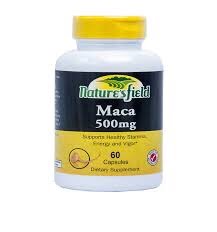
Maca

Maca is a plant that grows in central Peru in the high plateaus of the Andes Mountains.
It has been cultivated as a vegetable crop in this area for at least 3000 years.

Maca is a relative of the radish and has an odor similar to butterscotch.
Its root is used to make medicine.

Maca root is added to food to boost libido and energy.
It has also been studied as a remedy for sexual dysfunction, depression, hair loss, hot flashes, and fertility.

Maca root has become a very popular supplement known for its potential benefits for fertility, libido, menopause, and more.

Maca is a plant that some populations in Peru have used for thousands of years as a food and medicine.

In the last few decades, maca has grown in popularity around the world as a natural remedy for certain health issues, including infertility and low sex drive.

Maca supplement is sold as a powder you can add to foods or drinks. It also comes as gelcaps.
People take maca by mouth for “tired blood” (anemia); chronic fatigue syndrome (CFS); and enhancing energy, stamina, athletic performance, and memory.

People also take maca by mouth for:

Female hormone imbalance,

Menstrual problems, Symptoms of menopause, Improving fertility, and Sexual dysfunction caused by antidepressants,

Weak bones (osteoporosis), Depression,

Stomach cancer,

Leukemia,

HIV/AIDS,

Tuberculosis,

Erectile dysfunction (ED), to arouse sexual desire, and to boost the immune system.

USES OF MACA

•Sexual dysfunction caused by antidepressant drugs. Early research suggests that taking maca twice daily for 12 weeks slightly improves sexual dysfunction in women taking antidepressants.

Male infertility:
Early research shows that taking a specific maca product daily for 4 months increases semen and sperm count in healthy men.

Postmenopausal conditions:                                                                                                                                                                           Taking Maca daily for 6 weeks slightly improves blood pressure and some aspects of mood, including depression and anxiety, in postmenopausal women.

Sexual desire:                                                                                                                                                                                                            Taking maca product daily for 12 weeks can increase sexual desire in healthy men.

Tired blood (anemia).                                                                                                                                                                                              •  Leukemia.
• Chronic fatigue syndrome (CFS).
• Improving energy and athletic performance.
• Improving memory.
• Depression.
• Female hormone imbalance.
• Menstrual problems.
• Symptoms of menopause.
• Osteoporosis.
• Stomach cancer.
• Tuberculosis.
• Boosting the immune system.

POSSIBLE SIDE EFFECTS

Little is known about the safety and risks of short-term or long-term use of maca.
Since it is a natural food, it is generally believed to be safe in large doses.

* If you have one of the following conditions, you should not take maca without consulting your healthcare provider:

• Breast, uterine, or ovarian cancer.
• Endometriosis
• Uterine fibroids
• Thyroid disease

As with many other supplements, maca hasn’t been tested for safety in pregnant people, nursing mothers, children, those with medical conditions, or those who are taking medications.

Written by Osuegbu Lilian Nkechi

Gonorrhea

Gonorrhea is an infection caused by a sexually transmitted bacterium that infects both males and females. Gonorrhea most often affects the urethra, rectum or throat.

In females, gonorrhea can also infect the cervix.

Gonorrhea is most commonly spread during vaginal, oral or anal sex. But babies of infected mothers can be infected during childbirth.

In babies, gonorrhea most commonly affects the eyes.

CAUSES

Gonorrhea is caused by the bacterium Neisseria gonorrhoeae. They thrive in warm, moist environments, and the infection can develop in any of the body’s mucous membranes, including those in the genitals, mouth, throat, eyes, and rectum.

Gonorrhea can pass from person to person through sexual contact that involves the penis, vagina, anus, or mouth. It can pass on without a male ejaculating. Gonorrhea can also transmit to a newborn during delivery.

SYMPTOMS

Many people with gonorrhea have no symptoms.

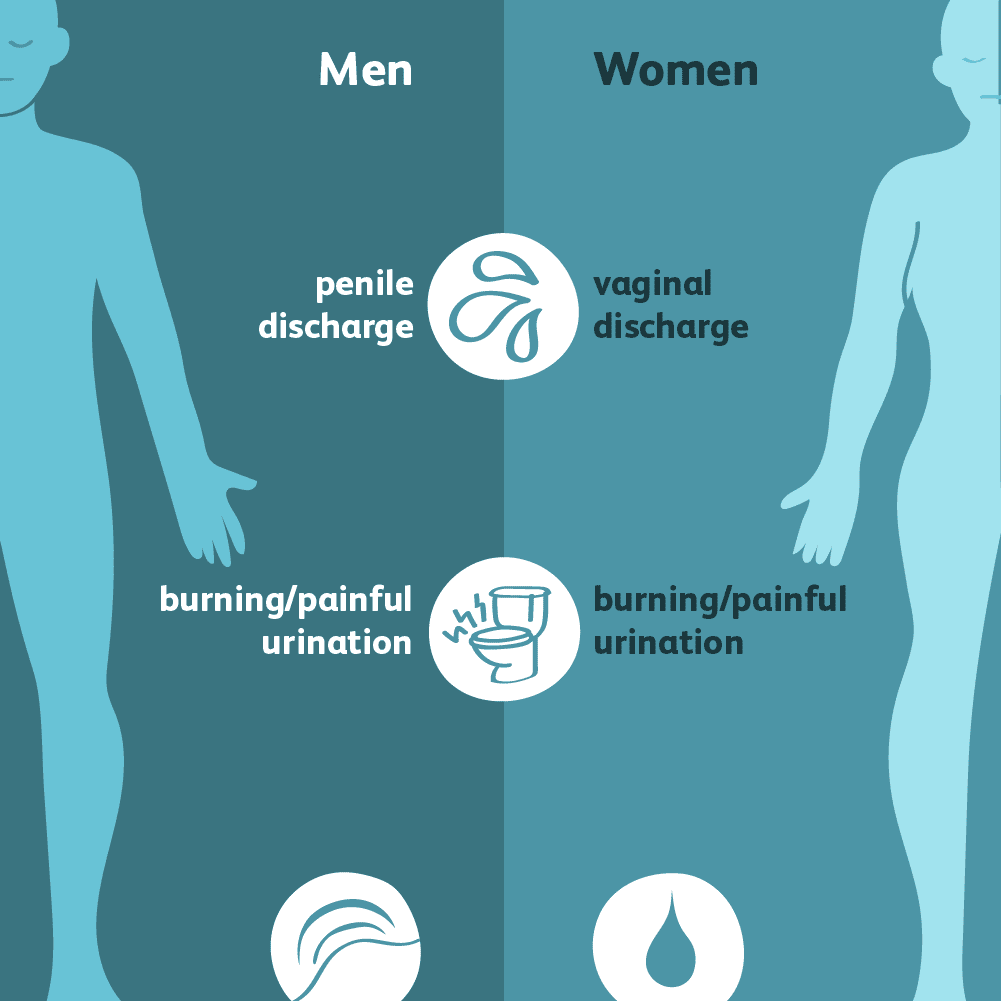
Those who do often experience a burning sensation during urination.

A person with a penis might also notice:

?️white, green, or yellow discharge

?️pain or swelling in the testicles

?️inflammation or swelling of the foreskin

A person with a vagina might have:

?️increased vaginal discharge and bleeding between periods.

?️Rectal symptoms may also occur if a person has anal sex.

These may include:

– discharge

– itching around the anus

– soreness

– bleeding

– pain during bowel movements

If gonorrhea results from oral sex, the infection can be located in the throat, but it may cause no symptoms. Gonorrhea is a bacterial infection, and if semen or vaginal fluid that contains this bacteria enters the eye, the person may develop conjunctivitis, commonly called “pink eye.”

COMPLICATIONS

Untreated gonorrhea can lead to major complications, such as:

?️Infertility in women.

?️Infertility in men.

?️Infection that spreads to the joints and other areas of your body.

?️ Increased risk of HIV/AIDS.

?️ Complications in babies.

TREATMENT

Everyone with gonorrhea needs treatment to stop the infection from progressing. The treatment involves antibiotics.

The Centers for Disease Control and Prevention (CDC) recommends a single dose of 500 milligrams of intramuscular ceftriaxone (Rocephin).

* Addition of 3 days dose of azithromycin 500mg or 1g

* 5 days dose of ofloxacin 200mg or levofloxacine 500mg can also be used

* A immune defense supplement can also be added

PREVENTION

Abstaining from sex, using a condom if you have sex and being in a mutually monogamous relationship are the best ways to prevent sexually transmitted infections.


Written by: Ruth Olusegun

Prostate Cancer and Its Treatment

The prostate has various functions

These include:

– Producing the fluid that nourishes and transports sperm

– Secreting prostate-specific antigen (PSA), a protein that helps semen retain its liquid state, and helping aid urine control.

SYMPTOMS

There are often no symptoms during the early stages of prostate cancer, but screening can detect changes that may indicate cancer. Screening involves a test that measures levels of PSA in the blood. High levels suggest that cancer may be present.

Males who do experience symptoms may have:

– Difficulty starting and maintaining urination

– A frequent urge to urinate, especially at night

– A weak urine stream

– Blood in the urine or semen

– Painful urination or ejaculation

– Pain in the back, hips, or pelvis

CAUSES
Researchers are unsure of the exact cause of prostate cancer. It develops when specific changes occur, usually in glandular cells. When prostate gland cells appear abnormal.

RISK FACTORS

* genetic factors
* age
* race or ethnicity
* family history
* diet
* obesity
* smoking
* alcohol consumption
* inflammation of prostate
* sexually transmitted infection

TREATMENT
Treatment depends on the stage.

Early stage prostate cancer
If the cancer is small and localized, a doctor may recommend:

– Watchful waiting or monitoring

– Surgery

– Radiation therapy

– External radiation therapy

– Internal radiation therapy

Advanced prostate cancer
As cancer grows, it can spread throughout the body. If it spreads, or if it comes back after remission, treatment options will change.

Options can include:

– Chemotherapy: This option uses drugs to help stop the growth of cancer cells. While it can kill cancer cells around the body, it may cause adverse effects.

– Hormonal Therapy

– Immunotherapy

– Targeted therapy


Source: OrologyHealth

Written by: Ruth Olusegun

Infertility

Infertility is defined as not being able to get pregnant despite having frequent, unprotected sex for at least a year for most couples.

Infertility may result from an issue with either you or your partner, or a combination of factors that prevent pregnancy. Fortunately, there are many safe and effective therapies that significantly improve your chances of getting pregnant.

Symptoms

The main symptom of infertility is not getting pregnant. There may be no other obvious symptoms. Sometimes, women with infertility may have irregular or absent menstrual periods. In some cases, men with infertility may have some signs of hormonal problems, such as changes in hair growth or sexual function.

Most couples will eventually conceive, with or without treatment.

When to see a doctor or healthcare provider

You probably don’t need to see your health care provider about infertility unless you have been trying regularly to get pregnant for at least one year. Women should talk with a care provider earlier, however, if they:

  • Are age 35 or older and have been trying to conceive for six months or longer
  • Are over age 40
  • Have irregular or absent periods
  • Have very painful periods
  • Have known fertility problems
  • Have been diagnosed with endometriosis or pelvic inflammatory disease Have had multiple miscarriages
  • Have undergone treatment for cancer

Men should talk to a health care provider if they have:

  • A low sperm count or other problems with sperm
  • A history of testicular, prostate or sexual problems
  • Undergone treatment for cancer
  • Small testicles or swelling in the scrotum
  • Others in your family with infertility problems

Causes

Infertility causes can affect one or both partners. Sometimes, no cause can be found.

Causes of male infertility

These may include:

  • Abnormal sperm production or function due to undescended testicles, genetic defects, health problems such as diabetes, or infections such as chlamydia, gonorrhea, mumps or HIV. Enlarged veins in the testes (varicocele) also can affect the quality of sperm.
  • Problems with the delivery of sperm due to sexual problems, such as premature ejaculation; certain genetic diseases, such as cystic fibrosis; structural problems, such as a blockage in the testicle; or damage or injury to the reproductive organs.
  • Overexposure to certain environmental factors, such as pesticides and other chemicals, and radiation. Cigarette smoking, alcohol, marijuana, anabolic steroids, and taking medications to treat bacterial infections, high blood pressure and depression also can affect fertility. Frequent exposure to heat, such as in saunas or hot tubs, can raise body temperature and may affect sperm production.
  • Damage related to cancer and its treatment, including radiation or chemotherapy. Treatment for cancer can impair sperm production, sometimes severely.

Causes of female infertility

Causes of female infertility may include:

  • Ovulation disorders, which affect the release of eggs from the ovaries. These include hormonal disorders such as polycystic ovary syndrome. Hyperprolactinemia, a condition in which you have too much prolactin — the hormone that stimulates breast milk production — also may interfere with ovulation. Either too much thyroid hormone (hyperthyroidism) or too little (hypothyroidism) can affect the menstrual cycle or cause infertility. Other underlying causes may include too much exercise, eating disorders or tumours.
  • Uterine or cervical abnormalities, including abnormalities with the cervix, polyps in the uterus or the shape of the uterus. Noncancerous (benign) tumors in the uterine wall (uterine fibroids) may cause infertility by blocking the fallopian tubes or stopping a fertilised egg from implanting in the uterus.
  • Fallopian tube damage or blockage, often caused by inflammation of the fallopian tube (salpingitis). This can result from pelvic inflammatory disease, which is usually caused by a sexually transmitted infection, endometriosis or adhesions.
  • Endometriosis, which occurs when endometrial tissue grows outside of the uterus, may affect the function of the ovaries, uterus and fallopian tubes.
  • Primary ovarian insufficiency (early menopause), when the ovaries stop working and menstruation ends before age 40. Although the cause is often unknown, certain factors are associated with early menopause, including immune system diseases, certain genetic conditions such as Turner syndrome or carriers of Fragile X syndrome, and radiation or chemotherapy treatment.
  • Pelvic adhesions, bands of scar tissue that bind organs that can form after pelvic infection, appendicitis, endometriosis or abdominal or pelvic surgery.
  • Cancer and its treatment. Certain cancers — particularly reproductive cancers — often impair female fertility. Both radiation and chemotherapy may affect fertility.

Risk factors

Many of the risk factors for both male and female infertility are the same. They include:

  • Age. Women’s fertility gradually declines with age, especially in the mid-30s, and it drops rapidly after age 37. Infertility in older women is likely due to the lower number and quality of eggs, and can also be due to health problems that affect fertility. Men over age 40 may be less fertile than younger men.
  • Tobacco use. Smoking tobacco or marijuana by either partner may reduce the likelihood of pregnancy. Smoking also reduces the possible effectiveness of fertility treatment. Miscarriages are more frequent in women who smoke. Smoking can increase the risk of erectile dysfunction and a low sperm count in men.
  • Alcohol use. For women, there’s no safe level of alcohol use during conception or pregnancy. Alcohol use may contribute to infertility. For men, heavy alcohol use can decrease sperm count and motility.
  • Being overweight. Among American women, an inactive lifestyle and being overweight may increase the risk of infertility. For men, sperm count also may be affected by being overweight.
  • Being underweight. Women at risk of fertility problems include those with eating disorders, such as anorexia or bulimia, and those who follow a very low-calorie or restrictive diet.
  • Exercise issues. A lack of exercise contributes to obesity, which increases the risk of infertility. Less often, ovulation problems may be associated with frequent strenuous, intense exercise in women who are not overweight.

Prevention

Some types of infertility aren’t preventable. But several strategies may increase your chances of pregnancy.

Couples

Have regular intercourse several times around the time of ovulation for the highest pregnancy rate. Intercourse beginning at least five days before and until a day after ovulation improves your chances of getting pregnant. Ovulation usually occurs in the middle of the cycle — halfway between menstrual periods — for most women with menstrual cycles about 28 days apart.

Men

Although most types of infertility aren’t preventable in men, these strategies may help:

  • Avoid drug and tobacco use and drinking too much alcohol, which may contribute to male infertility.
  • Avoid high temperatures found in hot tubs and hot baths, as they can temporarily affect sperm production and motility.
  • Avoid exposure to industrial or environmental toxins, which can affect sperm production.
  • Limit medications that may impact fertility, both prescription and nonprescription drugs. Talk with your doctor about any medications you take regularly, but don’t stop taking prescription medications without medical advice.
  • Exercise moderately. Regular exercise may improve sperm quality and increase the chances for achieving a pregnancy.

Women

For women, a number of strategies may increase the chances of becoming pregnant:

  • Quit smoking. Tobacco has many negative effects on fertility, not to mention your general health and the health of a fetus. If you smoke and are considering pregnancy, quit now.
  • Avoid alcohol and street drugs. These substances may impair your ability to conceive and have a healthy pregnancy. Don’t drink alcohol or use recreational drugs, such as marijuana, if you’re trying to get pregnant.
  • Limit caffeine. Women trying to get pregnant may want to limit caffeine intake. Ask your doctor for guidance on the safe use of caffeine.
  • Exercise moderately. Regular exercise is important, but exercising so intensely that your periods are infrequent or absent can affect fertility.
  • Avoid weight extremes. Being overweight or underweight can affect your hormone production and cause infertility.

Treatment

In cases where spontaneous pregnancy doesn’t happen, couples can often still achieve a pregnancy through use of assisted reproductive technology. Infertility treatment may involve significant financial, physical, psychological and time commitments.

Treatment for men

Men’s treatment for general sexual problems or lack of healthy sperm may include:

  • Changing lifestyle factors. Improving lifestyle and certain behaviours can improve chances for pregnancy, including discontinuing select medications, reducing or eliminating harmful substances, improving frequency and timing of intercourse, exercising regularly, and optimising other factors that may otherwise impair fertility.
  • Medications. Certain medications may improve sperm count and likelihood for achieving a successful pregnancy. These medicines may increase testicular function, including sperm production and quality.
  • Surgery. For some conditions, surgery may be able to reverse a sperm blockage and restore fertility. In other cases, surgically repairing a varicocele may improve overall chances for pregnancy.
  • Sperm retrieval. These techniques obtain sperm when ejaculation is a problem or when no sperm are present in the ejaculated fluid. They may also be used in cases in which assisted reproductive techniques are planned and sperm counts are low or otherwise abnormal.

Treatment for women

Some women need only one or two therapies to improve fertility. Other women may need several different types of treatment to achieve pregnancy.

  • Stimulating ovulation with fertility drugs. Fertility drugs are the main treatment for women who are infertile due to ovulation disorders. These medications regulate or induce ovulation. Talk with your doctor about fertility drug options — including the benefits and risks of each type.
  • Intrauterine insemination (IUI). During IUI, healthy sperm are placed directly in the uterus around the time the ovary releases one or more eggs to be fertilized. Depending on the reasons for infertility, the timing of IUI can be coordinated with your normal cycle or with fertility medications.
  • Surgery to restore fertility. Uterine problems such as endometrial polyps, a uterine septum, intrauterine scar tissue and some fibroids can be treated with hysteroscopic surgery. Endometriosis, pelvic adhesions, and larger fibroids may require laparoscopic surgery or surgery with a larger incision of the abdomen.
  • Assisted reproductive technology: Assisted reproductive technology (ART) is any fertility treatment in which the egg and sperm are handled. There are several types of ART.

In vitro fertilization (IVF) is the most common ART technique. IVF involves stimulating and retrieving multiple mature eggs, fertilizing them with sperm in a dish in a lab, and implanting the embryos in the uterus several days after fertilization.

Other techniques are sometimes used in an IVF cycle, such as:

Intracytoplasmic sperm injection (ICSI). A single healthy sperm is injected directly into a mature egg. ICSI is often used when there is poor semen quality or quantity, or if fertilization attempts during prior IVF cycles failed.

Assisted hatching. This technique assists the implantation of the embryo into the lining of the uterus by opening the outer covering of the embryo (hatching).

Donor eggs or sperm. Most ART is done using a couple’s own eggs and sperm. However, if there are severe problems with either the eggs or the sperm, you may choose to use eggs, sperm or embryos from a known or anonymous donor.

Gestational carrier. Women who don’t have a functional uterus or for whom pregnancy poses a serious health risk might choose IVF using a gestational carrier.

In this case, the couple’s embryo is placed in the uterus of the carrier for pregnancy.

Complications of treatment

Complications of infertility treatment may include:

  • Multiple pregnancy. The most common complication of infertility treatment is a multiple pregnancy — twins, triplets or more. Generally, the greater the number of fetuses, the higher the risk of premature labor and delivery, as well as problems during pregnancy such as gestational diabetes. Babies born prematurely are at increased risk of health and developmental problems. Talk to your doctor about any concerns you have about a multiple pregnancy before starting treatment.
  • Ovarian hyperstimulation syndrome (OHSS). Fertility medications to induce ovulation can cause OHSS, particularly with ART, in which the ovaries become swollen and painful. Symptoms may include mild abdominal pain, bloating, and nausea that lasts about a week, or longer if you become pregnant. Rarely, a more severe form causes rapid weight gain and shortness of breath requiring emergency treatment.
  • Bleeding or infection. As with any invasive procedure, there is a rare risk of bleeding or infection with assisted reproductive technology or reproductive surgery.

The Best Ways for Boosting Fertility Naturally

Besides consulting a specialist, you can also opt for holistic fertility treatments and take care of your fertility problem in a natural way. Some of the things you can do at home to boost your fertility and increase the chances of getting pregnant include the following:

  • Eat a Big Breakfast

Eating a big and healthy breakfast has been found to help women improve fertility problems. A few studies have been conducted on this topic showing that indeed having a larger breakfast, instead of a substantial dinner, can help boost ovulation

for 30%. Thanks to this, the levels of insulin can be reduced by 8% and the levels of testosterone by 50% which ultimately leads to higher chances of becoming pregnant.

  • Eat Antioxidant-rich Foods

Antioxidant-rich foods can also help in improving fertility in both men and women. Thanks to antioxidants, you can naturally reduce the number of free radicals that are known to damage egg cells and sperm in your body. If you want to boost your fertility, try to include more fruits, vegetables, grains, and nuts that are naturally packed full of good antioxidants such as vitamins E and C, beta-carotene, lutein, and folate.

  • Avoid Eating Trans Fats

Consuming healthy fats is the basis of every balanced diet, and if you’re trying to get pregnant you should avoid trans fats altogether. Trans fats are known to negatively impact ovulation levels. For a natural conception, it would be best if you avoided trans fast altogether and had a healthy diet.

  • Choose Your Carbs Wisely

There are two important things you should be aware of when it comes to carbs – you should pay attention to the number of carbs you eat on the overall and the type of carbs you consume every day. Having a low-carb diet can help improve hormone levels in women with PCOS while avoiding refined carbs can increase your chances to get pregnant.

  • Consume High-fat Dairy Products

More than one study has been conducted that shows the connection between high- fat dairy and fertility. Studies showed that women who consumed one or two servings of high-fat dairy products have higher chances of getting pregnant than those who consumed low-fat dairy. If you’re looking for natural remedies for ovulation and infertility, replacing at least one low-fat dairy serving with a high-fat dairy one can help you achieve that.

  • Use Diverse Protein Sources in Your Diet

Protein is an integral part of your diet, but you should try to consume protein sources other than meat to reduce the risk of infertility. Vegetable protein sources such as beans, seeds, and nuts have been found to improve women’s chances of becoming pregnant faster. Try to use different protein sources in your diet to help boost your fertility.

  • Increase Your Fiber Intake

Fiber is generally good for everyone’s diet, but increasing your fiber intake while you’re trying to conceive may significantly improve your chances of it. The great thing about fiber is that it can help your body remove excess hormones while keeping your blood sugar levels in control.

Food that has high levels of fiber includes fruit and veggies, whole grains, and beans, so you might want to base your diet around them. Of course, try to not go overboard with fiber intake as it can have a negative effect on your ovulation and fertility.

  • Try Some Multivitamin

If you think you’re not getting enough nutrients from your everyday diet, opting for some multivitamins is a good idea. Being persistent in taking your fertility and ovulation supplements can significantly improve your fertility and ovulation.

One of the most important vitamins for women who are trying to get pregnant is folate, so you can start taking it once you start planning your pregnancy, but try to include other vitamins and minerals as well to make sure you’re getting all the necessary nutrients.

  • Get Physically Active

Being obese or overweight can really impact your possibilities to conceive. Besides being good for your overall health, regular and moderate exercising can help you achieve a normal weight and increase chances for pregnancy.

Try to avoid a sedentary lifestyle and include some walking or light physical activity

to get your body in shape and ready for pregnancy. It’s important that you don’t exaggerate since too much exercising can have a negative impact on holistic fertility and conception.

  • Maintain a Healthy Weight

Weight is one of the most relevant factors that affect fertility in both men and women. Maintaining a healthy weight is one of the best ways to help you with boosting fertility and conception.

Unhealthy weight is connected with irregular menstrual cycles which can significantly reduce the chances of becoming pregnant. Women who are either underweight or overweight will have problems conceiving so the first step towards getting pregnant should be to keep your weight under control.

  • Cut Down on Caffeine Sources

One of the well-known home remedies for ovulation includes cutting down on caffeine sources on a daily level. Women who drink a lot of coffee have fewer chances of conceiving and caffeine has been shown to increase the chances of miscarriage. If you’re a coffee-lover, you don’t have to completely avoid coffee, but simply try to be moderate with your caffeine consumption.

  • Avoid Drinking Alcohol

Although it’s not determined how much alcohol can affect fertility, if you and your partner are trying to have a baby, you should really try to cut down on your alcohol intake. Several studies have been conducted trying to make a connection between alcohol and infertility, however, the results are mixed. The only certain thing is that excessive alcohol consumption is bad for fertility and decreases the chances of pregnancy.

  • Reduce Stress Levels

If you have been trying to conceive for some time now, it’s possible that you feel under pressure because of it. However, stress is one of the most relevant factors for conception. Try to relax and reduce any stressors from your environment to

help boost your fertility. By learning how to cope with everyday stress and anxiety you can improve your chances of getting pregnant.

  • Increase Your Iron Intake

Iron intake is very important for everyone, but especially for women who are in their reproductive years. It’s paramount that you try to eat iron-rich foods such as plant-based iron food if you want to improve your ovulation and fertility. If your diet doesn’t include enough iron sources, try to find an adequate supplement as a substitute.

  • Natural Fertility Supplements

Some of the best natural fertility supplements include the following: Bee pollen – helps improve immunity, nutrition, and fertility in men.

Bee propolis – women who used bee propolis twice a day had higher chances of getting pregnant.

Maca – a plant that grows in Peru has been shown to positively affect sperm levels.

Royal jelly – packed full of lipids, vitamins, amino acids, iron, fatty acids, and calcium, it can help boost fertility.


Written by: Ore Okebukunola

Natural Remedies for Erectile Dysfunction 

Natural Remedies for Erectile Dysfunction

Erectile dysfunction (ED) occurs when someone who has a penis can’t have or maintain an erection. ED happens when blood flow to the penis is limited. it is more common in people who:

  • are older
  • have health conditions like diabetes or high blood pressure
  • have had an injury to the spinal cord, penis, or pelvis
  • take medication like antidepressants or blood pressure medications
  • have anxiety or stress
  • are overweight
  • smoke

The treatment for ED depends on its cause. It may include certain prescription medications, a vacuum device, or even surgery. But lifestyle changes and other natural treatments can also help improve ED.

It is important to understand the possible risks associated with ED treatments, especially natural remedies, which the Food and Drug Administration (FDA) have not approved.

What are some natural remedies for treating erectile dysfunction?

There are many natural treatments for ED. They range from lifestyle changes like modifying your diet and exercise to getting mental health or relationship counseling.

It’s best to talk with your doctor before trying a new treatment on your own. They can help identify the cause of your ED and recommend effective ED treatment options, whether conventional, natural, or a combination.

1. Diet

Eating a balanced diet may help maintain sexual function and decrease your risk of ED.

A 2020 studyTrusted Source found that men who more strictly followed a Mediterranean diet or Alternative Healthy Eating Index 2010 diet had a lower chance of developing ED. In particular, they consumed less red or processed meat and primarily ate:

  • fruits
  • vegetables
  • legumes
  • nuts
  • fish

Research from 2017 similarly found that eating more fruits, vegetables, and flavonoids (compounds found in produce, coffee, and other foods) lowered the risk of ED in men ages 18 to 40.

These foods are important for your overall health, so helping maintain or improve your sexual function as well is a win-win.

2. Exercise

Research indicates that physical activity may help protect against and improve ED. It may be particularly effective if your ED is caused by obesity, inactivity, or cardiovascular disease, among other conditions.

A 2018 research reviewTrusted Source found that moderate-to-intense aerobic exercise for 40 minutes a day, four times per week for 6 months helped reduce ED. This includes exercises like:

  • running
  • brisk walking
  • bicycling
  • swimming
  • skiing

Physical activity helps improve blood vessel health, lower stress, and raise testosterone levels, which can all help with ED.

3. Sleep

It’s important for your overall health to get enough sleep each night. Sleeping regularly may also improve your ED.

A study from 2017 found that men working night shifts who reported worse sleep quality were at higher risk for ED.

A large 2015 studyTrusted Source also indicated that people with a sleep disorder had a greater risk of developing ED. Other researchTrusted Source has linked obstructive sleep apnea to an increased chance of ED.

Not getting enough sleep can lower your testosterone levels, which may contribute to ED. Sustained lack of sleep is also associated with conditions that are related to ED, like diabetes and high blood pressure.

4. Weight loss

Your weight may be another factor in ED.

According to a research review from 2020, ED was significantly more common in men who were overweight, or had obesity or a larger waist circumferences.

A small 2014 study indicated that gastric bypass surgery improved blood vessel health and ED among extremely obese men. A 2017 research review similarly found an improvement in ED after bariatric (weight loss) surgery.

If your weight is contributing to your ED, exercise and a balanced diet can help you lose weight and improve your ED.

5. Psychotherapy

In some cases, ED results from a combination of physical and psychological issues. These may include fear of failure, religious beliefs, and sexual trauma, among others.

In turn, ED can lead to additional mental health issues, including emotional distress and lower self-esteem, which then can further worsen ED. Therapy may help address these issues to improve ED.

According to a 2021 research review, psychological interventions like cognitive behavioral therapy were especially effective when paired with ED medications. Mental health interventions may also be effective on their own, but more research is needed.

A small 2018 study involving 4 weeks of mindfulness-focused group therapy indicated that this type of therapy may be helpful for improving ED and sexual satisfaction, too.

6. Sex therapy or couples counseling

Around 10 to 25 percentTrusted Source of men with ED have no known risk factors. This condition, known as non-organic ED, may be caused by mental health issues like depression or by experiencing anxiety when having sex.

A small 2020 study found that cognitive behavior sex therapy (CBST) and medication were each effective on their own at reducing non-organic ED. In addition, CBST was more effective at lowering anxiety among study participants.

It may also be helpful to attend counseling with your partner to help them understand your condition and discuss ways to support you.

Research from 2016Trusted Source labeled ED as a shared health issue for sexual partners and recommended that couples engage in education, counseling, and therapy together.

7. Stress reduction

Mental health issues like stress and anxiety are often linked to ED.

A 2019 studyTrusted Source found that stress was one of the main predictors of ED, with anxiety and depression also associated with the condition. The study suggested that chronic stress may affect testosterone or cause sleep deprivation, which may contribute to ED.

Still, other research indicates that the effect of stress on ED is still unclear. A 2020 study found no association between stress and ED.

Another small study from 2014Trusted Source found that an 8-week stress management program alongside ED medication was similarly effective for improving ED, compared with the medication alone.

Until more is understood about stress and ED, it’s still beneficial to reduce stress in your everyday life to improve your overall health.

8. Alcohol reduction

Studies have shown mixed results for the effects of alcohol on ED.

A research review from 2018Trusted Source found that drinking light-to-moderate amounts of alcohol (less than 21 drinks per week) was actually associated with a lowered risk of ED. On the other hand, regular and high consumption did not significantly affect ED.

Still, other research has linked alcohol use with ED. A 2018 studyTrusted Source found that sexual dysfunction, particularly ED, was common in people with alcohol dependence syndrome. A 2020 research review also identified alcohol as a risk factor for ED.

More research is needed on the role of alcohol in ED. In general, the Centers for Disease Control and PreventionTrusted Source recommend that men consume two or less alcoholic drinks per day.

9. Smoking cessation

Smoking is another behavior that likely contributes to ED. This may be caused in part by smoking damaging blood vessels, preventing enough blood from reaching the penis for an erection.

Smoking may also reduce the availability of nitric oxide in the body, which is needed to cause the involuntary muscle relaxation and increased blood flow that play a role in erections.

According to a research review from 2015Trusted Source, more-frequent smoking was associated with an increased risk of developing ED, as well as more-severe ED.

Some damage from smoking may not be reversible. Still, the review concluded that quitting smoking, especially for men under age 50, may help improve ED.

It’s challenging to quit smoking, but there are many resources available to help. Stopping smoking has the potential not only to help your ED, but to benefit many other areas of your health.

Are there drawbacks to using natural remedies?

Lifestyle changes may be an effective natural remedy for ED and improve your overall health. But many changes — like losing weight, quitting smoking, or eating a balanced diet — may be difficult to achieve.

It may also take time for natural treatments to have an effect. Some people, depending on the cause of their ED, may not show improvements without medications or other treatments. It’s helpful to work with your doctor to find a treatment that works for you.

Natural remedies

While many natural remedies are available to buy in stores and online, none have received the FDA’s approval to treat ED.

The FDATrusted Source do not recommend using OTC products for ED because no authorities regulate them for safety or effectiveness. These products often contain undisclosed ingredients, inappropriate doses of prescription drugs, or different doses of ingredients than the label suggests.

The Urology Care Foundation agree, saying that although supplements are popular and often cheaper than prescription drugs, they are not guaranteed to be safe or effective.

There are very few studies on the safety of natural remedies for ED. Some of the remedies have side effects varying from mild to severe.

The following list looks at some common natural remedies that people use for ED:

1. L-arginine

L-arginine is an amino acid, which is a building block of protein. It is a vasodilator, meaning that it can help open up the blood vessels. In theory, this could increase blood flow to the penis and help produce an erection.

A study from 2017Trusted Source reported that many people with ED had low L-arginine levels, which suggests that the two may be linked.

However, scientific studies have not proven that taking L-arginine supplements can treat ED. More research is necessary before researchers know the safety and effectiveness of this remedy.

People should avoid taking L-arginine alongside prescription ED drugs, such as Viagra, as this combination can cause the blood pressure to drop too low. It can also lead to headaches or flushing.

Side effects of L-arginine may include nausea, stomach cramps, low blood pressure, and increased blood sugar levels.

2. Propionyl-L-carnitine

According to some sources, taking propionyl-L-carnitine alongside Viagra could improve erectile function better than taking Viagra alone.

That said, more studies are needed before researchers know the actual safety and effectiveness of this treatment.

Side effects are usually mild and can include a skin rash, nausea, diarrhea, and heartburn. This remedy may not be safe for people with vascular disease, high blood pressure, diabetes, or liver cirrhosis, among other conditions.

3. DHEA

Dehydroepiandrosterone (DHEA) helps create sex hormones, including testosterone and estrogen. Natural DHEA levels decrease as a person gets older, which may cause a decrease in sexual function.

While some studiesTrusted Source suggest that DHEA supplements could help with ED, othersTrusted Source have found no evidence of their benefit.

DHEA generally causes few side effects when people take it orally in recommended doses, though the side effects can include fatigue, headaches, acne, and an irregular heartbeat.

4. Ginkgo

Ginkgo biloba may increase blood flow to the penis, which could improve sexual desire and counter ED.

However, the National Center for Complementary and Integrative Health (NCCIH)Trusted Source say that there is no solid evidence that ginkgo is beneficial for any health condition.

Side effects of this supplement include headaches, dizziness, stomach upset, palpitations, and constipation.

It can also increase the risk of bleeding, so it may be dangerous for people taking blood thinners, such as warfarin (Coumadin), or those with other bleeding disorders.

5. Ginseng

Ginseng, or Panax ginseng, is a popular home remedy. Certain chemicals in this plant may promote the relaxation of the body’s smooth muscles, helping produce an erection.

Preliminary studies suggest that ginseng could help treat ED, though more high quality research is necessary to confirm this.

The most commonTrusted Source side effect of ginseng is insomnia. Other side effects include increased heart rate, high or low blood pressure, and headaches.


ReferencesHealthline

Written by: Ore Okebukunola

Natural Remedies to Treat Gonorrhoea

Gonorrhea is a common sexually transmitted infection (STI) caused by Neisseriagonorrhoeae bacteria. It is transmitted from one person to another during sexual contact, including oral, anal or vaginal intercourse.

It tends to target warm, moist areas of the body, including the:

• urethra (the tube that drains urine from the bladder)
• eyes
• throat
• vagina
• anus
• female reproductive tract (the fallopian tubes, cervix, and uterus)

Symptoms of gonorrhea

Symptoms usually occur within 2 to 14 days after exposure. However, some people who acquire gonorrhea never develop noticeable symptoms.

It’s important to remember that a person with gonorrhea who doesn’t have symptoms, also called an asymptomatic carrier, can still spread the infection. A person is more likely to transmit gonorrhea to other partners when they don’t have noticeable symptoms.

Symptoms in men and those with a penis

A person with a penis may not develop noticeable symptoms for several weeks. Some men may never develop symptoms.

Typically, symptoms begin to show a week after transmission. The first noticeable symptom in men is often a burning or painful sensation during urination.

As it progresses, other symptoms may include:

• greater frequency or urgency of urination
• a pus-like discharge (or drip) from the penis (white, yellow, beige, or greenish)
• swelling or redness at the opening of the penis
• swelling or pain in the testicles
• a persistent sore throat

In rare instances, gonorrhea can continue to cause damage to the body, specifically the urethra and testicles. The condition will stay in the body for a few weeks after the symptoms have been treated.

Pain may also spread to the rectum.

Symptoms in women and those with a vagina

Many people with a vagina don’t develop any overt symptoms of gonorrhea. When they do develop symptoms, they tend to be mild or similar to other diagnoses, making them more difficult to identify.

Gonorrhea symptoms can appear much like common vaginal yeast or bacterial infections.

Symptoms include:

• discharge from the vagina (watery, creamy, or slightly green)
• pain or burning sensation while urinating
• urge to urinate more frequently
• heavier periods or spotting
• sore throat
• pain during sexual intercourse
• sharp pain in the lower abdomen
• fever

Tests for gonorrhoea

Healthcare professionals can diagnose gonorrhea in several ways. They can take a sample of fluid from the symptomatic area (penis, vagina, rectum, or throat) with a swab and place it on a glass slide.

If your doctor suspects a joint infection or infection of the blood, they’ll obtain the sample by drawing blood or inserting a needle into the symptomatic joint to withdraw fluid.

They’ll then add a stain to the sample and examine it under a microscope. If cells react to the stain, gonorrhea may be diagnosed. This method is relatively quick and easy, but it doesn’t provide absolute certainty. This test may also be completed by a lab technician.

A second method involves taking the same type of sample and placing it on a special dish. This will be incubated under ideal growth conditions for several days. A colony of gonorrhea bacteria will grow if gonorrhea is present.

A preliminary result may be ready within 24 hours. A final result will take up to 3 days.

Luckily, gonorrhea can be easily treated. Without treatment, gonorrhea can cause a number of long-term health problems for both women and men. 

In men, untreated gonorrhea can lead to epididymitis, an inflammation of the tube that carries sperm. Severe epididymitis can result in infertility. 

In women, it can cause pelvic inflammatory disease, which may lead to other complications, such as: infertility, ectopic pregnancy and pelvic abscesses. If you’re pregnant, gonorrhea can be transmitted to your newborn, who may then suffer joint infections, blindness, and blood-related infections. In both men and women, gonorrhea can also enter the bloodstream, and cause a condition called disseminated gonococcal infection (DGI), which in severe cases, can be life-threatening.

Treatment

1. Antibiotics

Gonorrhoea is usually treated with Ceftriaxone Injection given one time to the buttocks and a single dose of Oral Azithromycin. Once on antibiotics, you should feel relief within days.

2. Natural Remedies

Several natural remedies have been used for centuries to treat this STI. Here are some of the home remedies for gonorrhoea.

  • Garlic

Because of its antibacterial properties, garlic is used as a common home remedy for bacterial infections. A 2005 study, which examined the effects of garlic products and extracts on gonorrhea-causing bacteria, found that 47 percent of the products showed antimicrobial activity against the bacteria. However, this study was done in a laboratory setting, not on humans with gonorrhoea.

  • Apple cider vinegar

It is one of the most popular natural gonorrhoea remedies. Apple cider vinegar can be taken orally or applied topically as a solution. The antibacterial properties of apple cider vinegar may help you, but be careful it’s also highly acidic, which can irritate the delicate tissues of your genitals. Also, no study has supported or refuted these claims.

  • Goldenseal

Goldenseal plant, also known as berberine or Hydrastis canadensis L., is a known for its antimicrobial properties. This was used as a treatment for gonorrhea by European settlers in the 1800s. Some studies have examined goldenseal as an alternative to antibiotics to treat resistant staph bacteria, but there isn’t any significant research about goldenseal to treat gonorrhea.

You can get goldenseal in capsule form for ingestion and also as creams for topical use. Before taking the capsule, consult a doctor or trained herbalist for the right dosage.

  • Echinacea

The anti-inflammatory properties of echinacea or coneflower hand may help reduce inflammation in the sexual organs, including gonorrhoea. Available in the form of gels or creams, its topical application is known to help ease skin problems and soothe irritation. Taking echinacea extract has been shown to stimulate the immune system as well.

  • Aloe Vera

The cooling effect of aloe vera gel may benefit anyone with an STD. This powerful herb can hydrate your skin and speed up the wound healing process. It also has anti-inflammatory and antibacterial activity. You can use it as a gel and drink its juice to get the benefit.

Prevention

The best way to avoid contracting gonorrheaor any other STDs is to always use a condom during sex. If you know your partner has an STD, it is better to avoid sexual intercourse altogether until it is treated.


Written by: Ore Okubukunola

12 Ways to Boost Oxytocin

If you’ve heard of oxytocin, you might know a little about its somewhat impressive reputation. Even if the name oxytocin doesn’t ring a bell, you might know this hormone by one of its other names: the love hormone, cuddle hormone, or bonding hormone.

As these nicknames suggest, oxytocin plays an important part in human bonding. Released during childbirth and breastfeeding, it’s a key factor in the bond between parent and infant.

Hugging, kissing, cuddling, and sexual intimacy can all trigger oxytocin production, which can strengthen bonds between adults, too.

These effects have led oxytocin to be grouped with the other happy hormones — hormones known to have a positive impact on mood and emotions.

Your body produces oxytocin naturally, but if you want to feel the love, so to speak, try these 12 natural ways to increase it.

1. Try yoga

This wellness practice offers plenty of benefits, including:

  • less anxiety and stress
  • relief from depression and other mood symptoms
  • better sleep
  • improved quality of life

But research from 2013 suggests yoga may help increase oxytocin production, too.

This small study aimed to explore whether yoga could help increase oxytocin in people with schizophrenia, a mental health condition that often involves trouble recognizing facial emotions and other social difficulties.

According to the study results, the 15 participants who practiced yoga for 1 month saw improvements in their ability to recognize emotions and socio-occupational functioning. They also had higher levels of oxytocin. The researchers suggest that a link could exist between these findings, though their study didn’t find a correlation.

2. Listen to music — or make your own

While musical taste can vary widely from person to person, most people enjoy listening to some type of music.

You probably listen to music because you enjoy it, but you might have noticed it has other benefits, like improving your mood, focus, and motivation. It also seems to help improve the ability to create social bonds — an effect also associated with oxytocin.

Research is still limited, but a few small studies have found evidence to suggest music can help boost oxytocin levels in your body:

  • A 2015 study asked four jazz singers to perform two different songs: one improvised, one composed. When the singers improvised, their oxytocin levels increased. The study authors suggest this happened because an improvised performance calls for strong social behaviors such as cooperation, trust, and communication.
  • According to a 2009 study, 20 open-heart surgery patients who listened to music while on bed rest had higher levels of oxytocin and felt more relaxed than patients who didn’t listen to music.
  • In a 2003 study of 16 singers, oxytocin levels increased in all participants after a singing lesson. The study participants also reported feeling more energized and relaxed.

You probably didn’t need another reason to turn up your favourite tunes, but here’s another good one!

3. Get (or give) a massage

Love a good massage? You’re in luck.

A 2012 study looking at 95 adults found evidence to suggest 15 minutes of massage could not only help people relax, but it could also boost oxytocin levels.

Research from 2015 supports this finding and expands on it, noting that oxytocin levels also increase in the person giving the massage.

What does oxytocin do for you? Well, people often report less pain, stress, and anxiety post-massage. Many also notice an improved mood and greater feelings of well-being.

You don’t have to get a professional massage to see these benefits, either. Research suggests that massage from a partner or other loved one may work just as well.

4. Tell someone how much you care

Want to strengthen your emotional connection with others? Tell them how you feel.

Sharing your love and affection with the people who mean the most to you can help increase oxytocin in a few ways:

  • Sharing your feelings with a loved one often leads them to reply in kind.
  • Telling a friend or partner you love them can prompt a hug, hand squeeze, or kiss.
  • Letting someone know how much you appreciate them can increase prosocial feelings on both sides.

5. Spend time with friends

Strong friendships can make a big difference in your emotional well-being. Kicking it with your pals can make for a good time, but it can also help you feel socially supported and less alone in the world.

That’s oxytocin at work. The good feelings you experience around your friends can help you feel more positive about your interactions, making you want to spend more time together. The trust and affection you have for them also tends to increase when you share their company more often.

Whether you make specific plans or simply enjoy hanging out, the more time you spend together, the stronger your bond will likely become.

6. Meditate

A daily meditation practice can help reduce stress and anxiety, improve your mood, and help you feel more compassion toward yourself and others. These effects can go a long way toward increasing your sense of connection and bolstering your relationships with others.

But you also target oxytocin production by focusing your meditation on someone you care about. Loving-kindness meditation, also referred to as compassion meditation, involves directing thoughts of love, compassion, and goodwill toward someone in your life and sending thoughts of peace and wellness toward them.

7. Make your conversations count

Active (or empathic) listening is a basic principle of strong social interactions and relationships.

Bonding and increasing feelings of connection, trust, and empathy can sometimes be as easy as really, truly listening to what someone has to say. It’s easy to tell someone you care about the things that matter to them, but this shows you really mean it.

So, when your friend or partner wants to talk about something important, put down anything that might distract you, make eye contact, and give them your complete attention. This close interaction can trigger oxytocin release, helping you feel more connected to each other.

8. Cook (and eat) with someone you care about

Research on chimpanzees suggests sharing food can increase oxytocin.

It makes sense for humans, too — sharing food is a great way to bond. Think back to your middle school or elementary days. Splitting that cookie or packet of fruit snacks may have netted you a friend or two, right?

Preparing a meal with friends or a partner can provide enjoyment in addition to nourishment. You don’t just share the finished meal, you spend time with people you like and bond over its creation.

And don’t forget, the act of eating itself can produce pleasure — enough, in fact, to trigger oxytocin release.

9. Sex

Sexual intimacy — orgasm, in particular — is one key way to raise oxytocin levels and demonstrate affection for someone else.

Having sex with your partner can help you feel closer and more connected, but you can still see this increase in oxytocin without a relationship.

The best part? Both you and your partner get this oxytocin boost.

10. Cuddle or hug

You don’t have to get down to get your oxytocin up.

Other forms of physical intimacy, like cuddling or hugging, can also trigger oxytocin production in your body.

Hugs, hand-holding, and cuddling can all do the trick. So take a few moments for a good, long hug with your partner, kid, or even your pet.

11. Do something nice for someone

Altruistic or selfless behaviors can also promote oxytocin release.

Giving someone a gift or practicing a random act of kindness makes them happy, which can make you feel happy, too. The simple act of brightening someone’s day can lift your spirits and promote positive feelings in you, too.

So, if you can, live life generously. You might try:

  • offering to help a neighbor with a chore
  • giving a few extra dollars to charity
  • supporting your favorite cause
  • buying a gift card for a friend or family member

12. Pet dogs

If you’re a dog lover, have we got a tip for you!

If you can, stop what you’re doing and go pet your dog. Feel better? Your dog probably does, too. Research suggests that both dogs and humans see an increase in oxytocin from physical contact, including patting and stroking.

That’s why it can feel so comforting to cuddle your animal friend when you feel upset. The oxytocin produced by your interaction helps you feel a little better.

Though this research only looked at human-dog interactions, it’s pretty safe to say petting your cat or giving your bird some head scratches will probably have a similar effect.


Reference: Healthline

Written by: Omojo Emeje

Add to cart