Beet Soup (Borscht)

This Ukrainian borscht soup is a traditional beet soup that is enjoyed by locals all over Eastern Europe (and many in rest of the world too!). Made with red beets and plenty of vegetables, this vegan soup is nutritious, flavorful, and delicious. It’s so easy to make in one pot on the stove with minimal prep work involved — and even easier in an Instant Pot. Plus, beet soup is easy to make ahead and freezes really well so you can meal prep lunches and dinners for days or months to come.
  • 4 medium beetscut into 1-inch cubes
  • 3 cups purple cabbagechopped
  • 2 medium carrotsshredded
  • 1 medium onion, finely chopped
  • 1 (16 ounce) can diced tomatoes
  • 4 cups vegetable broth (or beef broth)
  • 1 tablespoon fresh parsleyfinely chopped
  • ½ teaspoon salt (or to taste)
  • ¼ teaspoon ground black pepper (or to taste)
  • sour cream (optional, for serving)

DIRECTIONS

  1. In a large stockpot, add beets, purple cabbage, carrots, onion, diced tomatoes, and broth. Mix well and bring it to a boil over medium-high heat, about 5-6 minutes.
  2. Cover the lid and simmer over low heat until the beets are tender, about 30- 35 minutes.
  3. Stir in parsley and season with salt and pepper to taste.
  4. Serve warm with a dollop of sour cream on top and a sprinkle of chopped parsley, if desired.

Instant Pot instructions:

  1. Add beets, purple cabbage, carrots, onion, diced tomatoes, and broth into the instant pot and mix well to combine.
  2. Seal the lid and turn the steam release knob to SEAL position. Pressure cook for 15-20 minutes until tender. Once the time is up, quick release the remaining pressure by turning the steam release valve to the venting position.
  3. Stir in parsley and season with salt and pepper to taste. Serve warm.


Reference: Ahead of Thyme

Written by: Omojo Emeje

Pasta Bake With Sausage

Pasta bake with sausage (baked ziti) is basically a lazy day lasagna with layers of pasta tossed in a rich tomato meat sauce packed with Italian sausage, layered with lots of gooey golden mozzarella cheese, and baked to perfection. It’s an easy and delicious casserole dinner to make any day of the week. Plus, you can even make it ahead and freeze for another day.

INGREDIENTS

1 lb. (454 grams) penne pasta

2 tablespoons olive oil

1 lb. Italian sausage

1 cup onionfinely chopped

1 tablespoon garlicminced

4 cups tomato sauce

1 tablespoon Italian seasoning

1 cup Parmesan cheesefreshly grated, divided

¼ cup fresh parsleyfinely chopped

¼ cup fresh basilchopped

1 teaspoon salt (or to taste)

½ teaspoon ground black pepper (or to taste)

3 cups fresh mozzarella cheese, shredded

DIRECTIONS

– Preheat oven to 375F.

– Bring a large pot of salted water to a boil over medium-high heat. Add pasta and cook until al dente (fully cooked but still firm), about 8-10 minutes, or according to package directions. Drain well and set aside.

– Meanwhile, heat olive oil in a large pot (or 4 qt. Dutch oven) for 2 minutes over medium-high heat until the hot oil sizzles. Add sausage and stir to cook until browned, about 5-7 minutes. Use a spatula to break the sausages into small pieces.

– Add onions and garlic and sauté until soft and tender, about 2-3 minutes. Stir to combine.

– Pour in tomato sauce, turn the heat down to medium, and bring the meat sauce to a simmer, stirring occasionally. Stir in Italian seasoning, ½ cup Parmesan cheese, parsley and basil. Season with salt and pepper.

– Transfer the cooked and drained pasta into the sauce and toss well to mix evenly.

– Spread half of the pasta into a 9×13 casserole pan and top with half of mozzarella cheese (1.5 cups). Add the remaining pasta and sprinkle the remaining mozzarella and Parmesan cheese evenly on top.

– Bake the pasta for 25 minutes until the melted cheese is golden brown. Let cool for 15 minutes, then serve.

NUTRITION FACTS
Serves 8
Serving Size: 1 serving
Calories Per Serving: 433
Total Fat – 12g -15%
Cholesterol – 25.6mg – 9%
Sodium – 897.6mg – 39%
Total Carbohydrate-  53.6g – 20%
Sugars – 7.5g
Protein – 28.6g – 57%
Vitamin A –136.1µg – 15%
Vitamin C – 13.6mg – 15%


Reference: Ahead of Thyme

Written by: Omojo Emeje

14 Healthy Treats For Valentine’s Day!

Add freeze-dried strawberries to oatmeal cookies for an unexpected touch that’s both lighter and holiday-appropriate.
Green Tea Cookies
These vibrant cookies pack some antioxidants into each bite, due to the key ingredient of matcha, a.k.a green tea powder.
Peanut Butter and Jelly Muffins
We can’t get enough of this classic flavor pairing. These mini muffins give you the perfect amount of healthy fats, whole grain, and a little drizzle of jelly for something sweet.

Dark Chocolate Popcorn Clusters
With only 113 calories per cup, this heart-healthy recipe makes for the perfect snack.

To make, melt ½ cup dark chocolate chips in the microwave, then stir in ½ tsp ground cinnamon + a pinch Kosher salt. In a large bowl, toss 8 cups air-popped popcorn + the melted chocolate to coat, then toss with ¼ cup toasted slivered almonds. Spread on a parchment-lined baking sheet and refrigerate until firm, at least 30 minutes. Break into clusters.

Cinnamon Popcorn
Sprinkle 2 Tsp ground cinnamon on four cups of air-popped popcorn for a low-calorie sweet treat.

Frozen Tropical Fruit Kebabs
These kebabs, made of frozen mango and pineapple drizzled with white chocolate, make for one sweet treat.

Chocolate–Pistachio Orange Slices
This simple yet decadent three-ingredient dessert is guaranteed to impress your Valentine.

Blueberry Compote
This vibrant blueberry compote makes a dreamy holiday topping on yogurt, frozen yogurt, or lightened-up ice cream for a healthier spin on brunch or dessert.

Berry Beet Smoothie
Treat yourself and your sweetheart to loads of antioxidants all wrapped up in a stunning pink package for Valentine’s Day. This recipe gets its vibrant hue from cooked beets and frozen berries.

Ingredients (serves 2): 1/2 cup almond milk, 1/2 cup plain low-fat yogurt, 1 tsp honey, 1 cup mixed frozen berries, 1 cup freshly cooked beets, 3 to 5 ice cubes

Spiced Banana-Chocolate Muffins
For those who enjoy something sweet to start off their day, these spiced banana-chocolate muffins will keep you energized all day long by using a heavy mixture of banana, ginger, and chia seeds.

Chocolate Covered Watermelon
These tasty watermelon slices are easy to make — and even easier to eat.

Fudgy Paleo Brownies
Chocolate is always a good idea in our minds, but with this recipe, it actually is! The recipe swaps out traditional ingredients for things like almond flour, coconut sugar, honey, almond butter, and olive oil to cut down on starchy carbs and healthier fats. Don’t forget the sea salt on top!

Strawberry-Yogurt Swirl Pops
Strawberries and vanilla yogurt pack these pretty and delicious frozen pops, each of which has just about 100 calories for a nutrition-packed and guilt-free holiday treat.


Reference: Womans Day

Written by: Omojo Emeje

11 Powerful Benefits of Apple Juice!

They say, “An Apple a day keeps the doctor away”. Eating Apples and drinking its juice not only enhances healthy body and mind but also helps strengthens muscles. Apple juice is one of the tastiest and most favorite among kids also. Packed with benefits of vitamins, calcium, potassium and magnesium, the fruit and its juice give out adequate health punch. Full of pectin and fiber, Apple juice helps boost energy. Being the richest source of phenolic compounds, the juice of Apples when consumed regularly helps fight against common infections.

Apples are grown across the world and the fruit works towards making the body healthy and fit. There are over seven thousand varieties of the delectable fruit and comes in ravishing red, green and yellow colors. Delicious in taste and tart in color, Apple is enriched in vitamins and other essential nutrients that go a long way in adding vigor and vitality to the body.

Apple juice is a fruit juice made by the maceration and pressing of an apple. The resulting expelled juice may be further treated by enzymatic and centrifugal clarification to remove the starch and pectin, which holds fine particulate in suspension, and then pasteurized for packaging in glass, metal, or aseptic processing system containers, or further treated by dehydration processes to a concentrate.

Nutritional facts about Apple:

  • A small Apple has only about 77Kcal
  • It is rich in vitamins like A, B-12, C & D
  • It has high amount of dietary fibre
  • Besides this, it is also a good source of iron, calcium, potassium & magnesium among others
  • Apples are also packed with good amount of antioxidant properties

Benefits of Apple Juice :

Here are some of the health benefits of Apple juice that you need to know about if you wish to lead a healthy and fit life.

1. Enhances skin

In today’s world due to pollution and stress the skin takes a beating. Scars, blemishes, breakouts, premature ageing and freckles are some of the common problems we face today. Even though there are many creams and medicines to take care of them but there is nothing like going natural. Eating Apples and drinking juice not only does wonders to the skin but also brings back the lost glow.

Apple juice is highly beneficial for the skin and can also be used in many home remedies to helps treat problems like itching, wrinkles and acne. Raw Apple juice is loaded with vitamin C and hence it keeps the outer layer of skin glowing and fresh. It also helps relieving pigmentation problem. Apple juice when applied on the skin also helps in lightening dark spots. Also, the antioxidant property of orange juice helps stimulating growths of healthy cells that prevents tissue damage and enhance collagen and skin elasticity.

2. Aids weight control

Apple juice is in low in calories and hence it helps in maintaining weight management. It not only hydrates but as it is low in sodium it helps to release excess water retained in the body. It also prevents water retention and swelling. it gives a feeling of fullness in stomach and hence prevents one from overeating. It is said to be a best snack post workout. It is also beneficial in detoxification by flushing out excess toxins, which further helps in weight control. Medical researchers have proved that during detoxification with Apple juice, even the internal cells are healed and rejuvenated. It also aids bone strength while doing excess workout.

3. Aids a healthy heart

As mentioned earlier, Apple juice is loaded with antioxidants, which are magic for the heart. It also has many biochemical compounds like flavonoids and polyphenols which are known to promote heart health to a great extent. Potassium is also found in abundance in Apple juice and is said to be in charge of heart’s electrical activity, supervising the acid base ratio.

Those who drink Apple juice regularly are said to be fit & healthy. The juice’s regular consumption also helps prevent hardening of arteries which ensures smooth blood flow to the heart. Apple juice is also said to be useful in managing cholesterol levels. A moderate intake of Apple juice as the power to mostly help get one rid of most heart ailments. Phytonutrients in Apple juice act as antioxidants against low density lipoproteins which cuts through most of the cholesterols and ensures heart functions properly. Eating Apples are also said to reduce risk of coronary artery disease to a considerable amount.

4. Keeps liver healthy

A fatty liver can cause a lot of problems. Thus, it is very important to ensure that liver functions smoothly, as it can misbalance other parameters of the body as well. It also maintains the pH level of the body which makes sure that the liver is functioning properly. Hence, it is very important to regularly drink Apple juice if you want a healthy liver. Apples contain pectin which ensures a good digestion and cleanses the liver also regularly. Also, the malic acid in Apple juice is said to soften the gallstones that cause pain in the liver. These stones are thereafter flushed out easily from the liver.

5. Cures constipation

Due to unhealthy lifestyle, consumption of greasy and fast food and increased stress levels, many individuals face the problem of constipation. This also leads to many other stomach and digestion related ailments which if not treated in time can be quiet fatal. Hence it is very important to take constipation seriously and work towards eliminating it. It is very important to take a healthy diet daily, which is filled with fruits and vegetables.

Fruits like Apples are full of fiber, which helps relieving constipation permanently. Apple juice helps in extracting water from large intestine into colon that helps in easy passing of stools. Apples are also known to be natural laxatives and hence their regular consumption can help one get relieved of constipation. Apple juice when consumed daily helps in flushing out toxins and ensures smooth stools.

6. Good for diabetes

One of the fastest growing diseases today is type II diabetes which can be prevented to a great extent by consuming Apple juice regularly. Phytochemicals present in Apples regulates the blood sugar levels keeping them in check. More insulin is secreted in pancreas and beta cells are stimulated helping in absorption of glucose, keeping the system intact. Green Apples are said to be beneficial for diabetics and its juice can keep the problem in check. Green Apples are full of fibre content which is very important for a diabetes patient.

7. Hydrates the body

According to health experts, a human body on an average need at least eight to ten glasses of water every day to maintain balance. But for those living in warmer areas this amount may even be less and hence one needs other nutritional fluids as well to keep up the parameters. Apple juice is the best addition to one’s fluid requirement as it not just fills the body but also gives instant energy boost.

8. Keeps Brain Healthy

Cases of neurological disorders are raising fast and so scientists and medical practitioners have observed that antioxidants in Apples are good for boosting brain power. According to studies, consumption of Apple juice benefits in increasing the production of neurotransmitter acetylcholine which boosts memory. These chemicals are released from nerve cells and they transmit message to other cells, forming a communication network that projects the brain is in good health. Thus, it is very important that children should consume Apple juice regularly in order to keep the brain healthy and vigorous.

9. Prevents anemia

It is a well-known fact that Apples are a rich source of iron. Deficiency of iron in human body causes anemia which is prevalent in children and women. Thus, it is very important to consume Apples and its juice in order to get rid of the deficiency as it leads to many other problems. Anemia basically is the shortage of hemoglobin in blood which can easily be fixed by regulating the intake of iron in daily diet. Hemoglobin regulates the formation of red blood cells which indicate the overall health of the body. And an anemic person is also weak and pale and can also suffer from breathing problems. Apple juice helps you to stay fit and healthy.

10. Takes care of teeth and gums

Eating Apples and drinking its juice works wonders for teeth and gums. It also reduces cavities, plaque and tar formation in teeth. The fiber present in Apples helps cleaning the teeth and anti-bacterial and antioxidant properties help in keeping the bacteria and other infections at bay. Apple juice stimulates saliva which is healing in nature by helping cure mouth ulcers. The bacterial growth is fastest in our mouth, and drinking Apple juice can make sure that it doesn’t multiply.

11. Improves vision
Apple juice is very good for our health, but it is very important to use it the right way. Apple juice can either be consumed as it is or mixed with various other vegetables and fruits to give a new taste. It is very easy to take out fresh Apple juice, even when one does not own a juicer at home. Here are a few steps you can follow in order to prepare your glass of health shot.
With all these amazing benefits, truly, An Apple a Day, Keeps the Doctor Away!!
Reference: Real Fruit Power
Written by: Ruth Olusegun & Omojo Emeje

Alkaline Diet

The alkaline diet is based on the idea that replacing acid-forming foods with alkaline foods can improve your health.
Alkaline diet describes a group of loosely related diets based on the misconception that different types of food can have an effect on the pH balance of the body. It originated from the acid ash hypothesis, which primarily related to osteoporosis research.

Proponents of this diet even claim that it can help fight serious diseases like cancer.
The alkaline diet is also known as the acid-alkaline diet or alkaline ash diet.

Its premise is that your diet can alter the pH value — the measurement of acidity or alkalinity — of your body.

Your metabolism — the conversion of food into energy — is sometimes compared to fire. Both involve a chemical reaction that breaks down a solid mass.
However, the chemical reactions in your body happen in a slow and controlled manner. When things burn, an ash residue is left behind. Similarly, the foods you eat leave an “ash” residue known as metabolic waste.

This metabolic waste can be alkaline, neutral, or acidic. Proponents of this diet claim that metabolic waste can directly affect your body’s acidity. In other words, if you eat foods that leave acidic ash, it makes your blood more acidic. If you eat foods that leave alkaline ash, it makes your blood more alkaline.

According to the acid-ash hypothesis, acidic ash is thought to make you vulnerable to illness and disease, whereas alkaline ash is considered protective.
By choosing more alkaline foods, you should be able to “alkalize” your body and improve your health.

Alkaline foods help in countering the risks of acidity and acid refluxes, bringing some sort of relief. Alkaline diet is based on the idea of cutting down on acid forming foods.

Some alkaline foods include:

Green Leafy Vegetables: Most green leafy vegetables are said to have an alkaline effect in our system.

Citrus fruits: they are the best source of alkaline foods. Lemon, lime and oranges are loaded with Vitamin C and are known to help in detoxifying

Root Vegetables: Root vegetables like sweet potato, taro root, lotus root, beets and carrots are great sources of alkali.

Onion, Garlic and Ginger are great flavour enhancers too.

Food components that leave an acidic ash include protein, phosphate, and sulfur, while alkaline components include calcium, magnesium, and potassium.

Certain food groups are considered acidic, alkaline, or neutral:

  • Acidic: meat, poultry, fish, dairy, eggs, grains, alcohol
  • Neutral: natural fats, starches, and sugars
  • Alkaline: fruits, nuts, legumes, and vegetables

Regular pH levels in your body

When discussing the alkaline diet, it’s important to understand pH.

Put simply, pH is a measurement of how acidic or alkaline something is.

The pH value ranges from 0–14:

  • Acidic: 0.0–6.9
  • Neutral: 7.0
  • Alkaline (or basic): 7.1–14.0

Many proponents of this diet suggest that people monitor the pH of their urine to ensure that it is alkaline (over 7) and not acidic (below 7).

However, it’s important to note that pH varies greatly within your body. While some parts are acidic, others are alkaline — there is no set level.

Your stomach is loaded with hydrochloric acid, giving it a pH of 2–3.5, which is highly acidic. This acidity is necessary to break down food.

On the other hand, human blood is always slightly alkaline, with a pH of 7.36–7.44. When your blood pH falls out of the normal range, it can be fatal if left untreated.

However, this only happens during certain disease states, such as ketoacidosis caused by diabetes, starvation, or alcohol intake.

Food affects the pH of your urine, but not your blood

It’s critical for your health that the pH of your blood remains constant. If it were to fall outside of the normal range, your cells would stop working and you would die very quickly if untreated.

For this reason, your body has many effective ways to closely regulate its pH balance. This is known as acid-base homeostasis.

In fact, it’s nearly impossible for food to change the pH value of blood in healthy people, although tiny fluctuations can occur within the normal range.

However, food can change the pH value of your urine — though the effect is somewhat variable. Excreting acids in your urine is one of the main ways your body regulates its blood pH.

If you eat a large steak, your urine will be more acidic several hours later as your body removes the metabolic waste from your system.

Therefore, urine pH is a poor indicator of overall body pH and general health. It can also be influenced by factors other than your diet.

Conclusion

The alkaline diet is quite healthy, encouraging a high intake of fruits, vegetables, and healthy plant foods while restricting processed junk foods.

However, the notion that the diet boosts health because of its alkalizing effects is suspect. These claims haven’t been proven by any reliable human studies.

Some studies suggest positive effects in a very small subset of the population. Specifically, a low-protein alkalising diet may benefit people with chronic kidney disease.

In general, the alkaline diet is healthy because it’s based on whole and unprocessed foods. No reliable evidence suggests it has anything to do with pH levels.


Source: Healthline

Written by Sarah Amah.

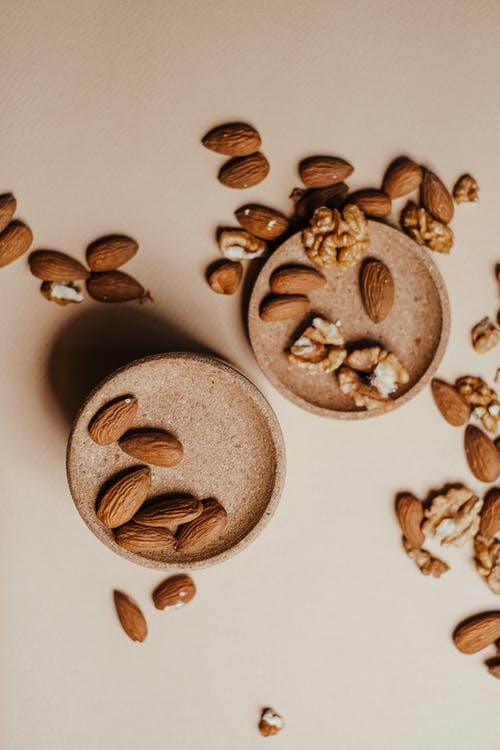
Almonds

Almonds contain vitamins, minerals, protein, and fiber, and so they may offer a number of health benefits. Just a handful of almonds (approximately 1 ounce) contains one-eighth of a person’s daily protein needs.
Almonds can be taken raw or toasted as a snack or add them to sweet or savory dishes. They are also available sliced, flaked, slivered, as flour, oil, butter, or almond milk.

BENEFITS OF ALMONDS

1) Almond and Cholesterol: Almonds are high in fat, but it is unsaturated fat. This type of fat does not increase the risk of low-density lipoprotein (LDL) or “bad” cholesterol. In moderation, the American Heart AssociationTrusted (AHA) note that unsaturated fats may improve a person’s blood cholesterol status. In addition, almonds contain no cholesterol. Consuming almonds may increase vitamin E levels in the plasma and red blood cells which lower overall cholesterol levels. Vitamin E is an antioxidant that can help stop the oxidization process that causes cholesterol to clog the arteries. Nutrients in almonds may help boost or maintain levels of high-density lipoprotein (HDL) or “good” cholesterol. It is advised that 45 grams (g) of almonds should be consumed per day to protect heart health.

2) Almonds and cancer risk:
It is a protective factor for the development of breast cancer.

3) Almonds and heart disease:
It helps to improve lipid, or fat, levels in the blood. This can benefit heart health. Almonds significantly increased the levels of antioxidants in the bloodstream, reduced blood pressure, and improved blood flow.

4) Almond and vitamin E:
Vitamin E and other antioxidants help prevent oxidative damage in the body. This damage can occur when too many free radicals accumulate. Free radicals result from natural bodily processes and environmental stresses. The body can eliminate many of them, but dietary antioxidants help remove them, too. High levels of free radicals can cause oxidative stress, resulting in damage to cells. This can lead to various diseases and health problems. Almonds are high in antioxidants that can protect your cells from oxidative damage, a major contributor to aging and disease.

5) Almond and blood sugar:
Almonds are extremely high in magnesium, a mineral that many people don’t get enough of. High magnesium intake may offer major improvements for metabolic syndrome and type 2 diabetes.

6) Almonds help manage weight: It is low in carbohydrates but high in protein, healthful fats, and fiber. Feeling full can help people lose weight, as they will be less tempted to seek more snacks.

7) Almonds boost bone health: Almonds contain calcium, magnesium, manganese, copper, vitamin K, protein, and zinc, all of which contribute to bone health.

In other words, a handful of almonds a day can keep the doctor away! ?


Written by: Samuel Sobiye

Cinnamon & Its Benefits!

What is Cinnamon?
Cinnamon is the inner back of several trees bearing aromatic spices scientifically know as Cinnamonum genus.
Types of Cinnamon:
There are basically four main types of  Cinnamon namely;
– Ceylon Cinnamon also known as Verum or True Cinnamon.
– Cassia Cinnamon or Saigon Cinnamon.
– Korintage Cinnamon which is also know as Burmanni Cinnamon.
– Loureiroi Cinnamon also referred to as Royal Cinnamon.
It originated from Sri Lanka, and mostly cultivated or found in North America, Southern Asia and parts of Europe and Africa Egypt precisely.
It has a thick hard layer which is either dark or light brownish in color.
Cinnamon can be reproduced or converted into the following forms:
– Sticks
– Essential Oil
– Extracts
– Supplements
– Powder (which is mostly used in cooking and spicing ).
Health benefits of Cinnamon:
Cinnamon is one of the healthiest spices as health and nutritional effects have been found to manange the following:
– Helps in the reduction of weight as well as heart related diseases as it contains little or no fat ( reduction of total cholesterol);
Bad ‘LDL’ cholesterol and triglycerides, while good ‘HDL’ cholesterol remains stable.
– It is also beneficial in effects of Neuro degenerative diseases like Alzheimer’s and Parkinson’s disease. A compound found in cinnamon helps build up protein called TAU in the brain cells which is good for reducing Alzheimer’s.
– Also helps to protect against Cancer and other oxidative damages due to its powerful Antioxidants effects like (Polyphenol) as well as for fighting Bacteria and Fungi infections like tooth decay and bad breath due to Antibacterial and Antimicrobial effects.
– It’s Anti-inflammatory effect helps to relive soreness and pain.
Also traces of Vitamin B and k and the antioxidants choline, beta-carotene, alpha- carotene, lycopene, lutein and zeaxanthin which is good for the eyes, skin.
– Its essential oil which is gotten from the leaf of Cinnamon can be used for flavour, fragrance and sometimes used as antiseptic due to its high Eugenol concentrate as well as its root bark that contains camphor.
– More-so, cinnamon is converted into Powdery form mixed with milk as well as Supplements like pills and capsules  helps to boost sexual libido and sperm count as well as fight erectile dysfunction.
Toxicity:
Excessive intake of Cinnamon cassia could be harmful especially with persons with liver related problem; as it contains Coumarin which is a known cause of liver infection or damages.
Note – it is advisable to take it proportionately.
Summarily, Cinnamon has been credited with the Antibacterial, Anti-microbial, Antioxidants and Anti-inflammatory properties for fighting managing and ailments and diseases.
Conclusively, helps in promotion of health and wellbeing!
References: Webmd, Cleveland clinic
Written by: Amanda Onyemmah

The Blood Type Diet

Could eating a diet based on your blood type — O, A, B, or AB — help you trim down and get healthier? That’s the idea behind the Blood Type Diet, created by naturopath Peter J. D’Adamo.

D’Adamo claims that the foods you eat react chemically with your blood type. If you follow a diet designed for your blood type, your body will digest food more efficiently. You’ll lose weight, have more energy, and help prevent disease.

What You Can Eat

That depends on your blood type. Here’s what D’Adamo recommends for each type:

Type O blood: A high-protein diet heavy on lean meat, poultry, fish, and vegetables, and light on grains, beans, and dairy. D’Adamo also recommends various supplements to help with tummy troubles and other issues he says people with type O tend to have.

Type A blood: A meat-free diet based on fruits and vegetables, beans and legumes, and whole grains — ideally, organic and fresh, because D’Adamo says people with type A blood have a sensitive immune system.

Type B blood: Avoid corn, wheat, buckwheat, lentils, tomatoes, peanuts, and sesame seeds. Chicken is also problematic, D’Adamo says. He encourages eating green vegetables, eggs, certain meats, and low-fat dairy.

Type AB blood: Foods to focus on include tofu, seafood, dairy, and green vegetables. He says people with type AB blood tend to have low stomach acid. Avoid caffeine, alcohol, and smoked or cured meats.

Level of Effort: High

If you don’t already know your blood type, you’ll need to find that out. The results will determine exactly what you need to do.

Limitations: Depending on your blood type, you may need to severely restrict the foods you eat.

Cooking and shopping: Your blood type will determine your shopping list and your choices when eating out.

Packaged foods or meals? None required.

In-person meetings? No.

Exercise: The Blood Type Diet recommends exercises based on your blood type. For instance, it suggests yoga or tai chi for type As, and vigorous aerobic exercises like jogging or biking for up to an hour a day for type Os.

Does It Allow for Dietary Restrictions or Preferences?

Because the diet dictates that you eat very specific types of food based on your blood type, it doesn’t allow much for personal tastes.

For example, if you’re a big fan of meat and potatoes, you won’t be very happy on the type A diet, which is mostly vegetarian.

There are even recommendations about the types of spices and condiments you can use.

If you’re looking for a diet that’s gluten-free, you should know that this diet doesn’t ban gluten. You may be able to make choices that are gluten-free, if you read food labels carefully.

Does It Work?

One study found that adults eating the type A diet showed improved health markers, but this occurred in everyone, not just those with type A blood type. In 2013, a major review concluded that no evidence exists to support benefits of blood type diets.

It’s likely that you would lose weight, though, because the diet can be very restrictive.

Is It Good for Certain Conditions?

The Blood Type Diet makes recommendations based solely on your blood type. So, if you have a chronic condition (say, diabetes), you may be told to eat high protein, while another person with diabetes may have to avoid dairy or chicken. This may conflict with your diabetes treatment plan.

The American Diabetes Association recommends a more practical approach to your day-to-day eating. It also cautions against focusing on specific foods. In most cases it doesn’t recommend cutting out any major food groups.

The Blood Type Diet also fails to address other conditions such as heart disease, high blood pressure, or cholesterol. Any needed weight loss is sure to have a positive impact on these conditions. But no matter your blood type, you should follow the same guidelines issued by The American Heart Association (AHA) for a low-fat and low-salt diet.

Also, everyone should aim for 150 minutes of aerobic exercise per week and at least 2 days of strength training per week.

Conclusion

On The Blood Type Diet, you’ll avoid processed food and simple carbs. That may be enough to help you lose some weight. But any weight loss on this diet has not been linked to your blood type.

There’s also no research proving that this diet can aid in digestion or give you more energy.

Although you’ll buy and prepare your own foods on this plan, your choices are limited depending on your blood type. So be prepared to spend some time in the kitchen.

If the Blood Type Diet intrigues you, consider this: The science is stacked behind traditional recommendations for healthy eating for weight loss — not restrictions based on the type of your blood.


Reference: Webmd

Written by: Omojo Emeje

Zinc Deficiency

Overview

Zinc is a mineral that your body uses for fighting off infections and producing cells. It’s important for healing injuries and creating DNA, the genetic blueprint in all of your cells. If you’re not getting enough zinc in your diet, you may have side effects such as hair loss, lack of alertness, and a reduced sense of taste and smell.

Symptoms

Zinc is used by your body in cell production and immune functions. There is still a lot more to learn about zinc, but we do know that zinc is an essential part of growth, sexual development, and reproduction.

When you’re zinc deficient, your body can’t produce healthy, new cells. This leads to symptoms such as:

– unexplained weight loss

– wounds that won’t heal

– lack of alertness

– decreased sense of smell and taste diarrhoea

– loss of appetite

– open sores on the skin

Risk factors

If you’re pregnant and have zinc deficiency, your baby might not have what it needs to develop properly in your womb. And if you and your partner are trying to become pregnant, zinc deficiency could make it difficult. That’s because zinc deficiency may lead to impotence in men.

The people at the highest risk of zinc deficiency are infants who are breastfeeding and older adults. Pregnant women need more zinc than usual because the zinc in their body is needed to help the developing baby. People with alcoholism are also at risk of deficiency. Some research shows that alcohol makes it harder for your body to digest zinc.

Diagnosing zinc deficiency

Zinc is distributed in trace amounts among the cells in your body, making it difficult to detect zinc deficiency through a simple blood test.

If your doctor suspects a zinc deficiency, they will need to test your blood plasma for an accurate reading. Other tests for zinc deficiency include a urine test and an analysis of a strand of your hair to measure the zinc content.

Sometimes zinc deficiency is a symptom of another condition. For example, some conditions may cause zinc to be processed in your body but not absorbed well. Zinc deficiency can also lead to copper deficiency. Your doctor will be aware of these possibilities. They may do additional testing to get to the root of your deficiency.

Treating zinc deficiency

– Diet changes

Long-term treatment for zinc deficiency starts with changing your diet. To start, consider eating more:

1. red meat poultry seeds

2. wheat germ wild rice oysters

If you’re a vegetarian, it might be more difficult to get the amount of zinc you need from the foods you eat. Consider baked beans, cashews, peas, and almonds as alternative sources of zinc.

– Supplements

You can also treat your zinc deficiency right away with supplements. Zinc is found in many multivitamin supplements. It’s also found in some cold medicines, though you shouldn’t take cold medicine if you’re not sick. You can also buy supplements that contain only zinc.

If you’re using supplements to boost the amount of zinc in your body, be careful. Zinc can interact with some antibiotics, arthritis medications, and diuretics.

When to call your doctor

In most cases, a zinc deficiency is not an emergency. That said, if you are pregnant or breastfeeding and suspect a zinc deficiency, it’s extremely important that you address it right away. Zinc is essential to healthy development in the womb.

If you know that you are deficient and have diarrhea that lasts for several days, you should call a doctor. Zinc is the mineral that helps your intestines fight off infection, and without it, your infection might become more serious.

As with any condition, you should contact your healthcare provider if you: feel dizzy or nauseous
have a sudden headache that will not go away
experience unconsciousness

Zinc Deficiency

Zinc deficiency is characterized by growth retardation, loss of appetite, and impaired immune function. In more severe cases, zinc deficiency causes hair loss, diarrhea, delayed sexual maturation, impotence, hypogonadism in males, and eye and skin lesions , Weight loss, delayed healing of wounds, taste abnormalities, and mental lethargy can also occur. Many of these symptoms are non-specific and often associated with other health conditions; therefore, a medical examination is necessary to ascertain whether a zinc deficiency is present.

SUMMARY

Zinc is essential for growth and sexual development, a deficiency in this mineral can lead to a variety of physical ailments.

It’s important for pregnant women to maintain healthy zinc levels during and (if breastfeeding) after pregnancy to ensure the proper development of their baby.

A zinc deficiency can be diagnosed using a blood test, urine test, or hair analysis. As some conditions can lead to a zinc deficiency, your doctor may do additional testing to discover the root cause.

Changing your diet to include foods rich in zinc is the best way to treat a zinc deficiency. Zinc supplements are available but should be used with caution, as they can interfere with certain medications.


Written by: Ore Okebukunola

Explore the Advantage of Fat

By no means are we encouraged to double our food fat.

An excess amount of poundage, even on so-called “healthy” obese adults, increases the risk of developing heart disease,
Too much fat is also linked to type 2 diabetes, osteoarthritis and certain cancers.

But … a healthy amount of fat on the body has its benefits.

BENEFIT OF FAT IN THE BODY

1. Stores Energy

Fat serves an important role for storing energy. “Older people tend to lose weight in the later stages of life, so having those energy reserves is also aids cancer patients, who often lose weight and become frail during advanced stages of the disease.

2. Good for Vitamins

Our fat-soluble vitamins — A, E, D and K — are absorbed in the body’s fat tissue. If people cut out all the fat in their diet, they would be deficient in those vitamins, And it’s less about having the fat, and more about consuming foods that have fat. By eliminating foods with fat, you miss out on nutrients that play a role in reducing inflammation, clotting blood, keeping your skin healthy and strengthening bones. You cannot find these important vitamins in doughnuts, but you can in fortified milk products, cold-water fish, carrots, avocados and a host of other foods

3. Keeps us warm

In bone-chilling weather, the overweight dude has the advantage over the thin guy. Why? Fat is an insulator, so it’s like wearing an extra layer of clothing. When you’re exposed to extreme cold weather, fat retards heat loss. It’s an adaptive mechanism to help keep a core temperature, some studies have suggested that cold-water swimmers with a higher body mass index (BMI) have a lower risk of getting hypothermia.

4. Protects the body from trauma

Visceral fat (fat located around your organs) provides padding and a source of energy for the kidneys, liver and heart. Fat provides a layer of protection, almost like a barrier to physical trauma, Think of the pounding athletes in contact sports take when competing and training. Fat comes in handy for them, and it has for you with the bumps and falls you’ve taken over the years.

In conclusion, it is better to be fit than fat. “Everything in moderation, There are negative effects of having too little fat and negative effects of having too much fat.


Written by: Ruth Olusegun

Add to cart