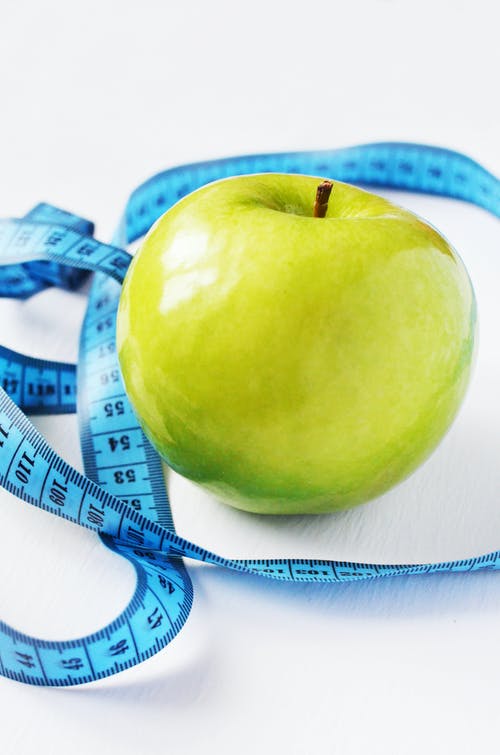
What Fasting does to the Body!

Fasting is a deliberate or intentional act of stopping food completely or almost completely for a certain stretch of time.
Fasting can last from 12-24 hrs or even days.

In some cases, water, tea or coffee is allowed.Fasting can be intermittent, which is a schedule of fasting for a number of hours and eating one meal a couple of days in a week or Prolonged fasting, which is fasting for over 24 hours.

However, the best way to fast is regular ingestion of water and salt. Intermittent fasting can be eating around 12pm till 6-7pm till the next day (diet must be monitored and drinking water in between fasting is advised).

Fasting has been researched to help the internal body systems, some of which would be mentioned in this article.

Benefits of Fasting
1. Weight loss: when the body detects unavailability of ingested glucose, the liver cells are forced to produce energy by making use of stored products (i.e. non-carbohydrates) like fats, amino acids, lactate. They are converted to glucose in a process; this in turn helps in burning stored fats causing weight loss and in balancing blood sugar level in type -2 diabetics and improvement in insulin sensitivity. Hereby advice diabetics to observe intermittent fasting and ingest water for sugar balance.

2. Detoxification: In studies with animals, fasting is detected, to cleanse the body of toxins and endorphins (feel-good hormones) are produced in the blood.

3. Regeneration: During fasting, basal metabolic rate is more efficient due to lower levels of energy produced, cell mitochondrial shifts and maintains functions longer than normal to promote healthy aging and longer lifespan by clearing out old immune cells and regenerate new ones.

4. Cell repair: Fasting will also heal your gut and intestinal cells and reduce general inflammation due to reduction in monocyte (a type of white blood cell) therefore, promoting maximum absorption of key nutrients that enhance muscle repair and growth. It helps in treatment of ulcer as it allows the stomach to rest and reduce the production of stomach acid and gives chance for ulcer to heal up. Patients who are not malnourished can be advised to observe intermittent fasting meanwhile increases fluid intake.

5. Heart: Studies have shown that intermittent fasting improves blood pressure, cholesterol levels and other cardiovascular risk factors like dyslipidemia, obesity.


Written by: Ololade Oduyomi
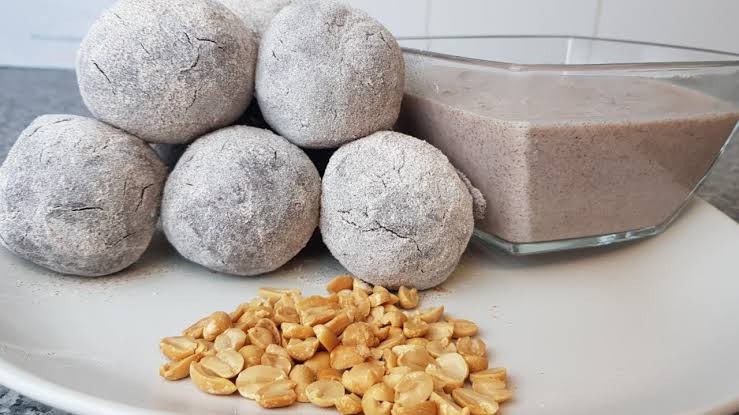
Fresh Health Benefits of Fura da Nono

Fura da nono is one of the many popular local drinks we have in Nigeria. The drink comes from the northern part of the country, although today it is enjoyed in every corner of the country and even beyond. Fura da nono is a local type of gruel made from millet balls (fura) and cow milk (nono). The milk is usually one that has been fermented and is usually very thick. Fura da nono has a sweet taste and some people prefer it to the regular yoghurt they sell which would have gone through some form of processing. 

What makes fura da nono great, however, is not just the taste but how healthy the drink is. It involves no processing, meaning the nutrients in the millet and milk and richly present. Millet is a very healthy grain, containing a lot of minerals including calcium, manganese, fibre, phosphorus, and much more, and it is equally loaded with vitamins. Nono is gotten directly from grass-fed cows, thus the milk is rich in a lot of nutrients as well. Fresh cow milk is very rich in vitamin B2 (riboflavin), vitamin B12, vitamin D, calcium, phosphorus, protein and selenium. Also, fresh milk is packed with conjugated linoleic acid and omega-3 fatty acids.

1. Reduces Cholesterol Levels

Fura is rich in Vitamins B3 which helps to reduce bad cholesterol (LDL) levels in the body. Bad cholesterol has been linked as the cause of a lot of heart-related issues. Unfortunately, many of the things we consume only help in raising it. But the vitamin B3 present in Fura will help to lower the bad cholesterol levels while increasing good cholesterol (HDL) which is vital for the body.

2. Keeps The Bones Strong

Both the millet and the milk in fura da nono are rich in calcium, which is very vital for maintaining strong bones and teeth. It also contains phosphorus and vitamin D, which are needed for maintaining bone density and preventing Osteoporosis. 

3. Lowers The Risk Of Heart Attacks

Another health benefit of taking fura da nono is that it lowers the risk of heart attacks. This is because it contains magnesium, which has been observed to lower blood pressure, reducing the chances of a heart attack. The Vitamin B3 present also reduces bad cholesterol levels, further lowering the risks of a heart attack. That is why millet is regarded as a heart-healthy food. 

4. Aids Digestion and Prevents Constipation

Fura da nono is very rich in fibre, which aids digestion. It does this by easing bowel movement and allowing the food to digest properly. This also prevents constipation and irregular bowel movement (IBS). 

5. Helps With Fat Metabolism

The phosphorus in fura da nono helps with fat metabolism. The fat (lipids) are broken down into smaller compounds which would be used to provide energy to cells in the body. Fat is very complex to break down but the presence of phosphorus aids the process.  

6. Reduces The Risk Of Type 2 Diabetes

Taking fura da nono also reduces the chances of developing type 2 diabetes. This is because the millet is rich in magnesium, which is very essential in preventing and managing diabetes. Type 2 diabetes has also been observed to be caused by a lack of magnesium. So taking fura da nono would help in that regard. 

7. Boosts Brain Health

Milk is a vital food for the brain. This is one of the best health benefits of fura da nono. Fura da nono has an abundance of vitamin B, which helps in nourishing your nerves and maintaining a proper sleep cycle. Vitamin B12 is known to boost your memory power, cognitive abilities and sharpness. Drinking milk like fura da nono is particularly important in enhancing the overall brain development of a growing child.


Source: Healthguide.ng

Written by: Omojo Emeje

What are Dates?

Dates are the sweet, chewy fruit of the date palm tree (Phoenix dactylifera). Dates are fruits that come from the date palm tree.
Dates have been the staple food of the Middle East for thousands of years. Muslims consider date palms and dates sacred, and throughout the religious fasting period of Ramadan, these dried fruits are a common ingredient in the diet. Each date can be about 60 to 70 percent sugar and a high amount of fiber, depending on the variety, which makes it ideal as a healthy energy booster. It is also high in iron and may help in fighting anemia.

Dates may have some really powerful health benefits like boosting energy, increasing iron in the body, and aiding digestion. Rich in various nutrients, fiber, and antioxidants, dates are popular throughout the world. These dried fruits may prove to be beneficial in treating various conditions due to their anti-inflammatory, antioxidant, and anti-tumor properties. Dates are now popular all over the world and are used as a natural sweetener in smoothies, juices, nutrition bars, and baked products like cakes and muffins.

Dates Nutrition

According to USDA FoodData Central, dates are a good source of energy, fiber, sugar, and various vitamins and minerals. Essential minerals such as calcium, iron, phosphorus, sodium, potassium, magnesium, sulfur, and zinc can be found in them. Apart from the above-mentioned nutrients, they may also contain important vitamins such as thiamin, riboflavin, niacin, vitamin B6, folate, vitamin A, and vitamin K.

Health Benefits

– Can Be Good Source of Energy
Dates are high in natural sugars like glucose, fructose, and sucrose. The high energy present in them can be attribute to this high sugar content.

– May Boost Brain Health
A study led by Musthafa Mohamed Essa, Ph.D. suggest that dates may protect against oxidative stress and inflammation in the brain.

– May Offer Relief from Anaemia

Dates can be a good source of many nutrients, including iron. A deficiency of iron can contribute to anemia, a condition characterized by fatigue, dizziness, brittle nails, and shortness of breath. Fortunately, increasing your intake of iron-rich foods such as dates may help provide relief from anaemia symptoms.

– May Prevent Heart Diseases

A study by Waseem Rock in the Journal of Agricultural and Food Chemistry concluded that consuming dates was effective at reducing triglyceride levels and decreasing oxidative stress, both of which are risk factors for heart disease and atherogenesis, which is the build-up of fatty plaque in the arteries.

– Can Potentially Treat Sexual Dysfunction
There are many benefits of dates for men but this makes for one of the most important ones.
In 2006, an animal study revealed the effects of date palm pollen and its oil on sexual functioning, reporting that the high levels of estradiol and flavonoid components in dates are helping increase sperm count and motility. Another study conducted in India states that date palm pollen may have been used to treat male infertility in traditional medicine.

– Can Prevent Night Blindness
According to an article in the Heart Views journal, dates are rich in carotenoids, which may help prevent night blindness and preserve healthy vision.

– Might Help Treat Chronic Diarrhoea
According to an article published by the Columbia University Medical Center, foods rich in potassium such as dates may help replace and replete electrolytes lost due to chronic diarrhea because of their high fiber content.
– Can Aid Bone Health Improvement
A publication by Julie Garden-Robinson, Ph.D., L.R.D, and colleagues of North Dakota State University suggests that dates contain boron which is amongst the nutrients that promote healthy bones.

Take Dates today to improve your health!

Written by Sarah Amah
Source: Organic health.net

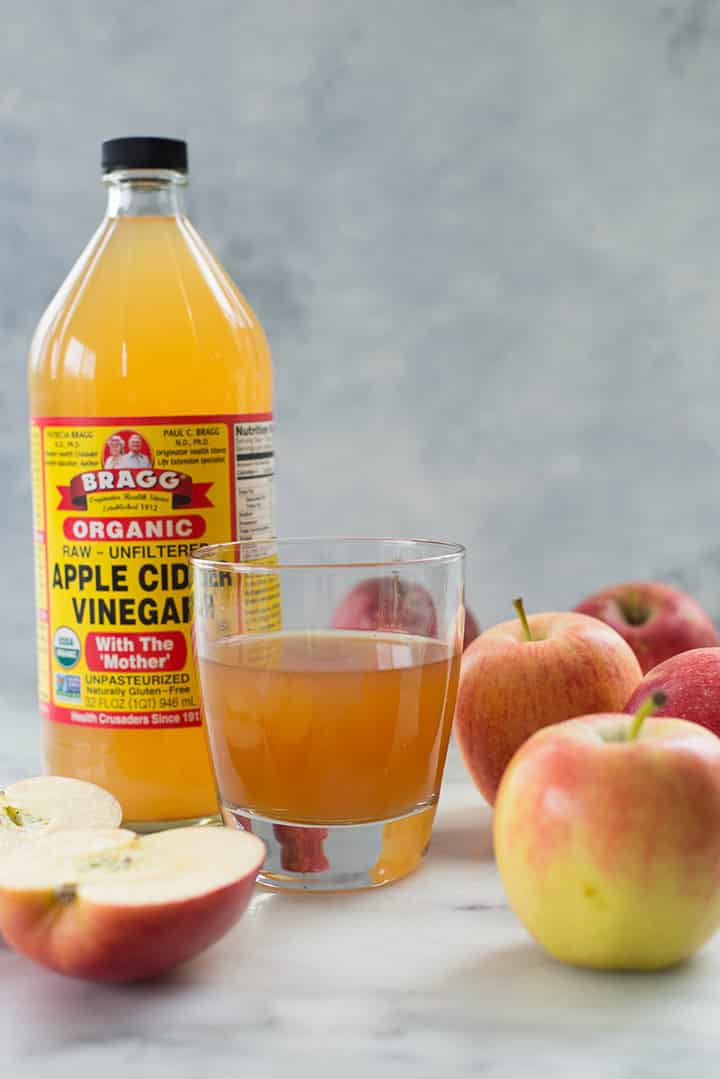
Apple Cider Vinegar

Apple Cider Vinegar has a lot of healthy properties.
It has antimicrobial antioxidant properties, it’s made from fermented apple and water. The particles flowing in it are formed by natural enzymes during fermentation.

A raw, unfiltered and unpasteurised apple cider vinegar has several impressive health benefits and is also used as kitchen staple.
It is used for aiding weight loss and reducing cholesterol.

It also has a ton of different beauty, household, and cooking uses. These include cleaning, washing hair, preserving food, and improving skin function.

You can also use apple cider vinegar in all sorts of recipes, including salad dressings, soups, sauces, hot drinks, and more.

DOSAGE
It is taken as 1-2 teaspoon (5- 10ml) or 1-2 tablespoon (15 – 30ml) per day, mixed with water spread in 2-3 doses
That is 10ml 3 times daily.

It should be taken before meal or on an empty stomach to be effective and to prevent indigestion.

GENERAL USES

1. Taken early morning on an empty stomach, it helps to reduce weight loss, hunger and remove toxins from the system.

2. To lower blood sugar: Apple cider vinegar is claimed to help people with diabetes & manage sugar levels.

3. To help you feel full: Apple cider vinegar is sometimes recommended as a weight loss aid, This is because it may help you feel full.

4. To preserve food: Just like other types of vinegar, apple cider vinegar is an effective preservative. In fact, people have used vinegar as a pickling agent to preserve foods for thousands of years.

5. As a deodoriser: Apple cider vinegar is known to have antibacterial properties. Because of this, it’s often claimed that apple cider vinegar can eliminate bad smells.

6. To soothe a sore throat: Gargling with apple cider vinegar is a popular home remedy for sore throats.

7. As a facial toner: Anecdotally, apple cider vinegar is claimed to help remedy skin conditions and provide graceful ageing treatment.

8. As a dandruff treatment: Massaging diluted apple cider vinegar into your scalp may help get rid of dandruff.

9. As a mouthwash: Apple cider vinegar is often said to be a useful alternative to commercial mouthwashes. Its antibacterial properties may help with bad breath, although there aren’t any studies examining how effective it is.

10.To treat acne: Dabbing small amounts of diluted apple cider vinegar onto pimples is anecdotally claimed to be a good way to get rid of them.

11. To get rid of warts: As with acne, apple cider vinegar is claimed to be a natural agent for getting rid of warts. It’s likely effective for removing warts from skin, due to its acidic nature.

Generally Apple cider vinegar has various health benefits as home remedy!

Reference – healthline

Written by: Ruth Olusegun

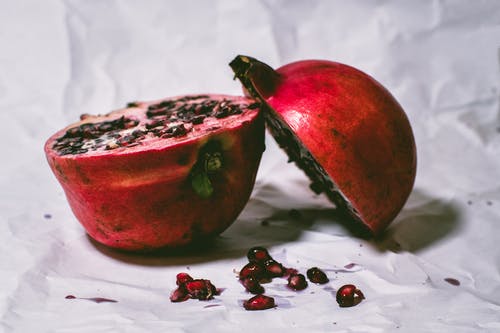
Pomegranate Benefits

Pomegranate is a sweet, tart fruit with thick, red skin. While the skin is not edible, it holds hundreds of juicy seeds that you can eat plain or sprinkle on salads, oatmeal, hummus and other dishes.
It is a fruit-bearing deciduous shrub. Pomegranate is a tree, various parts of the this tree and fruit are used to make medicine.
Pomegranate arils are packed with nutrients and antioxidants, substances that can help prevent or delay damage within the cells. In fact, pomegranate juice has three times as many antioxidants as other antioxidant-rich beverages, such as green tea and red wine. People use pomegranate for high blood pressure, athletic performance, heart disease and many other conditions.

How does it work ?

Pomegranate contains a variety of chemicals that might have antioxidant effects. Some preliminary research suggests that chemicals in pomegranate juice might slow the progression of atherosclerosis (hardening of the arteries) and possibly fight cancer cells.

Health Benefits

Pomegranates can have up to three times more antioxidants than green tea or red wine. Antioxidants protect cells from damage, prevent diseases — such as cancer — and reduce inflammation and the effects of aging.

Additionally, other health benefits of pomegranates include the following:

Heart Health
Studies have suggested that pomegranates can protect the heart in many ways, including lowering blood pressure and reducing blood sugar levels.

Atherosclerosis — the build-up of cholesterol and fats in the arteries — is a common cause of heart disease. Pomegranate juice may help reduce low-density lipoprotein cholesterol — “bad” cholesterol” — that clogs arteries. It can also increase high-density lipoprotein cholesterol — “good” cholesterol” — which lowers the risk of strokes and heart attacks.

Diabetes Control
Initial studies have revealed that people with type 2 diabetes who began to drink pomegranate juice showed an improvement in insulin resistance. Pomegranates can also help people without diabetes maintain a healthy weight.
Lowering Risk of Cancer

Pomegranates are rich in antioxidants and flavonoids, both of which are known to prevent free radicals from damaging your cells. In some studies, pomegranates show potential to be effective in preventing prostate, breast, lung, and colon cancers.

Nutrition
Fresh pomegranate is also a source of fiber, which can promote weight loss, lower cholesterol, and ease constipation.
In addition, pomegranates provide:
– Folate
– Vitamin K
– Vitamin E
– Vitamin B6
– Potassium

Pomegranate comes in two forms:
1: Natural form as a fruit and
2: As a supplement.

Take pomegranate today and stay healthy!


Source: Webmd

Written by Sarah Amah

What you should know about Chromium

Chromium is a mineral. It is called an “essential trace element” because very small amounts of chromium are necessary for human health. There are two forms of chromium. Trivalent chromium is found in foods and supplements and is safe for humans. The other form, hexavalent chromium, is a known toxin that can cause skin problems and lung cancer. Only trivalent chromium is discussed. Chromium is an essential trace mineral that can improve insulin sensitivity and enhance protein, carbohydrate, and lipid metabolism. It is a metallic element that people need in very small quantities. Chromium supplements may enhance muscle mass, weight loss, and glucose control.

The Adequate Intake (AI) of chromium for ages 9 years and above ranges from 21 to 25 micrograms (mcg) per day for females and 25 to 35 mcg per day for men.

For infants and children, the recommended intake is:

  • Up to 6 months: 0.2 mcg per day
  • From 7 to 12 months: 5.5 mcg per day
  • From 1 to 3 years: 11 mcg per day
  • From 4 to 8 years: 15 mcg per day

Why do people take chromium?

Some studies have shown that chromium supplements may be helpful for people with type 2 diabetes and insulin resistance (prediabetes). There’s good evidence that chromium can lower glucose levels and improve insulin sensitivity, although not all studies have shown a benefit. It may be that chromium works better if someone is chromium deficient, which is usually only seen if a person has poor overall nutrition. Other studies have also found that chromium may help with polycystic ovary syndrome (PCOS), which is linked to insulin resistance.

Chromium supplements have also been studied for their effects on cholesterol, heart disease risk, psychological disorders, Parkinson’s disease, and other conditions. However, the study results have been contradictory or unclear.

Some people use chromium supplements to build muscle or trigger weight loss. Some chromium studies have shown these benefits, but others have not.

Sources of chromium

Foods high in chromium are broccoli, liver and brewer’s yeast, Potatoes, whole grains, seafood, and meats also contain chromium.

Others are:
1. Grape juice: 1 cup contains 8 mcg

2. Turkey breast: 3 ounces contains 2 mcg

3. English muffin: one whole wheat muffin contains 4 mcg

4. Potatoes, mashed: 1 cup contains 3 mcg

5. Green beans: 1 cup contains 2 mcg

6. Red wine: 5 ounces contains between 1 and 13 mcg

Chromium also comes in supplement.

Written by Sarah Amah.

β-Carotene (Beta Carotene)

β-Caroteneis anorganic, strongly coloured red-orangepigmentcalled carotenoids that isabundant in fungi,plants, and fruits. It is a member of thecarotenes, which areterpenoids(isoprenoids), synthesized biochemically from eightisopreneunits and thus having 40carbons. Among the carotenes, β-carotene is distinguished by havingbeta-ringsat both ends of the molecule. β-Carotene is biosynthesized fromgeranylgeranyl pyrophosphate.

In someMucoraleanfungi, β-Carotene is a precursor to the synthesis oftrisporic acid.

Beta-carotene and other carotenoids provide approximately 50% of the vitamin A needed in the American diet. Beta-carotene can be found in fruits, vegetables, and whole grains. It can also be made in a laboratory.
Beta-carotene is used for an inherited disorder marked by sensitivity to light (erythropoietic protoporphyria or EPP). It is also used to prevent certain cancers, heart diseasecataracts, and many other conditions, but there is no good scientific evidence to support these uses.

The body converts Beta Carotene into vitamin A (retinol). Vitamin A, known as a vital nutrient for vision, plays a critical role in cell growth and in maintaining healthy organs like the heart, lungs, and kidneys.

Beta Carotene, which gets its name from the Latin word for carrot, is an antioxidant that is extremely good for your eyes and skin. 

Health Benefits

Some health benefits of beta carotene include:

Eye Health

Beta carotene is a provitamin A carotenoid, or a nutrient that the body readily converts into vitamin A. Research has found that eating a carotenoid-rich diet, including beta carotene, supports eye health and prevents eye diseases. Studies have shown that people with high blood levels of carotenoids may reduce their risk of macular degeneration by up to 35 percent.

Improved Cognitive Function

There is evidence that beta carotene, like other antioxidants, may improve memory and cognitive function. A review of multiple studies found that long-term beta carotene supplementation had positive effects on cognitive function and memory. 

Antioxidants like beta carotene might be very helpful in reducing the symptoms of Alzheimer’s disease and age-related cognitive decline.

Skin Protection

Research has shown that antioxidants, including beta carotene, help maintain skin health and appearance, and may protect the skin against UV radiation from the sun.

Cancer Prevention

Researchers have found that a diet high in beta carotene and other antioxidants may reduce the risk of certain cancers, including breast cancer, lung cancer, and pancreatic cancer.

Health Risks

Vitamin A is a fat-soluble nutrient that can accumulate in the body, primarily in the liver, and is toxic in excessively large doses. Chronic excess intake of Vitamin A can cause dizziness, nausea, joint pain, coma, and even death. Even amounts just slightly above the recommended dietary allowance are associated with reduced bone mineral density and fracture risk. 

However, beta carotene is not known to be toxic, even at large supplemental doses. The only known effect of long-term excessive beta carotene intake for most people is orange-yellow skin discoloration.

Smokers who take high doses of beta-carotene supplements have been found to be at higher risk of death due to lung cancer.

Foods rich in beta carotene

Beta carotene is concentrated in fruits and veggies with a red, orange, or yellow color.

However, don’t shy away from dark leafy greens or other green veggies, as they contain a good amount of this antioxidant as well.

Some research has shown that cooked carrots provide more carotenoids than raw carrots. Adding olive oil can also increase the bioavailability of carotenoids.

Beta carotene is a fat-soluble compound, which is why eating this nutrient with a fat improves its absorption.

The foods highest in beta carotene include:

  • dark leafy greens, such as kale and spinach
  • sweet potatoes
  • carrots
  • broccoli
  • butternut squash
  • cantaloupe
  • red and yellow peppers
  • apricots
  • broccoli
  • peas
  • romaine lettuce

Beta carotene is also found in herbs and spices such as:

  • paprika
  • cayenne
  • chili
  • parsley
  • cilantro
  • marjoram
  • sage
  • coriander

For reference, the United States Department of Agriculture (USDA) food database gives the following details on beta carotene content:

  • 100 grams of cooked carrots provides 8,279 micrograms (mcg) of beta carotene.
  • 100 grams of cooked spinach without fat added provides about 6,103 mcg of beta carotene.
  • 100 grams of boiled sweet potato contains 9,406 mcg of beta carotene.

Pairing these foods, herbs, and spices with a healthy fat, such as olive oil, avocado, or nuts and seeds, can help the body absorb them better.

The bottom line

Beta carotene is an important dietary compound and an important source of vitamin A. Research has linked beta carotene intake with various health benefits.

Eating a diet rich in fruits and vegetables is the best way to increase your beta carotene intake and prevent disease.

Reference: Healhline
Written by: Chiamaka Nwoko

10 Natural Ways to Increase Your Glutathione Levels

Glutathione is one of the body’s most important and potent antioxidants. Antioxidants are substances that reduce oxidative stress by combating free radicals in the body.

While most antioxidants are found in the foods you eat, glutathione is produced by your body. It is primarily made up of three amino acids: glutamine, glycine and cysteine.

There are a number of reasons why your body’s glutathione level may become depleted, including poor diet, chronic disease, infection and constant stress.

Glutathione is also known to decrease with age.

Maintaining adequate levels of this antioxidant is incredibly important. Below are 10 of the best ways to increase your glutathione levels naturally.

1. Consume Sulfur-Rich Foods

Sulfur is an important mineral that occurs naturally in some plant and protein foods.

It’s required for the structure and activity of important proteins and enzymes in the body. Notably, sulphur is required for the synthesis of glutathione.

Sulfur is found in two amino acids in food: methionine and cysteine. It’s primarily derived from dietary proteins, such as beef, fish and poultry.

However, there are vegetarian sources of sulfur as well, such as cruciferous vegetables like broccoli, Brussels sprouts, cauliflower, kale, watercress and mustard greens.

A number of human and animal studies have found that eating sulfur-rich vegetables may reduce oxidative stress by increasing glutathione levels.

Allium vegetables, including garlic, shallots and onions, also boost glutathione levels — likely due to their sulfur-containing compounds.

2. Increase Your Vitamin C Intake

Vitamin C is a water-soluble vitamin found in a variety of foods, particularly fruits and vegetables.

Strawberries, citrus fruits, papayas, kiwis and bell peppers are all examples of foods rich in vitamin C.

This vitamin has many functions, including working as an antioxidant to protect cells from oxidative damage. It also maintains the body’s supply of other antioxidants, including glutathione.

Researchers have discovered that vitamin C may help increase glutathione levels by attacking free radicals first, thereby sparing glutathione.

They also found that vitamin C helps reprocess glutathione by converting oxidized glutathione back to its active form.

In fact, researchers have found that taking vitamin C supplements increased glutathione levels in white blood cells in healthy adults.

In one study, adults took 500–1,000 mg of vitamin C daily for 13 weeks, leading to an 18% increase of glutathione in white blood cells.

Another study showed that taking 500 mg of vitamin C supplements per day increased glutathione in red blood cells by 47%.

However, these studies involved vitamin C supplements. Given that supplements are concentrated versions of the vitamin, it’s unclear if foods would have the same effect.

Further research is needed to determine if you can increase glutathione levels by eating foods containing vitamin C.

3. Add Selenium-Rich Foods to Your Diet

Selenium is an essential mineral and a glutathione cofactor, meaning it’s a substance needed for glutathione activity.

Some of the best sources of selenium are beef, chicken, fish, organ meats, cottage cheese, brown rice and Brazil nuts.

By increasing your intake of selenium, you may help maintain or increase your body’s supply of glutathione.

The Recommended Dietary Allowance (RDA) for selenium for adults is 55 mcg. This is based on the amount needed to maximise the production of glutathione peroxidase.

One study investigated the effects of selenium supplements in 45 adults with chronic kidney disease. All of them received 200 mcg of selenium daily for three months.

Interestingly, all of their glutathione peroxidase levels increased significantly.

Another study showed that taking selenium supplements increased glutathione peroxidase levels in patients on hemodialysis.

Again, the above studies involved supplements, rather than selenium-rich foods.

Additionally, it’s important to note that the tolerable upper intake level (UL) is set at 400 mcg per day. Due to possible toxicity, be sure to discuss selenium supplements and dosage with your healthcare provider.

For most healthy adults, eating a balanced diet with selenium-rich foods will ensure adequate levels of selenium — and, therefore, healthy glutathione levels.

4. Eat Foods Naturally Rich in Glutathione

The human body produces glutathione, but there are also dietary sources. Spinach, avocados, asparagus and okra are some of the richest dietary sources.

However, dietary glutathione is poorly absorbed by the human body. Additionally, cooking and storage conditions can decrease the amount of glutathione found in food.

Despite having a lower impact on increasing glutathione levels, glutathione-rich foods may help decrease oxidative stress.

For example, a non-experimental study showed that people who consumed the most glutathione-rich foods had a lower risk of developing mouth cancer.

Ultimately, further research is warranted to fully understand the effect of glutathione-rich foods on oxidative stress and glutathione levels.

5. Supplement With Whey Protein

Your body’s production of glutathione depends on certain amino acids.

An amino acid called cysteine is a particularly important amino acid that is involved in glutathione synthesis.

Foods rich in cysteine, such as whey protein, may increase your glutathione supply.

In fact, research strongly supports this claim, as many studies have found that whey protein may increase levels of glutathione and, therefore, reduce oxidative stress.

Milk thistle supplements are another way to boost glutathione levels naturally.

This herbal supplement is extracted from the milk thistle plant, known as Silybum marianum.

Milk thistle is comprised of three active compounds, collectively known as silymarin. Silymarin is found in high concentrations in milk thistle extract and is well known for its antioxidant properties.

Furthermore, silymarin has been shown to increase glutathione levels and prevent depletion in both test-tube and rodent studies.

Researchers believe that silymarin is able to maintain glutathione levels by preventing cell damage.

7. Try Turmeric Extract

Turmeric is a vibrant yellow-orange herb and a popular spice in Indian cuisine.

The herb has been used medicinally in India since ancient times. The medicinal properties of turmeric are likely linked to its main component, curcumin.

The curcumin content is much more concentrated in the extract form of turmeric, compared to the spice.

Numerous animal and test-tube studies have shown that turmeric and curcumin extract have the ability to increase glutathione levels.

Researchers conclude that the curcumin found in turmeric may assist in restoring adequate levels of glutathione and improve the activity of glutathione enzymes.

To experience an increase in glutathione levels, you would need to take turmeric extract, as it would be extremely difficult to consume the same levels of curcumin with turmeric spice.

8. Get Enough Sleep

A good night’s rest is essential for overall health. Interestingly, long-term lack of sleep can cause oxidative stress and even hormone imbalances.

Furthermore, research has shown that chronic lack of sleep may decrease glutathione levels.

For example, a study measuring glutathione levels in 30 healthy people and 30 people with insomnia found that glutathione peroxidase activity was significantly lower in those with insomnia.

Multiple animal studies have also shown that sleep deprivation causes a decrease in glutathione levels.

Therefore, making sure you get good, restorative sleep each night may help maintain or boost your levels of this antioxidant.

9. Exercise Regularly

Regular physical activity has long been recommended by physicians and healthcare providers. It’s no surprise that exercise is good for both your physical and mental health.

Recent research shows that exercise is also helpful in maintaining or increasing antioxidant levels, especially glutathione.

Completing a combination of both cardio and circuit weight training increases glutathione the most, compared to completing cardio or weight training alone.

However, athletes who overtrain without maintaining adequate nutrition and rest may be at risk of decreased glutathione production.

Therefore, be sure to incorporate physical activity into your regular routine in a gradual and sensible way.

10. Avoid Drinking Too Much Alcohol

It’s no surprise that many adverse health effects are associated with chronic and excessive alcohol intake.

Alcoholism is commonly associated with ailments such as liver cirrhosis, brain damage and pancreatitis.

While not as well known, lung damage is also an adverse effect of alcoholism. This is likely related to a depletion of glutathione levels in the lungs.

The small airways of the lungs require glutathione to function properly. In fact, healthy lungs have up to 1,000 times more glutathione than other parts of the body.

Depletion of glutathione in the lungs of alcoholics is most likely due to oxidative stress caused by chronic alcohol use.

Research has identified an 80–90% decrease in lung glutathione levels in those who regularly consume excessive amounts of alcohol.

Thus, limiting your alcohol intake may help you maintain healthy glutathione levels.


Reference: Healthline

Written by: Omojo Emeje

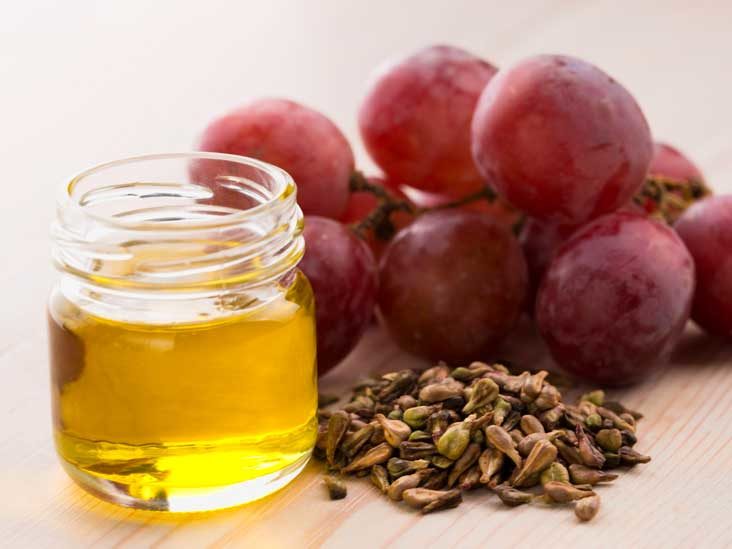
Grape Seed Extract (GSE)

Grape seed extract (GSE) is a dietary supplement made by removing, drying, and pulverising the bitter-tasting seeds of grapes.

Grape seeds are rich in antioxidants, including phenolic acids, anthocyanins, flavonoids, and oligomeric proanthocyanidin complexes (OPCs). Grape seed extract, which is made from the seeds of wine grapes, is promoted as a dietary supplement for various conditions, including venous insufficiency (when veins have problems sending blood from the legs back to the heart), promoting wound healing, reducing inflammation, protect against oxidative stress and tissue damage.

Grape seed extract also is indicated for reducing the risk of atherosclerosis as well as for reducing complications related to diabetes, lowering cholesterol and preventing cancer.

Grape seed extract also help with deep wrinkles. This extract has natural antioxidant properties and can help restore elasticity to your wrinkled skin. Massage the grape seed extract into your deep wrinkles daily to keep your skin looking young.

Side effects. Grape seed extract is generally considered safe. Side effects may include headache, itchy scalp, dizziness, and nausea.

Risks. People allergic to grapes should not use grape seed extract. If you have a bleeding disorder or high blood pressure, talk to your doctor before you start using grape seed extract.

Interactions. If you take any medicines regularly, talk to your doctor before you start using grape seed extract. It could interact with drugs like blood thinners, NSAID painkillers (like aspirin, Advil, and Aleve), certain heart medicines, cancer treatments, and others.


Written by: Chiamaka Nwoko

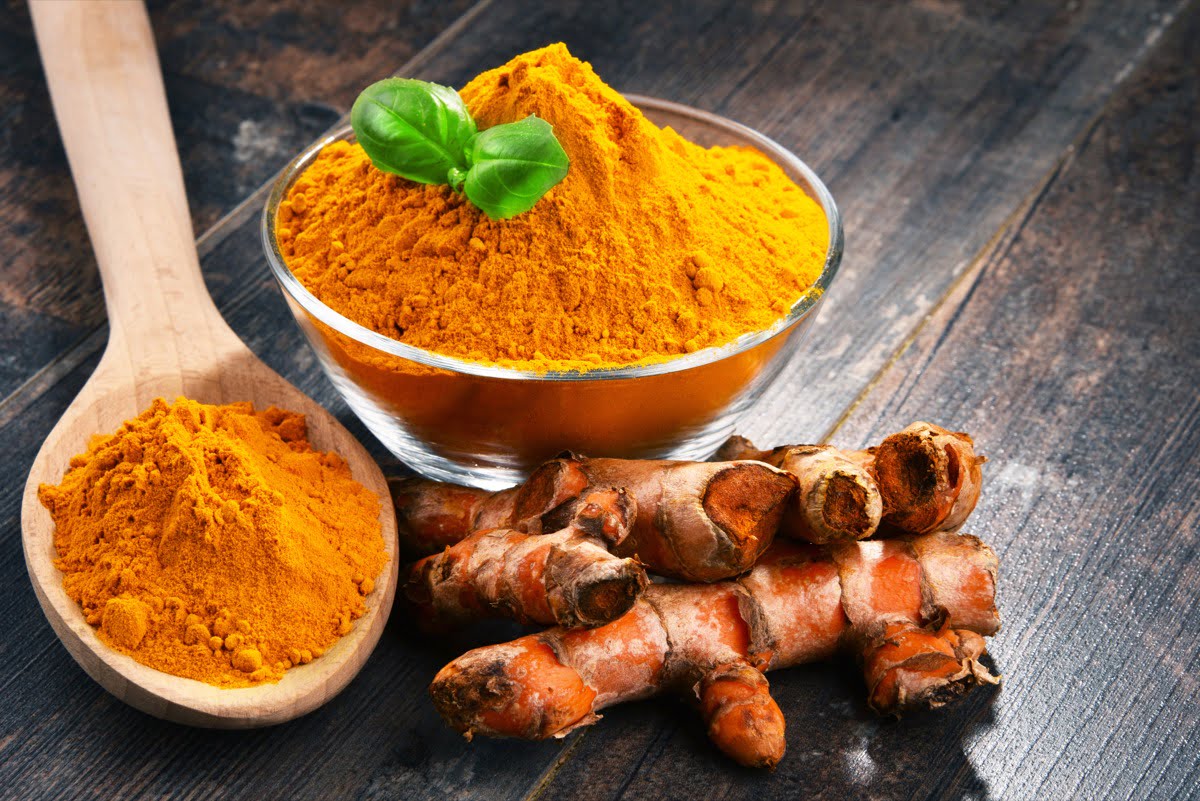
Amazing Benefits of Turmeric!

The turmeric on shelves and in spice cabinets is made of the ground roots of the plant. The bright yellow color of processed turmeric has inspired many cultures to use it as a dye. Ground turmeric is also a major ingredient in curry powder.

Capsules, teas, powders, and extracts are some of the turmeric products available commercially.

Curcumin is the active ingredient in turmeric, and it has powerful biological properties. Ayurvedic medicine, a traditional Indian system of treatment, recommends turmeric for a variety of health conditions. These include chronic pain and inflammation. Western medicine has begun to study turmeric as a pain reliever and healing agent.

While turmeric is a flavorsome spice that is nutritious to consume, it has also traditionally been used in Ayurvedic and Chinese medicine to treat inflammatory conditions, skin diseases, wounds, digestive ailments, and liver conditions.

✓ Anti-inflammatory properties
This anti-inflammatory ability might reduce the aggravation that people with arthritis feel in their joints.

The foundation suggests taking turmeric capsules of 400 to 600 milligrams (mg) up to three times per day for inflammation relief.

✓Pain relief
Turmeric is thought of as a pain reliever. The spice is reputed to relieve arthritis pain as well.

✓Improving liver function

The antioxidant effect of turmeric appears to be so powerful that it may stop your liver from being damaged by toxins.

✓ Possibly reducing the risk of cancer.

✓ Improves gut inflammation
Turmeric can help with gut inflammation and gut permeability, two measures of digestive efficiency.

✓ The spice is even being explored as a treatment for irritable bowel syndrome (IBS).

Turmeric adds flavor to food, which explains its presence in curry powder. However, turmeric can also play an important role in digesting that food.

The spice can contribute to healthy digestion as a result of its antioxidant and anti-inflammatory properties.


Written by: Chiamaka Nwoko

Add to cart