Skin Infections

PREAMBLE:
The skin, the body’s largest organ, plays a crucial role in safeguarding us from external threats, regulating our temperature, and enabling sensory experiences. Composed of various layers, including the epidermis, dermis, and subcutaneous tissue, it acts as a protective barrier against harmful microorganisms and environmental factors. Furthermore, it houses sensory receptors that allow us to sense touch, pain, and temperature. Additionally, the skin contributes to vitamin D synthesis and serves as a canvas for expressing individuality through its unique characteristics, colors, textures, and markings. A comprehensive understanding of the skin’s complexity and functions is vital for maintaining overall health and well-being.

Skin infections, also referred to as dermatological conditions, encompass a broad spectrum of issues that impact the body’s largest organ, the skin. Skin serves as a protective barrier, maintaining body temperature and contributing significantly to sensory perception. Nonetheless, it is vulnerable to a variety of disorders and illnesses, which can manifest in diverse ways, ranging from minor irritations to serious health problems. These conditions may arise due to genetic factors, environmental influences, infections, autoimmune reactions, or lifestyle choices. Examples of common skin disorders include acne, dermatitis (eczema), psoriasis, ringworm, athlete’s foot, among others. Meanwhile, certain conditions like skin cancer can pose life-threatening risks if not identified and treated promptly.

The successful management and treatment of these conditions frequently necessitate a collaborative approach involving a range of medical experts, including dermatologists, allergists, immunologists, and other health practitioners. Additionally, ongoing advancements in medical research and technology are enhancing our comprehension of skin disorders, resulting in improved diagnostic techniques and innovative therapies. Appreciating the diversity of skin disorders is crucial for preserving skin health, averting complications, and enhancing individuals’ overall well-being. Furthermore, we will delve into various aspects of skin disorders, including their causes, symptoms, treatment options, and preventive measures, all aimed at promoting skin health.

TYPES OF SKIN INFECTIONS:

Skin infections can vary greatly in symptoms, severity, and result from various causes, including bacteria, viruses, fungi, and parasites. Here’s a brief overview of some common types:

1. Ringworm (Tinea Corporis):
– Cause: Fungi called dermatophytes.
– Appearance: Red, itchy, ring-shaped rashes on the skin.
– Transmission: Can spread through direct contact with an infected person or animal or by sharing contaminated items like towels or combs.
– Treatment: Antifungal creams or oral medications prescribed by a healthcare professional.

2. Athlete’s Foot (Tinea Pedis):
– Cause: Fungi thrive in warm, moist environments.
– Symptoms: Itchy, peeling skin on the feet, especially between the toes.
– Transmission: Often spreads in locker rooms and public showers.
– Treatment: Antifungal creams or powders, and good foot hygiene.

3. Jock Itch (Tinea Cruris):
– Cause: Fungi that prefer the groin area.
– Symptoms: Itchy, red rash in the groin and inner thigh area.
– Transmission: Common in athletes and those in humid climates.
– Treatment: Antifungal creams or powders, and keeping the area dry.

4. Yeast Infections (Candidiasis):
– Cause: Candida yeast.
– Symptoms: Redness, itching, and sometimes white discharge, often in warm, moist areas like the genitals or mouth.
– Treatment: These fungal infections are typically not serious but can be uncomfortable and itchy. Treatment usually involves antifungal medications/creams, good hygiene, and keeping the affected area clean and dry.

5. Acne:
– cause: Excess sebum production(skin oil), clogged hair follicles, bacteria, hormonal changes, diet, genetics, certain medications (e.g corticosteroids), stress and environmental factors.
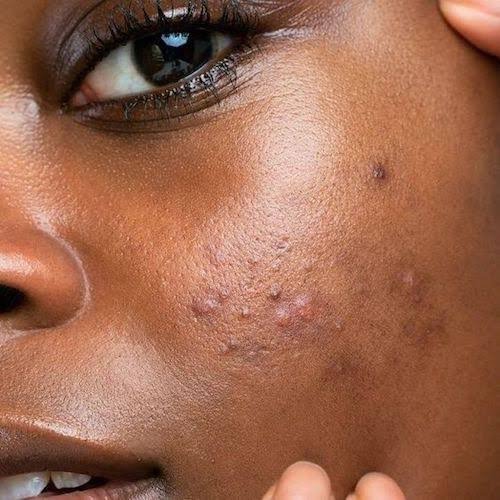
– Symptoms: Pimples(small, red, or white bumps on the skin), Blackheads(open clogged pores with dark centers), Whiteheads(closed clogged pores with white centers), Cysts(large, painful lumps under the skin), Inflammation, Scarring.

Treatment:
Acne treatment involves various approaches to manage and reduce the occurrence of acne.

– Cleansing: It’s important to wash your face regularly using a gentle cleanser to eliminate excess oil, dirt, and dead skin cells. Avoid using abrasive scrubs or washing too frequently, as they can cause skin irritation.
– Topical Treatments: Non-prescription products are available and may contain substances like benzoyl peroxide, salicylic acid, or alpha hydroxy acids (AHAs). These ingredients can assist in clearing clogged pores, reducing inflammation, and eliminating the bacteria responsible for acne.
– Oral Medications: In certain situations, healthcare professionals may recommend antibiotics such as doxycycline or tetracycline to reduce inflammation and bacterial growth.
– Chemical Peels: Health practitioners may recommend a visit to certified estheticians for facials like chemical peels to remove the outermost layer of skin, which can improve the appearance of acne scars and promote smoother skin.
– Lifestyle Adjustments: Maintaining a healthy lifestyle through a balanced diet, regular physical activity, effective stress management, and sufficient sleep can have an impact on acne.
– Avoid Picking or Squeezing: It’s crucial to resist the temptation to pop pimples, as this can worsen inflammation and result in scarring.

Keep in mind that treating acne requires patience and consistency. What works for one person may not be effective for another, so it’s essential to consult with a healthcare provider for personalized care. Additionally, some treatments may have side effects, so discussing these with a healthcare professional is important.

6. Dermatitis:
Commonly known as eczema, is a chronic skin condition characterized by inflammation, itching, and sometimes the formation of red, scaly patches on the skin.

Types of dermatitis:
– Atopic Dermatitis: This is the most common form, often appearing in childhood and typically associated with a family history of allergies or asthma.

– Contact Dermatitis: Caused by skin contact with irritants (irritant contact dermatitis) or allergens (allergic contact dermatitis), such as certain soaps, cosmetics, or plants like poison ivy.

Symptoms:
– Intense itching is a hallmark of eczema.
– Redness and inflammation of the skin.
– Dry, scaly, or crusty patches.
– Skin may become thickened or leathery with chronic eczema.
– In severe cases, eczema can lead to open sores or oozing lesions due to scratching.

Causes/Triggers:
– Genetics play a role, as eczema tends to run in families.
– Environmental factors, like exposure to allergens or irritants.
– Dry skin can aggravate eczema.
– Stress and hormonal changes can trigger or worsen flare-ups.

Treatment/Management:
– Moisturizing regularly is essential to keep the skin hydrated.
– Topical corticosteroids and other anti-inflammatory creams or ointments are often prescribed to reduce inflammation and itching.

Prevention:
– Keeping the skin well-moisturized.
– Identifying and avoiding triggers.
– Using mild, fragrance-free soaps and detergents.
– Managing stress, as stress can worsen symptoms.

It’s crucial to understand that eczema is a long-lasting condition without a known remedy, but its signs can be effectively controlled through appropriate skincare, medications, and lifestyle changes. If you or someone you’re familiar with is coping with eczema, seeking advice from a dermatologist or healthcare expert for a tailored treatment plan is recommended.

7. Psoriasis:
This is a long-lasting autoimmune skin condition that impacts millions of individuals across the globe. It arises when the immune system erroneously recognizes skin cells as foreign intruders, prompting an accelerated generation of skin cells. While skin cells typically renew every 3 to 4 weeks, in psoriasis, this renewal process can take as little as 3 to 7 days. This swift turnover of cells results in an accumulation of skin cells on the surface, giving rise to various symptoms like itching, burning, or discomfort in affected areas, as well as dry, cracked skin that may bleed, among other indications. The choice of treatment varies based on the severity and type of psoriasis.
They may include:

– Topical treatments: Creams, ointments, or shampoos containing corticosteroids, vitamin D analogs, or retinoids to reduce inflammation and scale.
– Oral or injected medications: For severe cases, drugs like methotrexate, cyclosporine, may be prescribed to suppress the immune system and reduce symptoms.
– Lifestyle changes: Managing stress, maintaining a healthy diet, and avoiding triggers like alcohol and smoking can help.
– Moisturizers: Using emollients can soothe dry skin and prevent flare-ups. Always consult a healthcare provider for a proper diagnosis and personalized treatment plan.

8. Chickenpox:
This is an infection that causes a skin rash. The disease is caused by a germ called varicella-zoster virus. (Chickenpox itself is also called varicella-zoster.) Most people will get the virus when they are young if they haven’t had a chickenpox vaccine.
A child with chickenpox can easily give the virus to other children. Chickenpox today is much less common because most children are vaccinated when they are young. Having chickenpox once usually provides lifelong immunity to the virus. However, the virus can reactivate later in life, causing a different condition called shingles.

Vaccination:
– The varicella vaccine is highly effective at preventing chickenpox. It’s usually given in two doses to children, and a two-dose regimen is recommended for adults who are not immune to the virus.
Treatment:
– It is mainly focused on relieving symptoms, such as itching and fever, with antihistamines and fever-reducing medications. It’s important to avoid scratching the rash to prevent infection.

SUMMARY:
Various types of skin infections caused by bacteria, fungi, viruses, and parasites exhibit a wide range of characteristics that impact the skin. These infections differ in their origins, symptoms, and therapeutic approaches, underscoring the importance of seeking professional medical advice for precise diagnosis and suitable care. For instance, Pharmacists assume a pivotal role in addressing skin ailments, contributing significantly in multiple aspects. Moreover, they offer vital counsel and proficiency in managing skin conditions by overseeing medication, providing education, and offering patient assistance. Additionally, in cases demanding specialized treatment, pharmacists may refer individuals to dermatologists or other healthcare providers.

Reference:
Google scholar article(complicated infections of skin and skin structures)
Drugs.com
WebMD


Unlocking the Power of Quality Sleep: A Comprehensive Guide to Better Health

Introduction

In the hustle and bustle of modern life, we often prioritize productivity over sleep. However, the undeniable truth is that sleep is not a luxury; it’s a necessity. Quality sleep plays a pivotal role in our overall health and well-being. In this comprehensive guide, we will delve into the critical connection between sleep quality and better health, as well as provide an in-depth exploration of practical tips to improve your sleep patterns.

The Importance of Quality Sleep

1. Physical Health

Quality sleep is the cornerstone of physical health. During sleep, our bodies engage in vital restorative processes. These include tissue repair, muscle growth, and the release of essential hormones that regulate growth, appetite, and immune function. Chronic sleep deprivation can result in a higher risk of obesity, type 2 diabetes, heart disease, and a weakened immune system.

2. Mental Well-being

The relationship between sleep and mental health is profound. Adequate sleep is essential for cognitive functions such as memory consolidation, emotional regulation, decision-making, problem-solving, and creativity. Conversely, insufficient sleep is closely linked to mood disorders like depression and anxiety.

3. Longevity

Quality sleep is a significant factor in determining longevity. Studies consistently demonstrate that individuals who consistently enjoy restorative sleep tend to live longer and experience fewer chronic health conditions. By prioritizing sleep, you may not only enhance your quality of life but also increase your lifespan.

Tips for Improving Sleep Quality

1. Create a Consistent Sleep Schedule

One of the most effective ways to improve sleep quality is to establish a regular sleep schedule. Aim to go to bed and wake up at the same times every day, even on weekends. This helps regulate your body’s internal clock, making it easier to fall asleep and wake up naturally.

2. Optimize Your Sleep Environment

Transform your bedroom into a haven for restful sleep. Ensure that the room is dark, quiet, and kept at a comfortable temperature. Investing in a high-quality mattress and pillows can also significantly improve your sleep comfort.

3. Limit Screen Time Before Bed

The blue light emitted by phones, tablets, and computers can interfere with the production of melatonin, the sleep-regulating hormone. To enhance sleep quality, avoid screens at least an hour before bedtime. Consider reading a book, taking a warm bath, or practicing relaxation exercises instead.

4. Mind Your Diet

Your eating and drinking habits play a crucial role in sleep quality. Avoid heavy meals, caffeine, and alcohol, especially in the hours leading up to bedtime. Opt for light, easily digestible snacks if you’re hungry before sleeping.

5. Get Regular Exercise

Regular physical activity can promote better sleep, but the timing matters. Aim for at least 30 minutes of moderate exercise most days of the week, but avoid vigorous workouts close to bedtime, as they can be stimulating and disrupt sleep.

6. Manage Stress

Stress and anxiety can be major sleep disruptors. Incorporate relaxation techniques into your daily routine, such as meditation, deep breathing exercises, or mindfulness practices. These activities can help calm your mind and prepare it for rest.

7. Limit Naps

While short power naps can be rejuvenating, long or irregular daytime naps can interfere with nighttime sleep quality. If you need to nap, keep it under 30 minutes and schedule it earlier in the day to minimize disruptions to your sleep cycle.

8. Seek Professional Help

If you’ve tried various strategies and still struggle with sleep issues, it may be time to consult a healthcare professional. They can help identify any underlying causes of your sleep problems and recommend appropriate treatments, which may include therapy or medication.

Conclusion

Quality sleep is the foundation of better health and a higher quality of life. By recognizing its paramount importance and implementing healthy sleep habits, you can enhance your physical and mental well-being, increase your longevity, and experience a more vibrant and fulfilling existence. Don’t underestimate the transformative power of a good night’s sleep—it’s an investment in your health and happiness that pays dividends every day. Commit to improving your sleep quality, and you’ll reap the rewards for years to come.

Achieve Spotless Glass Skin with the Power of Garlic Tea

Introduction

When it comes to achieving spotless, radiant glass skin, we often turn to an array of skincare products and treatments. However, sometimes the key to achieving flawless skin lies in the simplest of remedies. One such hidden gem is garlic tea. Yes, you read that right! Garlic tea may not be the first thing that comes to mind when you think of skincare, but it is a natural elixir that can work wonders for your complexion. In this article, we’ll explore the benefits of garlic tea for spotless glass skin, how to make it, and how to incorporate it into your skincare routine.

The Power of Garlic for Skin

Garlic, scientifically known as Allium sativum, has been used for centuries for its medicinal and therapeutic properties. While it is renowned for its culinary uses, garlic also offers numerous benefits for the skin:

1. Antioxidant Properties: Garlic is rich in antioxidants, such as allicin, that help protect the skin from damage caused by free radicals. This can prevent premature aging and maintain a youthful glow.

2. Antibacterial and Antifungal: Garlic possesses natural antibacterial and antifungal properties that can help combat acne and skin infections, keeping your skin clear and blemish-free.

3. Anti-Inflammatory: Garlic’s anti-inflammatory properties can help soothe redness and irritation, making it ideal for those with sensitive skin or conditions like rosacea.

4. Collagen Production: Garlic contains sulfur compounds that promote collagen production, leading to firmer and more supple skin.

5. Skin Brightening: Garlic can help lighten dark spots and pigmentation, resulting in a more even-toned complexion.

How to Make Garlic Tea

Making garlic tea is simple and can be done with just a few ingredients. Here’s a basic recipe to get you started:

Ingredients:

  • 2-3 garlic cloves, crushed or minced
  • 1 cup of water
  • 1-2 teaspoons of honey (optional, for taste)
  • Lemon juice (optional, for added flavor and vitamin C)

Instructions:

  1. Boil a cup of water and let it cool slightly.
  2. Add the crushed or minced garlic cloves to the hot water.
  3. Cover and steep for 5-10 minutes.
  4. Strain the tea into a cup.
  5. If desired, add honey and lemon juice for taste.
  6. Stir well and enjoy.

Incorporating Garlic Tea into Your Skincare Routine

  1. Internal Consumption: Start by drinking a cup of garlic tea daily. Consuming it on an empty stomach in the morning is ideal, as it allows your body to absorb the nutrients and antioxidants more effectively.
  2. Topical Application: You can also use garlic tea as a toner or facial mist. After cleansing your face, apply a small amount of cooled garlic tea to your skin using a cotton pad or by gently splashing it onto your face. This can help tighten your pores and brighten your complexion.
  3. Spot Treatment: For specific blemishes or acne, apply a small amount of diluted garlic tea directly to the affected area. Be cautious with this method, as garlic can be strong and may cause irritation if not properly diluted.
  4. Face Mask: Consider incorporating garlic tea into your DIY face masks by mixing it with ingredients like yogurt, honey, or oatmeal. Apply the mask, leave it on for 15-20 minutes, and then rinse off with warm water for a refreshed complexion.

Conclusion

Garlic tea might not be the most conventional skincare product, but its numerous benefits for the skin, including spotless glass skin, are undeniable. Its antioxidant, antibacterial, and anti-inflammatory properties make it a valuable addition to your skincare routine. So, why not harness the power of garlic and enjoy the glow of naturally radiant skin? Remember to conduct a patch test before using garlic tea on your face, and if any irritation occurs, discontinue use. With consistent use and a healthy skincare regimen, you’ll be well on your way to achieving the flawless, spotless glass skin you desire.

Diphtheria

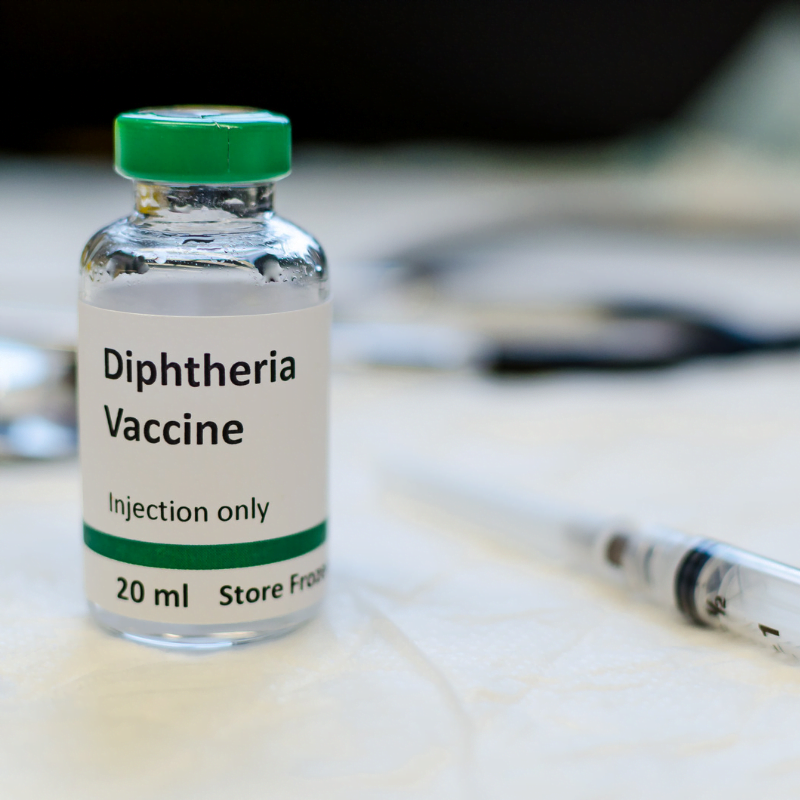
Diphtheria is a dangerous bacterial infection that damages the mucous membranes in the nose and throat. Diphtheria can by avoided by the use of vaccines even through it is contagious from person to person.

WHAT CAUSES DIPHTHERIA?

Diphtheria is caused by a kind of bacteria called CORYNEBACTERUM DIPHTHERIAE. The disease is often passed from person to person or through touch with objects that have the bacteria on them, like a cup or used tissue. If you are in close proximity to someone who has diphtheria and they cough, sneeze or blow their nose, you could also contract the disease.
An infected person can potentially spread the bacterial infection for up to six weeks after the initial infection, even if they dont exhibit any diphtheria symptoms or signs.
The bacteria typically infect your throat and nose. The bacteria release harmful compounds known as toxins after you are infected. The poisons circulate throughout your bloodstream and frequently result in the formation of a thick, grey coating in the following bodily parts:
1) Throat.
2) Tongue.
3) Nose.
4) Airway.
These toxins can occasionally harm other organs including the heart, brain and kidneys. Complications that could be fatal can result from this, including:
1) Myocarditis ( inflammation of the heart).
2) Renal failure (kidney failure).
3) Muscular paralysis.

WHAT ARE RISK FACTORS.
Diphtheria is fairly common in developing countries where immunization rates are low. In these countries, children under age 5 and people over age 60 are particularly at risk of getting diphtheria. People are also at an increased risk of contracting diphtheria if they:
– aren`t up to date on their vaccinations.
– visit a country that doesn`t provide immunizations.
-live in unclean or crowded environment.
-have an immune system disorder such as AIDS.

WHAT ARE THE SYMPTOMS OF DIPHTHERIA?
Diphtheria symptoms frequently show up two to five days after the infection. While some people have moderate symptoms similar to the common cold, others don`t feel any symptoms similar at all.
A thick grey coating on the tonsils and throat is the most obvious and typical sign of diphtheria other typical symptoms include:
1) Fever.
2) Chills.
3) Rapid breathing.
4) Cough.
5) Sore Throat.
6) General fatigue.
7) Slurred speech.
8) Changes in vision.
9) Signs of shock.
HOW CAN DIPHTHERIA BE DIAGNOSED?
A diagnosis will be made by your doctor based on your symptoms and the results of a lab test. They obtain a sample from your sore or the back of your throat using a swab. The swab is subsequently sent to analysis and diagnosis.

HOW IS DIPHTHERIA TREATED?
Treatment for diphtheria starts immediately often even before the results of the lab tests are confirmed. To prevent organ damage your health care provider will administer diphtheria antitoxin. To treat infections, they`ll recommend antibiotics, usually penicillin or erythromycin.
To stop the spread of the disease, diphtheria patients are segregated from the general population. After taking antibiotics for around 48 hours, an infected person is no longer contagious. Tests will be be repeated to confirm that the bacteria are eliminated when therapy is finished. You will receive a vaccine to stop further illnesses after the bacteria are eliminated when therapy is finished. You will receive a vaccine to stop further illnesses after the bacteria are eliminated.

HOW IS DIPHTHERIA PREVENTED?
Antibiotics and vaccines can be used to prevent diphtheria. The vaccine for diphtheria is called DTap. It`s often administered in a single dose alongside the pertussis and tetanus vaccines. It takes five doses to fully protect against the DTap virus. Children receive it at the following ages trusted source:
1) 2 months.
2) 4 months.
3) 6 months.
4) 15-18 months.
5) 6 months.

A child may in extremely rare circumstances, develop an allergy to the immunization. This may cause lives or seizures that will eventually go away.
Since vaccines only remain effective for 10 years, your child will remain another vaccination around the age 12. it is advised that adults receive a single dose of a booster vaccine that include diphtheria, tetanus and pertussis. You will thereafter receive the tetanus-diphtheria(TD) vaccine every 10 years. By following these instructions, you or your child may be shielded from future diphtheria.

Add to cart