What you need to know about Maca!

What is MACA ROOT?

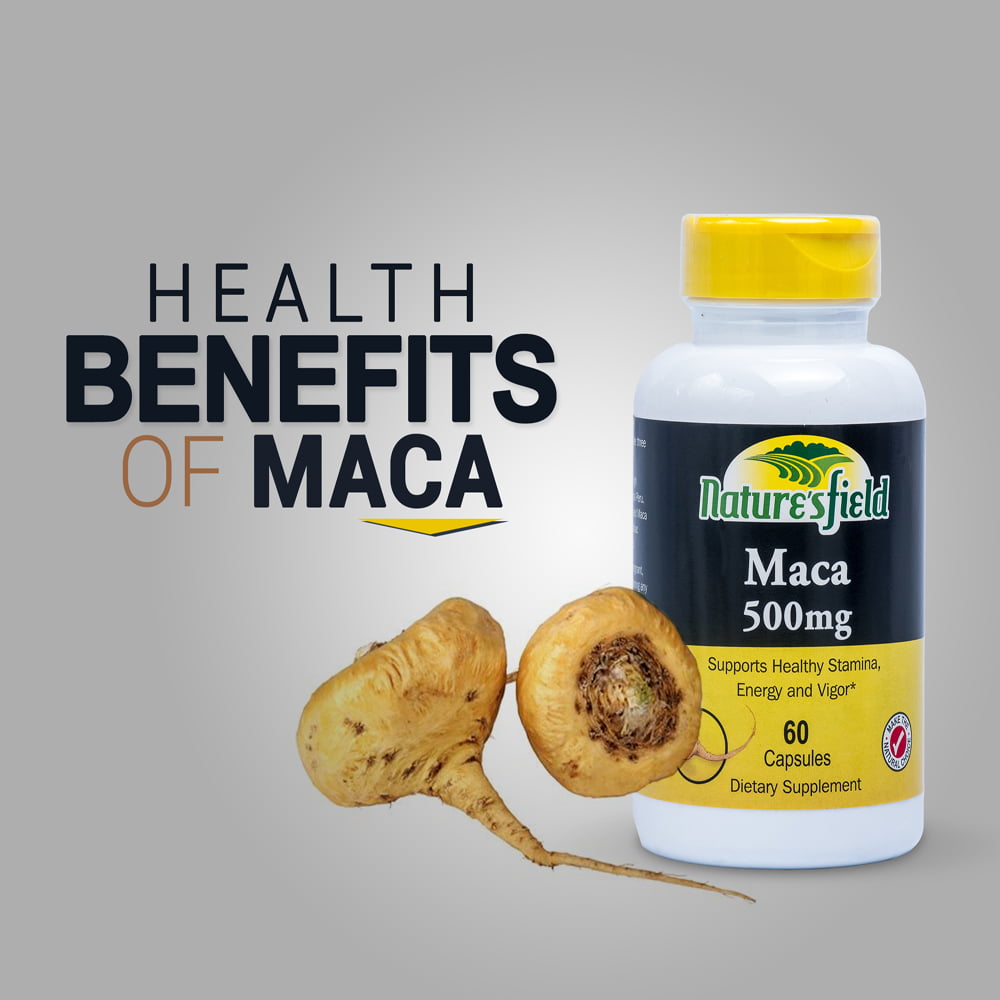
MACA root, also called Peruvian Ginseng is an edible plant that flourishes high in the Andes mountains of Peru. It is a cruciferous vegetable that’s relatable to cabbage, broccoli and cauliflower. It is available in its powered form, liquid extract or as a supplement.
MACA root is nutrient dense and is a rich source of several important vitamins and minerals such as vitamin C, iron, copper, protein, fiber, potassium, vitamin B6 and Manganese. It’s a good source of carbs and contains low fat.

WHY DO YOU NEED MACA ?
– Maca root is an anabolic food and anabolic foods consist of unique compounds that are beneficial for forming muscle fiber. It promotes muscle gain, increases strength, boost energy and improve exercise performance.

– Maca helps to relieve symptoms of menopause. It maintains positive energy and help to stabilise moods in people with mood swings. It has also be shown to help women with hormonal imbalance and PCOS.

– Maca naturally boosts libido in men and women increasing their sexual desire.

– Maca helps to boost male fertility, it has been shown to increase the the quantity and quality of semen in both infertile and healthy men.

– Studies have shown that applying Maca to the skin helps to protect from UV radiation.

– Because of its high amount of glucosinolates, it has been shown to reduce prostate size in enlarged prostate gland and also help reduce the risk of prostate cancer.

– Maca has been used traditionally by the indigenous people of PERU to improve children’s performance in school. Study has shown that it improves general brain functions including learning and memory.

HOW TO TAKE MACA
Maca is easy to incorporate into your diet of daily routine in its powered form or as a supplement. The dose of maca root used in studies ranges from 1.5 – 5 grams daily.

As this to your daily routine for more healthy life, essential for both men and women.


Written by: Immaculate Amalu

Horny Goat Weed (Herba Epimedii) for Male Sexual Drive

Horny goat weed, also known as Herba Epimedii, is an herb. The leaves are used to make medicine. As many as 15 horny goat weed species are known as “yin yang huo” in Chinese medicine.

Horny goat weed is used for weak back and knees, joint pain, osteoarthritis, mental and physical fatigue, memory loss, high blood pressure, heart disease, bronchitis, liver disease, HIV/AIDS, polio, a blood disorder called chronic leucopenia, viral infections of the heart, bone loss after menopause, weak bones (osteoporosis), and as a tonic.

Some men use horny goat weed for sexual performance problems including erectile dysfunction (ED) and involuntary ejaculation. It is also used to arouse sexual desire.

How does it work?

Horny goat weed contains chemicals which might help increase blood flow and improve sexual function. It also contains phytoestrogens, chemicals that act somewhat like the female hormone estrogen, that might reduce bone loss in postmenopausal women.

Horny goat weed has been used for centuries for sexual enhancement. Some of the most common species of this plant that you will see used as supplements include Epimedium grandiflorum and Epimedium sagittatum. It got its name after it was considered to be a powerful aphrodisiac. This claim was made by a Chinese goat herder who thought that his goats had increased sexual activity after eating the plant’s leaves.

Today, horny goat weed is frequently used for sexual dysfunction and sexual performance issues like erectile dysfunction and decreased libido. Epimedium is believed to be a safe alternative to prescription drugs and has also been used for other ailments like joint pain, arthritis, mental and physical fatigue, and memory loss. However, there is limited scientific evidence to support these claims.

Insufficient Evidence to Rate Effectiveness for:

  • Osteoporosis. Developing research shows that taking a specific extract of horny goat weed for 24 months seems to decrease bone loss of the spine and hip in women who have passed menopause. This particular extract, made by Tong Ji Tang Pharmacal Company in China, contains phytoestrogens (specifically containing 60 mg of icariin, 15 mg of daidzein, and 3 mg of genistein). These chemicals act somewhat like the hormone estrogen.
  • Postmenopausal conditions. Early research suggests that taking horny goat weed water extract for 6 months can decrease cholesterol and increase estradiol levels in postmenopausal women.


Written by: Omojo Emeje

Ashwagandha Root for Better Sexual Health!

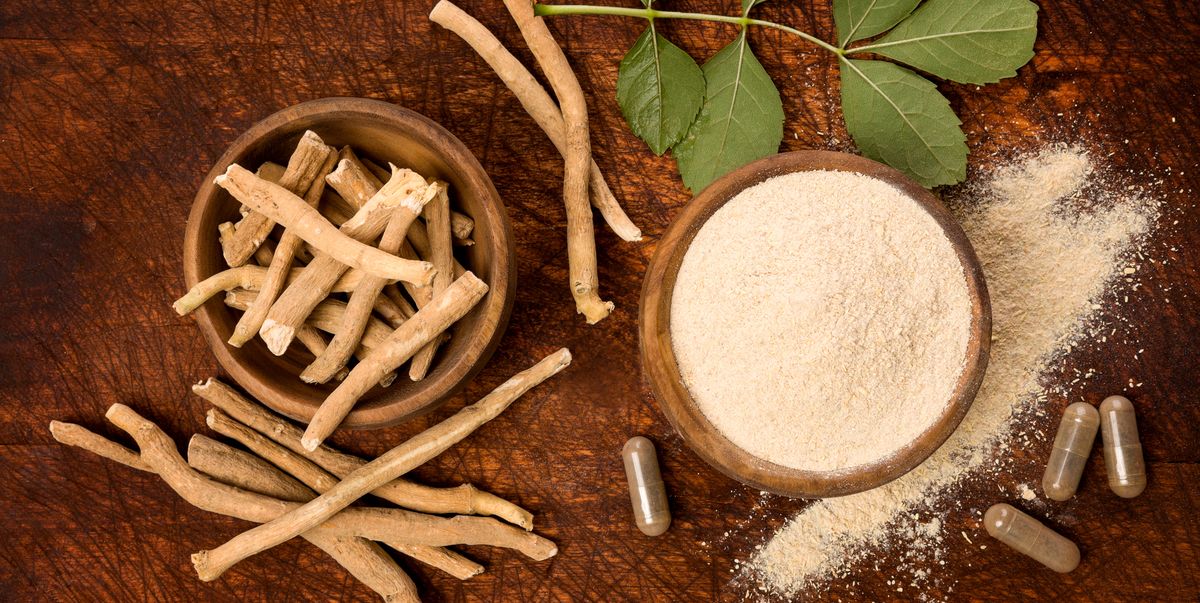
Ashwagandha is one of the most well-known ayurvedic herbs and is traditionally known for its stress-relieving properties. From physical stress and fatigue to mental stress and conditions like anxiety, this adaptogenic herb helps deal with all kinds of health issues.

Experts suggest that ashwagandha also rejuvenates your body and improves your overall health. Here are some of the science-backed health benefits of ashwagandha along with a way to use it.

1. Good for the brain and mental health

Research suggests that ashwagandha intake reduces both anxiety and stress-related depression. The effects of this herb are equated to that of Chinese ginseng, a plant known as a cure-all in traditional Chinese medicine (TCM). Ashwagandha is also suggested to be helpful in improving sleep and slowing down the progression of neurological disorders like ADHD and Parkinson’s.

2. Improves heart health

Ashwagandha has several benefits for your heart. Experts say that ashwagandha strengthens heart muscles and reduces the effects of stress on your cardiovascular system. It also reduces cholesterol and the risk of blood clots in arteries. Both of these problems are major risk factors for conditions like heart attack and stroke.

A study done in India found that ashwagandha consumption increases cardiorespiratory endurance – meaning the ability of your heart and lungs to provide oxygen to your muscles. More oxygen will help you be active for longer periods of time.

3. Slows down skin ageing

Ashwagandha is a natural antioxidant. This means it can fight free radical damage and slow down the ageing process. Free radicals are unstable atoms (usually oxygen or hydroxyl) that can damage your body tissues and lead to chronic inflammation, diseases and premature ageing. Normally, our body neutralises free radicals with its own repertoire of antioxidants. However, stress and an unhealthy lifestyle can skew the balance between antioxidants and free radicals in the body.

Regular consumption of ashwagandha is suggested to be helpful in reducing fine lines, wrinkles and dark spots.

4. Boosts sexual health 

Ashwagandha is traditionally used to treat erectile dysfunction and stress-induced performance anxiety in men. Research studies indicate that ashwagandha improves total sperm count and testosterone levels in men. It is also reported to improve sex drive and sexual performance in both men and women.

5. Helps control blood sugar levels

Studies indicate that ashwagandha helps control blood sugar levels in both diabetic and healthy people by increasing insulin secretion and insulin sensitivity. Insulin is a hormone that promotes body cells to take up glucose from blood. Insulin sensitivity is the term used to describe the sensitivity of body cells to insulin – how quickly the cells will start picking up sugars from your circulation in response to insulin.


Written by: Omojo Emeje

Increase your Sperm Motility with L-Carnitine!

Carnitine supplements help sluggish sperm swim, say Italian researchers.The finding could help men coping with fertility issues — specifically, those men whose sperm don’t move very well.

Revving Up Sperm Movement

For a sperm to fertilize an egg, the sperm must be mobile and swim to the woman’s egg. But sperm that don’t move very well aren’t as likely to succeed. Their chances of reaching the egg to start a pregnancy are diminished.

Carnitine supplements might help spur those sperm into motion, say the researchers, who included the University of Padova’s Andrea Garolla, PhD.

Carnitine is available over the counter. But, like all supplements, it’s not regulated by the government, and patients should tell their doctors if they are taking it.

Testing Carnitine

The study was small; only 30 men participated. Their average age was 34. All had sought help for fertility problems. The men were diagnosed with decreased sperm motility.

For three months, the men took a placebo. Then they took 2 grams of L-carnitine supplements orally every day for three months. After that, the men didn’t take anything for another three months.

Semen samples were taken four times: at the study’s start, after taking the placebo for three months, after taking carnitine for three months, and three months after treatment ended.

Temporary Improvement

Sperm motility improved while the men took the carnitine supplements. The placebo didn’t help at all.

The benefit’s extent varied depending on the men’s condition. The key may lie in their mitochondria, the main power source for cells.

Some participants’ sperm had mitochondria that weren’t working properly. Their sperm motility improved with carnitine, but their results didn’t match those with normal mitochondria.

The improvement was temporary. Three months after treatment ended, sperm motility was still a bit better than before the study, but not by much. The men whose sperm motility improved the most with the carnitine supplements had the sharpest drop in sperm motility after the treatment ended.

Meat, poultry, fish, and dairy products are the richest sources of L-carnitine. Tempeh, wheat, and avocados contain some L-carnitine, while fruits, vegetables, and grains contain little. It is primarily made in the liver and kidneys and plays an important role in energy production by mitochondria.


Written by: Omojo Emeje

Add to cart