Benefits of Turmeric & Cinnamon

Cinnamon and turmeric have been used for thousands of years in cooking and traditional medicine — long before they lent their flavor to such popular coffee shop treats as golden milk. While evidence is limited on possible health benefits for these spices, they may have certain helpful properties.

All About Cinnamon

The National Center for Complementary and Integrative Health (NCCIH) notes that many types of cinnamon, which comes from cinnamon tree bark, are available — with the China-native cassia variety being the most commonly sold in the United States. Most people’s familiarity with cinnamon, though, is with the sticks or ground versions that find a home on kitchen spice racks and have a mild, aromatic taste that lends itself well to baked goods, curries and tea.

Cinnamon also has a long history of use as a natural treatment for a variety of health conditions as well, especially bronchitis, according to the NCCIH. Today, cinnamon is sometimes taken as a dietary supplement in capsules, teas and extracts for issues ranging from gastrointestinal conditions to appetite, diabetes and more.
And, though it might be nice know about a spice that could reduce your risk for chronic disease, the NCCIH reports that to date, despite a good number of studies conducted on cinnamon’s benefits, those that involved humans do not support cinnamon as a remedy for any health condition.

Cleveland Clinic acknowledges the varied reports on the spice’s medicinal properties, noting, for example, 10-plus years of recent research on cinnamon versus diabetes, with some efforts concluding no benefit and other small studies showing cinnamon’s ability to lower glucose levels, cholesterol and triglycerides.

A meta-analysis of 10 studies, published in September 2013 in ​Annals of Family Medicine​, for example, reports that the spice caused a significant decrease in glucose, triglycerides, LDL and total cholesterol and an increase in HDL. However, the Cleveland Clinic echoes Dr. Webster’s point that the study results are complicated because of variations in amounts administered and for how long.

As Mayo Clinic also reports, while some studies have shown a benefit of cinnamon against diabetes, others have not, adding that, ultimately, it’s important to keep in mind that no single nutrient is a cure-all.

However, if you still want to give a cinnamon supplement a try, the NCCIH says that it does appear to be safe in small amounts for short-term use by most people, unless you are allergic to the spice, but it shouldn’t be used in place of standard medical care. Moreover, the center cautions that cassia cinnamon, specifically, contains coumarin, a chemical that could cause or compound liver disease.

As with all supplements, it’s important to remember that they are not regulated by the Food and Drug Administration in the same way that medications are and that they may interact with medications. Before starting to take a cinnamon supplement, talk with your doctor about whether it would be safe for you to take, and if so, at what dosage, especially if you have underlying health conditions

All About Turmeric

Like cinnamon, turmeric — which comes from the ​Curcuma longa​ plant belonging to the same family as ginger — is known for both its cooking and medicinal benefits. According to the NCCIH, turmeric has been a staple in both Indian cooking and Ayurvedic medicine for thousands of years.

The NCCIH says that turmeric has been widely studied for the anti-inflammatory effects of its main active ingredient: curcuminoids, from which it derives its famed yellow hue used to color both cosmetics and foods. However, the center cautions that the ability of curcuminoids to reduce inflammation has not been proven by strong studies.

Randomized trials on turmeric or its curcuminoids have typically been short, used different doses and studied different types of people, so it’s impossible to make a sweeping recommendation for its healthfulness.

Though considered safe when taken orally or used topically, the NCCIH says that higher or longer-term doses could cause gastrointestinal distress. There hasn’t been enough research to determine exactly how much turmeric is safe to eat at one time, but we do know that consuming a lot of it can lead to nausea and an upset stomach in some people.

Because turmeric has promise for health benefits, you might wonder whether your kids can safely sip on golden milk, too. For as little as we know about the health effects of cinnamon and turmeric in adults, we know even less about how they affect the health of children. That said, these spices are safe to consume in amounts typically used in cooking or in beverages like golden milk.


Vitamins & Its Benefits

Vitamins are a group of substances that are needed for normal cell function, growth, and development.
Vitamins are grouped into two categories:

Vitamin A

Chemical names: retinol, retinal, and “the four carotenoids,” including beta carotene.

  • It is fat-soluble.
  • Function: It is essential for eye health.
  • Deficiency: This may cause night blindness and keratomalacia, which causes the clear front layer of the eye to grow dry and cloudy.
  • Good sources: These include liver, cod liver oil, carrots, broccoli, sweet potatoes, butter, kale, spinach, pumpkins, collard greens, some cheeses, eggs, apricots, cantaloupe melon, and milk.

Vitamin B1

Chemical name: thiamine.

  • It is water-soluble.
  • Function: It is essential for producing various enzymes that help break down blood sugar.
  • Deficiency: This may cause beriberi and Wernicke-Korsakoff syndrome.
  • Good sources: These include yeast, pork, cereal grains, sunflower seeds, brown rice, whole grain rye, asparagus, kale, cauliflower, potatoes, oranges, liver, and eggs.

Vitamin B2

Chemical name: riboflavin.

  • It is water-soluble.
  • Function: It is essential for the growth and development of body cells and helps metabolize food.
  • Deficiency: Symptoms include inflammation of the lips and fissures in the mouth.
  • Good sources: These include asparagus, bananas, persimmons, okra, chard, cottage cheese, milk, yogurt, meat, eggs, fish, and green beans.

Vitamin B3

Chemical names: niacin, niacinamide.

  • It is water-soluble.
  • Function: The body needs niacin for the cells to grow and work correctly.
  • Deficiency: Low levels result in a health issue called pellagra, which causes diarrhea, skin changes, and intestinal upset.
  • Good sources: Examples include chicken, beef, tuna, salmon, milk, eggs, tomatoes, leafy vegetables, broccoli, carrots, nuts and seeds, tofu, and lentils.

Vitamin B5

Chemical name: pantothenic acid.

  • It is water-soluble.
  • Function: It is necessary for producing energy and hormones.
  • Deficiency: Symptoms include paresthesia, or “pins and needles.”
  • Good sources: These include meats, whole grains, broccoli, avocados, and yogurt.

Vitamin B6

Chemical names: pyridoxine, pyridoxamine, pyridoxal.

  • It is water-soluble.
  • Function: It is vital for the formation of red blood cells.
  • Deficiency: Low levels may lead to anemia and peripheral neuropathy.
  • Good sources: These include chickpeas, beef liver, bananas, squash, and nuts.

Vitamin B7

Chemical name: biotin.

  • It is water-soluble.
  • Function: It enables the body to metabolize proteins, fats, and carbohydrates. It also contributes to keratin, a structural protein in the skin, hair, and nails.
  • Deficiency: Low levels may cause dermatitis or inflammation of the intestines.
  • Good sources: These include egg yolk, liver, broccoli, spinach, and cheese.

Vitamin B9

Chemical names: folic acid, folinic acid.

  • It is water-soluble.
  • Functions: It is essential for making DNA and RNA.
  • Deficiency: During pregnancy, this can affect the fetus’s nervous system. Doctors recommend folic acid supplements before and during pregnancy.
  • Good sources: These include leafy vegetables, peas, legumes, liver, some fortified grain products, and sunflower seeds. Also, several fruits have moderate amounts.

Vitamin B12

Chemical names: cyanocobalamin, hydroxocobalamin, methylcobalamin.

  • It is water-soluble.
  • Function: It is essential for a healthy nervous system.
  • Deficiency: Low levels may lead to neurological problems and some types of anemia.
  • Good sources: Examples include fish, shellfish, meat, poultry, eggs, milk and other dairy products, fortified cereals, fortified soy products, and fortified nutritional yeast.

Doctors may recommend that people with vegan diets take B12 supplements.

Vitamin C

Chemical name: ascorbic acid.

  • It is water-soluble.
  • Function: It contributes to collagen production, wound healing, and bone formation. It also strengthens blood vessels, supports the immune system, helps the body absorb iron, and acts as an antioxidant.
  • Deficiency: This may result in scurvy, which causes bleeding gums, a loss of teeth, and poor tissue growth and wound healing.
  • Good sources: These include fruit and vegetables, but cooking destroys vitamin C.

Vitamin D

Chemical names: ergocalciferol, cholecalciferol.

  • It is fat-soluble.
  • Function: It is necessary for the healthy mineralization of bone.
  • Deficiency: This may cause rickets and osteomalacia, or softening of the bones.
  • Good sources: Exposure to UVB rays from the sun or other sources causes the body to produce vitamin D. Fatty fish, eggs, beef liver, and mushrooms also contain the vitamin.

Vitamin E

Chemical names: tocopherol, tocotrienol.

  • It is fat-soluble.
  • Function: Its antioxidant activity helps prevent oxidative stress, an issue that increases the risk of widespread inflammation and various diseases.
  • Deficiency: This is rare, but it may cause hemolytic anemia in newborns. This condition destroys blood cells.
  • Good sources: These include wheat germ, kiwis, almonds, eggs, nuts, leafy greens, and vegetable oils.

Vitamin K

Chemical names: phylloquinone, menaquinone.

  • It is fat-soluble.
  • Function: It is necessary for blood clotting.
  • Deficiency: Low levels may cause an unusual susceptibility to bleeding, or bleeding diathesis.
  • Good sources: These include natto, leafy greens, pumpkins, figs, and parsley.
Vitamin supplements

A balanced, varied diet that contains plenty of fruits and vegetables should be the primary source of vitamins. The Department of Health and Human Services provide up-to-date guidelines detailing the best ways to get enough nutrients from the diet.

Fortified foods and supplements may be appropriate in some cases, however, such as during pregnancy, for people with restricted diets, and for people with specific health issues.

Anyone taking supplements should be careful not to exceed the maximum dose, as research shows that taking too much of any vitamin can lead to health problems.

Also, some medications can interact with vitamin supplements. Overall, it is important to speak with a healthcare provider before trying any supplement.

Vitamins are essential nutrients that mainly come from foods. Each performs various roles in the body, and deficiencies of different vitamins can harm health in different ways.

Aim to get vitamins from a balanced, varied diet that contains plenty of fruits and vegetables. If a person is pregnant or has a health issue or a restricted diet, a doctor or nutritionist may recommend supplements.


Reference: MedicalNewsToday

Cinnamon & Its Benefits!

What is Cinnamon?
Cinnamon is the inner back of several trees bearing aromatic spices scientifically know as Cinnamonum genus.
Types of Cinnamon:
There are basically four main types of  Cinnamon namely;
– Ceylon Cinnamon also known as Verum or True Cinnamon.
– Cassia Cinnamon or Saigon Cinnamon.
– Korintage Cinnamon which is also know as Burmanni Cinnamon.
– Loureiroi Cinnamon also referred to as Royal Cinnamon.
It originated from Sri Lanka, and mostly cultivated or found in North America, Southern Asia and parts of Europe and Africa Egypt precisely.
It has a thick hard layer which is either dark or light brownish in color.
Cinnamon can be reproduced or converted into the following forms:
– Sticks
– Essential Oil
– Extracts
– Supplements
– Powder (which is mostly used in cooking and spicing ).
Health benefits of Cinnamon:
Cinnamon is one of the healthiest spices as health and nutritional effects have been found to manange the following:
– Helps in the reduction of weight as well as heart related diseases as it contains little or no fat ( reduction of total cholesterol);
Bad ‘LDL’ cholesterol and triglycerides, while good ‘HDL’ cholesterol remains stable.
– It is also beneficial in effects of Neuro degenerative diseases like Alzheimer’s and Parkinson’s disease. A compound found in cinnamon helps build up protein called TAU in the brain cells which is good for reducing Alzheimer’s.
– Also helps to protect against Cancer and other oxidative damages due to its powerful Antioxidants effects like (Polyphenol) as well as for fighting Bacteria and Fungi infections like tooth decay and bad breath due to Antibacterial and Antimicrobial effects.
– It’s Anti-inflammatory effect helps to relive soreness and pain.
Also traces of Vitamin B and k and the antioxidants choline, beta-carotene, alpha- carotene, lycopene, lutein and zeaxanthin which is good for the eyes, skin.
– Its essential oil which is gotten from the leaf of Cinnamon can be used for flavour, fragrance and sometimes used as antiseptic due to its high Eugenol concentrate as well as its root bark that contains camphor.
– More-so, cinnamon is converted into Powdery form mixed with milk as well as Supplements like pills and capsules  helps to boost sexual libido and sperm count as well as fight erectile dysfunction.
Toxicity:
Excessive intake of Cinnamon cassia could be harmful especially with persons with liver related problem; as it contains Coumarin which is a known cause of liver infection or damages.
Note – it is advisable to take it proportionately.
Summarily, Cinnamon has been credited with the Antibacterial, Anti-microbial, Antioxidants and Anti-inflammatory properties for fighting managing and ailments and diseases.
Conclusively, helps in promotion of health and wellbeing!
References: Webmd, Cleveland clinic
Written by: Amanda Onyemmah

Pomegranate Benefits

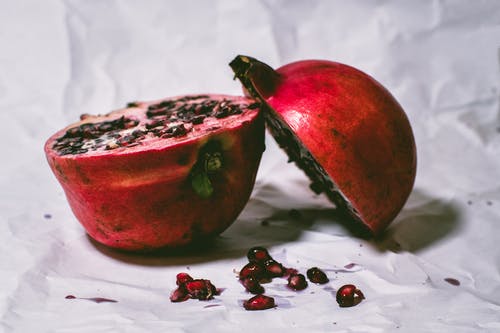
Pomegranate is a sweet, tart fruit with thick, red skin. While the skin is not edible, it holds hundreds of juicy seeds that you can eat plain or sprinkle on salads, oatmeal, hummus and other dishes.
It is a fruit-bearing deciduous shrub. Pomegranate is a tree, various parts of the this tree and fruit are used to make medicine.
Pomegranate arils are packed with nutrients and antioxidants, substances that can help prevent or delay damage within the cells. In fact, pomegranate juice has three times as many antioxidants as other antioxidant-rich beverages, such as green tea and red wine. People use pomegranate for high blood pressure, athletic performance, heart disease and many other conditions.

How does it work ?

Pomegranate contains a variety of chemicals that might have antioxidant effects. Some preliminary research suggests that chemicals in pomegranate juice might slow the progression of atherosclerosis (hardening of the arteries) and possibly fight cancer cells.

Health Benefits

Pomegranates can have up to three times more antioxidants than green tea or red wine. Antioxidants protect cells from damage, prevent diseases — such as cancer — and reduce inflammation and the effects of aging.

Additionally, other health benefits of pomegranates include the following:

Heart Health
Studies have suggested that pomegranates can protect the heart in many ways, including lowering blood pressure and reducing blood sugar levels.

Atherosclerosis — the build-up of cholesterol and fats in the arteries — is a common cause of heart disease. Pomegranate juice may help reduce low-density lipoprotein cholesterol — “bad” cholesterol” — that clogs arteries. It can also increase high-density lipoprotein cholesterol — “good” cholesterol” — which lowers the risk of strokes and heart attacks.

Diabetes Control
Initial studies have revealed that people with type 2 diabetes who began to drink pomegranate juice showed an improvement in insulin resistance. Pomegranates can also help people without diabetes maintain a healthy weight.
Lowering Risk of Cancer

Pomegranates are rich in antioxidants and flavonoids, both of which are known to prevent free radicals from damaging your cells. In some studies, pomegranates show potential to be effective in preventing prostate, breast, lung, and colon cancers.

Nutrition
Fresh pomegranate is also a source of fiber, which can promote weight loss, lower cholesterol, and ease constipation.
In addition, pomegranates provide:
– Folate
– Vitamin K
– Vitamin E
– Vitamin B6
– Potassium

Pomegranate comes in two forms:
1: Natural form as a fruit and
2: As a supplement.

Take pomegranate today and stay healthy!


Source: Webmd

Written by Sarah Amah

What you should know about Chromium

Chromium is a mineral. It is called an “essential trace element” because very small amounts of chromium are necessary for human health. There are two forms of chromium. Trivalent chromium is found in foods and supplements and is safe for humans. The other form, hexavalent chromium, is a known toxin that can cause skin problems and lung cancer. Only trivalent chromium is discussed. Chromium is an essential trace mineral that can improve insulin sensitivity and enhance protein, carbohydrate, and lipid metabolism. It is a metallic element that people need in very small quantities. Chromium supplements may enhance muscle mass, weight loss, and glucose control.

The Adequate Intake (AI) of chromium for ages 9 years and above ranges from 21 to 25 micrograms (mcg) per day for females and 25 to 35 mcg per day for men.

For infants and children, the recommended intake is:

  • Up to 6 months: 0.2 mcg per day
  • From 7 to 12 months: 5.5 mcg per day
  • From 1 to 3 years: 11 mcg per day
  • From 4 to 8 years: 15 mcg per day

Why do people take chromium?

Some studies have shown that chromium supplements may be helpful for people with type 2 diabetes and insulin resistance (prediabetes). There’s good evidence that chromium can lower glucose levels and improve insulin sensitivity, although not all studies have shown a benefit. It may be that chromium works better if someone is chromium deficient, which is usually only seen if a person has poor overall nutrition. Other studies have also found that chromium may help with polycystic ovary syndrome (PCOS), which is linked to insulin resistance.

Chromium supplements have also been studied for their effects on cholesterol, heart disease risk, psychological disorders, Parkinson’s disease, and other conditions. However, the study results have been contradictory or unclear.

Some people use chromium supplements to build muscle or trigger weight loss. Some chromium studies have shown these benefits, but others have not.

Sources of chromium

Foods high in chromium are broccoli, liver and brewer’s yeast, Potatoes, whole grains, seafood, and meats also contain chromium.

Others are:
1. Grape juice: 1 cup contains 8 mcg

2. Turkey breast: 3 ounces contains 2 mcg

3. English muffin: one whole wheat muffin contains 4 mcg

4. Potatoes, mashed: 1 cup contains 3 mcg

5. Green beans: 1 cup contains 2 mcg

6. Red wine: 5 ounces contains between 1 and 13 mcg

Chromium also comes in supplement.

Written by Sarah Amah.

What you did not know about Bee Propolis!

What is Propolis?

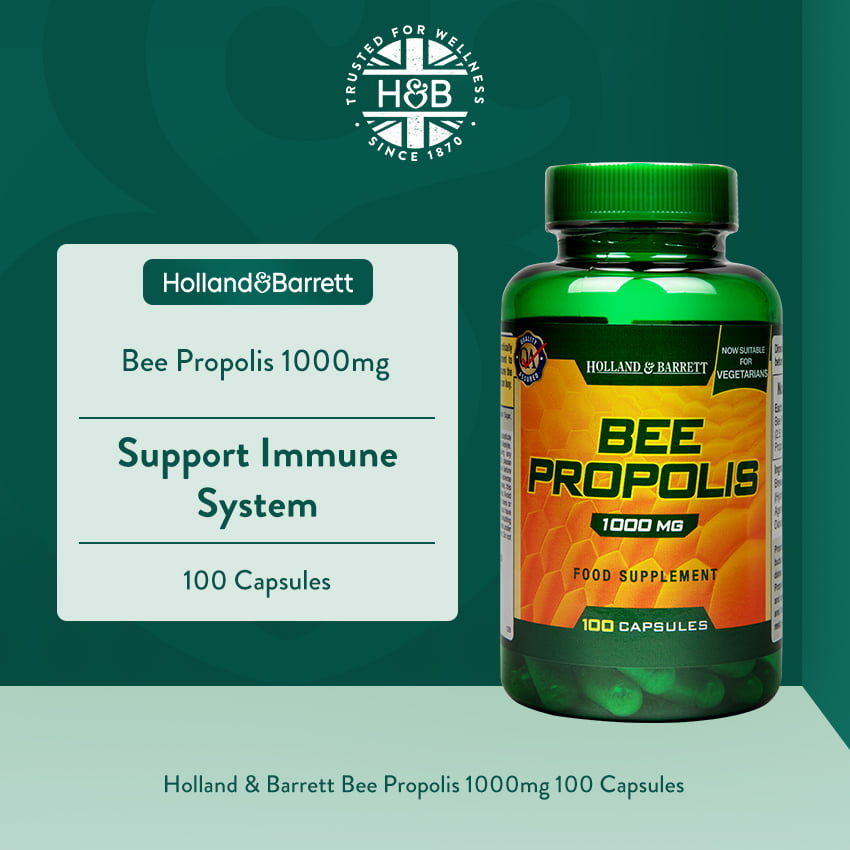
Did you know that honey isn’t the only thing that bees make? Bees also produce a compound called propolis from the sap on needle-leaved trees or evergreens. When they combine the sap with their own discharges and beeswax, they create a sticky, greenish-brown product used as a coating to build their hives. This is propolis.

Healing compounds in propolis

Researchers have identified more than 300 compounds in propolis. The majority of these compounds are forms of polyphenols. Polyphenols are antioxidants that fight disease and damage in the body.

Specifically, propolis contains the polyphenols called flavonoids. Flavonoids are produced in plants as a form of protection. They’re commonly found in foods thought to have antioxidant properties, including:

  • fruits
  • green tea
  • vegetables
  • red wine

Medicinal properties

One 2019 review suggests that people have used propolis as a medicine since the year 300 BC. Ancient Egyptians used propolis for embalming, and some doctors used it during World War II to help with wound healing.

The same 2019 review suggests that it may have the following properties:

  • antibacterial
  • antifungal
  • antiviral
  • antiprotozoal, which means that it works against parasitic illnesses, such as giardiasis
  • anti-inflammatory
  • antioxidant

Some of the substances present in propolis may also have anticancer properties.

However, although laboratory and animal studies into the properties of propolis and its components are promising, few high quality studies have proven its effectiveness as a treatment for specific conditions in humans.

Potential uses

Modern research suggests that propolis may be useful for:

  • minor wounds
  • oral hygiene
  • inflammation
  • cold sores

The following sections will look at some of this research in more detail.

Wound healing

One 2015 review suggests that propolis may aid wound healing. An animal study in rats with diabetes showed that propolis helped the skin grow new cells in order to repair itself.

Because people with diabetes can experience slow wound healing, this suggests that propolis could be beneficial for helping the skin heal more quickly. As propolis also kills some types of bacteria, it may also help prevent infection.

Oral health

According to the same 2015 review, propolis also appears to prevent the formation of calcium phosphate, which is the main component of dental plaque.

Propolis and honey are also antibacterial, which may make them useful as ingredients in dental care products.

According to one small study in the review, propolis significantly decreased the amount of bacteria in the saliva of people with periodontitis.

Inflammation

The antioxidants in propolis may work to reduce inflammation, such as the inflammation that arthritis causes.

Animal studies have tested propolis as an anti-inflammatory agent in rats and mice with arthritis. In both studies, the propolis inhibited swelling and appeared to have an impact on how the inflammation developed.

Scientists believe that propolis may regulate inflammatory substances in the body, such as prostaglandins.

Herpes

A systematic review in the journal Complementary Therapies in Medicine suggests that propolis may work as an alternative treatment for genital or oral herpes.

Herpes is caused by the herpes simplex virus (HSV). HSV-1 typically causes oral herpes, which can result in cold sores. HSV-2 is sexually transmitted, and it causes an infection that can result in painful blisters on the genitals.

In the review, researchers analyzed several trials into honey and propolis, comparing their effects with those of acyclovir, which is a common HSV medication. In 4 out of 6 trials, propolis was more effective than acyclovir for treating HSV skin lesions — particularly cold sores.

However, the researchers did not include a large number of trials in this review.

Insufficient evidence

Although people have used propolis for many health conditions in the past, there is not strong scientific evidence to support all of them.

The following sections will look at some of these health conditions in more detail.

Diabetes

According to the 2015 review, one older study in rats found that propolis was associated with lower blood sugar levels. However, this is not enough evidence to show that propolis can help with managing diabetes in humans.

Cancer

Laboratory studies suggest that the compounds in propolis may inhibit cancer cell growth or induce cell death in cancer cells.

Some in vivo tests have shown that flavonoids from propolis can inhibit the development of oral cancer, lung cancer, skin cancer, breast cancer, and more.

However, much of the research in this field has involved isolated cells or animal models.

COVID-19

One 2020 study in the journal Phytotherapy Research argues that propolis’s antiviral properties may mean that it works against SARS-CoV-2. This is the coronavirus that causes COVID-19.

Previous laboratory studies have shown that propolis exhibits antiviral activity against other types of virus, including:

  • rhinoviruses
  • influenza (flu)
  • respiratory syncytial virus

Propolis also appears to help stimulate the immune system. For these reasons, the researchers suggest that propolis may help with preventing SARS-CoV-2 infection.

However, while clinical trials on propolis’s ability to prevent COVID-19 are underway, there is currently no evidence to suggest that it is effective for this purpose.

Allergies

One study in the journal Oxidative Medicine and Cellular Longevity notes that propolis contains compounds that may have an anti-allergy effect in the body.

Some people may feel a benefit from using propolis for this purpose. However, there is not much scientific evidence to prove that propolis can help reduce allergy symptoms.


Reference: Healthline, Medical News Today

Written by: Omojo Emeje

Benefits of TROOP-C® (Vitamin C)

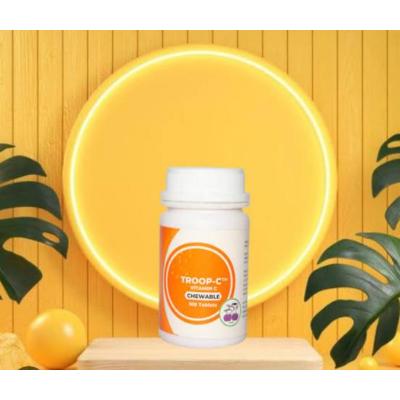
Vitamin C is an essential vitamin, meaning your body can’t produce it. Yet, it has many roles and has been linked to impressive health benefits.

It’s water-soluble and found in many fruits and vegetables, including oranges, strawberries, kiwi fruit, bell peppers, broccoli, kale, and spinach.

While it’s commonly advised to get your vitamin C intake from foods, many people turn to supplements to meet their needs.

FOR THE BODY:

1. May reduce your risk of chronic disease

Vitamin C is a powerful antioxidant that can strengthen your body’s natural defences.

Antioxidants are molecules that boost the immune system. They do so by protecting cells from harmful molecules called free radicals.

When free radicals accumulate, they can promote a state known as oxidative stress, which has been linked to many chronic diseases.

Studies show that consuming more vitamin C can increase your blood antioxidant levels by up to 30%. This helps the body’s natural defences fight inflammation.

2. May help manage high blood pressure

High blood pressure puts you at risk of heart disease, the leading cause of death globally.

Studies have shown that vitamin C may help lower blood pressure in both those with and without high blood pressure.

An animal study found that taking a vitamin C supplement helped relax the blood vessels that carry blood from the heart, which helped reduce blood pressure levels.

Moreover, an analysis of 29 human studies found that taking a vitamin C supplement reduced systolic blood pressure (the upper value) by 3.8 mmHg and diastolic blood pressure (the lower value) by 1.5 mmHg, on average, in healthy adults.

In adults with high blood pressure, vitamin C supplements reduced systolic blood pressure by 4.9 mmHg and diastolic blood pressure by 1.7 mmHg, on average.

While these results are promising, it’s not clear whether the effects on blood pressure are long term. Moreover, people with high blood pressure should not rely on vitamin C alone for treatment.

4. May reduce blood uric acid levels and help prevent gout attacks

Gout is a type of arthritis that affects a number of people.

It’s incredibly painful and involves inflammation of the joints, especially those of the big toes. People with gout experience swelling and sudden, severe attacks of pain.

Gout symptoms appear when there is too much uric acid in the blood. Uric acid is a waste product produced by the body. At high levels, it may crystallize and deposit in the joints.

Interestingly, several studies have shown that vitamin C may help reduce uric acid in the blood and, as a result, protect against gout attacks.

For example, a study including 1,387 men found that those who consumed the most vitamin C had significantly lower blood levels of uric acid than those who consumed the least.

Another study followed 46,994 healthy men over 20 years to determine whether vitamin C intake was linked to developing gout. It found that people who took a vitamin C supplement had a 44% lower gout risk.

Additionally, an analysis of 13 studies found that taking a vitamin C supplement over 30 days significantly reduced blood uric acid, compared with a placebo.

While there appears to be a strong link between vitamin C intake and uric acid levels, more studies on the effects of vitamin C on gout are needed.

5. Helps prevent iron deficiency

Iron is an important nutrient that has a variety of functions in the body. It’s essential for making red blood cells and transporting oxygen throughout the body.

Vitamin C supplements can help improve the absorption of iron from the diet. Vitamin C assists in converting iron that is poorly absorbed, such as plant-based sources of iron, into a form that is easier to absorb.

This is especially useful for people on a meat-free diet, as meat is a major source of iron.

In fact, simply consuming 100 mg of vitamin C may improve iron absorption by 67%.

As a result, vitamin C may help reduce the risk of anemia among people prone to iron deficiency.

In one study, 65 children with mild iron deficiency anemia were given a vitamin C supplement. Researchers found that the supplement alone helped control their anemia.

If you have low iron levels, consuming more vitamin-C-rich foods or taking a vitamin C supplement may help improve your blood iron levels.

6. Boosts immunity

One of the main reasons people take vitamin C supplements is to boost their immunity, as vitamin C is involved in many parts of the immune system.

First, vitamin C helps encourage the production of white blood cells known as lymphocytes and phagocytes, which help protect the body against infection.

Second, vitamin C helps these white blood cells function more effectively while protecting them from damage by potentially harmful molecules, such as free radicals.

Third, vitamin C is an essential part of the skin’s defense system. It’s actively transported to the skin, where it can act as an antioxidant and help strengthen the skin’s barriers.

Studies have also shown that taking vitamin C may shorten wound healing time.

What’s more, low vitamin C levels have been linked to poor health outcomes.

For example, people who have pneumonia tend to have lower vitamin C levels, and vitamin C supplements have been shown to shorten the recovery time.

7. Protects your memory and thinking as you age

Dementia is a broad term used to describe symptoms of poor thinking and memory.

It affects over 35 million people worldwide and typically occurs among older adults.

Studies suggest that oxidative stress and inflammation near the brain, spine, and nerves (altogether known as the central nervous system) can increase the risk of dementia.

Vitamin C is a strong antioxidant. Low levels of this vitamin have been linked to an impaired ability to think and remember.

Moreover, several studies have shown that people with dementia may have lower blood levels of vitamin C.

Furthermore, high vitamin C intake from food or supplements has been shown to have a protective effect on thinking and memory as you age.

Vitamin C supplements may aid against conditions like dementia if you don’t get enough vitamin C from your diet. However, additional human studies are needed to understand the effects of vitamin C supplements on nervous system health.

FOR SKIN

1. It’s safe for most skin types

Vitamin C has an excellent safety profile. Most people can use topical vitamin C for an extended period of time without experiencing any adverse reactions.

In rare cases, people who have hypersensitive skin may experience minor irritation.

2. It’s brightening

Vitamin C can help fade pigmentation (more on this below!) and smooth the skin’s surface to reduce dullness. This gives skin a youthful glow.

3. It helps reduce redness and even out your skin tone

Vitamin C has also been shown to treat a huge variety of inflammatory skin conditions. Minimising redness can create a more even complexion.

4. It helps fade hyperpigmentation

Hyperpigmentation — including sun spots, age spots, and melasma — occurs when melanin is overproduced in certain areas of the skin. It can also happen in areas where acne has healed.

Vitamin C application has been shown to impede melanin production. This can help fade dark spots and lead to a more even-toned complexion.

5. It reduces the appearance of under-eye circles

These serums can help smooth out fine lines by plumping and hydrating the under-eye area.

Although vitamin C is more effective at reducing overall redness, some people say that it can help alleviate discoloration associated with under-eye circles.

6. It promotes collagen production

Vitamin C is well known for boosting collagen production.

Collagen is a naturally occurring protein that depletes over time. Lower levels of collagen can lead to fine lines and wrinkles.

7. It may help prevent skin sagging

Collagen production is tied to skin elasticity and firmness. When your collagen levels begin to drop, your skin may begin to sag.

Applying a vitamin C serum may boost collagen production, resulting in an overall tightening effect.

8. It protects against sun damage

Sun damage is caused by molecules called free radicals. These are atoms with a missing electron. Free radicals search for other atoms from which they can “steal” an electron —and this can lead to significant damage to the skin.

Vitamin C is rich in antioxidants. Antioxidants protect healthy skin cells by “giving” these free radicals an electron, rendering them harmless.

9. It may help soothe sunburns

In addition to minimising redness, vitamin C accelerates cell turnover. This replaces the damaged cells with healthy new ones.

10. And it generally helps boost wound healing

Given its effects on sunburn, it should be no surprise that vitamin C application can speed up overall wound healing. Healthy wound healing reduces your risk for inflammation, infection, and scarring.


Reference: Healthline, WebMD

Written by: Omojo Emeje

Milk Thistle Seed Extract Benefits

It is a herbal remedy derived from the milk thistle plant known as Silybum marianum. The active ingredient in milk thistle are a group of plant compounds collective known as silymarin.

It’s a herbal remedy is known as milk thistle extract. Milk thistle extract has a high amount of silymarin (between 65–80%) that has been concentrated from the milk thistle plant.

The silymarin extracted from milk thistle is known to have antioxidant, antiviral and anti-inflammatory properties

In fact, it has traditionally been used to treat liver and gallbladder disorders, promote breast milk production, prevent and treat cancer and even protect the liver from snake bites, alcohol and other environmental poisons.

Science – based Benefit of Milk thistle:

1. Milk Thistle Protects Your Liver

2. It May Help Prevent Age-Related Decline in Brain Function

3. Milk Thistle Could Protect Your Bones

4. It May Improve Cancer Treatment

5. It Can Boost Breast Milk Production

6. It Could Help Treat Acne

7. It Can Lower Blood Sugar Levels for People With Diabetes

Side Effects

Milk thistle is generally safe but when taken in high dosage only about 1 % experience side effect of gut disturbance like Diarrhoea, Nausea or Bloating.

Some people are advised to be cautious when taking milk thistle. These include:

1. Pregnant women

2. Those allergic to the plant

3. People with diabetes

Generally MILK THISTLE is a safe supplement that shows potential as a complementary therapy for various conditions, including liver disease, cancer and diabetes.

However, many of the studies are small and have methodological flaws, which makes it difficult to give firm guidance on this supplement or confirm its effects .

Overall, more high-quality research is needed to define the doses and clinical effects of this fascinating herb.


Written by: Ruth Olusegun

Alpha Lipoic Acid

It is an antioxidant that can be gotten naturally from the body or gotten from food.

It breaks down carbohydrates to energy, so its a source of energy that sustain life

Its can be gotten from food like red meat, potato, carrot, beets etc
Its also available in supplement like meconerve forte, renerve plus etc

Because its an antioxidant it can help to
1. Provide protection to the brain
2 . its also helpful in certain liver disease

Uses
1. To treat nerve pain and nerve damage in people with diabetics
2. It is used for obesity
3. Use for altitude sickness
4. Use for aging skin
5. Use for high level of cholesterol

Possibly Effective for

  • Nerve pain in people with diabetes (diabetic neuropathy). Taking alpha-lipoic acid by mouth seems to improve symptoms such as burning, pain, and numbness in the legs and arms of people with diabetes.
  • High levels of cholesterol or other fats (lipids) in the blood (hyperlipidemia). Taking alpha-lipoic acid by mouth for up to 4 years seems to lower total cholesterol and low-density lipoprotein (LDL or “bad”) cholesterol in people with or without hyperlipidemia.
  • Obesity. Taking alpha-lipoic acid by mouth can slightly reduce body weight in adults who are overweight.

Generally alpha lipoic acid as an antioxidant help to protect the cell from the damage caused by free radicals thereby maintaining healthy cells and its used to treat neuropathy pain in diabetic patients.


Written by: Ruth Olusegun

Benefits of Artichoke

Artichokes or globe artichokes are round green vegetables that have fleshy leaves arranged like the petals of a flower. It is a vegetable plant.
Artichoke leaf extract is a herbal supplement and complementary medicine that is thought to lower cholesterol, reduce stomach problems, and increase bile production.
Artichokes are low in fat, high in fiber, and loaded with vitamins and minerals like vitamin C, vitamin K, folate, phosphorus, and magnesium. They are also one of the richest sources of antioxidants.

Artichoke Benefits:
1. They’re full of nutrients.
Artichokes are chock-full of important nutrients, like vitamin C, vitamin A, and iron, “as well as potassium and antioxidants.

2, They contain a ton of protein.
In addition to its wide nutrition profile,”artichokes offer more protein than many other vegetables at 3.5 grams per serving.

3. They’re high in fiber.
Artichokes are a great source of fibre, which can help keep your digestive system healthy by promoting friendly gut bacteria, reducing your risk of certain bowel cancers, and alleviating constipation and diarrhoea.

4. They may boost your immune system.
Orange juice isn’t the only thing that’ll help keep you from contracting your co-worker’s cold. In fact, the Journal of Agriculture and Food Chemistry ranked artichokes high up on the list of immune-boosting, antioxidant-rich foods.

5. May help lower blood pressure.
Artichoke extract may help lower blood pressure in people with already elevated levels.

6. May improve heart health
Artichoke leaf extract may protect your liver from damage and promote the growth of new tissue. It also increases the production of bile, which helps remove harmful toxins from your liver.

7. May help lower blood sugar
Artichokes and artichoke leaf extract may help lower blood sugar levels.Some evidence suggests that artichokes and artichoke leaf extract may lower blood sugar levels.

8. Aa an antioxidant
Artichokes contain the highest levels of antioxidants of any vegetable (polyphenols, flavonoids, anthocyanins among others) and are loaded with an army of beneficial nutrients that can protect the body from cancer.

HOW IT IS TAKEN
Artichoke can be taken in its natural form as vegetable or as a supplement.

Artichokes are an extremely nutritious, low-carb food that may provide numerous health benefits.
Regular consumption of artichoke extract may aid cholesterol levels, blood pressure, liver health, IBS, indigestion, and blood sugar levels.
Take Artichoke today and stay healthy!

Written by Sarah Amah

Add to cart