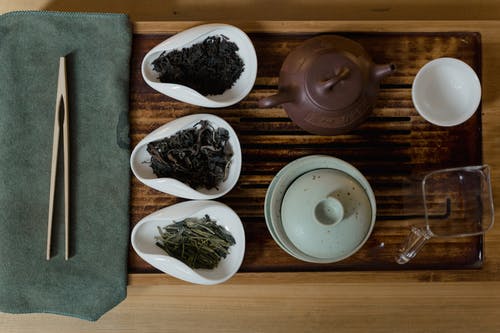
Health Benefits of Green Tea Extract

What is green tea?

Green tea is made from unoxidized leaves and is one of the least processed types of tea. For this reason, it contains the most antioxidants and beneficial Polyphenols.

Why do you need green tea?
-Green tea in traditional Chinese and Indian medicine is used to control bleeding and heal wounds.

-Green tea is also used traditionally to aid digestion and regulate body temperature.

-Green tea human studies have shown that drinking green tea helps to prevent the overall risk of cancer.

-The catechins in green tea plays a role in increasing energy metabolism, thereby aiding weight loss.

-Green tea has anti-inflammatory properties. A review of human clinical studies that green tea and its major component, epigallocatechin-3-gallate(EGCG), have demonstrable anti-inflammatory effects.

-Green tea reduces risk of cardiovascular health, research has shown that green tea consumption is associated with reduced mortality due to cardiovascular health.

-Green tea lowers bad cholesterol levels. Studies has shown that consuming green tea, either as beverage or capsule was linked to significant reductions in total low-density lipoprotein cholesterol.

-Green tea can enhance a person’s working memory and other cognitive functions.

-Green tea helps to prevent dental cavities, stress and chronic fatigue.

-Green tea treat skin conditions and improves arthritis by reducing inflammation.

Conclusively, Green tea has one of the highest concentrations of antioxidants of any tea. It is naturally low in calories and contains less caffeine than black tea.

Green tea is a must have for everyone and can be consumed as tea or in its capsule form making it even easier to maintain a healthier life.


Written by: Immaculate Amalu

Lycopene Benefits

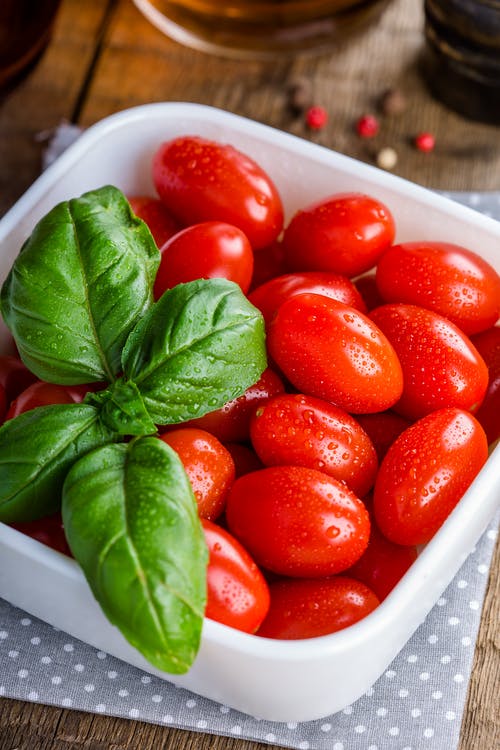
Lycopene is a bright-red carotenoid hydrocarbon found in tomatoes and other red fruits and vegetables such as watermelon, red carrots etc.
Lycopene is a powerful antioxidant with many health benefits, including sun protection, improve heart health, and lower the risk of certain type of cancer.

Lycopene can be found in supplement and also in Lycopene-rich foods like tomatoes and other red or pink fruits.

Strong Antioxidant Properties

Lycopene is an antioxidant in the carotenoid family. Antioxidants protect your body from damage caused by compounds known as free radicals.

When free radical levels outnumber antioxidant levels, they can create oxidative stress in your body. This stress is linked to certain chronic diseases, such as cancer, diabetes, heart disease and Alzheimer’s.

Research shows that lycopene’s antioxidant properties can help keep free radical levels in balance, protecting your body against some of these conditions.

May Promote Heart Health

Lycopene may also help lower your risk of developing or prematurely dying from heart disease.

That’s in part because it may reduce heart disease risk factors. More specifically, it may reduce free-radical damage, total and “bad” LDL cholesterol levels and increase “good” HDL cholesterol.

High blood levels of lycopene may also add years to the lives of people with metabolic syndrome — a combination of health conditions that can lead to heart disease.

Over a 10-year period, researchers noted that individuals with metabolic disease who had the highest blood lycopene levels had up to a 39% lower risk of dying prematurely.

In another 10-year study, diets rich in this nutrient were linked to a 17–26% lower risk of heart disease. A recent review further associates high blood levels of lycopene with a 31% lower risk of stroke.

Lycopene’s protective effects appear particularly beneficial to those with low blood antioxidant levels or high levels of oxidative stress. This includes older adults and people who smoke or have diabetes or heart disease.

May Protect Against Sunburn

Lycopene also appears to offer some protection against the damaging effects of the sun.

In one small 12-week study, participants were exposed to UV rays before and after consuming either 16 mg of lycopene from tomato paste or a placebo. Participants in the tomato paste group had less severe skin reactions to the UV exposure.

In another 12-week study, daily intake of 8–16 mg of lycopene, either from food or supplements, helped reduce the intensity of skin redness following exposure to UV rays by 40–50%.

In this study, supplements providing a mix of lycopene and other carotenoids were more effective against UV damage than those providing lycopene alone.

That said, lycopene’s protection against UV damage is limited and not considered a good replacement for using sunscreen.

Other Potential Benefits

Lycopene may also offer a range of other health benefits — the best-researched ones include:

  • May help your eyesight: Lycopene may prevent or delay the formation of cataracts and reduce your risk of macular degeneration, the leading cause of blindness in older adults.
  • May reduce pain: Lycopene may help reduce neuropathic pain, a type of pain caused by nerve and tissue damage.
  • May protect your brain: Lycopene’s antioxidant properties may help prevent seizures and memory loss experienced in age-related diseases, such as Alzheimer’s.
  • May contribute to stronger bones: Lycopene’s antioxidant action may slow down the death of bone cells, reinforce bone architecture and help keep bones healthy and strong.

HOW IT IS TAKEN
Lycopene is primarily available in capsule and soft-gel form daily with meals. Fruits that are rich in Lycopene are:
1. Tomatoes

2. Watermelon

3. Pink grapefruit

4. Pink guava

5. Papaya (pawpaw)

6. Red carrots.


Written by: Sarah Amah & Omojo Emeje

Reference: Healthline


Benefits of Cinnamon for a Glowing Skin

You might have heard a lot about this wonder spice in Indian kitchens for its earthy/woody flavour. It is known to reduce the risk of cardiac ailments and enhance the sensitivity to the hormone insulin, which is essential to prevent the onset of diabetes as well as reduce its symptoms. Well, cinnamon benefits go much beyond this.

Here, we will be discussing some of the cinnamon uses to get flawless, glowing, and youthful skin.

Heals Acne: Acne, is the ultimate struggle that everyone has to encounter, be it the teenagers or the ageing people. We are ready to opt for all the remedies under the sun to get rid of acne effectively, and permanently and may invest substantially in skincare products for the same. But, cinnamon, the wonder kitchen spice, can be pivotal in keeping acne at bay or at least keep it in control. The anti-fungal, antioxidant, and antibacterial properties of cinnamon make it useful against acne and skin blemishes.

Cinnamon can also help remove acne by drying out the skin and by supporting blood flow to the skin. Cinnamon’s antiseptic properties can help in effective treatment for pimples, blackheads, etc. Studies even cite that cosmetics with cinnamon as an ingredient may help in unclogging the pores, and enhancing the oxygen supply on the surface of the skin.

Here is how you can prepare the perfect mask with cinnamon and honey for acne-free skin.

How? Mix honey with cinnamon powder in the ratio of 3:1 and apply the paste to your skin and leave overnight. You can also apply a thin layer of the paste to your face as a face mask and leave it on for 20 minutes, then wash it off. *Cinnamon masks may irritate the skin depending on the skin type, so they should not be applied more than once a week.

Adds moisture to the Skin: Cinnamon improves blood flow to the surface of the skin, resulting in moist skin.

For this, use a mixture of 3 drops of cinnamon oil and a few tablespoons of petroleum jelly or olive oil. Keep the mixture away from the eye to avoid a burning sensation. This mixture could be a great substitute for your lip gloss. You can also apply any regular lip gloss on your lips and gently pat a pinch of cinnamon on top.

Reduces the Signs of Ageing

Are you observing fine lines and wrinkles on your face and adjacent regions? Is the carbohydrate intake in your daily diet too much? Then, your fine lines can be attributed to the formation of Advanced Glycation End products or AGEs. These are also responsible for making your skin susceptible to the sun’s UVA/UVB radiations. Well, here is the good news! Cinnamon, the humble kitchen ingredient can come in handy here. It is known to help slow down the formation of AGEs and thus can help in keeping the signs of skin ageing at bay.

Aids the treatment of Dry Skin: Cinnamon helps remove dead skin cells and reinstate the softness of your skin. Cinnamon powder can be leveraged as an exfoliator for an effective skincare regimen.

To fight against dry skin, you can make a scrub by combining salt, olive oil, almond oil, honey, and ground cinnamon. Apply this mixture directly to your skin for soothing home skin therapy.

Treatment of Eczema: Eczema is a condition in which skin gets inflamed and irritated. Such skin conditions leave behind light-coloured patches. Cinnamon could provide relief from eczema.

How? Mix one teaspoon of cinnamon with one teaspoon of honey and apply to the affected areas. The results could be visible in a week.

Note: Before using it, try in on a small test area in your skin and wash off instantly if the skin becomes red.

Complexion Enhancer: Thanks to the antifungal and antibacterial properties, cinnamon helps in enhancing skin complexion. This is one of the prominent cinnamon benefits for the skin.

Mix the ingredients: Banana, ground cinnamon, yoghurt, and lemon juice, and pound it to an even paste. Apply on your face and leave for 15 minutes before rinsing with lukewarm water. Do you know any other benefits of Cinnamon? Do share with us in the comment section below.

Apart from these skin benefits, cinnamon is also known to soften dry and rough feet as it acts as a potent exfoliator to remove dead skin cells. You can prepare a scrub by mixing the cinnamon powder with sea salt, olive oil, and honey and massage it over the affected area. Leave it for 15 to 20 minutes and then rinse it off with lukewarm water. Cinnamon is also deemed beneficial in cleansing the scalp. Cinnamon, honey, and a spoon of warm olive oil make a fine blend that can be applied on the scalp to remove the product buildup, dead skin patches on the scalp as well as the coat of dandruff from the root.

You can also get Cinnamon as a supplement and get all the amazing benefits for your skin!


Reference: Zizira

Written by: Omojo Emeje

Pineapple Fruit Powder

Pineapple Fruit

Pineapple is a biennial plant, meaning it bears fruit about every two years. Smaller fruits or berries fuse into one large pine cone-shaped fruit with the stem at its core. The skin or rind is rough, thick, waxy and yellow-orange with maybe a hint of red. The colour of its succulent, fibrous flesh ranges from white to yellow.

What are the Uses of Pineapple?

How is pineapple used? It is juiced, sliced, dehydrated/ dried, pickled and canned for commercial use. It’s also an ingredient in lots of food items, including wine, preserves, jams, candy, yogurt, cakes, pastries and pizza. The nutrients make it a beneficial food for those concerned with health and healthy eating. Supplements may be listed as pineapple powder, pineapple juice powder, pineapple powder fruit extract, organic pineapple powder, pineapple protein powder and pineapple enzyme powder, but they’re mostly the same. Organic pineapple powder is non-GMO and free of additives, preservatives, artificial colors, flavors and fillers. Pineapple enzyme/ protein powder can be solely bromelain.

What are the Nutrients in Pineapple Powder?

The pineapple fruit and stem are loaded with nutrients that are transported to supplements. The production process is designed to preserve them. Pineapple powder or pineapple extract powder is abundant in dietary fibre, vitamins B1, B6 and C, minerals manganese, potassium, magnesium, iron and calcium, antioxidant phytonutrients like beta carotene and beneficial enzymes including bromelain. There are some vitamin A, B2, B5 and B9 or folate (x). It is also low in calories and have zero fat.

Bromelain

What is bromelain? The aforementioned beneficial enzymes are collectively called bromelain. They’re proteolytic and found mainly in the pineapple stem. Proteolytic means they can break long polypeptide chains of amino acids/ proteins into shorter chains called peptides. As mentioned, bromelain could be isolated and sold as a separate extract. Research though limited, suggests that many of the potential health benefits in pineapple are due to these enzymes. By the way, you may be familiar with bromelain as a meat tenderizer.

What are the Health Benefits of Pineapple Powder?

What is pineapple powder good for? The pineapple fruit has been used in traditional medicine to trigger menstruation, induce early labor and to rid the body of worms and parasites. Considering the potential benefits of the powder extract today, research suggest that the nutrients and enzymes may treat, prevent or promote a number of conditions, including:

  • Digestion
  • Inflammatory issues
  • Diuretic effects
  • Immunity
  • Heart health
  • Cancer
  • Macular degeneration
  • Healthy skin
  • Muscle mass and function
  • Fertility

No medical evidence supports pineapple powder or any pineapple powder extract’s ability to treat or cure diseases. Always consult your healthcare provider for diagnoses, accurate medical information and permission before taking any supplements.

Digestion

We’ve learned that bromelain enzymes break down long chain protein molecules into smaller chains. Studies show that this makes digestion and absorption easier, and speeds up metabolism. It may also decrease gut inflammation, which could benefit individuals who suffer from ailments such as Crohn’s disease, inflammatory bowel disease (IBD), and inhibit harmful effects of bacteria like E. coli.

Anti-inflammatory Agent

Several studies on the consumption of pineapple juice reveal the possibility of additional anti-inflammatory effects. So, pineapple juice powder may also reduce inflammation and pain due to trauma, rheumatoid arthritis, osteoarthritis and surgery.

Diuretic Effects

Like the pineapple itself, pineapple powder or pineapple powder fruit extract may eliminate toxins from our body via urine. This could help individuals with kidney, bladder and prostate issues. The dietary fibre may promote regular bowel movements.

Immunity

Pineapple powder may help our immune system function better, according to research observations, because of its cartload of antioxidants vitamin C, beta carotene and the bromelain enzymes. We know that vitamin C and the flavonoid protect our cells from free radical damage and build or stimulate our immunity. Bromelain also seems able to quicken recovery from sinus infections and pulmonary issues such as asthma and bronchitis.

Heart Health

Though more research is needed on human subjects for a decisive conclusion, studies suggest that the bromelain in pineapple juice (and pineapple juice powder) may lower blood pressure levels and act as a natural blood thinner, preventing blood clots. This has the potential to benefit patients with cardiovascular diseases. The high potassium may also help because of possible hypertension-reducing qualities.

Cancer

A handful of research studies show bromelain to be an excellent fighter against a number of cancers, including gastrointestinal, colon, ovarian and skin. The antioxidant beta-carotene seems to help in this arena as well.

Macular Degeneration

Research results imply that the vitamin C in pineapple, pineapple juice, and therefore pineapple powder, may decrease the risk of cataracts by increasing the vitamin C in the fluid in our eyes. Also, our bodies use beta carotene to help make vitamin A, which is necessary for good vision.

Healthy Skin

How does pineapple powder extract increase skin health? Remember pineapple contains a rich supply of antioxidants beta carotene and vitamin C. Both show ability to help wounds heal (by inducing collagen production), prevent skin damage from the sun’s ultraviolet rays and other environmental pollutants, and to help maintain the skin’s overall appearance. They also slow wrinkles and other signs of aging.

Muscle Mass and Function

The bromelain proteases may help increase muscle mass. Smaller chains of amino acids get into the bloodstream and reach the muscles faster. This helps athletes like body builders recover quicker from strenuous workouts. It may also help them build muscle mass. In addition, the amount of potassium in pineapple protein powder is enough to affect muscle function by helping the body maintain fluid balance. This is necessary for muscle contraction.

Fertility

Studies suggest that B-vitamins, vitamin C and potassium may stimulate reproductive hormones in both women and men.


Written by: Omojo Emeje

Carrot Root Powder

A Carrot Legend

During World War II, the British publicized that consuming large quantities of carrots gave them clear night vision, so they were able to shoot down German aircrafts. The fable was concocted to hide the fact that it was really the use of radar that gave them success. Today we can “weaponise” carrots in the form of carrot powder for our good health and we don’t have to lie about it.

What is Carrot Powder?

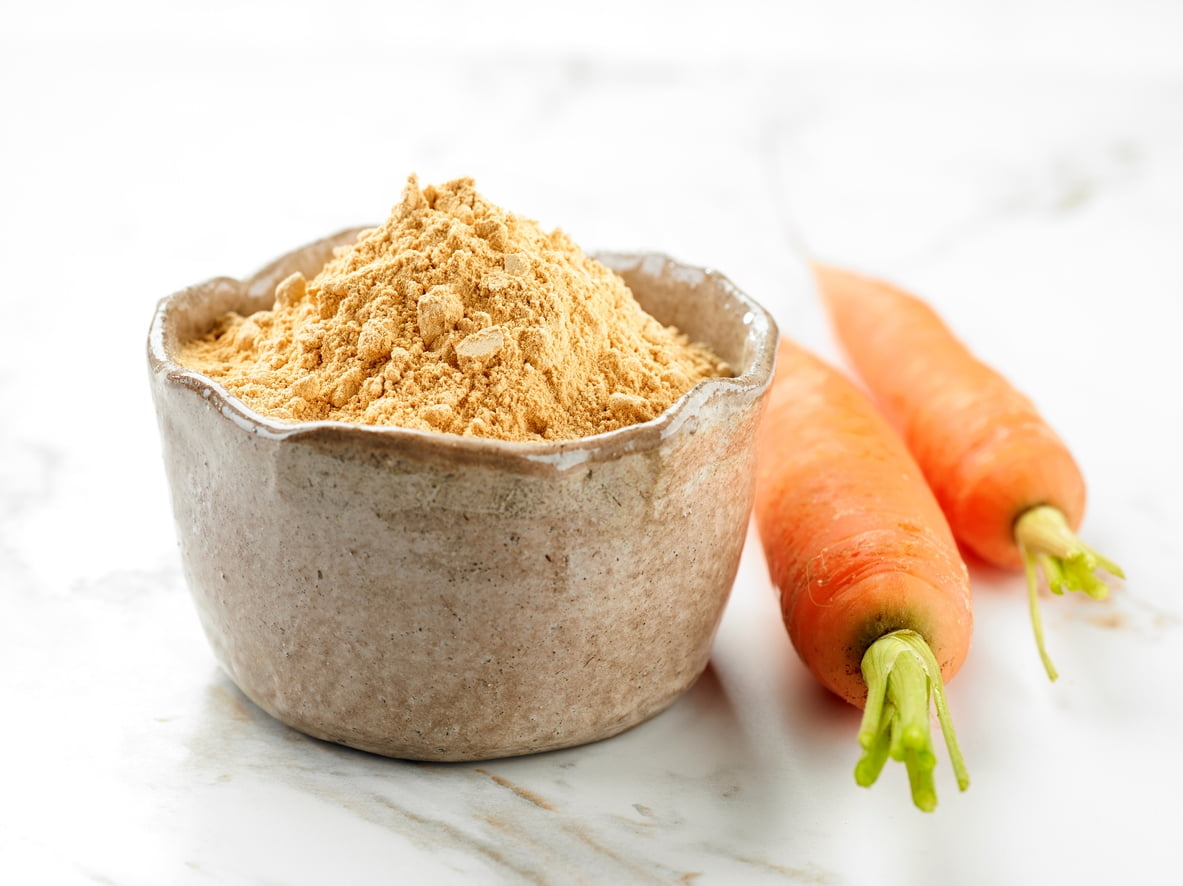
Carrot powder is manufactured from grinding dried or dehydrated carrots. The technique ensures the preservation of the vital nutrients found in the root vegetable, while making it into a more readily available supplement for individuals such as athletes and those who want to boost their nutrition or diet. Organic carrot powder/ carrot juice powder is free of GMOs, preservatives, artificial colours, flavours, fillers, sweeteners, and other additives. The color of the powder depends on the variety of carrot used.

Where did it originate? Who developed it first? We would have to travel 5,000 plus years back to Afghanistan, the native land of the carrot. Early Afghans had a choice of wild varieties and cultivated them mostly for their seeds and flavour.

What are the Nutrients in Carrot Powder?

The antioxidant phytocompound beta carotene comes to mind when we think about the nutrients in carrot powder. But like carrots, it contains other great stuff. So, what other nutrients does the supplement contain? Carrot root powder is also loaded with other antioxidant flavonoids or carotenoids such as lutein and lycopene and phenolic acids, vitamins A, C and K, minerals potassium, calcium and iron, and dietary fiber. It also contains some B-vitamins, vitamin E, and minerals magnesium and phosphorus.

What are the Benefits of Carrot Powder?

What is carrot powder used for? Researchers suggest that the nutrients in carrot powder/ carrot root powder/ carrot juice powder may provide us with a number of important health benefits. The carotenoids, phenolic acids and vitamin C for instance, have vital antioxidant properties which prevent free radical cell damage, inflammation, and microbial infections. Other benefits from the flavonoids and the other nutrients include promoting good eye health, supporting heart and cardiovascular function, maintaining appropriate blood glucose levels, preventing cancer, and promoting skin health and overall wellness. Always consult your healthcare provider for diagnoses, accurate medical information and permission before taking any supplements. There’s no medical evidence to support the powder curing, treating or preventing disease.

Antioxidant Properties/ Immune Support

Several studies imply that vitamin C, carotenoids such as beta carotene and lutein, and phenolic acids such as the hydroxycinnamic acids, which are abundant in the powder or carrot juice powder, may support our immune system in three crucial ways:

1. Battling free radicals from damaging our immune cells by decreasing their ability to create oxidative stress. Damaged cells often lead to chronic diseases and abnormal growths such as cancer. Research suggest that the antioxidant compounds may be effective in lowering those risks by gobbling up the free radicals before they can do any harm.

2. Preventing inflammation. Evidence has established that carrots, and by proxy carrot powder, contain high concentrations of the anti-inflammatory phenolic compounds. These compounds may have the ability to treat issues such as inflammatory bowel disorders (IBD), asthma and rheumatism.

3. Strengthening the immune system to help fight off infections from viruses, bacteria and other microbes. A strong immune system also enhances our overall health and well-being.

Good Vision

How does carrot root powder promote good eye health? Beta carotene (which is converted into vitamin A) along with lutein and zeaxanthin, are crucial for eyesight. Studies show that they are especially important in preventing or reducing issues such as macular degeneration, glaucoma, cataracts and night blindness. These conditions become more prevalent as one ages. For instance, the macular or retina, which is at the center of our eyes, need healthy concentrations of both lutein and zeaxanthin to stimulate or enhance healthy vision. These compounds tend to decrease as we get older.

The antioxidant vitamin C is another vital compound for healthy vision. Studies show that it has the potential to protect our eyes from free radical damage as it does for the other cells in our bodies.

Heart and Cardiovascular Function

Studies indicate that the risk of heart and cardiovascular disease such as atherosclerosis and stroke may be lowered by phytochemical flavonoids, vitamins, minerals and fiber. How do these bioactive compounds improve heart and cardio function?

As we have seen, carrot root powder has these compounds, especially the flavonoids and vitamin C, in high enough quantities that their antioxidant and anti-inflammatory properties can benefit our heart and circulatory system. Studies also show that flavonoids and dietary fibre may help lower the bad LDL cholesterol in our bloodstream. Additionally, the mineral potassium may support healthy blood pressure levels.

Help with Diabetes

How can carrot powder help people with diabetes? Scientists determine that the dietary fiber in the powder may lower blood glucose levels, which diabetics must keep under control. The fiber also increases satiety because it is slow to digest. This prevents diabetics from gaining weight, a situation that can also cause adverse effects.

Skin Health

According to research, beta carotene, lutein and lycopene, which are found in carrot juice powder, may help to promote healthy glowing skin and skin color. These carotenoids are also crucial in wound healing. They help the skin heal faster, while staving off infections and inflammation. As a matter of fact, the early Afghans realised that the nutrients in carrots had the  potential to heal their cuts and infections. Carotenoids may also have the potential to reduce wrinkles, age spots and other signs of aging.


Written by: Omojo Emeje

Papain Complex

Papain is a proteolytic enzyme extracted from the raw fruit of the papaya plant. Proteolytic enzymes help break proteins down into smaller protein fragments called peptides and amino acids. This is why papain is a popular ingredient in meat tenderizer.

You can get papain from eating raw papaya. Papain is also available in topical, chewable, and capsule forms. You can purchase papain-only supplements or supplements that pair papain with other enzymes, such as bromelain.

Papain is a popular folk remedy to reduce pain, inflammation, and swelling. It has also been used to improve digestion and to treat infections, diarrhea, and allergies. It’s also being studied for potential use in cancer and other diseases.

1. It may help ease sore throat

Papain may help relieve sore throat symptoms, such as swelling, pain, and redness. According to very dated research on 100 people with pharyngitis or tonsillitis, throat lozenges containing 2 milligrams (mg) of papain, 5 mg of lysozyme, and 200 international units (IU) of bacitracin helped relieve sore throat symptoms better than a placebo.

It’s not known if the beneficial effects are due to papain itself, the other ingredients, or the specific combination of ingredients. Recent scientific research is lacking, however.

2. It may reduce pain and inflammation

According to an article in Nutrition Review, research has shown proteolytic enzymes help reduce inflammation as well as or better than some anti-inflammatory drugs. However, clinical research in people is limited.

Because of these potential beneficial effects papain and other proteolytic enzymes are sometimes use to help with wound healing and to decrease swelling after an injury or trauma.

3. It aids digestion

Papain may also ease digestive symptoms like constipation and bloating. According to one 2013 study a whole papaya preparation called Caricol significantly improved constipation and bloating in people with chronic gastrointestinal dysfunction.

4. It helps heal wounds

Research also suggests that papain may be used as a natural remedy for skin ulcers, wounds, and other skin conditions.

For example, a 2010 animal study found a papain-based wound cleanser helped promote wound healing in rats. A 2012 systematic review of studies also concluded papain is effective and safe in treating many types of wounds in various stages of healing. Most of the research is still preliminary.

Despite these positive findings, the U.S. Food and Drug Administration (FDA)Trusted Source ordered companies to stop marketing unapproved topical papain products due to some people experiencing a life-threatening allergic reaction upon use. You should talk with your doctor about your individual risk of allergic reaction before use.

5. It eases muscle soreness

Protease supplements may relieve muscle pain caused by intense exercise, according to a 2004 study. In this study, 10 matched pairs of male participants were given either a placebo or a protease supplement containing papain and other protease enzymes.

The treatment was given prior to and after downhill running for 30 minutes at 80 percent of their maximum heart rate. The enzyme group experienced better muscle recovery and less muscular pain than the placebo group.

How to use: Take a daily protease enzyme supplement that includes papain.

6. It may help relieve shingles symptoms

Proteolytic enzymes such as papain may help shingles symptoms such as pain, skin lesions, and neuralgia.

According to a 1995 controlled study of 192 people with shingles, a proteolytic enzyme preparation was as effective in treating shingles symptoms as the antiviral medication acyclovir. More current studies are lacking, however, and more evidence is needed to confirm these findings.


Written by: Omojo Emeje

What everyone ought to know about Selenium!

What is Selenium ?

Selenium is a trace mineral in form of selenoproteins in the body that is essential to human health and carries out various functions in normal health and metabolism. In particular, glutathione peroxidase, a selenoprotein performs antioxidant activities that protects against reactive oxygen and nitrogen species. Furthermore, Iodothyronine deiodinases that converts inactive thyroxine to active thyroid hormone, triiodothyronine, are selenium-dependent.

WHY DO YOU NEED SELENIUM?
Selenium plays an important role in the immune system functioning , this antioxidant helps lower oxidative stress in your body, which reduces inflammation and enhances immunity. In addition, selenium supplements or selenium derived from food may help strengthen immune system in people with influenza, tuberculosis, hepatitis C and HIV thereby decreasing disease progression in the body.

Selenium is used for selenium deficiency, a disease that causes underactive thyroid (autoimmune thyroiditis) and high blood pressure during pregnancy. It is also used for diseases of the heart and blood vessels including stroke, abnormal cholesterol levels as well as many other conditions.
The mineral selenium is essential for healthy thyroid functions, among other things. Your thyroid regulates your weight by regulating your metabolism, so an active thyroid increases metabolism leading to weight loss. Studies also suggest that taking a selenium rich food may help prevent mental decline and improve memory loss in people with Alzheimer’s disease.

HOW CAN YOU GET ENOUGH SELENIUM FOR YOUR BODY?

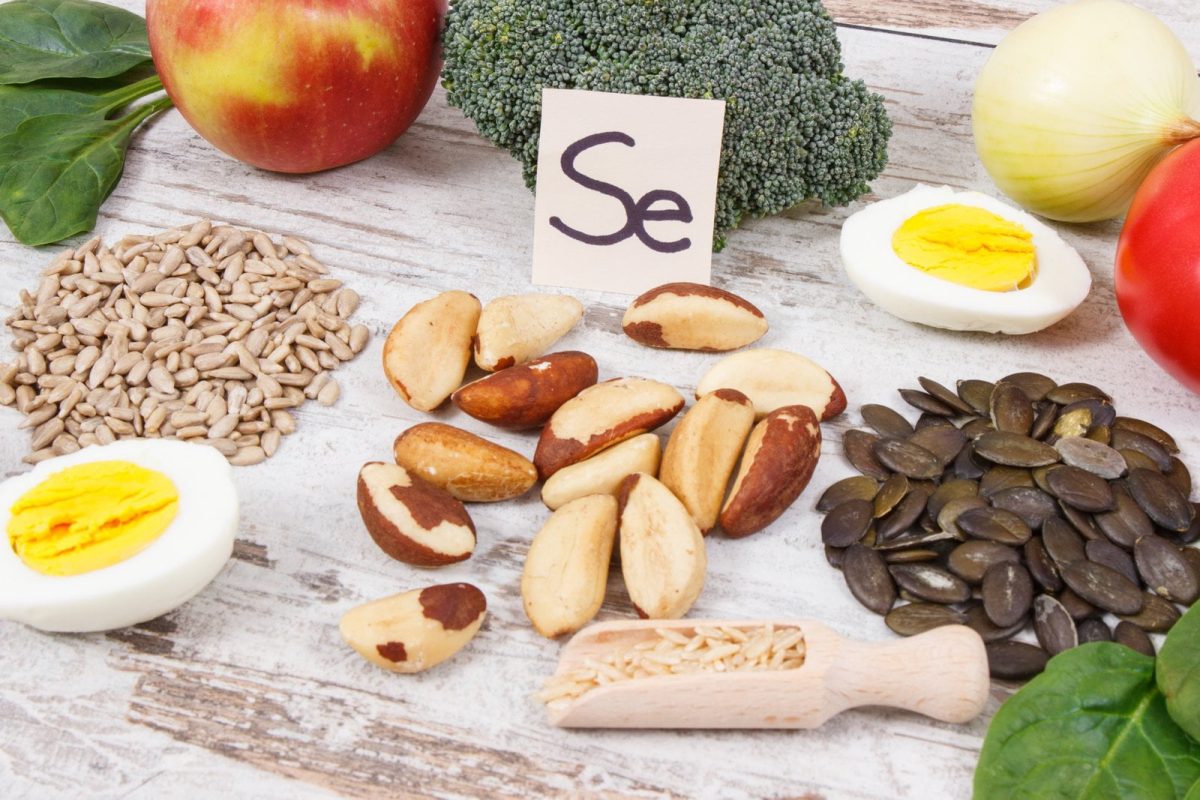
Selenium can be taken as a supplement, as there are many selenium supplements used to increase its level in the body. Selenium can be gotten from foods such as pork, turkey, chicken, fish, shellfish and eggs. All these foods has high selenium in it.

Conclusively, selenium is important for making body processes work correctly from immunity to metabolism and to increased actions of antioxidants in the body.

Now you know why you need selenium! Shop now for yours!! http://backup.troopharm.com/product/nature-s-field-selenium-200mg/


Written by: Immaculate Amalu

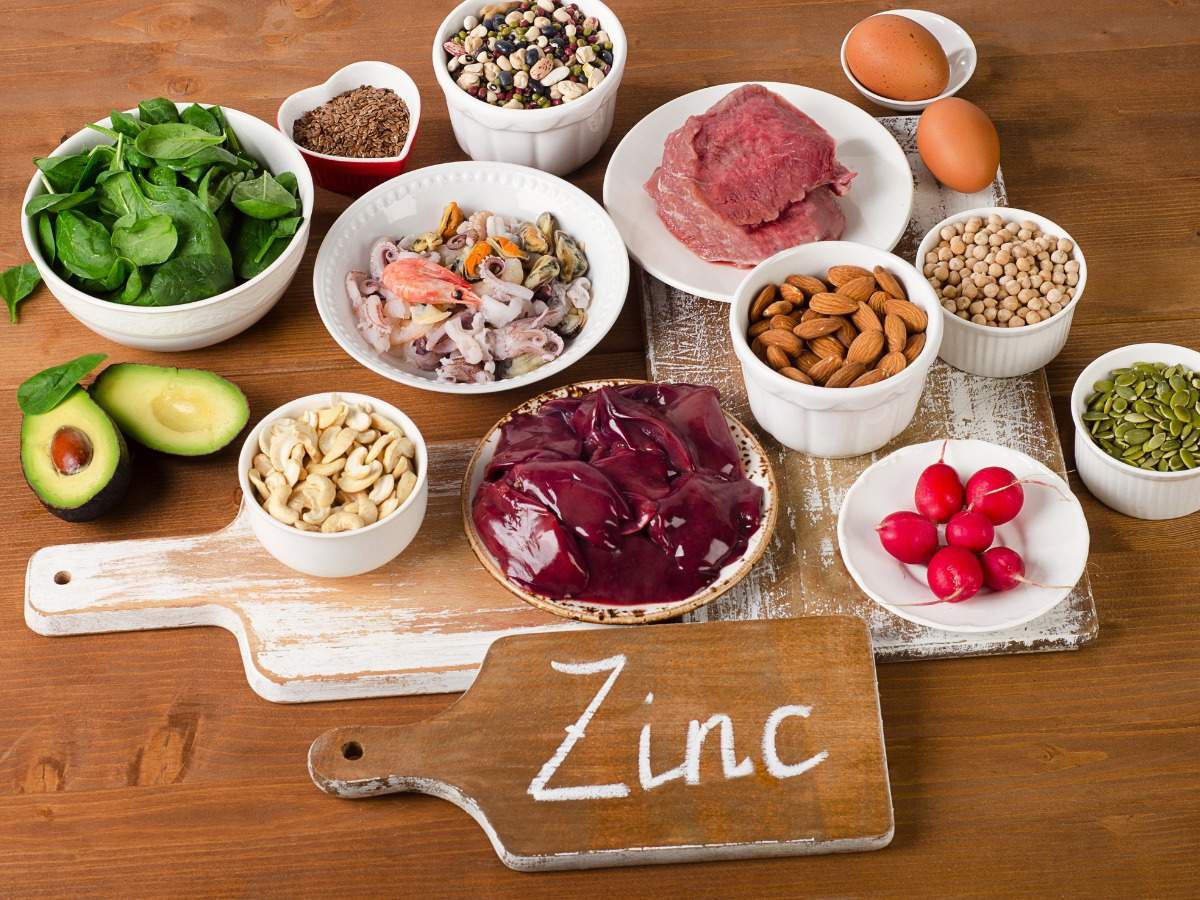
Zinc

Did you know that a healthy amount of zinc in your diet has been linked to an improved immune system and faster wound healing? The benefits of getting enough zinc doesn’t stop there.

Research has also found that zinc may help in these situations:
✓ Shorten the common cold ?.
✓ Support wound healing.
✓ Improve eye health.
✓ Treat hypothyroidism.

How Much Zinc Should You Take to See Benefits?

Zinc is an essential trace mineral, which means our bodies need only a small amount of it to maintain good health. The recommended dietary allowance at 8 milligrams (mg) for adult women and 11 mg for adult men. While only a small amount may be needed, don’t underestimate the power of this mighty mineral.

Good sources of zinc
✓ Try decadent dark chocolate for a zinc filled dessert.
✓ Whole grain delivers zinc.
✓ Meat and poultry serve up zinc.
✓ Crabs and lobster make it easy to meet your zinc needs.
✓ Vegetables such as mushrooms and kale.

It’s a must try! Thank us later!


Written by: Chiamaka Nwoko

Marine Collagen

Collagen is the most abundant protein in the body.
You can find it in your:
– Bones
– Muscles
– Tendons
– Ligaments
– Organs
– Blood vessels
– Intestines
– Tissues and skin.

The body starts to make less collagen as you age starting in your mid 20s. Poor diet can lower your levels too. When the body doesn’t make as much collagen,
It can lead to things like:
– Wrinkles
– Weak Muscles
– Tight ligaments and tendons
– Joint pain.
– Gut issues.

Marine or fish, collagen comes from the skin of fish. It can help you bring your levels up. You may already be taking supplements or use cosmetics with collagen in them.
In most of these products, the collagen comes from pig and cow skins.

Benefits
Like other source of collagen, Marine collagen may help delay some signs of ageing, like wrinkles, joint issues and weakness. Besides the anti-aging benefits, fish collagen also provide an alternative to people who have issues about using other forms of collagen.

Those issues includes:
1) Religious concerns: because of their faith some people aren’t able to use collagen made from pigs and cows.
2) Worry about diseases: some people worry that the protein used in collagen products could link to mad cow disease.

Uses.
You can use fish collagen as a supplements. It comes in powder, pills or liquid forms. People also use creams made with it. Cream with fish collagen are becoming popular, doctors believe that other treatments like retinol, tretinoin and vitamin C might provide more benefits.these creams can help your body make collagen.
They can also undo the inflammation that can damage it.


Written by: Blessing Atabo

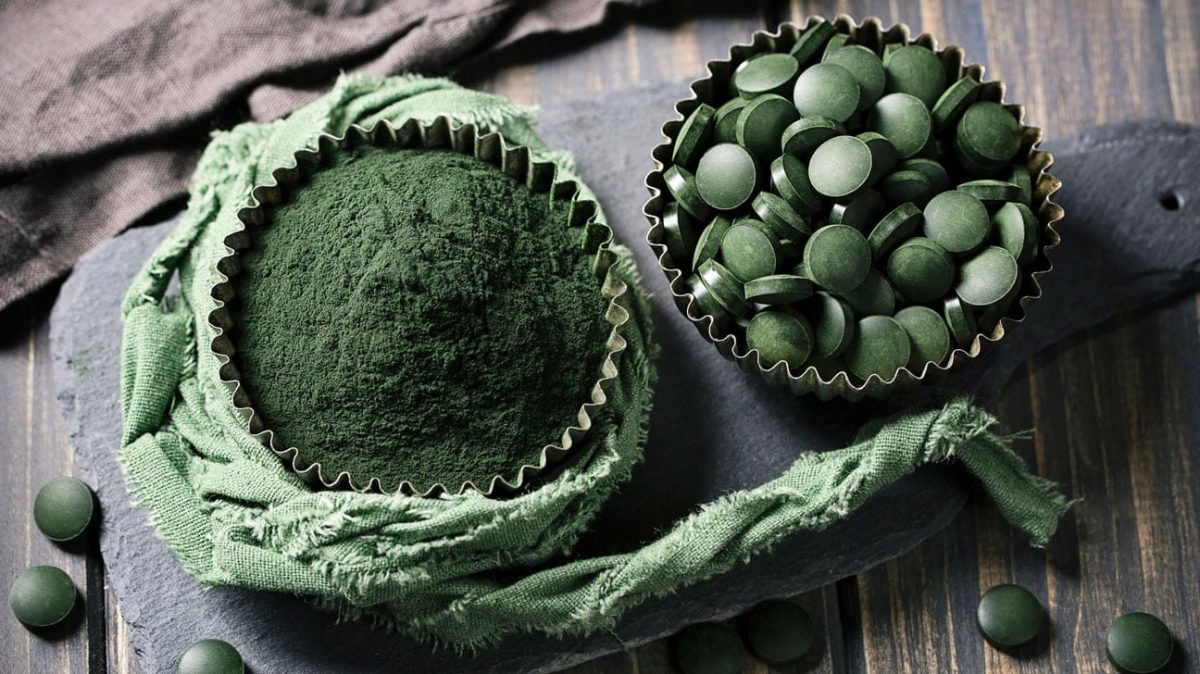
Spirulina

Spirulina Is Extremely High in Many Nutrients

Spirulina is an organism that grows in both fresh and salt water. It is a type of cyanobacteria, which is a family of single-celled microbes that are often referred to as blue-green algae. Just like plants, cyanobacteria can produce energy from sunlight via a process called photosynthesis. Spirulina was consumed by the ancient Aztecs but became popular again when NASA proposed that it could be grown in space for use by astronauts.

This tiny alga is packed with nutrients. A single tablespoon (7 grams) of dried spirulina powder contains:

  • Protein: 4 grams
  • Vitamin B1 (thiamine): 11% of the RDA
  • Vitamin B2 (riboflavin): 15% of the RDA
  • Vitamin B3 (niacin): 4% of the RDA
  • Copper: 21% of the RDA
  • Iron: 11% of the RDA

It also contains decent amounts of magnesium, potassium and manganese and small amounts of almost every other nutrient that you need. In addition, the same amount holds only 20 calories and 1.7 grams of digestible carbs. Gram for gram, spirulina may be the single most nutritious food on the planet. A tablespoon (7 grams) of spirulina provides a small amount of fat — around 1 gram — including both omega-6 and omega-3 fatty acids in an approximately 1.5–1.0 ratio. The quality of the protein in spirulina is considered excellent — comparable to eggs. It gives all the essential amino acids that you need. It is often claimed that spirulina contains vitamin B12, but this is false. It has pseudo-vitamin B12, which has not been shown to be effective in humans.

Powerful Antioxidant and Anti-Inflammatory Properties

Oxidative damage can harm your DNA and cells. This damage can drive chronic inflammation, which contributes to cancer and other diseases. Spirulina is a fantastic source of antioxidants, which can protect against oxidative damage. Its main active component is called phycocyanin. This antioxidant substance also gives spirulina its unique blue-green colour. Phycocyanin can fight free radicals and inhibit production of inflammatory signaling molecules, providing impressive antioxidant and anti-inflammatory effects.

Can Lower “Bad” LDL and Triglyceride Levels

Heart disease is the world’s leading cause of death. Many risk factors are linked to an increased risk of heart disease. As it turns out, spirulina positively impacts many of these factors. For example, it can lower total cholesterol, “bad” LDL cholesterol and triglycerides, while raising “good” HDL cholesterol. In a study in 25 people with type 2 diabetes, 2 grams of spirulina per day significantly improved these markers. Another study in people with high cholesterol determined that 1 gram of spirulina per day lowered triglycerides by 16.3% and “bad” LDL by 10.1%. Several other studies have found favorable effects — though with higher doses of 4.5–8 grams per day.

Protects “Bad” LDL Cholesterol From Oxidation

Fatty structures in your body are susceptible to oxidative damage. This is known as lipid peroxidation, a key driver of many serious diseases. For example, one of the key steps in the development of heart disease is the oxidation of “bad” LDL cholesterol.

Interestingly, the antioxidants in spirulina appear to be particularly effective at reducing lipid peroxidation in both humans and animals.

In a study in 37 people with type 2 diabetes, 8 grams of spirulina per day significantly reduced markers of oxidative damage. It also increased levels of antioxidant enzymes in the blood.

May Have Anti-Cancer Properties

Some evidence suggests that spirulina has anti-cancer properties. Research in animals indicates that it can reduce cancer occurrence and tumor size. Spirulina’s effects on oral cancer — or cancer of the mouth — have been particularly well studied. One study examined 87 people from India with precancerous lesions — called oral submucous fibrosis (OSMF) — in the mouth. Among those who took 1 gram of spirulina per day for one year, 45% saw their lesions disappear — compared to only 7% in the control group. When these people stopped taking spirulina, almost half of them redeveloped lesions in the following year. In another study of 40 individuals with OSMF lesions, 1 gram of spirulina per day led to greater improvement in OSMF symptoms than the drug Pentoxyfilline.

May Reduce Blood Pressure

High blood pressure is a main driver of many serious diseases, including heart attacks, strokes and chronic kidney disease. While 1 gram of spirulina is ineffective, a dose of 4.5 grams per day has been shown to reduce blood pressure in individuals with normal levels. This reduction is thought to be driven by an increased production of nitric oxide, a signaling molecule that helps your blood vessels relax and dilate.

Improves Symptoms of Allergic Rhinitis

Allergic rhinitis is characterised by inflammation in your nasal passageways. It is triggered by environmental allergens, such as pollen, animal hair or even wheat dust. Spirulina is a popular alternative treatment for symptoms of allergic rhinitis, and there is evidence that it can be effective. In one study in 127 people with allergic rhinitis, 2 grams per day dramatically reduced symptoms like nasal discharge, sneezing, nasal congestion and itching.

May Be Effective Against Anaemia

There are many different forms of anaemia. The most common one is characterised by a reduction in hemoglobin or red blood cells in your blood. Anemia is fairly common in older adults, leading to prolonged feelings of weakness and fatigue.

In a study in 40 older people with a history of anaemia, spirulina supplements increased the hemoglobin content of red blood cells and improved immune function. Keep in mind that this is just one study. More research is needed before any recommendations can be made.

May Improve Muscle Strength and Endurance

Exercise-induced oxidative damage is a major contributor to muscle fatigue. Certain plant foods have antioxidant properties that can help athletes and physically active individuals minimise this damage. Spirulina appears beneficial, as some studies pointed to improved muscle strength and endurance. In two studies, spirulina enhanced endurance, significantly increasing the time it took for people to become fatigued.

May Aid Blood Sugar Control

Animal studies link spirulina to significantly lower blood sugar levels. In some cases, it has outperformed popular diabetes drugs, including Metformin. There is also some evidence that spirulina can be effective in humans. In a two-month study in 25 people with type 2 diabetes, 2 grams of spirulina per day led to an impressive reduction in blood sugar levels.

HbA1c, a marker for long-term blood sugar levels, decreased from 9% to 8%, which is substantial. Studies estimate that a 1% reduction in this marker can lower the risk of diabetes-related death by 21%.

However, this study was small and short in duration. More studies are necessary.


The Bottom Line

Spirulina is a type of cyanobacteria — often referred to as blue-green algae — that is incredibly healthy. It may improve your levels of blood lipids, suppress oxidation, reduce blood pressure and lower blood sugar.

While more research is needed before any strong claims can be made, spirulina may be one of the few superfoods worthy of the title.

If you want to give this supplement a try, it is available in our online store at http://backup.troopharm.com/product/holland-barrett-spirulina-500mg/


Written by: Omojo Emeje

Source: Healthline

Add to cart