Biotin Benefits

Biotin, also known as vitamin H, is one of the B complex vitamins that helps the body convert food into energy.
The word “Biotin” comes from the ancient Greek words “Biotos” which means Life or sustenance. B vitamins and specifically biotin, help keep your skin, hair, eyes, liver and nervous system healthy.
Biotin is also a crucial nutrient during pregnancy, as it’s important for embryonic growth.

Biotin is also known as vitamin B-7. It forms fatty acids and glucose. It also helps metabolise carbohydrates and Amino acids and it aids in breaking down fats in the body.

They are several systems that biotin helps keep healthy.
1). The liver.
2). The eyes.
3). The nails.
4). Nervous system and more.

Biotin maybe effective in treating certain medical conditions such as
1). Hypoglycemia
2). Hyperpidemia
3). Glucose control.

Who needs biotin?
– Diabetics: it helps to metabolize carbohydrates.
– Obese are people with high cholesterol it helps to breakdown fat.
-.Beauty conscious people: it boosts skin, nails, hair and appearance.

Negative side effect.
Low level of biotin can cause thinning of the hair and rash around the eyes, nose and mouth. Other symptoms include depression, lack of interest, hallucinations and tingling in the arms and legs.

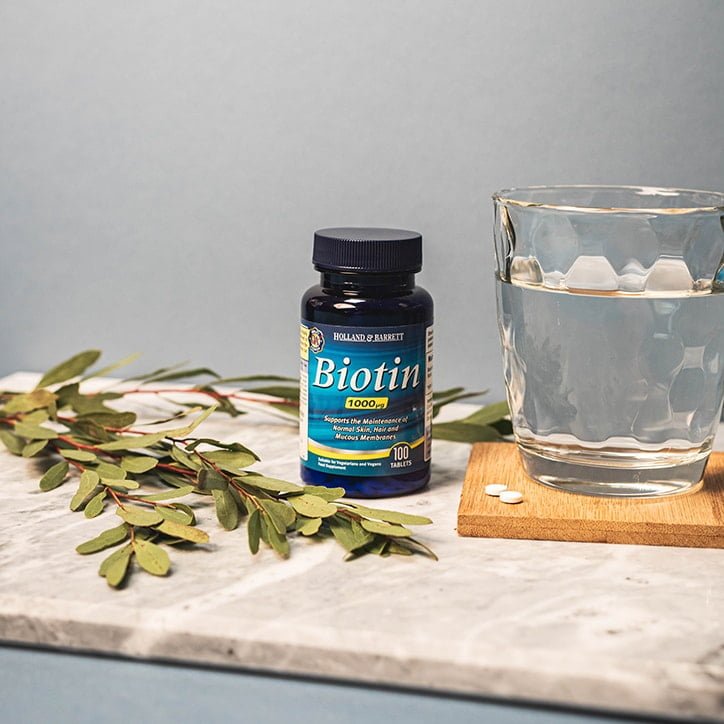
Normal dose of biotin1000ug.
1- 2 tablets daily.
14- 18years 25mcg
19years up 30mcg
Pregnant woman 30mcg /day
Breastfeeding woman 35mcg / day.


Shop online today for your dose of Biotin goodness! http://backup.troopharm.com/product/holland-and-barrett-biotin-1000-g-tabs/

Written by: Blessing Atabo.

Be Merry With Strawberry

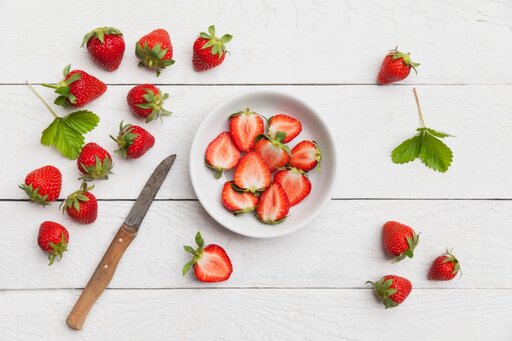
The strawberry (fragaria Ananassa) originated in europe in the 18th century, it is a hybrid of two wild strawberry species from North America and Chile. They are bright red, juicy and sweet. Also they are excellent source of vitamin C and Manganese and contain decent amount of Folate (Vitamin B9) and Potassium.

As an antioxidant,they are good to nuture the skin while other health benefits include heart health and blood sugar control.

They contains

Water 91%
Carbohydrate 7.7%
Fat 0.3%
Protein 0.7%

They are also good sources of Iron, Copper, Phosphorus and Vitamin B6.

Some of its Health benefits include:

Protect The Heart

The abundance of antioxidants and polyphenols in strawberries make them the ideal food to protect your heart from ailments. Strawberries contain anthocyanins (the antioxidants responsible for their red hue), which protect the lining of the circulatory system, thereby shielding the arteries from plaque build-up and regulating the blood pressure

Help Fight Cancer

Strawberries are exceptionally good sources of vitamin C and fiber, both of which have been found to protect from cancers of the esophagus and colon. The anticancer properties of strawberries, according to the American Institute for Cancer Research, can be attributed to the presence of ellagic acid – a phytochemical that can prevent cancers of the skin, lung, bladder, and breast

Boost Immunity

Strawberries are excellent sources of vitamin C. In fact, a single serving of strawberries has more vitamin C than an orange. Vitamin C has been found to trigger immune-boosting antibodies, which ultimately enhance your body’s ability to fight infections

Improve Brain Health

The credit goes to the antioxidants, again. Strawberries, with their high content of antioxidants, protect the brain cells from damage due to free radicals. They also change the way the neurons in the brain communicate with each other. This ultimately leads to improved brain health.

Fight Inflammation

Strawberries contain quercetin, and according to a study conducted by the University of Massachusetts, intake of quercetin, along with regular exercise, can reduce atherosclerosis plaque formation.
Strawberries are also rich in vitamin C, which plays a major role in preventing inflammation. This vitamin also plays a role in easing the symptoms of arthritis and gout.

Improve Vision Health

Strawberries are loaded with antioxidants that were found to prevent cataract, macular degeneration, and other eye diseases.

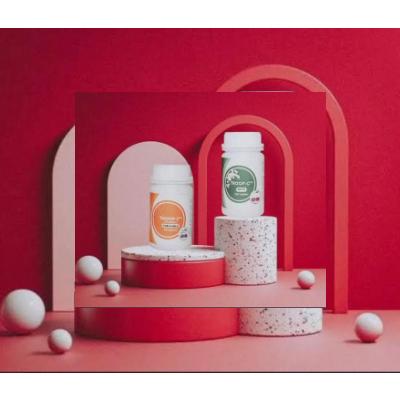
What You Should Know About TROOP-C!!

TROOP-C contains Vitamin C, which is a water-soluble vitamin needed for normal growth and development.

Water-soluble vitamins dissolve in water. Leftover amounts of the vitamin leave the body through the urine. Although the body keeps a small reserve of these vitamins, they have to be taken regularly to prevent a shortage in the body.

Functions of TROOP-C (Vitamin C)

TROOP-C (Vitamin C) is needed for the growth and repair of tissues in all parts of your body. It is used to:

– Form an important protein used to make skin, tendons, ligaments, and blood vessels

– Heal wounds and form scar tissue

– Repair and maintain cartilage, bones, and teeth

– Aid in the absorption of iron

– Reduce ageing of skin and wrinkles.

– Prevent and treat Ultraviolet damage.

Vitamin C is one of many antioxidants. Antioxidants are nutrients that block some of the damage caused by free radicals.

Free radicals are made when your body breaks down food or when you are exposed to tobacco smoke or radiation. The buildup of free radicals over time is largely responsible for the aging process. Free radicals may play a role in cancer, heart disease, and conditions like arthritis.

The body is not able to make vitamin C on its own. It does not store vitamin C. It is therefore important to include plenty of vitamin C-containing foods in your daily diet.

For many years, vitamin C has been a popular household remedy for the common cold. Research shows that for most people, vitamin C supplements or vitamin C-rich foods do not reduce the risk of getting the common cold.

However, people who take vitamin C supplements regularly might have slightly shorter colds or somewhat milder symptoms.

Food Sources of Vitamin C

All fruits and vegetables contain some amount of Vitamin C.

Fruits with the highest sources of Vitamin C include:

– Cantaloupe

– Citrus fruits and juices, such as orange and grapefruit

– Kiwi fruit

– Mango

– Papaya

– Pineapple

– Strawberries, raspberries, blueberries, and cranberries

– Watermelon

Vegetables with the highest sources of vitamin C include:

– Broccoli, Brussels sprouts, and cauliflower

– Green and red peppers

– Spinach, cabbage, turnip greens, and other leafy greens

– Sweet and white potatoes

– Tomatoes and tomato juice

Some cereals and other foods and beverages are fortified with vitamin C. Fortified means a vitamin or mineral has been added to the food. Check the product labels to see how much vitamin C is in the product.

Cooking vitamin C-rich foods or storing them for a long period of time can reduce the vitamin C content. Microwaving and steaming vitamin C-rich foods may reduce cooking losses. The best food sources of vitamin C are uncooked or raw fruits and vegetables. Exposure to light can also reduce vitamin C content. Choose orange juice that is sold in a carton instead of a clear bottle.

Side Effects

Serious side effects from too much TROOP-C (Vitamin C) are very rare, because the body cannot store the vitamin. However, amounts greater than 2,000 mg/day are not recommended. Doses this high can lead to stomach upset and diarrhea. Large doses of vitamin C supplementation are not recommended during pregnancy. They can lead to shortage of vitamin C in the baby after delivery.

Too little TROOP-C (Vitamin C) can lead to signs and symptoms of deficiency, including:

– Anemia

– Bleeding gums

– Decreased ability to fight infection

– Decreased wound-healing rate

– Dry and splitting hair

– Easy bruising

– Gingivitis (inflammation of the gums)

– Nosebleeds

– Possible weight gain because of slowed metabolism

– Rough, dry, scaly skin

– Swollen and painful joints

– Weakened tooth enamel

A severe form of vitamin C deficiency is known as scurvy. This mainly affects older, malnourished adults.

Smokers or those who are around secondhand smoke at any age should increase their daily amount of TROOP-C (Vitamin C).

Women who are pregnant or breastfeeding and those who smoke need higher amounts of TROOP-C (Vitamin C).

Comments

Add to cart