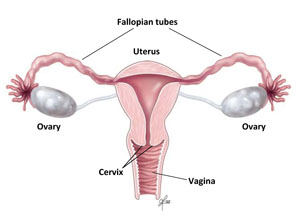
Uterine Fibroid

Fibroids are tumors made of smooth muscle cells and fibrous connective tissue. They develop in the uterus. It is estimated that 70 to 80 percent of women will develop fibroids in their lifetime, however, not everyone will develop symptoms or require treatment.

Uterine fibroids are the most common tumor of the reproductive tract.
Women who are nearing menopause are at the greatest risk for fibroids. Fibroids are most often found during a routine pelvic exam.

Types of Fibroids

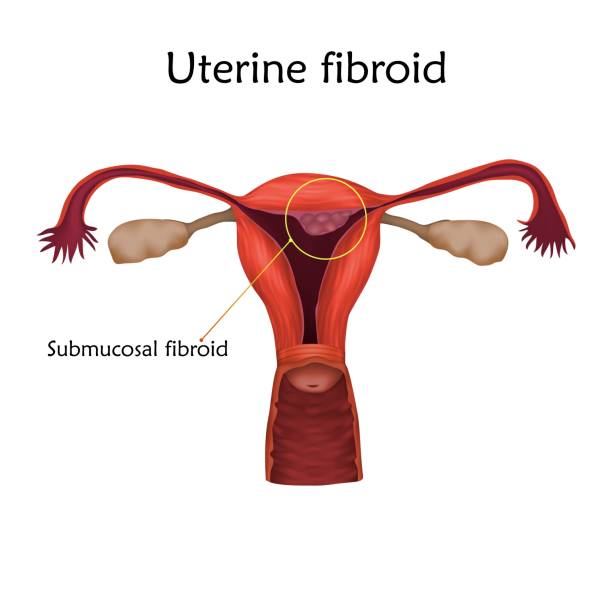
Along with the size and number of fibroids, the type can also affect treatment recommendations. The three main types of fibroids include:

? Subserosal fibroids: These are the most common fibroids. They can push outside of the uterus into the pelvis. Subserosal fibroids can grow large at times and sometimes have a stalk that attaches to the uterus (pedunculated fibroid).

? Intramural fibroids : These fibroids develop in the muscular wall of the uterus.

? Submucosal fibroids: These fibroids are uncommon. They can grow into the open space inside the uterus and may also include a stalk.

?There are several risk factors that can play a role in your chances of developing fibroid .

? Obesity.
? Family history.
? Not having children.
? Early onset of menstruation.
? Late age of menopause.

Symptoms of uterine fibroids
Most women with fibroids will experience no symptoms at all. However, large or numerous fibroids can cause the following symptoms:

?Heavy or prolonged periods.

?Bleeding between periods.

?Pelvic pain and pressure

?Frequent urination

?Low back pain

?Pain during intercourse

?Difficulty getting pregnant

Uterine fibroids diagnoses

Fibroids are most often found during a physical exam. Your health care provider may feel a firm, irregular (often painless) lump during an abdominal or pelvic exam.

Scans can confirm a diagnosis. These tests are the two main options:

Ultrasound : Ultrasound is the most commonly used scan for fibroids. It uses sound waves to diagnose fibroids and involves frequencies (pitch) much higher than what you can hear. A doctor or technician places an ultrasound probe on the abdomen or inside the vagina to help scan the uterus and ovaries. It is quick, simple and generally accurate. However, it relies on the experience and skill of the doctor or technician to produce good results. Other tests such as MRI may be better for other conditions, such as adenomyosis.

MRI : magnetic resonance imaging uses magnets and radio waves to produce images. It allows your provider to gain a road map of the size, number and location of the fibroids. We can also distinguish between fibroids and adenomyosis, which sometimes gets misdiagnosed. We use MRI to confirm a diagnosis and help determine which treatments are best for you. MRI may also provide a better option for related conditions such as adenomyosis.

Other tests include :

– Ultrasonography
– Computed tomography
– Laparoscopy

Medications

At present, gonadotrophin-releasing hormone analogs (GnRHa) are mainly used the size reduction or shrinking of fibroid.

Antifibrinolytics agents (tranexamic acid) Used only during the menstrual cycle, tranexamic acid has been associated with up to a 50% decrease in bleeding in women with menorrhagia.

Nsaids to reduce pain

Surgery

Complications of uterine fibroids

It is uncommon for fibroids to cause severe health consequences. However, women can have heavy bleeding that can lead to dangerous anemia, or lack of red blood cells. Rarely, large fibroids can press on the bladder and the channel (ureter) that sends urine there from the kidney. This pressure can lead to kidney damage. Other complications include infertility and repeated pregnancy loss.

In conclusion : Uterine fibroids are a common concern for women in fertile age . It can cause multiple bleeding and pain symptoms which might have a negative impact on women’s life , influencing there sexual , social and work life.


Written by: Samuel Sobiye.
Birth Control

Anticonception, and fertility control, is a method or device used to prevent pregnancy. Birth control has been used since ancient times. There are many different methods of birth control including condoms, IUDs, birth control pills, the rhythm method, vasectomy, and tubal ligation.

Women can choose from many different types of birth control. Some work better than others at preventing pregnancy.

The type of birth control you use depends on your health, your desire to have children now or in the future, and your need to prevent sexually transmitted infections

Benefits of Birth control

– It regulates menstrual cycle.

Hormonal birth control methods may balance the hormonal fluctuations that happen throughout your cycle. This can help with a variety of menstrual issues, including irregular or heavy bleeding. It can even help with polycystic ovarian syndrome (PCOS) symptoms, including acne and excess hair.

While the various birth control methods work differently, most can make periods lighter and more consistent in their timing.

– Help With menstrual Cramps, and make periods less painful.

About 31 percent of women who use birth control pills cite menstrual pain as one of the reasons they continue to take them. Hormonal birth control prevents ovulation. When you don’t ovulate, your uterus doesn’t experience the painful contractions that cause cramps during ovulation.

If you have painful periods, hormonal birth control may also provide some relief for pain during menstruation.

– Relieve Endometriosis Symptoms.

Endometriosis is a painful condition that happens when the tissue lining your uterus, called the endometrium, grows in places other than inside your uterus. This tissue bleeds during your period, no matter where it’s located. When the tissue bleeds in places where blood can’t easily get out of your body, it causes pain and inflammation.

Hormonal birth control methods help because they allow you to skip periods. Continuous birth control pills and IUDs are usually good options for managing endometriosis.

– Lowers the risk of uterine cancer.

Hormonal birth control also has some long-term benefits. Women who take combination birth control pills are 50 percent less likely to get uterine cancer. These effects can last for up to 20 years after you stop taking the pill.

It can also reduce your risk of ovarian cancer.

– It reduces ovarian cysts

Ovarian cysts are small, fluid-filled sacs that form in your ovaries during ovulation. They aren’t dangerous, but they’re sometimes painful. Women with PCOS often have a large number of small cysts in their ovaries. By preventing ovulation, hormonal birth control can prevent these cysts from forming. They may also stop former cysts from regrowing.

– It can banish hormonal acne

Hormonal fluctuations are often major acne triggers. That’s why acne is usually at its worst during adolescence. By minimizing these fluctuations, hormonal birth control can help to tame hormonal acne.

Birth control pills that contain both estrogen and progesterone (known as combination pills) are the most effective acne fighters.

– It can help with menstrual migraine.

A migraine is an intense type of headache that affects almost 30 million Americans — 75 percent of those being women. This is partly because hormonal changes are a major trigger for migraines in some people.

Experts think menstrual migraines are linked to a drop in estrogen and progesterone just before your period starts. Hormonal birth control methods that allow you to skip your period, such as a continuous pill, implant, or IUD, can help to avoid this drop.

Birth control pill side effects may include:

Headaches

Breast tenderness

Nausea (sometimes with vomiting)

Bleeding between periods

Depression

Changes in libido (sexual desire).


Source: Verywellhealth

Written by: Sarah Amah.

Dysmenorrhea

is the medical term for pain with your period (menstruation)or menstrual cramps.

There are two types of dysmenorrhea: primary and secondary

?Primary Dysmenorrhea is the name for common menstrual cramps that come back over and over again,and are not due to other diseases.pain usually begins some days before period, or when bleeding actual starts.you may feel pain ranging from mild to servers in the lower abdomen, back or thighs.
Pain can typically last 12/72 hours and you might have other symptoms like nausea, vomiting, fatigue and diarrhea.

?Secondary Dysmenorrhea: if you have painful period because of a disorder or an infection in your female reproductive organs,this is called secondary dysmenorrhea. pain from secondary dysmenorrhea usually begins earlier in the menstrual cycle and last longer than common mental cramps.

WHAT CAUSES PAINFUL MENSTRUAL CRAMPS

Menstrual cramps happen when a chemical called prostaglandin makes the uterus contract(tighten up)the uterus,the muscular organ where a baby grows,contract throughout your menstrual cycle.during menstuation, the uterus contract more strongly,it press against nearly blood vessels,cutting off the supply of oxygen to muscle tissue.you feel pain when part of the muscle briefly losses its supply of oxygen.

HOW CAN YOU RELIEVE DYSMENORRHEA

?Rest well
?Avoid foods that contains caffeine
?Avoid smoking and drinking of alcohol
?Massage your lower back and abdomen
?Exercise regularly
?Oral intake of non steroid ant inflammatory drugs
?Oral contraceptives
?Yoga
?Acupuncture
?Eating healthy

Menstruation is normal.you might get cramps, but you don’t have to suffer silently with them. Feel free to talk to a healthcare provider about painful period.


Written by: Josephine Wuraola

Black Cohosh

BLACK COHOSH
Actaea racemosa, the black cohosh, black bugbane, black snakeroot, or fairy candle (syn. Cimicifuga racemosa ), is a species of flowering plant of the family Ranunculaceae.

Some herbal medicinal products containing black cohosh (cimicifuga racemosa) extract hold a marketing authorisation in several states of the European Union and are well-studied and recommended for safe and effective use for the relief of menopausal symptoms (i.e. in the years around menopause) such as hot flushes and profuse sweating attacks.

In the 19th century, the root was used to treat snakebite, inflamed lungs, and pain from childbirth.

? Effect
Polycystic ovarian syndrome (PCOS). Supplementing with black cohosh may increase a woman with PCOS’s chances of getting pregnant on Clomid.

?Supplementing with black cohosh may also help regulate your cycles. Another study noted that a combination of black cohosh and other compounds — including chasteberry, zinc, ginger, and hyaluronic acid — helped improve hot flashes that were associated with insomnia and anxiety.

Side effects of Black Cohosh
Black cohosh has some potential side effects, but they’re typically mild. They include digestive upset, nausea, skin rashes, infection, muscle pain, breast pain or enlargement, and spotting or bleeding outside of your menstrual cycle.

However, black cohosh has also been linked to some severe cases of liver damage. For this reason, you shouldn’t take black cohosh if you have liver disease or are taking any other supplements or medications that may harm your liver.

Examples of supplements that contains black cohosh: Menorite & Remifemin


Written by: Samuel Sobiye

Bacterial Vaginosis (BV)

What Is Bacterial Vaginosis?

Bacterial vaginosis (BV) is an infection of the vagina. It results from a change in the normal balance of vaginal bacteria. BV usually doesn’t cause any other health problems. But it can lead to issues, especially when you’re pregnant or trying to get pregnant.

Bacterial Vaginosis Symptoms

About half of the time, women with BV have no symptoms. But they can include:

  • Burning feeling when you pee
  • Fishy smell that gets stronger after sex
  • Itching
  • Thin white, gray, or green discharge

It isn’t the same as a yeast infection. Those often have a thick white discharge that doesn’t smell.

When to See a Doctor About BV

Because BV symptoms can look like those from other infections, it’s important to find out the cause. See your doctor if you:

  • Have a new vaginal discharge along with a smell or a fever
  • Have more than one intimate partner or a new partner (You might need to be checked for a sexually transmitted disease.)
  • Used an over-the-counter medicine for a yeast infection but still have symptoms

Bacterial Vaginosis Causes

A type of bacteria called lactobacillus keeps your vagina slightly acidic so bad bacteria don’t grow well. If your lactobacillus levels drop, more bad bacteria move in, and you get BV.

Bacterial Vaginosis Risk Factors

Any woman can get BV, but your risks are higher if you:

  • Smoke
  • Are sexually active
  • Douche

Douching upsets the natural balance of bacteria. So can scented soaps, bubble baths, and vaginal deodorants.

A new sex partner, or having more than one, makes it more likely that you’ll get BV. It isn’t clear why, but women who have female partners are most at risk. You can get BV from oral and anal sex.

The IUD birth control device, which fits inside your uterus, has been linked to BV, especially if you have irregular bleeding. But it isn’t clear whether it’s a direct cause.

You can’t get vaginal infections like BV from swimming pools or public toilet seats.

Bacterial Vaginosis Treatment

The doctor can prescribe antibiotics (metronidazole, clindamycin, tinidazole) to treat BV. This could be a tablet you take by mouth or a cream or gel you put into your vagina. You’ll need to take most treatments for 5 to 7 days. Finish all your medicine, even if the symptoms go away. If you stop early, the infection could come back.

Since BV can be spread through sex, don’t have sexual contact until you’re done taking your medicine and your symptoms are gone. Even after BV is treated and goes away, it often returns. If that happens, you’ll probably need to take antibiotics again for a longer time.

If you use an IUD and BV keeps coming back (recurrent BV), you may want to talk to your doctor about a different type of birth control.

Bacterial Vaginosis Complications

Bacterial vaginosis has been tied to a higher risk of other health problems, including:

  • A bacterial infection, if you have a hysterectomy or other surgery on your female organs while you have BV
  • A premature or low birth weight baby
  • A sexually transmitted disease like herpes, chlamydia, or gonorrhea, or passing HIV to your partner
  • Less success with fertility treatments like in vitro fertilization (IVF)
  • Pelvic inflammatory disease (PID), an infection of your uterus, fallopian tubes, and ovaries

Bacterial Vaginosis Prevention

To lower your chances of getting BV, take these steps:

  • Clean sex toys after every use.
  • Don’t douche.
  • Get tested for sexually transmitted diseases, and make sure your sex partners are tested.
  • Limit your number of sex partners.
  • If your partner is male, put a condom on their penis before it touches your vagina, mouth, or anus.
  • Use only water or mild soap to wash your genitals.
  • Wipe from front to back after you use the bathroom.


Reference: Webmd

Written by: Omojo Emeje

What is the role of hormones during pregnancy?

Many hormone levels are affected in the body during pregnancy. Several hormones play major roles during pregnancy. These are:

  • Human chorionic gonadotropin hormone (hCG). This hormone is only made during pregnancy. It is made almost exclusively in the placenta. HCG hormone levels found in the mother’s blood and urine rise a lot during the first trimester. They may play a part in the nausea and vomiting often linked to pregnancy.
  • Human placental lactogen (hPL). This hormone is also known as human chorionic somatomammotropin. It is made by the placenta. It gives nutrition to the fetus. It also stimulates milk glands in the breasts for breastfeeding.
  • Estrogen. This group of hormones helps develop the female sexual traits. It is normally formed in the ovaries. It is also made by the placenta during pregnancy to help maintain a healthy pregnancy.
  • Progesterone. This hormone is made by the ovaries and by the placenta during pregnancy. It stimulates the thickening of the uterine lining for implantation of a fertilized egg.


Reference: Hopkins Medicine

Written by: Omojo Emeje

Normal Menstruation

During a normal menstrual cycle, the lining of a woman’s uterus sheds. This cycle is part of a woman’s reproductive system and prepares the body for a possible pregnancy. It is also called a period, menses or cycle.

What is menstruation?

Menstruation is the monthly shedding of the lining of a woman’s uterus (more commonly known as the womb). Menstruation is also known by the terms menses, menstrual period, cycle or period. The menstrual blood—which is partly blood and partly tissue from the inside of the uterus—flows from the uterus through the cervix and out of the body through the vagina.

What is a normal menstrual cycle?

The menstrual cycle is a term used to describe the sequence of events that occur within a woman’s body as it prepares for the possibility of pregnancy each month. A menstrual cycle is considered to begin on the first day of a period. The average cycle is 28 days long; however, a cycle can range in length from 21 days to about 35 days.

The steps in the menstrual cycle are triggered by the rise and fall of chemicals in the body called hormones. The pituitary gland in the brain and the ovaries in the female reproductive tract manufacture and release certain hormones at certain times during the menstrual cycle that cause the organs of the reproductive tract to respond in certain ways. The specific events that occur during the menstrual cycle can be described as follows:

  • The menses phase: This phase, which typically lasts from day one to day five, is the time when the lining of the uterus is actually shed out through the vagina if pregnancy has not occurred. Most women bleed for three to five days, but a period lasting only two days to as many as seven days is still considered normal.
  • The follicular phase: This phase typically takes place from days six to 14. During this time, the level of the hormone estrogen rises, which causes the lining of the uterus (called the endometrium) to grow and thicken. In addition, another hormone—follicle-stimulating hormone—causes follicles in the ovaries to grow. During days 10 to 14, one of the developing follicles will form a fully mature egg (ovum).
  • Ovulation: This phase occurs roughly at about day 14 in a 28-day menstrual cycle. A sudden increase in another hormone—luteinizing hormone—causes the ovary to release its egg. This event is called ovulation.
  • The luteal phase: This phase lasts from about day 15 to day 28. After the egg is released from the ovary it begins to travel through the fallopian tubes to the uterus. The level of the hormone progesterone rises to help prepare the uterine lining for pregnancy. If the egg becomes fertilized by a sperm and attaches itself to the uterine wall, the woman becomes pregnant. If pregnancy does not occur, estrogen and progesterone levels drop and the thickened lining of the uterus is shed during the menstrual period.

At what age does menstruation typically begin?

Girls start menstruating at the average age of 12. However, girls can begin menstruating as early as 8 years of age or as late as 16 years of age. Women stop menstruating at menopause, which occurs at about the age of 51. At menopause, a woman stops producing eggs (stops ovulating). Menopause is defined as one year without periods, and after this time a woman can no longer become pregnant.

What are some of the symptoms of a normal menstruation?

  • Moodiness
  • Trouble sleeping
  • Food cravings
  • Cramps in the lower abdomen and back
  • Bloating
  • Tenderness in the breasts
  • Acne

What symptoms may indicate a need to contact my doctor about my period?

Contact your doctor or healthcare provider if:

  • You have not started menstruating by the age of 16
  • Your period stops suddenly
  • You are bleeding for more days than usual
  • You are bleeding more heavily than usual
  • You have severe pain during your period
  • You have bleeding between periods
  • You suddenly feel sick after using tampons
  • You think you might be pregnant—for example, you have had sex and your period is at least five days late
  • Your period has not returned within three months after stopping birth control pills and you know you are not pregnant
  • You have any questions or concerns about your period or possible pregnancy


Reference: Clevelandclinic

Written by: Omojo Emeje

Infertility

Infertility is defined as not being able to get pregnant despite having frequent, unprotected sex for at least a year for most couples.

Infertility may result from an issue with either you or your partner, or a combination of factors that prevent pregnancy. Fortunately, there are many safe and effective therapies that significantly improve your chances of getting pregnant.

Symptoms

The main symptom of infertility is not getting pregnant. There may be no other obvious symptoms. Sometimes, women with infertility may have irregular or absent menstrual periods. In some cases, men with infertility may have some signs of hormonal problems, such as changes in hair growth or sexual function.

Most couples will eventually conceive, with or without treatment.

When to see a doctor or healthcare provider

You probably don’t need to see your health care provider about infertility unless you have been trying regularly to get pregnant for at least one year. Women should talk with a care provider earlier, however, if they:

  • Are age 35 or older and have been trying to conceive for six months or longer
  • Are over age 40
  • Have irregular or absent periods
  • Have very painful periods
  • Have known fertility problems
  • Have been diagnosed with endometriosis or pelvic inflammatory disease Have had multiple miscarriages
  • Have undergone treatment for cancer

Men should talk to a health care provider if they have:

  • A low sperm count or other problems with sperm
  • A history of testicular, prostate or sexual problems
  • Undergone treatment for cancer
  • Small testicles or swelling in the scrotum
  • Others in your family with infertility problems

Causes

Infertility causes can affect one or both partners. Sometimes, no cause can be found.

Causes of male infertility

These may include:

  • Abnormal sperm production or function due to undescended testicles, genetic defects, health problems such as diabetes, or infections such as chlamydia, gonorrhea, mumps or HIV. Enlarged veins in the testes (varicocele) also can affect the quality of sperm.
  • Problems with the delivery of sperm due to sexual problems, such as premature ejaculation; certain genetic diseases, such as cystic fibrosis; structural problems, such as a blockage in the testicle; or damage or injury to the reproductive organs.
  • Overexposure to certain environmental factors, such as pesticides and other chemicals, and radiation. Cigarette smoking, alcohol, marijuana, anabolic steroids, and taking medications to treat bacterial infections, high blood pressure and depression also can affect fertility. Frequent exposure to heat, such as in saunas or hot tubs, can raise body temperature and may affect sperm production.
  • Damage related to cancer and its treatment, including radiation or chemotherapy. Treatment for cancer can impair sperm production, sometimes severely.

Causes of female infertility

Causes of female infertility may include:

  • Ovulation disorders, which affect the release of eggs from the ovaries. These include hormonal disorders such as polycystic ovary syndrome. Hyperprolactinemia, a condition in which you have too much prolactin — the hormone that stimulates breast milk production — also may interfere with ovulation. Either too much thyroid hormone (hyperthyroidism) or too little (hypothyroidism) can affect the menstrual cycle or cause infertility. Other underlying causes may include too much exercise, eating disorders or tumours.
  • Uterine or cervical abnormalities, including abnormalities with the cervix, polyps in the uterus or the shape of the uterus. Noncancerous (benign) tumors in the uterine wall (uterine fibroids) may cause infertility by blocking the fallopian tubes or stopping a fertilised egg from implanting in the uterus.
  • Fallopian tube damage or blockage, often caused by inflammation of the fallopian tube (salpingitis). This can result from pelvic inflammatory disease, which is usually caused by a sexually transmitted infection, endometriosis or adhesions.
  • Endometriosis, which occurs when endometrial tissue grows outside of the uterus, may affect the function of the ovaries, uterus and fallopian tubes.
  • Primary ovarian insufficiency (early menopause), when the ovaries stop working and menstruation ends before age 40. Although the cause is often unknown, certain factors are associated with early menopause, including immune system diseases, certain genetic conditions such as Turner syndrome or carriers of Fragile X syndrome, and radiation or chemotherapy treatment.
  • Pelvic adhesions, bands of scar tissue that bind organs that can form after pelvic infection, appendicitis, endometriosis or abdominal or pelvic surgery.
  • Cancer and its treatment. Certain cancers — particularly reproductive cancers — often impair female fertility. Both radiation and chemotherapy may affect fertility.

Risk factors

Many of the risk factors for both male and female infertility are the same. They include:

  • Age. Women’s fertility gradually declines with age, especially in the mid-30s, and it drops rapidly after age 37. Infertility in older women is likely due to the lower number and quality of eggs, and can also be due to health problems that affect fertility. Men over age 40 may be less fertile than younger men.
  • Tobacco use. Smoking tobacco or marijuana by either partner may reduce the likelihood of pregnancy. Smoking also reduces the possible effectiveness of fertility treatment. Miscarriages are more frequent in women who smoke. Smoking can increase the risk of erectile dysfunction and a low sperm count in men.
  • Alcohol use. For women, there’s no safe level of alcohol use during conception or pregnancy. Alcohol use may contribute to infertility. For men, heavy alcohol use can decrease sperm count and motility.
  • Being overweight. Among American women, an inactive lifestyle and being overweight may increase the risk of infertility. For men, sperm count also may be affected by being overweight.
  • Being underweight. Women at risk of fertility problems include those with eating disorders, such as anorexia or bulimia, and those who follow a very low-calorie or restrictive diet.
  • Exercise issues. A lack of exercise contributes to obesity, which increases the risk of infertility. Less often, ovulation problems may be associated with frequent strenuous, intense exercise in women who are not overweight.

Prevention

Some types of infertility aren’t preventable. But several strategies may increase your chances of pregnancy.

Couples

Have regular intercourse several times around the time of ovulation for the highest pregnancy rate. Intercourse beginning at least five days before and until a day after ovulation improves your chances of getting pregnant. Ovulation usually occurs in the middle of the cycle — halfway between menstrual periods — for most women with menstrual cycles about 28 days apart.

Men

Although most types of infertility aren’t preventable in men, these strategies may help:

  • Avoid drug and tobacco use and drinking too much alcohol, which may contribute to male infertility.
  • Avoid high temperatures found in hot tubs and hot baths, as they can temporarily affect sperm production and motility.
  • Avoid exposure to industrial or environmental toxins, which can affect sperm production.
  • Limit medications that may impact fertility, both prescription and nonprescription drugs. Talk with your doctor about any medications you take regularly, but don’t stop taking prescription medications without medical advice.
  • Exercise moderately. Regular exercise may improve sperm quality and increase the chances for achieving a pregnancy.

Women

For women, a number of strategies may increase the chances of becoming pregnant:

  • Quit smoking. Tobacco has many negative effects on fertility, not to mention your general health and the health of a fetus. If you smoke and are considering pregnancy, quit now.
  • Avoid alcohol and street drugs. These substances may impair your ability to conceive and have a healthy pregnancy. Don’t drink alcohol or use recreational drugs, such as marijuana, if you’re trying to get pregnant.
  • Limit caffeine. Women trying to get pregnant may want to limit caffeine intake. Ask your doctor for guidance on the safe use of caffeine.
  • Exercise moderately. Regular exercise is important, but exercising so intensely that your periods are infrequent or absent can affect fertility.
  • Avoid weight extremes. Being overweight or underweight can affect your hormone production and cause infertility.

Treatment

In cases where spontaneous pregnancy doesn’t happen, couples can often still achieve a pregnancy through use of assisted reproductive technology. Infertility treatment may involve significant financial, physical, psychological and time commitments.

Treatment for men

Men’s treatment for general sexual problems or lack of healthy sperm may include:

  • Changing lifestyle factors. Improving lifestyle and certain behaviours can improve chances for pregnancy, including discontinuing select medications, reducing or eliminating harmful substances, improving frequency and timing of intercourse, exercising regularly, and optimising other factors that may otherwise impair fertility.
  • Medications. Certain medications may improve sperm count and likelihood for achieving a successful pregnancy. These medicines may increase testicular function, including sperm production and quality.
  • Surgery. For some conditions, surgery may be able to reverse a sperm blockage and restore fertility. In other cases, surgically repairing a varicocele may improve overall chances for pregnancy.
  • Sperm retrieval. These techniques obtain sperm when ejaculation is a problem or when no sperm are present in the ejaculated fluid. They may also be used in cases in which assisted reproductive techniques are planned and sperm counts are low or otherwise abnormal.

Treatment for women

Some women need only one or two therapies to improve fertility. Other women may need several different types of treatment to achieve pregnancy.

  • Stimulating ovulation with fertility drugs. Fertility drugs are the main treatment for women who are infertile due to ovulation disorders. These medications regulate or induce ovulation. Talk with your doctor about fertility drug options — including the benefits and risks of each type.
  • Intrauterine insemination (IUI). During IUI, healthy sperm are placed directly in the uterus around the time the ovary releases one or more eggs to be fertilized. Depending on the reasons for infertility, the timing of IUI can be coordinated with your normal cycle or with fertility medications.
  • Surgery to restore fertility. Uterine problems such as endometrial polyps, a uterine septum, intrauterine scar tissue and some fibroids can be treated with hysteroscopic surgery. Endometriosis, pelvic adhesions, and larger fibroids may require laparoscopic surgery or surgery with a larger incision of the abdomen.
  • Assisted reproductive technology: Assisted reproductive technology (ART) is any fertility treatment in which the egg and sperm are handled. There are several types of ART.

In vitro fertilization (IVF) is the most common ART technique. IVF involves stimulating and retrieving multiple mature eggs, fertilizing them with sperm in a dish in a lab, and implanting the embryos in the uterus several days after fertilization.

Other techniques are sometimes used in an IVF cycle, such as:

Intracytoplasmic sperm injection (ICSI). A single healthy sperm is injected directly into a mature egg. ICSI is often used when there is poor semen quality or quantity, or if fertilization attempts during prior IVF cycles failed.

Assisted hatching. This technique assists the implantation of the embryo into the lining of the uterus by opening the outer covering of the embryo (hatching).

Donor eggs or sperm. Most ART is done using a couple’s own eggs and sperm. However, if there are severe problems with either the eggs or the sperm, you may choose to use eggs, sperm or embryos from a known or anonymous donor.

Gestational carrier. Women who don’t have a functional uterus or for whom pregnancy poses a serious health risk might choose IVF using a gestational carrier.

In this case, the couple’s embryo is placed in the uterus of the carrier for pregnancy.

Complications of treatment

Complications of infertility treatment may include:

  • Multiple pregnancy. The most common complication of infertility treatment is a multiple pregnancy — twins, triplets or more. Generally, the greater the number of fetuses, the higher the risk of premature labor and delivery, as well as problems during pregnancy such as gestational diabetes. Babies born prematurely are at increased risk of health and developmental problems. Talk to your doctor about any concerns you have about a multiple pregnancy before starting treatment.
  • Ovarian hyperstimulation syndrome (OHSS). Fertility medications to induce ovulation can cause OHSS, particularly with ART, in which the ovaries become swollen and painful. Symptoms may include mild abdominal pain, bloating, and nausea that lasts about a week, or longer if you become pregnant. Rarely, a more severe form causes rapid weight gain and shortness of breath requiring emergency treatment.
  • Bleeding or infection. As with any invasive procedure, there is a rare risk of bleeding or infection with assisted reproductive technology or reproductive surgery.

The Best Ways for Boosting Fertility Naturally

Besides consulting a specialist, you can also opt for holistic fertility treatments and take care of your fertility problem in a natural way. Some of the things you can do at home to boost your fertility and increase the chances of getting pregnant include the following:

  • Eat a Big Breakfast

Eating a big and healthy breakfast has been found to help women improve fertility problems. A few studies have been conducted on this topic showing that indeed having a larger breakfast, instead of a substantial dinner, can help boost ovulation

for 30%. Thanks to this, the levels of insulin can be reduced by 8% and the levels of testosterone by 50% which ultimately leads to higher chances of becoming pregnant.

  • Eat Antioxidant-rich Foods

Antioxidant-rich foods can also help in improving fertility in both men and women. Thanks to antioxidants, you can naturally reduce the number of free radicals that are known to damage egg cells and sperm in your body. If you want to boost your fertility, try to include more fruits, vegetables, grains, and nuts that are naturally packed full of good antioxidants such as vitamins E and C, beta-carotene, lutein, and folate.

  • Avoid Eating Trans Fats

Consuming healthy fats is the basis of every balanced diet, and if you’re trying to get pregnant you should avoid trans fats altogether. Trans fats are known to negatively impact ovulation levels. For a natural conception, it would be best if you avoided trans fast altogether and had a healthy diet.

  • Choose Your Carbs Wisely

There are two important things you should be aware of when it comes to carbs – you should pay attention to the number of carbs you eat on the overall and the type of carbs you consume every day. Having a low-carb diet can help improve hormone levels in women with PCOS while avoiding refined carbs can increase your chances to get pregnant.

  • Consume High-fat Dairy Products

More than one study has been conducted that shows the connection between high- fat dairy and fertility. Studies showed that women who consumed one or two servings of high-fat dairy products have higher chances of getting pregnant than those who consumed low-fat dairy. If you’re looking for natural remedies for ovulation and infertility, replacing at least one low-fat dairy serving with a high-fat dairy one can help you achieve that.

  • Use Diverse Protein Sources in Your Diet

Protein is an integral part of your diet, but you should try to consume protein sources other than meat to reduce the risk of infertility. Vegetable protein sources such as beans, seeds, and nuts have been found to improve women’s chances of becoming pregnant faster. Try to use different protein sources in your diet to help boost your fertility.

  • Increase Your Fiber Intake

Fiber is generally good for everyone’s diet, but increasing your fiber intake while you’re trying to conceive may significantly improve your chances of it. The great thing about fiber is that it can help your body remove excess hormones while keeping your blood sugar levels in control.

Food that has high levels of fiber includes fruit and veggies, whole grains, and beans, so you might want to base your diet around them. Of course, try to not go overboard with fiber intake as it can have a negative effect on your ovulation and fertility.

  • Try Some Multivitamin

If you think you’re not getting enough nutrients from your everyday diet, opting for some multivitamins is a good idea. Being persistent in taking your fertility and ovulation supplements can significantly improve your fertility and ovulation.

One of the most important vitamins for women who are trying to get pregnant is folate, so you can start taking it once you start planning your pregnancy, but try to include other vitamins and minerals as well to make sure you’re getting all the necessary nutrients.

  • Get Physically Active

Being obese or overweight can really impact your possibilities to conceive. Besides being good for your overall health, regular and moderate exercising can help you achieve a normal weight and increase chances for pregnancy.

Try to avoid a sedentary lifestyle and include some walking or light physical activity

to get your body in shape and ready for pregnancy. It’s important that you don’t exaggerate since too much exercising can have a negative impact on holistic fertility and conception.

  • Maintain a Healthy Weight

Weight is one of the most relevant factors that affect fertility in both men and women. Maintaining a healthy weight is one of the best ways to help you with boosting fertility and conception.

Unhealthy weight is connected with irregular menstrual cycles which can significantly reduce the chances of becoming pregnant. Women who are either underweight or overweight will have problems conceiving so the first step towards getting pregnant should be to keep your weight under control.

  • Cut Down on Caffeine Sources

One of the well-known home remedies for ovulation includes cutting down on caffeine sources on a daily level. Women who drink a lot of coffee have fewer chances of conceiving and caffeine has been shown to increase the chances of miscarriage. If you’re a coffee-lover, you don’t have to completely avoid coffee, but simply try to be moderate with your caffeine consumption.

  • Avoid Drinking Alcohol

Although it’s not determined how much alcohol can affect fertility, if you and your partner are trying to have a baby, you should really try to cut down on your alcohol intake. Several studies have been conducted trying to make a connection between alcohol and infertility, however, the results are mixed. The only certain thing is that excessive alcohol consumption is bad for fertility and decreases the chances of pregnancy.

  • Reduce Stress Levels

If you have been trying to conceive for some time now, it’s possible that you feel under pressure because of it. However, stress is one of the most relevant factors for conception. Try to relax and reduce any stressors from your environment to

help boost your fertility. By learning how to cope with everyday stress and anxiety you can improve your chances of getting pregnant.

  • Increase Your Iron Intake

Iron intake is very important for everyone, but especially for women who are in their reproductive years. It’s paramount that you try to eat iron-rich foods such as plant-based iron food if you want to improve your ovulation and fertility. If your diet doesn’t include enough iron sources, try to find an adequate supplement as a substitute.

  • Natural Fertility Supplements

Some of the best natural fertility supplements include the following: Bee pollen – helps improve immunity, nutrition, and fertility in men.

Bee propolis – women who used bee propolis twice a day had higher chances of getting pregnant.

Maca – a plant that grows in Peru has been shown to positively affect sperm levels.

Royal jelly – packed full of lipids, vitamins, amino acids, iron, fatty acids, and calcium, it can help boost fertility.


Written by: Ore Okebukunola

Natural Remedies to Treat Gonorrhoea

Gonorrhea is a common sexually transmitted infection (STI) caused by Neisseriagonorrhoeae bacteria. It is transmitted from one person to another during sexual contact, including oral, anal or vaginal intercourse.

It tends to target warm, moist areas of the body, including the:

• urethra (the tube that drains urine from the bladder)
• eyes
• throat
• vagina
• anus
• female reproductive tract (the fallopian tubes, cervix, and uterus)

Symptoms of gonorrhea

Symptoms usually occur within 2 to 14 days after exposure. However, some people who acquire gonorrhea never develop noticeable symptoms.

It’s important to remember that a person with gonorrhea who doesn’t have symptoms, also called an asymptomatic carrier, can still spread the infection. A person is more likely to transmit gonorrhea to other partners when they don’t have noticeable symptoms.

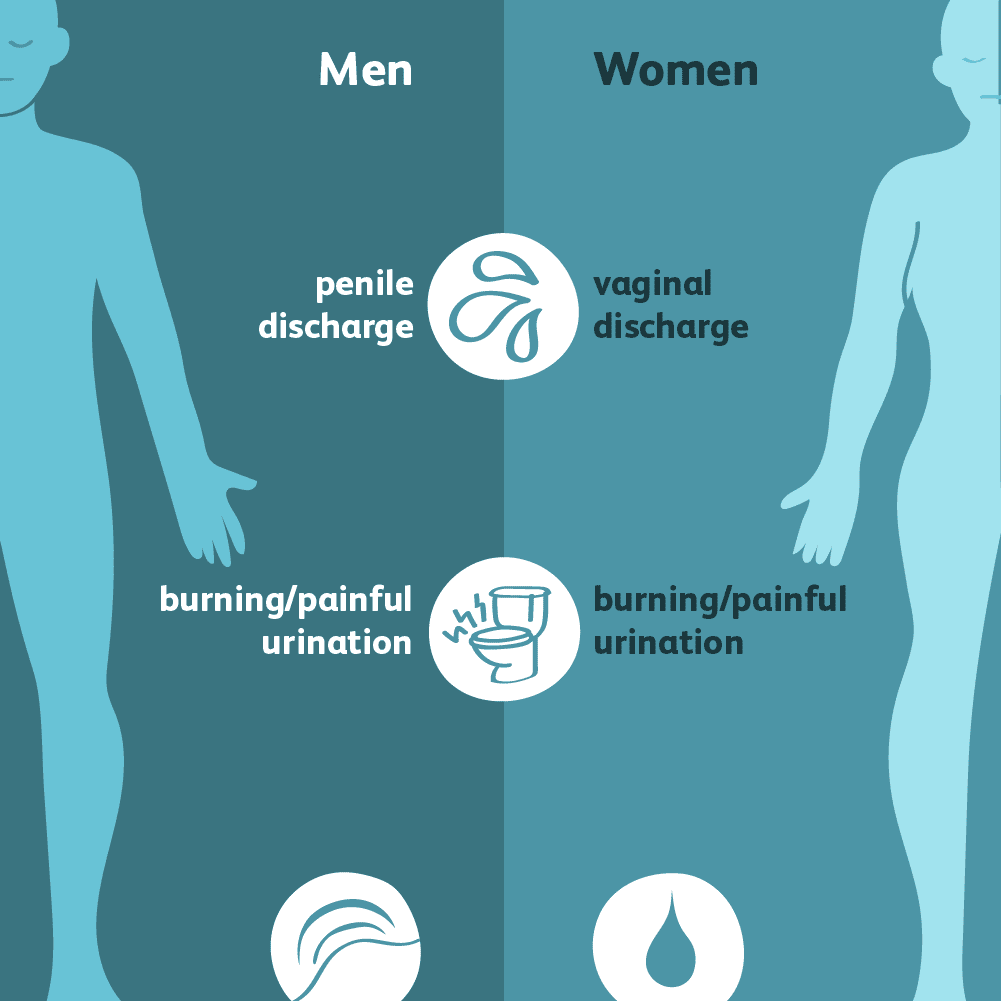
Symptoms in men and those with a penis

A person with a penis may not develop noticeable symptoms for several weeks. Some men may never develop symptoms.

Typically, symptoms begin to show a week after transmission. The first noticeable symptom in men is often a burning or painful sensation during urination.

As it progresses, other symptoms may include:

• greater frequency or urgency of urination
• a pus-like discharge (or drip) from the penis (white, yellow, beige, or greenish)
• swelling or redness at the opening of the penis
• swelling or pain in the testicles
• a persistent sore throat

In rare instances, gonorrhea can continue to cause damage to the body, specifically the urethra and testicles. The condition will stay in the body for a few weeks after the symptoms have been treated.

Pain may also spread to the rectum.

Symptoms in women and those with a vagina

Many people with a vagina don’t develop any overt symptoms of gonorrhea. When they do develop symptoms, they tend to be mild or similar to other diagnoses, making them more difficult to identify.

Gonorrhea symptoms can appear much like common vaginal yeast or bacterial infections.

Symptoms include:

• discharge from the vagina (watery, creamy, or slightly green)
• pain or burning sensation while urinating
• urge to urinate more frequently
• heavier periods or spotting
• sore throat
• pain during sexual intercourse
• sharp pain in the lower abdomen
• fever

Tests for gonorrhoea

Healthcare professionals can diagnose gonorrhea in several ways. They can take a sample of fluid from the symptomatic area (penis, vagina, rectum, or throat) with a swab and place it on a glass slide.

If your doctor suspects a joint infection or infection of the blood, they’ll obtain the sample by drawing blood or inserting a needle into the symptomatic joint to withdraw fluid.

They’ll then add a stain to the sample and examine it under a microscope. If cells react to the stain, gonorrhea may be diagnosed. This method is relatively quick and easy, but it doesn’t provide absolute certainty. This test may also be completed by a lab technician.

A second method involves taking the same type of sample and placing it on a special dish. This will be incubated under ideal growth conditions for several days. A colony of gonorrhea bacteria will grow if gonorrhea is present.

A preliminary result may be ready within 24 hours. A final result will take up to 3 days.

Luckily, gonorrhea can be easily treated. Without treatment, gonorrhea can cause a number of long-term health problems for both women and men. 

In men, untreated gonorrhea can lead to epididymitis, an inflammation of the tube that carries sperm. Severe epididymitis can result in infertility. 

In women, it can cause pelvic inflammatory disease, which may lead to other complications, such as: infertility, ectopic pregnancy and pelvic abscesses. If you’re pregnant, gonorrhea can be transmitted to your newborn, who may then suffer joint infections, blindness, and blood-related infections. In both men and women, gonorrhea can also enter the bloodstream, and cause a condition called disseminated gonococcal infection (DGI), which in severe cases, can be life-threatening.

Treatment

1. Antibiotics

Gonorrhoea is usually treated with Ceftriaxone Injection given one time to the buttocks and a single dose of Oral Azithromycin. Once on antibiotics, you should feel relief within days.

2. Natural Remedies

Several natural remedies have been used for centuries to treat this STI. Here are some of the home remedies for gonorrhoea.

  • Garlic

Because of its antibacterial properties, garlic is used as a common home remedy for bacterial infections. A 2005 study, which examined the effects of garlic products and extracts on gonorrhea-causing bacteria, found that 47 percent of the products showed antimicrobial activity against the bacteria. However, this study was done in a laboratory setting, not on humans with gonorrhoea.

  • Apple cider vinegar

It is one of the most popular natural gonorrhoea remedies. Apple cider vinegar can be taken orally or applied topically as a solution. The antibacterial properties of apple cider vinegar may help you, but be careful it’s also highly acidic, which can irritate the delicate tissues of your genitals. Also, no study has supported or refuted these claims.

  • Goldenseal

Goldenseal plant, also known as berberine or Hydrastis canadensis L., is a known for its antimicrobial properties. This was used as a treatment for gonorrhea by European settlers in the 1800s. Some studies have examined goldenseal as an alternative to antibiotics to treat resistant staph bacteria, but there isn’t any significant research about goldenseal to treat gonorrhea.

You can get goldenseal in capsule form for ingestion and also as creams for topical use. Before taking the capsule, consult a doctor or trained herbalist for the right dosage.

  • Echinacea

The anti-inflammatory properties of echinacea or coneflower hand may help reduce inflammation in the sexual organs, including gonorrhoea. Available in the form of gels or creams, its topical application is known to help ease skin problems and soothe irritation. Taking echinacea extract has been shown to stimulate the immune system as well.

  • Aloe Vera

The cooling effect of aloe vera gel may benefit anyone with an STD. This powerful herb can hydrate your skin and speed up the wound healing process. It also has anti-inflammatory and antibacterial activity. You can use it as a gel and drink its juice to get the benefit.

Prevention

The best way to avoid contracting gonorrheaor any other STDs is to always use a condom during sex. If you know your partner has an STD, it is better to avoid sexual intercourse altogether until it is treated.


Written by: Ore Okubukunola

12 Ways to Boost Oxytocin

If you’ve heard of oxytocin, you might know a little about its somewhat impressive reputation. Even if the name oxytocin doesn’t ring a bell, you might know this hormone by one of its other names: the love hormone, cuddle hormone, or bonding hormone.

As these nicknames suggest, oxytocin plays an important part in human bonding. Released during childbirth and breastfeeding, it’s a key factor in the bond between parent and infant.

Hugging, kissing, cuddling, and sexual intimacy can all trigger oxytocin production, which can strengthen bonds between adults, too.

These effects have led oxytocin to be grouped with the other happy hormones — hormones known to have a positive impact on mood and emotions.

Your body produces oxytocin naturally, but if you want to feel the love, so to speak, try these 12 natural ways to increase it.

1. Try yoga

This wellness practice offers plenty of benefits, including:

  • less anxiety and stress
  • relief from depression and other mood symptoms
  • better sleep
  • improved quality of life

But research from 2013 suggests yoga may help increase oxytocin production, too.

This small study aimed to explore whether yoga could help increase oxytocin in people with schizophrenia, a mental health condition that often involves trouble recognizing facial emotions and other social difficulties.

According to the study results, the 15 participants who practiced yoga for 1 month saw improvements in their ability to recognize emotions and socio-occupational functioning. They also had higher levels of oxytocin. The researchers suggest that a link could exist between these findings, though their study didn’t find a correlation.

2. Listen to music — or make your own

While musical taste can vary widely from person to person, most people enjoy listening to some type of music.

You probably listen to music because you enjoy it, but you might have noticed it has other benefits, like improving your mood, focus, and motivation. It also seems to help improve the ability to create social bonds — an effect also associated with oxytocin.

Research is still limited, but a few small studies have found evidence to suggest music can help boost oxytocin levels in your body:

  • A 2015 study asked four jazz singers to perform two different songs: one improvised, one composed. When the singers improvised, their oxytocin levels increased. The study authors suggest this happened because an improvised performance calls for strong social behaviors such as cooperation, trust, and communication.
  • According to a 2009 study, 20 open-heart surgery patients who listened to music while on bed rest had higher levels of oxytocin and felt more relaxed than patients who didn’t listen to music.
  • In a 2003 study of 16 singers, oxytocin levels increased in all participants after a singing lesson. The study participants also reported feeling more energized and relaxed.

You probably didn’t need another reason to turn up your favourite tunes, but here’s another good one!

3. Get (or give) a massage

Love a good massage? You’re in luck.

A 2012 study looking at 95 adults found evidence to suggest 15 minutes of massage could not only help people relax, but it could also boost oxytocin levels.

Research from 2015 supports this finding and expands on it, noting that oxytocin levels also increase in the person giving the massage.

What does oxytocin do for you? Well, people often report less pain, stress, and anxiety post-massage. Many also notice an improved mood and greater feelings of well-being.

You don’t have to get a professional massage to see these benefits, either. Research suggests that massage from a partner or other loved one may work just as well.

4. Tell someone how much you care

Want to strengthen your emotional connection with others? Tell them how you feel.

Sharing your love and affection with the people who mean the most to you can help increase oxytocin in a few ways:

  • Sharing your feelings with a loved one often leads them to reply in kind.
  • Telling a friend or partner you love them can prompt a hug, hand squeeze, or kiss.
  • Letting someone know how much you appreciate them can increase prosocial feelings on both sides.

5. Spend time with friends

Strong friendships can make a big difference in your emotional well-being. Kicking it with your pals can make for a good time, but it can also help you feel socially supported and less alone in the world.

That’s oxytocin at work. The good feelings you experience around your friends can help you feel more positive about your interactions, making you want to spend more time together. The trust and affection you have for them also tends to increase when you share their company more often.

Whether you make specific plans or simply enjoy hanging out, the more time you spend together, the stronger your bond will likely become.

6. Meditate

A daily meditation practice can help reduce stress and anxiety, improve your mood, and help you feel more compassion toward yourself and others. These effects can go a long way toward increasing your sense of connection and bolstering your relationships with others.

But you also target oxytocin production by focusing your meditation on someone you care about. Loving-kindness meditation, also referred to as compassion meditation, involves directing thoughts of love, compassion, and goodwill toward someone in your life and sending thoughts of peace and wellness toward them.

7. Make your conversations count

Active (or empathic) listening is a basic principle of strong social interactions and relationships.

Bonding and increasing feelings of connection, trust, and empathy can sometimes be as easy as really, truly listening to what someone has to say. It’s easy to tell someone you care about the things that matter to them, but this shows you really mean it.

So, when your friend or partner wants to talk about something important, put down anything that might distract you, make eye contact, and give them your complete attention. This close interaction can trigger oxytocin release, helping you feel more connected to each other.

8. Cook (and eat) with someone you care about

Research on chimpanzees suggests sharing food can increase oxytocin.

It makes sense for humans, too — sharing food is a great way to bond. Think back to your middle school or elementary days. Splitting that cookie or packet of fruit snacks may have netted you a friend or two, right?

Preparing a meal with friends or a partner can provide enjoyment in addition to nourishment. You don’t just share the finished meal, you spend time with people you like and bond over its creation.

And don’t forget, the act of eating itself can produce pleasure — enough, in fact, to trigger oxytocin release.

9. Sex

Sexual intimacy — orgasm, in particular — is one key way to raise oxytocin levels and demonstrate affection for someone else.

Having sex with your partner can help you feel closer and more connected, but you can still see this increase in oxytocin without a relationship.

The best part? Both you and your partner get this oxytocin boost.

10. Cuddle or hug

You don’t have to get down to get your oxytocin up.

Other forms of physical intimacy, like cuddling or hugging, can also trigger oxytocin production in your body.

Hugs, hand-holding, and cuddling can all do the trick. So take a few moments for a good, long hug with your partner, kid, or even your pet.

11. Do something nice for someone

Altruistic or selfless behaviors can also promote oxytocin release.

Giving someone a gift or practicing a random act of kindness makes them happy, which can make you feel happy, too. The simple act of brightening someone’s day can lift your spirits and promote positive feelings in you, too.

So, if you can, live life generously. You might try:

  • offering to help a neighbor with a chore
  • giving a few extra dollars to charity
  • supporting your favorite cause
  • buying a gift card for a friend or family member

12. Pet dogs

If you’re a dog lover, have we got a tip for you!

If you can, stop what you’re doing and go pet your dog. Feel better? Your dog probably does, too. Research suggests that both dogs and humans see an increase in oxytocin from physical contact, including patting and stroking.

That’s why it can feel so comforting to cuddle your animal friend when you feel upset. The oxytocin produced by your interaction helps you feel a little better.

Though this research only looked at human-dog interactions, it’s pretty safe to say petting your cat or giving your bird some head scratches will probably have a similar effect.


Reference: Healthline

Written by: Omojo Emeje

Add to cart