22 Ways to Relieve Menstrual Cramps

1. Hydrate

Drink More Water

Menstrual cramps, or primary dysmenorrhea, are an uncomfortable part of life for many women on a monthly basis. Drinking more water may help ease bloating, which makes symptoms worse. Get in the habit of drinking 6 to 8 glasses of water per day, especially during your period. Add some mint or a lemon wedge to make it more palatable. While you’re at it, back off of the salt, which encourages fluid retention and bloating. Avoid alcohol, which promotes dehydration. Some women experience diarrhea or vomiting in conjunction with menstrual cramps. It’s important to replace lost fluids by drinking plenty of water.

Easy Ways to Get More Fluids

If you don’t like the taste of plain water, there are many things you can do to increase fluid intake. Start by drinking a glass of fruit-infused water the first thing after you get up in the morning. Sip chamomile or ginger tea. Drink flavored mineral water for a new twist on hydration. Make a pitcher of cucumber, mint, or lemon water to drink throughout the day for a spa-like treat. Sip a cup of low sodium broth to increase your fluid intake. Staying well hydrated isn’t just good for cramps, it’s good for your overall health.

2. Eat to Reduce Pain

Diet Is Key

You may be craving fatty, sugary, or salty foods when you have your period, but these foods are not your friends. Skip the doughnuts and potato chips. Some women find that eating the right kinds of foods may help ease menstrual pain. Anti-inflammatory foods like cherries, blueberries, squash, tomatoes, and bell peppers are good choices. Coldwater fish that is high in omega-3 fatty acids are also healthy choices. Eat more calcium-rich beans, almonds, and dark leafy greens. These foods contain compounds that combat inflammation. Some women report that eating this way can help ease menstrual pain and boost health. It’s best to eat a healthy, balanced diet year round, not just for a few days a month during your period.

Avoid These

Your dietary and lifestyle habits can either help or hurt period cramps. If you experience monthly menstrual discomfort, some women find it helpful to avoid certain foods. Skip white, refined foods including sugar, bread, and pasta. Avoid trans-fatty acids that are found most often in commercially-prepared foods like French fries, cookies, onion rings, crackers, and margarine. Ditch alcohol, tobacco, and caffeine. All of these things increase inflammation and may encourage period pain. There is some evidence to show that reducing harmful fat intake may also help relieve painful periods.

3. Sip Chamomile Tea

Sipping chamomile tea may help reduce cramps when you menstruate. Chamomile tea is full of anti-inflammatory substances that inhibit prostaglandins. Prostaglandins are made by cells in the endometrium of the uterus. These cells release prostaglandins during a woman’s period, provoking muscle contractions of the uterus, pain, and cramps. Prostaglandins in the bloodstream are responsible for nausea, vomiting, diarrhea, and headache during the menstrual period. NSAIDs like naproxen and ibuprofen reduce prostaglandin production. Sipping chamomile tea inhibits pain-causing prostaglandins and enhances menstrual flow to ease period symptoms

4. Try Fennel

In one study, approximately 80 percent of young women who took capsules containing 30 milligrams of fennel extract 4 times a day for 3 days prior to the start of their menstrual period experienced less pain than those who took a placebo. Researchers believe fennel inhibits uterine contractions that are stimulated by prostaglandins. Fennel extract may be a good option for the approximately 10 percent of women who can’t do their normal activities for 1 to 3 days during their periods due to severe menstrual cramps.

5. A Sprinkle of Cinnamon

In a study of young women, those who took capsules containing 420 milligrams of cinnamon 3 times a day for the first 3 days of their menstrual cycle had less menstrual bleeding, less pain, and reductions in nausea and frequency of vomiting compared to those who took a placebo. The women didn’t report any side effects associated with taking cinnamon pills. Try a sprinkle of cinnamon on your cereal or cup of hot cocoa. It can’t hurt and it might help your cramps and other period symptoms.

6. Go for Ginger

A study of young women found that ginger capsules relieved symptoms of primary dysmenorrhoea including painful periods as well as NSAIDs like ibuprofen and mefenamic acid. Women in the ginger group took 250 milligram capsules of ginger 4 times a day for the first 3 days of their periods. Women in the mefanamic acid group took 250 milligram capsules 4 times per day while those in the ibuprofen group took 400 milligrams per day 4 times per day. Women in each of the 3 treatment groups reported similar pain relief, satisfaction with treatment, and reductions in severity of dysmenorrhea regardless of which treatment they took. None of the women in the study reported severe side effects with any treatment. Try a little ginger if you’d like a drug-free alternative for period pain relief.

7. A Therapeutic Root – Curcumin

Curcumin, an ingredient in the root turmeric, may help relieve PMS symptoms. Women who took 2 capsules of curcumin per day for 7 days prior to menstruation and for 3 days after their period began experienced a reduction in PMS symptoms compared to women who took placebo pills. Scientists think beneficial compounds in curcumin combat inflammation and alter neurotransmitter levels, all of which may be responsible for the reduction in PMS symptoms. Women treated with curcumin reported improvements in behavioral, mood, and physical symptoms due to PMS. Curcumin may also have benefits for people with inflammatory conditions like arthritis, IBS, inflammatory bowel disease, autoimmune diseases, and other conditions.

8. Fish Oil and Vitamin B1

Researchers studied the effects of vitamin B1 and fish oil on dysmenorrhea symptoms in high school students. The young women were separated into 4 different groups. One group took 100 milligrams of vitamin B1 per day. Another took 500 milligrams of fish oil per day. One group took a combination of both vitamin B1 and fish oil daily. The last group took a placebo. The women took the treatment at the beginning of their menstrual cycles and continued for 2 months. Compared to those in the placebo group, those who took vitamin B1, fish oil, or both reported significantly less pain. The women who took fish oil or B1 also reported their pain didn’t last as long compared to those in the placebo group.

9. The Sunshine of Vitamin D

Cramps associated with dysmenorrhea can be disabling. Painful cramps associated with dysmenorrhea occur due to increasing levels of prostaglandins, which cause the uterus to contract. These contractions cause the shedding of the uterine lining. Vitamin D reduces the production of prostaglandins. In one study of young women who had primary dysmenorrhea and low vitamin D levels, high weekly doses of supplemental vitamin D decreased pain intensity significantly both 8 weeks into treatment and 1 month after the end of treatment. The women taking vitamin D also took less pain medication to treat period pain. You can ask your doctor to measure your vitamin D levels with a simple blood test.

10. The Anti-Cramp Mineral Calcium

Calcium is a nutrient that everyone needs, but most women don’t get enough. We need calcium not just for healthy bones, but for proper function of the heart, muscles, and nervous system. Adequate calcium intake may also help relieve menstrual cramps. In a study of young women, those who took a supplement containing 1,000 milligrams of calcium per day beginning on day 15 of their menstrual cycle until menstrual pain stopped in the following cycle experienced less intense menstrual pain than those who took a placebo. Load up on low-fat dairy products, fortified orange juice, canned sardines and salmon, and other calcium-rich foods to get your daily fill of this important mineral.

11. More Magnesium

Magnesium is an essential mineral your body needs to fuel more than 300 enzyme systems. You need it to build muscles, proteins, and healthy bones. Your body needs magnesium for the proper function of muscles and nerves, to regulate blood pressure, and control blood sugar levels. You need magnesium to build DNA and RNA and to manufacture glutathione, the master antioxidant of the body. Magnesium may also help alleviate symptoms of PMS, especially when taken with vitamin B6. One study of women found that those who took 250 milligrams of magnesium and 40 milligrams vitamin B6 per day experienced the greatest reduction in PMS symptoms. Be careful. Magnesium can interfere with the activity of certain medications including antibiotics, proton pump inhibitors (PPIs), diuretics, and bisphosphonates. Ask your doctor or pharmacist if magnesium is appropriate and safe for you.

More Benefits for Women

Adequate intake of magnesium is also associated with a lower risk of endometriosis. Good sources of magnesium include almonds, spinach, cashews, peanuts, and black beans. Adult women should get between 310 and 400 milligrams of magnesium per day depending on their age and whether or not they are pregnant or lactating.

12. Skip the Caffeine

Say No to Joe

Eliminating caffeine helps many women relieve menstrual pain. Caffeine comes in many forms including coffee, tea, soda, chocolate, and energy drinks. If you consume caffeine daily, you may need to taper your dose down slowly to avoid withdrawal symptoms. As a substitute, try smoothies loaded with antioxidant-rich greens, berries, and protein powder. The nutrients will give you a much needed pick me up without the increased pain that can accompany caffeine.

13. Medication Relief

Over-the-Counter Remedies

Menstrual pain occurs due to uterine contractions. For severe menstrual pain, over-the-counter remedies like ibuprofen, aspirin, and naproxen sodium can reduce menstrual cramps. Keep your pain relievers of choice at home, work, and in the car so you have them on hand when you need them. Be careful with nonsteroidal anti-inflammatory drugs (NSAIDs) if you have certain health issues. These drugs can trigger gastrointestinal ulcers or make bleeding conditions worse.

14. Reach for Heat

Easy At Home Treatment

Applying a heating pad, heat wrap, or hot water bottle to your abdomen works wonders for relieving menstrual cramps. You can find these items in the drugstore or online. The continuous application of heat may work as well as ibuprofen for the relief of dysmenorrhea pain. Heat helps muscles relax.

One study of women between the ages of 18 and 30 who had primary dysmenorrhea found that those who applied a heat patch that heated to 104 degrees Fahrenheit experienced similar pain relief benefits from the patch as those who relied on ibuprofen for cramps. If you don’t have a heating pad, heat wrap, hot water bottle, or heat patch handy, a hot shower or warm towel can be used instead.

15. Exercise

Get Moving to Relieve Symptoms

Many women find that exercising helps relieve menstrual cramps. Exercise releases endorphins, brain chemicals that promote well-being. Whether you enjoy walking, running, or swimming, it’s safe to participate in all of these activities during your menstrual period. Yoga and tai chi are gentler forms of exercise that may be easier to do if you experience fatigue.

16. Massage

Touch Brings Relief

Massaging your abdomen for as little as 5 minutes a day may be able to help relieve menstrual cramps. Massage encourages blood flow. Massing cream containing essential oils like clary sage, lavender, and marjoram has additional benefits for the body. These oils contain compounds that have been reported by many to help relieve pain and soothe dysmenorrhea.

17. Plants That Relieve Pain

Herbal Treatment

Health practitioners may prescribe herbs to treat a woman’s menstrual cramps. Black cohosh, cramp bark, turmeric, and chasteberry are a few herbs that have been used. They are effective for pain relief and decreasing inflammation. Chasteberry has been used extensively in Europe for the treatment of irregular menstrual cycles, cyclical breast discomfort, premenstrual syndrome (PMS), and dysfunctional uterine bleeding. Make sure your doctor knows about all of your medical conditions, medications, and supplements because herbs are not appropriate for every woman. Herbs may interfere with the action of some medications or decrease their effectiveness.

18. Acupuncture and Acupressure

Get to the Point

Acupuncture and acupressure are eastern healing treatments that stimulate certain trigger points on the skin to produce desired effects in the body. The therapies are very effective for a variety of medical conditions including menstrual cramps. An acupuncturist can use needles to decrease a woman’s menstrual cramps. The practitioner can show you where these trigger points are and how to stimulate them with pressure from your hands to achieve similar results. Applying pressure to key points on the back, abdomen, feet, and the fleshy part between your thumb and index finger can be effective treatments for pain. The best part is, since these techniques are drug free, you can do them any time you experience symptoms. Ask the practitioner for articles with pictures that can help you learn how to do acupressure on yourself.

19. Work Your Core

Exercise for Period Cramps

An easy home remedy for menstrual pain is to perform light exercises that engage the core. Take deep breaths while lying on your back with the knees bent. Yoga is another type of exercise that may help women who have primary dysmenorrhea. In one study, young women who practiced yoga for 60 minutes once a week for 12 weeks felt less menstrual distress and period pain compared to those who did not do yoga. Some of the best poses that help women feel better during menstruation include bridge, staff pose, and bound angel. Ask a qualified yoga instructor to show you these positions.

20. Tame Chronic Sleep Problems

Practice Good Sleep Hygiene

Sleep quality has an effect on menstrual symptoms and many health conditions. In one study, women who had insomnia reported more severe dysmenorrhea and more interference with daily activities due to symptoms compared to women who did not have insomnia. Practice good sleep hygiene to keep painful menstruation symptoms at bay. This involves going to bed at about the same time every night. Establish and stick to a nightly routine to give your body the signal that it’s time for sleep. The routine may involve things like listening to soothing music, enjoying a cup of tea, or taking a warm bath. Getting adequate sleep to promote overall health will help you manage monthly symptoms associated with your menstrual cycle.

21. Baths Soothe Pain

Just Add Bubbles

A warm bath may be just the thing you need to soothe pain and relax tense muscles. Start by adding some luxurious bubble bath or fragrant essential oil. Read your favorite book or magazine to help melt stress and tension away. Taking a bath in the evening is a great activity to help you wind down and sleep better. If you’re not a bath person, a warm shower can produce similar benefits and reduce pelvic pain and other symptoms.

22. Seek Medical Guidance

Treatment Can Be Tailored

If home remedies and other interventions are not enough to control your symptoms, it is time to visit the doctor. Your physician can check your hormone levels and may prescribe birth control pills or other medications to treat dysmenorrhea. Let your doctor know about your symptoms, especially how they contribute to sleep loss or interfere with daily functioning. Having a complete picture about your medical history will help your doctor come up with the best treatment for you. Getting a yearly health check up is a good idea for everyone.

Birth Control Pills

Some doctors may prescribe hormonal birth control pills or patches for women who suffer from painful menstrual cramps. The medication may help regulate the menstrual cycle and reduce pain. Hormonal birth control helps guard against pregnancy and may help ailments associated with the uterus like endometriosis, if present. Endometriosis and other disorders associated with a woman’s reproductive organs may cause secondary dysmenorrhea. This type tends to start earlier during the monthly cycle and lasts longer than typical cramps. Make sure your doctor knows your entire health history and about all of your medical conditions because the pill may not be appropriate for every woman. This type of birth control prevents ovulation. It also prevents the lining of the uterus to become as thick as it normally would during normal monthly hormonal fluctuations. Many women who are on the pill don’t experience menstrual bleeding or periods that are much lighter than usual.


Reference: Onhealth

Written by: Omojo Emeje

Collagen for Skin

Collagen is made up of three amino acids: glycine, proline, and hydroxyproline. Collagen provides the support matrix/mattress underpinning healthy skin and is a key determinant to the preservation of skin firmness and elasticity.
Which Factors Contribute to the Loss of Collagen in the Skin?

Unfortunately, collagen starts to degrade with age, and your genetics can affect how fast that degradation happens. We lose collagen year after year, and make lower quality collagen. Free radicals damage collagen — they are our skin’s enemy, bad lifestyle habits (smoking), and a poor diet (for example one high in sugar) all create free radical formation, which speeds collagen breakdown.

Let’s hit on smoking for a moment. One of the best things you can do for your skin is to never smoke — or quit smoking if you do. Research suggests that smoking allows free radicals to attack collagen fibrils, rendering them weak and of poor quality. It’s not surprising, therefore, that the skin of a smoker tends to look damaged and wrinkled, particularly around the mouth,

What Are the Benefits of Collagen for Your Body?

The protein has a big job in the body. Collagen gives body tissues structure, toughness, rigidity, and texture. In the skin, it’s akin to a layer of leather. And when it intermingles with elastic fibers, it gives skin strength and resilience.

When collagen begins to degrade in the skin and levels of it drop in the body, you may notice wrinkles, stiffer tendons and ligaments, weaker muscles, joint pain, and even GI problems. It’s clear that collagen is vital for the health of every system in your body. Within the skin, taking up to 10 grams (g) of collagen peptides per day can help improve skin elasticity, hydration, and collagen density.

Collagen helps to:
– Improve skin health.
– Helps relieve joint pain.
– Helps prevent bone loss.
– Boost muscle mass.
– Promotes heart health.
– Improves hair and nails.

Protecting your natural collagen for healthy skin

Ultraviolet light from the sun breaks down collagen, so it’s important to wear sunscreen daily. Eating foods high in antioxidants, like fruits and vegetables, can also prevent collagen breakdown.

Food sources of collagen include the following:
  • Fish.
  • Chicken.
  • Egg whites.
  • Citrus fruits.
  • Berries.
  • Red and yellow vegetables.
  • Garlic.
  • White tea.


Written by: Chiamaka Nwoko

Diet For Fibroid?

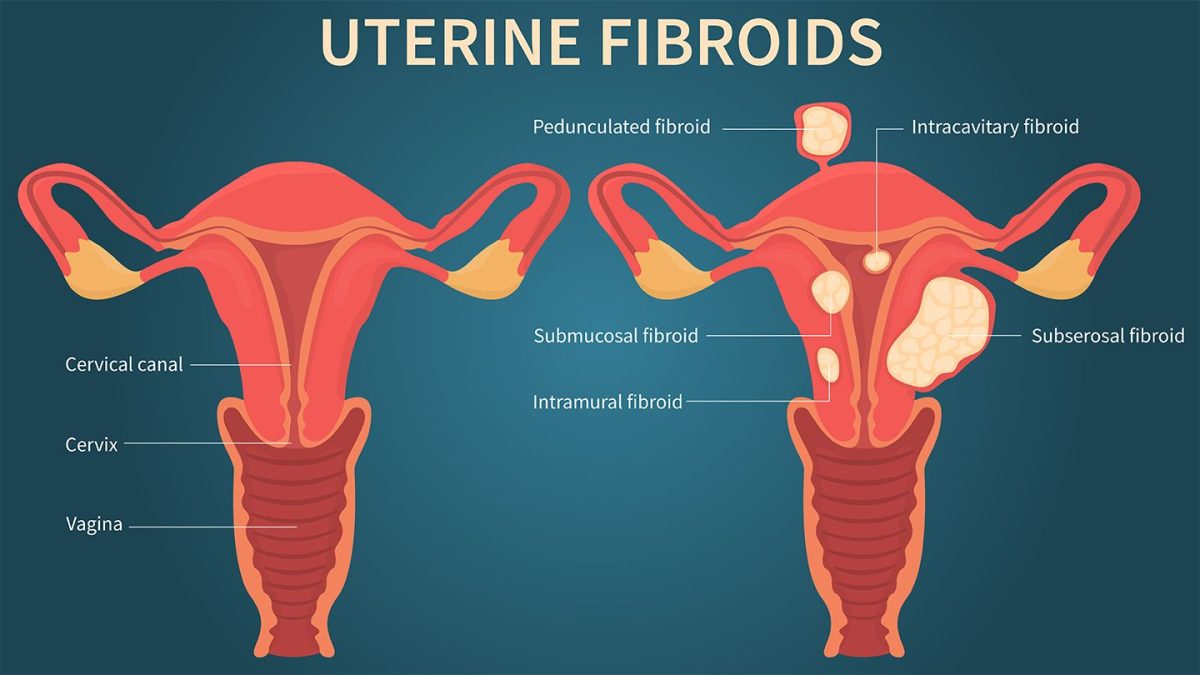
Fibroids are abnormal growths in the uterus. They’re also called uterine fibroids, myomas, and leiomyomas. Fibroids aren’t cancerous or life threatening, but they can sometimes cause complications and health problems.

Fibroids form in and around the uterine walls. They’re made of muscle and other tissues. They may be as tiny as a seed or grow larger than a tennis ball. You may have multiple fibroids or just one.

Doctors don’t know exactly what causes fibroids. Having overweight or obesity increases your risk, as does having low levels of some types of nutrients.

Prevalence

Almost 80 percent of women have fibroids in their lifetime. This condition may also be genetic. You’re at higher risk if your mother or sister has fibroids.

Fibroids can cause symptoms and complications such as:

  • pain
  • heavy menstrual bleeding
  • constipation
  • anemia
  • difficulty getting pregnant
  • miscarriages

However, only 20 to 50 percent of women with fibroids have symptoms. In most cases, treatment isn’t needed. Your doctor may recommend waiting and watching to see if the fibroids go away on their own.

While foods can’t treat or prevent fibroids, your daily diet and lifestyle may play a role in reducing your risk. Diet can help balance hormones that may trigger these growths. Certain foods may also help ease fibroid symptoms.

Diet and lifestyle changes to lower risk

There are a number of changes you can make that might help reduce your risk for fibroids.

1. Follow a Mediterranean diet

Add plenty of fresh and cooked green vegetables, fresh fruit, legumes, and fish to your plate. A Mediterranean diet is one way to do this. Research shows that eating these foods regularly may help lower your risk for fibroids. On the other hand, eating beef, ham, lamb, and other red meat may raise your risk.

2. Cut back on alcohol

Drinking any type of alcohol may increase your risk for fibroids. This can happen because alcohol raises the level of hormones needed for fibroids to grow. Alcohol may also trigger inflammation.

One study found that women who drank one or more beers a day increased their risk by more than 50 percent. Avoid or limit alcohol to help reduce your risk.

3. Balance estrogen

Estrogen is a hormone important for healthy fertility in both women and men. However, too much estrogen can increase your risk for fibroids or make them worse.

Many treatments for fibroids work by lowering estrogen levels. Other ways to balance estrogen levels include:

4. Losing weight.

Obesity and excess weight increase the risk for fibroids. Fat cells make more estrogen, so losing weight may help prevent or slow the growth of fibroids.

5. Avoiding hormone-disrupting chemicals.

Natural and synthetic chemicals can throw off your endocrine balance, raising estrogen levels. These chemicals can leach into your body through skin and food. Avoid or limit coming into contact with chemicals found in:

  • fertilizers
  • pesticides
  • plastics such as BPA
  • nonstick coatings on cookware
  • fire retardants
  • dyes
  • paints
  • some personal care products

6. Lower blood pressure

Research shows that a high number of women with severe fibroids also have high blood pressure. More research is needed to find out if there’s a link.

Balancing blood pressure is vital for your overall health. Try these tips:

  • Avoid added salt. Flavor food with herbs and other spices instead.
  • Limit high-sodium processed and packaged foods.
  • Check your blood pressure daily with a home monitor.
  • Exercise regularly.
  • Lose weight, especially around the waist.
  • Avoid or limit alcohol.
  • Increase potassium by eating a majority of plants at each meal.
  • Quit smoking and avoid secondhand smoke.
  • If you have high blood pressure, take medication as prescribed.
  • See your doctor for regular checkups.

7. Get enough vitamin D

Vitamin D may help reduce your risk of fibroids by almost 32 percent. Your body makes this “sunshine vitamin” naturally when your skin’s exposed to sunlight. If you have darker skin or live in cooler climates, you’re more likely to be deficient.

Supplements can help raise your levels, along with foods such as:

  • egg yolks
  • fortified milk, cheese, and dairy products
  • fortified cereals
  • fortified orange juice
  • fatty fish such as salmon, tuna, and mackerel
  • cod liver oil

Foods to eat if you have fibroids

Diet alone can’t treat fibroids. However, a balanced diet may also help ease some fibroid symptoms and complications. Certain foods may help slow fibroid growth in some cases.

1. Fiber

Fiber-rich foods aid weight loss and balance hormones. They also help to keep blood sugar levels steady. For these reasons, fiber may help prevent and slow the growth of fibroids. Add these whole foods to your diet:

  • cooked and raw vegetables
  • cooked, raw, and dried fruit
  • whole grain bread and pasta
  • cruciferous vegetables
  • oats
  • lentils
  • barley
  • beans

2. Potassium

Potassium helps to counter the effects of salt to balance blood pressure. Add these potassium-rich foods to your daily diet:

  • avocado
  • bananas
  • citrus
  • cantaloupe
  • collard greens
  • dates
  • lentils
  • oat bran
  • potatoes
  • tomatoes

3. Dairy

Add dairy products such as yogurt and full-fat cheese to your diet. Dairy is rich in calcium, phosphorus, and magnesium. These minerals may help prevent fibroids and slow their growth. Fortified milk also contains vitamin D.

4. Green tea

Green tea contains several antioxidants. A study found that one of these, epigallocatechin gallate, may help slow the growth of fibroids by bringing down inflammation and high estrogen levels. Green tea may also improve symptoms of heavy bleeding due to fibroids, such as low iron.

Foods to avoid if you have fibroids

1. Sugar

Sugary foods and simple carbohydrates may trigger or worsen fibroids. These foods spike blood sugar levels. This causes your body to make too much insulin. Excess insulin can cause weight gain and affect fibroid growth.

Avoid refined carbs and added sugars such as:

  • table sugar
  • glucose
  • dextrose
  • maltose
  • corn syrup
  • high fructose corn syrup
  • white bread, rice, pasta, and flour
  • soda and sugary drinks
  • fruit juice
  • potato chips
  • crackers
  • packaged energy bars

2. Estrogen-increasing foods

Some foods contain natural ingredients that mimic the estrogen in the body, called phytoestrogens. Other foods have added hormones or trigger your body to make more estrogen.

Some of these foods may have protective effects when consumed in small to moderate amounts, but have negative effects when consumed in high amounts. You may need to limit or avoid foods such as:

  • red meat from sources that include added hormones
  • soy beans
  • soy milk
  • tofu
  • flax seed


Reference: Healthline

Written by: Omojo Emeje

What you should know about Vaginal Candidiasis

Candidiasis is a fungus infection caused by candida or yeast (a type of fungus) called candida albicans.
Candida lives in the body or on the skin without any problem, but becomes an infection when it grows out of normal. Vaginal candidiasis occurs when candida multiply and causes an infection in the vagina, when the environment inside the vaginal changes in a way that encourage its growth. It is also called vulvovaginal CANDIDIASIS, or vaginal yeast infection.

SYMPTOMS
– Vaginal itching or sores
– Pain during sexual intercourse
– Pain or discomfort during urinating
– Abnormal vaginal discharge
– Redness, swelling and cracks in the wall of the vagina.

RISK AT GETTING VAGINAL CANDIDIASIS
– When pregnant
– Use of hormonal contraceptives
– Having a weakened immune system (having HIV infection or taking medication that weakens the Immune system such as steroid and chemotherapy

HOW TO PREVENT VAGINAL CANDIDIASIS
– Wearing of cotton underwear might help reduce the chances of getting the yeast infection
– Reduce the intake of drugs that reduce the immune system
– Taken antibiotics can lead to vaginal candidiasis so take the antibiotics only when prescribed

DIAGNOSIS AND TESTING
Healthcare providers usually diagnose the vaginal CANDIDIASIS by taken a small sample of vaginal discharge to be examined under a microscope or it is send to laboratory for a fungal culture. However, a positive fungal culture doesn’t always mean that cadida is causing the symptoms because woman have candida without having any symptoms

TREATMENT
Treatment of vaginal CANDIDIASIS is by taken antifungal Medicine
– Apply antifungal passery inside the vaginal for 3 – 6 days depending on the strength and type of the drugs
– Use of oral antifungal drug of fluconazole 150mg as a single dose
– Use of clotrimazole cream to be applied on the valva to stop itching and burning sensation
– For reoccurrence – use of 150mg of fluconazole every 72 hours for first 3 dose and take 150mg every week for 6 month
– Give an immune booster to increase the immune system and to hasten treatment
– Take cranberry multivitamin to increase nutrients and as an antioxidant to lower the risk of UTI and to boost the immune system.

NATURAL REMEDIES FOR VAGINAL CANDIDIASIS

  • Greek yogurt
  • Boric acid
  • Probiotics and supplements
  • Coconut oil
  • Tea tree oil
  • Apple cider vinegar
  • Garlic
  • Vitamin C


Written by: Ruth Olusegun

Wild Yam Benefits

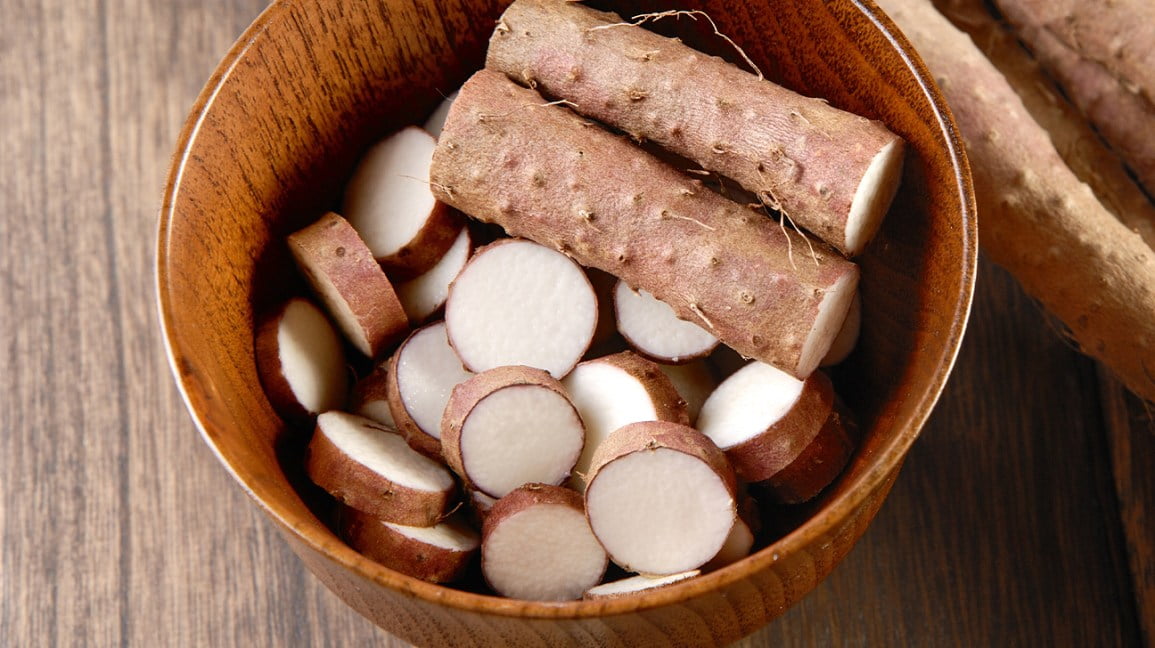
Wild yam is believed to influence hormone balances in a way that can benefits conditions like morning sickness, premenstrual syndrome (PMS), hot flashes, menstrual cramps, vaginal dryness, low libido, and osteoporosis.

Moreover, contrary to health claims, diosgenin is not a phytoestrogen (plant-based estrogen) and interacts in no way with estrogen receptors in the body.

Hormone production and imbalance

Wild yam root contains diosgenin. It’s a plant steroid that scientists can manipulate to produce steroids, such as progesterone, estrogen, cortisone, and dehydroepiandrosterone (DHEA), which are then used for medical purposes.

Thus, some advocates assert that wild yam root has benefits similar to those offered by these steroids in your body, providing a natural alternative to estrogen therapy or progesterone creams.

Yet, studies disprove this, showing that your body cannot turn diosgenin into these steroids.

Instead, diosgenin requires chemical reactions that can only take place in a laboratory setting to convert it into steroids like progesterone, estrogen, and DHEA.

As a result, scientific evidence doesn’t currently support wild yam root’s effectiveness for treating conditions associated with hormonal imbalances, such as PMS, low sex drive, infertility, and weakened bones.

Arthritis

Wild yam earned the nickname “rheumatism root” in the 19th century when it was regularly used to treat joint and muscle pain, historically referred to as “rheumatism.” These health claims have persisted into the 20th and 21st centuries.

Today, many alternative practitioners believe that wild yam can effectively treat symptoms of rheumatoid arthritis (the autoimmune form of arthritis). Their contention is that wild yam exerts potent anti-inflammatory effects that can relieve swelling, pain, and inflammation characteristic of the disease. There is some evidence of this.

A 2013 study published BMC Complementary and Alternative Medicine reported that a daily dried extract of wild yam significantly reduced inflammatory markers in the blood samples of lab mice with medically induced inflammation.

Higher doses of wild yam (400 milligrams per kilogram of body weight) appeared to alleviate nerve pain, while lower doses (200 milligrams per kilogram) reduced overall inflammation. No notable side effects or toxicities were found.

These findings suggest that wild yam may aid in the treatment of osteoarthritis (“wear-and-tear arthritis”), a condition characterized by chronic inflammation. Its use in treating rheumatoid arthritis is less certain given that the source of the inflammation—namely the body’s own immune system—is less affected by anti-inflammatory compounds.

Human clinical research is needed to determine whether wild yam has any effect on either of these forms of arthritis or if it can possibly aid in the treatment of nerve pain disorders.

Skin health

Wild yam root is a common ingredient in anti-aging skin creams.

One test-tube study noted that diosgenin may encourage the growth of new skin cells, which could have anti-aging effects. However, overall research on wild yam root is limited.

Diosgenin has also been studied for its potential depigmenting effect. Excess sun exposure can result in small, flat, brown or tan spots on your skin, also known as hyperpigmentation — which is harmless but sometimes seen as undesirable.

Still, wild yam root creams haven’t been proven effective for this application.


Written by: Omojo Emeje

Ashwagandha Root for Better Sexual Health!

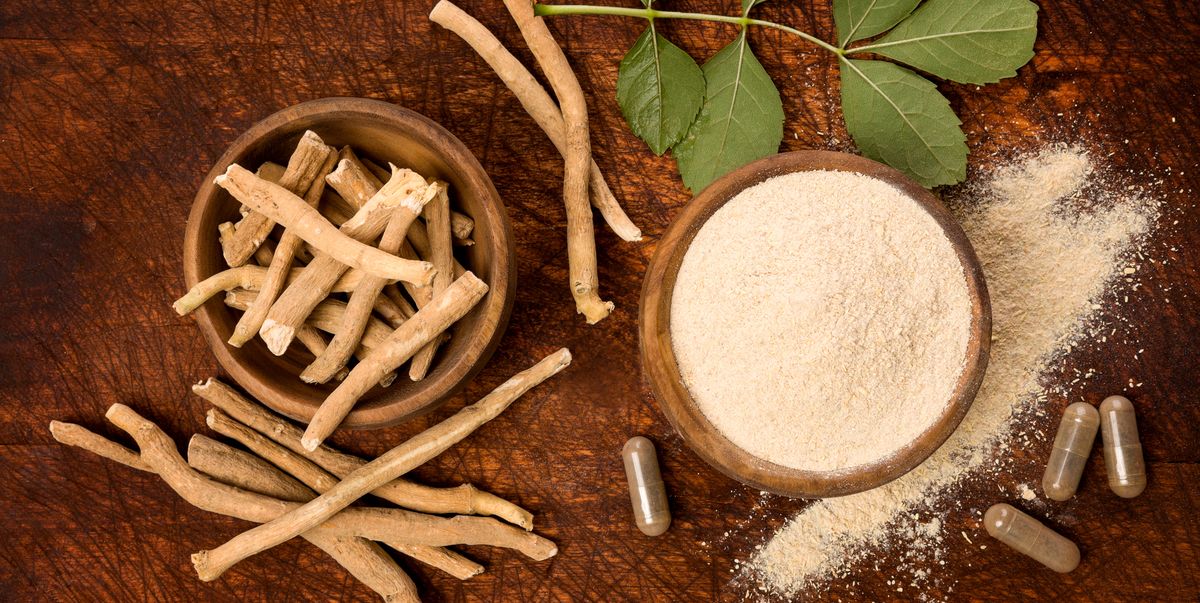
Ashwagandha is one of the most well-known ayurvedic herbs and is traditionally known for its stress-relieving properties. From physical stress and fatigue to mental stress and conditions like anxiety, this adaptogenic herb helps deal with all kinds of health issues.

Experts suggest that ashwagandha also rejuvenates your body and improves your overall health. Here are some of the science-backed health benefits of ashwagandha along with a way to use it.

1. Good for the brain and mental health

Research suggests that ashwagandha intake reduces both anxiety and stress-related depression. The effects of this herb are equated to that of Chinese ginseng, a plant known as a cure-all in traditional Chinese medicine (TCM). Ashwagandha is also suggested to be helpful in improving sleep and slowing down the progression of neurological disorders like ADHD and Parkinson’s.

2. Improves heart health

Ashwagandha has several benefits for your heart. Experts say that ashwagandha strengthens heart muscles and reduces the effects of stress on your cardiovascular system. It also reduces cholesterol and the risk of blood clots in arteries. Both of these problems are major risk factors for conditions like heart attack and stroke.

A study done in India found that ashwagandha consumption increases cardiorespiratory endurance – meaning the ability of your heart and lungs to provide oxygen to your muscles. More oxygen will help you be active for longer periods of time.

3. Slows down skin ageing

Ashwagandha is a natural antioxidant. This means it can fight free radical damage and slow down the ageing process. Free radicals are unstable atoms (usually oxygen or hydroxyl) that can damage your body tissues and lead to chronic inflammation, diseases and premature ageing. Normally, our body neutralises free radicals with its own repertoire of antioxidants. However, stress and an unhealthy lifestyle can skew the balance between antioxidants and free radicals in the body.

Regular consumption of ashwagandha is suggested to be helpful in reducing fine lines, wrinkles and dark spots.

4. Boosts sexual health 

Ashwagandha is traditionally used to treat erectile dysfunction and stress-induced performance anxiety in men. Research studies indicate that ashwagandha improves total sperm count and testosterone levels in men. It is also reported to improve sex drive and sexual performance in both men and women.

5. Helps control blood sugar levels

Studies indicate that ashwagandha helps control blood sugar levels in both diabetic and healthy people by increasing insulin secretion and insulin sensitivity. Insulin is a hormone that promotes body cells to take up glucose from blood. Insulin sensitivity is the term used to describe the sensitivity of body cells to insulin – how quickly the cells will start picking up sugars from your circulation in response to insulin.


Written by: Omojo Emeje

11 Natural Remedies For Polycystic Ovary Syndrome

Polycystic ovary Syndrome (PCOS) is a hormonal disorder causing enlarged ovaries with small cysts on the outer edges. The cause of polycystic ovary syndrome isn’t well understood, but may involve a combination of genetic and environmental factors. Symptoms include menstrual irregularity, excess hair growth, acne and obesity.

Treatments include birth control pills to regularise periods, medication called metformin to prevent diabetes, statins to control high cholesterol, hormones to increase fertility and procedures to remove excess hair. However, there are other natural remedies which act as supplements to the major treatments. Such natural remedies are:

1. Inositol. Inositol is a B vitamin that can help improve insulin resistance. It’s also been found to help with fertility in some cases of PCOS.

2. Chromium. Chromium supplements may improve your body mass index, which can help with PCOS. They may also stabilize insulin resistance by helping your body metabolize sugar.

3. Cinnamon. Cinnamon comes from the bark of cinnamon trees. Cinnamon extract has been shown to have a positive effect on insulin resistance. It also may regulate menstruation for women with PCOS.

4. Turmeric. The active ingredient in turmeric is called curcumin. Turmeric may be promising for decreasing insulin resistance and as an anti-inflammatory agent.

5. Zinc. Zinc is a trace element that can boost fertility and your immune system. Excessive or unwanted hair growth and alopecia may be improved with zinc supplements. You can also eat red meat, beans, tree nuts, and seafood to get more zinc in your diet.

6. Evening primrose oil. Evening primrose oil has been used to help with period pain and irregular menstruation. It may also improve cholesterol levels and oxidative stress, both of which are linked to PCOS.

7. Combined vitamin D and calcium. Vitamin D is a hormone that’s vital to your endocrine system. Vitamin D deficiency is common in women with PCOS. Vitamin D and calcium may improve irregular periods and help you ovulate.

8. Cod liver oil. Cod liver oil contains vitamins D and A, as well as high amounts of omega-3 fatty acids. These acids can help improve menstrual regularity and help get rid of fat around your waist.

9. Berberine is an herb used in Chinese medicine to help with insulin resistance. If you have PCOS, berberine may ramp up your metabolism and balance your body’s endocrine responses.

10. Maca root. The root of the Maca plant is a traditional herb used to boost fertility and libido. Maca root may balance hormones and lower cortisol levels. It may also help treat depression, which can be a symptom of PCOS.

11. Probiotics. Probiotics don’t just help with your digestion and gut health. They can play an important role in treating PCOS. They can also reduce inflammation and regulate sex hormones like androgen and estrogen.

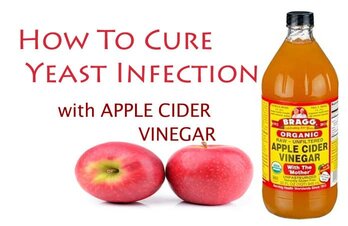
Apple Cider Vinegar And Vaginal Itch!

The moment signs of a vaginal yeast infection make themselves known—the itch you discreetly get at by squirming in your seat, the gates of hell suddenly relocating to between your legs, and the clumpy discharge—nothing else matters…other than getting it gone!

Apple cider vinegar has been found to stop the growth of the fungi that causes yeast infections. Add half a cup of apple cider vinegar in your bath water and soak yourself in it for at least 20 minutes. However, always make sure to dilute the apple cider vinegar and never use it at full strength. This is because it can also kill the healthy bacteria in your body.

Just like baking soda, taking a bath with Apple Cider Vinger (ACV) may also help to soothe an infection because it has antifungal and antibacterial properties, which prevents the growth of bacteria.

Unfortunately, there’s little evidence to support this claim. Nevertheless, it’s a cheap remedy to try, and one that has no known side effects!

Add to cart