How do minerals and vitamins differ?

You’ve heard that vitamins and minerals are good for your health. You may have even seen the alphabet soup listed on your supplement bottle. But what’s the difference between vitamins and minerals?

Vitamins are substances that the body needs to function. There are 13 essential vitamins, which can either be fat-soluble or water-soluble. Vitamins are found in a variety of foods or can be taken as a supplement. Too much or too little of any vitamin can cause health problems.

Like vitamins, your body needs minerals to function. While there are only 13 essential vitamins, there are thousands of known minerals. Your body doesn’t necessarily need all of them, but it does need certain minerals to function properly. Depending on the mineral, you might need large or small amounts. Minerals are found in a variety of foods, and like vitamins, too much or too little can cause health issues.

Vitamins

Vitamins are substances that are needed for normal cell function, growth, and development. Each vitamin plays an important role in the body. When you don’t get enough of a certain vitamin, you may become deficient. Vitamin deficiency can cause health problems and may increase your risk of heart disease, cancer, and osteoporosis. Getting the right amount of vitamins can help boost your immunity and maintain optimal health.

There are 13 vitamins:

  1. Vitamin A (retinol)
  2. Vitamin C (ascorbic acid)
  3. Vitamin D
  4. Vitamin E (tocopherol)
  5. Vitamin K
  6. Vitamin B1 (thiamine)
  7. Vitamin B2 (riboflavin)
  8. Vitamin B3 (niacin)
  9. Vitamin B5 (pantothenic acid)
  10. Vitamin B6 (pyridoxine)
  11. Vitamin B7 (biotin)
  12. Vitamin B9 (folate)
  13. Vitamin B12 (cobalamin)

Type of Vitamins

Vitamins are grouped into two categories: fat-soluble and water-soluble. Fat-soluble vitamins are stored in the body’s fatty tissues. There are four fat-soluble vitamins: A, D, E, and K. These vitamins are absorbed more easily when consumed with a bit of dietary fat. Water-soluble vitamins are used by the body right away. They are not stored by the body and have to be regularly consumed. Any leftover water-soluble vitamins are excreted in the urine. Vitamin C and the B-vitamins are water-soluble. Vitamin B12 is the exception because it can be stored in the liver for many years.

Difference Between Fat Soluble and Water Soluble

Functions and Sources of Vitamins

Each of the 13 vitamins plays a specific role in the body. It’s important to get enough of each vitamin to maintain optimal health.

  1. Vitamin A (retinol) helps form and maintain healthy teeth, bones, soft tissue, mucus membranes, and skin. Vitamin A is found in dark-colored fruit, dark leafy vegetables, egg yolks, fortified milk and dairy products (cheese, yogurt, butter, and cream), and meats such as liver, beef, and fish.
  2. Vitamin C (ascorbic acid) is an antioxidant that supports healthy teeth and gums. It helps the body absorb iron and maintain healthy tissue. This vitamin is also considered to have immunity-boosting properties, as it helps wounds to heal. Vitamin C is found in citrus fruits and other vegetables including broccoli, brussels sprouts, cabbage, cauliflower, potatoes, spinach, and tomatoes.
  3. Vitamin D is known as the “sunshine vitamin” because the body produces it after sun exposure. Depending on location and skin pigmentation, the body only needs 10 to 15 minutes of sunshine a few times a week to produce all of the vitamin D it needs to function. Vitamin D is a fat-soluble vitamin that helps the body absorb calcium, a mineral required for the development and maintenance of healthy teeth and bones. Vitamin D also helps maintain the proper levels of calcium and phosphorus in the blood. Vitamin D is found in fatty fish (salmon, mackerel, herring, and orange roughy), fish liver oils, fortified cereals, and fortified milk and dairy products (cheese, yogurt, butter, and cream). People who live in areas with limited sunlight may not make enough vitamin D and it’s difficult to get enough vitamin D from food sources alone.  This is when supplementation can help.
  4. Vitamin E (tocopherol) is an antioxidant that helps the body form red blood cells and also allows for the use of Vitamin K. Vitamin E is found in avocado, dark green vegetables (spinach, broccoli, asparagus, and turnip greens), oils (safflower, corn, and sunflower), papayas, mangos, nuts and seeds, and wheat germ.
  5. Vitamin K is essential for blood coagulation and may also support bone health. Vitamin K is found in cabbage, cauliflower, cereals, dark green vegetables (broccoli, Brussels sprouts, and asparagus), dark leafy vegetables (spinach, kale, collards, and turnip greens), and meat products such as fish, liver, beef, and eggs.
  6. Vitamin B1 (thiamine) helps cells convert carbohydrates into energy. This vitamin also supports heart function and healthy nerve cells. Thiamine is found in dried milk, eggs, enriched breads, lean meats, legume, nuts and seeds, organ meats, peas, and whole grains.
  7. Vitamin B2 (riboflavin) works with the other B-vitamins. It is important for body growth and red blood cell production. Riboflavin is found in asparagus, broccoli, eggs, kidneys, lean meats, liver, low-fat milk, and spinach.
  8. Vitamin B3 (niacin) helps maintain healthy skin and nerves. It can also help lower cholesterol. Niacin is found in avocado, eggs, enriched breads and fortified cereals, fish, lean meats, legumes, nuts, potatoes, and poultry.
  9. Vitamin B5 (pantothenic acid) is essential for the metabolism of food. It also assists in the production of hormones. Pantothenic acid is found in avocados, broccoli, eggs, kale, legumes and lentils, milk, mushrooms, organ meats, potatoes, poultry, and whole-grain cereals.
  10. Vitamin B6 (pyridoxine) helps produce red blood cells and maintain brain function. Because this vitamin plays a role in the proteins that are part of many chemical reactions in the body, your body requires more of it when you eat more protein. Pyroxidine is found in avocado, bananas, legumes, meat, nuts, poultry, and whole grains.
  11. Vitamin B7 (biotin) is essential for the metabolism of proteins and carbohydrates and supports healthy hair, skin, and nails. It also assists in hormone production. Biotin is found in chocolate, cereal, egg yolks, legumes, milk, nuts, organ meats, pork, and yeast.
  12. Vitamin B9 (folate) works with vitamin B12 in red blood cell production, It also plays a role in the production of DNA. Folate is especially important for pregnant women, as a deficiency can cause birth defects. While many foods are now fortified with folic acid (a form of folate), folate can be found naturally in asparagus, beets, broccoli, dried beans, leafy green vegetables, lentils, oranges, peanut butter, and wheat germ.
  13. Vitamin B12 (cobalamin) helps support metabolism, red blood cell production, and the central nervous system. Cobalamin is found in animal sources such as eggs, meat, milk, organ meats, poultry, and shellfish.

Recommended Dietary Allowances

The Recommended Dietary Allowance (RDA) for each vitamin indicates how much of each vitamin most people should get each day. While the RDA for vitamins may be used as a goal, how much of each vitamin you need depends on factors such as your age, gender, and health. More is not always better, as high doses of certain vitamins can be toxic. This is especially true for fat-soluble vitamins (A, D, E, and K), which are stored in fat cells and can build up in the body. Talk to your healthcare provider about your vitamin needs.

Minerals

Minerals are naturally occurring substances that are essential for building bones, making hormones, regulating your heartbeat, and supporting healthy muscles and brain function.

Minerals can be classified as macrominerals or trace minerals. Macrominerals are needed in larger amounts:

  1. Calcium
  2. Phosphorus
  3. Magnesium
  4. Sodium
  5. Potassium
  6. Chloride
  7. Sulfur

Trace minerals are needed in small amounts:

  1. Iron
  2. Manganese
  3. Copper
  4. Iodine
  5. Zinc
  6. Cobalt
  7. Fluoride
  8. Selenium

The best way to get the minerals your body needs is by eating a wide variety of foods. Minerals have certain functions in the body and can be found in a variety of food sources.Some minerals serve electrolytes. The body uses electrolytes to help regulate nerve and muscle function. Electrolytes are also used to maintain acid-base balance and water balance. Certain disorders can develop if the electrolyte balance is disrupted.


Written by: Omojo Emeje

Reference: Vitagene

Obesity and Its Natural Remedies!

Obesity is a complex disease involving an excessive amount of body fat. Obesity isn’t just a cosmetic concern. It’s a medical problem that increases the risk of other diseases and health problems, such as heart disease, diabetes, high blood pressure and certain cancers.

There are many reasons why some people have difficulty losing weight. Usually, obesity results from inherited, physiological and environmental factors, combined with diet, physical activity and exercise choices.

The good news is that even modest weight loss can improve or prevent the health problems associated with obesity. A healthier diet, increased physical activity and behavior changes can help you lose weight. Prescription medications and weight-loss procedures are additional options for treating obesity.

Symptoms

Body mass index (BMI) is often used to diagnose obesity. To calculate BMI, multiply weight in pounds by 703, divide by height in inches and then divide again by height in inches. Or divide weight in kilograms by height in meters squared.

BMI Weight status
Below 18.5 Underweight
18.5-24.9 Normal
25.0-29.9 Overweight
30.0 and higher Obesity

For most people, BMI provides a reasonable estimate of body fat. However, BMI doesn’t directly measure body fat, so some people, such as muscular athletes, may have a BMIin the obesity category even though they don’t have excess body fat.

Many doctors also measure a person’s waist circumference to help guide treatment decisions. Weight-related health problems are more common in men with a waist circumference over 40 inches (102 centimeters) and in women with a waist measurement over 35 inches (89 centimeters).

Causes

Although there are genetic, behavioral, metabolic and hormonal influences on body weight, obesity occurs when you take in more calories than you burn through normal daily activities and exercise. Your body stores these excess calories as fat.

In the United States, most people’s diets are too high in calories — often from fast food and high-calorie beverages. People with obesity might eat more calories before feeling full, feel hungry sooner, or eat more due to stress or anxiety.

Many people who live in Western countries now have jobs that are much less physically demanding, so they don’t tend to burn as many calories at work. Even daily activities use fewer calories, courtesy of conveniences such as remote controls, escalators, online shopping and drive-through banks.

Risk factors

Obesity usually results from a combination of causes and contributing factors:

1. Family inheritance and influences

The genes you inherit from your parents may affect the amount of body fat you store, and where that fat is distributed. Genetics may also play a role in how efficiently your body converts food into energy, how your body regulates your appetite and how your body burns calories during exercise.

Obesity tends to run in families. That’s not just because of the genes they share. Family members also tend to share similar eating and activity habits.

2. Lifestyle choices

  • Unhealthy diet. A diet that’s high in calories, lacking in fruits and vegetables, full of fast food, and laden with high-calorie beverages and oversized portions contributes to weight gain.
  • Liquid calories. People can drink many calories without feeling full, especially calories from alcohol. Other high-calorie beverages, such as sugared soft drinks, can contribute to significant weight gain.
  • Inactivity. If you have a sedentary lifestyle, you can easily take in more calories every day than you burn through exercise and routine daily activities. Looking at computer, tablet and phone screens is a sedentary activity. The number of hours spent in front of a screen is highly associated with weight gain.

3. Certain diseases and medications

In some people, obesity can be traced to a medical cause, such as Prader-Willi syndrome, Cushing syndrome and other conditions. Medical problems, such as arthritis, also can lead to decreased activity, which may result in weight gain.

Some medications can lead to weight gain if you don’t compensate through diet or activity. These medications include some antidepressants, anti-seizure medications, diabetes medications, antipsychotic medications, steroids and beta blockers.

4. Social and economic issues

Social and economic factors are linked to obesity. Avoiding obesity is difficult if you don’t have safe areas to walk or exercise. Similarly, you may not have been taught healthy ways of cooking, or you may not have access to healthier foods. In addition, the people you spend time with may influence your weight — you’re more likely to develop obesity if you have friends or relatives with obesity.

5. Age

Obesity can occur at any age, even in young children. But as you age, hormonal changes and a less active lifestyle increase your risk of obesity. In addition, the amount of muscle in your body tends to decrease with age. Generally, lower muscle mass leads to a decrease in metabolism. These changes also reduce calorie needs and can make it harder to keep off excess weight. If you don’t consciously control what you eat and become more physically active as you age, you’ll likely gain weight.

6. Other factors

  • Pregnancy. Weight gain is common during pregnancy. Some women find this weight difficult to lose after the baby is born. This weight gain may contribute to the development of obesity in women.
  • Quitting smoking. Quitting smoking is often associated with weight gain. And for some, it can lead to enough weight gain to qualify as obesity. Often, this happens as people use food to cope with smoking withdrawal. In the long run, however, quitting smoking is still a greater benefit to your health than is continuing to smoke. Your doctor can help you prevent weight gain after quitting smoking.
  • Lack of sleep. Not getting enough sleep or getting too much sleep can cause changes in hormones that increase appetite. You may also crave foods high in calories and carbohydrates, which can contribute to weight gain.
  • Stress. Many external factors that affect mood and well-being may contribute to obesity. People often seek more high-calorie food when experiencing stressful situations.
  • Microbiome. Your gut bacteria are affected by what you eat and may contribute to weight gain or difficulty losing weight.

Even if you have one or more of these risk factors, it doesn’t mean that you’re destined to develop obesity. You can counteract most risk factors through diet, physical activity and exercise, and behavior changes.

Complications

People with obesity are more likely to develop a number of potentially serious health problems, including:

  • Heart disease and strokes. Obesity makes you more likely to have high blood pressure and abnormal cholesterol levels, which are risk factors for heart disease and strokes.
  • Type 2 diabetes. Obesity can affect the way the body uses insulin to control blood sugar levels. This raises the risk of insulin resistance and diabetes.
  • Certain cancers. Obesity may increase the risk of cancer of the uterus, cervix, endometrium, ovary, breast, colon, rectum, esophagus, liver, gallbladder, pancreas, kidney and prostate.
  • Digestive problems. Obesity increases the likelihood of developing heartburn, gallbladder disease and liver problems.
  • Sleep apnea. People with obesity are more likely to have sleep apnea, a potentially serious disorder in which breathing repeatedly stops and starts during sleep.
  • Osteoarthritis. Obesity increases the stress placed on weight-bearing joints, in addition to promoting inflammation within the body. These factors may lead to complications such as osteoarthritis.
  • Severe COVID-19 symptoms. Obesity increases the risk of developing severe symptoms if you become infected with the virus that causes coronavirus disease 2019 (COVID-19). People who have severe cases of COVID-19 may require treatment in intensive care units or even mechanical assistance to breathe.

Natural Ways to Lose Weight

1. Add Protein to Your Diet

When it comes to weight loss, protein is the king of nutrients. Your body burns calories when digesting and metabolising the protein you eat, so a high-protein diet can boost metabolism by up to 80–100 calories per day.

A high-protein diet can also make you feel more full and reduce your appetite. In fact, some studies show that people eat over 400 fewer calories per day on a high-protein diet.

Even something as simple as eating a high-protein breakfast (like eggs) can have a powerful effect.

2. Eat Whole, Single-Ingredient Foods

One of the best things you can do to become healthier is to base your diet on whole, single-ingredient foods. By doing this, you eliminate the vast majority of added sugar, added fat and processed food.

Most whole foods are naturally very filling, making it a lot easier to keep within healthy calorie limits.

Furthermore, eating whole foods also provides your body with the many essential nutrients that it needs to function properly. Weight loss often follows as a natural side effect of eating whole foods.

3. Avoid Processed Foods

Processed foods are usually high in added sugars, added fats and calories.

What’s more, processed foods are engineered to make you eat as much as possible. They are much more likely to cause addictive-like eating than unprocessed foods.

4. Stock Up on Healthy Foods and Snacks

Studies have shown that the food you keep at home greatly affects weight and eating behavior. By always having healthy food available, you reduce the chances of you or other family members eating unhealthy.

There are also many healthy and natural snacks that are easy to prepare and take with you on the go.

These include yogurt, whole fruit, nuts, carrots,and hard-boiled eggs.

5. Limit Your Intake of Added Sugar

Eating a lot of added sugar is linked with some of the world’s leading diseases, including heart disease, type 2 diabetes and cancer.

Since sugar goes by many names in ingredient lists, it can be very difficult to figure out how much sugar a product actually contains.

Minimizing your intake of added sugar is a great way to improve your diet.

6. Drink Water

There is actually truth to the claim that drinking water can help with weight loss.

Drinking 0.5 liters (17 oz) of water may increase the calories you burn by 24–30% for an hour afterward. Drinking water before meals may also lead to reduced calorie intake, especially for middle-aged and older people.

Water is particularly good for weight loss when it replaces other beverages that are high in calories and sugar.

7. Drink (Unsweetened) Coffee

Fortunately, people are realizing that coffee is a healthy beverage that is loaded with antioxidants and other beneficial compounds.

Coffee drinking may support weight loss by increasing energy levels and the amount of calories you burn. Caffeinated coffee may boost your metabolism by 3–11% and reduce your risk of developing type 2 diabetes by a whopping 23–50%.

Furthermore, black coffee is very weight loss friendly, since it can make you feel full but contains almost no calories.

8. Limit Your Intake of Refined Carbs

Refined carbs are carbs that have had most of their beneficial nutrients and fiber removed. The refining process leaves nothing but easily digested carbs, which can increase the risk of overeating and disease.

The main dietary sources of refined carbs are white flour, white bread, white rice, sodas, pastries, snacks, sweets, pasta, breakfast cereals, and added sugar.

9. Fast Intermittently

Intermittent fasting is an eating pattern that cycles between periods of fasting and eating.

There are a few different ways to do intermittent fasting, including the 5:2 diet, the 16:8 method and the eat-stop-eat method.

Generally, these methods make you eat fewer calories overall, without having to consciously restrict calories during the eating periods. This should lead to weight loss, as well as numerous other health benefits.

10. Drink (Unsweetened) Green Tea

Green tea is a natural beverage that is loaded with antioxidants. Drinking green tea is linked with many benefits, such as increased fat burning and weight loss.

Green tea may increase energy expenditure by 4% and increase selective fat burning by up to 17%, especially harmful belly fat. Matcha green tea is a variety of powdered green tea that may have even more powerful health benefits than regular green tea.

11. Eat More Fruits and Vegetables

Fruits and vegetables are extremely healthy, weight-loss-friendly foods.

In addition to being high in water, nutrients and fiber, they usually have very low energy density. This makes it possible to eat large servings without consuming too many calories.

Numerous studies have shown that people who eat more fruits and vegetables tend to weigh less.

12. Eat More Slowly

If you eat too fast, you may eat way too many calories before your body even realizes that you are full.

Faster eaters are much more likely to become obese, compared to those who eat more slowly.

Chewing more slowly may help you eat fewer calories and increase the production of hormones that are linked to weight loss.

13. Add Eggs to Your Diet

Eggs are the ultimate weight loss food. They are cheap, low in calories, high in protein and loaded with all sorts of nutrients.

High-protein foods have been shown to reduce appetite and increase fullness, compared to foods that contain less protein.

Furthermore, eating eggs for breakfast may cause up to 65% greater weight loss over 8 weeks, compared to eating bagels for breakfast. It may also help you eat fewer calories throughout the rest of the day.

14. Spice Up Your Meals

Chili peppers and jalapenos contain a compound called capsaicin, which may boost metabolism and increase the burning of fat. Capsaicin may also reduce appetite and calorie intake.


15. Take Probiotics

Probiotics are live bacteria that have health benefits when eaten. They can improve digestive health and heart health, and may even help with with weight loss.

Studies have shown that overweight and obese people tend to have different gut bacteria than normal-weight people, which may influence weight.

Probiotics may help regulate the healthy gut bacteria. They may also block the absorption of dietary fat, while reducing appetite and inflammation.

Of all the probiotic bacteria, Lactobacillus gasseri shows the most promising effects on weight loss.


16. Get Enough Sleep

Getting enough sleep is incredibly important for weight loss, as well as to prevent future weight gain.

Studies have shown that sleep-deprived people are up to 55% more likely to become obese, compared to those who get enough sleep. This number is even higher for children.

This is partly because sleep deprivation disrupts the daily fluctuations in appetite hormones, leading to poor appetite regulation.

17. Eat More Fiber

Fiber-rich foods may help with weight loss.

Foods that contain water-soluble fiber may be especially helpful, since this type of fiber can help increase the feeling of fullness.

Fiber may delay stomach emptying, make the stomach expand and promote the release of satiety hormones.

Ultimately, this makes us eat less naturally, without having to think about it.

Furthermore, many types of fiber can feed the friendly gut bacteria. Healthy gut bacteria have been linked with a reduced risk of obesity.

Just make sure to increase your fiber intake gradually to avoid abdominal discomfort, such as bloating, cramps and diarrhea.


Other Remedies:

1. Exercise and activity

Increased physical activity or exercise is an essential part of obesity treatment:

  • Exercise. People with obesity need to get at least 150 minutes a week of moderate-intensity physical activity to prevent further weight gain or to maintain the loss of a modest amount of weight. You probably will need to gradually increase the amount you exercise as your endurance and fitness improve.
  • Keep moving. Even though regular aerobic exercise is the most efficient way to burn calories and shed excess weight, any extra movement helps burn calories. Park farther from store entrances and take the stairs instead of the elevator. A pedometer can track how many steps you take over the course of a day. Many people try to reach 10,000 steps every day. Gradually increase the number of steps you take daily to reach that goal.

2. Behavior changes

A behavior modification program can help you make lifestyle changes and lose weight and keep it off. Steps to take include examining your current habits to find out what factors, stresses or situations may have contributed to your obesity.

  • Counseling. Talking with a mental health professional can help address emotional and behavioral issues related to eating. Therapy can help you understand why you overeat and learn healthy ways to cope with anxiety. You can also learn how to monitor your diet and activity, understand eating triggers, and cope with food cravings. Counseling can be one-on-one or in a group.
  • Support groups. You can find camaraderie and understanding in support groups where others share similar challenges with obesity. Check with your doctor, local hospitals or commercial weight-loss programs for support groups in your area.

3. Weight-loss medication

Weight-loss medications are meant to be used along with diet, exercise and behavior changes, not instead of them. Before selecting a medication for you, your doctor will consider your health history, as well as possible side effects.

The most commonly used medications approved by the U.S. Food and Drug Administration (FDA) for the treatment of obesity include:

  • Bupropion-naltrexone (Contrave)
  • Liraglutide (Saxenda)
  • Orlistat (Alli, Xenical)
  • Phentermine-topiramate (Qsymia)

Weight-loss medications may not work for everyone, and the effects may wane over time. When you stop taking a weight-loss medication, you may regain much or all of the weight you lost.


Written by: Omojo Emeje

Healthy Diet

Healthy diet is a diet rich in essential nutrients and fluids that helps maintain and improve overall health, maintain healthy body weight and helps individuals feel at their best.

A healthy diet includes;

EATING WELL

1. Dark leafy greens; like spinach, kales, beet greens, broccoli, wild lettuce, bitter leaf, jute leaf, jews mallow, scent leaf and lots more.
2. Non starchy vegetables: like mushrooms, cauliflower, cucumbers, carrot, cabbage, spring onions, garlic, onions, eggplant.
3. Sea food and fish: salmon, tuna, oyster, shrimp.
4. Salt: like sea salt, pink himalayan salt.
5. Red meat from organic grass fed animals (animals in Nigeria are majorly fed on grass).
6. Eggs and chicken; eggs should be eaten by both young and old, up to 5 eggs daily.
7. Dairy products: fermented milk, greek yoghurt, whey.

EATING IN MODERATION

Use coconut oil, avocado oil, animal fats like beef tallow, pork lard, butter for cooking (avoid overheating as too much heat destabilizes it).

LIFESTYLES

– Take walks in the sun for vitamin D and serotonin to boost mood and lower anxiety; exercise the body.

– Sleep uninterrupted for at least 7-8hrs.

– Proper hydration: with spring water being the most nutritious. Drink up to 3 ltrs of water in a day. (Tip: squeeze lemon juice into drinking water).

DITCH

– Sugar and food containing added sugar Fructose ( modern sugar).

– Grains and flour.

– Carbonated drinks.

– Margarine.

– Vegetable and seed oils (canola, soy oil).

– Refined carbs ( pasta, noodles, wheat, bread).

– Alcohol.

– Smoking.

Protect yourself and your loved ones from endless pills and hospital visits. Cut down fat, hydrate properly, prioritise your sleep and live a refreshing life.


Written by: Ololade Oduyomi

Hepatitis

Hepatitis refers to an inflammatory condition of the liver. It is commonly the result of a viral infection, but there are other possible causes of hepatitis. These include autoimmune hepatitis and hepatitis that occurs as a secondary result of medications, drugs, toxins, and alcohol.

Autoimmune hepatitis is a disease that occurs when your body makes antibodies against your liver tissue.
The five main viral classifications of hepatitis are hepatitis A, B, C, D, and E. A different virus is responsible for each type of viral hepatitis.

TYPES OF HEPATITIS
1. Hepatitis A
Hepatitis A is the result of an infection with the hepatitis A virus (HAV). This type of hepatitis is an acute, short-term disease.

2. Hepatitis B
The hepatitis B virus (HBV) causes hepatitis B. This is often an ongoing, chronic condition.

3. Hepatitis C
Hepatitis C comes from the hepatitis C virus HCV. HCV is among the most common blood borne viral infections in the United States and typically presents as a long-term condition.

4. Hepatitis D
This is a rare form of hepatitis that only occurs in conjunction with hepatitis B infection. The hepatitis D virus (HDV) causes liver inflammation like other strains, but a person cannot contract HDV without an existing hepatitis B infection.

5. Hepatitis E
This is a waterborne disease that results from exposure to the hepatitis E virus (HEV). Hepatitis E is mainly found in areas with poor sanitation and typically results from ingesting fecal matter that contaminates the water supply.

CAUSES OF HEPATITIS

1. Hepatitis A – exposure to HAV in food or water

2. Hepatitis B – contact with HBV in body fluids, such as blood, vaginal secretions, or semen

3. Hepatitis C- contact with HCV in body fluids, such as blood, vaginal secretions, or semen

4. Hepatitis D -contact with blood containing HDV

5. Hepatitis E -exposure to HEV in food or water

Causes of noninfectious hepatitis
1- Alcohol and other toxins
2- Autoimmune system response

SYMPTOMS

Common symptoms of infectious hepatitis include:

1. Fatigue
2. Flu- like symptoms
3. Dark urine
4. Pale stool
5. Abdominal pain
6. Loss of appetite
7. Unexplained weight loss
8. Yellow skin and eyes, which may be signs of jaundice

TREATMENT OF HEPATITIS
Treatment depends on the type of hepatitis.
Viral hepatitis may be treated with antiviral medication.

1. Tenofovir disoproxil
2. Tenofovir alafenamide
3. Entecavir
4. Adefovir Dipivoxil
5. Telbivudine
6. Lamivudine
7. Simeprevir and Sofosbuvir

FOR ALCOHOLiC HEPATITIS
Treatment involves hydration, nutritional care and stopping alcohol use, steroid drugs can help reduce liver inflammation

IN CONCLUSION, HEPATITIS CAN BE CONTROLLED AND TREATED WITH THE RIGHT ANTIVIRAL MEDICATIONS AND LIFESTYLE!


Written by: Ruth Olusegun.

Lansoprazole vs Omeprazole

Omeprazole and Lansoprazole belong to a family of drugs called proton pump inhibitors. Either one might be prescribed as an acid reflux treatment.

What causes inflammation of the stomach?

The stomach naturally produces acid in order to aid food digestion and to kill bacteria.

However as this acid is an irritant, a mucus layer is needed to line the stomach in order to provide protection from damage caused by the acid.

When this layer is broken down, inflammation and ulceration of the stomach may occur and could develop further to more serious conditions if not treated. Patients taking Non-Steroidal Anti Inflammatory Drugs (NSAIDs) such as Ibuprofen or Naproxen may also experience these symptoms.

Other conditions include Gastro-Oesophageal Reflux Disease (acid reflux) whereby acid can escape into the oesophagus leading to heartburn and/or oesophagitis.

What are PPIs?

Proton pump inhibitor (PPI) drugs such as Lansoprazole and Omeprazole are designed to prevent too much acid from being produced by the cells lining the stomach. This will counteract the formation of ulcers, reduce acid reflux and aid the healing procedure.

Lansoprazole vs Omeprazole: What’s the difference?

There have been many debates into the differences between Lansoprazole and Omeprazole. Both can be used as an effective acid reflux treatment; they are from the same family of drugs. However, although from the same family, there are slight differences that may need to be considered when taking these drugs.

Lansoprazole

Lansoprazole has been known to be the more effective acid reflux treatment and in some cases, considered faster acting. However, antacids such as Gaviscon can reduce the absorption of this medicine from the gastrointestinal tract and may decrease its efficiency. Therefore, Lansoprazole should not be taken within an hour of taking antacids.

You should also consult your doctor if you are anaemic or iron- deficient when taking Lansoprazole. This is because when there is a reduction in acid in the stomach, the absorption of iron and ferrous sulphate is affected; thus reducing the efficacy of these drugs.

Recommended Lansoprazole dosage

Lansoprazole is typically prescribed for once a day usage at 15mg – to be ingested at the same time each morning. Aim to take lansoprazole at least 30 minutes before eating food for best results as taking with food can slow down the digestion of the medication.

Omeprazole

Just like Lansoprazole medication, Omeprazole medication aims to reduce the amount of acid made in your stomach. It’s another popular treatment for acid reflux. Omeprazole is most commonly consumed in tablet form, however, it can also come as a liquid.

Omeprazole may enhance the anti-clotting effects of the anticoagulant warfarin. You should check your INR levels (blood clotting time) before taking this medication and upon stopping it.

Recommended Omeprazole dosage

It is usually recommended that omeprazole is taken before a meal in a single 20mg dose.

The similarities between Lansoprazole and Omeprazole

With both medications, it has been suggested by recent studies that the risk of bone fractures is increased when taken on a long term basis. This can be managed by taking enough calcium and vitamin D to reduce this risk.

Lansoprazole & Omeprazole Side Effects

The majority of people do not experience noticeable side effects of omeprazole or lansoprazole. However, according to NHS guidelines, there are a number of mild side effects that may be experienced by some users taking either omeprazole or lansoprazole. As both PPI medications work in a similar fashion, their side effects are often the same.

More than 1 in 100 people are known to experience:

  • Headaches
  • Sick feeling
  • Diarrhoea
  • Vomiting
  • Constipation
  • Stomach pain

In addition to this, dizziness and fatigue are also known to be among the side effects of taking omeprazole.

While serious side effects are rare (typically affecting less than one in a thousand people), there are a number of issues associated with taking these medications. They include:

  • Joint pain accompanied by a red rash to the skin
  • Dark urine, tiredness and yellow skin – associated with liver problems brought on by omeprazole

In the event that someone taking Lansoprazole or Omeprazole experiences these symptoms, it is always advisable to consult a GP. If you have experienced an allergic reaction to either of these medications in the past or have a history of liver problems, it is important to mention this to your doctor before beginning a course of treatment.

How long does lansoprazole & omeprazole take to work?

Both lansoprazole and omeprazole typically take 2 to 3 days to have a noticeable effect on the body and in many cases, the medication will only need to be taken for a matter of weeks until the symptoms have subsided entirely.

Summary

Lansoprazole and Omeprazole are both very similar drugs that aim to tackle issues like acid reflux, heartburn, indigestion, gastroesophageal-reflux-disease (GERD) and stomach ulcers.

Both treatments will control the amount of acid being produced in your stomach, leading to a more comfortable lifestyle.

The main differences between the two treatments relate to recommended dosages – Lansoprazole typically requires a lower dosage to treat a problem effectively.


Written by: Ore Okebukunola

Anemia

What Is Anemia?

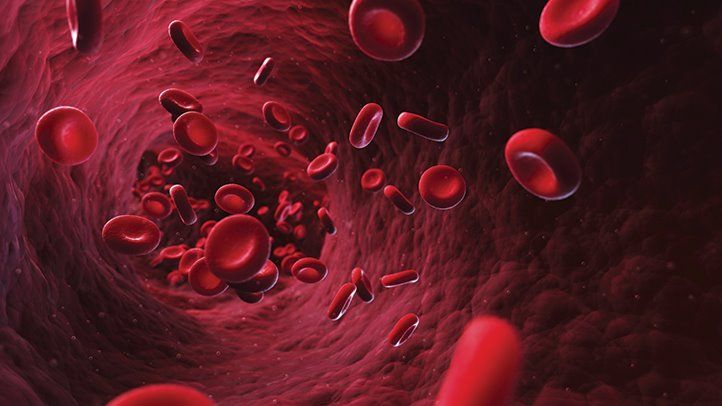
Anemia (or anaemia) is a condition in which the RBC count or hemoglobin levels drop below normal levels.

Anemia happens when your body doesn’t have enough healthy red blood cells. The condition is mainly caused by blood loss, the destruction of red blood cells, or your body’s inability to create enough red blood cells.

RBCs help transport oxygen to all parts of your body. Hemoglobin, an iron-rich protein present in RBCs, imparts the red color to the blood cells. It also helps bind oxygen, fight infections, and prevent blood loss by inducing blood clotting. Anemia results in less oxygen reaching various parts of your body. As a result, you develop the following symptoms;

  • Fatigue
  • Weakness
  • Paleskin
  • Shortness of breath
  • Cold hands and feet
  • Headache
  • Dizziness
  • Brain fog
  • Chest pain
  • Hairloss
  • Irregular heartbeat
  • Low stamina
  • Difficulty concentrating

Causes Of Anemia

A drop in RBC count or haemoglobin can occur due to three main reasons:

  • Your body is not producing enough RBCs.
  • RBCs are getting destroyed by your body.
  • Blood loss due to menstruation, injury, or other causes of bleeding.

Types Of Anemia

• Iron Deficiency Anemia

Iron deficiency anemia is the most common type of anemia. Iron is essential for human beings to produce hemoglobin. Blood loss,

poor diet, and your body’s inability to absorb iron from food can lead to iron deficiency. As a result, your body fails to produce enough hemoglobin, which leads to anemia.

• Aplastic Anemia

This type of anemia is caused when your body doesn’t produce enough red blood cells (RBCs). RBCs are produced in the bone marrow every 120 days. When your bone marrow fails to produce RBCs, the blood count falls and leads to anemia.

• Sickle Cell Anemia

Sickle cell disease, a serious blood disorder, causes sickle cell anemia. The red blood cells are flat disc-shaped or sickle-shaped in this type of anemia. The RBCs contain abnormal hemoglobin, known as the sickle cell hemoglobin, which imparts the abnormal shape to them. Sickle cells are sticky and can block blood flow.

• Haemolytic Anemia

This type of anemia is caused when the red blood cells are destroyed before their normal lifespan is over. The bone marrow is unable to produce new RBCs fast enough to meet the body’s demand.

• Vitamin B12 Deficiency Anemia

Like iron, vitamin B12 is also needed for the proper and adequate production of hemoglobin. Most animal products are rich in vitamin B12. But if you are vegetarian or vegan, you may have vitamin B12 deficiency. This can inhibit hemoglobin production

in your body, resulting in anemia. This type of anemia is also known as pernicious anemia.

• Thalassemia

Thalassemia is an inherited genetic disorder in which the body doesn’t create enough red blood cells. As a result, people with thalassemia can have mild to severe anemia.

• Fanconi Anemia

Fanconi anemia is a rare genetic blood disorder that leads to bone marrow dysfunction. Fanconi anemia prevents the bone marrow from producing enough RBCs. It can also cause the bone marrow to produce abnormal RBCs. This can result in cancer and affect the organs and tissues of your body. Children who inherit Fanconi anemia have birth defects.

• Blood Loss Anemia

Excessive bleeding during menstruation or bleeding caused by injury, surgery, cancer, or urinary tract or digestive tract dysfunction can lead to blood loss anemia.

Risk Factors Of Anemia

  • Women and children are more prone to developing anemia than men.
  • Anemia in pregnancy is common but should not be left untreated.
  • Candida infection can prevent your body from absorbing B vitamins, and vitamin B12 deficiency can lead to anemia.
  • Digestive issues like Crohn’s disease, ulcers, and IBS can cause anemia.
  • Taking pain medications frequently can also be a risk factor for anemia.
  • People over 65 years of age can develop anemia.

Diagnosis

Looking at the signs, symptoms, and risk factors of anemia, you may jump to the conclusion that you have anemia. That may not be true. Here’s how you can find out if you have anemia.

Here are the steps that your doctor will take to confirm if you have anemia.

  • Family History

Since a few types of anemia are genetic, your doctor may want to know if anyone in your family has anemia.

  • Physical Exam

Listen to your heart beat to know if there is any irregularity.

Listen to your lungs to check if your breathing is uneven.

Feel your abdomen to check the size of your spleen or liver.

  • Complete Blood Count

Complete blood count test checks your hemoglobin and hematocrit levels. It also checks RBCs, WBCs, platelet count, and Mean Corpuscular Volume (MCV).

  • Other Tests

Your doctor may ask you to get a reticulocyte test (number of young RBCs)

Natural / Home Remedies To Treat Anaemia

A diet rich in iron, B vitamins, and vitamin C is recommended for anemia. Be sure to talk to your healthcare provider about supplements as well.

The best diet plan for anemia includes foods rich in iron and other vitamins essential to hemoglobin and red blood cell production. It should also include foods that help your body absorb iron better.

There are two types of iron in foods: heme iron and nonheme iron.

Heme iron is found in meat, poultry, and seafood. Nonheme iron is found in plant foods and foods fortified with iron. Your body can absorb both types, but it absorbs heme iron more easily.

The Recommended Daily Allowance (RDA) for iron is 10 milligrams (mg) for men and 12 mg for women.

Although anemia treatment plans are individualized, most require 150 to 200 mg of elemental iron daily. You’ll likely need to take prescription iron or an over-the-counter iron supplement until your levels are replenished.

Add these foods to your diet to get more iron and help fight iron deficiency anemia:

1. Leafy greens

Leafy greens, especially dark ones, are among the best sources of nonheme iron. They include:

  • spinach
  • kale
  • collard greens
  • dandelion greens
  • Swiss chard

Some leafy greens such as Swiss chard and collard greens also contain folate. A diet low in folate may cause folate deficiency anemia. Citrus fruits, beans, and whole grains are good sources of folate.

When eating dark, leafy greens for iron, there’s a catch. Some greens high in iron, such as spinach and kale, are also high in oxalates. Oxalates can bind with iron, preventing the absorption of nonheme iron.

So while it’s beneficial to eat your greens as part of an overall anemia diet, don’t depend on them solely to treat the condition.

Vitamin C helps your stomach absorb iron. Eating leafy greens with foods that contain vitamin C such as oranges, red peppers, and strawberries may increase iron absorption. Some greens are good sources of both iron and vitamin C, such as collard greens and Swiss chard.

2. Meat and poultry

All meat and poultry contain heme iron. Red meat, lamb, and venison are the best sources. Poultry and chicken have lower amounts.

Eating meat or poultry with nonheme iron foods, such as leafy greens, along with a vitamin C-rich fruit can increase iron absorption.

3. Liver

Many people shy away from organ meats, but they’re a great source of iron.

Liver is arguably the most popular organ meat. It’s rich in iron and folate. Some other iron-rich organ meats are heart, kidney, and beef tongue.

4. Seafood

Some seafood provides heme iron. Shellfish such as oysters, clams, scallops, crabs, and shrimp are good sources. Most fish contain iron.

Fish with the best levels of iron include:

  • canned or fresh tuna
  • mackerel
  • mahi mahi
  • pompano
  • fresh perch
  • fresh or canned salmon. Although canned sardines are good sources of iron, they’re also high in calcium. Calcium may bind with iron and reduces its absorption. Foods high in calcium shouldn’t be eaten at the same time as iron-rich foods. Other examples of calcium-rich foods include:
  • dairy milk
  • fortified plant milks
  • yogurt
  • kefir
  • cheese
  • tofu

5. Fortified foods

Many foods are fortified with iron. Add these foods to your diet if you’re a vegetarian or struggle to eat other sources of iron:

  • fortified orange juice
  • fortified ready-to-eat cereals
  • foods made from fortified refined flour such as white bread
  • fortified pasta
  • foods made from fortified cornmeal
  • fortified white rice

6. Beans

Beans are good sources of iron for vegetarians and meat eaters alike. They’re also inexpensive and versatile.

Some iron-rich options are:

  • kidney beans
  • chickpeas
  • soybeans
  • black-eyed peas
  • pinto beans
  • black beans
  • peas
  • lima beans

7. Nuts and seeds

Many types of nuts and seeds are good sources of iron. They taste great on their own or sprinkled on salads or yogurt. Some nuts and seeds that contain iron are:

  • pumpkin seeds
  • cashews
  • pistachios
  • hemp seeds
  • pine nuts
  • sunflower seeds

Both raw and roasted nuts have similar amounts of iron.

Almonds are also a good source of iron. They’re great as part of a healthy eating plan, but since they’re also high in calcium, they may not increase your iron levels that much.

Takeaway

No single food will cure anemia. But eating an overall healthy diet rich in dark, leafy greens, nuts and seeds, seafood, meat, beans, and vitamin C-rich fruits and vegetables can help you get the iron you need to manage anemia.

Be sure to discuss supplements with your healthcare provider because it’s difficult to get enough iron from diet alone.

When following a diet plan for anemia, remember these guidelines:

  • Don’t eat iron-rich foods with foods or beverages that block iron absorption. These include coffee or tea, eggs, foods high in oxalates, and foods high in calcium.
  • Eat iron-rich foods with vitamin C-rich foods, such as oranges, tomatoes, or strawberries, to improve absorption.
  • Eat iron-rich foods with foods that contain beta carotene, such as apricots, red peppers, and beets, to improve absorption.
  • Eat a variety of heme and nonheme iron foods throughout the day to up your iron intake.
  • Eat heme and nonheme iron foods togetherwhenever possible to increase iron absorption.
  • Add foods rich in folate and vitamin B-12 to support red blood cell production.


Written by: Ore Okebukunola


Brain Health

Brain health is a critical piece of your overall health. It underlies your ability to communicate, make decisions, problem-solve and live a productive and useful life. Because the brain controls so much of daily function, it is arguably the single most valuable organ in the human body.

The brain is a complex and fascinating organ that should be taken care of from the time in utero to the life you live today and beyond. Unfortunately, there are a lot of conditions that can impact brain health:

  1. Vascular diseases
  2. Degenerative diseases
  3. Brain tissue injuries
  4. Inflammation
  5. Malnutrition and vitamin deficiencies
  6. Immune-mediated diseases
  7. Mental health

NATURAL WAYS TO IMPROVE BRAIN HEALTH:

  • Exercise
    Regular exercise has been shown to slow age-related brain deterioration and maintain cognitive abilities that typically decrease with age. Exercise also helps lower blood pressure, avoid vascular disease leading to stroke and helps maintain a healthy supply of blood pumping to the brain. Exercising is as easy as going for a walk, playing a sport or attending an exercise class, among many others.
    Mental exercise is just as important as physical exercise. Examples of mental exercises include logic-strengthening education and puzzles. Games such as chess and sudoku use strategic thinking.
  • Sleep
    Sleep plays an important role in brain health. Humans spend about one-third of each day sleeping, and sleep is key to brain health. Sleep plays an important role in the function of the brain, the immune system and many other systems in the body. Sleep keeps you sharp, focused and able to make thoughtful decisions. While different age groups require different amounts of sleep, the general recommendation is around six to seven hours a night. This consistent, restful sleep gives your brain time to dispose of metabolic waste and optimise memory.
  • Diet
    In the same way that diet is important for the entire body, it’s important for the brain. A balanced diet that includes a variety of fruit, vegetables, protein and whole grains nourishes the body and brain. A diet rich in processed foods, salt and refined sugars, however, can promote inflammation and vascular disease, resulting in tissue damage.
  • Environment
    Your environment can also influence brain health. Environmental toxins include contaminants in water, food and the air. These toxins can all lead to neurological issues such as stroke, neurodevelopmental and neurodegenerative disorders.
  • Access to Care
    The availability and accessibility of care and exposure to preventative programs are important for brain health. Access to care makes it possible to catch issues early, ensure proper treatment and prevent further health issues. When healthcare is not accessible, brain health is impacted.
  • Avoid tobacco
    Avoid tobacco in all its forms.
  • Care for your emotions
    People who are anxious, depressed, sleep-deprived, or exhausted tend to score poorly on cognitive function tests. But good mental health and restful sleep are certainly important goals.
  • Build social networks
    Strong social ties have been associated with a lower risk of dementia, as well as lower blood pressure and longer life expectancy.

When you care for your brain, you are as well caring for your mental health!

Source: Health.harvard.edu
Written by Sarah Amah.

Dementia and ways to prevent it!

Dementia is a progressive neurodegenerative disease that involve loss of memory, difficulty in thinking and performing familiar tasks. It is an incurable disease but can be managed with treatments.
It has been concluded in studies that it is strongly linked with age; as it is common among people over the age of 65 but it can also affect people of younger ages. It is mostly diagnosed at age 45.
Symptoms include forgetfulness, losing track of time, becoming lost in familiar places or even in ones home, difficulty in communication, difficulty in walking, behavioral changes like repeated questioning.
Studies have shown that risk of dementia can be reduced by
Self care:
1. Abstaining from smoking and heavy drinking.
2. Controlling weight and eating healthy diets (consume green leafy vegetables).
3. Maintaining healthy blood pressure, cholesterol and blood sugar level.
4. Being physically active, engage in walking, running or any other recreational activity.
5. Staying mentally alert and cognitive training by learning new hobbies, reading, solving puzzles and playing challenging games.
Intake of supplements and vitamins that helps boost memory:
1. Co enzyme Q10 (CoQ10).
2. Alpha lipoic acid.
3. Omega 3’s.
4. Acetyl-L-carnitine.
5. Ginkgo biloba.
6. Vitamin C taken with Vitamin E.
7. Vitamin B12 with folic acid.

Both self care and use of vitamins and supplements should not be taken lightly in prevention of dementia as they work hand in hand.

Written by: Ololade Oduyomi

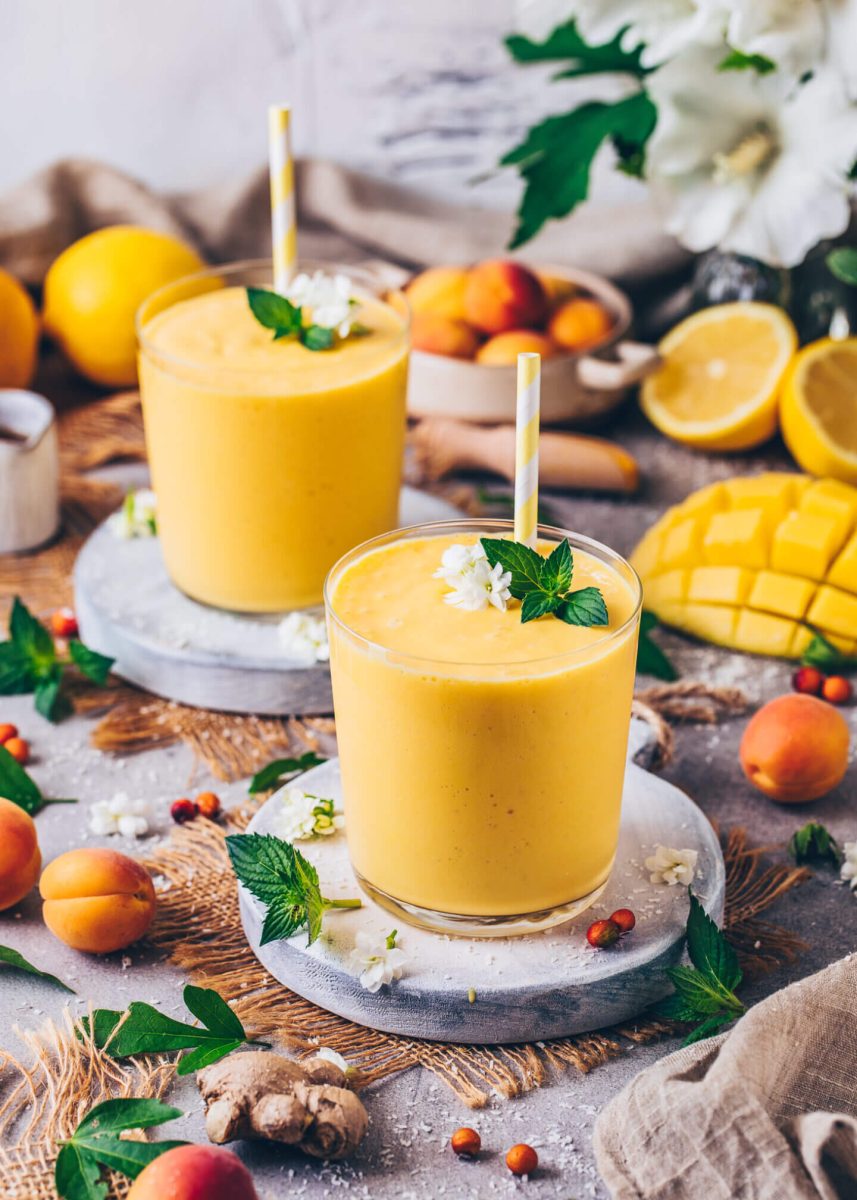
Creamy Mango Lassi Recipe

Creamy and tangy Mango Lassi is a classic summer treat, that’s easy to make too!

Ingredients:

  • 400 g fresh mango about 3 – 4 mangoes, depending on the size. Preferably chilled. Frozen is fine too.
  • 200 – 250 g full fat yogurt chilled (greek yogurt is fine too).
  • ¼ tsp ground cardamom adjust to your taste
  • ¼ tsp sea salt I use ½ tsp because I like this drink to be a touch salty
  • Sugar to taste
  • Water or milk to dilute I prefer water

Instructions:

  • Peel and cut the mangoes into chunks.
  • Place the mango chunks and yogurt in a blender, and blend until smooth. Depending on your blender, you may need to blend the mango chunks first before adding the yogurt.
  • Add the cardamom and salt, and about 2 tbsp sugar, and blend again.
  • Taste and add more sugar to taste.
  • Add enough water to dilute the mixture into a pourable but thick consistency (thinner than a smoothie).
  • Refrigerate the mango lassi until chilled.
  • Serve as is, or with a sprinkle of cardamom on top.

Nutrition Information:

Serving: 1glass
Calories: 99kcal (5%)
Carbohydrates: 18g (6%)
Protein: 3g (6%)
Fat: 2g (3%); Saturated Fat: 1g (6%); Cholesterol: 8mg (3%)
Sodium: 175mg (8%)
Potassium: 266mg (8%)
Fiber: 2g (8%)
Sugar: 17g (19%)
Vitamin A: 1144IU (23%)
Vitamin C: 37mg (45%)
Calcium: 87mg (9%)
Iron: 1mg (6%)
Reference: Theflavorbender
Written by: Omojo Emeje

Overnight Yeasted Waffles!

These super easy to make Overnight Yeasted Waffles are guaranteed to be your favorite waffles ever! Crisp on the outside, and fluffy and moist on the inside. Plus, these Brussels waffles have great flavor, and can be made ahead of time.

Ingredients:

  • 600 mL milk 2 ½ cups, lukewarm
  • 1 tbsp honey
  • 7 g active dry yeast 2 ½ tsp
  • 250 g flour about 2 cups, measured by spoon and level method
  • 90 g cornstarch about ⅔ cup, measured by spoon and level method
  • 115 g unsalted butter melted, 1 stick / ½ cup butter
  • 1 ¼ tsp sea salt
  • 2 large eggs
  • ½ tsp baking soda
  • 2 tsp water room temperature

To serve

  • Fruit toppings
  • Whipped cream
  • Maple syrup

Instructions:

Activate the yeast

  • Place the warm milk in a bowl (see recipe notes). Whisk the honey in the milk to dissolve.
    600 mL milk, 1 tbsp honey
  • Sprinkle the yeast over the lukewarm milk, and mix gently.
    7 g active dry yeast
  • Allow the yeast to activate for about 10 – 15 minutes.

Make the batter

  • Place the milk with the activated yeast in a very large bowl. Add the flour, cornstarch, butter, and salt. Whisk to combine well, and make sure there are no dry lumps. You can also use an electric mixer, but I usually use a manual balloon whisk.
    250 g flour, 90 g cornstarch, 115 g unsalted butter, 1 ¼ tsp sea salt
  • Cover and let it sit in the fridge overnight (for best results), or up to 24 hours.
  • The batter will at least double in size by the following morning. Do not deflate the batter at this point.

The next morning

  • In a bowl, mix the room temperature water and baking soda.
    ½ tsp baking soda, 2 tsp water
  • Add the 2 eggs, and whisk the eggs really well.
    2 large eggs
  • Add about ½ – ¾ cup of the waffle batter into the egg mixture, and mix really well.
  • Pour the egg mix into the rest of the batter mixture, and gently stir / fold it in until there are no egg streaks in the batter. Be careful not to deflate the batter too much.
  • The yeasted waffle batter is now ready to be used.

Making the waffles

  • Preheat the waffle iron well, and brush the plates with butter or oil.
  • Using a ladle or ice cream scoop, add the batter into the waffle iron. Make sure you are not overfilling it (adjust the amount after making one test waffle at the start).
  • Cook the waffle until dark golden brown in color and crisp.
  • Carefully remove the waffle from the waffle maker and let it cool on a wire rack.
  • If needed, place the cooked waffles in an oven, at the lowest heat setting, to keep them warm until they are served.
  • Serve with your favorite toppings.
    Fruit toppings, Whipped cream, Maple syrup


Reference: Theflavorbender

Written by: Omojo Emeje

Add to cart