Homemade Croissants for Breakfast!

Get ready folks, here’s ALL you need to know about how to make Homemade PERFECT, AUTHENTIC French Croissants! With step by step, detailed instructions to troubleshoot and to ensure you get the best, crisp, flaky croissants!

What You Need:

  • 1 large parchment paper, enough to cover a 5 x 6.5 inch block (1st parchment paper for the butter block)
  • 1 large parchment paper, about 14 x 10 inches, folded in half to form a 7 x 10 inch paper (2nd parchment paper for the dough)
  • Plastic wrap
  • Heavy rolling pin
  • 1 quarter sheet pan
  • 1 half sheet pan
  • A ruler with cm and inch markings. I like to use a heavy steel ruler with clean, precise edges.
  • A sharp paring knife
  • A sharp knife or pizza cutter
  • Pastry brush (preferably one large, one small)

Détrempe

  • 85 g milk (⅓ cup) lukewarm
  • 60 g water (¼ cup) lukewarm
  • 6 g active dry yeast (about 2 tsp)
  • 5 g honey (1 tsp) malt syrup, OR use sugar if you have neither
  • 25 g butter (1 ½ tbsp) melted and cooled
  • 20 g white sugar (generous 1 ½tbsp)
  • 250 g AP flour (2 cups, spoon and leveled)
  • 5 g salt (about 1 tsp)

Tourrage

  • 140 g butter (10 tbsp)

Egg wash – whisk these ingredients until very smooth

  • 1 egg yolk
  • 2 tbsp milk and/or cream

Instructions:

Détrempe

  • Dissolve the honey in the milk in a mixing bowl, and then whisk in the yeast. Set aside for the yeast to activate for about 10 – 20 minutes.
  • Add the rest of the ingredients into the bowl in the order listed in the ingredients list. Stir with a spatula or spoon to mix it into a scraggly dough.
  • Using your hand, knead the dough for about 1 – 2 minutes until a scraggly dough is formed.
  • Take the dough out of the bowl and knead it on a work surface until smooth – about 4 minutes. You shouldn’t have to put too much effort into kneading here because it isn’t a very stiff dough. Place the dough back in the mixing bowl and cover with plastic wrap.
  • Keep the bowl in a warm place, and proof until at least doubled in size (this can take about 1 hour).
  • After the first proof, turn the dough out onto a lightly floured surface and flatten it to knock out the air. Transfer the dough onto the second parchment paper and shape it into a rectangle. Fold the other half of the parchment paper over the dough, forming a 7 x 10 inch case. Use a rolling pin to roll out the dough to fit the 7 x 10 inch square. (It doesn’t have to fill the 7 x 10 inch square perfectly, just as closely as possible).
  • Cover the parchment paper encased dough well in plastic wrap, and place it in a quarter sheet pan. Freeze for at least a few hours, or overnight.

Tourrage (butter block)

  • Slice the cold butter into thin slices.
  • Arrange them on the 1st parchment paper, within the 5 x 6.5 inch marked rectangle (see picture in the post). Fold the parchment paper over to enclose the butter.
  • Using a rolling pin, firmly hit the butter to make it more pliable. Then, using the rolling pin, roll out/spread the butter inside the parchment paper.
  • Make sure to roll the butter out into the corners, but also keep the butter evenly thick.
  • Transfer this butter block into the fridge until completely hardened (or overnight).

Enclosing the butter

  • IMPORTANT – when laminating the butter and dough, it’s REALLY crucial that they both have similar pliability and are cold. If my dough is frozen solid, I keep it at room temp. for about 30 minutes to let it soften slightly, before starting the lamination process.
  • The butter block is removed from the fridge just before lamination, but made pliable by knocking a rolling pin against it repeatedly. It should remain cold.
  • Remove the parchment paper from the dough and place it on an un-floured (or very lightly floured) work surface. If it’s not quite a 7 x 10 inch rectangle, roll it out to the correct size, making sure it’s still evenly thick.
  • Unwrap the parchment paper from the butter block, but keep the butter still attached to the parchment paper.
  • Place the butter block on one half of the dough. There should be a very small border around the butter block and it should still have the parchment paper on top. Once the butter is correctly in place, pat it onto the dough to let it “bind” to the dough. Carefully peel off the parchment paper.
  • Fold the dough over the butter, end to end, completely enclosing the butter. Press the edges to seal the butter inside the dough. Pat the dough again to help the butter “bind” to the dough.
  • The dough should still be very cold. If it isn’t, wrap it and put it back in the fridge for about 30 minutes.

First lamination – double fold

  • Generously flour your work surface and dough. Place the dough on the work surface and using the rolling pin, gently press, along the length of the dough, to make sure the butter is pliable.
  • While maintaining the 5 inch (12.7 cm) width (short end), roll out the dough to a length of approximately 16 inches (40 cm).
  • Use flour as needed to make sure the dough doesn’t stick to the counter, and use your hands to keep the width even and straight. (You can also gently lift the dough as you roll to make sure it isn’t sticking to the countertop).
  • Work quickly to keep the dough and butter cold. If the butter softens too much, return the dough to the fridge or freezer.
  • Brush off excess flour on the work surface using a large pastry brush. Trim just a little piece of dough along the edges, to make the width straight.
  • Fold in about 1/8th of the dough towards the middle (about 2 – 3 inches). Bring the other end to meet the folded end. Make sure the two ends are as close together as possible with no gaps. Using a paring knife, make small cuts at the four corners of the folds to release the tension (4 cuts; please see pictures in the post).
  • Brush off excess flour on the surface of the dough. Now, fold the dough in half. Firmly tap the dough to keep the shape. Again, make cuts at the corners of the fold (2 cuts).
  • Wrap the dough with plastic wrap and refrigerate for at least 30 minutes (60 minutes is even better).

Second lamination – single fold

  • Generously flour the work surface and place the dough on it. Gently press into the dough with a rolling pin along the length of it to make sure the butter inside is pliable.
  • Keeping the short end as the width (4 inches / 10 cm), roll out the dough to 15 inches (38 cm). As you roll out the dough, make sure the final width is kept to about 5 inches. Also make sure the dough isn’t sticking to the work surface, and the width is straight and even.
  • Brush off excess flour from the surface of the dough using a pastry brush.
  • Fold in ⅓ of the dough towards the center (about 5 inches / 12.7 cm). As before, cut the corners of the fold with a paring knife to release tension.
  • Brush off excess flour again, and fold the other edge of the dough OVER the first fold. Cut the folded corners with a paring knife to release tension.
  • Wrap the dough in plastic wrap and refrigerate for another 30 minutes (preferably 60 minutes).

Sheeting the dough

  • Place the dough on a well-floured surface – the edge where you can see all the folds should be facing you.
  • Gently press the dough with a rolling pin along the length of it to make the dough and butter pliable.
  • Roll out the dough to about a 1 cm thickness (with an 8 – 9 inch width at the edge facing you).
  • Wrap the dough and refrigerate for about 30 – 45 minutes to allow the gluten to rest.
  • Roll out the rested dough to about a 4 – 5 mm thickness. Use flour to make sure the dough doesn’t stick to the surface.
  • I like to keep a width of about 9.5 – 10 inches (23 – 24 cm) and roll it out to a 4 – 5 mm thickness. Again, make sure the dough isn’t sticking to the work surface BEFORE you starting cutting the dough in the next step.
  • If, at any point, the dough becomes too soft or starts to shrink, wrap it and return it to the fridge for at least 30 minutes.

Cutting the dough

  • Cut a very thin strip along the long edges of the dough to have a width of 9 inches / 23 cm. Make sure the edges are straight and even. Use a pizza cutter or a sharp knife. Avoid dragging the knife along the dough as you cut it, as this can distort the dough. Simply press the knife or pizza cutter straight down to cut.
  • Along one of the long edges, make 3.5 inch / 9 cm markings. Then make 9 cm markings on the opposite edge as well, BUT these markings will be halfway between the markings along the first edge.
  • Use the ruler and a small sharp knife to connect the markings on the two sides with straight lines.
  • Using the marked lines as a guide, cut the dough with a pizza cutter or a sharp, long knife. You should end up with about 6 triangles, and a leftover piece.

Rolling up the croissant + proofing

  • Brush off excess flour from both sides of the dough triangle and keep it on the work surface.
  • Make a 1 cm cut at the mid point along the base of the triangle. Roll up the base, while gently pulling at the two corners to make the base slightly wider. (The cut that was made along the middle of the base helps with this.)
  • Once you have rolled up the base once, then you can roll up the croissant the rest of the way more easily. Make sure the tip of the triangle is properly centered the whole way.
  • Also make sure not to roll out the croissant too tightly or too loosely.
  • Place the rolled up croissant dough on the lined half sheet baking pan (6 on a tray), while making sure the tip of the croissant triangle is placed under the croissant. Gently press on the croissant to seal the tip at the bottom into the dough (take care not to squash the croissant!).
  • Cover with plastic wrap, and another half sheet pan on top. Make sure there’s plenty of space within the baking pans so that proofed croissants don’t stick to the half sheet pan on top.
  • Proof the croissants (somewhere that is about 25°C / 77°F) until doubled in size. The time can vary depending on the weather. I proof mine inside an oven with just the light turned on, and it still takes me between 2 – 3 hours.
  • The croissants have proofed if they have doubled in size, look very pillowy, and will jiggle a little when you give the sheet pan a shake.
  • Preheat the oven to 375°F /190°C, at least 30 minutes before baking the croissants.

Baking the croissants

  • Brush with an egg wash (use a soft, small pastry brush, because the croissants are very delicate at this stage). Bake at 375°F / 190°C (conventional oven) for about 20 minutes until golden brown. Turn the tray once halfway through the baking time, if needed.
  • Remove from the oven and let them cool for a few minutes before transferring the croissants onto a cooling wire rack. Then let them cool down further to allow the insides to set (otherwise the croissants will be too soft).

Nutrition Information:

Serving: 1croissant 
Calories: 376kcal (19%)
Carbohydrates: 37g (12%)
Protein: 5g (10%)
Fat: 23g (35%); Saturated Fat: 14g (88%); Cholesterol: 61mg (20%)
Sodium: 527mg (23%)
Potassium: 73mg (2%)
Fiber: 1g (4%)Sugar: 5g (6%)
Vitamin A: 710IU (14%)
Calcium: 28mg (3%)
Iron: 2mg (11%)
Reference: Theflavorbender
Written by: Omojo Emeje

Diabetes and its Natural Remedies

Diabetes is a lifelong condition that affects the blood sugar and insulin levels in the body. Treatments include lifestyle strategies and sometimes medication, but some complementary therapies, such as herbs and supplements, may help.

In diabetes, the body either does not produce enough insulin, or it produces insulin that it does not use effectively.

Herbs and supplements cannot cure diabetes and or be a standalone treatment. But some, in combination with conventional treatment, may provide relief from diabetes symptoms and reduce the risk of complications.

In this article, learn about seven herbs and supplements that may benefit people with type 2 diabetes.

1. Aloe vera

Aloe vera is a common plant with various uses. Many people are aware of its benefits for the skin, but it may have others, including slowing the progress of type 2 diabetes.

One review, published in 2013, looked at the use of aloe vera to treat symptoms of diabetes in rats. The findings suggested that aloe vera might help protect and repair the beta cells in the pancreas that produce insulin. The researchers believed that this might be due to aloe’s antioxidant effects.

A 2016 study showed that aloe vera may help lower levels of both fasting blood glucose and hemoglobin A1C. The A1C test is one test that helps doctors diagnose and monitor diabetes.
The authors of a 2020 review found other evidence to support the earlier findings and also concluded that aloe vera may help:

  • increase insulin levels
  • boost the health and number of related cells in the pancreas

    called islets

  • protect against diabetic kidney disease, depression, and anxiety by reducing oxidative stress
  • boost eye health, as seen in one rodent study

These results appear promising. But ensuring that aloe vera is safe and effective for people with diabetes will
require further research.

People who use aloe vera may add juiced pulp to a drink such as a smoothie or take it as a supplement in capsules. People should not ingest aloe vera skin care products.

Anyone interested in using aloe vera products to help treat diabetes should speak with a healthcare professional, who may need to adjust current medications accordingly.

2. Cinnamon

Cinnamon is a fragrant spice that comes from the bark of a tree. It is a popular ingredient in sweets and baked goods, as well as some savory dishes.

This spice may add sweetness to a dish, limiting the need for sugar. It is popular among people with type 2 diabetes for this reason alone, but it may also have other benefits.

A 2010 study found evidence from studies in humans that cinnamon may improve levels of:

  • glucose insulin and insulin sensitivity
  • lipids,orfats,intheblood
  • antioxidants
  • bloodpressure
  • leanbodymass
  • digestion

In another study, published in 2013, researchers concluded that taking a cinnamon supplement might lead to:

  • lower fasting blood glucose levels
  • less total cholesterol and “bad” low-density lipoprotein cholesterol
  • higher levels of “good” high-density lipoprotein cholesterol
  • a reduction in triglycerides, or fat, in the blood
  • increased insulin sensitivity

It did not appear to have a significant impact on hemoglobin A1C. But while hemoglobin A1C is one marker that doctors look at when monitoring diabetes, the levels of lipids, cholesterol, and insulin sensitivity are also important.

In both investigations, the researchers noted that the results may depend on:

  • the type of cinnamon, as different types contain different amounts of the active ingredient
  • the dosage of the supplement
  • individual responses
  • any other current medications

In addition, a 2019 review of 16 studies found evidence that cinnamon could help reduce fasting blood glucose and insulin resistance in people with prediabetes and type 2 diabetes.

It is important to note that, overall, most of the relevant studies did not involve human participants. There is a lack of evidence

about how cinnamon supplements might affect people, and before scientists can confirm the effects of cinnamon as a treatment, they need to carry out more research.

People might use cinnamon:

  • in baked goods
  • in teas
  • as a supplement

Anyone who is thinking of using cinnamon supplements should speak with a healthcare professional first.

3. Bitter melon

Momordica charantia, or bitter melon, is a medicinal fruit. People cook it and enjoy it in many dishes. And practitioners of traditional Chinese and Indian medicines have used bitter melon for centuries. More recently, researchers have been looking into its properties.

There is some evidence that bitter melon may help manage diabetes. In a 2020 study, 90 participants received either bitter melon extract or a placebo. Those who took the extract had lower fasting blood glucose levels after 12 weeks.

In addition, an earlier review observed that people have used many parts of the plant to help treat diabetes.

Taking bitter melon in the following forms may lead to reduced blood sugar levels in some people:

  • seeds
  • blended vegetable pulp
  • juice
  • supplements

Bitter melon can be an acquired taste, and taking supplements may make it more palatable.

Please note that there is not enough evidence to support using bitter melon instead of insulin or other medications for diabetes. However, it may help people rely less on those medications.

4. Milk thistle

People have long used milk thistle to treat different ailments, and especially as a tonic for the liver.

Silymarin, the extract from milk thistle that has received the most attention from scientists, is a compound with antioxidant and anti- inflammatory properties. These are what may make milk thistle a useful herb for people with diabetes.

Many results of investigations into the effects of silymarin have been promising, but not promising enough for experts to recommend the herb or its extract alone for diabetes care, according to a study published in 2016.

The authors of a 2018 study found modest evidence that milk thistle may help lower glucose levels in people with diabetes. They also warn that, while people generally tolerate the herb well, milk thistle may lead to nausea, diarrhea, and bloating.

As with any supplement, it is best to speak to a doctor before trying it.

5. Fenugreek

Fenugreek is a seed that may help lower blood sugar levels. It contains fibers and chemicals that help slow down the digestion of carbohydrates and sugar.

There is also some evidence that the seed may help delay or prevent the onset of type 2 diabetes. Findings of a 3- yearinvestigationpublished in 2015 noted that people with prediabetes were less likely to receive a diagnosis of type 2 diabetes while taking powdered fenugreek seed.

The study involved 66 people with diabetes who took 5 grams of the seed preparation twice a day before meals and 74 healthy participants who did not take it.

The researchers concluded that taking the seed preparation led to a reduction in blood sugar resulting from increased insulin levels. They also found that the preparation led to reduced cholesterol levels.

A person can:

  • Use fenugreek as an herb in cooking.
  • Add it to warm water and drink it.
  • Grind the seeds into a powder and consume it.
  • Opt for a fenugreek supplement in capsule form.

6. Gymnema

Gymnema sylvestre is an herb that comes from India. Its name means “sugar destroyer.”
A 2013 review found that people with type 1 or type 2 diabetes who took gymnema showed signs of improvement.

In people with type 1 diabetes who took the leaf extract for 18 months, fasting blood sugar levels fell significantly, compared with a group who received only insulin.

Other tests found that people with type 2 diabetes responded well to both the leaf and its extract over various periods. Some people had lower blood sugar levels and higher insulin levels.

Using either the ground leaf or leaf extract may be beneficial. But speak with a healthcare professional beforehand.

7. Ginger

Ginger is another herb that people have used for thousands of years in traditional medicines. People often use ginger to help treat digestive and inflammatory issues.

In 2015, a review found that it may also help treat diabetes. The researchers concluded that ginger lowered blood sugar levels but not blood insulin levels. As a result, they suggest that ginger may reduce insulin resistance in people with type 2 diabetes.

However, the way that ginger accomplished this was unclear, and the team called for more research to confirm the findings.

People can take ginger:

  • by adding it powdered or fresh and thinly sliced to raw or cooked dishes
  • brewed into tea
  • as a supplement in capsule form
  • by drinking it in ginger ale


Written by: Ore Okebukunola

What Fasting does to the Body!

Fasting is a deliberate or intentional act of stopping food completely or almost completely for a certain stretch of time.
Fasting can last from 12-24 hrs or even days.

In some cases, water, tea or coffee is allowed.Fasting can be intermittent, which is a schedule of fasting for a number of hours and eating one meal a couple of days in a week or Prolonged fasting, which is fasting for over 24 hours.

However, the best way to fast is regular ingestion of water and salt. Intermittent fasting can be eating around 12pm till 6-7pm till the next day (diet must be monitored and drinking water in between fasting is advised).

Fasting has been researched to help the internal body systems, some of which would be mentioned in this article.

Benefits of Fasting
1. Weight loss: when the body detects unavailability of ingested glucose, the liver cells are forced to produce energy by making use of stored products (i.e. non-carbohydrates) like fats, amino acids, lactate. They are converted to glucose in a process; this in turn helps in burning stored fats causing weight loss and in balancing blood sugar level in type -2 diabetics and improvement in insulin sensitivity. Hereby advice diabetics to observe intermittent fasting and ingest water for sugar balance.

2. Detoxification: In studies with animals, fasting is detected, to cleanse the body of toxins and endorphins (feel-good hormones) are produced in the blood.

3. Regeneration: During fasting, basal metabolic rate is more efficient due to lower levels of energy produced, cell mitochondrial shifts and maintains functions longer than normal to promote healthy aging and longer lifespan by clearing out old immune cells and regenerate new ones.

4. Cell repair: Fasting will also heal your gut and intestinal cells and reduce general inflammation due to reduction in monocyte (a type of white blood cell) therefore, promoting maximum absorption of key nutrients that enhance muscle repair and growth. It helps in treatment of ulcer as it allows the stomach to rest and reduce the production of stomach acid and gives chance for ulcer to heal up. Patients who are not malnourished can be advised to observe intermittent fasting meanwhile increases fluid intake.

5. Heart: Studies have shown that intermittent fasting improves blood pressure, cholesterol levels and other cardiovascular risk factors like dyslipidemia, obesity.


Written by: Ololade Oduyomi

Natural Remedies for Nausea & Vomiting

Nausea is an uneasiness of the stomach that often accompanies the urge to vomit, but doesn’t always lead to vomiting. Vomiting is the forcible voluntary or involuntary emptying (“throwing up”) of stomach contents through the mouth.

CAUSES OF NAUSEA AND VOMITING
Nausea and vomiting are not diseases, but rather are symptoms of many different conditions, such as
– stress
– motion sickness
– concussion
– food poisoning
– migraine headache
– alcohol abuse
– morning sickness

NATURAL REMEDIES FOR NAUSEA AND VOMITING
– Eat Ginger
– Peppermint Aromatherapy
– Try Acupuncture or Acupressure
– Slice a Lemon
– Cloves
– Fennel
– Try Relaxing Your Muscles
– Take a Vitamin B6 Supplement

In conclusion, natural tips above can help reduce nausea without using medications.

But if your nausea persists, you should definitely seek additional advice from your healthcare practitioner.


Written by: Ruth Olusegun

Fresh Health Benefits of Fura da Nono

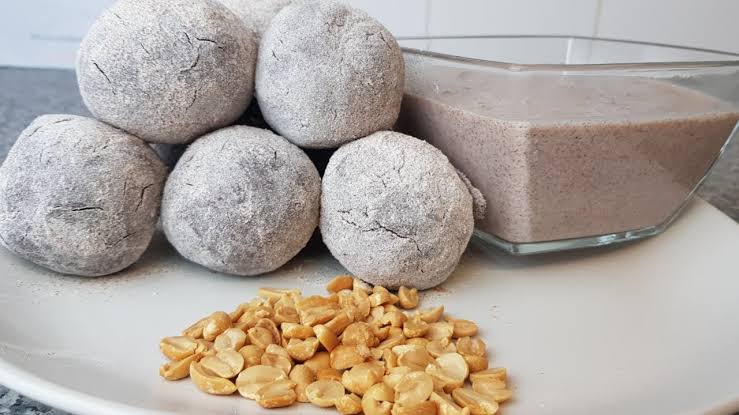
Fura da nono is one of the many popular local drinks we have in Nigeria. The drink comes from the northern part of the country, although today it is enjoyed in every corner of the country and even beyond. Fura da nono is a local type of gruel made from millet balls (fura) and cow milk (nono). The milk is usually one that has been fermented and is usually very thick. Fura da nono has a sweet taste and some people prefer it to the regular yoghurt they sell which would have gone through some form of processing. 

What makes fura da nono great, however, is not just the taste but how healthy the drink is. It involves no processing, meaning the nutrients in the millet and milk and richly present. Millet is a very healthy grain, containing a lot of minerals including calcium, manganese, fibre, phosphorus, and much more, and it is equally loaded with vitamins. Nono is gotten directly from grass-fed cows, thus the milk is rich in a lot of nutrients as well. Fresh cow milk is very rich in vitamin B2 (riboflavin), vitamin B12, vitamin D, calcium, phosphorus, protein and selenium. Also, fresh milk is packed with conjugated linoleic acid and omega-3 fatty acids.

1. Reduces Cholesterol Levels

Fura is rich in Vitamins B3 which helps to reduce bad cholesterol (LDL) levels in the body. Bad cholesterol has been linked as the cause of a lot of heart-related issues. Unfortunately, many of the things we consume only help in raising it. But the vitamin B3 present in Fura will help to lower the bad cholesterol levels while increasing good cholesterol (HDL) which is vital for the body.

2. Keeps The Bones Strong

Both the millet and the milk in fura da nono are rich in calcium, which is very vital for maintaining strong bones and teeth. It also contains phosphorus and vitamin D, which are needed for maintaining bone density and preventing Osteoporosis. 

3. Lowers The Risk Of Heart Attacks

Another health benefit of taking fura da nono is that it lowers the risk of heart attacks. This is because it contains magnesium, which has been observed to lower blood pressure, reducing the chances of a heart attack. The Vitamin B3 present also reduces bad cholesterol levels, further lowering the risks of a heart attack. That is why millet is regarded as a heart-healthy food. 

4. Aids Digestion and Prevents Constipation

Fura da nono is very rich in fibre, which aids digestion. It does this by easing bowel movement and allowing the food to digest properly. This also prevents constipation and irregular bowel movement (IBS). 

5. Helps With Fat Metabolism

The phosphorus in fura da nono helps with fat metabolism. The fat (lipids) are broken down into smaller compounds which would be used to provide energy to cells in the body. Fat is very complex to break down but the presence of phosphorus aids the process.  

6. Reduces The Risk Of Type 2 Diabetes

Taking fura da nono also reduces the chances of developing type 2 diabetes. This is because the millet is rich in magnesium, which is very essential in preventing and managing diabetes. Type 2 diabetes has also been observed to be caused by a lack of magnesium. So taking fura da nono would help in that regard. 

7. Boosts Brain Health

Milk is a vital food for the brain. This is one of the best health benefits of fura da nono. Fura da nono has an abundance of vitamin B, which helps in nourishing your nerves and maintaining a proper sleep cycle. Vitamin B12 is known to boost your memory power, cognitive abilities and sharpness. Drinking milk like fura da nono is particularly important in enhancing the overall brain development of a growing child.


Source: Healthguide.ng

Written by: Omojo Emeje

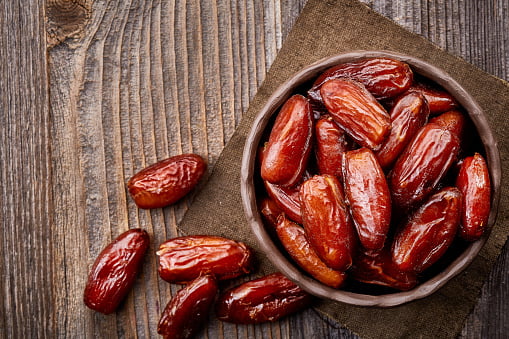
What are Dates?

Dates are the sweet, chewy fruit of the date palm tree (Phoenix dactylifera). Dates are fruits that come from the date palm tree.
Dates have been the staple food of the Middle East for thousands of years. Muslims consider date palms and dates sacred, and throughout the religious fasting period of Ramadan, these dried fruits are a common ingredient in the diet. Each date can be about 60 to 70 percent sugar and a high amount of fiber, depending on the variety, which makes it ideal as a healthy energy booster. It is also high in iron and may help in fighting anemia.

Dates may have some really powerful health benefits like boosting energy, increasing iron in the body, and aiding digestion. Rich in various nutrients, fiber, and antioxidants, dates are popular throughout the world. These dried fruits may prove to be beneficial in treating various conditions due to their anti-inflammatory, antioxidant, and anti-tumor properties. Dates are now popular all over the world and are used as a natural sweetener in smoothies, juices, nutrition bars, and baked products like cakes and muffins.

Dates Nutrition

According to USDA FoodData Central, dates are a good source of energy, fiber, sugar, and various vitamins and minerals. Essential minerals such as calcium, iron, phosphorus, sodium, potassium, magnesium, sulfur, and zinc can be found in them. Apart from the above-mentioned nutrients, they may also contain important vitamins such as thiamin, riboflavin, niacin, vitamin B6, folate, vitamin A, and vitamin K.

Health Benefits

– Can Be Good Source of Energy
Dates are high in natural sugars like glucose, fructose, and sucrose. The high energy present in them can be attribute to this high sugar content.

– May Boost Brain Health
A study led by Musthafa Mohamed Essa, Ph.D. suggest that dates may protect against oxidative stress and inflammation in the brain.

– May Offer Relief from Anaemia

Dates can be a good source of many nutrients, including iron. A deficiency of iron can contribute to anemia, a condition characterized by fatigue, dizziness, brittle nails, and shortness of breath. Fortunately, increasing your intake of iron-rich foods such as dates may help provide relief from anaemia symptoms.

– May Prevent Heart Diseases

A study by Waseem Rock in the Journal of Agricultural and Food Chemistry concluded that consuming dates was effective at reducing triglyceride levels and decreasing oxidative stress, both of which are risk factors for heart disease and atherogenesis, which is the build-up of fatty plaque in the arteries.

– Can Potentially Treat Sexual Dysfunction
There are many benefits of dates for men but this makes for one of the most important ones.
In 2006, an animal study revealed the effects of date palm pollen and its oil on sexual functioning, reporting that the high levels of estradiol and flavonoid components in dates are helping increase sperm count and motility. Another study conducted in India states that date palm pollen may have been used to treat male infertility in traditional medicine.

– Can Prevent Night Blindness
According to an article in the Heart Views journal, dates are rich in carotenoids, which may help prevent night blindness and preserve healthy vision.

– Might Help Treat Chronic Diarrhoea
According to an article published by the Columbia University Medical Center, foods rich in potassium such as dates may help replace and replete electrolytes lost due to chronic diarrhea because of their high fiber content.
– Can Aid Bone Health Improvement
A publication by Julie Garden-Robinson, Ph.D., L.R.D, and colleagues of North Dakota State University suggests that dates contain boron which is amongst the nutrients that promote healthy bones.

Take Dates today to improve your health!

Written by Sarah Amah
Source: Organic health.net

Natural Remedies for Erectile Dysfunction 

Natural Remedies for Erectile Dysfunction

Erectile dysfunction (ED) occurs when someone who has a penis can’t have or maintain an erection. ED happens when blood flow to the penis is limited. it is more common in people who:

  • are older
  • have health conditions like diabetes or high blood pressure
  • have had an injury to the spinal cord, penis, or pelvis
  • take medication like antidepressants or blood pressure medications
  • have anxiety or stress
  • are overweight
  • smoke

The treatment for ED depends on its cause. It may include certain prescription medications, a vacuum device, or even surgery. But lifestyle changes and other natural treatments can also help improve ED.

It is important to understand the possible risks associated with ED treatments, especially natural remedies, which the Food and Drug Administration (FDA) have not approved.

What are some natural remedies for treating erectile dysfunction?

There are many natural treatments for ED. They range from lifestyle changes like modifying your diet and exercise to getting mental health or relationship counseling.

It’s best to talk with your doctor before trying a new treatment on your own. They can help identify the cause of your ED and recommend effective ED treatment options, whether conventional, natural, or a combination.

1. Diet

Eating a balanced diet may help maintain sexual function and decrease your risk of ED.

A 2020 studyTrusted Source found that men who more strictly followed a Mediterranean diet or Alternative Healthy Eating Index 2010 diet had a lower chance of developing ED. In particular, they consumed less red or processed meat and primarily ate:

  • fruits
  • vegetables
  • legumes
  • nuts
  • fish

Research from 2017 similarly found that eating more fruits, vegetables, and flavonoids (compounds found in produce, coffee, and other foods) lowered the risk of ED in men ages 18 to 40.

These foods are important for your overall health, so helping maintain or improve your sexual function as well is a win-win.

2. Exercise

Research indicates that physical activity may help protect against and improve ED. It may be particularly effective if your ED is caused by obesity, inactivity, or cardiovascular disease, among other conditions.

A 2018 research reviewTrusted Source found that moderate-to-intense aerobic exercise for 40 minutes a day, four times per week for 6 months helped reduce ED. This includes exercises like:

  • running
  • brisk walking
  • bicycling
  • swimming
  • skiing

Physical activity helps improve blood vessel health, lower stress, and raise testosterone levels, which can all help with ED.

3. Sleep

It’s important for your overall health to get enough sleep each night. Sleeping regularly may also improve your ED.

A study from 2017 found that men working night shifts who reported worse sleep quality were at higher risk for ED.

A large 2015 studyTrusted Source also indicated that people with a sleep disorder had a greater risk of developing ED. Other researchTrusted Source has linked obstructive sleep apnea to an increased chance of ED.

Not getting enough sleep can lower your testosterone levels, which may contribute to ED. Sustained lack of sleep is also associated with conditions that are related to ED, like diabetes and high blood pressure.

4. Weight loss

Your weight may be another factor in ED.

According to a research review from 2020, ED was significantly more common in men who were overweight, or had obesity or a larger waist circumferences.

A small 2014 study indicated that gastric bypass surgery improved blood vessel health and ED among extremely obese men. A 2017 research review similarly found an improvement in ED after bariatric (weight loss) surgery.

If your weight is contributing to your ED, exercise and a balanced diet can help you lose weight and improve your ED.

5. Psychotherapy

In some cases, ED results from a combination of physical and psychological issues. These may include fear of failure, religious beliefs, and sexual trauma, among others.

In turn, ED can lead to additional mental health issues, including emotional distress and lower self-esteem, which then can further worsen ED. Therapy may help address these issues to improve ED.

According to a 2021 research review, psychological interventions like cognitive behavioral therapy were especially effective when paired with ED medications. Mental health interventions may also be effective on their own, but more research is needed.

A small 2018 study involving 4 weeks of mindfulness-focused group therapy indicated that this type of therapy may be helpful for improving ED and sexual satisfaction, too.

6. Sex therapy or couples counseling

Around 10 to 25 percentTrusted Source of men with ED have no known risk factors. This condition, known as non-organic ED, may be caused by mental health issues like depression or by experiencing anxiety when having sex.

A small 2020 study found that cognitive behavior sex therapy (CBST) and medication were each effective on their own at reducing non-organic ED. In addition, CBST was more effective at lowering anxiety among study participants.

It may also be helpful to attend counseling with your partner to help them understand your condition and discuss ways to support you.

Research from 2016Trusted Source labeled ED as a shared health issue for sexual partners and recommended that couples engage in education, counseling, and therapy together.

7. Stress reduction

Mental health issues like stress and anxiety are often linked to ED.

A 2019 studyTrusted Source found that stress was one of the main predictors of ED, with anxiety and depression also associated with the condition. The study suggested that chronic stress may affect testosterone or cause sleep deprivation, which may contribute to ED.

Still, other research indicates that the effect of stress on ED is still unclear. A 2020 study found no association between stress and ED.

Another small study from 2014Trusted Source found that an 8-week stress management program alongside ED medication was similarly effective for improving ED, compared with the medication alone.

Until more is understood about stress and ED, it’s still beneficial to reduce stress in your everyday life to improve your overall health.

8. Alcohol reduction

Studies have shown mixed results for the effects of alcohol on ED.

A research review from 2018Trusted Source found that drinking light-to-moderate amounts of alcohol (less than 21 drinks per week) was actually associated with a lowered risk of ED. On the other hand, regular and high consumption did not significantly affect ED.

Still, other research has linked alcohol use with ED. A 2018 studyTrusted Source found that sexual dysfunction, particularly ED, was common in people with alcohol dependence syndrome. A 2020 research review also identified alcohol as a risk factor for ED.

More research is needed on the role of alcohol in ED. In general, the Centers for Disease Control and PreventionTrusted Source recommend that men consume two or less alcoholic drinks per day.

9. Smoking cessation

Smoking is another behavior that likely contributes to ED. This may be caused in part by smoking damaging blood vessels, preventing enough blood from reaching the penis for an erection.

Smoking may also reduce the availability of nitric oxide in the body, which is needed to cause the involuntary muscle relaxation and increased blood flow that play a role in erections.

According to a research review from 2015Trusted Source, more-frequent smoking was associated with an increased risk of developing ED, as well as more-severe ED.

Some damage from smoking may not be reversible. Still, the review concluded that quitting smoking, especially for men under age 50, may help improve ED.

It’s challenging to quit smoking, but there are many resources available to help. Stopping smoking has the potential not only to help your ED, but to benefit many other areas of your health.

Are there drawbacks to using natural remedies?

Lifestyle changes may be an effective natural remedy for ED and improve your overall health. But many changes — like losing weight, quitting smoking, or eating a balanced diet — may be difficult to achieve.

It may also take time for natural treatments to have an effect. Some people, depending on the cause of their ED, may not show improvements without medications or other treatments. It’s helpful to work with your doctor to find a treatment that works for you.

Natural remedies

While many natural remedies are available to buy in stores and online, none have received the FDA’s approval to treat ED.

The FDATrusted Source do not recommend using OTC products for ED because no authorities regulate them for safety or effectiveness. These products often contain undisclosed ingredients, inappropriate doses of prescription drugs, or different doses of ingredients than the label suggests.

The Urology Care Foundation agree, saying that although supplements are popular and often cheaper than prescription drugs, they are not guaranteed to be safe or effective.

There are very few studies on the safety of natural remedies for ED. Some of the remedies have side effects varying from mild to severe.

The following list looks at some common natural remedies that people use for ED:

1. L-arginine

L-arginine is an amino acid, which is a building block of protein. It is a vasodilator, meaning that it can help open up the blood vessels. In theory, this could increase blood flow to the penis and help produce an erection.

A study from 2017Trusted Source reported that many people with ED had low L-arginine levels, which suggests that the two may be linked.

However, scientific studies have not proven that taking L-arginine supplements can treat ED. More research is necessary before researchers know the safety and effectiveness of this remedy.

People should avoid taking L-arginine alongside prescription ED drugs, such as Viagra, as this combination can cause the blood pressure to drop too low. It can also lead to headaches or flushing.

Side effects of L-arginine may include nausea, stomach cramps, low blood pressure, and increased blood sugar levels.

2. Propionyl-L-carnitine

According to some sources, taking propionyl-L-carnitine alongside Viagra could improve erectile function better than taking Viagra alone.

That said, more studies are needed before researchers know the actual safety and effectiveness of this treatment.

Side effects are usually mild and can include a skin rash, nausea, diarrhea, and heartburn. This remedy may not be safe for people with vascular disease, high blood pressure, diabetes, or liver cirrhosis, among other conditions.

3. DHEA

Dehydroepiandrosterone (DHEA) helps create sex hormones, including testosterone and estrogen. Natural DHEA levels decrease as a person gets older, which may cause a decrease in sexual function.

While some studiesTrusted Source suggest that DHEA supplements could help with ED, othersTrusted Source have found no evidence of their benefit.

DHEA generally causes few side effects when people take it orally in recommended doses, though the side effects can include fatigue, headaches, acne, and an irregular heartbeat.

4. Ginkgo

Ginkgo biloba may increase blood flow to the penis, which could improve sexual desire and counter ED.

However, the National Center for Complementary and Integrative Health (NCCIH)Trusted Source say that there is no solid evidence that ginkgo is beneficial for any health condition.

Side effects of this supplement include headaches, dizziness, stomach upset, palpitations, and constipation.

It can also increase the risk of bleeding, so it may be dangerous for people taking blood thinners, such as warfarin (Coumadin), or those with other bleeding disorders.

5. Ginseng

Ginseng, or Panax ginseng, is a popular home remedy. Certain chemicals in this plant may promote the relaxation of the body’s smooth muscles, helping produce an erection.

Preliminary studies suggest that ginseng could help treat ED, though more high quality research is necessary to confirm this.

The most commonTrusted Source side effect of ginseng is insomnia. Other side effects include increased heart rate, high or low blood pressure, and headaches.


References: Healthline

Written by: Ore Okebukunola

Natural Remedies to Treat Gonorrhoea

Gonorrhea is a common sexually transmitted infection (STI) caused by Neisseriagonorrhoeae bacteria. It is transmitted from one person to another during sexual contact, including oral, anal or vaginal intercourse.

It tends to target warm, moist areas of the body, including the:

• urethra (the tube that drains urine from the bladder)
• eyes
• throat
• vagina
• anus
• female reproductive tract (the fallopian tubes, cervix, and uterus)

Symptoms of gonorrhea

Symptoms usually occur within 2 to 14 days after exposure. However, some people who acquire gonorrhea never develop noticeable symptoms.

It’s important to remember that a person with gonorrhea who doesn’t have symptoms, also called an asymptomatic carrier, can still spread the infection. A person is more likely to transmit gonorrhea to other partners when they don’t have noticeable symptoms.

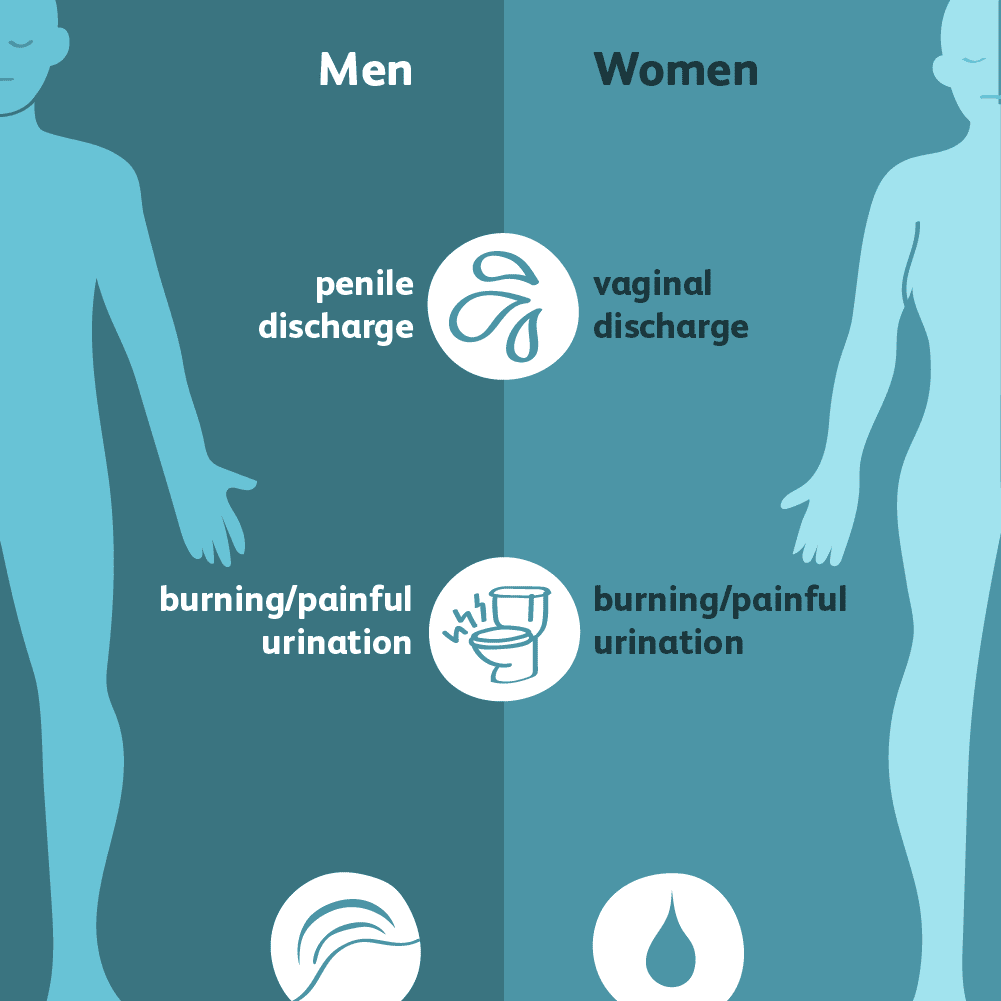
Symptoms in men and those with a penis

A person with a penis may not develop noticeable symptoms for several weeks. Some men may never develop symptoms.

Typically, symptoms begin to show a week after transmission. The first noticeable symptom in men is often a burning or painful sensation during urination.

As it progresses, other symptoms may include:

• greater frequency or urgency of urination
• a pus-like discharge (or drip) from the penis (white, yellow, beige, or greenish)
• swelling or redness at the opening of the penis
• swelling or pain in the testicles
• a persistent sore throat

In rare instances, gonorrhea can continue to cause damage to the body, specifically the urethra and testicles. The condition will stay in the body for a few weeks after the symptoms have been treated.

Pain may also spread to the rectum.

Symptoms in women and those with a vagina

Many people with a vagina don’t develop any overt symptoms of gonorrhea. When they do develop symptoms, they tend to be mild or similar to other diagnoses, making them more difficult to identify.

Gonorrhea symptoms can appear much like common vaginal yeast or bacterial infections.

Symptoms include:

• discharge from the vagina (watery, creamy, or slightly green)
• pain or burning sensation while urinating
• urge to urinate more frequently
• heavier periods or spotting
• sore throat
• pain during sexual intercourse
• sharp pain in the lower abdomen
• fever

Tests for gonorrhoea

Healthcare professionals can diagnose gonorrhea in several ways. They can take a sample of fluid from the symptomatic area (penis, vagina, rectum, or throat) with a swab and place it on a glass slide.

If your doctor suspects a joint infection or infection of the blood, they’ll obtain the sample by drawing blood or inserting a needle into the symptomatic joint to withdraw fluid.

They’ll then add a stain to the sample and examine it under a microscope. If cells react to the stain, gonorrhea may be diagnosed. This method is relatively quick and easy, but it doesn’t provide absolute certainty. This test may also be completed by a lab technician.

A second method involves taking the same type of sample and placing it on a special dish. This will be incubated under ideal growth conditions for several days. A colony of gonorrhea bacteria will grow if gonorrhea is present.

A preliminary result may be ready within 24 hours. A final result will take up to 3 days.

Luckily, gonorrhea can be easily treated. Without treatment, gonorrhea can cause a number of long-term health problems for both women and men. 

In men, untreated gonorrhea can lead to epididymitis, an inflammation of the tube that carries sperm. Severe epididymitis can result in infertility. 

In women, it can cause pelvic inflammatory disease, which may lead to other complications, such as: infertility, ectopic pregnancy and pelvic abscesses. If you’re pregnant, gonorrhea can be transmitted to your newborn, who may then suffer joint infections, blindness, and blood-related infections. In both men and women, gonorrhea can also enter the bloodstream, and cause a condition called disseminated gonococcal infection (DGI), which in severe cases, can be life-threatening.

Treatment

1. Antibiotics

Gonorrhoea is usually treated with Ceftriaxone Injection given one time to the buttocks and a single dose of Oral Azithromycin. Once on antibiotics, you should feel relief within days.

2. Natural Remedies

Several natural remedies have been used for centuries to treat this STI. Here are some of the home remedies for gonorrhoea.

  • Garlic

Because of its antibacterial properties, garlic is used as a common home remedy for bacterial infections. A 2005 study, which examined the effects of garlic products and extracts on gonorrhea-causing bacteria, found that 47 percent of the products showed antimicrobial activity against the bacteria. However, this study was done in a laboratory setting, not on humans with gonorrhoea.

  • Apple cider vinegar

It is one of the most popular natural gonorrhoea remedies. Apple cider vinegar can be taken orally or applied topically as a solution. The antibacterial properties of apple cider vinegar may help you, but be careful it’s also highly acidic, which can irritate the delicate tissues of your genitals. Also, no study has supported or refuted these claims.

  • Goldenseal

Goldenseal plant, also known as berberine or Hydrastis canadensis L., is a known for its antimicrobial properties. This was used as a treatment for gonorrhea by European settlers in the 1800s. Some studies have examined goldenseal as an alternative to antibiotics to treat resistant staph bacteria, but there isn’t any significant research about goldenseal to treat gonorrhea.

You can get goldenseal in capsule form for ingestion and also as creams for topical use. Before taking the capsule, consult a doctor or trained herbalist for the right dosage.

  • Echinacea

The anti-inflammatory properties of echinacea or coneflower hand may help reduce inflammation in the sexual organs, including gonorrhoea. Available in the form of gels or creams, its topical application is known to help ease skin problems and soothe irritation. Taking echinacea extract has been shown to stimulate the immune system as well.

  • Aloe Vera

The cooling effect of aloe vera gel may benefit anyone with an STD. This powerful herb can hydrate your skin and speed up the wound healing process. It also has anti-inflammatory and antibacterial activity. You can use it as a gel and drink its juice to get the benefit.

Prevention

The best way to avoid contracting gonorrheaor any other STDs is to always use a condom during sex. If you know your partner has an STD, it is better to avoid sexual intercourse altogether until it is treated.


Written by: Ore Okubukunola

Hypertension and its Natural Remedies

Hypertension, also known as high or raised blood pressure, is a condition in which the blood vessels have persistently raised pressure.
Blood pressure is the force exerted by circulating blood against the walls of the body’s arteries, the major blood vessels in the body.
Usually hypertension is defined as blood pressure above 140/90, and is considered severe if the pressure is above 180/120.

CAUSES
The cause of hypertension is often not known. In many cases, it is as a result of an underlying health condition.
The primary causes of hypertension are:

1. Blood plasma volume
Hormone activity in people who manage blood volume and pressure using medication. environmental factors, such as stress and lack of exercise.

2. Secondary hypertension has specific causes and is a complication of another health problem such as:
– diabetes, due to kidney problems and nerve damage,

– kidney disease, pheochromocytoma, a rare cancer of an adrenal gland.

– congenital adrenal hyperplasia, a disorder of the cortisol-secreting adrenal glands

– hyperthyroidism, or an overactive thyroid gland

– hyperparathyroidism, which affects calcium and phosphorous levels

– pregnancy

– sleep apnea

– obesity

NATURAL REMEDIES

1. Diet
– People can prevent high blood pressure by following a heart-healthy diet.
– Reducing salt intake
Lowering salt intake can benefit people both with and without hypertension.
– Eating more fruit and vegetables and less fat: whole grain, high fibre foods, a variety of fruit and vegetables, beans, pulses, and nuts, fish rich in omega-3 twice a week, nontropical vegetable oils, for example, olive oil.
– Skinless poultry and fish
– Low fat dairy products

2. Managing body weight

Excess body weight can contribute to hypertension. A fall in blood pressure usually follows weight loss, as the heart does not have to work so hard to pump blood around the body.

A balanced diet with a calorie intake that matches the individual’s size, sex, and activity level will help.

Written by Sarah Amah
Source: Medical News Today

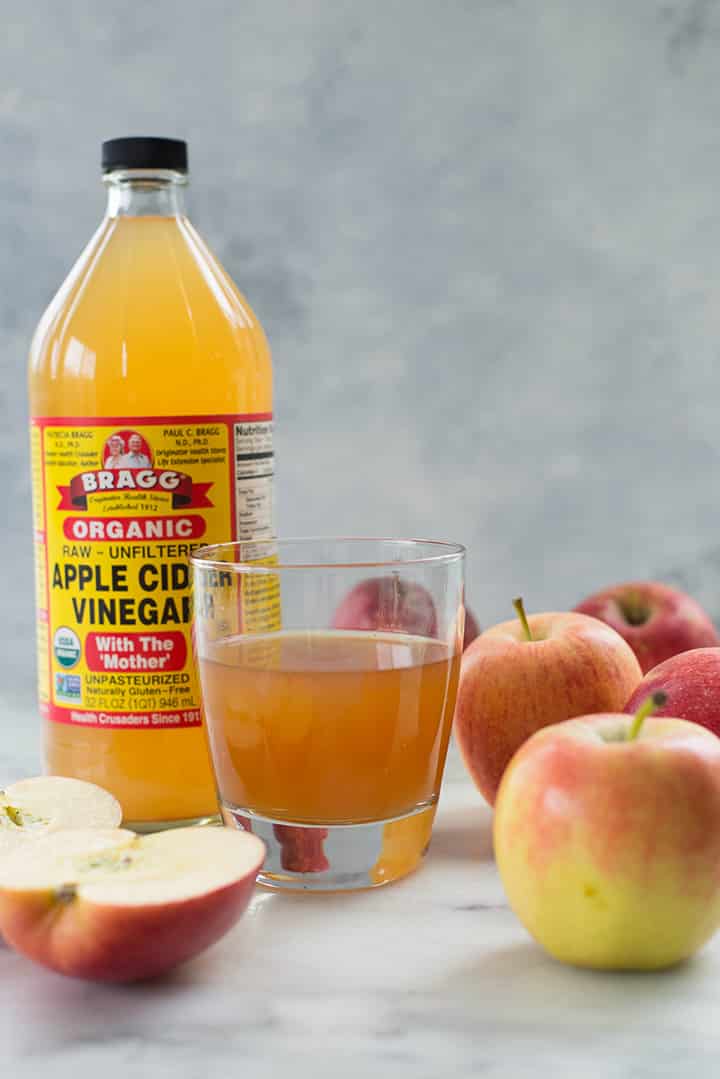
Apple Cider Vinegar

Apple Cider Vinegar has a lot of healthy properties.
It has antimicrobial antioxidant properties, it’s made from fermented apple and water. The particles flowing in it are formed by natural enzymes during fermentation.

A raw, unfiltered and unpasteurised apple cider vinegar has several impressive health benefits and is also used as kitchen staple.
It is used for aiding weight loss and reducing cholesterol.

It also has a ton of different beauty, household, and cooking uses. These include cleaning, washing hair, preserving food, and improving skin function.

You can also use apple cider vinegar in all sorts of recipes, including salad dressings, soups, sauces, hot drinks, and more.

DOSAGE
It is taken as 1-2 teaspoon (5- 10ml) or 1-2 tablespoon (15 – 30ml) per day, mixed with water spread in 2-3 doses
That is 10ml 3 times daily.

It should be taken before meal or on an empty stomach to be effective and to prevent indigestion.

GENERAL USES

1. Taken early morning on an empty stomach, it helps to reduce weight loss, hunger and remove toxins from the system.

2. To lower blood sugar: Apple cider vinegar is claimed to help people with diabetes & manage sugar levels.

3. To help you feel full: Apple cider vinegar is sometimes recommended as a weight loss aid, This is because it may help you feel full.

4. To preserve food: Just like other types of vinegar, apple cider vinegar is an effective preservative. In fact, people have used vinegar as a pickling agent to preserve foods for thousands of years.

5. As a deodoriser: Apple cider vinegar is known to have antibacterial properties. Because of this, it’s often claimed that apple cider vinegar can eliminate bad smells.

6. To soothe a sore throat: Gargling with apple cider vinegar is a popular home remedy for sore throats.

7. As a facial toner: Anecdotally, apple cider vinegar is claimed to help remedy skin conditions and provide graceful ageing treatment.

8. As a dandruff treatment: Massaging diluted apple cider vinegar into your scalp may help get rid of dandruff.

9. As a mouthwash: Apple cider vinegar is often said to be a useful alternative to commercial mouthwashes. Its antibacterial properties may help with bad breath, although there aren’t any studies examining how effective it is.

10.To treat acne: Dabbing small amounts of diluted apple cider vinegar onto pimples is anecdotally claimed to be a good way to get rid of them.

11. To get rid of warts: As with acne, apple cider vinegar is claimed to be a natural agent for getting rid of warts. It’s likely effective for removing warts from skin, due to its acidic nature.

Generally Apple cider vinegar has various health benefits as home remedy!

Reference – healthline

Written by: Ruth Olusegun

Add to cart