
Eradication of H.Pylori….The Ulcer Bacteria!

Eradication of H pylori with both medication and natural remedies

Helicobacter pylori ( H. Pylori) are gram negative bacteria that infect the lining of the stomach. These bacteria cause peptic ulcer diseases and duodenal ulcers.
H.pylori caused gastric inflammation which can lead to superficial gastritis, ulcers, and even gastric cancer.

Treatment with Medications

Helicobacter pylori can be eradicated with the use of antibiotics; however, more than 1 agent has to be used in combination with either a proton pump inhibitor or bismuth to achieve eradication rates of 90% or greater.

According to several international guidelines:

  • The first-line therapy for treating H. pylori infection consists of a proton pump inhibitor (PPI) or ranitidine bismuth citrate, with any two antibiotics among amoxicillin, clarithromycin and metronidazole, given for 7-14 days. However, even with these recommended regimens, H. pylori eradication failure is still seen in more than 20% of patients. The failure rate for first-line therapy may be higher in actual clinical practice, owing to the indiscriminate use of antibiotics.
  • The recommended second-line therapy is a quadruple regimen composed of tetracycline, metronidazole, a bismuth salt and a PPI. The combination of PPI-amoxicillin-levofloxacin is a good option as second-line therapy. In the case of failure of second-line therapy, the patients should be evaluated using a case-by-case approach. European guidelines recommend culture before the selection of a third-line treatment based on the microbial antibiotic sensitivity. H. pylori isolates after two eradication failures are often resistant to both metronidazole and clarithromycin.
  • The alternative candidates for third-line therapy are quinolones, tetracycline, rifabutin and furazolidone; high-dose PPI/amoxicillin therapy might also be promising.

Antibiotics can cause side effect. Using natural treatment might be helpful in preventing these side effects, protecting the stomach, helping the body to better fight infection, and promoting overall good health.
As the natural treatment are unlikely to eradicate h.pylori entirely, people might choose to use them alongside conventional therapy.\

Natural treatments for H. pylori

Researchers have conducted a range of studies on natural approaches to treating H. pyloriinfections. Eight potential natural treatments include:

1. Honey

Honey is known for its antibacterial properties, and people have used it as a medicine since ancient times.

One study showed that Manuka honey suppressed the growth of H. pylori in gastric epithelial cells.

Other studies have demonstrated that honey has other anti-H. pylori properties, but more animal studies and clinical trials are needed to assess honey’s efficiency as a complementary or alternative treatment.

2. Aloe vera

Aloe vera is an herbal remedy used to treat a variety of illnesses, including:

  • constipation
  • detoxification
  • digestive health
  • wound-healing

In one study, the gel from inside the leaves of an aloe vera plant was effective in both inhibiting growth of and killing H. pylori strains, even those that were drug-resistant in a laboratory environment.

This suggests that aloe vera could be effective against H. pylori infection when used in combination with antibiotics.

3. Broccoli sprout

Sulforaphane, a compound found abundantly in broccoli sprout, has been shown to kill H. pylori.

Studies performed both in test tubes and on animal and human subjects have demonstrated the favorable effects of sulforaphane against H. pylori bacteria. Broccoli sprout also decreased gastric inflammation in H. pylori-infected mice.

4. Milk

Lactoferrin, a glycoprotein found in both human and cow’s milk, has shown inhibitory activity against H. pylori. One study used a combination of antibiotics and lactoferrin from cow’s milk, which resulted in a 100 percent eradication rate of H. pylori in 150 affected people.

Also, a compound called melanoidin appears to inhibit the growth of H. pylori bacteria. Melanoidin is a compound formed by a chemical reaction between the sugar lactose and a protein called casein in milk and dairy products. Research has shown that melanoidin suppresses H. pylori colonization in both mice and humans.

5. Lemongrass oil

People must not ingest essential oils. Instead, they can inhale them and use them as part of an aromatherapy approach. According to studies carried out on humans and animals, lemongrass essential oil inhibits the growth of H. pylori.

In a study on mice, the density of H. pylori colonization in the stomach was significantly reduced compared to mice not treated with lemongrass oil.

6. Green tea

Green tea is one of the healthiest and most widely consumed beverages in the world. It contains many antioxidants and nutrients.

In an animal study, green tea decreased both the number of bacteria and the inflammation score of H. pylori-infected mice. However, researchers found that mice that received green tea before infection achieved better results.

7. Probiotics

According to the Food and Agriculture Organization, probiotics are live microorganisms that offer health benefits to people. Interest in probiotics as a treatment for H. pylori is increasing.

There are numerous types of probiotics. Many people use Bifidobacterium, which is found in dairy and fermented products, to prevent gastrointestinal infection.

Research has shown that Bifidobacterium exerts its effect against H. pylori by competing with the bacteria to stick to the mucous lining of the stomach.

8. Phototherapy

Research suggests that H. pylori bacteria are sensitive to ultraviolet light. During phototherapy, an ultraviolet light source illuminates the whole stomach.

Phototherapy has been shown to reduce the number of bacteria in the stomach significantly. However, the bacteria will repopulate a few days after illumination.

While phototherapy is not a complete fix, it may have the potential to become an effective treatment against H. pylori, particularly for people who cannot take antibiotics.

Reference: Wemed, MedicalNewsToday

Written by: Ruth Olusegun
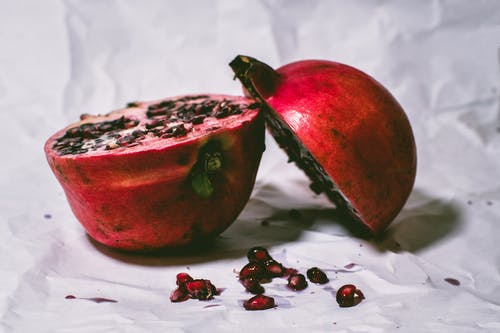
Pomegranate Benefits

Pomegranate is a sweet, tart fruit with thick, red skin. While the skin is not edible, it holds hundreds of juicy seeds that you can eat plain or sprinkle on salads, oatmeal, hummus and other dishes.
It is a fruit-bearing deciduous shrub. Pomegranate is a tree, various parts of the this tree and fruit are used to make medicine.
Pomegranate arils are packed with nutrients and antioxidants, substances that can help prevent or delay damage within the cells. In fact, pomegranate juice has three times as many antioxidants as other antioxidant-rich beverages, such as green tea and red wine. People use pomegranate for high blood pressure, athletic performance, heart disease and many other conditions.

How does it work ?

Pomegranate contains a variety of chemicals that might have antioxidant effects. Some preliminary research suggests that chemicals in pomegranate juice might slow the progression of atherosclerosis (hardening of the arteries) and possibly fight cancer cells.

Health Benefits

Pomegranates can have up to three times more antioxidants than green tea or red wine. Antioxidants protect cells from damage, prevent diseases — such as cancer — and reduce inflammation and the effects of aging.

Additionally, other health benefits of pomegranates include the following:

Heart Health
Studies have suggested that pomegranates can protect the heart in many ways, including lowering blood pressure and reducing blood sugar levels.

Atherosclerosis — the build-up of cholesterol and fats in the arteries — is a common cause of heart disease. Pomegranate juice may help reduce low-density lipoprotein cholesterol — “bad” cholesterol” — that clogs arteries. It can also increase high-density lipoprotein cholesterol — “good” cholesterol” — which lowers the risk of strokes and heart attacks.

Diabetes Control
Initial studies have revealed that people with type 2 diabetes who began to drink pomegranate juice showed an improvement in insulin resistance. Pomegranates can also help people without diabetes maintain a healthy weight.
Lowering Risk of Cancer

Pomegranates are rich in antioxidants and flavonoids, both of which are known to prevent free radicals from damaging your cells. In some studies, pomegranates show potential to be effective in preventing prostate, breast, lung, and colon cancers.

Nutrition
Fresh pomegranate is also a source of fiber, which can promote weight loss, lower cholesterol, and ease constipation.
In addition, pomegranates provide:
– Folate
– Vitamin K
– Vitamin E
– Vitamin B6
– Potassium

Pomegranate comes in two forms:
1: Natural form as a fruit and
2: As a supplement.

Take pomegranate today and stay healthy!


Source: Webmd

Written by Sarah Amah

12 Ways to Boost Oxytocin

If you’ve heard of oxytocin, you might know a little about its somewhat impressive reputation. Even if the name oxytocin doesn’t ring a bell, you might know this hormone by one of its other names: the love hormone, cuddle hormone, or bonding hormone.

As these nicknames suggest, oxytocin plays an important part in human bonding. Released during childbirth and breastfeeding, it’s a key factor in the bond between parent and infant.

Hugging, kissing, cuddling, and sexual intimacy can all trigger oxytocin production, which can strengthen bonds between adults, too.

These effects have led oxytocin to be grouped with the other happy hormones — hormones known to have a positive impact on mood and emotions.

Your body produces oxytocin naturally, but if you want to feel the love, so to speak, try these 12 natural ways to increase it.

1. Try yoga

This wellness practice offers plenty of benefits, including:

  • less anxiety and stress
  • relief from depression and other mood symptoms
  • better sleep
  • improved quality of life

But research from 2013 suggests yoga may help increase oxytocin production, too.

This small study aimed to explore whether yoga could help increase oxytocin in people with schizophrenia, a mental health condition that often involves trouble recognizing facial emotions and other social difficulties.

According to the study results, the 15 participants who practiced yoga for 1 month saw improvements in their ability to recognize emotions and socio-occupational functioning. They also had higher levels of oxytocin. The researchers suggest that a link could exist between these findings, though their study didn’t find a correlation.

2. Listen to music — or make your own

While musical taste can vary widely from person to person, most people enjoy listening to some type of music.

You probably listen to music because you enjoy it, but you might have noticed it has other benefits, like improving your mood, focus, and motivation. It also seems to help improve the ability to create social bonds — an effect also associated with oxytocin.

Research is still limited, but a few small studies have found evidence to suggest music can help boost oxytocin levels in your body:

  • A 2015 study asked four jazz singers to perform two different songs: one improvised, one composed. When the singers improvised, their oxytocin levels increased. The study authors suggest this happened because an improvised performance calls for strong social behaviors such as cooperation, trust, and communication.
  • According to a 2009 study, 20 open-heart surgery patients who listened to music while on bed rest had higher levels of oxytocin and felt more relaxed than patients who didn’t listen to music.
  • In a 2003 study of 16 singers, oxytocin levels increased in all participants after a singing lesson. The study participants also reported feeling more energized and relaxed.

You probably didn’t need another reason to turn up your favourite tunes, but here’s another good one!

3. Get (or give) a massage

Love a good massage? You’re in luck.

A 2012 study looking at 95 adults found evidence to suggest 15 minutes of massage could not only help people relax, but it could also boost oxytocin levels.

Research from 2015 supports this finding and expands on it, noting that oxytocin levels also increase in the person giving the massage.

What does oxytocin do for you? Well, people often report less pain, stress, and anxiety post-massage. Many also notice an improved mood and greater feelings of well-being.

You don’t have to get a professional massage to see these benefits, either. Research suggests that massage from a partner or other loved one may work just as well.

4. Tell someone how much you care

Want to strengthen your emotional connection with others? Tell them how you feel.

Sharing your love and affection with the people who mean the most to you can help increase oxytocin in a few ways:

  • Sharing your feelings with a loved one often leads them to reply in kind.
  • Telling a friend or partner you love them can prompt a hug, hand squeeze, or kiss.
  • Letting someone know how much you appreciate them can increase prosocial feelings on both sides.

5. Spend time with friends

Strong friendships can make a big difference in your emotional well-being. Kicking it with your pals can make for a good time, but it can also help you feel socially supported and less alone in the world.

That’s oxytocin at work. The good feelings you experience around your friends can help you feel more positive about your interactions, making you want to spend more time together. The trust and affection you have for them also tends to increase when you share their company more often.

Whether you make specific plans or simply enjoy hanging out, the more time you spend together, the stronger your bond will likely become.

6. Meditate

A daily meditation practice can help reduce stress and anxiety, improve your mood, and help you feel more compassion toward yourself and others. These effects can go a long way toward increasing your sense of connection and bolstering your relationships with others.

But you also target oxytocin production by focusing your meditation on someone you care about. Loving-kindness meditation, also referred to as compassion meditation, involves directing thoughts of love, compassion, and goodwill toward someone in your life and sending thoughts of peace and wellness toward them.

7. Make your conversations count

Active (or empathic) listening is a basic principle of strong social interactions and relationships.

Bonding and increasing feelings of connection, trust, and empathy can sometimes be as easy as really, truly listening to what someone has to say. It’s easy to tell someone you care about the things that matter to them, but this shows you really mean it.

So, when your friend or partner wants to talk about something important, put down anything that might distract you, make eye contact, and give them your complete attention. This close interaction can trigger oxytocin release, helping you feel more connected to each other.

8. Cook (and eat) with someone you care about

Research on chimpanzees suggests sharing food can increase oxytocin.

It makes sense for humans, too — sharing food is a great way to bond. Think back to your middle school or elementary days. Splitting that cookie or packet of fruit snacks may have netted you a friend or two, right?

Preparing a meal with friends or a partner can provide enjoyment in addition to nourishment. You don’t just share the finished meal, you spend time with people you like and bond over its creation.

And don’t forget, the act of eating itself can produce pleasure — enough, in fact, to trigger oxytocin release.

9. Sex

Sexual intimacy — orgasm, in particular — is one key way to raise oxytocin levels and demonstrate affection for someone else.

Having sex with your partner can help you feel closer and more connected, but you can still see this increase in oxytocin without a relationship.

The best part? Both you and your partner get this oxytocin boost.

10. Cuddle or hug

You don’t have to get down to get your oxytocin up.

Other forms of physical intimacy, like cuddling or hugging, can also trigger oxytocin production in your body.

Hugs, hand-holding, and cuddling can all do the trick. So take a few moments for a good, long hug with your partner, kid, or even your pet.

11. Do something nice for someone

Altruistic or selfless behaviors can also promote oxytocin release.

Giving someone a gift or practicing a random act of kindness makes them happy, which can make you feel happy, too. The simple act of brightening someone’s day can lift your spirits and promote positive feelings in you, too.

So, if you can, live life generously. You might try:

  • offering to help a neighbor with a chore
  • giving a few extra dollars to charity
  • supporting your favorite cause
  • buying a gift card for a friend or family member

12. Pet dogs

If you’re a dog lover, have we got a tip for you!

If you can, stop what you’re doing and go pet your dog. Feel better? Your dog probably does, too. Research suggests that both dogs and humans see an increase in oxytocin from physical contact, including patting and stroking.

That’s why it can feel so comforting to cuddle your animal friend when you feel upset. The oxytocin produced by your interaction helps you feel a little better.

Though this research only looked at human-dog interactions, it’s pretty safe to say petting your cat or giving your bird some head scratches will probably have a similar effect.


Reference: Healthline

Written by: Omojo Emeje

What is the link between love and oxytocin?

It is sometimes referred to as the “love hormone,” because levels of oxytocin increase during hugging and orgasm. It may also have benefits as a treatment for a number of conditions, including depression, anxiety, and intestinal problems.

Oxytocin is produced in the hypothalamus, a part of the brain. Females usually have higher levels than males.

Fast facts on oxytocin

  • Oxytocin is produced in the hypothalamus and released during sex, childbirth, and lactation to aid reproductive functions.
  • It has physical and psychological effects, including influencing social behavior and emotion.
  • Oxytocin is prescribed as a drug for obstetric and gynecological reasons and can help in childbirth.
  • Research shows that it may benefit people with an autistic spectrum disorder (ASD), anxiety, and irritable bowel syndrome (IBS).

What is oxytocin?

Oxytocin is a neurotransmitter and a hormone that is produced in the hypothalamus. From there, it is transported to and secreted by the pituitary gland, at the base of the brain.

It plays a role in the female reproductive functions, from sexual activity to childbirth and breast feeding. Stimulation of the nipples triggers its release.

During labor, oxytocin increases uterine motility, causing contractions in the muscles of the uterus, or womb. As the cervix and vagina start to widen for labor, oxytocin is released. This widening increases as further contractions occur.

Oxytocin also has social functions. It impacts bonding behaviour, the creation of group memories, social recognition, and other social functions.

Oxytocin as a drug

Oxytocin is used as a prescription drug under the brand name Pitocin. Under medical supervision, an oxytocin injection is sometimes used to start birth contractions or strengthen them during labor, and it helps reduce bleeding after delivery. Side effects include a rapid heartbeat and unusual bleeding.

If too much oxytocin is delivered too rapidly, it can lead to a rupture of the uterus.

Oxytocin can also be given to make the uterus contract and control bleeding after a delivery or a termination.

It can be used medically to induce a termination or complete a miscarriage.

The love hormone?

In 2012, researchers reported that people in the first stages of romantic attachment had higher levels of oxytocin, compared with non-attached single people. These levels persisted for at least 6 months.

Sexual activity has been found to stimulate the release of oxytocin, and it appears to have a role in erection and orgasm. The reason for this is not fully understood, but, in women, it may be that the increased uterine motility may help sperm to reach their destination. Some have proposed a correlation between the concentration of oxytocin and the intensity of orgasm.

Oxytocin and emotion

When oxytocin enters the bloodstream, it affects the uterus and lactation, but when it is released into certain parts of the brain, it can impact emotional, cognitive, and social behaviors.

One review of research into oxytocin states that the hormone’s impact on “pro-social behaviors” and emotional responses contributes to relaxation, trust, and psychological stability.

Brain oxytocin also appears to reduce stress responses, including anxiety. These effects have been seen in a number of species.

The hormone has been described as “an important component of a complex neurochemical system that allows the body to adapt to highly emotive situations.”

Is it that simple?

In 2006, investigators reported finding higher levels of oxytocin and cortisol among women who had “gaps in their social relationships” and more negative relations with their primary partner. The participants were all receiving hormone therapy (HT) following menopause.

Animal studies have found high levels of both stress and oxytocin in voles that were separated from other voles. However, when the voles were given doses of oxytocin, their levels of anxiety, cardiac stress, and depression fell, suggesting that stress increases internal production of the hormone, while externally supplied doses can help reduce stress.

Clearly, the action of oxytocin is not straightforward.

A review published in 2013 cautions that oxytocin is likely to have general rather than specific effects, and that oxytocin alone is unlikely to affect “complex, high-order mental processes that are specific to social cognition.” The authors also point out that a willingness to collaborate is likely to be driven by anxiety in the first place.

Nevertheless, oxytocin does appear to be associated with social behaviour, including maternal care, bonding between couples, sexual behaviour, social memory, and trust.

Behavioural effects

Delivering oxytocin through a nasal spray has allowed researchers to observe its effects on behavior.

In 2011, research published in Psychopharmacology found that intranasal oxytocin improved self-perception in social situations and increased personality traits such as warmth, trust, altruism, and openness.

In 2013, a study published in PNAS suggested that oxytocin may help keep men faithful to their partners, by activating the reward centers in the brain.

In 2014, researchers published findings in the journal Emotion suggesting that people saw facial expression of emotions in others more intensely after receiving oxytocin through a nasal spray.

Psychiatric therapy

Oxytocin has been proposed as a possible treatment for social phobia, autism, and postpartum depression.

Scientists have proposed that it might help improve interpersonal and individual wellbeing, and that it could have applications for people with some neuropsychiatric disorders.

They believe it could help people who avoid social interaction, and those who experience persistent fear and an inability to trust others.

Children with autism could benefit from oxytocin, say some researchers. In 2013, a small study suggested that oxytocin levels in the brain affected how 17 children perceived a series of social and non-social images.

Oxytocin may also play a role in anger management. Research has indicated that certain polymorphisms of the oxytocin receptor (OXTR) gene are associated with an increased tendency to react angrily to situations.

In particular, differences in OXTR gene expression appear to affect the regulation of the relationship between alcohol and aggressive behaviour.

Oxytocin appears to increase the release of prostaglandin E2 (PGE2) in cells lining the intestine. This helps to encourage the repair of intestinal injury and to protect against such injury.

If this is confirmed, oxytocin could be a useful therapy for preventing chemo-radiotherapy-induced intestine injury, and it could be used to treat irritable bowel syndrome (IBS).

Risks

The role of oxytocin is complex and not easy to pin down.

While it appears to enhance bonding and the forming of communities, it may also encourage the formation of “in-groups” and “out-groups,” giving rise to envy, prejudice, and possibly aggression.

Participants in a 2014 study were more likely to lie for the benefit of others in the same group after receiving oxytocin. The findings, said researchers, could help with “providing insight into when and why collaboration turns into corruption.”

More investigation is needed to understand the complexity of oxytocin and what it does.


Reference: Medicalnewstoday

Written by: Omojo Emeje

What’s Going On With Hormones And Neurotransmitters During Sex

What’s going on in men’s and women’s brains and bodies before, during and after sex?

It seems that passion is an inspiring, but complex feeling too hard to explain with science. In fact, the chemical processes in our brains can clarify what we feel in moments of intimacy.

Desire

Sexual desire may come spontaneously or be encouraged by stimulation. A partner’s presence or some action like touching, watching erotic movies or looking at pictures activate the brain and the feeling of desire.

Spontaneous desire usually appears when you’re falling in love with a new partner. In a long-term relationship, however, the drive usually comes after erotic stimulation or by the feeling of emotional or physical intimacy.

We choose our partners with social, cultural, economic, and even by genetic factors in mind.

Excitement

It’s pretty hard to distinguish desire and excitement, but researchers prefer to separate them. Usually, scientists define excitement as the physiological body response to something such as changes in genitalia. It’s also important to know that excitement can still occur even if a person doesn’t feel any sexual desire.

When touching, kissing, and doing other sexual things, the peripheral nervous system gets a signal and forwards it to the brain. The hypothalamus, which controls all of the hormones in the body, responds to arousal. It signals the body produce testosterone. Actually, it’s really hard for men and women to get excited or feel an orgasm if they have a low level of this hormone.

In women, the luteinizing hormone is positively correlated with sexual excitement. The peak of this hormone occurs before ovulation when a woman’s eggs are preparing for fertilization. Some studies even claim that a woman’s gait, voice and smell change before ovulation.

It’s unclear if taking contraceptive pills affects women’s desire. A systematic review has shown different results. The majority of women didn’t feel any changes, though some noticed a heightened libido and some complained about decreased desire.

The neurotransmitter dopamine is produced in response to sexual stimulation, and thanks to dopamine, we really do feel enjoyment. In addition, dopamine is not only connected with sex, but also with delicious food, learning something new, music, gambling, and taking drugs.

Arousal causes an output of nitrogen oxide and noradrenaline. These substances increase blood to our genitalia to initiate an erection, lubrication, and the enlargement of labia.

Plateau

The plateau phase is the period of sexual excitement prior to orgasm. If a person can’t feel an orgasm, resolution occurs. In other words, the plateau is the highest point of excitement. Heart rate, respiration, pressure, and muscle tension continue to increase throughout. The clitoris becomes extremely sensitive and withdraws slightly. The Bartholin glands produce further lubrication.

sex_eng

Activity in different parts of the brain also increases. One of these parts is the amygdala. It participates in processing memory, decision-making, and emotional responses. But the activity of the part of the brain responsible for past memories actually decreases. Maybe this is because we don’t care about memory recall and other associated emotions during sex.

Orgasm

Orgasm is the most pleasant and the shortest phase. Women are a bit luckier than men because their orgasms lasts longer and they can experience multiple orgasms. But guys have another something else: it’s easier for them to get an orgasm.

Secretion of the hormone oxytocin leads to rhythmic muscle contraction and ejaculation. The larger the release of oxytocin, the more intense the orgasm. After that, the nucleus accumbens rewards us with a good portion of dopamine that we feel as relaxing pleasure.

30Active parts of the brain are involved in orgasm.

MRI scans show that different parts of the brain are involved during orgasm. These parts include the amygdala (memory and emotions), hypothalamus (subconscious body control), anterior cingulate cortex (impulse control and empathy), and nucleus accumbens (a feeling of euphoria). Overall, there are about 30 active parts of the brain involved in orgasm.

After ejaculation men need some rest (a refractory period) before they can be aroused again. Their neurons just cannot send out the required amount of neurotransmitters. Women don’t have a refractory period, so they can experience multiple orgasms.

Resolution

Muscles relax, the heart rate and breath normalize and the body feels a pleasant tiredness.

The length of the refractory period is unique to every person. Some can be aroused again after a couple of minutes, some needs an hour or even a day. It depends on different factors. At the moment, researchers know that the larger the oxytocin and prolactin output, the longer refractory period will last.

Oxytocin release causes the sense of trust and makes us miss our partners. People with high levels of testosterone may probably not feel the connection, because this hormone suppresses oxytocin activity.


Reference: Atlasbiomed

Written by: Omojo Emeje

Enjoy the Snail Glow!!

Snail mucus is a mixture of active substances commonly thought to have healthy properties for the treatment of skin disorders. Although snail mucus is an ingredient of several cosmetic and para-pharmaceutic products, a comprehensive characterization of chemical composition and biological effects is still missing.

The snail secretion, or snail mucus, is a mucous substance that covers the entire external surface of the animal and is secreted by particular salivary epidermal glands located at the level of the snail’s foot (pedal glands) The mucus has different functions the snail mucus of Helix aspersa muller specie has a complex and still not well characterized composition.

Here are the reasons you should use snail slime on your skin:

1. It has Anti-Ageing Properties. According to Skin expert dermatologist and Lead Advisor for Brazilian Skin, Dr Andrea Godoy, when snails are placed under mild stress conditions, they excrete a thick fluid to protect themselves. The snail mucin aids human’s skin by hydrating, preventing ageing, improving wrinkles, scars, treating dry skin and stretch marks. It also helps stimulate the formation of collagen and elastin, protects your skin from free radicals, soothes your skin, repairs damaged tissues and restores hydration. Beyond the treatment of moisturising and healing your skin, SSF also has anti-ageing properties.

2. It Fades Scarring And Stretch Marks. The snail filtrate has two components that boost tissue repair and promote rapid cell renewal which is fibrinolysis enzymes-which is thought to be cellular nourishment for the skin and glycolic acid- it serves as a natural exfoliant which handles scars, fine lines and wrinkles, when you look at them all, they are a powerful ingredient. It has an anti-inflammatory and antioxidant solution which has proven its worth in scar and acne treatment. Snail slime softens your existing scars and damaged tissues. It also treats heavy scarring like ice-pick acne scars, hypertrophic scars and post-surgery scarring. It helps remove the dead materials from the scarring tissue and build new ones for skin cell regeneration. Snail slime contains very little or no oil. The effect takes 2-4 weeks.

3. It Kills Bacteria Snail has the ability to kill bacteria that causes acne in your skin. Your skin will remain clear if you use it consistently

4. It Treats Acne If you suffer from an acne breakout, snail slime is one of the best treatments because it contains natural antimicrobial properties, which helps fight bacteria that causes acne. In addition, glycolic acid also helps prevent breakouts by exfoliating the skin and removing dead skin and unclogging pores.

5. It Is Good For Hydration Hyaluronic acid which is part of snail slime ingredient attracts water molecules to the outer skin layers, keeping it hydrated. Snail slime contains 98% of water which is excellent for dry skin as those with dry skin often battle wrinkles and fine lines.

6. It Is A Protection Powerhouse The powerful tools of snail slime are its ingredients which include: antimicrobials, copper, hyaluronic acid, proteoglycans and glycoprotein. It houses a lot of ingredients that help your skin glow, smooth it and prevent wrinkles and fine lines. Try using a serum that includes a clinical level of snail mucin, you will experience a different skin within few days.

7. It Promotes Optimal Skin Health Snail slime contains much healthy benefit and important ingredient that nourishes, smoothing, moisturise your skin.

8. It Exfoliates Snail slime is an amazing exfoliant that removes dead skin cells and stimulates cell renewal. Its exfoliating properties are attributed to the natural collagen, elastin and glycolic acid found in it. It evens out your complexion and diminishes the appearance of fine lines, wrinkles and scars.

Words Of Caution:

  • Don’t go around picking up snail to put on your face! First wash the snail because of bacterial infection.
  • For starters, test a small amount first to see how your skin reacts to it!


Written by: Mercy Otitoloju

What you should know about Chromium

Chromium is a mineral. It is called an “essential trace element” because very small amounts of chromium are necessary for human health. There are two forms of chromium. Trivalent chromium is found in foods and supplements and is safe for humans. The other form, hexavalent chromium, is a known toxin that can cause skin problems and lung cancer. Only trivalent chromium is discussed. Chromium is an essential trace mineral that can improve insulin sensitivity and enhance protein, carbohydrate, and lipid metabolism. It is a metallic element that people need in very small quantities. Chromium supplements may enhance muscle mass, weight loss, and glucose control.

The Adequate Intake (AI) of chromium for ages 9 years and above ranges from 21 to 25 micrograms (mcg) per day for females and 25 to 35 mcg per day for men.

For infants and children, the recommended intake is:

  • Up to 6 months: 0.2 mcg per day
  • From 7 to 12 months: 5.5 mcg per day
  • From 1 to 3 years: 11 mcg per day
  • From 4 to 8 years: 15 mcg per day

Why do people take chromium?

Some studies have shown that chromium supplements may be helpful for people with type 2 diabetes and insulin resistance (prediabetes). There’s good evidence that chromium can lower glucose levels and improve insulin sensitivity, although not all studies have shown a benefit. It may be that chromium works better if someone is chromium deficient, which is usually only seen if a person has poor overall nutrition. Other studies have also found that chromium may help with polycystic ovary syndrome (PCOS), which is linked to insulin resistance.

Chromium supplements have also been studied for their effects on cholesterol, heart disease risk, psychological disorders, Parkinson’s disease, and other conditions. However, the study results have been contradictory or unclear.

Some people use chromium supplements to build muscle or trigger weight loss. Some chromium studies have shown these benefits, but others have not.

Sources of chromium

Foods high in chromium are broccoli, liver and brewer’s yeast, Potatoes, whole grains, seafood, and meats also contain chromium.

Others are:
1. Grape juice: 1 cup contains 8 mcg

2. Turkey breast: 3 ounces contains 2 mcg

3. English muffin: one whole wheat muffin contains 4 mcg

4. Potatoes, mashed: 1 cup contains 3 mcg

5. Green beans: 1 cup contains 2 mcg

6. Red wine: 5 ounces contains between 1 and 13 mcg

Chromium also comes in supplement.

Written by Sarah Amah.

β-Carotene (Beta Carotene)

β-Caroteneis anorganic, strongly coloured red-orangepigmentcalled carotenoids that isabundant in fungi,plants, and fruits. It is a member of thecarotenes, which areterpenoids(isoprenoids), synthesized biochemically from eightisopreneunits and thus having 40carbons. Among the carotenes, β-carotene is distinguished by havingbeta-ringsat both ends of the molecule. β-Carotene is biosynthesized fromgeranylgeranyl pyrophosphate.

In someMucoraleanfungi, β-Carotene is a precursor to the synthesis oftrisporic acid.

Beta-carotene and other carotenoids provide approximately 50% of the vitamin A needed in the American diet. Beta-carotene can be found in fruits, vegetables, and whole grains. It can also be made in a laboratory.
Beta-carotene is used for an inherited disorder marked by sensitivity to light (erythropoietic protoporphyria or EPP). It is also used to prevent certain cancers, heart disease, cataracts, and many other conditions, but there is no good scientific evidence to support these uses.

The body converts Beta Carotene into vitamin A (retinol). Vitamin A, known as a vital nutrient for vision, plays a critical role in cell growth and in maintaining healthy organs like the heart, lungs, and kidneys.

Beta Carotene, which gets its name from the Latin word for carrot, is an antioxidant that is extremely good for your eyes and skin. 

Health Benefits

Some health benefits of beta carotene include:

Eye Health

Beta carotene is a provitamin A carotenoid, or a nutrient that the body readily converts into vitamin A. Research has found that eating a carotenoid-rich diet, including beta carotene, supports eye health and prevents eye diseases. Studies have shown that people with high blood levels of carotenoids may reduce their risk of macular degeneration by up to 35 percent.

Improved Cognitive Function

There is evidence that beta carotene, like other antioxidants, may improve memory and cognitive function. A review of multiple studies found that long-term beta carotene supplementation had positive effects on cognitive function and memory. 

Antioxidants like beta carotene might be very helpful in reducing the symptoms of Alzheimer’s disease and age-related cognitive decline.

Skin Protection

Research has shown that antioxidants, including beta carotene, help maintain skin health and appearance, and may protect the skin against UV radiation from the sun.

Cancer Prevention

Researchers have found that a diet high in beta carotene and other antioxidants may reduce the risk of certain cancers, including breast cancer, lung cancer, and pancreatic cancer.

Health Risks

Vitamin A is a fat-soluble nutrient that can accumulate in the body, primarily in the liver, and is toxic in excessively large doses. Chronic excess intake of Vitamin A can cause dizziness, nausea, joint pain, coma, and even death. Even amounts just slightly above the recommended dietary allowance are associated with reduced bone mineral density and fracture risk. 

However, beta carotene is not known to be toxic, even at large supplemental doses. The only known effect of long-term excessive beta carotene intake for most people is orange-yellow skin discoloration.

Smokers who take high doses of beta-carotene supplements have been found to be at higher risk of death due to lung cancer.

Foods rich in beta carotene

Beta carotene is concentrated in fruits and veggies with a red, orange, or yellow color.

However, don’t shy away from dark leafy greens or other green veggies, as they contain a good amount of this antioxidant as well.

Some research has shown that cooked carrots provide more carotenoids than raw carrots. Adding olive oil can also increase the bioavailability of carotenoids.

Beta carotene is a fat-soluble compound, which is why eating this nutrient with a fat improves its absorption.

The foods highest in beta carotene include:

  • dark leafy greens, such as kale and spinach
  • sweet potatoes
  • carrots
  • broccoli
  • butternut squash
  • cantaloupe
  • red and yellow peppers
  • apricots
  • broccoli
  • peas
  • romaine lettuce

Beta carotene is also found in herbs and spices such as:

  • paprika
  • cayenne
  • chili
  • parsley
  • cilantro
  • marjoram
  • sage
  • coriander

For reference, the United States Department of Agriculture (USDA) food database gives the following details on beta carotene content:

  • 100 grams of cooked carrots provides 8,279 micrograms (mcg) of beta carotene.
  • 100 grams of cooked spinach without fat added provides about 6,103 mcg of beta carotene.
  • 100 grams of boiled sweet potato contains 9,406 mcg of beta carotene.

Pairing these foods, herbs, and spices with a healthy fat, such as olive oil, avocado, or nuts and seeds, can help the body absorb them better.

The bottom line

Beta carotene is an important dietary compound and an important source of vitamin A. Research has linked beta carotene intake with various health benefits.

Eating a diet rich in fruits and vegetables is the best way to increase your beta carotene intake and prevent disease.

Reference: Healhline
Written by: Chiamaka Nwoko

10 Natural Ways to Increase Your Glutathione Levels

Glutathione is one of the body’s most important and potent antioxidants. Antioxidants are substances that reduce oxidative stress by combating free radicals in the body.

While most antioxidants are found in the foods you eat, glutathione is produced by your body. It is primarily made up of three amino acids: glutamine, glycine and cysteine.

There are a number of reasons why your body’s glutathione level may become depleted, including poor diet, chronic disease, infection and constant stress.

Glutathione is also known to decrease with age.

Maintaining adequate levels of this antioxidant is incredibly important. Below are 10 of the best ways to increase your glutathione levels naturally.

1. Consume Sulfur-Rich Foods

Sulfur is an important mineral that occurs naturally in some plant and protein foods.

It’s required for the structure and activity of important proteins and enzymes in the body. Notably, sulphur is required for the synthesis of glutathione.

Sulfur is found in two amino acids in food: methionine and cysteine. It’s primarily derived from dietary proteins, such as beef, fish and poultry.

However, there are vegetarian sources of sulfur as well, such as cruciferous vegetables like broccoli, Brussels sprouts, cauliflower, kale, watercress and mustard greens.

A number of human and animal studies have found that eating sulfur-rich vegetables may reduce oxidative stress by increasing glutathione levels.

Allium vegetables, including garlic, shallots and onions, also boost glutathione levels — likely due to their sulfur-containing compounds.

2. Increase Your Vitamin C Intake

Vitamin C is a water-soluble vitamin found in a variety of foods, particularly fruits and vegetables.

Strawberries, citrus fruits, papayas, kiwis and bell peppers are all examples of foods rich in vitamin C.

This vitamin has many functions, including working as an antioxidant to protect cells from oxidative damage. It also maintains the body’s supply of other antioxidants, including glutathione.

Researchers have discovered that vitamin C may help increase glutathione levels by attacking free radicals first, thereby sparing glutathione.

They also found that vitamin C helps reprocess glutathione by converting oxidized glutathione back to its active form.

In fact, researchers have found that taking vitamin C supplements increased glutathione levels in white blood cells in healthy adults.

In one study, adults took 500–1,000 mg of vitamin C daily for 13 weeks, leading to an 18% increase of glutathione in white blood cells.

Another study showed that taking 500 mg of vitamin C supplements per day increased glutathione in red blood cells by 47%.

However, these studies involved vitamin C supplements. Given that supplements are concentrated versions of the vitamin, it’s unclear if foods would have the same effect.

Further research is needed to determine if you can increase glutathione levels by eating foods containing vitamin C.

3. Add Selenium-Rich Foods to Your Diet

Selenium is an essential mineral and a glutathione cofactor, meaning it’s a substance needed for glutathione activity.

Some of the best sources of selenium are beef, chicken, fish, organ meats, cottage cheese, brown rice and Brazil nuts.

By increasing your intake of selenium, you may help maintain or increase your body’s supply of glutathione.

The Recommended Dietary Allowance (RDA) for selenium for adults is 55 mcg. This is based on the amount needed to maximise the production of glutathione peroxidase.

One study investigated the effects of selenium supplements in 45 adults with chronic kidney disease. All of them received 200 mcg of selenium daily for three months.

Interestingly, all of their glutathione peroxidase levels increased significantly.

Another study showed that taking selenium supplements increased glutathione peroxidase levels in patients on hemodialysis.

Again, the above studies involved supplements, rather than selenium-rich foods.

Additionally, it’s important to note that the tolerable upper intake level (UL) is set at 400 mcg per day. Due to possible toxicity, be sure to discuss selenium supplements and dosage with your healthcare provider.

For most healthy adults, eating a balanced diet with selenium-rich foods will ensure adequate levels of selenium — and, therefore, healthy glutathione levels.

4. Eat Foods Naturally Rich in Glutathione

The human body produces glutathione, but there are also dietary sources. Spinach, avocados, asparagus and okra are some of the richest dietary sources.

However, dietary glutathione is poorly absorbed by the human body. Additionally, cooking and storage conditions can decrease the amount of glutathione found in food.

Despite having a lower impact on increasing glutathione levels, glutathione-rich foods may help decrease oxidative stress.

For example, a non-experimental study showed that people who consumed the most glutathione-rich foods had a lower risk of developing mouth cancer.

Ultimately, further research is warranted to fully understand the effect of glutathione-rich foods on oxidative stress and glutathione levels.

5. Supplement With Whey Protein

Your body’s production of glutathione depends on certain amino acids.

An amino acid called cysteine is a particularly important amino acid that is involved in glutathione synthesis.

Foods rich in cysteine, such as whey protein, may increase your glutathione supply.

In fact, research strongly supports this claim, as many studies have found that whey protein may increase levels of glutathione and, therefore, reduce oxidative stress.

Milk thistle supplements are another way to boost glutathione levels naturally.

This herbal supplement is extracted from the milk thistle plant, known as Silybum marianum.

Milk thistle is comprised of three active compounds, collectively known as silymarin. Silymarin is found in high concentrations in milk thistle extract and is well known for its antioxidant properties.

Furthermore, silymarin has been shown to increase glutathione levels and prevent depletion in both test-tube and rodent studies.

Researchers believe that silymarin is able to maintain glutathione levels by preventing cell damage.

7. Try Turmeric Extract

Turmeric is a vibrant yellow-orange herb and a popular spice in Indian cuisine.

The herb has been used medicinally in India since ancient times. The medicinal properties of turmeric are likely linked to its main component, curcumin.

The curcumin content is much more concentrated in the extract form of turmeric, compared to the spice.

Numerous animal and test-tube studies have shown that turmeric and curcumin extract have the ability to increase glutathione levels.

Researchers conclude that the curcumin found in turmeric may assist in restoring adequate levels of glutathione and improve the activity of glutathione enzymes.

To experience an increase in glutathione levels, you would need to take turmeric extract, as it would be extremely difficult to consume the same levels of curcumin with turmeric spice.

8. Get Enough Sleep

A good night’s rest is essential for overall health. Interestingly, long-term lack of sleep can cause oxidative stress and even hormone imbalances.

Furthermore, research has shown that chronic lack of sleep may decrease glutathione levels.

For example, a study measuring glutathione levels in 30 healthy people and 30 people with insomnia found that glutathione peroxidase activity was significantly lower in those with insomnia.

Multiple animal studies have also shown that sleep deprivation causes a decrease in glutathione levels.

Therefore, making sure you get good, restorative sleep each night may help maintain or boost your levels of this antioxidant.

9. Exercise Regularly

Regular physical activity has long been recommended by physicians and healthcare providers. It’s no surprise that exercise is good for both your physical and mental health.

Recent research shows that exercise is also helpful in maintaining or increasing antioxidant levels, especially glutathione.

Completing a combination of both cardio and circuit weight training increases glutathione the most, compared to completing cardio or weight training alone.

However, athletes who overtrain without maintaining adequate nutrition and rest may be at risk of decreased glutathione production.

Therefore, be sure to incorporate physical activity into your regular routine in a gradual and sensible way.

10. Avoid Drinking Too Much Alcohol

It’s no surprise that many adverse health effects are associated with chronic and excessive alcohol intake.

Alcoholism is commonly associated with ailments such as liver cirrhosis, brain damage and pancreatitis.

While not as well known, lung damage is also an adverse effect of alcoholism. This is likely related to a depletion of glutathione levels in the lungs.

The small airways of the lungs require glutathione to function properly. In fact, healthy lungs have up to 1,000 times more glutathione than other parts of the body.

Depletion of glutathione in the lungs of alcoholics is most likely due to oxidative stress caused by chronic alcohol use.

Research has identified an 80–90% decrease in lung glutathione levels in those who regularly consume excessive amounts of alcohol.

Thus, limiting your alcohol intake may help you maintain healthy glutathione levels.


Reference: Healthline

Written by: Omojo Emeje

Glutathione- the master antioxidant

Glutathione is the most powerful naturally occurring antioxidant in all human cells, and is often referred to as the body’s “master antioxidant”.  The ability to produce and maintain a high level of glutathione is critical to recovery from chronic illnesses, preventing disease and maintaining optimal health and performance.  Let’s explore glutathione benefits for your health.

Composed of glutamic acid, cysteine and glycine, glutathione is a powerful antioxidant needed for cellular production of energy and helps to detoxify the body and neutralize free radicals while supporting the immune system. It is known for its role in providing antioxidant protection for the body’s tissues, including the arteries, brain, heart, liver, lungs and skin.

Glutathione can help support the treatment of any disease as an antioxidant but the following have been found to have the most support:

  • General Immune Support
  • Parkinson’s
  • Alzheimer’s
  • Auto-immune Disorders
  • HIV/AIDS
  • High Blood Pressure

Glutathione levels decrease as the body ages, and as environmental and oxidative stressors deplete natural stores in the body.  Common stressors include:

  • Ultraviolet and other radiation
  • Heavy metals
  • Cigarette smoke
  • Exhaust from motor vehicles
  • Household chemicals
  • Dietary Factors
  • Other environmental toxins

All cells in the human body are capable of synthesizing glutathione. But the highest concentration of glutathione is found in the liver, making it critically important in the detoxification and elimination of free radicals.  Free radicals are highly reactive compounds created in the body during normal metabolic functions; they can also enter the body through the environment.  Accumulation of these compounds can result in oxidative stress, which occurs when the generation of free radicals in the body exceeds the body’s ability to neutralize and eliminate them.

Metabolically, glutathione has many functions. As previously mentioned, glutathione plays a substantial role in the functioning of the body’s immune system. Its antioxidant property makes it vital to white blood cells (lymphocytes) as it allows them to reach their full potential during the oxygen-requiring activity of the body’s immune response.

White blood cells in their immune response aid in detoxification of the body and as glutathione levels decrease, so does the body’s ability to eliminate toxins. This leads to the death of white blood cells thereby weakening the body’s immune system.

Other antioxidants in the body depend on glutathione as well. Glutathione recycles vitamins C and E after they have been oxidized, therefore playing a decisive role in their normal function.

Antioxidants can help your body repair damage caused by such things as stress, radiation, infections, drugs, medications, malnutrition and aging.

Glutathione also helps us reach peak mental and physical function. Research has shown that raised glutathione levels decrease muscle damage, reduce recovery time, increase strength and endurance and shift metabolism from fat production to muscle development.

If you are aging, suffering from an illness or are just not in ideal physical condition, it is likely you have glutathione deficiency.

There are many things you can do to increase glutathione in your body including exercise, supplementation and eating glutathione-boosting foods. Here are a few ideas.

  • Eat sulfur-rich foods such as garlic, onions and the cruciferous vegetables including broccoli, kale, cabbage and cauliflower.
  • Try bioactive whey protein.This is great source of cysteine and the amino acid building blocks for glutathione synthesis.
  • Supplementation is perhaps the most critical to keep the body producing glutathione. We recommend the combination of Cellgevity and Immunocal.


Reference: Priorityyoumd

Written by: Omojo Emeje

Add to cart