Teething In Babies

Teething is a significant developmental milestone in infants, marking the emergence of primary teeth, also known as deciduous teeth. This process typically begins around 6 months of age and can continue until approximately 3 years, when the child has a complete set of 20 primary teeth. Medically, teething is associated with a range of physiological changes and symptoms that can affect both the infant and their caregivers.

The process of teething involves the resorption of bone and the eruption of teeth through the gums. As teeth begin to push through, infants may experience discomfort and pain due to inflammation of the gingival tissue. Common symptoms include increased drooling, irritability, disrupted sleep patterns, and a tendency to chew on objects. While some parents may observe a slight rise in temperature, it is important to note that teething should not cause a high fever or severe symptoms, which may indicate other underlying issues.

From a medical perspective, parents can manage teething discomfort through various methods. Non-pharmacological approaches include the use of cold teething rings, which can numb the gums and provide relief. Gentle gum massage with a clean finger can also be beneficial. In cases where pain is more pronounced, pediatricians may recommend over-the-counter analgesics such as acetaminophen or ibuprofen, but it is crucial to follow the appropriate dosage guidelines and consult a healthcare provider before administration.

In summary, teething is a natural process that plays a critical role in a child’s development. While it can be uncomfortable, understanding the medical aspects of teething can help parents provide effective relief and support during this transitional phase.

SYMPTOMS
During the teething period there are symptoms that include
irritability, disrupted sleep, swelling or inflammation of the gums, drooling, loss of appetite, rash around the mouth, mild temperature, diarrhea, increased biting and gum-rubbing and even ear-rubbing.

CAUSES OF TEETHING IN BABY
Teething isn’t a constant state – it happens whenever a tooth is ready to break through the gums. Most baby teeth (the primary teeth) come through by about 12 months and then the molars come in between 13 and 19 months. Typically, all baby teeth are out by the time babies are 3 years old.

TREAMENT:
Paracetamol or ibuprofen can be given to relieve teething symptoms in babies and young children aged 3 months or older.

Written by: Miss Juliet

Alzheimer’s Disease

Understanding Alzheimer’s Disease: Causes, Symptoms, Prevention and Natural Remedies*
Alzheimer’s disease is a progressive neurological disorder affecting memory, thinking and behavior, accounting for 60-80% of dementia(memory loss) cases. In the United States alone, approximately 5.8 million people suffer from Alzheimer’s.
*Causes and Risk Factors*
1. *Age*: Individuals 65 years and older are primary risk carriers.
2. *Genetics*: Family history of Alzheimer’s increases susceptibility.
3. *Lifestyle*: Unhealthy diet, lack of exercise, smoking and excessive alcohol consumption contribute to risk.
4. *Health Conditions*: Heart disease, diabetes and stroke increase vulnerability.
5. *Dietary Risk Factors*: Consuming processed/fried foods with contaminated/poorly processed cooking oils boosts risk.
*Symptoms*
*Early-Stage Symptoms*
1. *Memory Loss*: Forgetting recent events/conversations.
2. *Cognitive Decline*: Difficulty problem-solving/planning.
3. *Disorientation*: Confusion about time/place/people.
*Advanced Symptoms*
1. *Personality Changes*: Mood swings, depression/anxiety.
2. *Communication Difficulties*: Struggling to find words/follow conversations.
3. *Withdrawal*: Avoiding social situations/losing interest.
*Diagnosis*
1. Medical history review
2. Physical exams
3. Lab tests (blood, imaging)
4. Neuropsychological evaluations
5. Cognitive assessments
*Treatment Options*
1. Medications (cholinesterase inhibitors, memantine)
2. Alternative therapies (music therapy, cognitive behavioral therapy)
3. Support groups
4. Cognitive training
*Prevention Strategies*
1. Regular physical activity
2. Journaling
3. Adequate sleep (7-8 hours)
4. Balanced diet
5. Social engagement
*Natural Remedies and Herbal Supplements*
1. *Ginkgo Biloba*: Enhances cognitive function (120-240 mg/day).
2. *Lemon and Ginger Tea*: Rich in antioxidants.
3. *Turmeric, Garlic and Ginger*: Anti-inflammatory/antioxidant properties.
4. *Fruits and Veggies*: Rich in antioxidants.
5. *Healthy Cooking Oil*: Omega-3 fatty acids.
6. *Omega-3-6-9 Supplements*: Supports brain health (consult healthcare professional).
Consult a healthcare professional before adding supplements.
*Additional Resources*
1. Alzheimer’s Association
2. National Institute on Aging
3. World Health Organization
Written by;
Henry Okafor

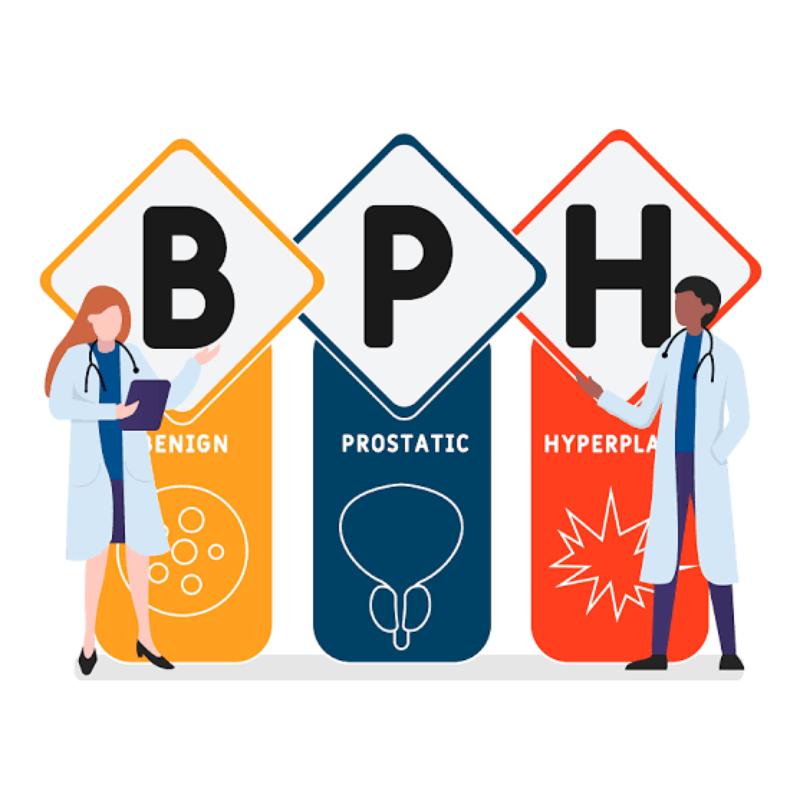
Benign Prostatic Hyperplasia (BPH)

Benign Prostatic Hyperplasia (BPH): Causes, Symptoms, and Treatment Options

Benign Prostatic Hyperplasia (BPH), also known as enlarged prostate, is a common condition affecting millions of men worldwide especially the ones above 50 years.
It’s a non-cancerous growth of the prostate gland that can cause uncomfortable symptoms and impact daily life.

What is BPH?

BPH is a natural aging process where the prostate gland grows and expands, squeezing the urethra and affecting urine flow. The prostate gland surrounds the urethra, and its enlargement can obstruct urine passage.

Causes and Risk Factors

While the exact cause of BPH is unknown, several factors contribute to its development:

1. Aging: Risk increases after 50 years.
2. Family history: Having a close relative with BPH.
3. Obesity.
4. Diabetes.
5. Heart disease.
6. Sedentary lifestyle.
7. Certain medications (e.g., beta-blockers).

Symptoms

BPH symptoms vary in severity and may include:

1. Urinary frequency.
2. Urgency.
3. Weak or interrupted flow.
4. Straining to urinate.
5. Nocturia (frequent nighttime urination).
6. Blood in urine or semen.

Diagnosis

Diagnosing BPH involves:

1. Digital Rectal Exam (DRE): Physician examines prostate texture and size.
2. Prostate-Specific Antigen (PSA) test: Measures prostate enzyme levels.
3. Ultrasound: Evaluates prostate size and shape.
4. Urodynamic tests: Assesses urinary flow and pressure.
5. Cystoscopy: Visual examination of bladder and urethra.

Treatment Options

Treatment depends on symptom severity and patient health.

Conservative Management

1. Lifestyle modifications:
– Regular exercise.
– Healthy diet.
– Weight management.
– Stress reduction.
2. Medications:
– Alpha-blockers (e.g., tamsulosin).
– 5-alpha-reductase inhibitors (e.g., finasteride).

Surgical Options

1. Transurethral Resection of the Prostate (TURP).
2. Laser surgery (e.g., GreenLight).
3. Open prostatectomy.
4. Minimally invasive procedures (e.g., UroLift).

Alternative Therapies

1. Herbal supplements (e.g., saw palmetto, Selenium, Beta sitosterol, Soy isoflavones).
2. Acupuncture.
3. Naturopathic medicine.

Complications

Untreated BPH can lead to:
1. Urinary retention.
2. Bladder damage.
3. Kidney damage.
4. Prostate infections.
5. Bladder stones.

Prevention

Maintain a healthy lifestyle:
1. Regular exercise.
2. Balanced diet.
3. Weight management.
4. Stress reduction.
5. Regular check-ups.

Conclusion
BPH is a common condition affecting men’s quality of life. Understanding its causes, symptoms, and treatment options can help manage the condition effectively. Consult a healthcare professional for personalized advice and treatment.

Additional Resources

– American Urological Association (AUA)
– National Institute of Diabetes and Digestive and Kidney Diseases (NIDDK)
– Mayo Clinic

By Olamide Edet

Debunking Common Myths About Diabetes: Separating Fact from Fiction


Diabetes is a complex and often misunderstood disease, surrounded by myths and misconceptions. These myths can lead to misinformation, stigma, and poor management of the condition. In this article, we’ll delve into the facts and debunk common myths about diabetes, providing a comprehensive understanding of the disease.

_Myth 1: Diabetes is caused by eating too much sugar

Reality: Type 1 diabetes is an autoimmune disease, where the body’s immune system mistakenly attacks and destroys insulin-producing beta cells in the pancreas.
Type 2 diabetes, on the other hand, is caused by a combination of genetic and lifestyle factors, including:
– Obesity and physical inactivity
– Insulin resistance
– Pancreatic beta-cell dysfunction
– Genetic predisposition
While sugar consumption is not the sole cause of diabetes, a diet high in added sugars can contribute to weight gain and increase the risk of developing Type 2 diabetes.

_Myth 2: Only overweight people get diabetes

Reality: While obesity increases the risk of developing Type 2 diabetes, people of all shapes and sizes can develop the disease. Other factors that contribute to the risk of developing diabetes include:
– Family history
– Age
– Physical inactivity
– Certain medical conditions, such as high blood pressure and high cholesterol

_Myth 3: Diabetes is contagious

Reality: Diabetes is not contagious. You can’t catch it from someone else. The risk factors for developing diabetes are complex and multifaceted, involving a combination of genetic, lifestyle, and environmental factors.

_Myth 4: People with diabetes can’t eat sweets

Reality: While people with diabetes need to manage their carbohydrate intake, they can still enjoy sweets in moderation. A balanced diet and proper insulin management allow for occasional indulgence. It’s essential to:
– Choose complex carbohydrates, such as whole grains and fruits
– Monitor carbohydrate intake and adjust insulin doses accordingly
– Balance carbohydrate intake with proteins

_Myth 5: Diabetes is a death sentence

Reality: With proper management, people with diabetes can live healthy lives. Advances in treatment and technology have significantly improved diabetes management, including:
– Insulin pumps and continuous glucose monitoring systems
– Improved insulin analogs and medications
– Personalized treatment plans and lifestyle coaching

_Myth 6: Only older people get diabetes_

Reality: While age increases the risk of developing Type 2 diabetes, people of all ages can develop the disease, including:
– Children and young adults (Type 1 diabetes)
– Middle-aged and older adults (Type 2 diabetes)
– Gestational diabetes during pregnancy

_Myth 7: Diabetes is not a serious disease_

Reality: Diabetes is a serious disease that can lead to complications like:
– Heart disease and stroke
– Kidney damage and failure
– Blindness and vision loss
– Nerve damage and neuropathy
– Foot damage and amputation
Proper management and care can significantly reduce the risk of these complications.

By debunking these common myths, we aim to raise awareness and promote understanding of diabetes. If you have concerns or questions, consult a healthcare professional for accurate information and guidance.

References:

1. American Diabetes Association. (2022). Type 1 Diabetes.
2. World Health Organization. (2022). Diabetes.
3. Centers for Disease Control and Prevention. (2022). Diabetes Myths.
4. Academy of Nutrition and Dietetics. (2022). Diabetes and Carbohydrates.
5. Diabetes Research Institute. (2022). Living with Diabetes.
6. Mayo Clinic. (2022). Type 2 Diabetes.
7. International Diabetes Federation. (2022). Complications of Diabetes.

Written by Pharm.Belinda

The Crucial Role Of Nutrition In Managing Hypertension

Introduction

Hypertension, or high blood pressure, affects millions worldwide and is a significant risk factor for cardiovascular disease. While medication is necessary, research increasingly highlights the pivotal role of nutrition in managing hypertension. This article explores the impact of dietary choices on blood pressure regulation and offers practical guidance for incorporating nutrition into hypertension management.
Hypertension occurs when the force of blood against the artery walls is consistently too high. Over time, this can lead to serious health complications, including heart disease, stroke, and kidney failure. Lifestyle factors, including diet, play a central role in the development and management of hypertension.

The Influence of Nutrition on Blood Pressure
Numerous studies have demonstrated the profound impact of diet on blood pressure levels. High intake of sodium, commonly found in processed and restaurant foods, has been linked to hypertension. Conversely, diets rich in fruits, vegetables, whole grains, and lean proteins can help lower blood pressure.

Key Nutrients for Blood Pressure Control
Potassium, magnesium, and calcium are essential nutrients that play a vital role in blood pressure regulation. Potassium-rich foods, such as bananas, sweet potatoes, and leafy greens, help counteract the effects of sodium and promote healthy blood pressure levels. Magnesium, found in nuts, seeds, and whole grains, supports blood vessel relaxation, while calcium helps maintain proper muscle function, including the muscles surrounding blood vessels.

The DASH Diet
One dietary approach specifically designed to lower blood pressure is the Dietary Approaches to Stop Hypertension (DASH) diet. This eating plan emphasizes fruits, vegetables, whole grains, lean proteins, and low-fat dairy while limiting sodium, sweets, and red meat. Studies have shown that adhering to the DASH diet can significantly reduce blood pressure levels.

Practical Tips for Hypertension Management Through Nutrition
– Read food labels and choose low-sodium options whenever possible.
– Increase consumption of potassium-rich foods, such as bananas, oranges, spinach, and avocados.
– Incorporate magnesium sources into your diet, including nuts, seeds, legumes, and whole grains.
– Consume calcium-rich foods like low-fat dairy, tofu, and leafy greens.
– Limit alcohol intake and avoid excessive consumption of processed and sugary foods.

Conclusion
Nutrition plays a crucial role in managing hypertension and reducing the risk of associated complications. By adopting a diet rich in fruits, vegetables, whole grains, and lean proteins while minimizing sodium and processed foods, individuals can take proactive steps towards better blood pressure control. Combined with regular physical activity and medical supervision, dietary modifications offer a powerful tool for optimizing cardiovascular health and overall well-being.

References
– Appel, L.J. et al. (1997). A clinical trial of the effects of dietary patterns on blood pressure. New England Journal of Medicine, 336(16), 1117-1124.
– Appel, L.J. et al. (2005). Effects of comprehensive lifestyle modification on blood pressure control. Hypertension, 45(6), 912-918.
– Whelton, P.K. et al. (1997). Sodium, potassium, and blood pressure: interrelationships with age and race in a population-based sample. Hypertension, 17(1 Suppl), I15-24.
– Kass, L. et al. (2012). Effect of magnesium supplementation on blood pressure: a meta-analysis. European Journal of Clinical Nutrition, 66(4), 411-418.
– Houston, M.C. (2011). The role of magnesium in hypertension and cardiovascular disease. Journal of Clinical Hypertension, 13(11), 843-847.

Foot Care In Diabetic Patients

INTRODUCTION

Diabetes is a chronic condition characterized by high blood sugar levels that can lead to several complications, including neuropathy and poor circulation, especially in the feet. Proper foot care is essential for individuals diagnosed with diabetes to prevent serious complications such as ulcers and infections. This article provides a guide to foot care for diabetic patients, supported by relevant references.

Understanding the Risks

Diabetes-related neuropathy and poor circulation increase the risk of foot complications. According to the American Diabetes Association (ADA), neuropathy affects up to 60-70% of people with diabetes, leading to reduced sensation in the feet. Peripheral artery disease (PAD), a common complication of diabetes, can result in inadequate blood flow to the feet, impairing wound healing.

Daily Inspection

Regular foot examinations are recommended to detect problems early. The ADA advises diabetic individuals to inspect their feet daily for any signs of redness, blisters, cuts, sores, swelling, or changes in skin color or temperature. Early detection allows for timely intervention and prevents complications.

Proper Footwear

Choosing appropriate footwear is crucial for preventing foot problems. According to the National Institute of Diabetes and Digestive and Kidney Diseases, diabetic individuals should wear shoes that fit well and provide adequate support and protection. Specialized diabetic shoes or orthotic inserts may be necessary for those at higher risk.

Daily Hygiene

Maintaining proper foot hygiene helps prevent infections. The International Working Group on the Diabetic Foot recommends washing feet daily with mild soap and lukewarm water, followed by thorough drying, especially between the toes. Moisturizing dry skin with lotion can help prevent cracking and fissures.

Protecting Feet

Preventing injuries is essential for diabetic foot health. It is advised that diabetic individuals should wear shoes at all times to protect against cuts and injuries. Using sunscreen on exposed feet and avoiding extreme temperatures can also prevent damage.

Regular Professional Care

Routine foot care by healthcare professionals is essential for diabetic patients. Regular foot examinations by a podiatrist or healthcare provider are recommended especially for those with neuropathy or circulation problems. Professional treatment of foot issues reduces the risk of complications.

Managing Blood Sugar Levels

Optimizing blood glucose control is critical for preventing diabetic complications. It is importance to monitor blood sugar levels regularly while adhering to a healthy diet, engaging in physical activity, and taking prescribed medications as directed. Tight glycemic control reduces the risk of neuropathy and other diabetes-related complications.

Immediate Attention to Problems

Prompt treatment of foot problems is essential to prevent complications. Individuals diagnosed with diabetes are advised to seek medical attention for any foot issues, no matter how minor they may seem. Delayed treatment can lead to serious complications, including foot ulcers and infections.

Medications and Topical Treatments

In addition to preventive measures and professional care, diabetic individuals may benefit from certain medications and topical treatments to maintain foot health. Topical creams and balms containing ingredients such as urea or salicylic acid can help soften and exfoliate dry, rough skin, reducing the risk of cracks and fissures. According to a study published in the Journal of the American Podiatric Medical Association, the use of urea-based creams can improve skin hydration and reduce callus formation in diabetic patients. Additionally, antimicrobial creams or ointments may be prescribed to prevent or treat minor skin infections, especially for those with compromised immune systems or neuropathy.
Supplements can also play a supportive role in foot care for diabetics by promoting circulation, nerve health and wound healing. Examples include;
• Alpha-lipoic acid: May help reduce nerve damage and improve blood sugar control
• Omega -3 fatty acids: Can reduce inflammation and improve circulation.
• Vitamin D: Important for nerve health and immune function.
• Magnesium: Helps regulate blood sugar levels and support nerve functioning.
• Vitamin B12: Essential for nerve health and may reduce neuropathy symptoms.
• Coenzyme Q10: Supports circulation and aids wound healing.

Conclusion

Proper foot care is paramount for diabetic individuals to prevent complications and maintain overall health. By following the guidelines outlined in this article and seeking professional care when needed, individuals with diabetes can reduce the risk of foot-related complications and improve their quality of life.

References

1. American Diabetes Association. (n.d.). Foot Complications. Retrieved from https://www.diabetes.org/diabetes/complications/foot-complications
2. American Heart Association. (2020). Peripheral Artery Disease (PAD) and Diabetes. Retrieved from https://www.heart.org/en/health-topics/peripheral-artery-disease/peripheral-artery-disease-pad-and-diabetes
3. National Institute of Diabetes and Digestive and Kidney Diseases. (2017). Diabetic Neuropathies: The Nerve Damage of Diabetes. Retrieved from https://www.niddk.nih.gov/health-information/diabetes/overview/preventing-problems/foot-problems
4. International Working Group on the Diabetic Foot. (2019). IWGDF Guidelines on the Prevention and Management of Diabetic Foot Disease 2019. Retrieved from https://iwgdfguidelines.org/wp-content/uploads/2019/05/IWGDF-Guidelines-2019.pdf
5. Centers for Disease Control and Prevention. (2020). Prevent Diabetes Problems: Keep Your Feet and Skin Healthy. Retrieved from https://www.cdc.gov/diabetes/ndep/pdfs/complications_english.pdf
6. American Podiatric Medical Association. (n.d.). Diabetes & Your Feet. Retrieved from https://www.apma.org/patients/foot-conditions/foot-health-resources/diabetes-foot-care
7. American Diabetes Association. (2022). Standards of Medical Care in Diabetes. Retrieved from https://care.diabetesjournals.org/content/45/Supplement_1
8. Landsman, A. S., Sahni, D., & Kumar, S. (2009). Topical Urea for Diabetic Foot Callus Reduction: A Prospective, Randomized, Controlled, Single-Blind Pilot Study. Journal of the American Podiatric Medical Association, 99(5), 407-413. doi:10.7547/0980407

Written by Miss Egede Gabriella.

Heatwave Hazards In Nigeria: Impact On Health And Strategies For Adaptation

As a country with tropical climate Nigeria experiences intense heat throughout the year, especially in the northern regions. While warmth is often associated with good vibes and happy feels, excessive heat poses significant health risks, especially in a country where infrastructure and resources for mitigating its effects are limited. Understanding the implications of heat on health is crucial for implementing measures to protect vulnerable populations.

Vulnerable Populations: Certain groups are more susceptible to the adverse effects of heat. These groups including children, the elderly, pregnant women, and individuals with pre-existing medical conditions, are at heightened risk. Children, for instance, have less efficient thermoregulatory systems and may struggle to dissipate heat effectively, while older adults often have underlying health issues that make them more vulnerable to heat-related illnesses.
Furthermore, socio-economic factors exacerbate the impacts of heat on health. In urban areas, where infrastructure like air conditioning may be lacking or inaccessible to low-income communities, individuals face greater challenges in coping with extreme temperatures. Additionally, outdoor workers, such as agricultural laborers and construction workers, endure prolonged exposure to the sun, increasing their susceptibility to heat-related illnesses.

HEALTH RISKS

The soaring temperatures in Nigeria can lead to various health challenges, ranging from mild discomfort to life-threatening conditions.

Heatstroke: A severe form of heat illness characterized by a body temperature of 40°C (104°F) or higher, confusion, rapid pulse, and potentially unconsciousness. Heatstroke can be life-threatening if not treated promptly.

Heat Exhaustion: This occurs when the body becomes dehydrated and unable to cool itself sufficiently, leading to symptoms such as heavy sweating, weakness, nausea, and dizziness.

Dehydration: One of the most common consequences of excessive exposure to heat is dehydration. Prolonged periods of sweating without sufficient intake of fluids can lead to electrolyte imbalances. Symptoms include thirst, dry mouth, dark urine, fatigue, and dizziness.

Heat Cramps: Painful muscle spasms that occur due to electrolyte imbalances and dehydration, often experienced in the legs, arms, or abdomen.

Respiratory Problems: High temperatures can exacerbate respiratory conditions such as asthma and chronic obstructive pulmonary disease (COPD), leading to breathing difficulties.

Cardiovascular Issues: Heat can strain the heart and exacerbate cardiovascular conditions, increasing the risk of heart attacks and other cardiovascular problems.

Heat Rash (Miliaria): Heat rash, also known as prickly heat or miliaria, occurs when sweat ducts become blocked, leading to the development of red, itchy bumps on the skin. In Nigeria’s hot and humid climate, heat rash is a common occurrence, especially in areas where sweating is prevalent, such as the neck, underarms, and groin.

Eczema (Atopic Dermatitis): Eczema is a chronic inflammatory skin condition characterized by dry, itchy, and inflamed patches of skin. The hot and humid climate in Nigeria can worsen eczema symptoms, leading to increased itchiness, redness, and discomfort. Heat can also exacerbate sweating, which further irritates sensitive skin and increases the risk of flare-ups.

Pruritus (Itchy Skin): Excessive heat and humidity can exacerbate pruritus, or itchy skin, in individuals with sensitive skin or underlying skin conditions. Heat-induced sweating can irritate the skin and trigger itching, leading to discomfort and distress.

TREATMENT AND MANAGEMENT OPTIONS

Use of Sunscreen: This offers protective properties against harmful UV radiation and is essential for shielding the skin from sunburn and reducing the risk of heat related conditions like heat rash and sunburn.

Moisturization: Using emollients and moisturizers rich in humectants can help restore the skin’s barrier function, hydrate the skin and alleviate itching associated with heat-induced dryness. Moisturizers containing ingredients like ceramides, glycerin, and hyaluronic acid are particularly effective in restoring skin barrier function and alleviate symptoms.

Oral Antihistamines: These help reduce itching and provide relief from heat-induced skin issues. Non-sedating antihistamines are preferred, especially during the daytime, to minimize drowsiness.

Maintaining Electrolytes Balance: Replenishing electrolytes lost through sweating is vital for maintaining hydration and preventing heat-related illnesses. Consuming effervescent electrolytes supplement, Oral rehydration solutions and electrolyte-rich fruits such as bananas, oranges and watermelon can help restore electrolyte balance and support overall well-being during periods of extreme heat.

Use of Topical Creams: For individuals experiencing skin irritations and rashes triggered by the heat, topical creams containing soothing ingredients like aloe vera or hydrocortisone can provide relief and promote healing. Topical corticosteroids are commonly prescribed to reduce inflammation and relieve itching. These medications help control symptoms and promote skin healing. Treatments containing calamine or colloidal oatmeal can help soothe itching and inflammation associated with heat rash, providing symptomatic relief.

Moreover, treatment options for heat-related conditions such as heat exhaustion and heatstroke may involve intravenous fluid administration, antipyretic medications, and supportive care to manage symptoms and prevent complications. By incorporating these preventive measures and treatment options, individuals can better protect their skin health and overall well-being in the face of rising temperatures.
Preventive measures also include avoiding activities that may worsen sweating and friction on the skin, such as strenuous exercise, staying informed about weather forecasts and heat advisories; avoiding prolonged exposure to extreme heat, especially during peak hours. Wearing loose-fitting clothing made of breathable fabrics such as cotton allows air circulation and helps prevent sweat from becoming trapped against the skin, reducing the risk of heat rash. Maintaining good hygiene and keeping the skin dry can help prevent heat rash by reducing sweat accumulation and minimizing the risk of sweat duct blockage. Taking cool baths or showers can help soothe itchy skin and provide temporary relief from heat-related discomfort. Adding colloidal oatmeal or baking soda to the bathwater can further alleviate itching and inflammation.

SUMMARY
Nigeria faces excessive heat periodically that poses significant health risks, especially for vulnerable populations such as children, the elderly, pregnant women, and those with pre-existing medical conditions. Socio-economic factors exacerbate these risks, particularly in urban areas with limited access to infrastructure like air conditioning. Health risks from heat include heatstroke, heat exhaustion, dehydration, heat cramps, respiratory and cardiovascular issues, heat rash, eczema, and pruritus. Strategies for adaptation include sunscreen use, moisturization, oral antihistamines, maintaining electrolyte balance, using topical creams, and avoiding activities that worsen sweating and friction on the skin. Staying informed about weather forecasts, wearing breathable clothing, practicing good hygiene, and taking cool baths or showers are also recommended.

REFERENCES
Lagos State Government. (2018). Heatwave: Lagos Govt advises residents on safety tips. Retrieved from https://www.lagosstatenews.com/heatwave-lagos-govt-advises-residents-on-safety-tips/
Federal Ministry of Health Nigeria. (2017). Guidelines for Preparedness and Response to Heatwaves in Nigeria. Retrieved from https://www.health.gov.ng/doc/Guidelines%20for%20Preparedness%20and%20Response%20to%20Heatwaves%20in%20Nigeria%20Final%20Draft%20%20%20%20.pdf
United Nations Development Programme. (2019). Climate Change and Health Risks in Nigeria. Retrieved from https://www.ng.undp.org/content/nigeria/en/home/library/climate_change/climate-change-and-health-risks-in-nigeria.htmlInternational
Federation of Red Cross and Red Crescent Societies. (2019). Heatwaves: What you need to know. Retrieved from https://www.ifrc.org/en/news-and-media/news-stories/health/heatwaves-what-you-need-to-know/
National Institute for Occupational Safety and Health (NIOSH). (2016). Heat Stress. Retrieved from https://www.cdc.gov/niosh/topics/heatstress/default.html
Okafor, C. (2020). Heat Stress and Coping Mechanisms among Urban and Rural Dwellers in Lagos State, Nigeria. International Journal of Environmental Research and Public Health, 17(18), 6614.
World Health Organization. (2018). Heat and Health. Retrieved from https://www.who.int/news-room/fact-sheets/detail/climate-change-and-health.

Miss Egede Gabriella.

Parasitic Infections

PARASITIC INFECTIONS
Parasitic infections are diseases caused by organisms that live off of another living thing. They can cause fever, fatigue, intestinal symptoms, skin rashes or neurological symptoms. You can get them from contaminated food, water or surfaces, bug bites and eating undercooked meat.

What are the types of parasitic infection?
There are three main types of parasites that cause infections in humans:
* Protozoa.
* Helminths.
* Ectoparasites.

Protozoal infections :-
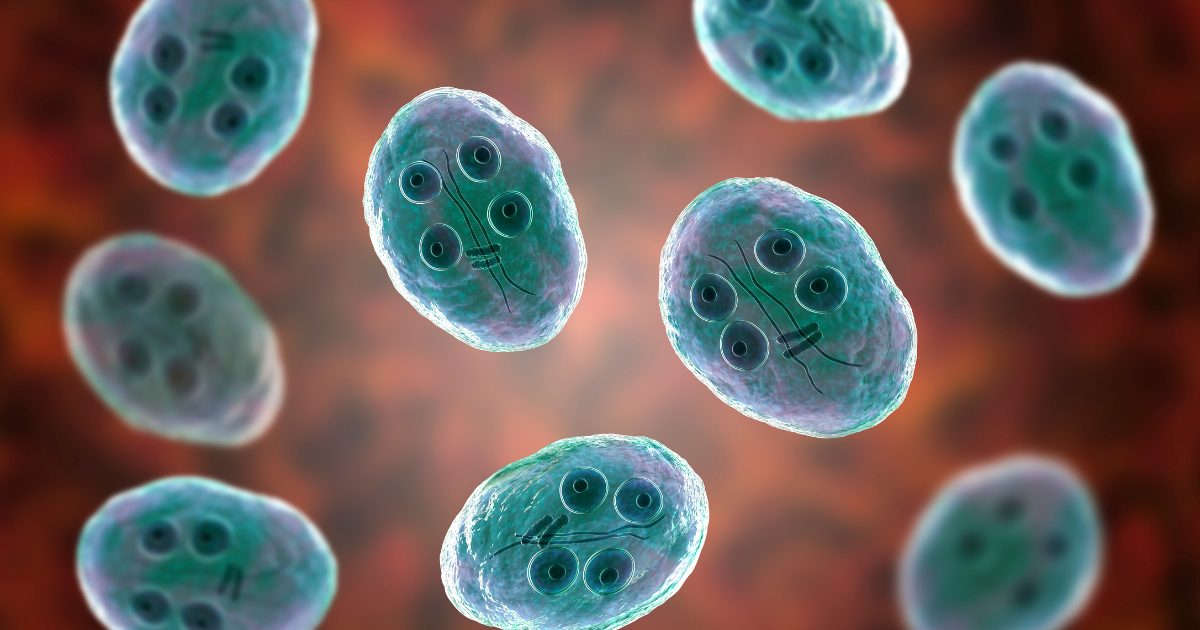
Protozoa are single-celled parasites. They can infect your blood, intestinal tract (gut), brain, skin, eyes and other parts of your body.

Helminth infections :-
Helminth is a general term for parasitic worms. Scientists further classify them as flukes (trematodes), tapeworms (cestodes), roundworms (nematodes) and thorny headed worms (acanthocephalans). Helminths can infect both adults and immature (larval) . Helminths usually infect your intestinal tract, but they can also infect the skin, brain and other tissues.

Ectoparasitic infections
Ectoparasites are insects and arachnids (spider-like bugs) that burrow into your skin and live there. This includes ticks, mites, lice and fleas.
They usually don’t infect other parts of your body

Symptoms of parasitic infections:-

Symptoms of parasitic infections depend on where in your body you’re infected. Some common symptoms include:
.
1. Fever
2. Muscle aches.
3. Fatigue.
4. Nausea.
5. Vomiting.
6. Diarrhea
7. Headaches
8. Skin symptoms like redness itches or sores

How do you get parasitic infections?
1. Drinking contaminated water or getting it in your mouth.
2. Eating undercooked meats.
3. Eating contaminated foods 4. Mosquito bites, tick bites, fly bites or other bites from insects that carry parasites
5. Contaminated surfaces
6. Unprotected sex
7. Contaminated dirt (soil)

How parasitic infections are diagnosed
Providers diagnose parasitic infections by looking for parasites or signs of parasites (like their eggs) in body fluids or tissues. To test you for parasites, a provider might take samples of your:
1. Poop (stool)
2. Blood
3. Skin or other affected tissue.
4. Phlegm (sputum)
5. Fluid around your brain and spinal cord (CNS fluid).

Treatments of parasitic infections
Providers use different medications to treat various types of parasitic infections, including:
1. Antiparasitics (anthelmintics or antiprotozoals).
2. Antibiotics
3. Antifungals.

Sometimes you might need a combination of different medications to cure the infection. Your provider will select a treatment that’s best for the specific type of parasitic infection you have.

Prevention of parasitic infections
Following a few precautions can reduce your risk of parasitic infections, including:
1. Wash your hands frequently
2. Avoid swimming when you have diarrhea.
3. Practice safe food habits.
4. Use Condoms
5. Protect yourself from bug bites
6. Be an informed traveler

References :-
1. Cleveland clinic.org
2. Merck Manual, Professional Version. Approach to Parasitic Injections.
3. Southwick FS. Parasitic Infections: A Global Challenge. In: Southwick FS, ed. Infectious Diseases: A Clinical Short Course. 4th ed. McGraw Hill.
4. U.S. Centers for Disease Control and Prevention.

written by:
Miss Shodimu TEmitope

Hypertension

HYPERTENSION MANAGEMENT!!!

By definition hypertension is sustained elevation in blood pressure where the benefit of intervention outweighs the risk. Hypertension management has seen several trends and advancements in recent years, with a focus on a more holistic and individualized approach. Some current trends in hypertension management include:

1. Personalized Treatment Plans: Healthcare providers are increasingly recognizing the importance of tailoring hypertension treatment plans to individual patients. This approach takes into account the patient’s unique risk factors, medical history, and lifestyle, allowing for more precise and effective management.

2. Lifestyle Interventions: Lifestyle modifications are becoming a cornerstone of hypertension management. These include dietary changes (such as the DASH diet, which is rich in fruits, vegetables, and low-fat dairy products), increased physical activity, stress reduction, and weight management. Lifestyle interventions are often recommended in conjunction with medication.

3. Combination Therapy: Many patients with hypertension require multiple medications to achieve their blood pressure goals. Combining medications from different classes can improve efficacy while minimizing side effects. Fixed-dose combination drugs are increasingly prescribed for convenience.

Choose Single Pill Combinations(SPCs) at any step. Start with dual combination therapy in most patients. For instance, ACE(angiotensin converting enzyme) inhibitors or ARB(angiotensin 2 receptor blockers) + CCB(calcium channel blockers) or Diuretic(water pill).

Start with mono-therapy only in selected patients, i.e Low risk hypertension and BP <150/95 mmHg, or high normal BP and very high CV risk, or frail patients and/or advanced age. Also, it’s worth noting that beta blockers(atenolol, metoprolol) can be used as mono-therapy or at any step of combination.

4. Home Blood Pressure Control: There is a growing emphasis on patients taking an active role in their care. This includes home blood pressure monitoring, which provides valuable data for both patients and healthcare providers. This allows for more frequent and convenient follow-up care.

Diagnosis of hypertension:

At the first visit measure blood pressure in both arms. If the difference in readings between arms is more than 15mmHg, repeat the measurements. If the difference in readings between arms remains more than 15mmg on the second measurement, measure subsequent blood pressures in the arm with the higher reading and document.

Patient Preparation:

* Have an empty bladder and rest quietly for at least 5 minutes.
* No coffee or smoking in last 30 mins.
* Do not talk or text. Sit with back supported and both feet flat on the floor. Legs should not be crossed.
* BP cuff should be placed on bare arm above antecubital fossa
* The arm with the cuff should be supported on a flat surface e.g table or a pillow if patient is lying face upwards.
* The machine should be placed at the level of the heart

These trends reflect a more comprehensive and patient-centered approach to hypertension management, with a focus on prevention, lifestyle, and individualized care to reduce the risk of cardiovascular complications. Healthcare providers are increasingly focusing on educating patients about the risks of hypertension and the importance of adherence to treatment plans. Patient engagement and understanding play a crucial role in managing hypertension effectively. Drug therapy is a common approach to managing hypertension (high blood pressure), and it typically involves the use of medications to lower blood pressure and reduce the risk of cardiovascular complications. However, some individuals may develop a condition known as resistant hypertension.

What is Resistant Hypertension?

Resistant hypertension is a subset of high blood pressure that doesn't respond adequately to treatment with conventional antihypertensive medications. It is diagnosed when a person's blood pressure remains above 140/90mmHg despite taking three different types of blood pressure medications, including a diuretic (water pill) at their highest doses. Several factors can contribute to resistant hypertension:

1. Medication Non-Adherence: Sometimes, patients may not take their prescribed medications as directed, leading to inadequate blood pressure control.

2. Secondary Hypertension: Underlying medical conditions, such as kidney disease, hormonal disorders, or obstructive sleep apnea, can contribute to high blood pressure and may be more challenging to treat.

3. Lifestyle Factors: Unhealthy lifestyle habits like a high-sodium diet, excessive alcohol consumption, and physical inactivity can worsen hypertension.

4. Medication Interactions: Some individuals may experience medication interactions that reduce the effectiveness of antihypertensive drugs.

5. Genetic Factors: Genetic predisposition can make certain people more resistant to the effects of blood pressure medications.

Drug Therapy for Resistant Hypertension:

When dealing with resistant hypertension, healthcare providers may employ various strategies:

1. Medication Adjustments: This may involve optimizing the dosage or type of existing medications or adding new classes of drugs to the treatment regimen.

2. Identifying Underlying Causes: Determining and addressing any underlying conditions contributing to hypertension, such as kidney disease or hormonal imbalances.

3. Lifestyle Modifications: Encouraging patients to make lifestyle changes like reducing salt intake, losing weight, exercising, and limiting alcohol consumption.

4. Medication Compliance: Ensuring that patients are adhering to their medication regimen and addressing any barriers to compliance.

5. Referral to Specialists: In some cases, a patient may be referred to a hypertension specialist or nephrologist for further evaluation and management.

It's essential for individuals with resistant hypertension to work closely with their healthcare providers to find the most effective treatment plan. Managing resistant hypertension often requires a combination of medications and lifestyle changes, and it can be a complex and ongoing process to achieve optimal blood pressure control and reduce the risk of cardiovascular complications.

Here's the correlation between hypertension management and drug therapy, as well as the concept of resistant hypertension:

1. Hypertension Management with Drug Therapy:
– Hypertension management often begins with lifestyle changes such as a healthy diet, regular exercise, weight control, and reduced sodium intake.
– If lifestyle modifications alone do not effectively control blood pressure, healthcare professionals may prescribe antihypertensive medications.
– There are various classes of antihypertensive drugs, including diuretics, beta-blockers, ACE inhibitors, angiotensin II receptor blockers (ARBs), calcium channel blockers, and others.
– The choice of medication depends on the individual's specific condition, as well as factors like age, underlying health conditions, and potential side effects.

2. Resistant Hypertension:
– Resistant hypertension is a condition where blood pressure remains elevated despite the use of three or more different antihypertensive medications at optimal doses, including a diuretic.
– Resistant hypertension can be classified into two main categories:
I. True Resistant Hypertension: This is when blood pressure remains high despite optimal therapy.
II. Pseudo-Resistant Hypertension: In some cases, high blood pressure may be related to factors such as poor medication adherence, white coat syndrome (elevated blood pressure in a medical setting), or secondary causes like kidney disease.

The correlation between hypertension management and drug therapy is that medications are often a crucial component of controlling blood pressure, especially when lifestyle changes are insufficient.
– For individuals with resistant hypertension, the correlation is more complex. Resistant hypertension may necessitate a more intensive drug therapy regimen, careful evaluation to identify underlying causes, and the addition of other medications or interventions.

In summary, hypertension management often involves drug therapy as part of a comprehensive treatment plan. For individuals with resistant hypertension, additional measures, investigations into potential underlying causes, and adjustments to drug therapy may be needed to achieve blood pressure control. It's crucial for individuals with resistant hypertension to work closely with their healthcare provider to find an effective treatment strategy.

Prostate Cancer

When cancer starts in the prostate, it is called prostate cancer.

Prostate cancer is the uncontrolled growth of cells in the prostate, a gland in the male reproductive system just below the bladder.

Prostate is a small walnut-shaped gland that produces the seminal fluid that nourishes and transports sperm.

Prostate cancer is one of the most common types of cancer in men. Prostate cancer usually grows slowly and initially remains confined to the prostate gland, where it may not cause serious harm. While some types of prostate cancer grow slowly and may need minimal or no treatment, other types are aggressive and can spread quickly.
As the tumor grows, it can damage nearby organs causing erectile dysfunction, blood in the urine or semen, and trouble urinating. Some tumors eventually spread to other areas of the body, particularly the bones and lymph nodes. There, tumors cause severe bone pain, leg weakness or paralysis, and eventually death.

Difference between benign and malignant tumor

A benign tumor is made up of cells that don’t threaten to invade other tissues. The tumor cells are contained within the tumor and aren’t abnormal or very different from surrounding cells.
WHILE
Malignant tumors are made of cancer cells that can grow uncontrollably and invade nearby tissues. The cancer cells in a malignant tumor tend to be abnormal and very different from the normal surrounding tissue.

SYMPTOMS

1. Frequent urination
2. Trouble urinating
3. Decreased force in the stream of urine
4. Blood in the semen and urine
5. Erectile dysfunction
6. Bone pain
7. Discomfort in the pelvic area
8. Discomfort or pain when sitting, caused by an enlarged prostate.

CAUSES

Prostate cancer is caused by the accumulation of genetic mutations to the DNA of cells in the prostate. These mutations affect genes involved in cell growth, DNA damage repair, and cell death. Changes to these genes can cause cells in the prostate to grow uncontrollably, resulting in a tumor. (american cancer society, may 2023).
Some abnormal cells can break off and spread (metastasize) to other parts of the body.

RISK FACTORS

1. Older age
2. Family history of prostate or breast cancer
3. Race
4. Obesity

COMPLICATIONS

1. Erectile dysfunction
The nerves that control a man’s erectile response are located very close to the prostate gland. A tumor on the prostate gland or certain treatments such as surgery and radiation can damage these delicate nerves. This can cause problems with achieving or maintaining an erection. Medications, vacuum devices that assist in achieving erection and surgery are available to treat erectile dysfunction.

2. Incontinence
Prostatic tumors and surgical treatments for prostate cancer can also lead to urinary incontinence. Someone with urinary incontinence loses control of their bladder and may leak urine or not be able to control when they urinate. The primary cause is damage to the nerves and the muscles that control urinary function. Treatment for incontinence depends on the type you have, how severe it is and the likelihood it will improve over time. Treatment options may include medications, catheters and surgery.

3. Metastasis (cancer that spreads)
Metastasis occurs when tumor cells from one body region spread to other parts of the body. The cancer can spread through tissue and the lymph system as well as through the blood. Prostate cancer cells can move to other organs, like the bladder. They can travel even further and affect other parts of the body, such as the bones and spinal cord. Prostate cancer that metastasizes often spread to the bones. This can lead to complications such as fractured or broken bones, severe pain, stiffness in the hip, thighs, or back, weakness in the arms and legs and higher-than-normal levels of calcium in the blood (hypercalcemia), which can lead to nausea, vomiting, and confusion.

STAGES

Staging typically describes how much cancer is present in the body and how serious the cancer is. Knowing the stage of prostate cancer can help a person understand what to expect and will inform decisions about treatment.
Stages may include:
1. Stage I: Cancer is only present in the prostate gland.

2. Stage II: Cancer has not yet spread from the prostate, but a person will have a higher PSA level.

3. Stage III: Cancer may have spread to nearby tissues.

4. Stage IV: Cancer may have spread to distant parts of the body.

TESTS AND DIAGNOSIS

Screening for prostate cancer
Prostate cancer screening searches for tumors in those without symptoms. Screening aims to separate men with high-risk cancers who would benefit from treatment, from those whose tumors are slow-growing and unlikely to impact health. This is typically done through blood tests for levels of the protein prostate-specific antigen (PSA), which are elevated in those with enlarged prostates, whether due to prostate cancer or benign prostatic hyperplasia.

Diagnosis for prostate cancer
A diagnosis of prostate cancer requires a biopsy of the prostate. Prostate biopsies are typically taken by a needle passing through the rectum or perineum, guided by transrectal ultrasound imaging, magnetic resonance imaging (MRI), or a combination of the two. Ten to twelve samples are taken from several regions of the prostate to improve the chances of finding any tumors. Biopsies are examined under a microscope by a pathologist, who determines the type and extent of cancerous cells present. Cancers are first classified based on their appearance under a microscope. Over 95% of prostate cancers are classified as adenocarcinomas (resembling gland tissue), with the rest largely squamous-cell carcinoma (resembling squamous cells, a type of epithelial cell) and transitional cell carcinoma (resembling transitional cells).

PSA testing

The blood test, called a prostate-specific antigen (PSA) test, measures the level of PSA and may help detect early prostate cancer. PSA is a protein produced by both cancerous and noncancerous tissue in the prostate, a small gland that sits below the bladder in males.
It’s normal to have a low level of PSA in your blood. A high PSA level may be caused by:
• Prostate cancer
• An enlarged prostate (BPH) (benign prostatic hyperplasia)
• Other common prostate problems
•Taking certain medicines.

TREATMENT OF PROSTATE CANCER

Your prostate cancer treatment options depend on several factors, such as how fast your cancer is growing, how much it has spread and your overall health, as well as the benefits and the potential side effects of the treatment.

1. Active surveillance
For men diagnosed with very early-stage prostate cancer, treatment may not be necessary right away. Some men may never need treatment. Instead, doctors sometimes recommend active surveillance.
In active surveillance, regular follow-up blood tests, rectal exams and possibly biopsies may be performed to monitor progression of your cancer. If tests show your cancer is progressing, you may opt for a prostate cancer treatment such as surgery or radiation.

2. Radiation therapy
Radiation therapy uses high-powered energy to kill cancer cells. Prostate cancer radiation therapy can be delivered in two ways:
● Radiation that comes from outside of your body (external beam radiation): During external beam radiation therapy, you lie on a table while a machine moves around your body, directing high-powered energy beams, such as X-rays or protons, to your prostate cancer. You typically undergo external beam radiation treatments five days a week for several weeks.
● Radiation placed inside your body (brachytherapy): brachytherapy involves placing radioactive seeds inside your prostate. This approach kills cancer cells while preserving surrounding healthy tissue.

3. Hormone therapy
The hormone testosterone boosts cancer cell growth. Hormone therapy uses medications to combat testosterone’s role in fueling cancer cell growth.  Cutting off the supply of hormones may cause cancer cells to die or to grow more slowly.

4. Surgery to remove the prostate
Surgery for prostate cancer involves removing the prostate gland (radical prostatectomy), some surrounding tissue and a few lymph nodes. 

5. Chemotherapy
Chemotherapy uses drugs to kill rapidly growing cells, including cancer cells. Chemotherapy can be administered through a vein in your arm, in pill form or both.
Chemotherapy may be a treatment option for men with prostate cancer that has spread to distant areas of their bodies. Chemotherapy may also be an option for cancers that don’t respond to hormone therapy.

LIFESTYLE AND HOME REMEDIES

You can reduce your risk of prostate cancer if you:

1. Choose a healthy diet full of fruits and vegetables.
2. Exercise most days of the week
3. Maintain a healthy weight. 
4. Talk to your doctor about increased risk of prostate cancer.

Add to cart