Theme: Breastfeeding for a Sustainable Start in Life: Strengthen What Works
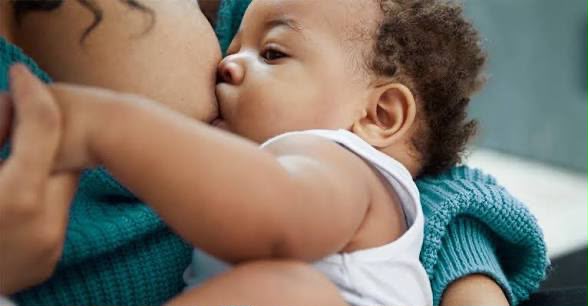
Every year , from the 1st to the 7th of August, the world comes together to observe World
Breastfeeding Week. This global campaign is coordinated by the World Alliance for Breastfeeding
Action (WABA) in collaboration with the World Health Organization (WHO), UNICEF ,
governments, healthcare professionals, and various organizations worldwide. The aim is to promote,
protect, and support breastfeeding while raising awareness of its immense benefits to infants,
mothers, families, and society as a whole.
Although breastfeeding is one of the most natural processes, many mothers face challenges due to
inadequate support, misinformation, workplace limitations, cultural misconceptions, and lack of
access to proper healthcare guidance. World Breastfeeding Week serves as an opportunity to
educate communities, advocate for breastfeeding-friendly environments, and encourage everyone
to support mothers throughout their breastfeeding journey.
Importance of Breastfeeding
Breastfeeding is one of the most effective ways of ensuring child survival, growth, and
development. It provides numerous health, nutritional, emotional, and economic benefits.
Benefits to the Baby
Breast milk is often referred to as the baby’s first vaccine because it contains antibodies that protect
infants against infections and diseases. Babies who are breastfed are less likely to suffer from:
* Diarrhoeal diseases
* Pneumonia
* Ear infections
* Respiratory tract infections.
* Allergies
* Obesity later in life
* Type 1 and Type 2 diabetes
* Childhood leukemia
* Sudden Infant Death Syndrome (SIDS)
Breastfeeding also supports proper brain development and has been associated with improved
cognitive performance, learning ability, and higher intelligence scores. In addition, the close
physical contact between mother and baby during breastfeeding promotes emotional security,
bonding, and psychological well-being.
Benefits to the Mother
Breastfeeding is equally beneficial to mothers. It stimulates the release of oxytocin, which helps the
uterus contract after childbirth, reducing postpartum bleeding and promoting faster recovery.
Long-term benefits include a reduced risk of:
* Breast cancer
* Ovarian cancer
* Type 2 diabetes
* High blood pressure
* Cardiovascular diseases
* Osteoporosis later in life
Breastfeeding also delays the return of fertility through the Lactational Amenorrhea Method
(LAM), although this should not be relied upon as the sole method of contraception unless specific
conditions are met.
Furthermore, breastfeeding strengthens the emotional bond between mother and child and
contributes positively to maternal mental health by promoting confidence and reducing stress.
Conclusion
World Breastfeeding Week reminds us that breastfeeding is one of the simplest, safest, and most
effective ways to improve child survival and maternal health. It is an investment in healthier
families, stronger communities, and a more sustainable future.
Every mother deserves accurate information, compassionate support, and an enabling environment
that empowers her to breastfeed successfully. By working together as healthcare professionals,
policymakers, employers, families, and community members, we can ensure that every child
receives the healthiest possible start in life.
Breastfeeding is more than nourishment—it is a gift of life, love, protection, and hope for future
generations.
References (AP A 7th Edition)
1. World Health Organization (WHO). Breastfeeding . (2024). On World Breastfeeding Week,
UNICEF and WHO call for equal access to breastfeeding support.
2. World Health Organization (WHO). Key Messages for World Breastfeeding Week . (2024).
World Breastfeeding Week: Key messages.
3. UNICEF . World Breastfeeding Week . (2024). This World Breastfeeding Week, UNICEF
and WHO call for equal access to breastfeeding support.
4. UNICEF Nigeria . (2024). On World Breastfeeding Week, UNICEF and WHO call for equal
access to breastfeeding support.
5. Kliegman, R. M., et al. (2020). Nelson T extbook of Pediatrics (21st ed.). Elsevier .
6. Murray, P . R., Rosenthal, K. S., & Pfaller , M. A. (2021). Medical Microbiology (9th ed.). Elsevier .
7. World Alliance for Breastfeeding Action (WABA). (2024). World Breastfeeding Week Campaign
written by: Ibeneme Precious