Skin Infections

PREAMBLE:
The skin, the body’s largest organ, plays a crucial role in safeguarding us from external threats, regulating our temperature, and enabling sensory experiences. Composed of various layers, including the epidermis, dermis, and subcutaneous tissue, it acts as a protective barrier against harmful microorganisms and environmental factors. Furthermore, it houses sensory receptors that allow us to sense touch, pain, and temperature. Additionally, the skin contributes to vitamin D synthesis and serves as a canvas for expressing individuality through its unique characteristics, colors, textures, and markings. A comprehensive understanding of the skin’s complexity and functions is vital for maintaining overall health and well-being.

Skin infections, also referred to as dermatological conditions, encompass a broad spectrum of issues that impact the body’s largest organ, the skin. Skin serves as a protective barrier, maintaining body temperature and contributing significantly to sensory perception. Nonetheless, it is vulnerable to a variety of disorders and illnesses, which can manifest in diverse ways, ranging from minor irritations to serious health problems. These conditions may arise due to genetic factors, environmental influences, infections, autoimmune reactions, or lifestyle choices. Examples of common skin disorders include acne, dermatitis (eczema), psoriasis, ringworm, athlete’s foot, among others. Meanwhile, certain conditions like skin cancer can pose life-threatening risks if not identified and treated promptly.

The successful management and treatment of these conditions frequently necessitate a collaborative approach involving a range of medical experts, including dermatologists, allergists, immunologists, and other health practitioners. Additionally, ongoing advancements in medical research and technology are enhancing our comprehension of skin disorders, resulting in improved diagnostic techniques and innovative therapies. Appreciating the diversity of skin disorders is crucial for preserving skin health, averting complications, and enhancing individuals’ overall well-being. Furthermore, we will delve into various aspects of skin disorders, including their causes, symptoms, treatment options, and preventive measures, all aimed at promoting skin health.

TYPES OF SKIN INFECTIONS:

Skin infections can vary greatly in symptoms, severity, and result from various causes, including bacteria, viruses, fungi, and parasites. Here’s a brief overview of some common types:

1. Ringworm (Tinea Corporis):
– Cause: Fungi called dermatophytes.
– Appearance: Red, itchy, ring-shaped rashes on the skin.
– Transmission: Can spread through direct contact with an infected person or animal or by sharing contaminated items like towels or combs.
– Treatment: Antifungal creams or oral medications prescribed by a healthcare professional.

2. Athlete’s Foot (Tinea Pedis):
– Cause: Fungi thrive in warm, moist environments.
– Symptoms: Itchy, peeling skin on the feet, especially between the toes.
– Transmission: Often spreads in locker rooms and public showers.
– Treatment: Antifungal creams or powders, and good foot hygiene.

3. Jock Itch (Tinea Cruris):
– Cause: Fungi that prefer the groin area.
– Symptoms: Itchy, red rash in the groin and inner thigh area.
– Transmission: Common in athletes and those in humid climates.
– Treatment: Antifungal creams or powders, and keeping the area dry.

4. Yeast Infections (Candidiasis):
– Cause: Candida yeast.
– Symptoms: Redness, itching, and sometimes white discharge, often in warm, moist areas like the genitals or mouth.
– Treatment: These fungal infections are typically not serious but can be uncomfortable and itchy. Treatment usually involves antifungal medications/creams, good hygiene, and keeping the affected area clean and dry.

5. Acne:
– cause: Excess sebum production(skin oil), clogged hair follicles, bacteria, hormonal changes, diet, genetics, certain medications (e.g corticosteroids), stress and environmental factors.
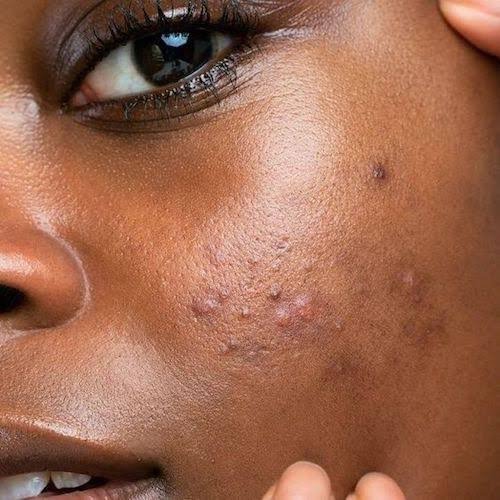
– Symptoms: Pimples(small, red, or white bumps on the skin), Blackheads(open clogged pores with dark centers), Whiteheads(closed clogged pores with white centers), Cysts(large, painful lumps under the skin), Inflammation, Scarring.

Treatment:
Acne treatment involves various approaches to manage and reduce the occurrence of acne.

– Cleansing: It’s important to wash your face regularly using a gentle cleanser to eliminate excess oil, dirt, and dead skin cells. Avoid using abrasive scrubs or washing too frequently, as they can cause skin irritation.
– Topical Treatments: Non-prescription products are available and may contain substances like benzoyl peroxide, salicylic acid, or alpha hydroxy acids (AHAs). These ingredients can assist in clearing clogged pores, reducing inflammation, and eliminating the bacteria responsible for acne.
– Oral Medications: In certain situations, healthcare professionals may recommend antibiotics such as doxycycline or tetracycline to reduce inflammation and bacterial growth.
– Chemical Peels: Health practitioners may recommend a visit to certified estheticians for facials like chemical peels to remove the outermost layer of skin, which can improve the appearance of acne scars and promote smoother skin.
– Lifestyle Adjustments: Maintaining a healthy lifestyle through a balanced diet, regular physical activity, effective stress management, and sufficient sleep can have an impact on acne.
– Avoid Picking or Squeezing: It’s crucial to resist the temptation to pop pimples, as this can worsen inflammation and result in scarring.

Keep in mind that treating acne requires patience and consistency. What works for one person may not be effective for another, so it’s essential to consult with a healthcare provider for personalized care. Additionally, some treatments may have side effects, so discussing these with a healthcare professional is important.

6. Dermatitis:
Commonly known as eczema, is a chronic skin condition characterized by inflammation, itching, and sometimes the formation of red, scaly patches on the skin.

Types of dermatitis:
– Atopic Dermatitis: This is the most common form, often appearing in childhood and typically associated with a family history of allergies or asthma.

– Contact Dermatitis: Caused by skin contact with irritants (irritant contact dermatitis) or allergens (allergic contact dermatitis), such as certain soaps, cosmetics, or plants like poison ivy.

Symptoms:
– Intense itching is a hallmark of eczema.
– Redness and inflammation of the skin.
– Dry, scaly, or crusty patches.
– Skin may become thickened or leathery with chronic eczema.
– In severe cases, eczema can lead to open sores or oozing lesions due to scratching.

Causes/Triggers:
– Genetics play a role, as eczema tends to run in families.
– Environmental factors, like exposure to allergens or irritants.
– Dry skin can aggravate eczema.
– Stress and hormonal changes can trigger or worsen flare-ups.

Treatment/Management:
– Moisturizing regularly is essential to keep the skin hydrated.
– Topical corticosteroids and other anti-inflammatory creams or ointments are often prescribed to reduce inflammation and itching.

Prevention:
– Keeping the skin well-moisturized.
– Identifying and avoiding triggers.
– Using mild, fragrance-free soaps and detergents.
– Managing stress, as stress can worsen symptoms.

It’s crucial to understand that eczema is a long-lasting condition without a known remedy, but its signs can be effectively controlled through appropriate skincare, medications, and lifestyle changes. If you or someone you’re familiar with is coping with eczema, seeking advice from a dermatologist or healthcare expert for a tailored treatment plan is recommended.

7. Psoriasis:
This is a long-lasting autoimmune skin condition that impacts millions of individuals across the globe. It arises when the immune system erroneously recognizes skin cells as foreign intruders, prompting an accelerated generation of skin cells. While skin cells typically renew every 3 to 4 weeks, in psoriasis, this renewal process can take as little as 3 to 7 days. This swift turnover of cells results in an accumulation of skin cells on the surface, giving rise to various symptoms like itching, burning, or discomfort in affected areas, as well as dry, cracked skin that may bleed, among other indications. The choice of treatment varies based on the severity and type of psoriasis.
They may include:

– Topical treatments: Creams, ointments, or shampoos containing corticosteroids, vitamin D analogs, or retinoids to reduce inflammation and scale.
– Oral or injected medications: For severe cases, drugs like methotrexate, cyclosporine, may be prescribed to suppress the immune system and reduce symptoms.
– Lifestyle changes: Managing stress, maintaining a healthy diet, and avoiding triggers like alcohol and smoking can help.
– Moisturizers: Using emollients can soothe dry skin and prevent flare-ups. Always consult a healthcare provider for a proper diagnosis and personalized treatment plan.

8. Chickenpox:
This is an infection that causes a skin rash. The disease is caused by a germ called varicella-zoster virus. (Chickenpox itself is also called varicella-zoster.) Most people will get the virus when they are young if they haven’t had a chickenpox vaccine.
A child with chickenpox can easily give the virus to other children. Chickenpox today is much less common because most children are vaccinated when they are young. Having chickenpox once usually provides lifelong immunity to the virus. However, the virus can reactivate later in life, causing a different condition called shingles.

Vaccination:
– The varicella vaccine is highly effective at preventing chickenpox. It’s usually given in two doses to children, and a two-dose regimen is recommended for adults who are not immune to the virus.
Treatment:
– It is mainly focused on relieving symptoms, such as itching and fever, with antihistamines and fever-reducing medications. It’s important to avoid scratching the rash to prevent infection.

SUMMARY:
Various types of skin infections caused by bacteria, fungi, viruses, and parasites exhibit a wide range of characteristics that impact the skin. These infections differ in their origins, symptoms, and therapeutic approaches, underscoring the importance of seeking professional medical advice for precise diagnosis and suitable care. For instance, Pharmacists assume a pivotal role in addressing skin ailments, contributing significantly in multiple aspects. Moreover, they offer vital counsel and proficiency in managing skin conditions by overseeing medication, providing education, and offering patient assistance. Additionally, in cases demanding specialized treatment, pharmacists may refer individuals to dermatologists or other healthcare providers.

Reference:
Google scholar article(complicated infections of skin and skin structures)
Drugs.com
WebMD
World Hepatitis Day 2023

Hepatitis is an inflammatory condition of the liver. It is commonly the result of viral infection, but there are other possible causes of hepatitis which includes autoimmune hepatitis and hepatitis that occurs as a secondary result of medications, drugs, toxins and alcohol. Autoimmune hepatitis is a disease that occurs when your body makes antibodies against your liver tissue.

FIVE MAIN VIRAL CLASSIFICATIONS OF HEPATITIS.

– Hepatitis A; This type of hepatitis is an acute short term disease.

– Hepatitis B; This is often an ongoing, chronic condition.

– Hepatitis C; This is among the most common blood borne viral infections and it presents as a long term condition.

– Hepatitis D; This is a rare form of hepatitis that only occurs in conjunction with hepatitis B infection. The hepatitis D virus causes liver inflammation.

-Hepatitis E; This is a waterborne disease. It is found in areas with poor sanitation and typically results from ingesting fecal matter that contaminates the water supply.

SYMPTOMS OF HEPATITIS

* Fatigue
* Flu-like symptoms
* Dark urine
* Pale stool
* Abdominal pain
* Loss of appetite
* Unexplained weight​

TREATMENT

Treatment to prevent hepatitis infection after exposure. If you know you’ve been exposed to the hepatitis virus and aren’t sure if you’ve been vaccinated, call your doctor immediately. An injection of immunoglobulin (an antibody) given within 12 hours of exposure to the virus may help protect you from getting sick with hepatitis. Because this treatment only provides short-term protection, you also should get the hepatitis vaccine at the same time, if you never received it.

Treatment for acute hepatitis infection If your doctor determines your hepatitis infection is acute — meaning it is short-lived and will go away on its own — you may not need treatment. Instead, your doctor might recommend rest, proper nutrition and plenty of fluids while your body fights the infection. In severe cases, antiviral drugs or a hospital stay is needed to prevent complications.

Treatment for chronic hepatitis infection Most people diagnosed with chronic hepatitis infection need treatment for the rest of their lives. Treatment helps reduce the risk of liver disease and prevents you from passing the infection to others. Treatment for chronic hepatitis may include:

*Antiviral medications. Several antiviral medications — including entecavir (Baraclude), tenofovir (Viread), lamivudine (Epivir), adefovir (Hepsera) and telbivudine (Tyzeka) — can help fight the virus and slow its ability to damage your liver. These drugs are taken by mouth.

*Interferon injections. Interferon alfa-2b (Intron A) is a man-made version of a substance produced by the body to fight infection. It’s used mainly for young people with hepatitis B who wish to avoid long-term treatment or women who might want to get pregnant within a few years, after completing a finite course of therapy. Interferon should not be used during pregnancy.

*Liver transplant, If your liver has been severely damaged, a liver transplant may be an option. During a liver transplant, the surgeon removes your damaged liver and replaces it with a healthy liver.

PREVENTION

There are many ways you can reduce your chances of getting hepatitis:

*Get the vaccines for hepatitis

*Use a condom during sex.

*Don’t share needles to take drugs.

*Practice good personal hygiene such as thorough hand-washing with soap and water.

*Don’t use an infected person’s personal items.

*Take precaution when traveling to areas of the world with poor sanitation. (Make sure to get your vaccines.)

*Drink bottled water when traveling.

*It is very important that you take preventive steps too if you work in places like nursing homes, dormitories, daycare centers, or restaurants where there you have extended contact with other people and a risk of coming into contact with the disease.

SUPPLEMENTS FOR HEPATITIS

Milk Thistle

Helps protect the liver cell and reduces inflammation that can damage the liver.

Curcumin

This is a chemical in turmeric, the spice that gives many curries their flavor and yellow hue. It can help the body fight inflammation.

Probiotics

These are beneficial bacteria that help maintain the health of the gut and aid in digestion.

Licorice Root

This root helps to slow the growth of liver cancer.


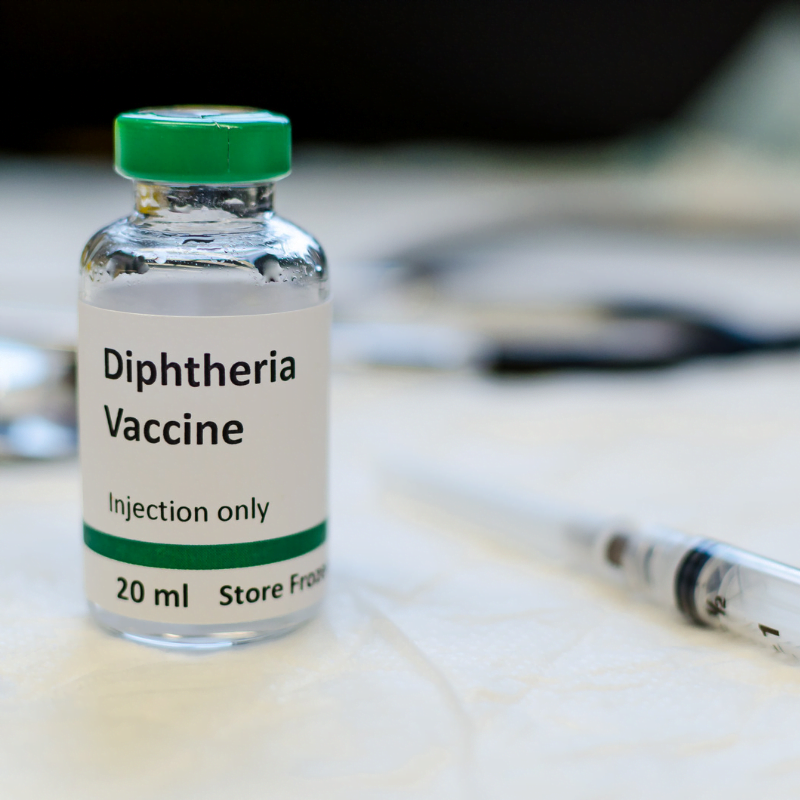
Diphtheria

Diphtheria is a dangerous bacterial infection that damages the mucous membranes in the nose and throat. Diphtheria can by avoided by the use of vaccines even through it is contagious from person to person.

WHAT CAUSES DIPHTHERIA?

Diphtheria is caused by a kind of bacteria called CORYNEBACTERUM DIPHTHERIAE. The disease is often passed from person to person or through touch with objects that have the bacteria on them, like a cup or used tissue. If you are in close proximity to someone who has diphtheria and they cough, sneeze or blow their nose, you could also contract the disease.
An infected person can potentially spread the bacterial infection for up to six weeks after the initial infection, even if they dont exhibit any diphtheria symptoms or signs.
The bacteria typically infect your throat and nose. The bacteria release harmful compounds known as toxins after you are infected. The poisons circulate throughout your bloodstream and frequently result in the formation of a thick, grey coating in the following bodily parts:
1) Throat.
2) Tongue.
3) Nose.
4) Airway.
These toxins can occasionally harm other organs including the heart, brain and kidneys. Complications that could be fatal can result from this, including:
1) Myocarditis ( inflammation of the heart).
2) Renal failure (kidney failure).
3) Muscular paralysis.

WHAT ARE RISK FACTORS.
Diphtheria is fairly common in developing countries where immunization rates are low. In these countries, children under age 5 and people over age 60 are particularly at risk of getting diphtheria. People are also at an increased risk of contracting diphtheria if they:
– aren`t up to date on their vaccinations.
– visit a country that doesn`t provide immunizations.
-live in unclean or crowded environment.
-have an immune system disorder such as AIDS.

WHAT ARE THE SYMPTOMS OF DIPHTHERIA?
Diphtheria symptoms frequently show up two to five days after the infection. While some people have moderate symptoms similar to the common cold, others don`t feel any symptoms similar at all.
A thick grey coating on the tonsils and throat is the most obvious and typical sign of diphtheria other typical symptoms include:
1) Fever.
2) Chills.
3) Rapid breathing.
4) Cough.
5) Sore Throat.
6) General fatigue.
7) Slurred speech.
8) Changes in vision.
9) Signs of shock.
HOW CAN DIPHTHERIA BE DIAGNOSED?
A diagnosis will be made by your doctor based on your symptoms and the results of a lab test. They obtain a sample from your sore or the back of your throat using a swab. The swab is subsequently sent to analysis and diagnosis.

HOW IS DIPHTHERIA TREATED?
Treatment for diphtheria starts immediately often even before the results of the lab tests are confirmed. To prevent organ damage your health care provider will administer diphtheria antitoxin. To treat infections, they`ll recommend antibiotics, usually penicillin or erythromycin.
To stop the spread of the disease, diphtheria patients are segregated from the general population. After taking antibiotics for around 48 hours, an infected person is no longer contagious. Tests will be be repeated to confirm that the bacteria are eliminated when therapy is finished. You will receive a vaccine to stop further illnesses after the bacteria are eliminated when therapy is finished. You will receive a vaccine to stop further illnesses after the bacteria are eliminated.

HOW IS DIPHTHERIA PREVENTED?
Antibiotics and vaccines can be used to prevent diphtheria. The vaccine for diphtheria is called DTap. It`s often administered in a single dose alongside the pertussis and tetanus vaccines. It takes five doses to fully protect against the DTap virus. Children receive it at the following ages trusted source:
1) 2 months.
2) 4 months.
3) 6 months.
4) 15-18 months.
5) 6 months.

A child may in extremely rare circumstances, develop an allergy to the immunization. This may cause lives or seizures that will eventually go away.
Since vaccines only remain effective for 10 years, your child will remain another vaccination around the age 12. it is advised that adults receive a single dose of a booster vaccine that include diphtheria, tetanus and pertussis. You will thereafter receive the tetanus-diphtheria(TD) vaccine every 10 years. By following these instructions, you or your child may be shielded from future diphtheria.

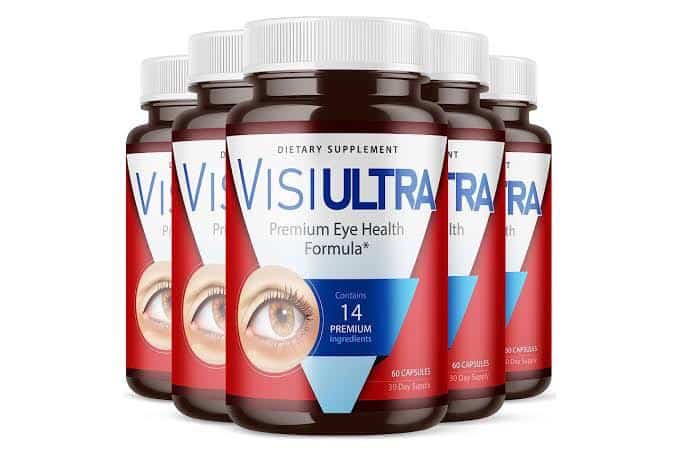
VisuUltra

Visiultra is a dietary supplement for supporting the eyes that improves vision while preserving clarity. This formula consists of a natural combination of 14 components that have been scientifically shown to reverse eyesight loss by addressing the underlying cause of eye conditions.
The all-natural remedy works by promoting the bodys natural healing process. The body produces adult repair cells with the assistance of active substances like spirulina and astaxanthin. The macular is the repaired by these cells, undoing any damage and regaining your vision.
Benefits of Visiultra.
1. Visiultra decline the root cause of slow age-related vision.
This all natural complex may aid your damaged macula and stop vision loss in its tracks by encouraging the creation of adult self-repair cells, which may slow down vision loss from the inside out.

2. Naturally support your vision.
The floaters, flecks and black spots will appear considerably less noticeable with your macula supported. Enjoy the freedom that comes with having clear eyesight. From operating a vehicle to making dinner on your own or even starting to read independently once more.

3.Defend against potential damage.
Numerous scientific studies have demonstrated the protective effects of substances including spirulina, astaxanthin and L-carnitine, which have also been proved to be potent inhibitors of disorders connected to vision against retinal damage.

4. Complete Freedom.
You`ll find yourself rediscovering joys you believed to have long since vanished once your vision is clear and your mind is at ease. You`ll be brimmimg into youthful vitality as you regain control of your life and begin to appreciate pother interest you had to put on hold, in addition to being able to read properly once more.

Can Vitamin C Really Help Prevent Colds and Flu?

 It’s such an oft-repeated thing it has become common knowledge: Vitamin C is what we need when we are coming down with a cold or flu. Many swear it helps them prevent winter ills; others say it eases and erases symptoms and helps them bounce back if they do get struck down. But what is the truth here? Is vitamin C the cold cure and immunity boost we may believe it to be?

Where did this idea come from?

The link between vitamin C and immunity is well established, in the sense that this is an essential vitamin that we need for the proper functioning of our immune system. Vitamin C plays a role in various processes in the body, including the production of white blood cells and antibodies. Having enough vitamin C in our bodies is important for our overall immune function, and our overall health.

This link was discovered way back before anyone had identified or named vitamins as vitamins, when it was found that sailors in the 18th century could recover quickly from scurvy when they ate citrus fruits, which we now know are high in vitamin C (it took until 1933 for the link to be fully understood).

We now know that this vitamin is crucial for collagen synthesis – it helps our skin heal and helps maintain bone, tendons and blood vessels – and it helps us absorb iron from the foods we eat. It is also an antioxidant, protecting cells from damage caused by harmful free radicals, reducing oxidative stress and promoting overall cellular health.

The idea of supplementing with vitamin C probably came from the fact that it is not stored in the body; we need to get it regularly from what we eat and drink in order to keep our levels up. The ‘insurance policy’ thinking that applies to most vitamins comes into play here: if we’re not getting enough from our food, we reason, why not top up with a supplement?

Do vitamin C supplements help us with colds and flu?

We know vitamin C is good for immunity. It is less clear, however, that supplements help with prevention or symptoms of colds and flu. Despite nearly a century of research, the evidence remains pretty mixed.

Taking vitamin C regularly as a supplement does not seem to prevent colds or flu in most people. There is an exception: there have been some studies looking at people under extreme physical stress, such as marathon runners and soldiers in sub-arctic conditions, where it was found that if the participants started taking vitamin C two to three weeks before their strenuous activities, their risk of developing a cold was reduced by about half.

For those of us who are not sub-arctic soldiers or marathoners, the evidence in large reviews shows that taking vitamin C does not prevent a cold. However, taking it regularly before you get the cold could shorten the amount of time you will be sick by around 10 percent. So a cold that would have lasted 10 days will be over in nine.

It has also been found that people who always took vitamin C had slightly milder cold symptoms. This seems to be particularly the case for children.

That said, taking vitamin C after your cold symptoms appear probably will not do any good. The evidence shows this does not have any effect on how long you will be ill for.

What about liposomal vitamin C?

Liposomal or lipo-spheric vitamin C seems to be all the rage. It comes with big claims – and a price tag to match. It is a form of vitamin C encapsulated in liposomes (tiny fat-like particles).

pills and multivitamins on a black backgroundPhoto: 123RF
There have been some studies looking at the effectiveness of liposomal vitamin C that suggest it appears to be absorbed better by the body. Whether that translates into any cold and flu benefits is not clear.

Any downsides to taking it?

Taking any vitamin C supplements in very high doses (more than 2000 milligrams a day, which is considered the safe upper limit) can cause diarrhoea and other digestive issues. There is no such risk in the vitamin C you get from food.

The only other downside is really that it is not doing anything, and you are simply excreting any excess in the form of, as nutritionists like to put it, expensive urine.

If not vitamin C… what can I take?

There is no magical thing that will protect us from viral illness (which hopefully we all know by now). But health experts stress that looking after ourselves as well as possible will help our immune system to stay in top shape, so that when we do get hit with a virus, we can handle it OK.

Nutritionist Nikki Hart is of this view, and cautions against singling out one vitamin as the solution.

“Vitamins, minerals, phytonutrients – they all work to repel oxidative damage”, she explains.

“So you can’t just label vitamin C as protective.
She stresses that the best way to get our vitamins – including vitamin C – is through food. Citrus fruit and other colourful fruits and vegetables are all useful here, and getting lots of those on our plates means we will easily hit the recommended daily intakes. Hart said food is best not only because it offers a highly bioavailable form of vitamin C, but we also get other goodies, too, like fibre and other vitamins.

No captionPhoto: Douglas Johns
She also said we need to remember all the things that boost immunity (and many other things too): physical activity, enough sleep, minimising alcohol and not smoking.

“The immune system is bigger than just vitamins and minerals.”

Lastly, there is one old bit of wisdom that might be true: one study found chicken soup is not only comforting, but it might have anti-inflammatory properties that lessen cold symptoms.

In other words, spending the supplement money on fresh produce might be a better, and more enjoyable, way of avoiding or treating a cold.

Diabetes

Diabetes also known as diabetes mellitus, is a group of common endocrine disease characterized by sustained high blood sugar level.
Diabetes is due to the pancreas not producing enough insulin or the cells of the body not responding properly to the insulin produced.
Diabetes affect people of all ages. Most forms of diabetes are chronic(long-life),and all forms are manageable with medications and/or life changes.
Glucose(sugar) mainly comes from carbohydrates in food and drugs. Its the body`s go-to source of energy. Your body carries glucose to all your body`s cell to use for energy. When glucose is in your blood stream, it needs assistance(a key) to get to where it needs to go. Insulin is the key, a hormone.
Hyperglycemia or high blood sugar, results from the blood stream`s accumulation of glucose which can happen if your pancreas doesn`t use it properly. Constantly high blood sugar levels over time can lead to health risks like heart disease, nerve damage and vision problems.
Types of Diabetes.
There four different types of diabetes, they include;

1)Type 1 Diabetes: Although it can occur at any age, this variety is typically identified in children, teenagers and young adults. In type 1 diabetes, the pancreas stops producing insulin. This implies that you must take insulin daily.

2) Type 2 Diabetes: This type can appear at any age, however it seems to occur more frequently in people over 40. when your body isn`t using the insulin properly your pancreas isn`t producing enough, type 2 diabetes develops.

3)Gestational Diabetes(diabetes in pregnancy): Some women experience this type of development when pregnant. After pregnancy, gestational diabetes typically disappears. The chance of acquiring type 2 diabetes in life is increased if you have gestational diabetes.

4)Prediabetes: This is the precursor type 2 diabetes. Although your blood glucose levels are above average they are not yet high enough to be given a type 2diabetes diagnosis.

Symptoms of Diabetes.
They include:
1)Dry mouth and increased thirst(polydipsia).
2)Urination on a regular basis
3)Fatigue.
4)Eye sight that is fuzzy.
5)Unexpected weight loss.
6)Numbness of the hand or feet.
7)Recurring yeast infections of the skin or vagina.
8)Wounds or sores that take a long time to heal.
9)Extremely dry skin.
Other symptoms that can occur with type 1 diabetes
-Nausea.
-Abdominal pain.
-Vomiting.
-Urinary tract infections or yeast infections.
Causes of Diabetes.
Diabetes, irrespective of the kind is caused by an excess of glucose in the blood. However, depending on the type of diabetes you have, there are several causes for elevated blood glucose levels.
Causes of diabetes include;
1) Insulin resistance: The main cause of type 2 diabetes is insulin resistance. Cells in your muscles, fat and liver become insulin resistant when they don`t react to insulin as it should. Insulin resistance is caused by a variety of illness and circumstances including obesity, inactivity, hormonal imbalance, heredity, and some drugs.

2) Autoimmune disease: When your immune system destroys the insulin producing cells in your pancreas, you can develop type 1 diabetes and latent autoimmune diabetes of adults(LADA).

3) Hormonal imbalance: The placenta releases substances that lead to insulin resistance through out pregnancy. If your pancreas can`t create enough insulin to overcome the insulin resistance, you can develop gestational diabetes. Acromegaly and cushings syndrome (two other hormone related disease) can also lead to type 2 diabetes.

4)Pancreatic damage: Your pancreas capacity to produce insulin may be impacted by a condition, surgery or injury, leading to type 3c diabetes.

5)Genetic mutations: Onset diabetes of the young (MODY) and neonatal diabetes may be caused specific genetic mutations.

Long term usage of several drugs, such as corticosteroids and Hiv/Aids treatment can result in type 2 diabetes.
Complications of Diabetes.
Possible complications include;
1)Kidney damage.
2)Eye damage.
3)Heart disease and problem.
4)Nerve damage(Neuropathy).
5)Foot damage.
6)lots of hearing.
7)Depression.
8)Dementia.
9)Dental problems.
10)Erectile dysfunction.
Other possible complications for women who have gestational diabetes include:
-High blood pressure.
-A higher risk of developing gestational diabetes into future pregnancies.
-A higher risk of developing type 2 diabetes in the future.
Diagnosis of Diabetes.
1)Fasting blood glucose test: For this test you must fast for eight hours the previous evening before having blood drawn the following morning. Fasting blood glucose levels below 100mg/dl are considered normal. Prediabetes is indicated by a reading between 100 and 125mg/dl.
Diabetes is indicated if your level is 126mg/dl or greater. As food can greatly affect blood sugar, this test allows your provider to see your base line blood sugar.

2)Random blood glucose test: You can perform this blood test whenever you like without having to fast. Diabetic conditions are indicated by blood glucose levels of 200mg/dl or above.

3) A/C test: Although the A/C test requires blood, you don`t have to fast before having it done. Your medical practitioner will learn from the results. what your typical glucose level has been during the previous two to three months. According to the american diabetes association, your A/C is in the non- diabetes range if it is 5.6% or lower if between 5.7% and 6.4%, pre-diabetes is present. If your result is 6.5% or greater, you likely have diabetes.

How is diabetes managed?
The management of diabetes requires a number of strategies because it is a complex condition. Furthermore, because diabetes has a unique impact on each individual, management strategies must be highly tailored.
The following are the top five(5) components of managing diabetes:
1)Blood sugar monitoring: The effectiveness of your current treatment strategy can be assessed by regularly checking your blood sugar(glucose). It provides you advice on how to take care of your diabetes on a daily and occasionally even on daily basis. With a glucose monitor (CGM) , you can check your levels frequently to track your progress. The ideal blood sugar range for you will be chosen in consultation with your healthcare practitioner.

2)Oral diabetes drugs: Oral diabetes medications assist maintain blood sugar levels in persons with diabetes who still make some use of insulin, primarily those into type 2 diabetes and prediabetes. Oral medications may also be required for those with gestational diabetes.
There are numerous varieties, the most popular drug is metformin

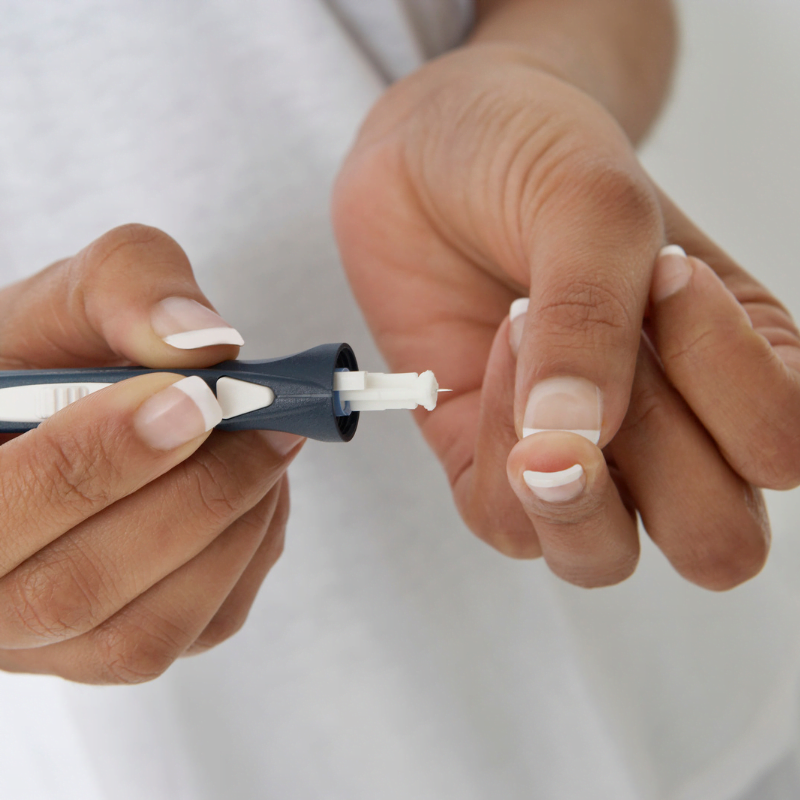
3)Insulin: To maintain their health and control their diabetes, type 1 diabetes must inject synthetic insulin, Insulin may be needed by some type 2 diabetes. There are numerous varieties of synthetic insulin. They all begin to work differently and last in your body for various amounts of time. The four primary methods of ingesting insulin are rapid acting inhaled insulin, insulin pens, insulin pumps, and injectable insulin with a syringe(shot).

4) Diet: Considering how significantly food affects blood sugar levels, meal planning and selecting a balanced diet and important components of managing diabetes. An important aspect of managing diabetes if you take insulin is keeping track of the carbs in your diet. Your need for insulin during meals is influenced by the quantity of carbohydrates you consume. Additionally, healthy diet can lower your chance of developing heart disease and help you control your weight.

5)Exercise: Since exercise improves insulin sensitivity(and lowers insulin resistance),it is crucial for all diabetes to regularly engage in physical activity. As a result of the elevated risk for heart disease, its also critical to keep healthy;
1)Weight.
2)Cholesterol.
3)Blood pressure.
Importance of HbA1c in diabetes management.
Measuring your fasting and random blood sugar is not enough to check on your diabetes. Although, monitoring blood glucose levels when fasting and after meals is crucial, these tests can only measure your blood sugar at a specific period. Depending on what you ate the night before or at the proceeding meal, your findings may differ. The HbA1c test however examines the 3-month data.
HbA1c values for people with diabetes provide a good indication of how well their diabetes is controlled. According to scientific data, a lower Hba1c value indicates a lower risk of developing diabetic complications. Raised Hba1c values in individuals with or without diabetes have also been recognized as a stand alone risk factor for heart disease and stroke.
An Hba1c test requires no specific preparations, unlike fasting or past meal blood sugar. No need to observe a fast. Any time of day is acceptable for providing a test sample.
In general, HbA1c levels typically be checked every three months in persons with diabetes and pre-diabetes. An HbA1c test should be performed every six months, if you are healthy but have a family history of diabetes or believe your lifestyle makes you more likely to acquire diabetes. The frequency of your medical tests can be determined by controlling a health practitioner
.
Prevention of Diabetes.
Diabetes in its autoimmune and hereditary variants cannot be prevented. But there are several actions you can take to reduce your chance of getting gestational diabetes, type 2 diabetes and prediabetes such as:
1)Embrace a healthy diet.
2)Engage in atleast 3 months workout for 5 days in a week.
3)Work toward achieving a healthy weight.
4)Stress management.
5)Consume alcohol in moderation.
6)Get enough rest(usually 7-9 hours) and seek help if you have issues sleeping.
7)Stop using Tobacco.

Add to cart