Benefits of Lycopene

Lycopene is a type of organic pigment called a carotenoid. It is related to beta-carotene and gives some vegetables and fruits (e.g., tomatoes) a red color.

Lycopene is a powerful antioxidant that might help protect cells from damage. It’s found in tomato, watermelon, red orange, pink Lycopene is a plant nutrient with antioxidant properties. It’s the pigment that gives red and pink fruits, such as tomatoes, watermelons and pink grapefruit, their characteristic color.

some fruits containing lycopene include; grapefruit, sun-dried tomatoes, tomato purée, cooked sweet red peppers, papaya, watermelon, fresh tomatoes, apricot, rose hip, and guava.

HEALTH BENEFITS

STRONG ANTIOXIDANT PROPERTIES

Lycopene is an antioxidant in the carotenoid family. When free radical levels outnumber antioxidant levels, they can create oxidative stress in the body. Lycopene’s protective effects appear particularly beneficial to those with low blood antioxidant levels or high levels of oxidative stress.

PROTECT AGAINST CERTAIN TYPES OF CANCER

Lycopene’s strong antioxidant action prevent or slow down the progression of some types of cancer. This includes older adults and people who smoke or have diabetes or heart disease.

PROMOTE HEART HEALTH

Lycopene also help lower the risk of developing or prematurely dying from heart disease.
It reduces free-radical damage, total and “bad” LDL cholesterol levels and increase “good” HDL cholesterol.

PROSTATE CANCER

Taking lycopene by mouth might slightly reduce the risk of developing prostate cancer. It might also slightly reduce the risk of prostate cancer returning.

Other health benefits include;
-Protection against sunburn
-Promotes good eyesight
-Reduces pain
-Contributes to stronger bones
-Protects the brain

DOSAGE

There is currently no recommended daily intake for lycopene. However, from the current studies, intakes between 8–21 mg per day appear to be most beneficial.

Lycopene supplements are also available.


Written by: Oreoluwa Hassan

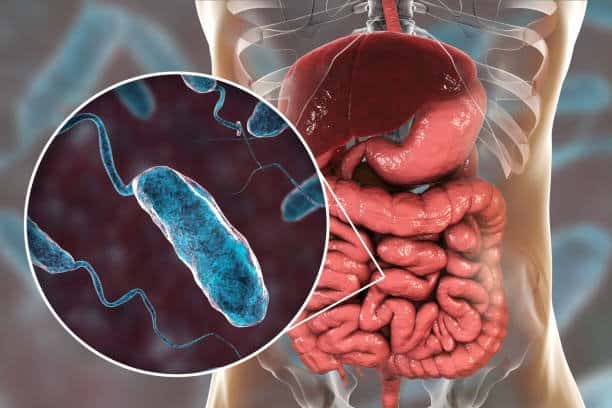
Cholera

This is a bacterial disease causing severe diarrhoea and dehydration, usually spread in water.

Cholera is an infectious disease that causes severe watery diarrhea, which can lead to dehydration and even death if untreated. It is caused by eating food or drinking water contaminated with a bacterium called Vibrio cholerae.

Cholera is fatal if not treated right away.

Cholera has been nicknamed the “blue death” because a person’s skin may turn bluish-gray from extreme loss of fluids.

According to World Health Organization (WHO), there are 1.3 million to 4 million cases of Cholera each year.

CAUSES

Vibrio cholerae, the bacterium that causes cholera, is usually found in food or water contaminated by feces from a person with the infection.

Common sources include:

•Municipal water supplies

•Ice made from municipal water

•Foods and drinks sold by street vendors

•Vegetables grown with water containing human wastes

•Raw or undercooked fish and seafood caught in waters polluted with sewage.

SYMPTOMS

Symptoms of cholera is between a few hours to five days after infection. About one in 20 people infected have severe watery diarrhea accompanied by vomiting, which can quickly lead to dehydration.

PREVENTION
HOME REMEDIES:

You can protect yourself and your family by using only water that has been boiled, water that has been chemically disinfected, or bottle water.

You should also avoid raw foods, including the following:

•Unpeeled fruits and vegetables

•Unpasteurized milk and milk products

•Raw or under-cooked meat or shellfish

•Fish caught in tropical reefs, which may be contaminated.

TREATMENT

Treatment consists of fluids and antibiotics such as oral rehydration therapy and IV fluids.


Written by: Sarah Amah

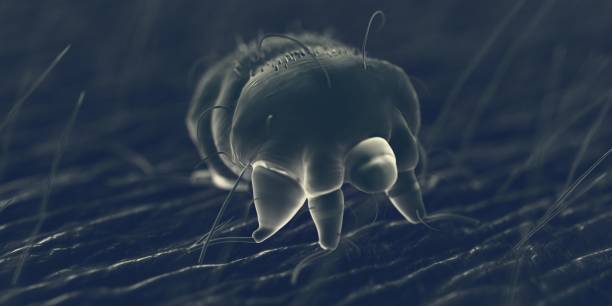
Scabies

Scabies is a contagious, intensely itchy skin condition caused by an infestation of the itch mite called Sarcoptes scabiei, that spreads quickly through close physical contact in a family, school or nursing home.

Scabies infestation occurs worldwide and is very common. Scabies can affect anyone of any age (including a baby or child) or race. It has been estimated that about 300 million cases occur each year throughout the world. Human scabies has been reported for over 2,500 years. Scabies has been reported to occur in epidemics in nursing homes, hospitals, long-term care facilities, and other institutions.

SYMPTOMS
After the initial exposure to scabies, it can take 2 to 5 weeks for symptoms to appear. The symptoms usually develop more quickly in people who’ve had scabies before, often as soon as 1 to 4 days after exposure.

The hallmark symptoms of scabies include a rash and intense itching that gets worse at night.

Common sites for scabies in older children and adults include the:

-wrist

-elbow

-armpit

-nipple

-penis

-waist

-buttocks

-area between the fingers

Scabies in babies and toddlers, and sometimes the very elderly or immuno-compromised, can show up on the:

-head

-face

-neck

-hands

-soles of the feet

HOME REMEDIES
1. Tea Tree Oil:
Tea tree oil is an effective topical treatment for scabies since it relieves itching and heals the rash on the skin, but it doesn’t work as well on the eggs deeper in the skin. You can also add a few drops of tea tree oil to a squirt bottle, and spray it on your bedding.

Tea tree oil is:

-antibacterial

-anti-inflammatory

-acaricidal (able to kill mites)

-antipruritic (relieves itching)

2. Neem

Neem oil, soaps, and creams can be a useful alternative treatment for scabies. It has anti-inflammatory, antibacterial, and analgesic properties.

3. Aloe vera:

Aloe vera gel has a soothing, healing effect on sunburned skin. It can also alleviate itching and kill scabies. A 2009 study found that aloe vera gel was as successful as benzyl benzoate (a common prescription treatment) in treating scabies. No side effects were noted.

5. Clove oil

Clove oil has antimicrobial, anesthetic, and antioxidant properties that contribute to its healing powers. It’s also an effective insecticidal. One study published in 2010 showed that clove oil was effective in killing scabies.

Research also shows that the following essential oils are recommended to treat scabies:

-lavender

-thyme

-peppermint

-anise seed

-clove

-lemongrass

-orange

-nutmeg

PERSONAL HYGIENE

The scabies mite can survive for up to four days when not on a human host, so it’s important to treat your home to prevent a re-infestation. Wash all bedding, clothes, and towels in hot water (122°F or 50°C), and dry them in a hot dryer.

Medications for scabies itch:
-antihistamines, such as diphenhydramine (Benadryl) or pramoxine lotion to help control the itching

-antibiotics to kill any infections that develop as a result of constantly scratching your skin

-steroid creams to relieve swelling and itching, etc.

– creams such as Permethrin

Source: Healthline

Written by: Sarah Amah

Pneumonia

What is Pneumonia?

Pneumonia is an infection that inflames the air sacs in one or both lungs. The air sacs may fill with fluid (purulent material), causing a cough with phlegm (a slimy substance from deep in your lungs) or pus, fever, chills, and difficulty breathing.

What causes Pneumonia?

Bacterial, viral, and fungal infections can cause pneumonia.

Bacteria are the most common causes. Bacterial pneumonia can occur on its own and can also develop after you’ve had certain viral infections, such as a cold or the flu.

Viruses that infect the respiratory tract may cause pneumonia.
Viral pneumonia is often mild and goes away on its own within a few weeks. Sometimes it is serious enough that you need to get treatment in a hospital. If you have viral pneumonia, you are at risk of also getting bacterial pneumonia.

Fungal pneumonia is more common in people who have chronic health problems or weakened immune systems.

Symptoms of Pneumonia

The symptoms can vary for different groups. These include:
Fever
Chills
Cough, usually with phlegm
Shortness of breath
Chest pain when you breathe or cough
Nausea and/or vomiting
Diarrhea

Pneumonia complications

Sometimes pneumonia can cause serious complications, such as:
Bacteremia: Bacteria move into the bloodstream, it can lead to septic shock.

Lung abscesses: Collections of pus in the cavities of the lungs.

Pleural disorders: These are conditions that affect the pleura, the tissue that covers the outside of the lungs and lines the inside of your chest cavity.

Kidney failure

Respiratory failure

Who is at risk of Pneumonia?

Anyone can get pneumonia, but certain factors can increase your risk:

– Children aged 2 and under, as well as adults aged 65 and up
– Exposure to certain chemicals, pollutants, or toxic fumes.
– Smoking, heavy alcohol use, and malnourishment,
– Having a lung disease
– A weakened immune system
– Coughing or swallowing difficulties as a result of a stroke or another condition.

Treatments for Pneumonia

Treatment for pneumonia depends on the type of pneumonia, which germ is causing it, and how severe it is:
– Antibiotics treat bacterial pneumonia and some types of fungal pneumonia.

– Antiviral medicines for viral pneumonia

– Antifungal medicines treat other types of fungal pneumonia

– Quit Smoking

Smoking irritates your lungs and interferes with the normal defenses that protect you against infection. If you quit smoking, your lungs will gradually heal themselves. Your doctor can recommend programs or nicotine replacement systems that can help you successfully quit.

– Vitamins and Minerals

Vitamin C should be part of your daily diet. It is found in fruit (strawberries, papaya, and kiwi) and vegetables (peppers, broccoli, and peas). Women should get 75 mg of vitamin C per day, and men should get 90 mg. If you do not consume enough vitamin C in your diet, you may want to talk to your doctor about taking a supplement. Research studies suggest that vitamin C may prevent and treat pneumonia.

Zinc is an essential mineral that is found in almost every cell of the body. It is necessary for proper growth and immune function. If someone is deficient in this mineral, taking a daily zinc supplement may help to reduce the risk of developing pneumonia. Researchers have found that this is especially true for children who live in developing countries. If you want to take zinc or give it to your child, talk to the doctor first to find out if this is a good choice.

Use Precautions to Avoid Infections

Here are some basic steps to help you avoid infection and keep your lungs healthy:

  • Wash your hands frequently.
  • Avoid being near people who are ill.
  • Avoid exposure to toxic or damaging fumes. Exposure to gases, chemicals, air pollution, and secondhand smoke can irritate your lungs and make them more vulnerable to infection.
  • Eat a healthful diet. Maintaining good nutrition helps keep your immune system strong.
  • Exercise regularly. Exercise can help keep your immune system functioning optimally.
  • Do not use (IV) drugs. Using illegal drugs can increase your risk of getting pneumonia, as well as other infectious diseases.

Get Vaccinated

Vaccines can be particularly helpful at protecting you against developing pneumonia:

  • Influenza vaccine
  • Pneumococcal vaccine
  • Haemophilus influenzae vaccine

Influenza vaccine protects you against the types of influenza that are predicted to be in your community during cold season. You should get the flu shot yearly because having influenza puts you at a high risk of developing pneumonia.

Children should receive a series of pneumonia vaccines to prevent specific bacterial infections that cause pneumonia. A different pneumococcal vaccine should be given to adults 65 years and older and to people at risk of pneumonia.

Haemophilus vaccine is given to protect against a specific bacteria that can cause pneumonia or meningitis. This vaccine is given to children who are younger than 5 years old. It is often given to infants starting at 2 months of age.


Written by: Oreoluwa Hassan

Typhoid Fever

Typhoid fever is a life-threatening infection caused by the bacterium Salmonella Typhi. It is usually spread through contaminated food water. Once Salmonella Typhi bacteria are eaten or drunk, they multiply and spread into the bloodstream.

SYMPTOMS include:

? Prolonged high fever,

? Fatigue

? Headache,

? Nausea

? Abdominal pain

? Constipation or Diarrhoea.

Typhoid is diagnosed by detecting the presence of S. typhi via blood, stool, urine, or bone marrow sample.

RISK FACTORS

Typhoid risk is higher in populations that lack access to safe water and adequate sanitation.
Poor communities and vulnerable groups including children are at highest risk.

TREATMENT

The only effective treatment for typhoid is antibiotics. The most commonly used are ciprofloxacin (for non-pregnant adults) and ceftriaxone.

As resistance to antibiotics has emerged including to fluoroquinolones, newer antibiotics such as cephalosporins and azithromycin are used in the affected regions.

Other than antibiotics, it is important to rehydrate by drinking
adequate water.

PREVENTION

– Vaccination

Two vaccines have been used for many years to protect people from typhoid fever:

This can be achieved by oral medication or a one-off injection

The following are some general rules to follow to help minimize the chance of typhoid infection:

?Drink bottled water, preferably carbonated.

?If bottled water cannot be sourced ensure water is heated for at least one minute before consuming.

?Be wary of eating anything that has been handled by someone else.

?Avoid eating at street food stands, and only eat food that is still hot.

?Do not have ice in drinks.

?Avoid raw fruit and vegetables, peel fruit yourself, and do not eat the peel.

?Avoid raw milk and products made from raw milk. Drink only pasteurized or boiled milk.

Foods to eat

On the typhoid diet, you should opt for foods lower in fiber, such as cooked vegetables, ripe fruits, and refined grains.

It’s also important to stay hydrated and drink plenty of water.

Here are some foods to enjoy on the typhoid diet:

  • Cooked vegetables: potatoes, carrots, green beans, beets, squash
  • Fruits: ripe bananas, melons, applesauce, canned fruit
  • Grains: white rice, pasta, white bread, crackers
  • Proteins: eggs, chicken, turkey, fish, tofu, ground meat
  • Dairy products: low fat or fat-free pasteurized milk, yogurt, cheese, and ice cream (as tolerated)
  • Beverages: bottled water, herbal tea, coconut water, juice, broth

Foods to avoid

Foods that are high in fiber should be limited on the typhoid diet to help ease digestion.

This includes raw fruits and vegetables, whole grains, nuts, seeds, and legumes.

Spicy foods and foods that are high in fat may also be difficult to digest and should be limited on the typhoid diet.

Here are some foods that you should limit or avoid:

  • Raw vegetables: broccoli, kale, cauliflower, cabbage, onions
  • Fruits: dried fruit and raw berries, pineapple, and kiwi
  • Whole grains: quinoa, couscous, barley, buckwheat, brown rice
  • Nuts: almonds, pistachios, macadamia nuts, walnuts
  • Seeds: pumpkin seeds, flax seeds, chia seeds
  • Legumes: black beans, kidney beans, lentils, chickpeas
  • Spicy foods: hot peppers, jalapeños, paprika, cayenne pepper
  • Fatty foods: donuts, mozzarella sticks, fried chicken, potato chips, onion rings

In conclusion, even when the symptoms go away, people may still be carrying typhoid bacteria, meaning they can spread it to others through their faeces.

It is important for people being treated for typhoid fever to do the following:

?Take prescribed antibiotics for as long as the doctor has prescribed.

?Wash their hands with soap and water after using the bathroom, and do not prepare or serve food
people. This will lower the chance of passing the infection on to someone else.

?Have their doctor test to ensure that no Salmonella Typhi bacteria remain in their body.


Written by: Chinonye Machie

Tuberculosis

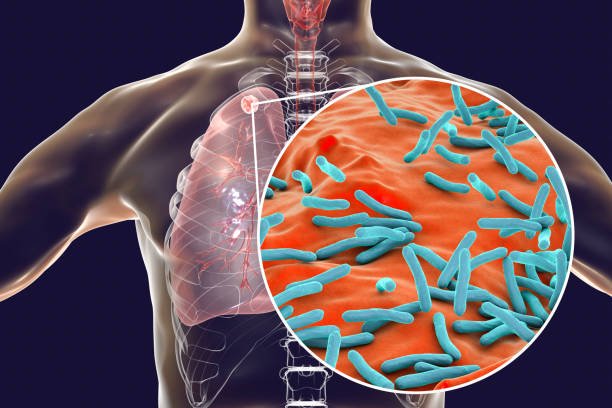
Tuberculosis is a potentially serious infectious bacterial disease that mainly affect the lungs.
The bacteria that cause TB are spread when an infected person coughs or sneezes.

CAUSES

Tuberculosis (TB) is caused by a bacterium called Mycobacterium tuberculosis.

The bacteria usually attack the lungs, but TB bacteria can attack any part of the body such as the kidney, spine, and brain. not everyone infected with TB bacteria becomes sick.

SYMPTOMS

Most people infected with the bacteria that cause tuberculosis don’t have symptoms.

When symptoms do occur, they usually include a cough (sometimes blood-tinged), weight loss, night sweats and fever.

People may experience:

?️Pain areas: in the Chest

?️Pain circumstances: can occur while breathing

?️Cough: can be chronic or with blood

?️Whole body: chills, fatigue, fever, loss of appetite, malaise, or night sweats

?️Also common: wasting, muscle atrophy, phlegm, shortness of breath, or swollen lymph nodes

HOW IT SPREADS

By airborne respiratory droplets (coughs or sneezes).

TB is spread from person to person through the air.

Tuberculosis is curable and preventable

TREATMENT

If you have latent TB, your doctor might recommend treatment with medication if you’re at high risk of developing active TB.

For active tuberculosis, you must take antibiotics for at least six to nine months.

The exact drugs and length of treatment depend on your age, overall health, possible drug resistance and where the infection is in your body.

Most common TB drugs
If you have latent tuberculosis, you might need to take only one or two types of TB drugs.

Active tuberculosis, particularly if it’s a drug-resistant strain, will require several drugs at once.
The most common medications used to treat tuberculosis include:

* Isoniazid

* Rifampin (Rifadin, Rimactane)

* Ethambutol (Myambutol)

* Pyrazinamide

If you have drug-resistant TB, a combination of antibiotics called fluoroquinolones and injectable medications, such as amikacin or capreomycin (Capastat), are generally used for 20 to 30 months.

Some types of TB are developing resistance to these medications as well.

Some drugs might be added to therapy to counter drug resistance, including:

* Bedaquiline (Sirturo)

* Linezolid (Zyvox)


Written by: Ruth Olusegun

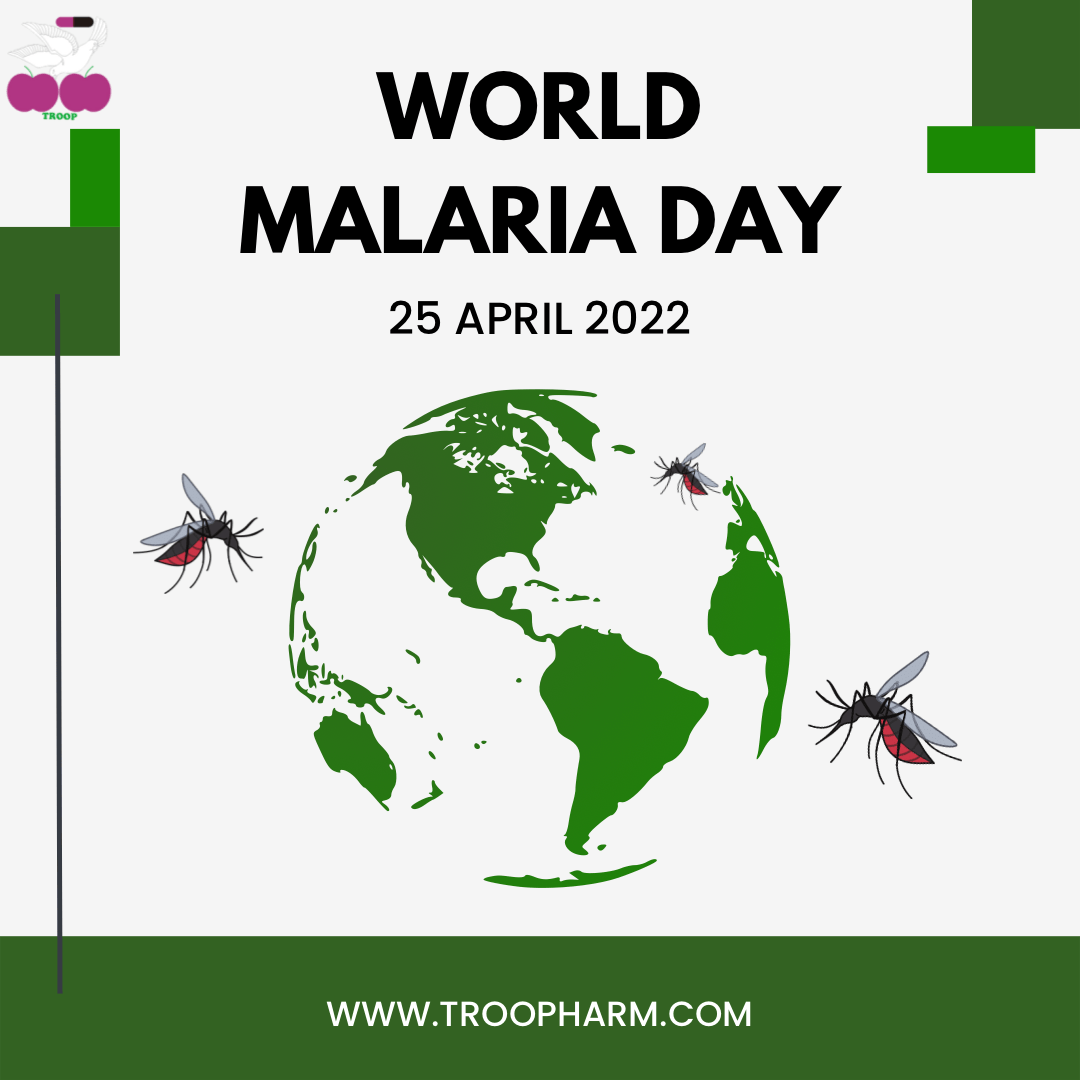
Happy World Malaria Day 2022

Malaria is a life-threatening disease. It’s typically transmitted through the bite of an infected Female Anopheles mosquito.
Infected mosquitoes carry the Plasmodium parasite, When this mosquito bites you, the parasite is released into your bloodstream.
Once the parasites are inside your body, they travel to the liver, where they mature. After several days, the mature parasites enter the bloodstream and begin to infect red blood cells.
Within 48 to 72 hours, the parasites inside the red blood cells multiply, causing the infected cells to burst open.
CAUSES OF MALARIA 
Malaria can occur if a mosquito infected with the Plasmodium parasite bites you.
There are four kinds of malaria parasites that can infect humans:
?Plasmodium vivax
?P. ovale
?P. malariae
?P. falciparum: causes a more severe form of the disease and those who contract this form of malaria have a higher risk of death. An infected mother can also pass the disease to her baby at birth. This is known as congenital malaria.
Malaria is transmitted by blood, so it can also be transmitted through:
?an organ transplant
?a transfusion
?use of shared needles or syringes
The parasites continue to infect red blood cells, resulting in symptoms that occur in cycles that last two to three days at a time.
SYMPTOMS OF MALARIA 
?shaking chills that can range from moderate to severe
?high fever
?profuse sweating
?headache
?nausea
?vomiting
?abdominal pain
?diarrhea
?anemia
?muscle pain
?convulsions
?coma
?bloody stools
TREATMENT 
Antimalarial drugs work by killing the parasite present in the affected red blood cells.
There are several antimalarial drugs that differ in their structure with each working uniquely to kill the parasite.
?Artemether/lumefantrine: (Coartem) Inhibits nucleic acid and protein synthesis and the parasite through endoperoxide or possibly by inhibiting beta-hematin formation.
?Artesunate: Contains endoperoxide bridge activated by heme iron and leads to oxidative stress; it inhibits protein and nucleic acid synthesis and ultrastructural changes and reduces parasite growth and survival.
?Atovaquone: Inhibits the electron transport chain at cytochrome bc1 complex and collapses parasite mitochondrial membrane in Plasmodium.
?Atovaquone/proguanil: Disrupts electron transport and collapses the mitochondria, whereas proguanil inhibits enzyme dihydrofolate reductase essential for reproduction of the parasite.
?Chloroquine: Acts against erythrocytic forms of Plasmodium; however, the exact mechanism of action is unknown.
?Hydroxychloroquine sulfate: Exact action against Plasmodium is unknown. As it is a weak base, it may affect acid vesicles of the parasite and inhibit polymerization of heme. It may also inhibit other essential enzymes.
?Mefloquine: Structural analog of quinine; although its exact mechanism is unknown, it kills schizonts in the blood. This may increase intravesicular pH in parasites.
?Pyrimethamine: Folic acid antagonist, selectively inhibiting plasmodial form of dihydrofolate reductase enzyme and reducing the production of folic acid required for nucleic acid synthesis in the parasite.
?Quinidine: Builds up in the food vacuole of the parasite and forms a complex with heme and starves the Plasmodium to death.
?Quinine: Although the mechanism of action of this drug is unknown; quinine may disrupt Plasmodium DNA transcription/replication and interferes with the digestion of hemoglobin. This leads to starvation and death of the parasite.
PREVENTION OF MALARIA 
?being aware of the risk
?preventing mosquito bites, for example, by using mosquito net, insect repellant and covering the arms and legs
?taking antimalarial tablets when traveling to an area where malaria occurs
?getting a prompt diagnosis and treatment if someone thinks they may have the disease
?administering the vaccine to children who live in places where malaria is endemic
?using a LONG LASTING INSECTICIDE TREATED NET
We at Troop Pharmaceuticals Ltd, have our Long Lasting Insecticide Treated Nets available in various sizes from the smallest bed to the king sized bed.

If mosquitoes trouble you at night, you should seriously think about using our mosquito net. It is effective in keeping mosquitoes away and it’s safe!

Here are some main advantages of using our mosquito net.

1. It’s Long Lasting

Our Insecticide Treated Nets are Long Lasting which means they can last for 3-5 years or survive 20 washes before they lose their effectiveness! The texture is also cotton which prevents heat when being used and doesn’t tear easily!!

2. Improves Your Sleep Quality

If mosquitoes and bugs are present in your room, you can have a tough time falling and staying asleep at night. Lack of sleep on a consistent basis, in turn, can be a big health hazard. It is linked to several health conditions, including, but not limited to, high blood pressure and depression.

While many people think a mosquito net is uncomfortable, if anything, the opposite is true. Our mosquito net will ensure that these pesky, little creatures that feed on your blood don’t bother you at night, allowing you to sleep peacefully every night.

3. It is pure cotton

This cotton texture makes it heat resistant and durable without any tear for as long as it is used. se

Click here to shop for your Long Lasting Insecticide Treated Net http://backup.troopharm.com/product-category/insecticide-treated-net/


Written by: Josphine Wuraola

Meningitis

Meningitis is an inflammation (swelling) of the protective membranes covering the brain and spinal cord.
According to WHO, Meningitis is a serious infection of the meninges, the membranes covering the brain and spinal cord. It is a devastating disease and remains a major public health challenge. The disease can be caused by many different pathogens including bacteria, fungi or viruses, but the highest global burden is seen with bacterial meningitis.

TRANSMISSION
The bacteria that cause meningitis are transmitted from person-to-person through droplets of respiratory or throat secretions from carriers. Close and prolonged contact – such as kissing, sneezing or coughing on someone, or living in close quarters with an infected person, facilitates the spread of the disease. The average incubation period is 4 days but can range between 2 and 10 days.

There are many types of meningitis, but our focus is on bacterial meningitis.

BACTERIAL MENINGITIS SYMPTOMS

Bacterial meningitis symptoms develop suddenly. They may include:

-altered mental status

-nausea

-vomiting

-sensitivity to light

-irritability

-headache

-fever

-chills

-stiff neck

-sleepiness

-lethargy

MENINGITIS IN INFANTS

Babies who develop meningitis may show different signs and symptoms of an infection than adults. These symptoms can include:

-fever

-body or neck stiffness

-high-pitched crying

-inconsolable behaviors

-sleepy and difficulty waking

-irritable and grumpy

-doesn’t feel well and has a weak suck during breastfeeding.

MENINGITIS IN CHILDREN

Meningitis becomes more common in children as they grow older and reach high school and college ages. Symptoms of viral and bacterial meningitis in children are similar to symptoms in adults. These include:

-sudden fever

-body and neck aches

-confusion or disorientation

-nausea

-vomiting

-tiredness or fatigue

MENINGITIS IN ADULTS

The risk for several forms of meningitis decreases after young adulthood.
However, older individuals who are living with underlying diseases or health conditions that weaken the immune systems can be at a greater risk — especially older adults who reside in assisted living facilities, where infections can spread quickly.

HOW IS MENINGITIS TREATED?

Treatment is determined by the cause of the meningitis.

-Bacterial meningitis requires immediate hospitalization. Early diagnosis and treatment will prevent brain damage and death. Bacterial meningitis is treated with intravenous antibiotics and steroids. There’s no specific antibiotic for bacterial meningitis. It depends on the bacteria involved.

PREVENTION OF MENINGITIS

Maintaining a healthy lifestyle, especially if you’re at increased risk, is important. This includes:

-getting an adequate amount of rest

-not smoking

-avoiding contact with sick people

-washing your hands often, especially if you work in a daycare or healthcare setting.

Take care of your health today and stay healthy.


Source: Healthline

Written by: Sarah Amah

Gonorrhea

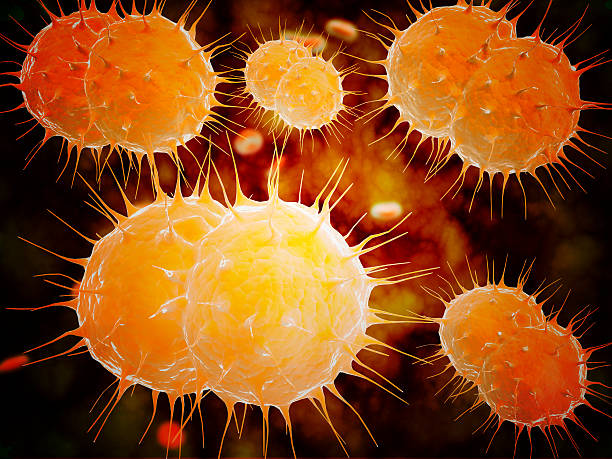
Gonorrhea is an infection caused by a sexually transmitted bacterium that infects both males and females. Gonorrhea most often affects the urethra, rectum or throat.

In females, gonorrhea can also infect the cervix.

Gonorrhea is most commonly spread during vaginal, oral or anal sex. But babies of infected mothers can be infected during childbirth.

In babies, gonorrhea most commonly affects the eyes.

CAUSES

Gonorrhea is caused by the bacterium Neisseria gonorrhoeae. They thrive in warm, moist environments, and the infection can develop in any of the body’s mucous membranes, including those in the genitals, mouth, throat, eyes, and rectum.

Gonorrhea can pass from person to person through sexual contact that involves the penis, vagina, anus, or mouth. It can pass on without a male ejaculating. Gonorrhea can also transmit to a newborn during delivery.

SYMPTOMS

Many people with gonorrhea have no symptoms.

Those who do often experience a burning sensation during urination.

A person with a penis might also notice:

?️white, green, or yellow discharge

?️pain or swelling in the testicles

?️inflammation or swelling of the foreskin

A person with a vagina might have:

?️increased vaginal discharge and bleeding between periods.

?️Rectal symptoms may also occur if a person has anal sex.

These may include:

– discharge

– itching around the anus

– soreness

– bleeding

– pain during bowel movements

If gonorrhea results from oral sex, the infection can be located in the throat, but it may cause no symptoms. Gonorrhea is a bacterial infection, and if semen or vaginal fluid that contains this bacteria enters the eye, the person may develop conjunctivitis, commonly called “pink eye.”

COMPLICATIONS

Untreated gonorrhea can lead to major complications, such as:

?️Infertility in women.

?️Infertility in men.

?️Infection that spreads to the joints and other areas of your body.

?️ Increased risk of HIV/AIDS.

?️ Complications in babies.

TREATMENT

Everyone with gonorrhea needs treatment to stop the infection from progressing. The treatment involves antibiotics.

The Centers for Disease Control and Prevention (CDC) recommends a single dose of 500 milligrams of intramuscular ceftriaxone (Rocephin).

* Addition of 3 days dose of azithromycin 500mg or 1g

* 5 days dose of ofloxacin 200mg or levofloxacine 500mg can also be used

* A immune defense supplement can also be added

PREVENTION

Abstaining from sex, using a condom if you have sex and being in a mutually monogamous relationship are the best ways to prevent sexually transmitted infections.


Written by: Ruth Olusegun

Whooping Cough

What Is Whooping Cough?
Whooping cough (also known as pertussis) is a highly contagious respiratory tract infection.
Whooping Cough Symptoms
At first, whooping cough has the same symptoms as the average cold:
• Mild coughing
• Sneezing
• Runny nose
• Low fever (below 102 F)
You may also have diarrhea early on.
After about 7-10 days, the cough turns into “coughing spells” that end with a whooping sound as the person tries to breathe in air.
Because the cough is dry and doesn’t produce mucus, these spells can last up to 1 minute. Sometimes it can cause your face to briefly turn red or purple.
Most people with whooping cough have coughing spells, but not everyone does.
Infants may not make the whooping sound or even cough, but they might gasp for air or try to catch their breath during these spells. Some may vomit.
Sometimes adults with the condition just have a cough that won’t go away.
Causes
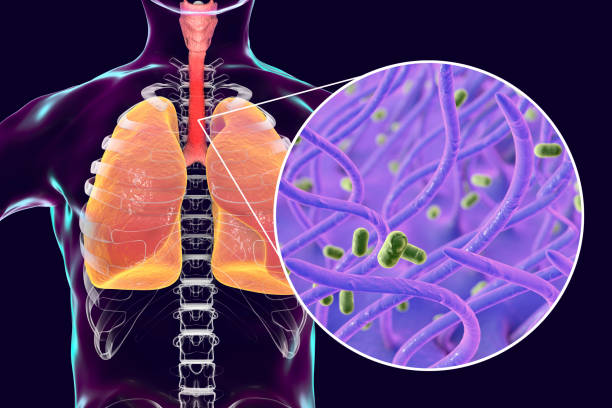
Whooping cough is caused by a type of bacteria called Bordetella pertussis. When an infected person coughs or sneezes, tiny germ-laden droplets are sprayed into the air and breathed into the lungs of anyone who happens to be nearby.
When the bacteria get into your airways, they attach to the tiny hairs in the linings of the lungs. The bacteria cause swelling and inflammation, which lead to a dry, long-lasting cough and other cold-like symptoms.
Whooping Cough complications
Whooping cough is dangerous in babies, especially ones younger than 6 months old, because it can keep them from getting the oxygen they need. This can cause:
• Brain damage or bleeding on the brain
• Pneumonia
• Seizures
• Apnea
• Convulsions
In teens and adults, whooping cough can lead to pneumonia. The severe coughing can also cause:
• Abdominal hernias
• Broken blood vessels
• Bruised ribs
• Trouble controlling when you pee
• Trouble sleeping.
Whooping Cough Diagnosis
Because symptoms of whooping cough are a lot like those caused by a cold, the flu, or bronchitis, it can be hard to diagnose it early on. Your doctor may be able to tell that you have it by the sound of your cough, but tests can confirm it.
?Nose or throat culture. A simple swab of the area where your nose and throat meet can be tested for the bacteria that causes whooping cough.
?Blood test. A high white blood cell count is a sign that your body is fighting off an infection, but it doesn’t necessarily mean it’s whooping cough.
?Chest X-ray. This can show if you have inflammation.
Treatment and Home Remedies
If you find out you have whooping cough early on, antibiotics can help cut down coughing and other symptoms.
They can also help prevent the infection from spreading to others. But most people are diagnosed too late for antibiotics to work well.
Don’t use over-the-counter cough medicines, cough suppressants, or expectorants (medicines that make you cough up mucus) to treat whooping cough. They don’t work.
You can do a few things to feel better and recover faster:
?Get lots of rest. This can give your body more strength to fight the illness.
?Eat small meals as often as you feel up to it.
?Clean air. Keeping the air around you free of dust, smoke, and other irritants can help soothe coughing.
?Drink fluids. Stay hydrated by drinking lots of water or juice.
Whooping Cough Prevention
The DTP vaccine can help protect children from whooping cough. Infants should get a dose every other month for the first 6 months, another between 15 and 18 months, then one last time between ages 4 and 6.
Older children and adults need the DTP vaccine and a booster every 10 years because the vaccine can weaken over time. The best age for kids to get it is between 11 and 12. Adults who’ve never had the vaccine can get it any time.
Pregnant women should get a booster to help protect their newborn.
Another important key to prevention is to protect the people around you. If someone in your household has whooping cough, make sure they cover their mouth or cough into their elbow to keep from spreading the bacteria. Wash hands often, and consider having them wear a mask when they’re near others
In conclusion, whooping cough spreads easily, but vaccines like DTP (diphtheria, tetanus, and pertussis)  can help prevent it in children and adults.
Help protect your child by making sure they and any adult who’s around them often get vaccinated.
With treatment, you should slowly start to feel better after about 4 weeks.
Written by: Chinonye Machie
Add to cart