What you did not know about Bee Propolis!

What is Propolis?

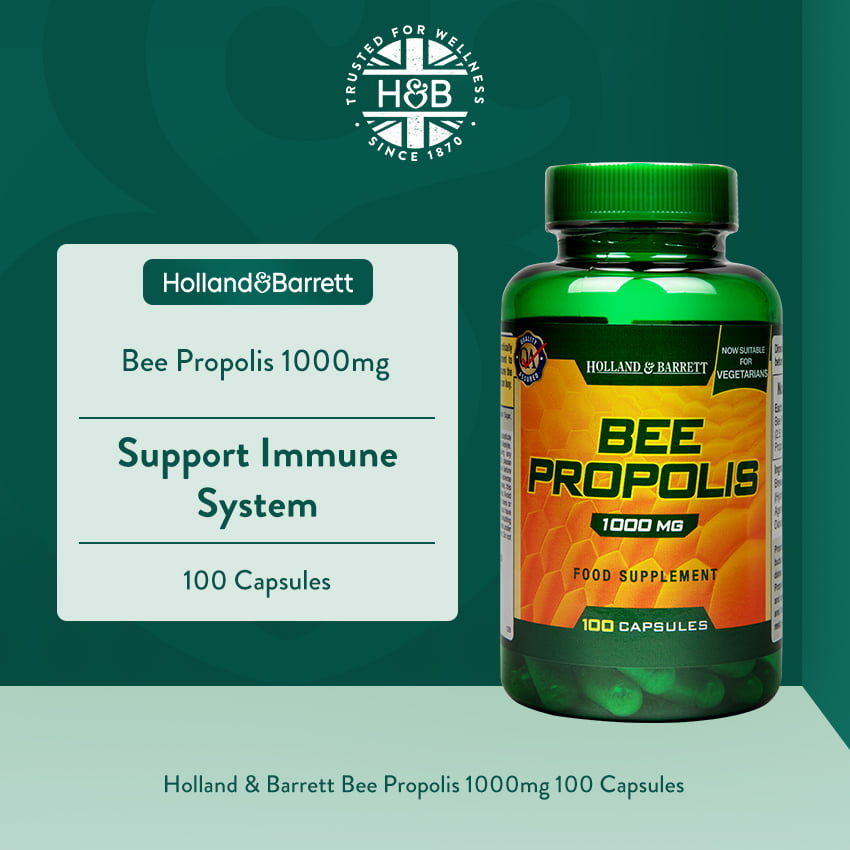
Did you know that honey isn’t the only thing that bees make? Bees also produce a compound called propolis from the sap on needle-leaved trees or evergreens. When they combine the sap with their own discharges and beeswax, they create a sticky, greenish-brown product used as a coating to build their hives. This is propolis.

Healing compounds in propolis

Researchers have identified more than 300 compounds in propolis. The majority of these compounds are forms of polyphenols. Polyphenols are antioxidants that fight disease and damage in the body.

Specifically, propolis contains the polyphenols called flavonoids. Flavonoids are produced in plants as a form of protection. They’re commonly found in foods thought to have antioxidant properties, including:

  • fruits
  • green tea
  • vegetables
  • red wine

Medicinal properties

One 2019 review suggests that people have used propolis as a medicine since the year 300 BC. Ancient Egyptians used propolis for embalming, and some doctors used it during World War II to help with wound healing.

The same 2019 review suggests that it may have the following properties:

  • antibacterial
  • antifungal
  • antiviral
  • antiprotozoal, which means that it works against parasitic illnesses, such as giardiasis
  • anti-inflammatory
  • antioxidant

Some of the substances present in propolis may also have anticancer properties.

However, although laboratory and animal studies into the properties of propolis and its components are promising, few high quality studies have proven its effectiveness as a treatment for specific conditions in humans.

Potential uses

Modern research suggests that propolis may be useful for:

  • minor wounds
  • oral hygiene
  • inflammation
  • cold sores

The following sections will look at some of this research in more detail.

Wound healing

One 2015 review suggests that propolis may aid wound healing. An animal study in rats with diabetes showed that propolis helped the skin grow new cells in order to repair itself.

Because people with diabetes can experience slow wound healing, this suggests that propolis could be beneficial for helping the skin heal more quickly. As propolis also kills some types of bacteria, it may also help prevent infection.

Oral health

According to the same 2015 review, propolis also appears to prevent the formation of calcium phosphate, which is the main component of dental plaque.

Propolis and honey are also antibacterial, which may make them useful as ingredients in dental care products.

According to one small study in the review, propolis significantly decreased the amount of bacteria in the saliva of people with periodontitis.

Inflammation

The antioxidants in propolis may work to reduce inflammation, such as the inflammation that arthritis causes.

Animal studies have tested propolis as an anti-inflammatory agent in rats and mice with arthritis. In both studies, the propolis inhibited swelling and appeared to have an impact on how the inflammation developed.

Scientists believe that propolis may regulate inflammatory substances in the body, such as prostaglandins.

Herpes

A systematic review in the journal Complementary Therapies in Medicine suggests that propolis may work as an alternative treatment for genital or oral herpes.

Herpes is caused by the herpes simplex virus (HSV). HSV-1 typically causes oral herpes, which can result in cold sores. HSV-2 is sexually transmitted, and it causes an infection that can result in painful blisters on the genitals.

In the review, researchers analyzed several trials into honey and propolis, comparing their effects with those of acyclovir, which is a common HSV medication. In 4 out of 6 trials, propolis was more effective than acyclovir for treating HSV skin lesions — particularly cold sores.

However, the researchers did not include a large number of trials in this review.

Insufficient evidence

Although people have used propolis for many health conditions in the past, there is not strong scientific evidence to support all of them.

The following sections will look at some of these health conditions in more detail.

Diabetes

According to the 2015 review, one older study in rats found that propolis was associated with lower blood sugar levels. However, this is not enough evidence to show that propolis can help with managing diabetes in humans.

Cancer

Laboratory studies suggest that the compounds in propolis may inhibit cancer cell growth or induce cell death in cancer cells.

Some in vivo tests have shown that flavonoids from propolis can inhibit the development of oral cancer, lung cancer, skin cancer, breast cancer, and more.

However, much of the research in this field has involved isolated cells or animal models.

COVID-19

One 2020 study in the journal Phytotherapy Research argues that propolis’s antiviral properties may mean that it works against SARS-CoV-2. This is the coronavirus that causes COVID-19.

Previous laboratory studies have shown that propolis exhibits antiviral activity against other types of virus, including:

  • rhinoviruses
  • influenza (flu)
  • respiratory syncytial virus

Propolis also appears to help stimulate the immune system. For these reasons, the researchers suggest that propolis may help with preventing SARS-CoV-2 infection.

However, while clinical trials on propolis’s ability to prevent COVID-19 are underway, there is currently no evidence to suggest that it is effective for this purpose.

Allergies

One study in the journal Oxidative Medicine and Cellular Longevity notes that propolis contains compounds that may have an anti-allergy effect in the body.

Some people may feel a benefit from using propolis for this purpose. However, there is not much scientific evidence to prove that propolis can help reduce allergy symptoms.


Reference: Healthline, Medical News Today

Written by: Omojo Emeje

Wild Yam Benefits

Wild yam is believed to influence hormone balances in a way that can benefits conditions like morning sickness, premenstrual syndrome (PMS), hot flashes, menstrual cramps, vaginal dryness, low libido, and osteoporosis.

Moreover, contrary to health claims, diosgenin is not a phytoestrogen (plant-based estrogen) and interacts in no way with estrogen receptors in the body.

Hormone production and imbalance

Wild yam root contains diosgenin. It’s a plant steroid that scientists can manipulate to produce steroids, such as progesterone, estrogen, cortisone, and dehydroepiandrosterone (DHEA), which are then used for medical purposes.

Thus, some advocates assert that wild yam root has benefits similar to those offered by these steroids in your body, providing a natural alternative to estrogen therapy or progesterone creams.

Yet, studies disprove this, showing that your body cannot turn diosgenin into these steroids.

Instead, diosgenin requires chemical reactions that can only take place in a laboratory setting to convert it into steroids like progesterone, estrogen, and DHEA.

As a result, scientific evidence doesn’t currently support wild yam root’s effectiveness for treating conditions associated with hormonal imbalances, such as PMS, low sex drive, infertility, and weakened bones.

Arthritis

Wild yam earned the nickname “rheumatism root” in the 19th century when it was regularly used to treat joint and muscle pain, historically referred to as “rheumatism.” These health claims have persisted into the 20th and 21st centuries.

Today, many alternative practitioners believe that wild yam can effectively treat symptoms of rheumatoid arthritis (the autoimmune form of arthritis). Their contention is that wild yam exerts potent anti-inflammatory effects that can relieve swelling, pain, and inflammation characteristic of the disease. There is some evidence of this.

A 2013 study published BMC Complementary and Alternative Medicine reported that a daily dried extract of wild yam significantly reduced inflammatory markers in the blood samples of lab mice with medically induced inflammation.

Higher doses of wild yam (400 milligrams per kilogram of body weight) appeared to alleviate nerve pain, while lower doses (200 milligrams per kilogram) reduced overall inflammation. No notable side effects or toxicities were found.

These findings suggest that wild yam may aid in the treatment of osteoarthritis (“wear-and-tear arthritis”), a condition characterized by chronic inflammation. Its use in treating rheumatoid arthritis is less certain given that the source of the inflammation—namely the body’s own immune system—is less affected by anti-inflammatory compounds.

Human clinical research is needed to determine whether wild yam has any effect on either of these forms of arthritis or if it can possibly aid in the treatment of nerve pain disorders.

Skin health

Wild yam root is a common ingredient in anti-aging skin creams.

One test-tube study noted that diosgenin may encourage the growth of new skin cells, which could have anti-aging effects. However, overall research on wild yam root is limited.

Diosgenin has also been studied for its potential depigmenting effect. Excess sun exposure can result in small, flat, brown or tan spots on your skin, also known as hyperpigmentation — which is harmless but sometimes seen as undesirable.

Still, wild yam root creams haven’t been proven effective for this application.


Written by: Omojo Emeje

Eye Health

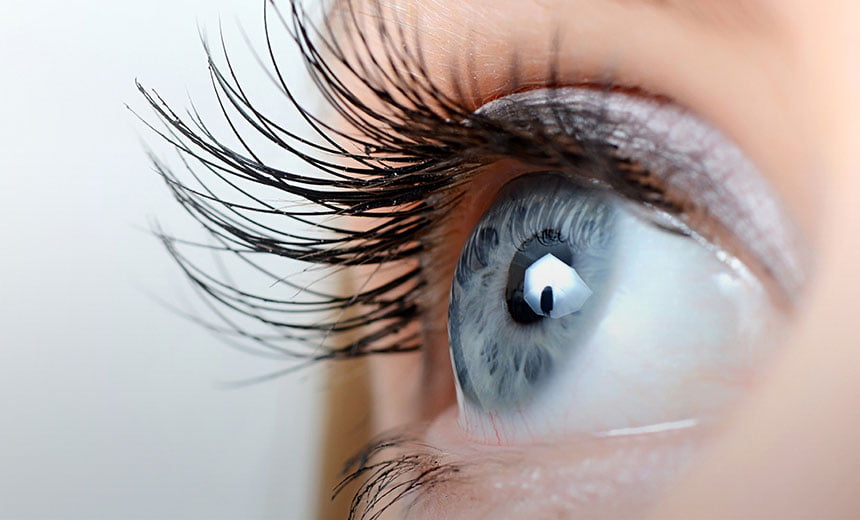
Your eye is an important part of your health. Most people rely on their eyes to see and make sense of the world around them. But some eye diseases can lead to vision loss, so it is important to identify and treat eye diseases as early as possible. And just as it is important to keep your body healthy, you also need to keep your eyes healthy.

We’re constantly being bombarded with magazine articles advising us on how to take care of our health, our skin, our hair and even our feet, but very little attention is paid to our eyes. And that’s a shame, given how much we depend on our vision in our everyday lives.

Just think about how much your eyes work from the moment you wake up until you close your eyes at bedtime. That’s why taking care of our eyes is so important.

Although taking care of your eyes might seem pointless if you don’t have any vision problems, adopting a few easy habits will not only preserve your vision, but will also decrease your odds of developing eye problems in the future.

Eye Care Tips

There are things you can do to help keep your eyes healthy and make sure you are seeing your best:

1. Eat a healthy, balanced diet. Your diet should include plenty or fruits and vegetables, especially deep yellow and green leafy vegetables, eating fish high in omega-3 fatty acids.

2. Maintain a healthy weight. Being overweight or having obesity increases your risk of developing diabetes. Having diabetes puts you at higher risk of getting diabetic retinopathy or glaucoma.

3. Get regular exercise. Exercise may help to prevent or control diabetes, high blood pressure, and high cholesterol. These diseases can lead to some eye or vision problems. So if you exercise regularly, you can lower your risk of getting these eye and vision problems.

4. Wear sunglasses. Sun exposure can damage your eyes and raise your risk of cataracts and age-related macular degeneration. Protect your eyes by using sunglasses that block out 99 to 100% of both UV-A and UV-B radiation.

5. Wear protective eye wear. To prevent eye injuries, you need eye protection when playing certain sports, working in jobs such as factory work and construction, and doing repairs or projects in your home.

6. Avoid smoking. Smoking increases the risk of developing age-related eye diseases such as macular degeneration and cataracts and can damage the optic nerve.

7. Know your family medical history. Some eye diseases are inherited, so it is important to find out whether anyone in your family has had them. This can help you determine if you are at higher risk of developing an eye disease.

8. Know your other risk factors. As you get older, you are at higher risk of developing age-related eye diseases and conditions. It is important to know your risk factors because you may be able to lower your risk by changing some behaviours.

9. If you wear contacts, take steps to prevent eye infections. Wash your hands well before you put in or take out your contact lenses. Also follow the instructions on how to properly clean them, and replace them when needed.

10. Give your eyes a rest. If you spend a lot of time using a computer, you can forget to blink your eyes and your eyes can get tired.

Take care of your eyes and let them take care of you!!


Written by: Chiamaka Nwoko

Health Tips You Didn’t Know!!

✓ Coconut and groundnut are sexual drive enhancers.

✓ Carrot and cucumbers are sperm boosters!

✓ Swimming enhances your memory.

✓ Dancing reduces stress.

✓ Exercise is a life extending therapy.

✓ Masturbation can cause eye defect, weakness of penis and reduces your libido.

✓Beans is an anti-cancer, you can remove the skin if it gives you trouble after eating.

✓Eating smoked fish is suicidal because it is double monoxide and could elicit cancerous cells.

✓Soft drinks and juices shouldn’t be abused. You can prepare your own juice with fruits. Dont accumulate synthetic sugar in your body.

✓ Make watermelon your companion as it cleanses your liver and kidney, and also enhances their functions.

✓ Eat apples, carrot, onion and other vegetables everyday.

✓ Cease your breathe for at least one minute when people cough or sneeze, especially in an enclosure or in a public transit.

✓ Washing of hands regularly is a major way of preventing some infections.

✓ Garlic is an antibiotic and antiviral plant.

✓Garlic clears the throat!


Written by: Chiamaka Nwoko

What you should know about CBD Oil!

Cannabidiol (CBD) oil is a product that’s derived from cannabis. It’s a type of cannabinoid, which are the chemicals naturally found in marijuana plants. Even though it comes from marijuana plants, CBD doesn’t create a “high” effect or any form of intoxication — that’s caused by another cannabinoid, known as THC.

There’s some controversy around cannabis products like CBD oil because of recreational marijuana use. But there’s growing awareness about the possible health benefits of CBD oil. Here’s what you need to know about six potential medical uses of CBD and where the research stands:

1. Anxiety relief

CBD may be able to help you manage anxiety. Researchers think it may change the way your brain’s receptors respond to serotonin, a chemical linked to mental health. Receptors are tiny proteins attached to your cells that receive chemical messages and help your cells respond to different stimuli.

One study found that a 600mg dose of CBD helped people with social anxiety give a speech. Other early studies done with animals have shown that CBD may help relieve anxiety by:

  • reducing stress
  • decreasing physiological effects of anxiety, such as an increased heart rate
  • improving symptoms of post-traumatic stress disorder (PTSD)
  • inducing sleep in cases of insomnia

2. Anti-seizure

CBD has been in the news before, as a possible treatment for epilepsy. Research is still in its early days. Researchers are testing how much CBD is able to reduce the number of seizures in people with epilepsy, as well as how safe it is. The American Epilepsy Society states that cannabidiol research offers hope for seizure disorders, and that research is currently being conducted to better understand safe use.

A study from 2016 worked with 214 people with epilepsy. The study participants added oral doses of 2 to 5mg of CBD per day to their existing anti-epilepsy medications. The study’s researchers monitored the participants for 12 weeks, recording any negative side effects and checking on the frequency of their seizures. Overall, participants had 36.5 percent fewer seizures per month. However, severe adverse effects were recorded in 12 percent of the participants.

3. Neuroprotective

Researchers are looking at a receptor located in the brain to learn about the ways that CBD could help people with neurodegenerative disorders, which are diseases that cause the brain and nerves to deteriorate over time. This receptor is known as CB1.

Researchers are studying the use of CBD oil for treating:

  • Alzheimer’s disease
  • multiple sclerosis (MS)
  • Parkinson’s disease
  • stroke

CBD oil may also reduce the inflammation that can make neurodegenerative symptoms worse. More research is needed to fully understand the effects of CBD oil for neurodegenerative diseases.

4. Pain relief

The effects of CBD oil on your brain’s receptors may also help you manage pain. Studies have shown that cannabis can offer some benefits when taken after chemotherapy treatments. Other pre-clinical studies sponsored by the National Institutes of Health are also looking at the role of cannabis in relieving symptoms caused by:

  • arthritis
  • chronic pain
  • MS pain
  • muscle pain
  • spinal cord injuries

5. Anti-acne

The effects of CBD on receptors in the immune system may help reduce overall inflammation in the body. In turn, CBD oil may offer benefits for acne management. A human study published in the Journal of Clinical Investigation found that the oil prevented activity in sebaceous glands. These glands are responsible for producing sebum, a natural oily substance that hydrates the skin. Too much sebum, however, can lead to acne.

Before you consider CBD oil for acne treatment, it’s worth discussing with your dermatologist. More human studies are needed to evaluate the potential benefits of CBD for acne.

6. Cancer treatment

Some studies have investigated the role of CBD in preventing cancer cell growth, but research is still in its early stages. The National Cancer Institute (NCI) says that CBD may help alleviate cancer symptoms and cancer treatment side effects. However, the NCI doesn’t fully endorse any form of cannabis as a cancer treatment. The action of CBD that’s promising for cancer treatment is its ability to moderate inflammation and change how cell reproduce. CBD has the effect of reducing the ability of some types of tumor cells to reproduce.

CBD oil side effects

CBD oil usually doesn’t have any major risks for users. However, side effects are possible. These include:

  • depression
  • dizziness
  • hallucinations
  • low blood pressure
  • withdrawal symptoms, such as irritability and insomnia

More human studies are needed to fully understand the range of risks and side effects that CBD oil may cause. Studies of CBD oil aren’t common. This is partially because Schedule 1 substances like cannabis are highly regulated, causing some obstacles for researchers. With the legalization of marijuana products, more research is possible, and more answers will come.


Written by: Blessing Atabo

Source: Healthline.


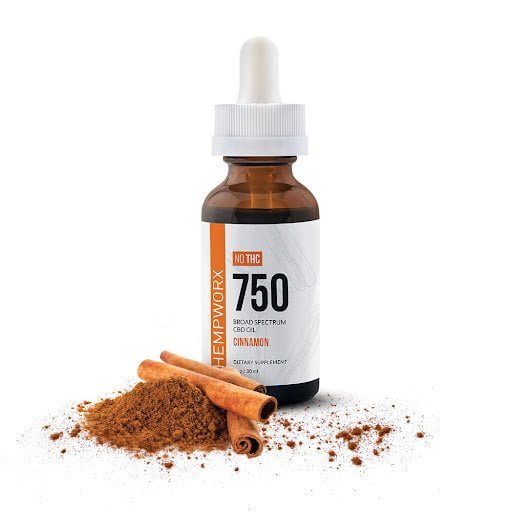
Feel free to purchase yours today at http://backup.troopharm.com/product/cbd-750-oil-cinnamon/


Add to cart